Top 20 Caves in Granada
Caves in Granada offer a diverse range of underground experiences, from ancient natural formations to historic cave dwellings. The region, situated in Andalusia, Spain, features a landscape shaped by geological processes and human history. These caves provide insights into prehistoric life, cultural heritage, and unique architectural adaptations. Visitors can explore both natural caverns and man-made structures carved into the hillsides.
Best caves in Granada
- The most popular caves is Sacromonte Abbey, a religious building that includes the Santas Cuevas,…
Last updated: October 14, 2026
Sacromonte Abbey
Highlight • Religious Site
Translated by Google •
Tip by

Guadix
Highlight • Settlement
Guadix is known for its cave districts made of soft tufa rock.
There were about 2000 dwelling caves.
Translated by Google •
Tip by

Sign up now to discover places like this
Get recommendations on the best single tracks, peaks, & plenty of other exciting outdoor places.
Sacromonte Caves Museum
Highlight • Cave
Translated by Google •
Tip by

Cave town Guadix
Highlight • Settlement
Translated by Google •
Tip by

Ermita de Nuestra Señora de Los Ángeles
Highlight • Religious Site
Translated by Google •
Tip by

Cerro del Toro Mines
Highlight • Historical Site
Translated by Google •
Tip by

Cueva del Agua
Highlight • Cave
Translated by Google •
Tip by
Cave Museum – Cuevas de Guadix Interpretation Center
Highlight • Cave
Translated by Google •
Tip by
Captain's Cave Tunnel
Highlight • Cave
Translated by Google •
Tip by
Marchal Cave Houses
Highlight • Structure
Translated by Google •
Tip by

Sign up for free to discover even more caves in Granada.
Already have an account?
Start today with a free account
Your next adventure awaits.
Popular around Granada
12 hiking gems throughout Spain

Triathlon 360 – my journey around the world
Sulayr Trail (GR 240) — 300 kilometers in the mountain of the sun
Badlands 2024 – extreme experiences and a sense of joy
Mozarabic Way to Santiago – Gravel between two worlds
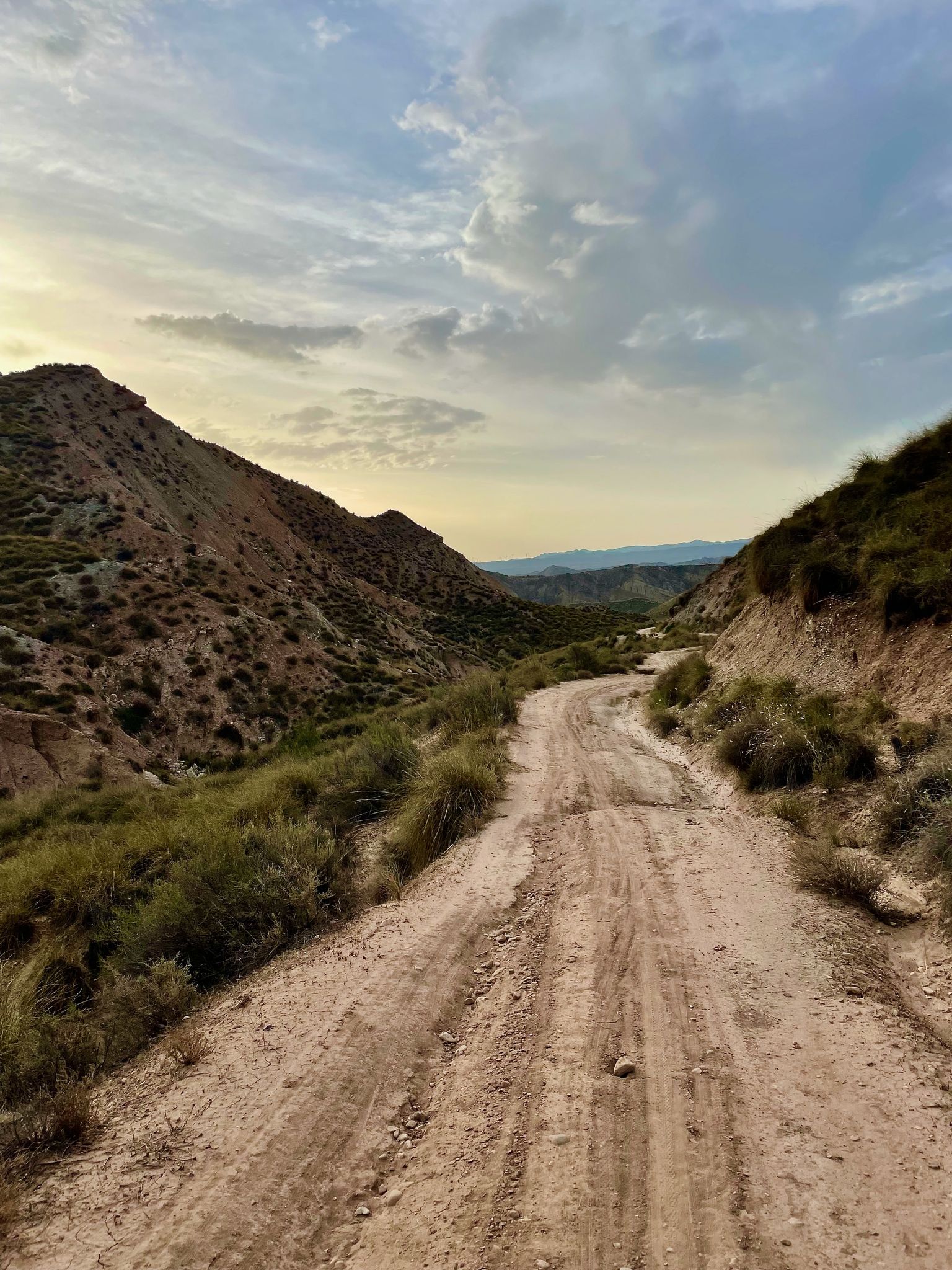
Badlands 2021 — 750km of gravel in the Spanish deserts
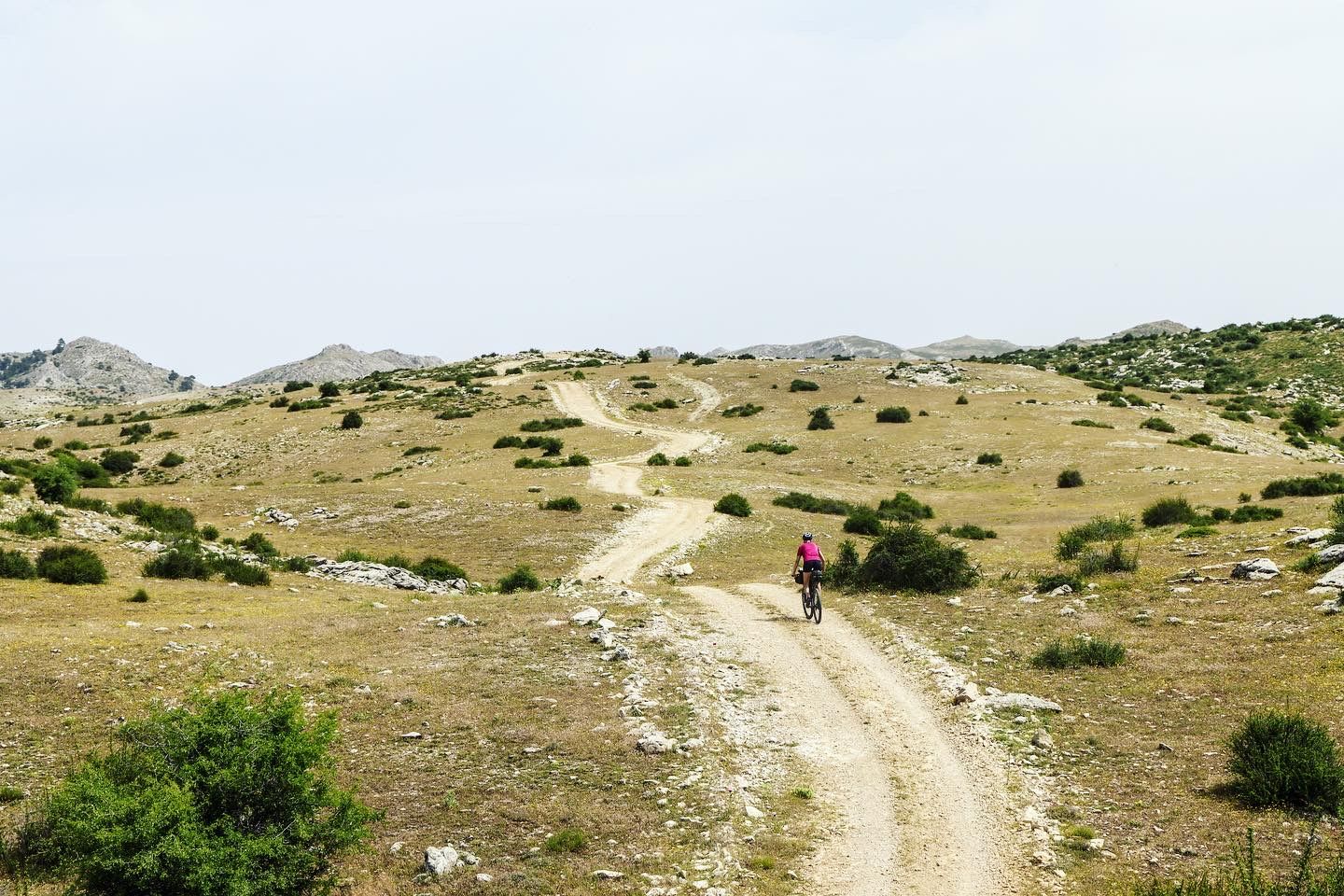
Bikepacking the mountains and deserts of Andalucía
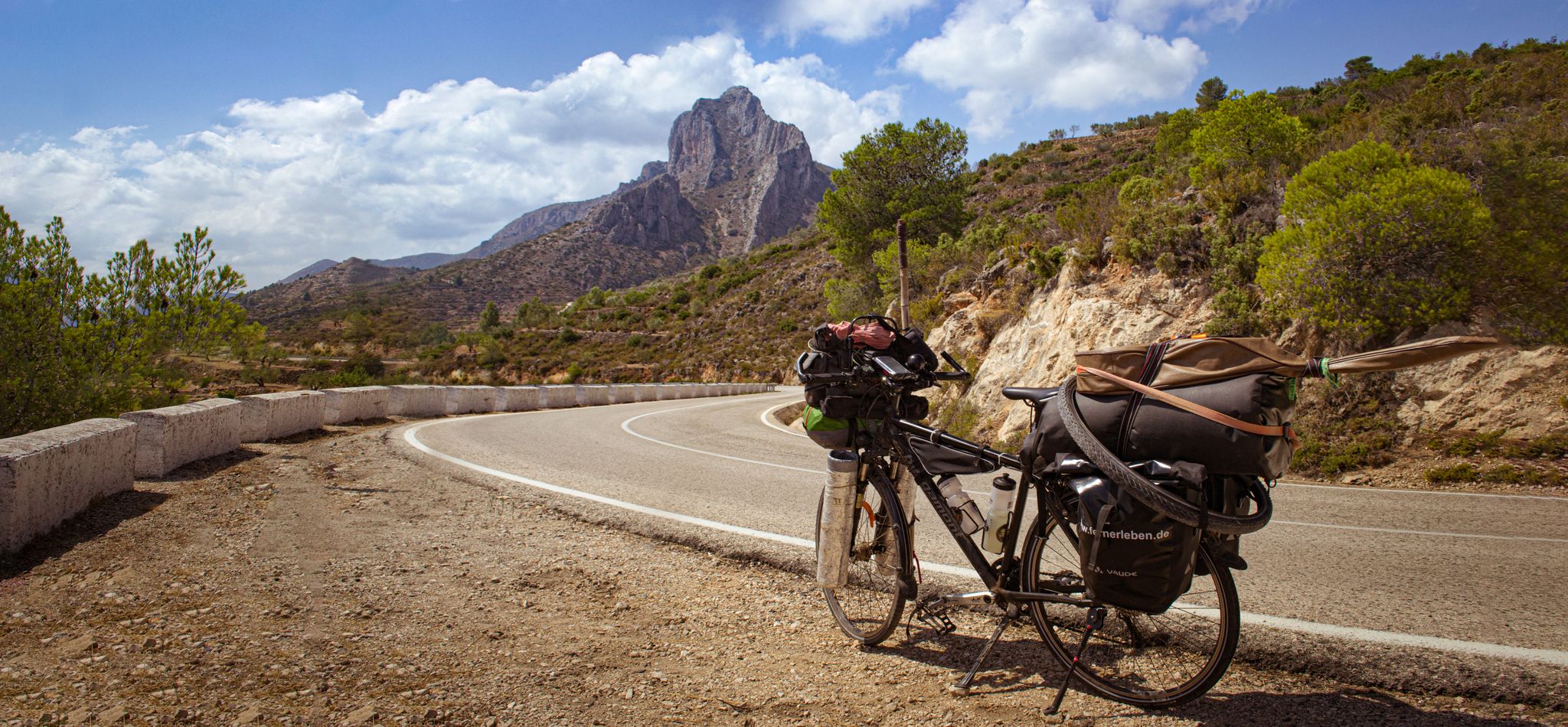
On the road to the sun — bikepacking to southeast Spain

La Vuelta 26 — All Official Stages
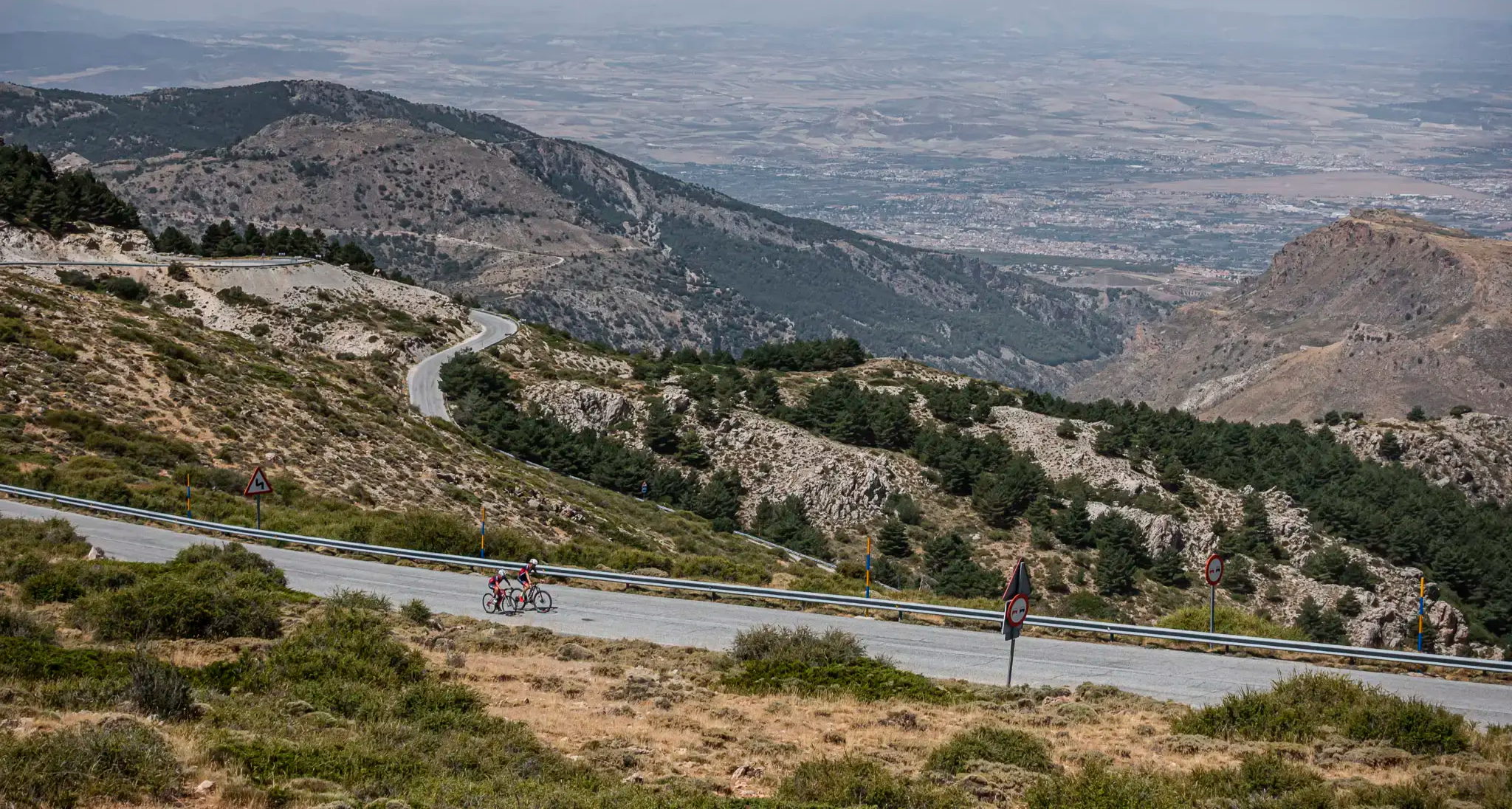
The challenge of the south - Routes through Sierra Nevada
Other adventures in Granada


Tips from the Community


If you're in Guadix, don't miss the cave districts. Climb up to the Hermitage in Plaza del Padre Poveda and its viewpoint. Then you can continue along the Cuatro Veredas until you reach the Mercadona just above.
0
0

The Hermitage of Our Lady of the Angels is located on the Camino de la Trucha, which runs parallel to the Alhama or Marchán River, at the foot of the impressive Alhama Cliffs. There are two routes to reach the hermitage from the village. One is a wide dirt road that begins at the school, and another, which we liked the most, leads through one of the most beautiful places in Alhama. It begins at the old Pérez cinema, passes through the flour mills, and passes through some washhouses carved into the rock itself.
0
0

Very diverse and beautiful city with lots to see and discover.
2
0

A really beautiful and informative museum. You do have to climb a bit up the hill, but it's definitely worth it. The €5 entrance fee isn't too much. Not recommended when it's raining, as it's an open-air museum and the path is very slippery.
3
0

Coming from Granada, it is a great walk and the abbey is really worth seeing.
0
1

You can find more information here: https://www.andalucia.org/es/granada-turismo-cultural-abadia-del-sacromonte
2
1

The place is worth a short visit. There are some caves and a walk to the viewpoints is worth it. Be careful not to drive your car all the way into the town, as there is hardly any way out.
4
1
Frequently Asked Questions
Which caves in Granada offer a deep dive into local history and culture?
For a rich cultural and historical experience, visit the Sacromonte Caves Museum. These recreated cave dwellings in the Sacromonte neighborhood showcase the lives and traditions of the Romani people, including their Flamenco heritage. You can also explore the historic cave houses in the settlement of Guadix, known for its unique cave districts.
Are there any family-friendly and accessible caves in the Granada region?
Yes, the Cueva de las Ventanas in Piñar is highly accessible, designed to be 'without barriers' and suitable for families and people with limited mobility. It features well-maintained paths and walkways through its impressive chambers. The Sacromonte Caves Museum and the Cave Museum – Cuevas de Guadix Interpretation Center are also considered family-friendly, offering insights into cave dwelling history.
What kind of geological formations can I expect to see in Granada's caves?
The region offers diverse geological wonders. The Cueva de Nerja, though slightly further afield in Málaga, is renowned for its spectacular stalactites and stalagmites, including one of the world's largest. Closer to Granada, the Cave of the Marbles in Sierra de Huetor Natural Park features imposing columns formed over millennia.
Where can I find ancient archaeological remains or prehistoric art in the caves?
The Cueva de las Ventanas in Piñar is a significant archaeological site, with remains from Neanderthals and Neolithic burials. It also has an interactive interpretation center. The Cueva de Nerja is famous for its prehistoric art, including some of the oldest known artistic representations by Neanderthals, though not all art is publicly accessible for conservation.
Are there any unique cave dwelling experiences in Granada?
Absolutely. The Marchal Cave Houses offer a chance to explore a settlement with homes carved directly into the rock, providing a glimpse into a unique architectural adaptation. Similarly, the cave districts of Cave town Guadix are famous for their numerous dwelling caves.
What outdoor activities can I combine with a visit to the caves in Granada?
The Granada region offers a variety of outdoor activities. You can explore mountain hikes, such as those around Mulhacén Peak or Pico del Veleta, by checking out the Mountain Hikes in Granada guide. For cycling enthusiasts, there are numerous road cycling routes, including ascents to Sierra Nevada, detailed in the Road Cycling Routes in Granada guide, or general cycling tours in the Cycling in Granada guide.
Can I visit religious sites or historical abbeys that incorporate caves?
Yes, the Sacromonte Abbey is a significant 17th-century religious complex that includes the Santas Cuevas, a place of worship where the remains of San Cecilio, Granada's patron saint, were found. Another charming option is the Ermita de Nuestra Señora de Los Ángeles, a chapel connected to a local legend, with some parts carved into the rock.
What is the best time of year to visit the caves in Granada?
Many caves, like the Cueva de las Ventanas, maintain a stable temperature of around 13°C year-round, making them comfortable to visit regardless of the season. However, for surface exploration and enjoying the panoramic views from places like Sacromonte, spring and autumn offer pleasant weather. Always check specific opening hours as they can vary seasonally.
Are there any challenging cave exploration opportunities in the area?
For those seeking a more challenging experience, the Cerro del Toro Mines are listed as a challenging historical site involving caves. Always ensure you have appropriate gear and experience for such explorations.
What should I wear when visiting caves in Granada?
Given that many caves maintain a cool, stable temperature (around 13°C) and high humidity, it's advisable to wear layers, even in summer. Comfortable, closed-toe shoes with good grip are essential for navigating potentially damp or uneven paths. For specific sites like the Captain's Cave Tunnel, which is intermediate difficulty, sturdy footwear is particularly important.
Can I find cafes or restaurants near the Sacromonte caves?
Yes, the Sacromonte neighborhood, home to the Sacromonte Caves Museum, is a lively area. You'll find various cafes and restaurants offering local cuisine, often with stunning views of the Alhambra, especially beautiful at sunset. Many visitors combine a museum visit with attending a live Flamenco show in the Sacromonte caves, where food and drink are often available.
Most popular routes in Granada
Most popular attractions in Granada

Get inspired with the komoot mobile app


Didn’t find what you were looking for?
Discover more caves in Granada region by region:
Explore more
Extend your search for the best caves by checking out these guides of the top ones in Granada:
