Top 14 Caves in Almería
Caves in Almería, a province in Andalusia, Spain, offer a diverse range of underground formations. The region is characterized by its dry climate, which has contributed to the preservation of unique geological features like gypsum karst systems. Almería's landscape includes historical cave dwellings and significant archaeological sites, providing insight into ancient human settlement and natural wonders.
Best caves in Almería
- The most popular caves is Los Cocedores Beach, a beach that features a landscape eroded by the sea, creating curious caves. These caves were historically used as cooking places.
- Another must-see spot is Sorbas, a settlement known for its impressive caves. Visitors can explore a town with a combination of history and nature, including its notable cave systems.
- Visitors also love Cuevas del Calguerín, a cave known for its historical significance. These caves offer a glimpse into the region's ancient past and prehistoric human settlement.
- Almería is known for its gypsum karst caves, historical cave dwellings, and archaeological sites with cave paintings. The region offers a variety of caves to see and explore, from natural geological formations to sites of cultural heritage.
- The caves in Almería are appreciated by the komoot community, with 77 upvotes and 52 photos shared by users.
Last updated: October 14, 2026
Los Cocedores Beach
Highlight • Beach
Los Cocedores beach is located on the border between Murcia and Almería. In fact, there is a dispute between the two regions over who owns the beach. It is not surprising, as it is one of the most fascinating spots in the area and both want to have it in their geography.
Thats why tere are TWO BARS at the beach, ons with the flag of Murcia and one with the flag of Andalusia.
Tip by

Cave of the Alchemist of Mojácar
Highlight • Cave
Translated by Google •
Tip by
Sign up now to discover places like this
Get recommendations on the best single tracks, peaks, & plenty of other exciting outdoor places.
San Diego Mining Village
Highlight • Historical Site
Translated by Google •
Tip by
Indiana Jones Tunnel, Cerro del Cinto
Highlight • Cave
Translated by Google •
Tip by
Sorbas
Highlight • Settlement
Translated by Google •
Tip by

Mine Shaft
Highlight • Structure
Translated by Google •
Tip by

Cuevas del Calguerín
Highlight • Cave
Translated by Google •
Tip by
The caves
Highlight • Cave
Translated by Google •
Tip by
Totem Pole at Cave Entrance
Highlight • Cave
We also liked the path there, steep and easy to walk.
Translated by Google •
Tip by

Conan the Barbarian Caves
Highlight • Cave
Translated by Google •
Tip by

Sign up for free to discover even more caves in Almería.
Already have an account?
Start today with a free account
Your next adventure awaits.
Popular around Almería

Triathlon 360 – my journey around the world
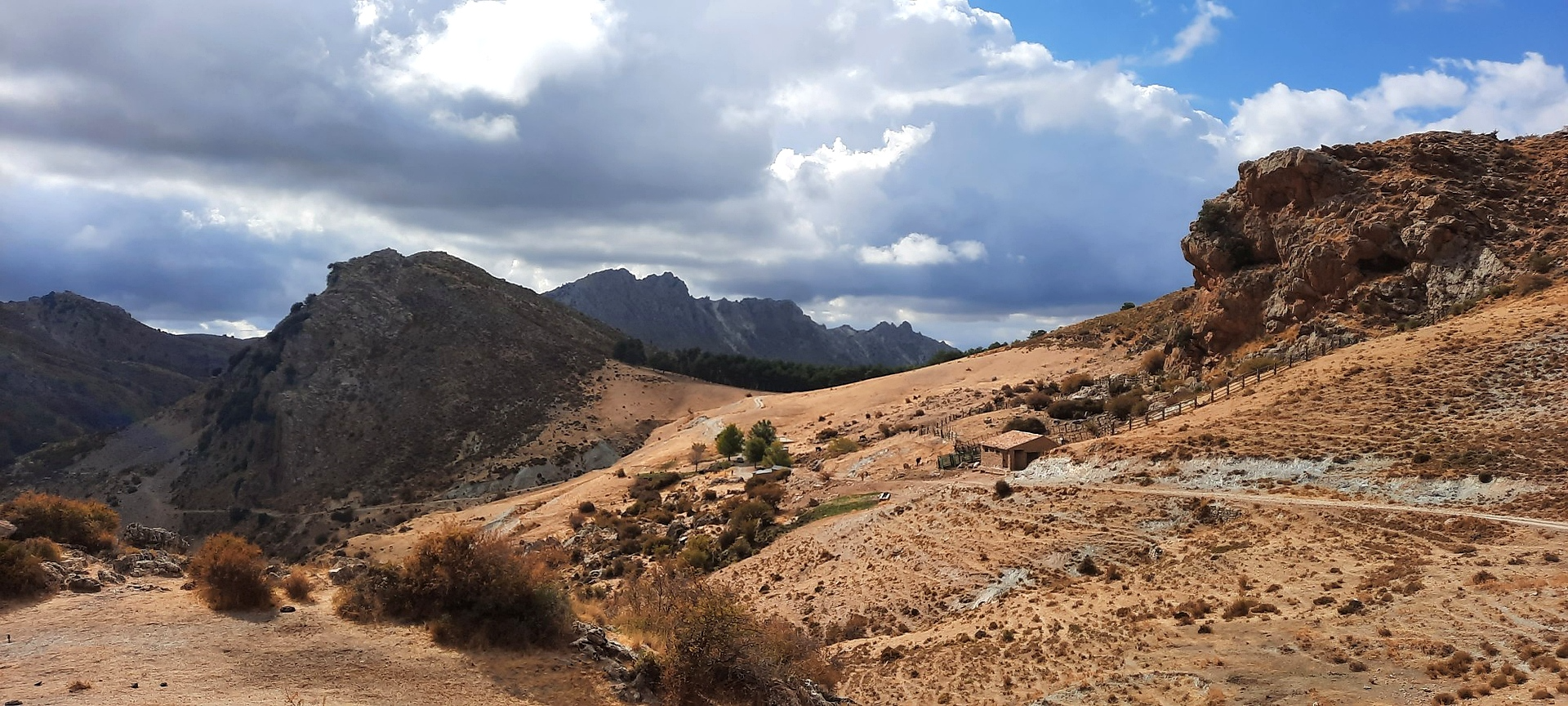
Sulayr Trail (GR 240) — 300 kilometers in the mountain of the sun
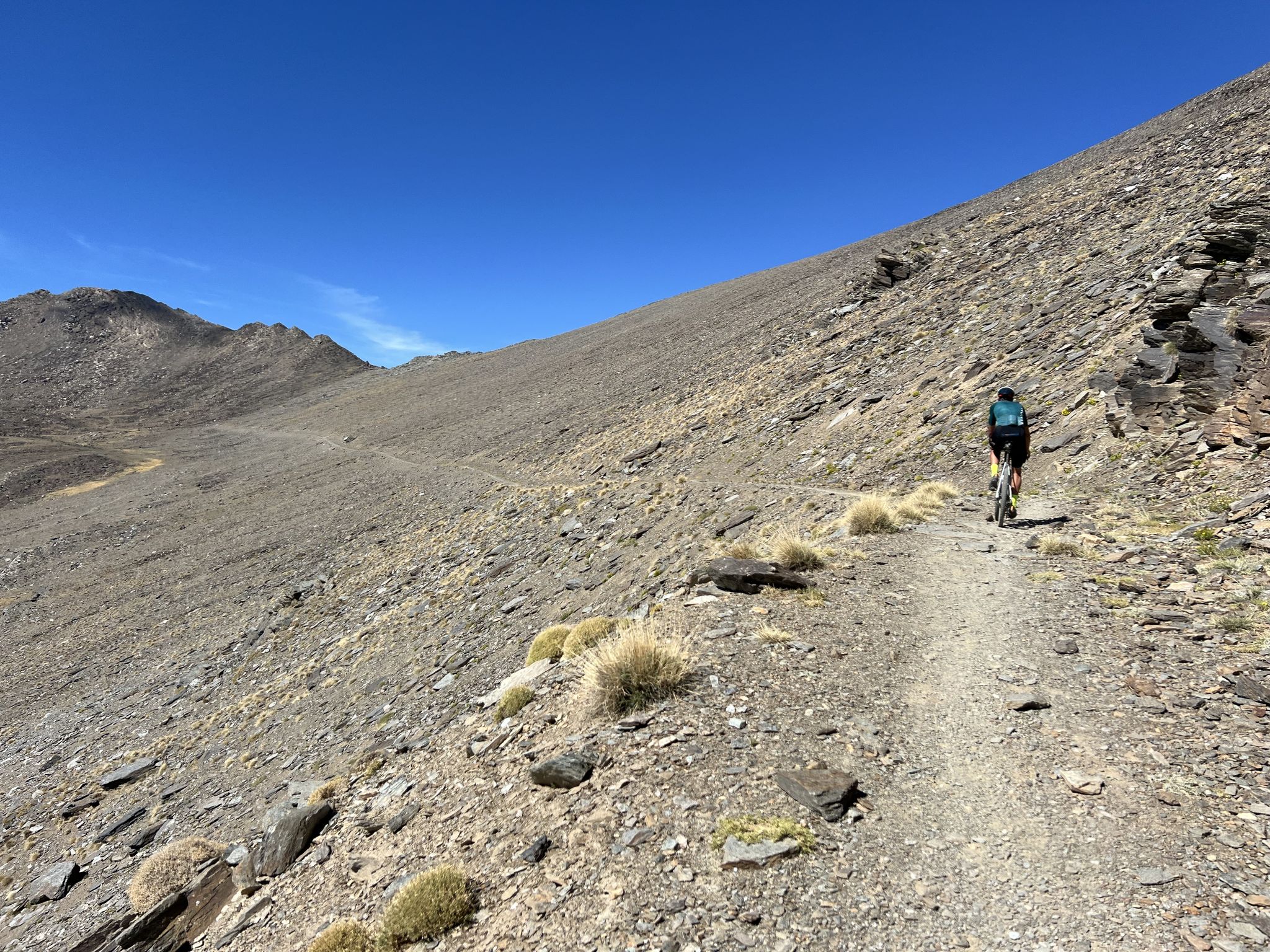
Badlands 2024 – extreme experiences and a sense of joy
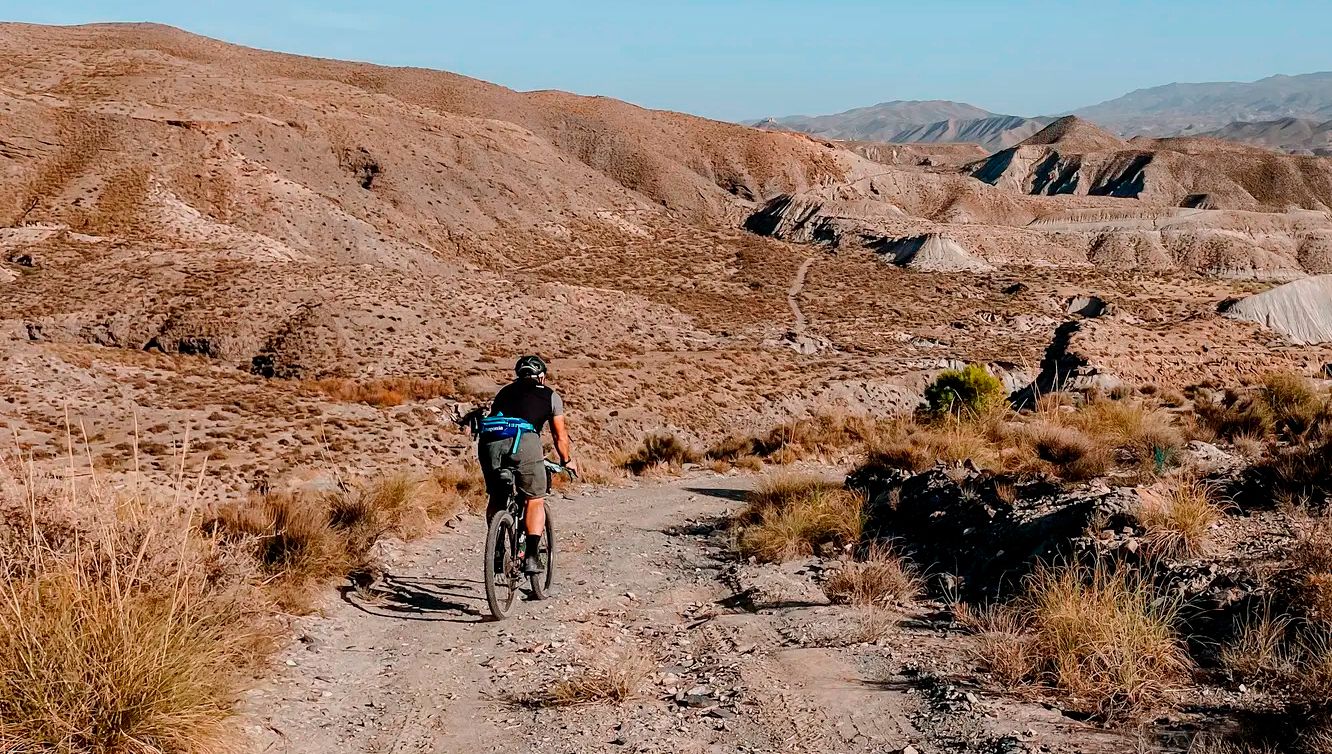
TransAlmería Gravel – Summits, dry riverbeds and deserts
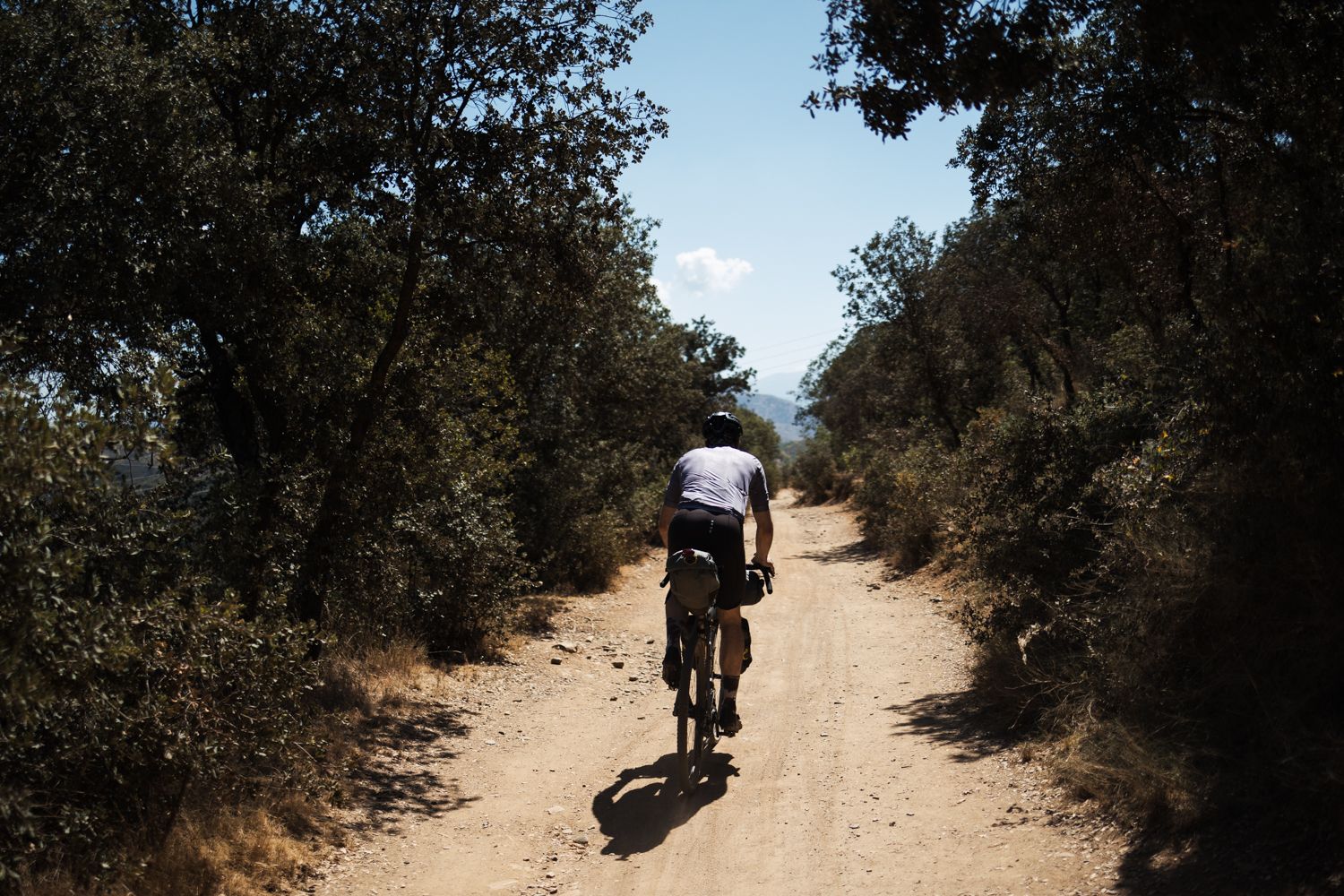
Mozarabic Way to Santiago – Gravel between two worlds
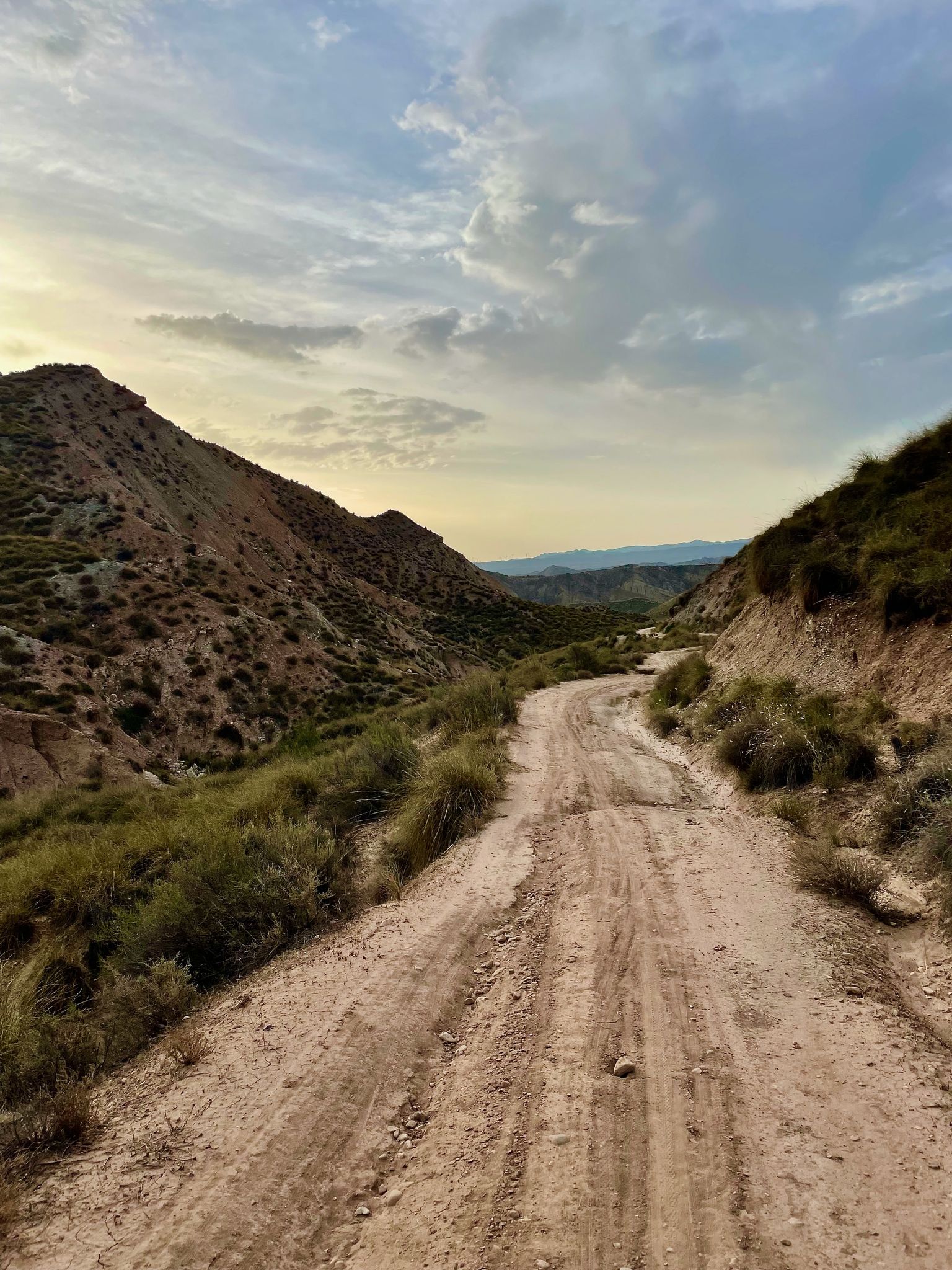
Badlands 2021 — 750km of gravel in the Spanish deserts
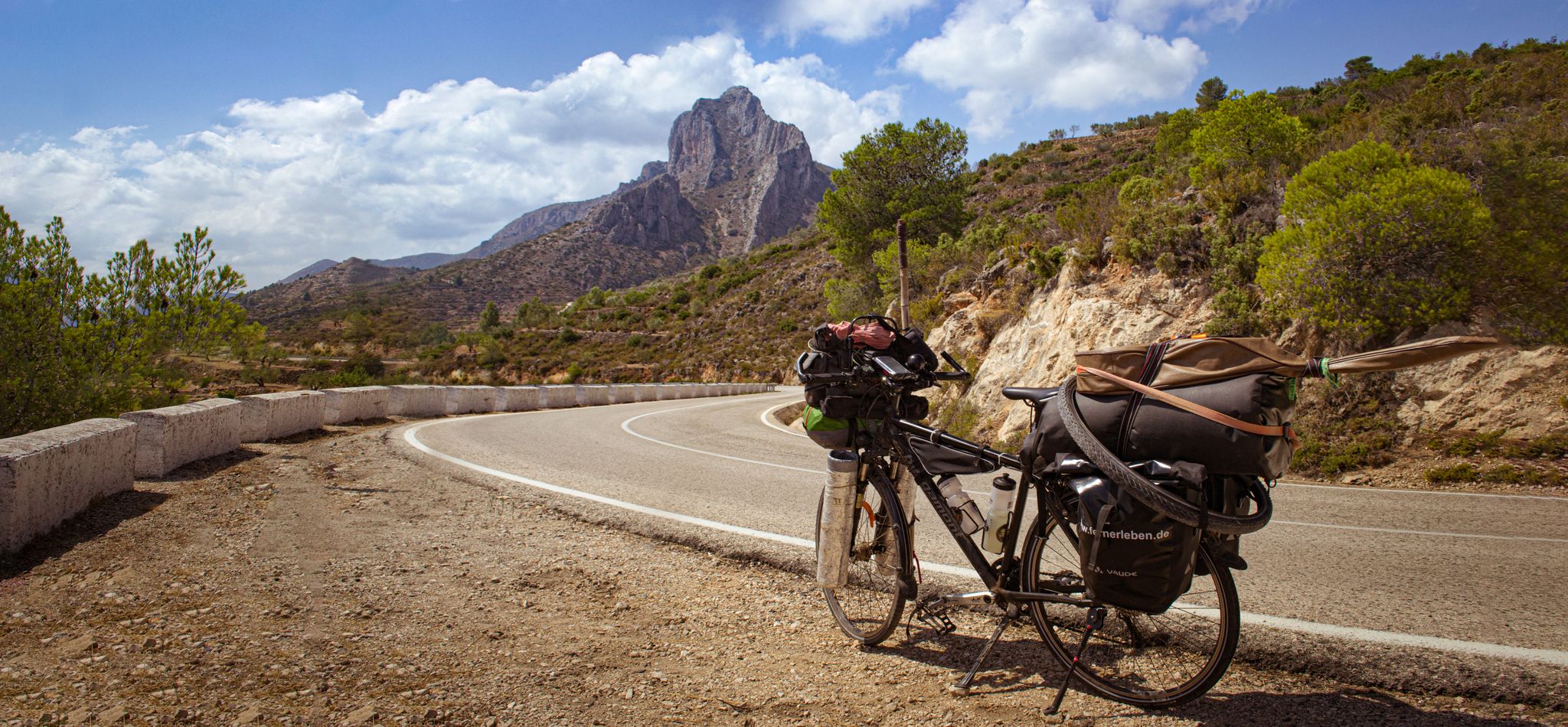
On the road to the sun — bikepacking to southeast Spain
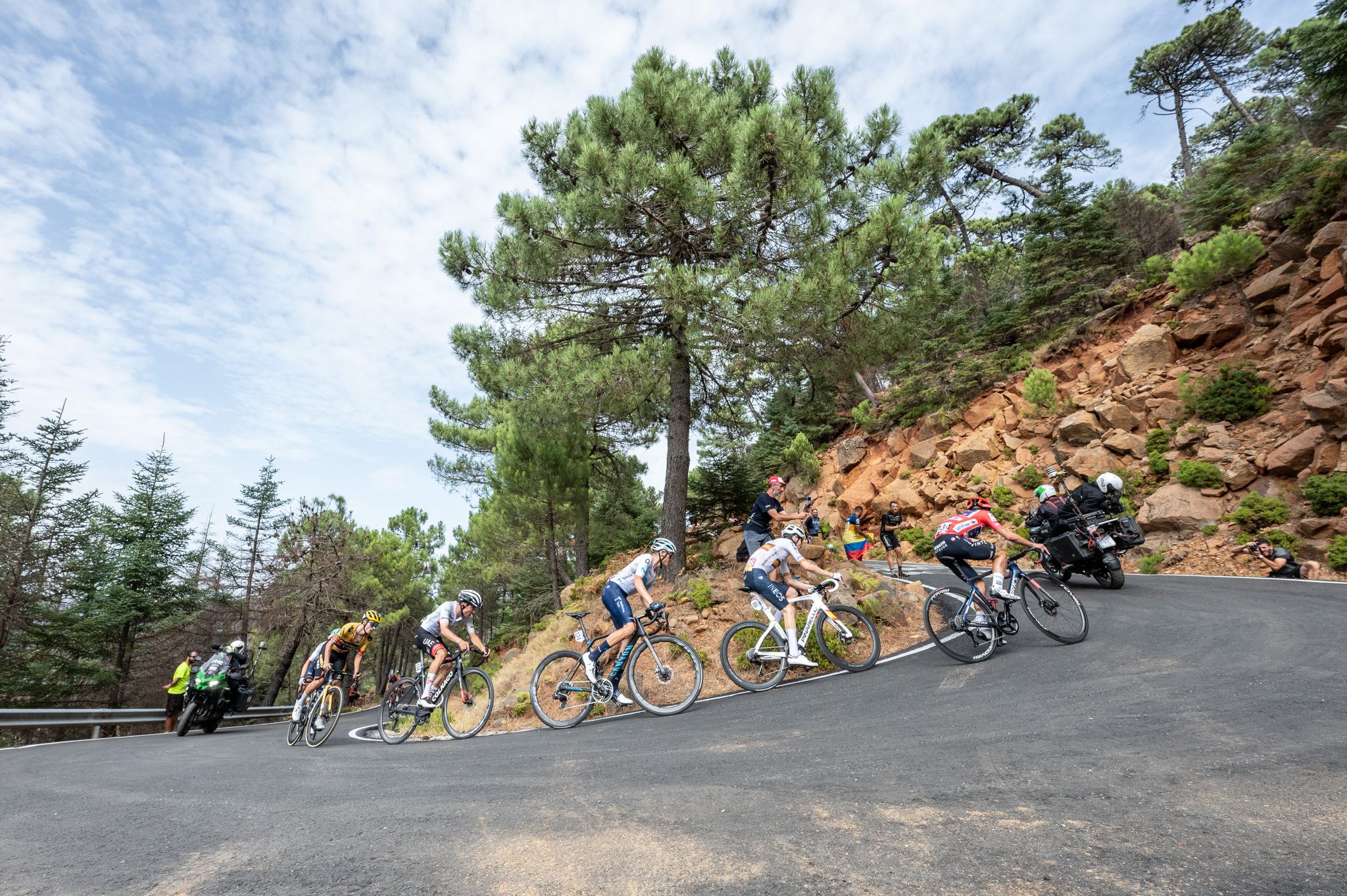
La Vuelta 26 — All Official Stages
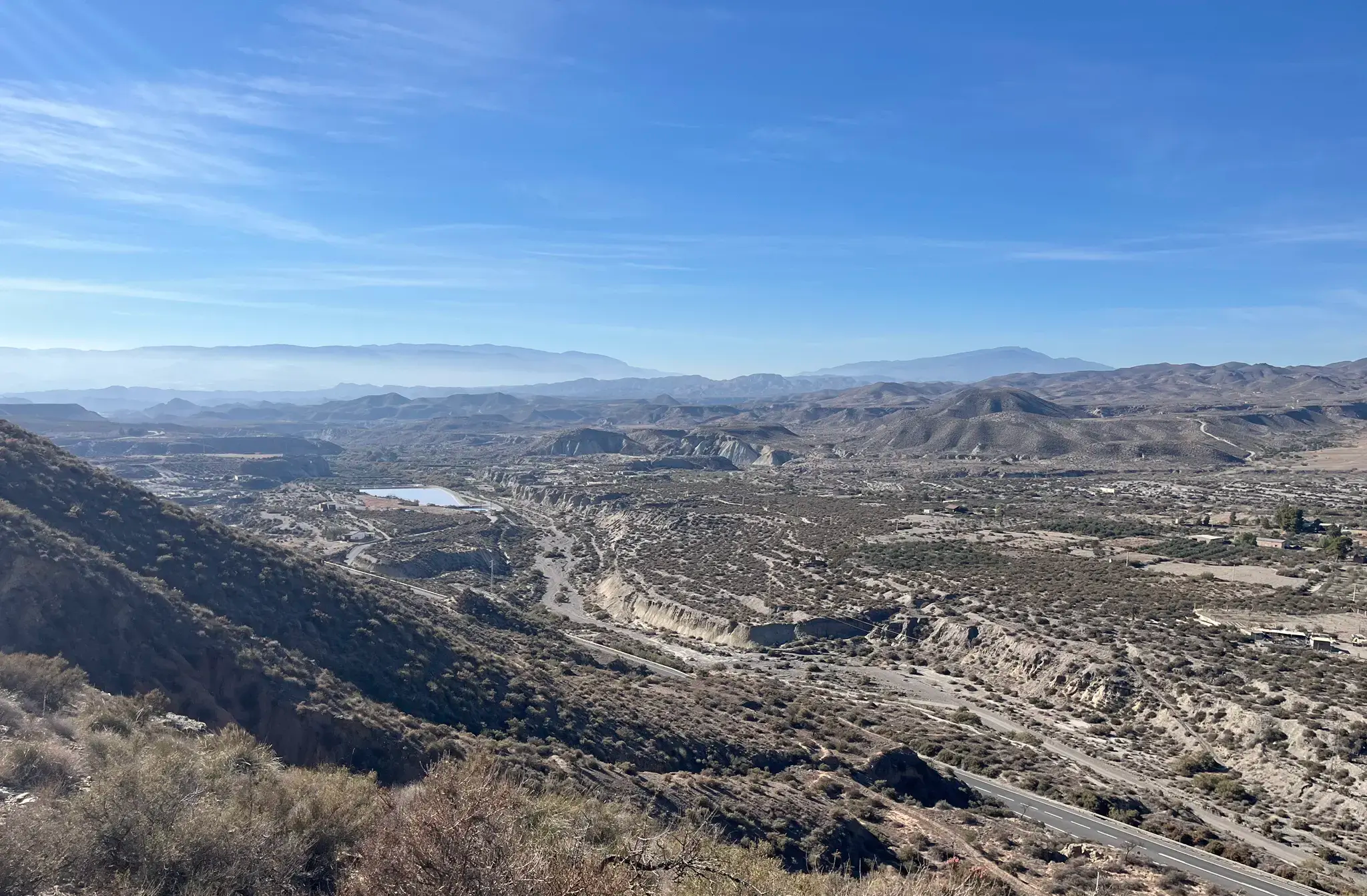
Discover the secrets of Almeria - Inland Villages (GR 244)
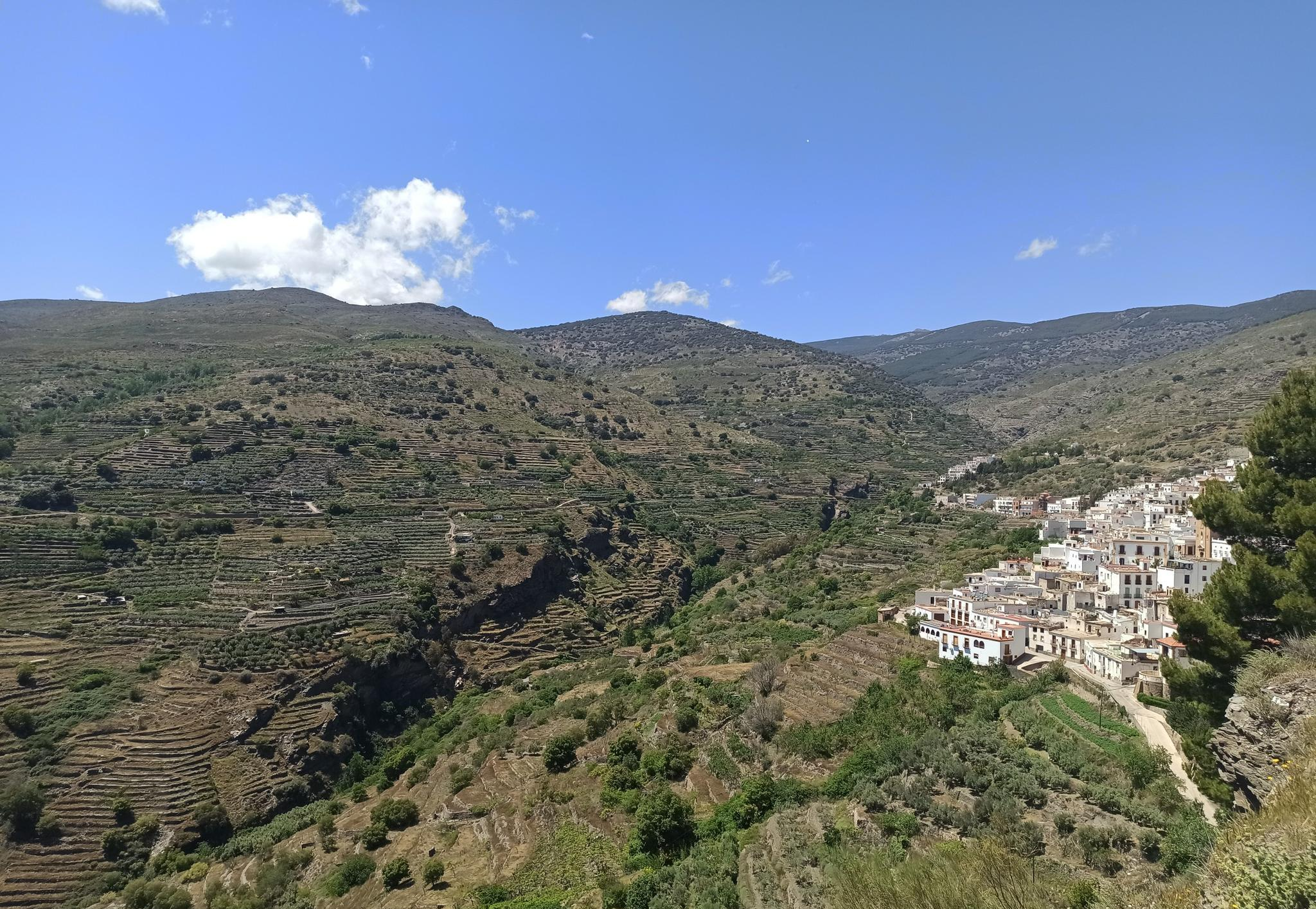
Among white villages - Path of the Alpujarra (GR 142)
Other adventures in Almería


Tips from the Community

The famous tunnel from the Indiana Jones movie.
1
0
The cave leading to the viewpoint is much prettier than the village itself.
1
0

Top beach, running, swimming, climbing, everything is possible
1
0

The entrance and beautiful rock are just after the parking lot, if you walk towards the center you will pass it.
9
0

Remains of the San Indalecio canal
0
0

The totem is worth seeing, beautifully made, placed in the rock, recommended. We also liked the path there, steep and easy to walk.
0
0
Some scenes from an Indiana Jones movie were once filmed here. The caves are entered at your own risk.
12
0
The mining past has exposed beautiful rocks, which now greatly enhance this area.
12
0
Frequently Asked Questions
What are the most unique geological formations to see in Almería's caves?
Almería is home to some extraordinary geological wonders. You can explore the Cuevas de Sorbas, which are part of one of the best-preserved gypsum karst systems globally, featuring abundant gypsum crystals, stalactites, and stalagmites. Another must-see is the Pulpí Geode, Europe's largest and the world's second-largest geode, filled with colossal, perfectly preserved gypsum crystals.
Are there any caves in Almería with historical or archaeological significance?
Yes, Almería offers several caves rich in history. The Cuevas del Calguerín are known for their Levantine-style cave paintings, showcasing prehistoric human settlement. The Cueva de los Letreros, a UNESCO World Heritage site, also houses important prehistoric art. Additionally, the "Palatial Caves" of Cuevas del Almanzora provide a unique insight into ancient troglodyte dwellings, some of which are still inhabited today.
Which caves in Almería are suitable for families with children?
For a family-friendly experience, consider visiting Los Cocedores Beach, which features sea-eroded caves that were historically used as cooking places. Its calm, crystal-clear waters make it ideal for a relaxing visit. The town of Sorbas, known for its impressive cave systems, also offers basic, family-friendly guided tours within the Cuevas de Sorbas.
Do I need a guided tour or permit to visit the caves in Almería?
For major sites like the Cuevas de Sorbas and the Pulpí Geode, guided tours are highly recommended and often required. These tours provide access to the formations and ensure safety. For example, you can find tours for the Cuevas de Sorbas via happytovisit.com. Other historical cave sites may have specific visiting hours or require prior arrangement.
What kind of outdoor activities can I do near the caves in Almería?
The region around Almería's caves offers diverse outdoor activities. You can find numerous routes for cycling, gravel biking, and mountain biking. For example, explore cycling routes in the area with the Cycling in Almería guide, or discover gravel biking trails in the Gravel biking in Almería guide. There are also challenging MTB trails available, detailed in the MTB Trails in Almería guide.
What should I wear when exploring caves in Almería?
Given the varied nature of the caves, it's advisable to wear comfortable clothing and sturdy, closed-toe shoes. For adventurous tours like those in Cuevas de Sorbas, which might involve crawling and climbing, appropriate outdoor gear is essential. For the Pulpí Geode, be prepared for many steps, so comfortable footwear is key.
Are there any caves in Almería that are particularly challenging or adventurous?
Yes, for those seeking adventure, the Cuevas de Sorbas offer more advanced and technical expeditions that can include crawling and climbing through various passages. The Pulpí Geode, while visually stunning, can also be physically demanding due to the numerous steps required to access it.
What is the best time of year to visit the caves in Almería?
Almería's dry climate generally makes cave exploration pleasant year-round. However, visiting during the spring (April-May) or autumn (September-October) offers milder temperatures, which can enhance the overall experience, especially for tours that involve walking or climbing outdoors before entering the caves.
Can I find any unique natural monuments or viewpoints near the caves?
Absolutely. Los Cocedores Beach is considered a natural monument due to its unique sea-eroded caves and beautiful landscape. Many cave sites are also located within scenic natural areas, offering viewpoints and opportunities to appreciate Almería's diverse terrain.
Are there any caves in Almería that were historically used for mining?
Yes, the Pulpí Geode is located within the Mina Rica del Pilar de Jaravía, an old lead mine, offering a glimpse into the region's mining past alongside its geological wonder. Additionally, the San Diego Mining Village is a historical site that includes cave features related to mining activities.
What do visitors enjoy most about the caves in Almería?
Visitors frequently highlight the 'wow factor' of the breathtaking gypsum crystals and rock formations, particularly in the Cuevas de Sorbas and the Pulpí Geode. The adventurous experience of exploring these underground worlds, often described as feeling like an 'Indiana Jones' character, is also a major draw. The historical and cultural insights provided by sites like Cuevas del Calguerín are also highly appreciated.
Most popular routes in Almería
Most popular attractions in Almería

Get inspired with the komoot mobile app


Explore more
Extend your search for the best caves by checking out these guides of the top ones in Almería:
