Top 19 Caves in Lower Silesian Voivodeship
Best caves in Lower Silesian Voivodeship include a range of natural geological formations and extensive historical mining and military complexes. This region in Poland is known for its diverse underground attractions, from karst caves with dripstone formations to vast wartime constructions. The landscape features areas like the Śnieżnik Massif and the Owl Mountains, providing varied terrain for these subterranean sites. These locations offer insights into both natural history and significant historical events.
Best caves in Lower Silesian Voivodeship
- The most…
Last updated: October 14, 2026
Bear Cave (Jaskinia Niedźwiedzia) in Kletno
Highlight • Cave
Translated by Google •
Tip by

Gold mine in Zloty Stok
Highlight • Historical Site
Translated by Google •
Tip by

Sign up now to discover places like this
Get recommendations on the best single tracks, peaks, & plenty of other exciting outdoor places.
Osówka Underground City
Highlight • Historical Site
Translated by Google •
Tip by

Arado Project Underground Museum
Highlight • Historical Site
Translated by Google •
Tip by

Yellow Lake and Cave (Żółte Jeziorko)
Highlight • Cave
Translated by Google •
Tip by
Solna Cave
Highlight • Cave
Translated by Google •
Tip by

Fürstenstein Castle Underground Tunnels
Highlight • Castle
Translated by Google •
Tip by

Pyrite Mine Adits
Highlight • Structure
Translated by Google •
Tip by

Underground Tunnels of Kłodzko Fortress
Highlight • Historical Site
Translated by Google •
Tip by
Kletno Uranium Mine
Highlight • Cave
kletno.pl
Translated by Google •
Tip by

Sign up for free to discover even more caves in Lower Silesian Voivodeship.
Already have an account?
Start today with a free account
Your next adventure awaits.
Popular around Lower Silesian Voivodeship
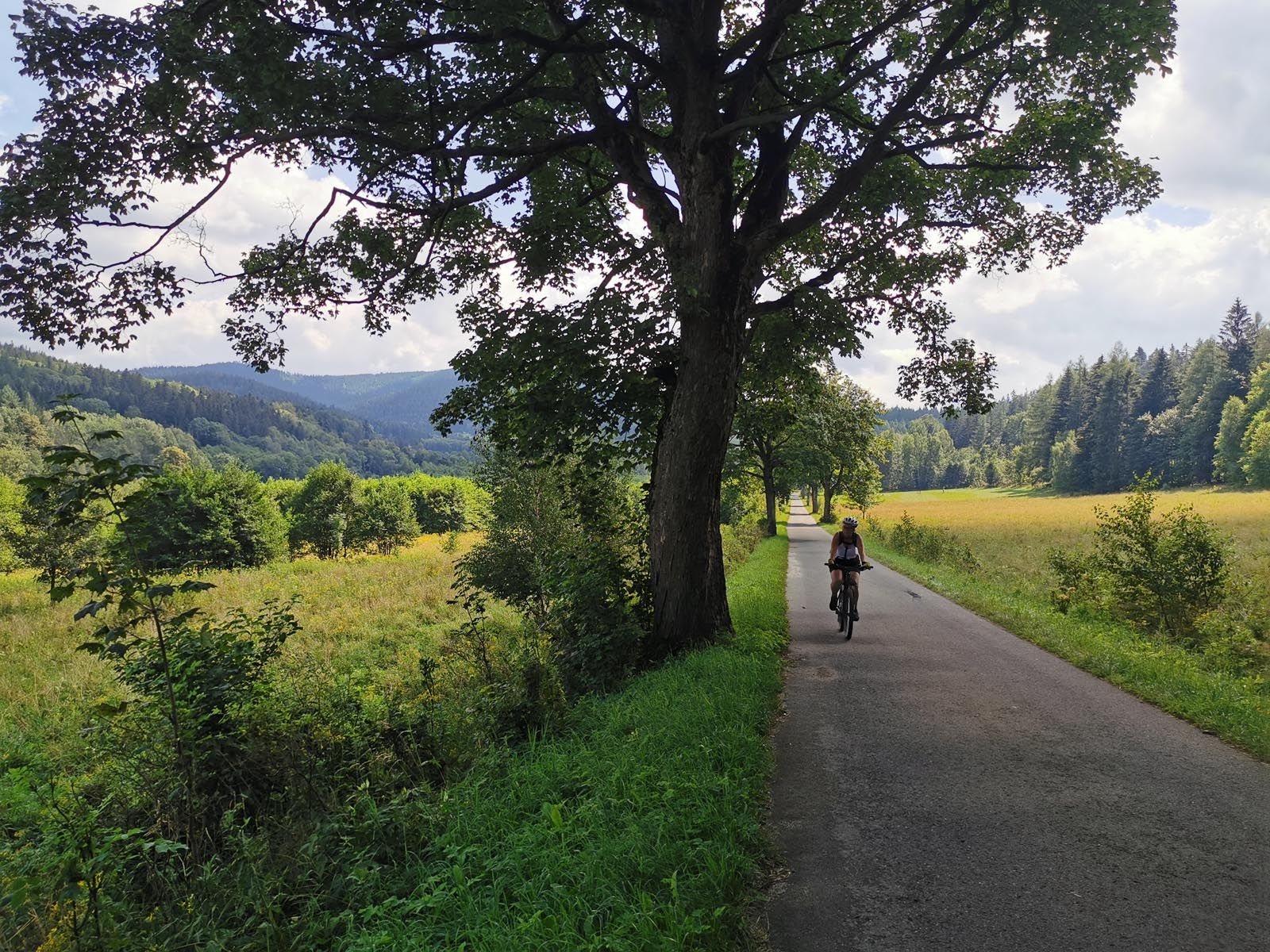
Outdoor Poland Part 3 – Lower Silesia family MTB-tours
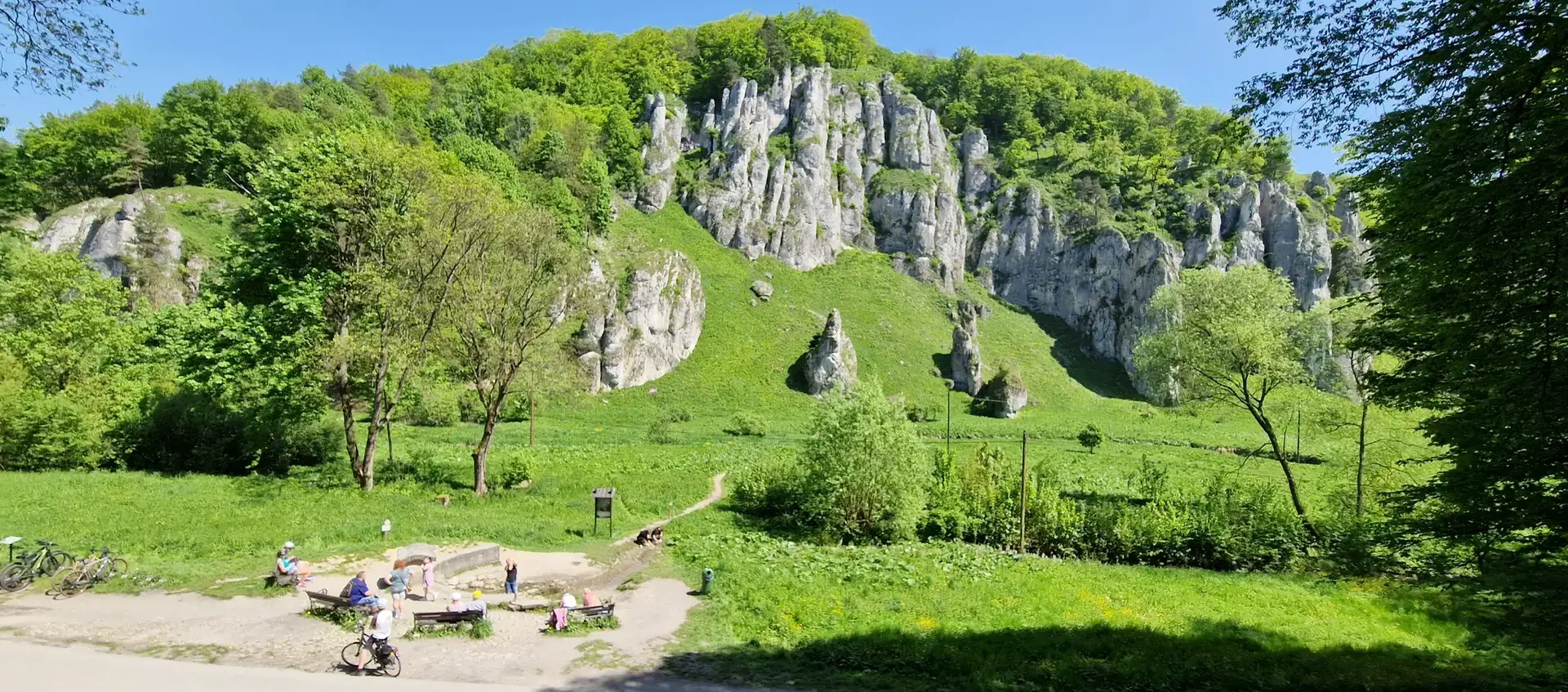
Bike Pilgrimage on the Royal Route – St. James' Way via Regia
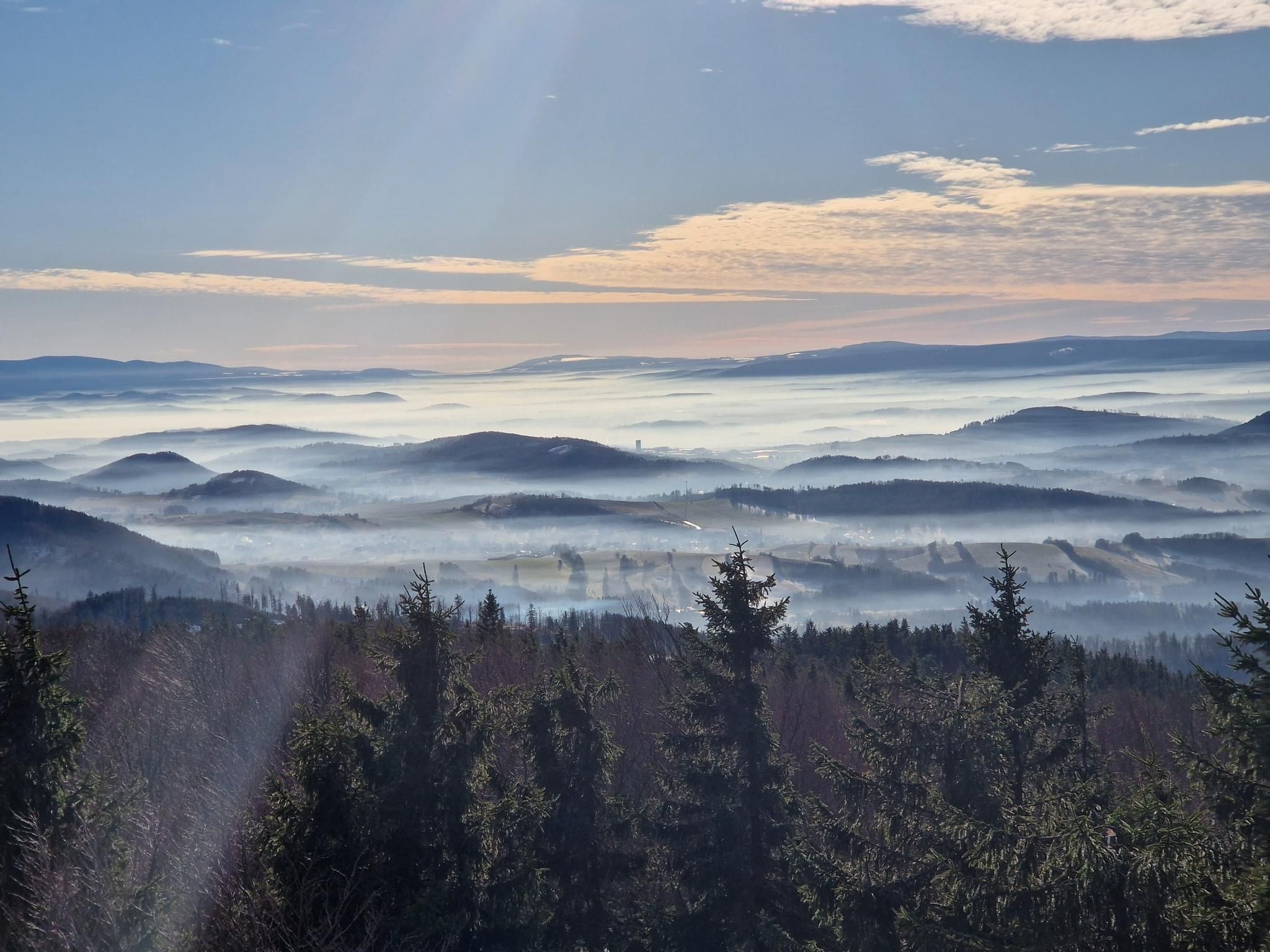
The Main Sudeten Route – a great Polish mountain adventure
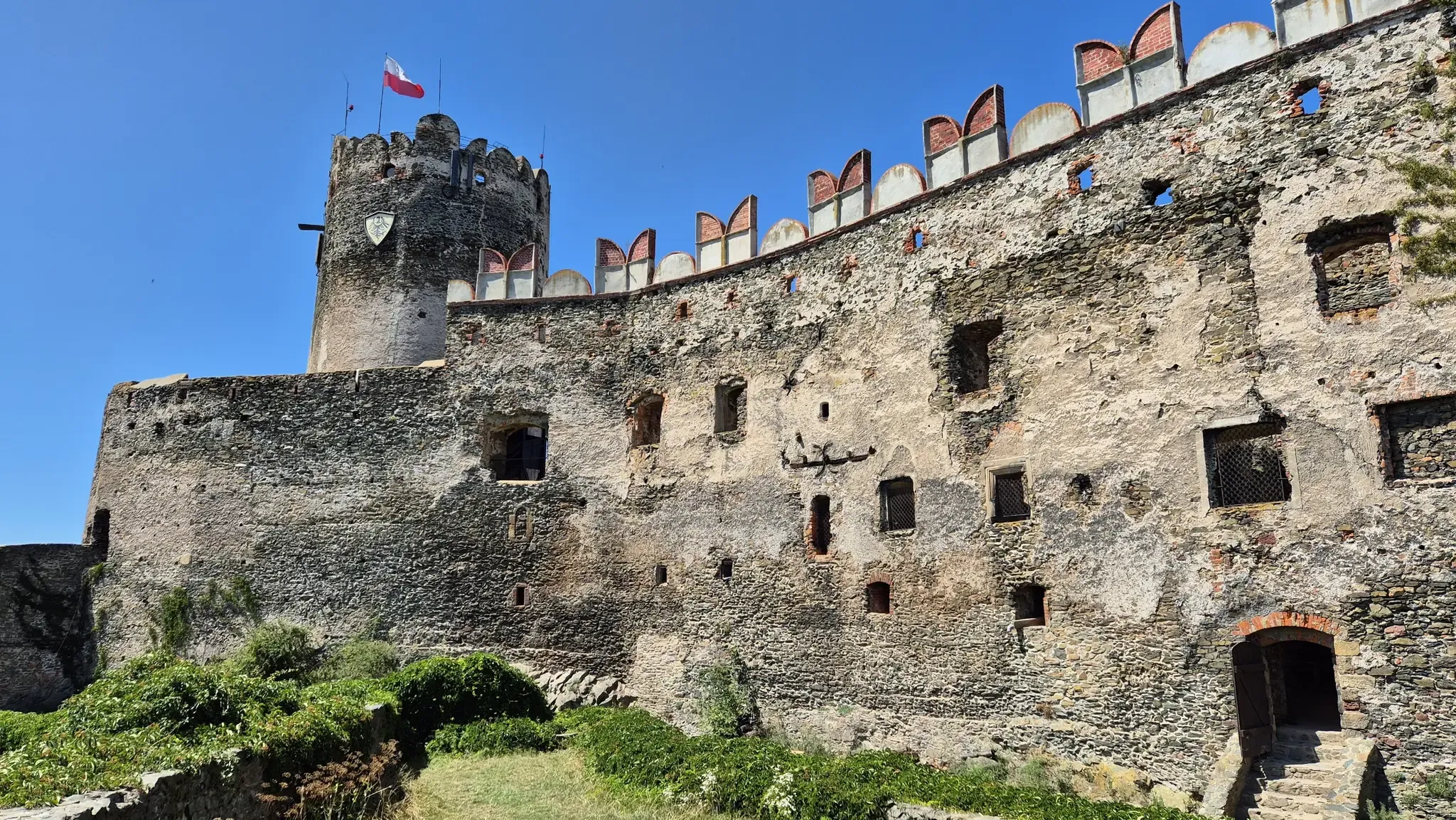
Piast Castles Trail – Great strongholds of Sudety
EuroVelo 9 – The Amber Route from the Baltic to Adriatic Sea
From Warsaw to Berlin — in the footsteps of the Peace Race part 1
Sudetes Without Borders - Ultra Sudety Gravel Race (USGR)
Where Carp Swim and Birds Soar – Barycz Valley Cycle Route
Where Poland's wild soul lives – explore five regions by bike
Diverse Poland — explore five regions by mountain bike
Other adventures in Lower Silesian Voivodeship


Tips from the Community

This object makes an impression. Attention, it is cold and wet inside.
2
0


A wonderful, unique (and famous) museum of mining and the history of Złoty Stok. Gold is still being mined here. Wonderful exhibits, guided tours with cave access, and a great offer for families with children. History, learning, and fun – a fantastic place. More here: https://kopalniazlota.pl/en/homepage/
1
0

🪨 Salt Cave (Salt Jama) Location: at the foot of the Czerniec Massif (891 m above sea level), in the Gołodolnik Stream valley, in an old quarry, near Długopole-Zdrój. Features: The only karst cave in the Bystrzyckie Mountains. Corridor length: approximately 30 m, entrance height approximately 2 m. It was formed in limestone as a result of karst processes. The interior consists of a short corridor with several branches. The name "Solna" comes from white dripstones resembling salt crystals. Interesting natural facts: The cave maintains a constant, cool temperature and high humidity. Hibernating bats can be found (including horseshoe bats and mouse-eared bats). The walls are covered in places with dripstones and a milky-white sediment resembling salt. Accessibility: The cave lies in an abandoned quarry. Entry is relatively easy, but caution is required (loose rocks, slippery ground). It is neither lit nor secured – a flashlight is required. The tour takes a few minutes due to its small size. Significance: Although Solna Jama is not a large cave, it is a unique geological attraction in the region and an interesting destination for a short trip in the Bystrzyckie Mountains, especially for lovers of karst and lesser-known corners of the Sudetes.
0
0

cave with rooms, one of which has a small lake.
0
0

From the Death Turn, you should go down the black and yellow hiking trails (they run together on this section). After about fifteen minutes, you will reach a place where you should leave the trail and turn right. A narrow path will lead you to a former mine. For years, Szklarska Poręba was a place where valuable minerals were sought. One of the largest mining relics in this region are the adits of the former pyrite mine. Pyrite resembles gold, which is why it was called "fool's gold". The ore from the area around Szklarska Poręba was processed in a local production plant into sulfuric acid. This plant was called a vitriolene, and its name was associated with the doctrine of ancient alchemists.
0
0

It's worth going there once.
0
0

A huge system of concrete corridors, fortifications and halls. The purpose of the works was kept secret. According to some, it was supposed to be Adolf Hitler's secret headquarters. Others claim that halls were built for underground armament factories to produce secret weapons. The complex is currently open to the public. On free weekends, you can meet crowds of people there. Tickets can be purchased in the parking lot, 300 meters south of the entrance and 500 meters from the exit.
2
0
Frequently Asked Questions
What types of underground attractions can I explore in Lower Silesian Voivodeship?
The region offers a diverse range of underground sites, including natural karst caves with impressive dripstone formations, historical mining tunnels, and extensive World War II military complexes. You can explore geological wonders, learn about industrial heritage, and delve into wartime history.
Are there any natural caves with unique geological features?
Yes, the most prominent natural cave is Bear Cave (Jaskinia Niedźwiedzia) in Kletno. It is renowned for its magnificent flowstones and dripstone formations, and for the numerous bones of prehistoric bears found within. Another interesting site is Yellow Lake and Cave (Żółte Jeziorko), where the lake's color comes from calcium and sulfur from former mines.
Which underground sites offer insights into World War II history?
Several sites in the region are linked to World War II. Osówka Underground City is a massive system of concrete corridors and halls, part of the mysterious "Riese" project. Other parts of the Riese Complex include the Walim Adits and the undergrounds of Książ Castle. You can also visit the Arado Project Underground Museum, which served as WWII shelters.
Are there any family-friendly underground attractions in Lower Silesian Voivodeship?
Yes, the Gold Mine in Złoty Stok is often highlighted as a great option for families, combining history, learning, and fun with guided tours through its tunnels. The Bear Cave (Jaskinia Niedźwiedzia) in Kletno is also considered family-friendly, offering an educational experience about geology and prehistoric fauna.
What historical mining sites can I visit?
The Gold Mine in Złoty Stok is a historic mining site where gold was extracted for centuries, now functioning as a museum. You can also explore the Kletno Uranium Mine, which offers a glimpse into Poland's mining past, and the Artificial Cave (Pyrite Mine), dug by the Walloons for pyrite mining.
What is the best time to visit the caves in Lower Silesian Voivodeship?
Many of the underground attractions, especially the historical complexes and tourist-friendly natural caves like Bear Cave, maintain a consistent cool temperature year-round (around +6°C). This makes them suitable for visiting in any season, including winter. However, it's always advisable to check specific opening hours and book tickets in advance, especially during peak tourist seasons.
Are there any underground passages related to fortresses or castles?
Yes, the Underground Tunnels of Kłodzko Fortress offer an extensive labyrinth of passages beneath the historic fortress. Additionally, Fürstenstein Castle Underground Tunnels provide another opportunity to explore subterranean history beneath a significant castle.
What outdoor activities can I do near the caves in Lower Silesian Voivodeship?
The Lower Silesian Voivodeship offers various outdoor activities. You can find numerous cycling routes, such as those detailed in the Cycling in Lower Silesian Voivodeship guide, with options ranging from moderate to difficult. There are also many hiking opportunities, including trails to waterfalls, as highlighted in the Waterfall hikes in Lower Silesian Voivodeship guide, and running trails for various skill levels in the Running Trails in Lower Silesian Voivodeship guide.
What should I wear when visiting the caves?
Given that most underground sites maintain a cool temperature of around +6°C, even in summer, it's recommended to wear warm clothing, such as a jacket or sweater. Comfortable, closed-toe shoes with good grip are also advisable, as surfaces can be uneven or damp.
Is it necessary to book tickets in advance for cave visits?
For popular attractions like Bear Cave (Jaskinia Niedźwiedzia) in Kletno, it is highly recommended to book your visit in advance, especially during peak seasons, to ensure entry and avoid long waits. Other sites may also benefit from advance booking, so checking their official websites beforehand is a good practice.
Are there any caves that are easy to access for all visitors?
While specific accessibility details vary by site, many of the major tourist attractions, such as the Bear Cave and the Gold Mine in Złoty Stok, are designed with visitor paths and guided tours. It's best to check the individual attraction's website for detailed information on accessibility for strollers or wheelchairs.
What geological features are characteristic of the caves in Lower Silesian Voivodeship?
The natural caves in the region, particularly the Bear Cave, are primarily karst caves, formed in marble. They are known for their impressive dripstone formations, including stalactites, stalagmites, and flowstones. The region's geology also includes areas with mineral deposits, leading to unique features like the colored waters of Yellow Lake.
Most popular routes in Lower Silesian Voivodeship
Most popular attractions in Lower Silesian Voivodeship

Get inspired with the komoot mobile app


Didn’t find what you were looking for?
Discover more caves in Lower Silesian Voivodeship region by region:
Explore more
Extend your search for the best caves by checking out these guides of the top ones in Lower Silesian Voivodeship:
