Top 20 Lakes in Masovian Voivodeship
Best lakes in Masovian Voivodeship are primarily artificial reservoirs, serving as key recreational destinations, especially for residents of Warsaw. The region features large bodies of water like Jezioro Zegrzyńskie, formed on the Narew River, and Zalew Żyrardowski. These lakes are often surrounded by pine forests and offer diverse natural settings for outdoor activities. The Masovian Voivodeship provides numerous options for water sports and family-friendly recreation.
Best lakes in Masovian Voivodeship
- The most popular lakes is Torfy Lake, a lake…
Last updated: October 14, 2026
Torfy Lake
Highlight • Lake
Translated by Google •
Tip by

Komorowski Reservoir
Highlight • Lake
Translated by Google •
Tip by

Sign up now to discover places like this
Get recommendations on the best single tracks, peaks, & plenty of other exciting outdoor places.
Radziejowice Palace and Park
Highlight • Historical Site
Tip by

Bicycle Path Along the Michałowice Ponds
Highlight (Segment) • Cycleway
Translated by Google •
Tip by

Flooded moat at Fort Zbarż
Highlight • Historical Site
Translated by Google •
Tip by

Raszyn Ponds Nature Reserve
Highlight • Natural Monument
Translated by Google •
Tip by

Szczęśliwickie Ponds
Highlight • Lake
Translated by Google •
Tip by
Brzeźniczka Nature Reserve
Highlight • Forest
Translated by Google •
Tip by

Zimne Doły Observation Tower
Highlight • Viewpoint
Translated by Google •
Tip by
Black Lake
Highlight • Lake
Showing Translation
Tip by
Sign up for free to discover even more lakes in Masovian Voivodeship.
Already have an account?
Start today with a free account
Your next adventure awaits.
Popular around Masovian Voivodeship
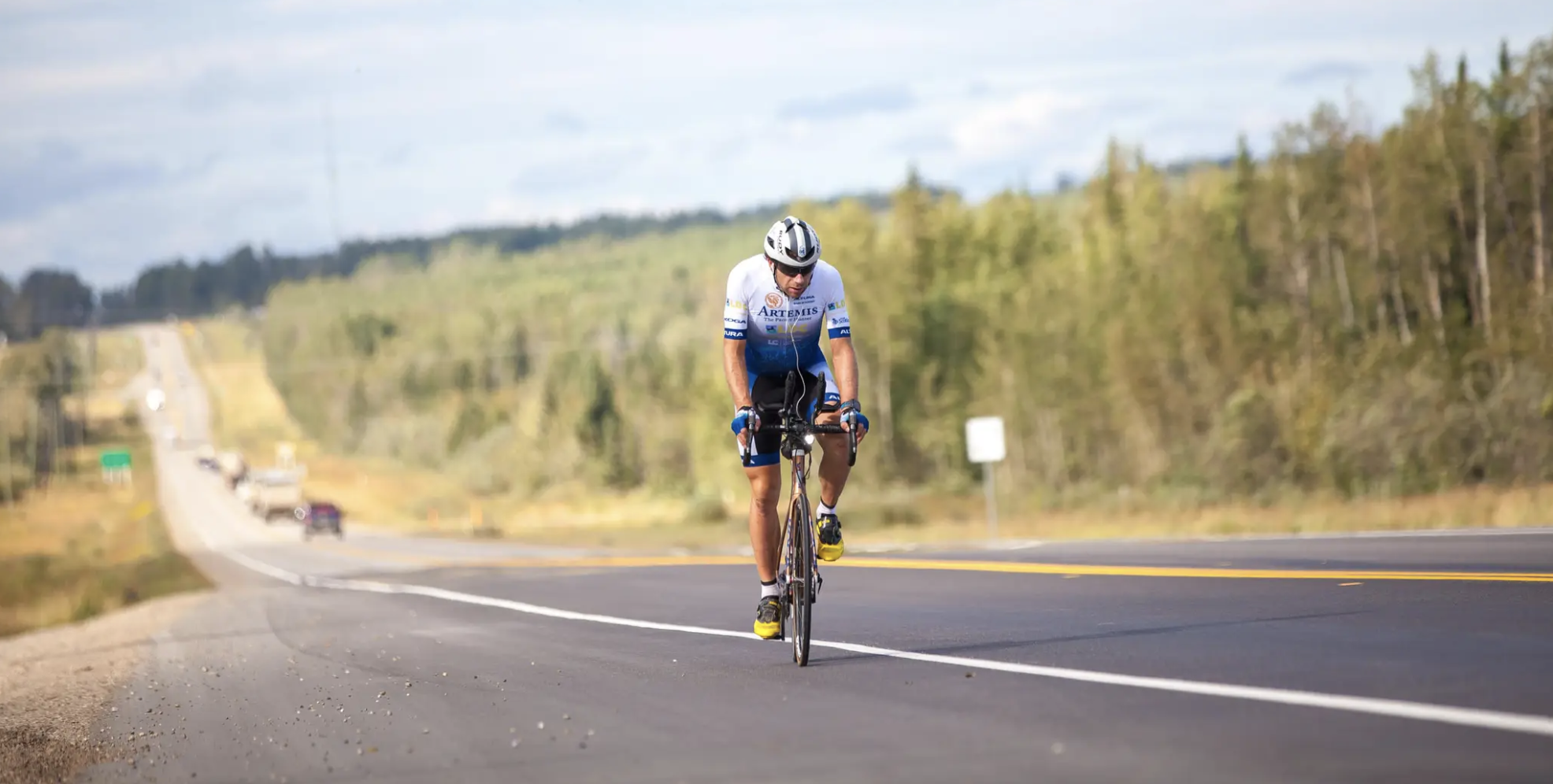
Around the World in 80 Days
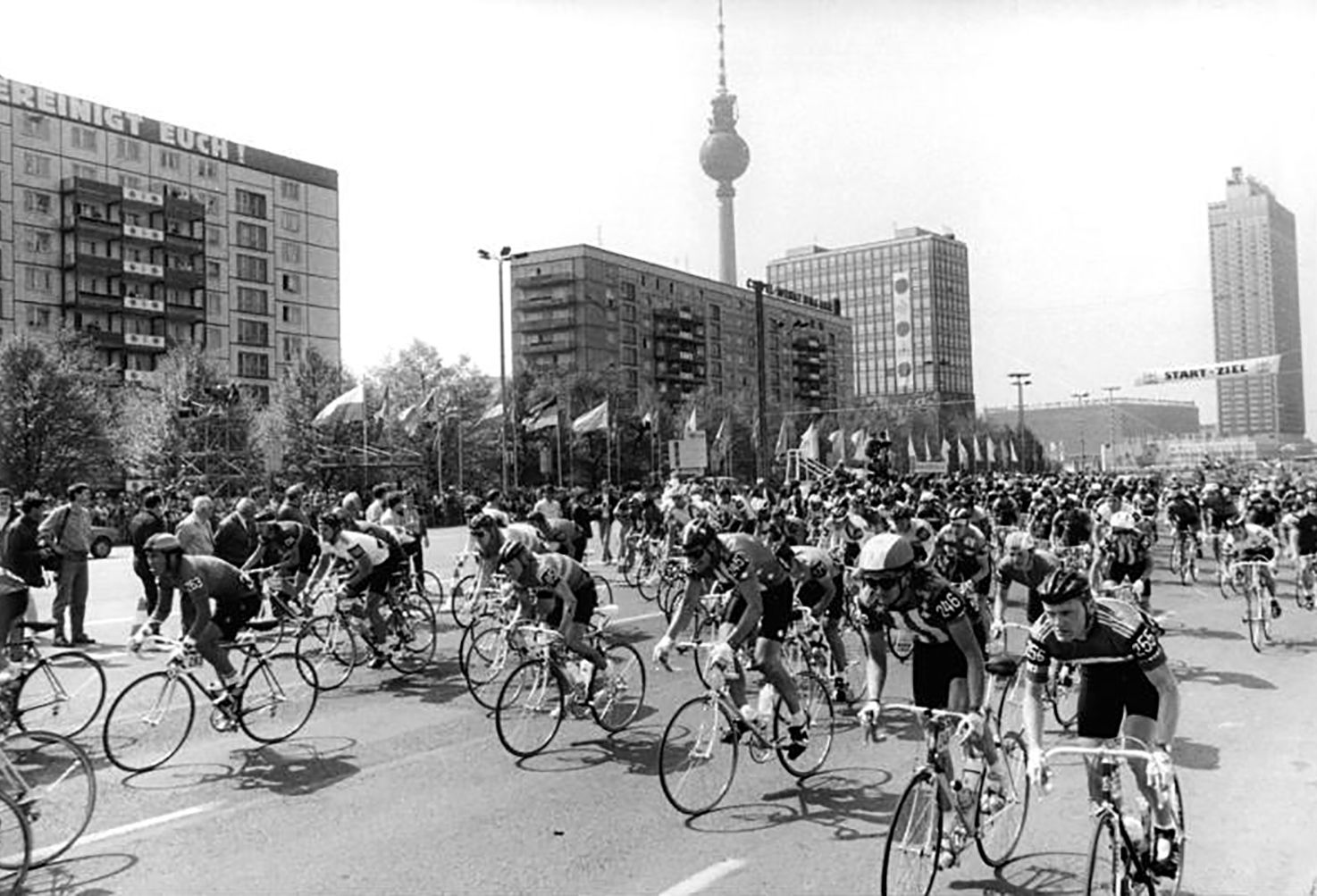
From Warsaw to Berlin — in the footsteps of the Peace Race part 1
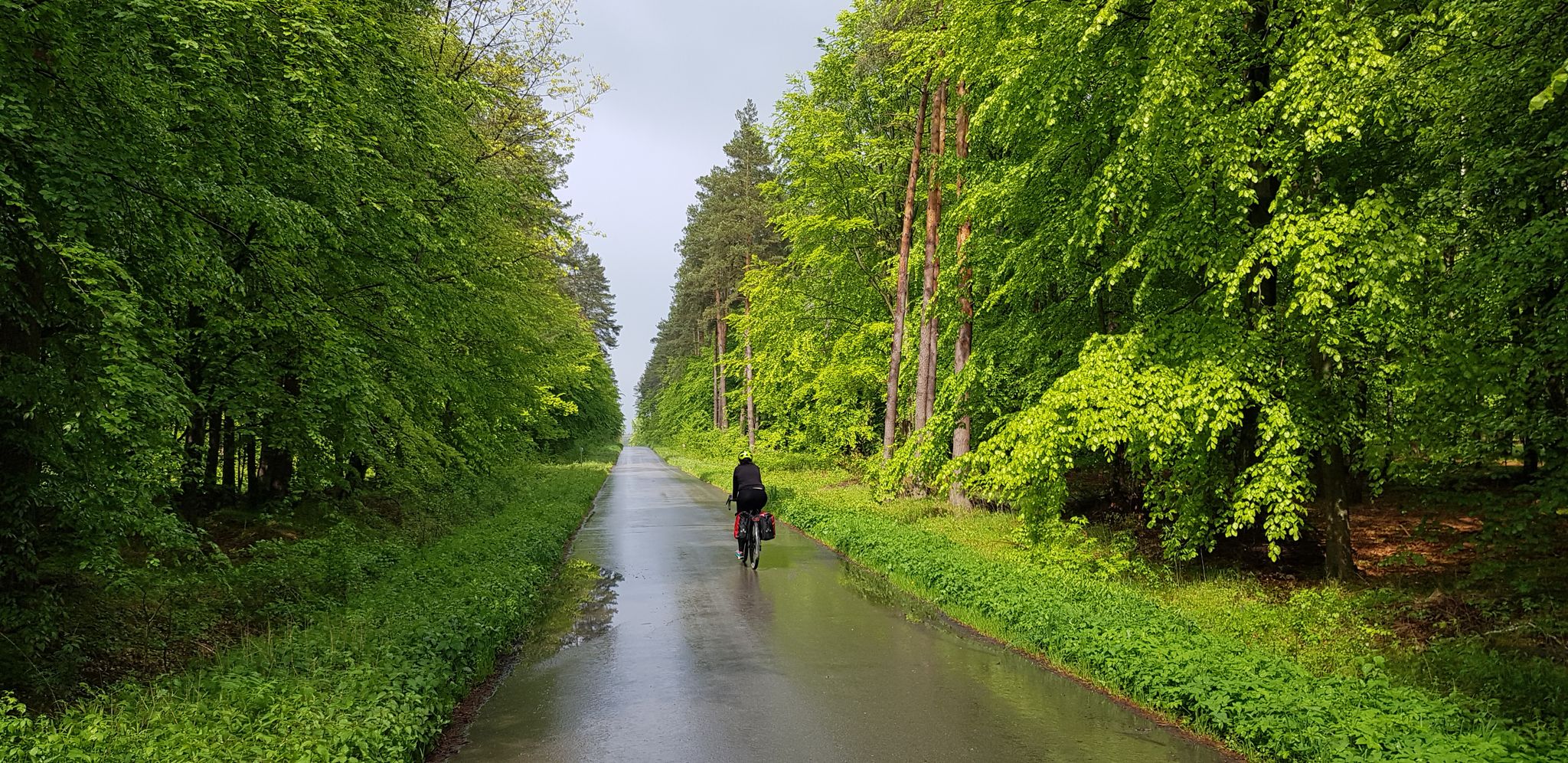
To the east, Eden – La Green Velo Szlak (part one)
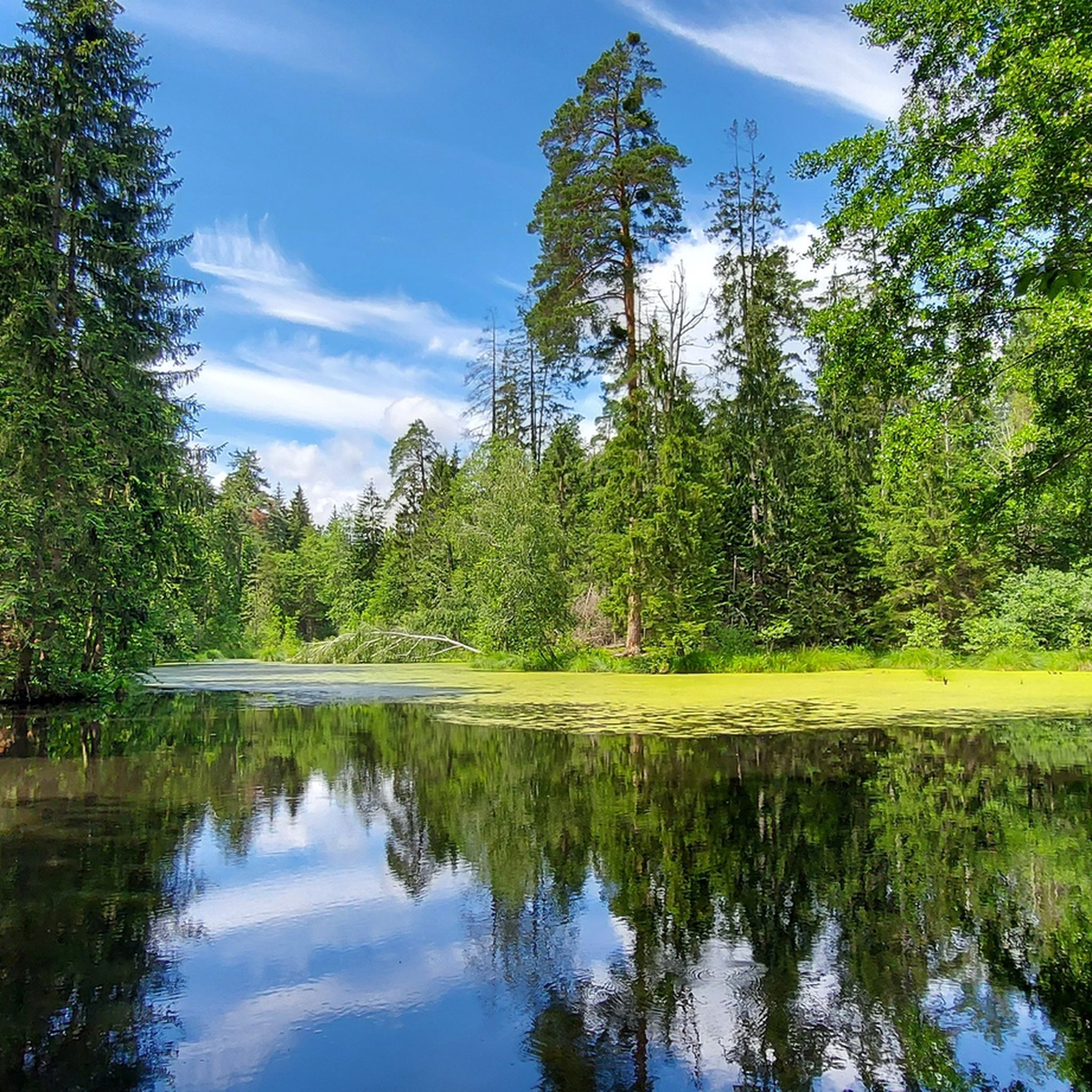
Hiking in Masovian Voivodeship
Running Trails in Masovian Voivodeship
Road Cycling Routes in Masovian Voivodeship
Cycling in Masovian Voivodeship
MTB Trails in Masovian Voivodeship

Gravel biking in Masovian Voivodeship


Tips from the Community

Fort VII („Zbarż“) – one of the forts of the outer ring of the Warsaw fortress, located in the Włochy district in the Zbarż estate between the streets: Wirażowa, Żwirki i Wigury, Winiarska and Benetta, with an area of 29.7 ha
1
0

There's a large tree growing by the café behind the palace. I remember it being a rare species, and I think it's a Ginkgo biloba. Such a specimen is unique in Poland. It might be a tulip tree, though. I can't remember exactly, but I think someone might be interested in this tree, especially if they're as interested in plants and trees as she is.
1
0

A very pleasant spot. Surrounded by a shelter and a fire pit, the pond itself unfortunately dries out in the summer. From here, you can access numerous smaller mountain bike trails. A great place to relax or have a picnic.
0
0
A great place to relax. Surrounded by viewing shelters. Unfortunately, there will be no water in the 2025 season.
0
0


Szczęśliwicki Park is a city park in Warsaw's Ochota district, between Włodarzewska and Drawska streets. It was created in the 1960s on land that had been used for clay quarries and landfills, which had not been previously built on due to the proximity of the Warsaw Fortress forts. The reclaimed areas were developed socially - water reservoirs and a ski slope were created, and most of the area was wooded. The park has a sports and recreational character - it includes Glinianki Szczęśliwickie (approx. 7 ha), a year-round ski slope (Górka Szczęśliwicka, 138-152 m above sea level), an open swimming pool, playing fields and OSiR facilities. The water reservoirs are stocked and supervised by angling (PZW Circle No. 7). In 2020, the wooden pier was renovated. The park has natural significance - there are many species of birds here (approx. 70), as well as amphibians and fish. The flora includes poplars, maples, limes and other pioneer species. Despite the anthropogenic origin of the substrate and degraded soil, the area is an important haven of biodiversity in Warsaw.
2
0
Fort VII, also known as "Zbarż", is one of the forts of the outer ring of the Warsaw Fortress, located in the Włochy district, in the Zbarż housing estate. Built in the years 1883–1908, it has an area of 29.7 ha. The fort is a single-rampart, surrounded by a moat and erected on a pentagonal plan. It was partially dismantled after 1909, and during one of the modernizations a concrete anti-scarp caponier was added, the ruins of which have survived to this day. During the occupation, the fort was flooded, and after the war the area was used by the military until 1999.
3
0

The current palace was built between the tower and the early Baroque palace (currently non-existent) and received its current form at the turn of the 18th and 19th centuries after a classicist reconstruction carried out by Kazimierz Krasiński, the Crown Campiander, according to the design of Jakub Kubicki. At that time, a columned porch with a terrace in front of the main entrance was also built. The expansion of the palace complex was later continued by Józef Wawrzyniec Krasiński, who created a landscape park around the palace that exists to this day and rebuilt the small castle in the neo-Gothic style, which is the remains of the former Radziejowski tower. Over the following decades, Radziejowice was visited by people of culture, including Juliusz Kossak, Henryk Sienkiewicz, Lucjan Rydel, Jarosław Iwaszkiewicz, Józef Chełmoński, Stanisław Masłowski.
1
0
Frequently Asked Questions
Which lakes in Masovian Voivodeship are best for families?
Several lakes offer excellent family-friendly amenities. Zalew Żyrardowski is highly recommended, featuring a wide sandy beach, a playground, and shallow water suitable for children. It also hosts various outdoor events. The Komorowski Reservoir provides a square with a playground and picnic tables, ideal for family outings. Torfy Lake is great for small bicycle trips with children, and Radziejowice Palace and Park, with its lake, is also considered family-friendly.
What water sports can I do on the lakes in Masovian Voivodeship?
Jezioro Zegrzyńskie is the primary hub for water sports, offering sailing, kayaking, windsurfing, kitesurfing, wakeboarding, and pedal boating. Equipment rentals are widely available. During winter, ice-boating and ice-flying are popular. Zalew Żyrardowski is also popular for sailing and stand-up paddleboarding (SUP), with pedal boats and kayaks available for rent.
Are there good places for cycling around the lakes?
Yes, the area around Jezioro Zegrzyńskie features extensive cycling paths, including a promenade in Nieporęt and routes through pine forests. Additionally, the Bicycle Path Along the Michałowice Ponds offers an asphalt path away from car traffic. For more cycling options, you can explore various routes in the region, such as those found in the Cycling in Masovian Voivodeship guide.
Where can I go fishing in Masovian Voivodeship lakes?
Anglers frequent Jezioro Zegrzyńskie to catch species such as eels, tench, pike, catfish, and bream. Zalew Żyrardowski is regularly stocked with fish like carp, bream, zander, and pike, making it a good spot for shore fishing. The Szczęśliwickie Ponds are also stocked and supervised by angling associations.
What historical sites are near the lakes?
Near Jezioro Zegrzyńskie, you can visit the historic Radziwiłł Palace (Pałac Zegrzyński) from 1847 in Zegrze village, and the Modlin Fortress. The Radziejowice Palace and Park is a significant historical site with a lake, featuring a landscape park and a small castle, and hosts cultural and artistic events.
Are there any nature reserves or wildlife spotting opportunities near the lakes?
Yes, the Zegrze Nature Reserve was established near Serock to protect mixed forests and rare plant species around Jezioro Zegrzyńskie, which is home to various bird species like terns, gulls, swans, and ducks. The Torfy Lake is part of the Na Torfach nature reserve, protecting the lake and wet forests, where ducks and swans can often be observed. The Komorowski Reservoir is also a kingdom of birds in autumn and spring, with herons, swans, and several species of ducks.
What are some easy walking paths around the lakes?
The area around Jezioro Zegrzyńskie offers extensive walking paths, including a promenade in Nieporęt. The Torfy Lake features the 'Swan Trail' nature trail leading to a viewing platform. The Szczęśliwickie Ponds offer an easy 3km circular path. For more options, consider exploring the Hiking in Masovian Voivodeship guide.
Are there lakes with amenities like cafes or restaurants nearby?
Yes, the Radziejowice Palace and Park has a great cafe at the back of the palace. At Zalew Żyrardowski, a bistro on a small pier serves food and drinks, and designated shelters are available for barbecues. Jezioro Zegrzyńskie also has numerous beaches with amenities, likely including food options.
What is the best time of year to visit the lakes in Masovian Voivodeship?
The lakes are popular year-round. Summer is ideal for water sports, swimming, and beach activities, especially at Jezioro Zegrzyńskie and Zalew Żyrardowski. Spring and autumn are excellent for birdwatching and quieter walks, particularly around the Komorowski Reservoir. Winter offers unique activities like ice-boating on Jezioro Zegrzyńskie.
Are there any lakes suitable for beginner kayakers?
Both Jezioro Zegrzyńskie and Zalew Żyrardowski offer kayaking opportunities. Zalew Żyrardowski provides kayak rentals and free swimming lessons during summer, which can be beneficial for beginners. The generally calm waters of these reservoirs make them suitable for those new to kayaking.
What kind of natural features can I expect to see around the lakes?
The lakes are often surrounded by pine forests, particularly around Jezioro Zegrzyńskie between Dębe and Wieliszew, and Białobrzegi and Rynia. You can find natural monuments like Torfy Lake, formed in an old turf excavation pit, and the Raszyn Ponds Nature Reserve. Many areas offer viewpoints, such as the Zimne Doły Observation Tower, providing scenic vistas of the water and surrounding landscapes.
Are there any lakes that are less crowded or considered 'hidden gems'?
While Jezioro Zegrzyńskie and Zalew Żyrardowski are popular, Zdwórz Lake is mentioned as a quieter option for more serene water activities like SUP, suggesting it might be less crowded than the larger recreational hubs. For a more tranquil experience, exploring smaller natural reserves like Torfy Lake or Raszyn Ponds Nature Reserve might offer a more secluded feel.
Most popular routes in Masovian Voivodeship
Most popular attractions in Masovian Voivodeship

Get inspired with the komoot mobile app


Didn’t find what you were looking for?
Find the best lakes in Masovian Voivodeship per region:
Explore more
Still not found your perfect lake in Masovian Voivodeship? Check out the guides of these regions to see even more beautiful places.
