Top 3 Castles in Vojvodina
Best castles in Vojvodina offer a glimpse into the region's rich history and diverse cultural influences, largely stemming from the Austro-Hungarian Empire. This northern province of Serbia features architectural gems ranging from ancient ruins to well-preserved manor houses. The landscape is characterized by the Danube River and its plains, providing a backdrop for these historical sites. Exploring these castles provides insight into past eras and aristocratic families.
Best castles in Vojvodina
- The most popular castles is View of Petrovaradin Fortress…
Last updated: October 14, 2026
Petrovaradin Fortress Clock Tower
Highlight • Monument
Translated by Google •
Tip by

View of the Petrovaradin Fortress
Highlight • Viewpoint
Translated by Google •
Tip by

Sign up now to discover places like this
Get recommendations on the best single tracks, peaks, & plenty of other exciting outdoor places.
North Gate, 🏰 Kovin Town Fortress
Highlight • Castle
Tip by

Slankamen: Roman Castle Ruins, Sveti Otac Nikolaj Church, and Charda Mika Alas
Highlight • Settlement
Tip by

Fantast Castle
Highlight • Castle
Showing Translation
Tip by

Start today with a free account
Your next adventure awaits.
Tips from the Community

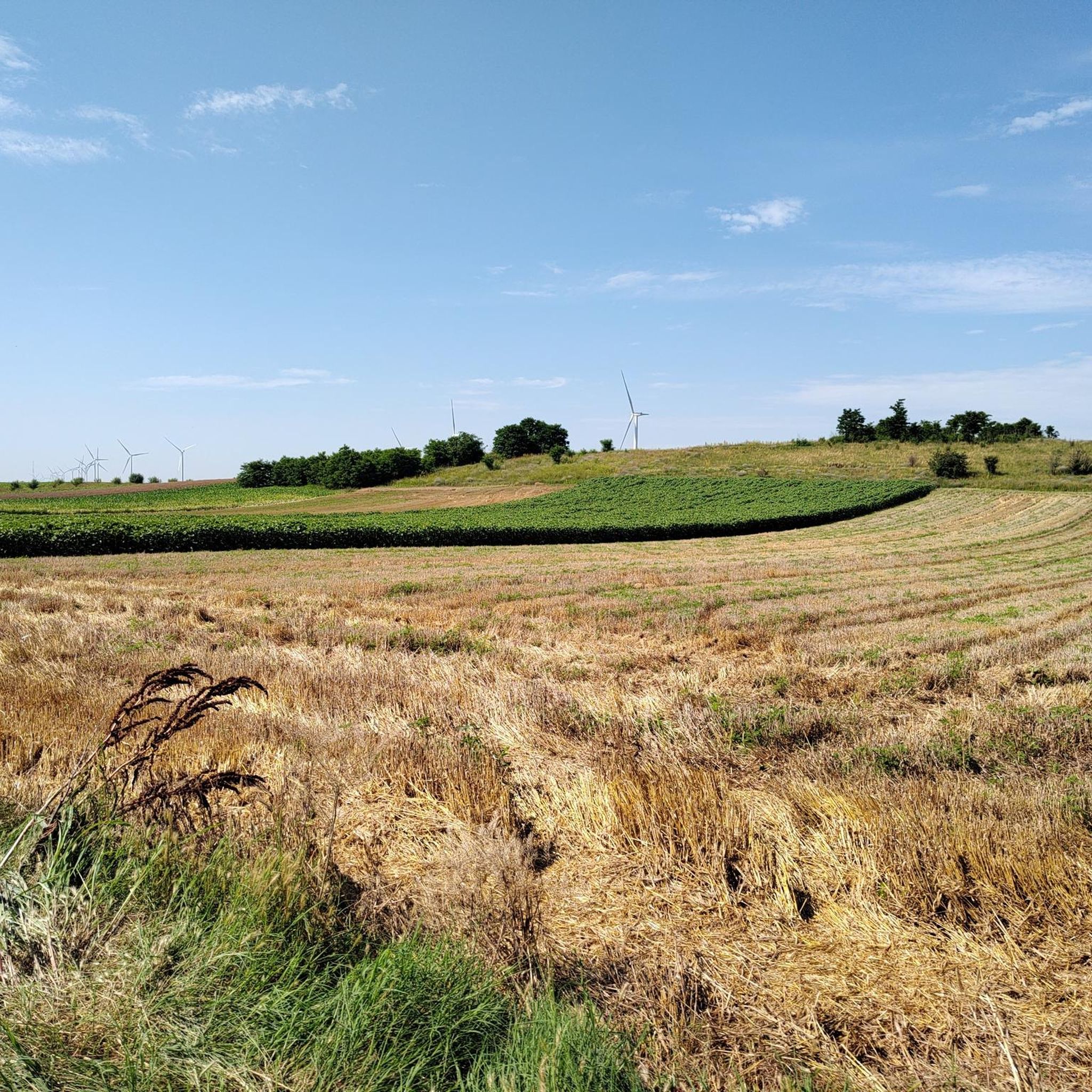
Relatively good local asphalt road through fields, I was pleasantly surprised, but at the final point it is private property and you have to go around on a dirt road through the fields.
0
0

The Petrovaradin Fortress, also known as the "Gibraltar on the Danube," is one of the largest and most impressive military fortifications in this part of Europe. The Habsburg authorities began constructing the fortress in 1692, after the Ottoman Empire was permanently expelled from these territories during the Great Turkish War (1683-1699). The construction of the fortress lasted nearly a century (1692-1780) and it covers an area of 112 hectares, with a system of underground tunnels extending 16 kilometers beneath it. Archaeological research has shown that the area of today's fortress has been continuously inhabited since the Paleolithic era. During the Roman period, the first military fortification known as "Cusum" was established here. During World War II, the Petrovaradin Fortress was an important military stronghold for the NDH (Independent State of Croatia). It housed several Croatian Home Guard institutions, including the Artillery School and the Air Force Regiment. Throughout the war, several thousand Ustashe and Home Guards were stationed here. In September 1944, just before the liberation of the country, and following Tito’s call to join the National Liberation War, many Home Guards and their officers joined the partisans in Fruška Gora and entered the ranks of the newly formed Vojvodina brigades. From the Petrovaradin Fortress and other military strongholds in Srem, 2,500 Home Guards and 115 officers joined the partisans. During the retreat in October 1944, Ustaše and German units attempted to blow up the railway tunnel under the Petrovaradin Fortress. The destruction was halted by an Italian prisoner of war, Gildo Pesapane, who was working on placing dynamite in the fortress's tunnels. Knowing the occupiers' ultimate intention, he cut the wires and prevented the explosion of 30 tons of explosives, which would have certainly caused enormous damage and destruction. Gildo Pesapane remained in Petrovaradin after the war, where he married and had a daughter. [This site is part of the Liberation Routes cycling tour "The Danube to Victory Route" (58km)] https://www.komoot.com/tour/1933369594?share_token=aRc7kQYJ01cywoOlRPXzWvplRxrDI3K22D17Rs90xCFiVo5TvF&ref=wtd
0
0

In this area you always have a good view of the fortress.
0
0

Is a large fortress on the Danube
5
0

The small hand is showing minutes and the long one hours so that boatmen sailing the Danube could tell the time from the river.
0
0

Petrovaradin Fortress (Serbian: Петроварадинска тврђава / Petrovaradinska tvrđava, pronounced [pɛtrɔʋarǎdiːnskaː tʋř̩dʑaʋa]; Hungarian: Péterváradi vár), nicknamed "Gibraltar on/of the Danube") is a fortress in the town of Petrovaradin, itself part of the City of Novi Sad, Serbia. It is located on the right bank of the Danube river. The cornerstone of the present-day southern part of the fortress was laid on 18 October 1692 by Charles Eugène de Croÿ. Petrovaradin Fortress has many tunnels as well as 16 kilometers (9.9 mi) of uncollapsed underground countermine system. In 1991 Petrovaradin Fortress was added to Spatial Cultural-Historical Units of Great Importance list of the Republic of Serbia.
0
0
vines on the walls next to the entrance of Petrovaradin fortress
0
0
The entrance from the church of the Petrovaradin fortress
0
0
Frequently Asked Questions
Which castles in Vojvodina are particularly family-friendly?
For families, the Petrovaradin Fortress Clock Tower and the View of Petrovaradin Fortress are excellent choices. The fortress itself is vast, offering plenty of space to explore, and its unique clock tower with reversed hands is a fun curiosity. You can also enjoy beautiful views from its restaurants. Kulpin Castle, with its agricultural museum and arboretum park, also offers an engaging experience for all ages.
What kind of historical insights can I gain from visiting Vojvodina's castles?
Vojvodina's castles offer a deep dive into the region's diverse history, from Roman fortifications to Austro-Hungarian aristocratic estates. You can explore the remains of the medieval Kovin Town Fortress, which played a crucial role in defending the Hungarian Empire, or the Roman castle ruins at Slankamen. Castles like Fantast and Ečka showcase the opulent lifestyles of Serbian nobility and host figures like Franz Liszt, while Bač Castle stands as one of the oldest fortifications in the region.
Are there any castles in Vojvodina that offer accommodation or dining?
Yes, several castles in Vojvodina have been converted into hotels and restaurants, offering a unique historical experience. Fantast Castle operates as a hotel and restaurant, allowing guests to stay in a neo-Gothic setting. Ečka Castle also functions as a luxury hotel with a restaurant serving traditional Vojvodinian cuisine. Kapetanovo Castle, known for its neo-Gothic style and ghost stories, has also been renovated into a hotel and restaurant.
What natural features or viewpoints can I find near Vojvodina's castles?
Many castles are set amidst beautiful natural surroundings. From the View of Petrovaradin Fortress, you can enjoy expansive views of the Danube River and the city. The Slankamen Roman Castle Ruins are perched on a cliff above the Danube, offering scenic vistas. Kulpin Castle is surrounded by a picturesque arboretum park, a natural monument with rare plant species, perfect for a relaxing stroll.
What outdoor activities can I do near the castles in Vojvodina?
The region around Vojvodina's castles is excellent for outdoor activities, especially cycling and hiking. You can find various routes, including traffic-free bike rides and city hikes. For cycling, explore options like the "Traffic-free bike rides in Vojvodina" guide or the "Cycling in Vojvodina" guide. If you prefer walking, the "City hikes in Vojvodina" guide offers routes such as a loop from Novi Sad with views of the Petrovaradin Fortress. You can find more details on these routes in the Traffic-free bike rides in Vojvodina, City hikes in Vojvodina, and Cycling in Vojvodina guides.
Are there any castles in Vojvodina with unique architectural styles?
Vojvodina boasts castles with diverse architectural styles. Fantast Castle is a striking example of neo-Gothic architecture. Kapetanovo Castle presents an unusual blend of neo-Gothic and medieval styles. Dvorac Špicer, though in ruins, was once a magnificent structure combining Gothic, Romantic, Renaissance, Baroque, and Art Nouveau elements, designed by the architect of the Hungarian Parliament. These castles reflect the region's rich cultural influences.
Which castles are known for interesting stories or legends?
Many castles in Vojvodina come with captivating stories. Ečka Castle is associated with mysterious tales of riches, gambling, and tragic loves. Kapetanovo Castle is famously linked to ghost stories, believed to be haunted by the owner's wife. Sokolac Castle, though in poor condition, carries a legend about Lazar Dunđerski gambling away and winning back his property in a dramatic fashion. These narratives add an intriguing layer to your visit.
What can I expect at the Petrovaradin Fortress?
The Petrovaradin Fortress Clock Tower is a massive fortress on the Danube, known for its unique clock where the big hand shows hours and the small one minutes. It offers stunning, far-reaching views from its walls and restaurants. The fortress is also famous for hosting the Exit Festival in summer. There are also supposed to be passages under the fortress and guided tours available.
Are there any castles in Vojvodina that are now museums?
Yes, Kulpin Castle houses an agricultural museum, showcasing traditional farming techniques and the history of agriculture in Vojvodina. Additionally, Čelarevo Castle, once a residence for the Dunđerski family, now hosts the Museum of Beer, honoring the local brewery that was part of the estate, making it an interesting visit for those interested in both history and unique museum experiences.
What is the best time of year to visit the castles in Vojvodina?
The best time to visit Vojvodina's castles is generally during the spring (April-June) and autumn (September-October) months. During these periods, the weather is pleasant for exploring the castle grounds and parks, and the natural scenery is particularly beautiful. Summer can be warm, but also offers vibrant events like the Exit Festival at Petrovaradin Fortress. Winter visits can be charming, especially if you enjoy a quieter, more atmospheric experience, though some outdoor areas might be less accessible.
What are some lesser-known or 'hidden gem' castles in Vojvodina?
While some castles are well-known, others offer a more off-the-beaten-path experience. Dvorac Špicer in Beočin, despite its advanced state of decay, is a captivating 'castle of ghosts' with a rich architectural history. The Roman castle ruins at Slankamen, combined with the ancient salt water well and Orthodox church, offer a unique historical ensemble often overlooked by mainstream tourism.
Most popular routes in Vojvodina
Most popular attractions in Vojvodina

Get inspired with the komoot mobile app


Explore more
Looking for the best castles somewhere else? Discover other guides in Vojvodina:
