Top 6 Caves in Indiana
Best caves in Indiana offer diverse subterranean experiences, from extensive cave systems to unique geological formations. The state's landscape features numerous natural underground attractions, many with historical significance and unique ecosystems. These caves provide opportunities for exploration and discovery, showcasing Indiana's natural heritage. Visitors can find a variety of cave types, including those with underground rivers, large chambers, and ancient rock shelters.
Best caves in Indiana
- The most popular caves is Donaldson Cave, a cave located in Spring Mill State Park. This majestic spot is known for its various wildlife and can be quite boggy, requiring appropriate footwear.
- Another must-see spot is Patton Cave, a cave suitable for various caving abilities. It features many offshoots and tight enclosures, making a headlamp essential for exploration.
- Visitors also love Hemlock Cliffs, large rock shelters naturally carved from sandstone. These areas show evidence of use by Native Americans as early as 10,000 years ago and may feature seasonal waterfalls.
- Indiana is known for its diverse cave systems, including those with underground rivers, large chambers, and ancient rock shelters. The state offers a variety of caves to see and explore, each with unique geological features.
- The caves in Indiana are appreciated by the komoot community, with 4 upvotes and 3 photos shared by users.
Last updated: October 14, 2026
Patton Cave
Highlight • Cave
Tip by

Spring Mill State Park
Highlight • Historical Site
Tip by

Sign up now to discover places like this
Get recommendations on the best single tracks, peaks, & plenty of other exciting outdoor places.
Leonard Springs Nature Park
Highlight • Forest
Tip by

Hemlock Cliffs
Highlight • Cave
Tip by
Start today with a free account
Your next adventure awaits.
Popular around Indiana
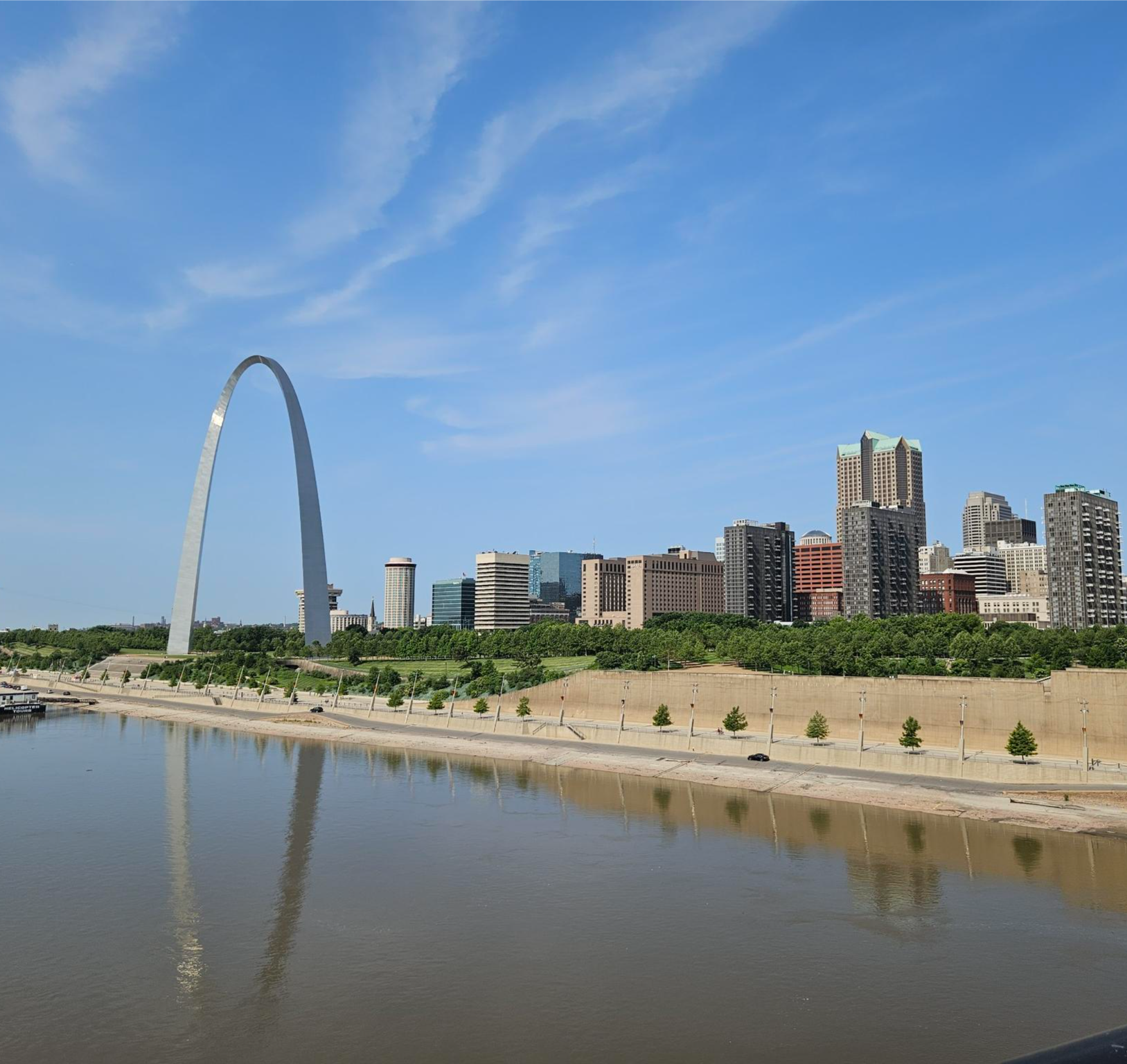
American Discovery Trail — Walking from sea to shining sea
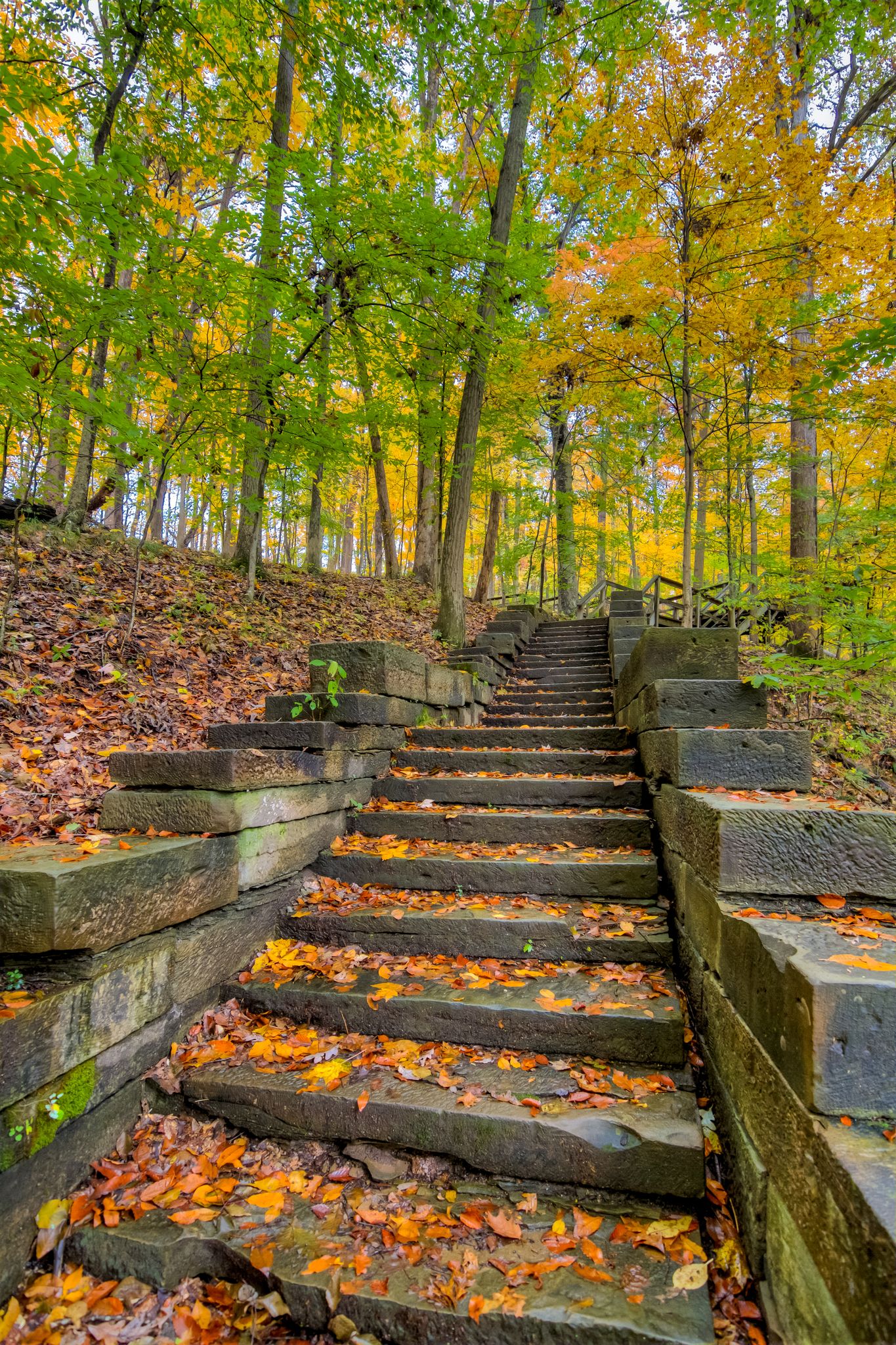
The Tecumseh Trail — in the footsteps of Chief Tecumseh
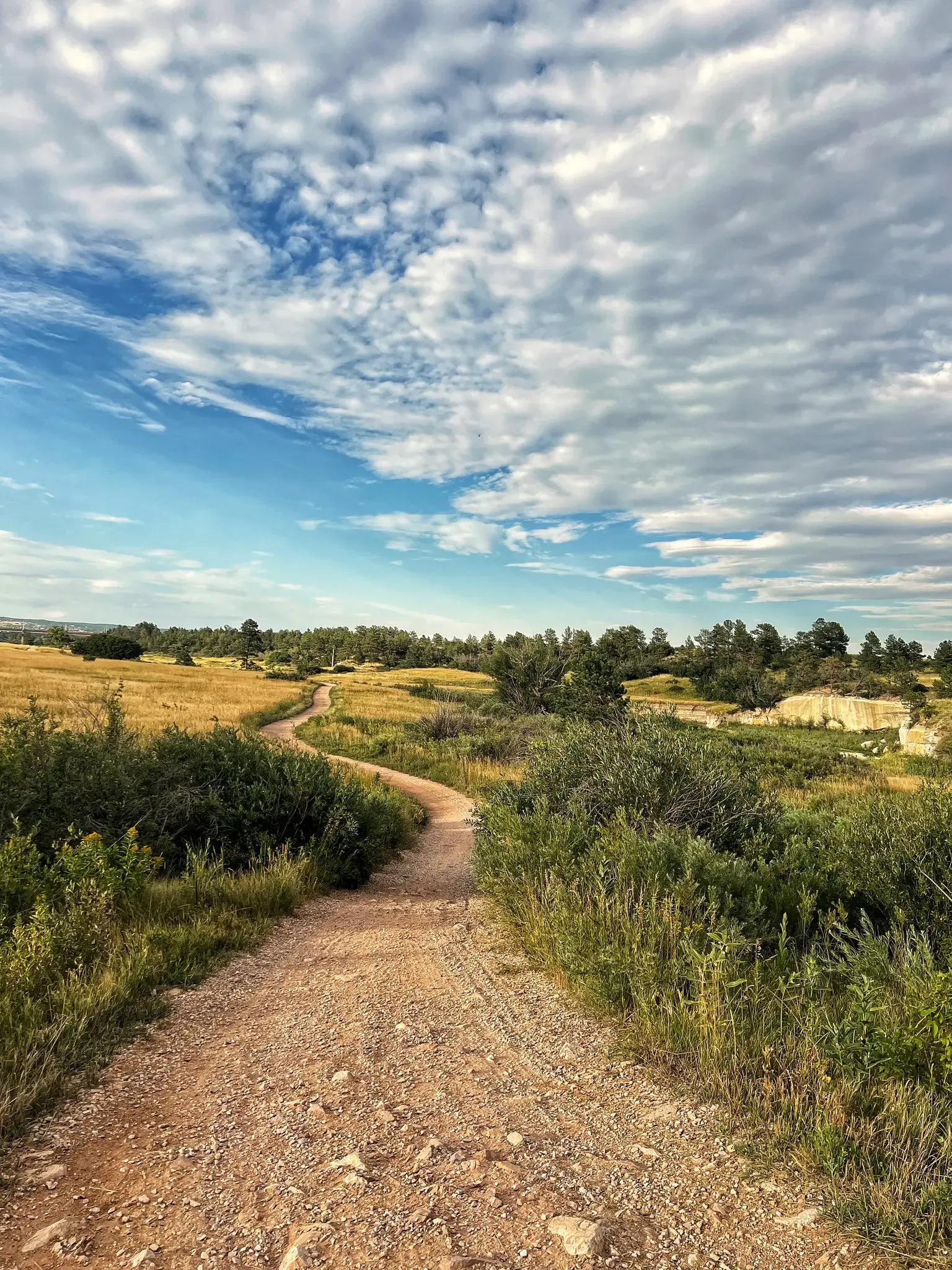
American Discovery Trail — Riding coast to coast
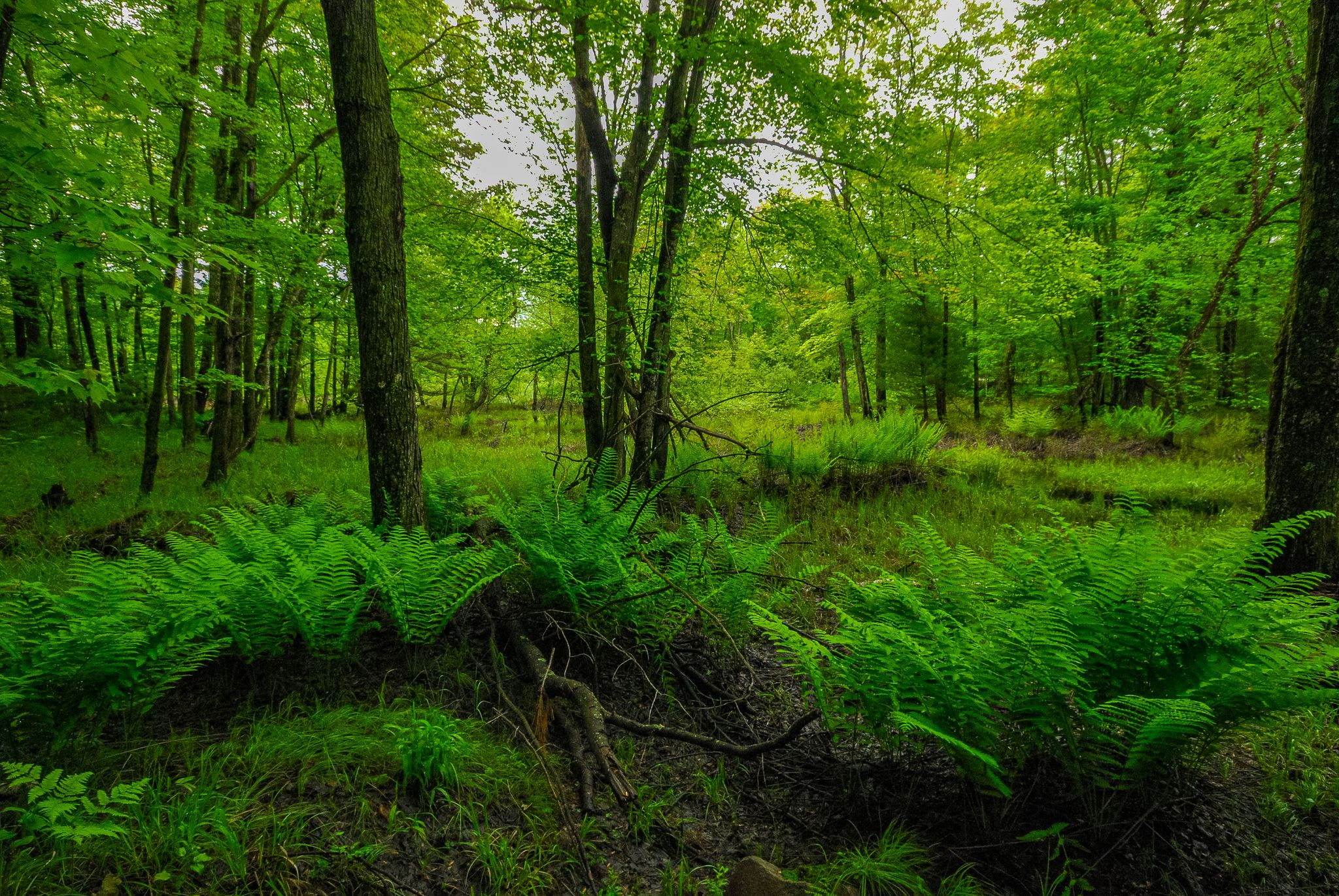
The Knobstone Trail — Walking Indiana’s wild side
Skyline meets nature – road trip in the land of bluegrass and bourbon
Great North Music Tour – hiking in the footsteps of music legends
Hiking in Indiana
MTB Trails in Indiana
Road Cycling Routes in Indiana
Running Trails in Indiana
Other adventures in Indiana


Tips from the Community

Leonard Springs Nature Park features nearly 100 acres of trails, lakes, waterfalls, caves, and other natural features. This is a great place to go to get away from the crowds and experience nature on more primitive paths.
0
0

During the 1800s this was the site of an industrial village, powered by water flowing from nearby cave springs. It's now a contrast in old-growth timber sitting right next to regenerated forest, with a man-made lake that may one day be filled in by silt coming out of those natural cave springs.
0
0

Just off the trail you can find Patton Cave. This cave is great for people of all caving abilities, but always take precaution when entering any cave. There are many off shoots once you enter the large mouth of the cave, and in some areas you will have to squeeze through very tight enclosures and even crawl. Remember to bring a headlamp for your exploring!
1
0
The Hemlock Cliffs are large rock shelters that have been naturally carved from the sandstone. The areas have been shown to have been used by Native Americans as early as 10,000 years ago. You may find seasonal waterfalls over the cliffs.
0
0
Frequently Asked Questions
What are some of the best caves in Indiana for beginners or those seeking an easy experience?
For an easy and accessible introduction to caving, Marengo Cave is highly recommended. It features easy-to-walk pathways and spacious rooms, making it suitable for all ages and those concerned about claustrophobia. Another option is the Little Wyandotte tour at Wyandotte Caves, which is also suitable for all ages.
Which caves in Indiana offer unique geological features or landmarks?
Indiana's caves boast diverse geological wonders. Wyandotte Caves are home to Monument Mountain, believed to be the world's largest underground mountain, and the Pillar of the Constitution, the tallest stalagmite. Squire Boone Caverns feature rushing underground streams, waterfalls, and America's largest accessible public rimstone dams. Hemlock Cliffs are large rock shelters naturally carved from sandstone, sometimes featuring seasonal waterfalls.
Can I take an underground boat tour in an Indiana cave?
Yes, two prominent caves offer unique underground boat tours. Indiana Caverns features a 25-minute underground boat ride on a subterranean river. Bluespring Caverns is known for having the longest subterranean river in the United States, offering an hour-long boat tour where you can observe rare blind cavefish and other cave-dwelling creatures.
What kind of wildlife can be found in Indiana's caves?
Indiana's cave systems are home to unique ecosystems. Indiana Caverns, for example, supports 21 species of troglobites (cave-dwelling organisms). Bluespring Caverns is known for its rare blind cavefish, crayfish, and salamanders. Wyandotte Caves also harbor a variety of wildlife, including bats, fish, crickets, and salamanders. Donaldson Cave is also known for its various wildlife.
Are there caves in Indiana with significant historical or archaeological importance?
Yes, several caves have rich histories. Wyandotte Caves show evidence of Native American use for nearly 4,000 years. Hemlock Cliffs, large rock shelters, were used by Native Americans as early as 10,000 years ago. Squire Boone Caverns were discovered by Squire Boone and his brother Daniel in 1790, and Squire Boone himself is buried within the caverns. Indiana Caverns are also renowned for Ice Age fossil discoveries.
What should I wear when visiting caves in Indiana?
Caves maintain a cool temperature year-round, typically around 52°F (11°C), so it's advisable to wear layers. Many caves can be damp or muddy, so waterproof or sturdy hiking shoes are recommended. For caves like Donaldson Cave, which can be quite boggy, appropriate footwear is essential. If exploring less developed caves like Patton Cave, a headlamp is a must.
Are there adventure activities available at or near Indiana's caves?
Many cave attractions offer more than just cave tours. Indiana Caverns provides a full adventure park experience with attractions like the Bat Chaser zip-lining coaster, The Plunge, gemstone mining, and escape rooms. Squire Boone Caverns also has a surrounding pioneer village, gemstone mining, and ziplining. Leonard Springs Nature Park, which features caves, also offers nearly 100 acres of trails, lakes, and waterfalls for exploration.
What is the difference between Bluespring Caverns and Marengo Cave?
Bluespring Caverns is primarily known for its unique hour-long underground boat tour on the longest subterranean river in the United States, focusing on observing rare cave-dwelling aquatic life. Marengo Cave, on the other hand, offers two distinct walking tours (Crystal Palace and Dripstone Trail) showcasing various formations, and is praised as a great first cave experience due to its easy pathways.
Are permits required for caving in Indiana?
For commercial show caves, permits are generally not required as you purchase tickets for guided tours. However, for exploring undeveloped or 'wild' caves, especially on private land or in certain state/federal areas, permits or permission from landowners/authorities may be necessary. Always check with the specific land manager or cave system before attempting unguided exploration.
What outdoor activities can I do near Indiana's caves?
Many caves are located within or near state parks and natural areas, offering various outdoor activities. For instance, Wyandotte Caves are within O'Bannon Woods State Park. You can find numerous hiking trails throughout the region, with options ranging from easy to moderate, such as those in Hiking in Indiana. Mountain biking and road cycling routes are also available, including trails listed in MTB Trails in Indiana and Road Cycling Routes in Indiana.
Are there any caves in Indiana that are less crowded?
While popular show caves can attract crowds, exploring caves within state parks or nature preserves might offer a more secluded experience. For example, Leonard Springs Nature Park, which includes caves, is described as a great place to get away from crowds and experience nature on more primitive paths. Visiting during off-peak seasons or weekdays can also help avoid larger groups.
What is the best time of year to visit caves in Indiana?
Most commercial show caves in Indiana maintain a constant temperature year-round, making them suitable for visiting in any season. This means they are a great option for a cool escape in summer or a warm retreat in winter. However, surrounding parks and above-ground activities might be more enjoyable during spring, summer, or fall. Always check individual cave operating hours, as some may have seasonal closures or reduced hours.
Most popular routes in Indiana
Most popular attractions in Indiana

Get inspired with the komoot mobile app


Explore more
Extend your search for the best caves by checking out these guides of the top ones in Indiana:
