Top 5 Gorges in Maine
Canyons in Maine are primarily characterized by river-carved gorges and glacial valleys, often found within the state's extensive wilderness areas. The landscape includes significant geological features such as slate bedrock formations and old-growth forests. These areas offer diverse terrain, from challenging hiking trails to natural monuments. Maine's canyons are integral to its natural heritage, providing habitats for wildlife and showcasing unique geological processes.
Best canyons in Maine
- The most popular canyons is Thunder Hole, a natural_monument where waves breaking against a pocket in the rocks trap air and create a thundering sound. This location is one of Acadia's most popular attractions.
- Another must-see spot is North Giant Slide Trail, a trail that runs up a glacial valley strewn with boulders alongside Sargent Brook. Visitors can expect rock scrambling and multiple stepping stone river crossings on this trail.
- Visitors also love Mahoosuc Notch and Mahoosuc Arm, a gorge commonly known as the "hardest mile on the AT." This rocky section of the Appalachian Trail is recognized as one of its most difficult segments.
- Maine is known for river-carved gorges, glacial valleys, and natural rock formations. These areas offer a variety of experiences, from challenging hikes to scenic viewpoints.
- The canyons in Maine are appreciated by the komoot community. The guide features 5 highlights, with more than 40 upvotes and 15 photos from visitors.
Last updated: October 14, 2026
Thunder Hole
Highlight • Natural Monument
More information on the park loop bus schedule: exploreacadia.com
Tip by

Mahoosuc Notch and Mahoosuc Arm
Highlight (Segment) • Gorge
Tip by

Sign up now to discover places like this
Get recommendations on the best single tracks, peaks, & plenty of other exciting outdoor places.
North Giant Slide Trail
Highlight (Segment) • Trail
Tip by
Moose Cave
Highlight • Cave
Tip by
Rim Trail
Highlight • Trail
Tip by
Orris Falls
Highlight • Waterfall
Tip by

Start today with a free account
Your next adventure awaits.
Popular around Maine
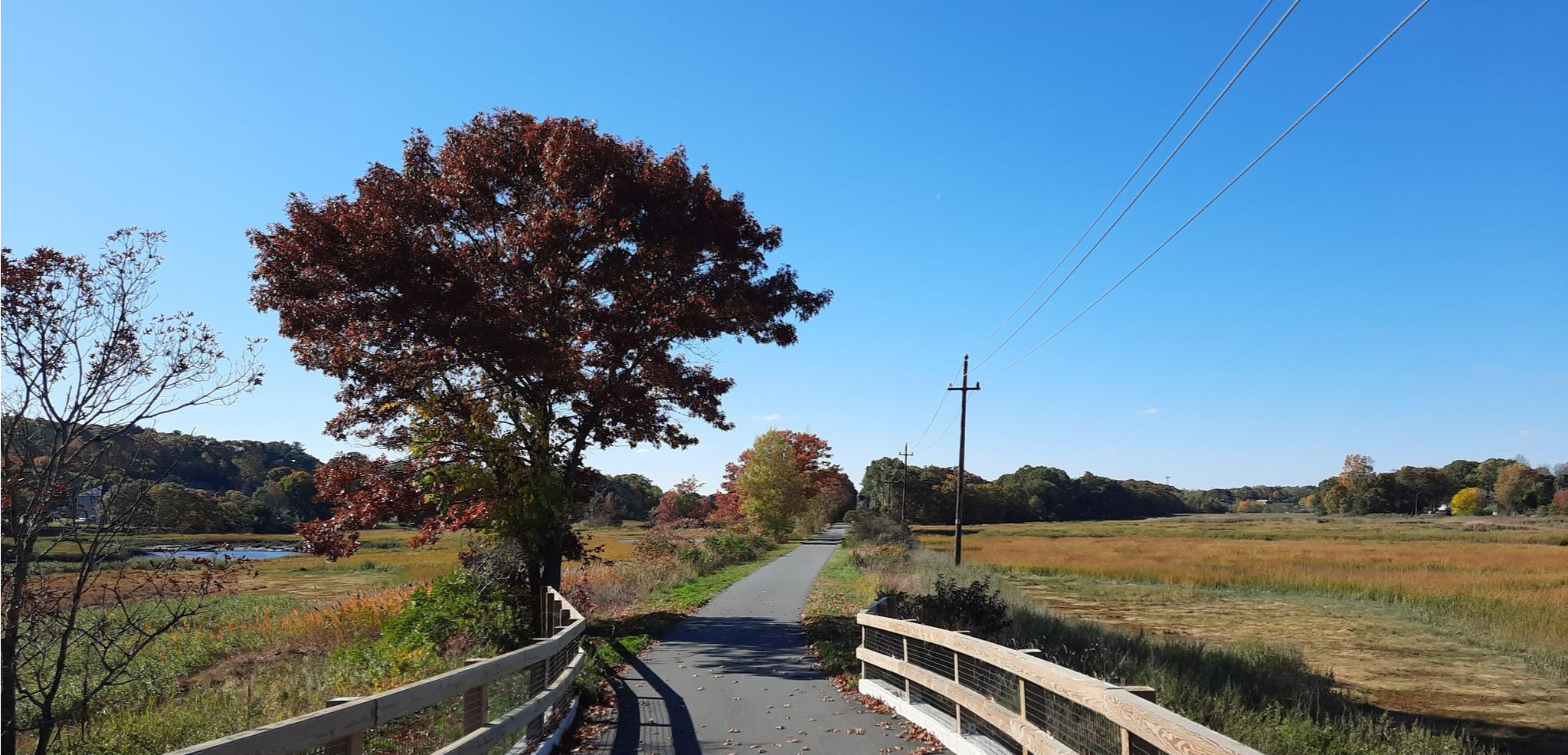
East Coast Greenway — An unforgettable ride along the Atlantic Seaboard
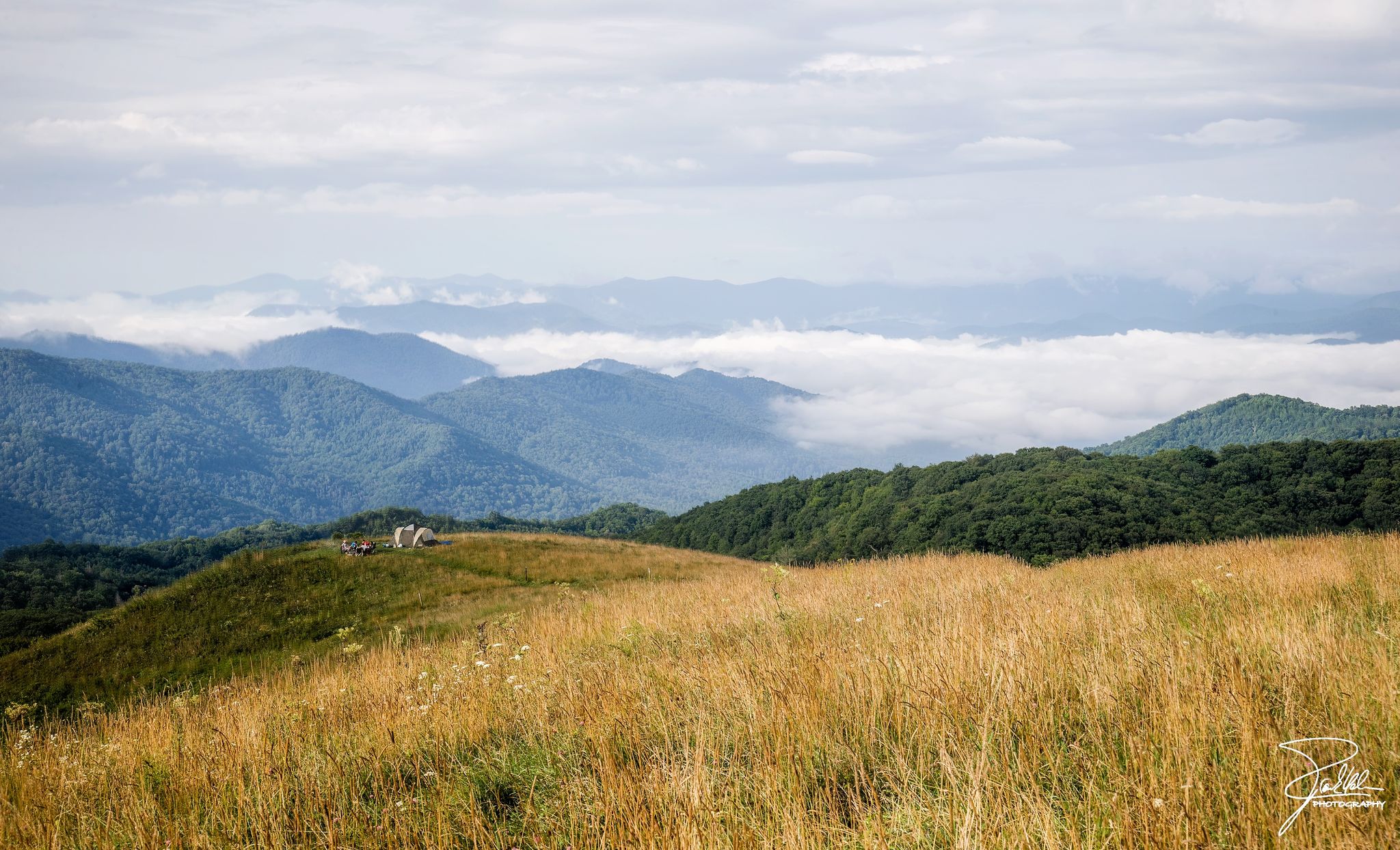
The Appalachian Trail — America's most iconic long-distance hike
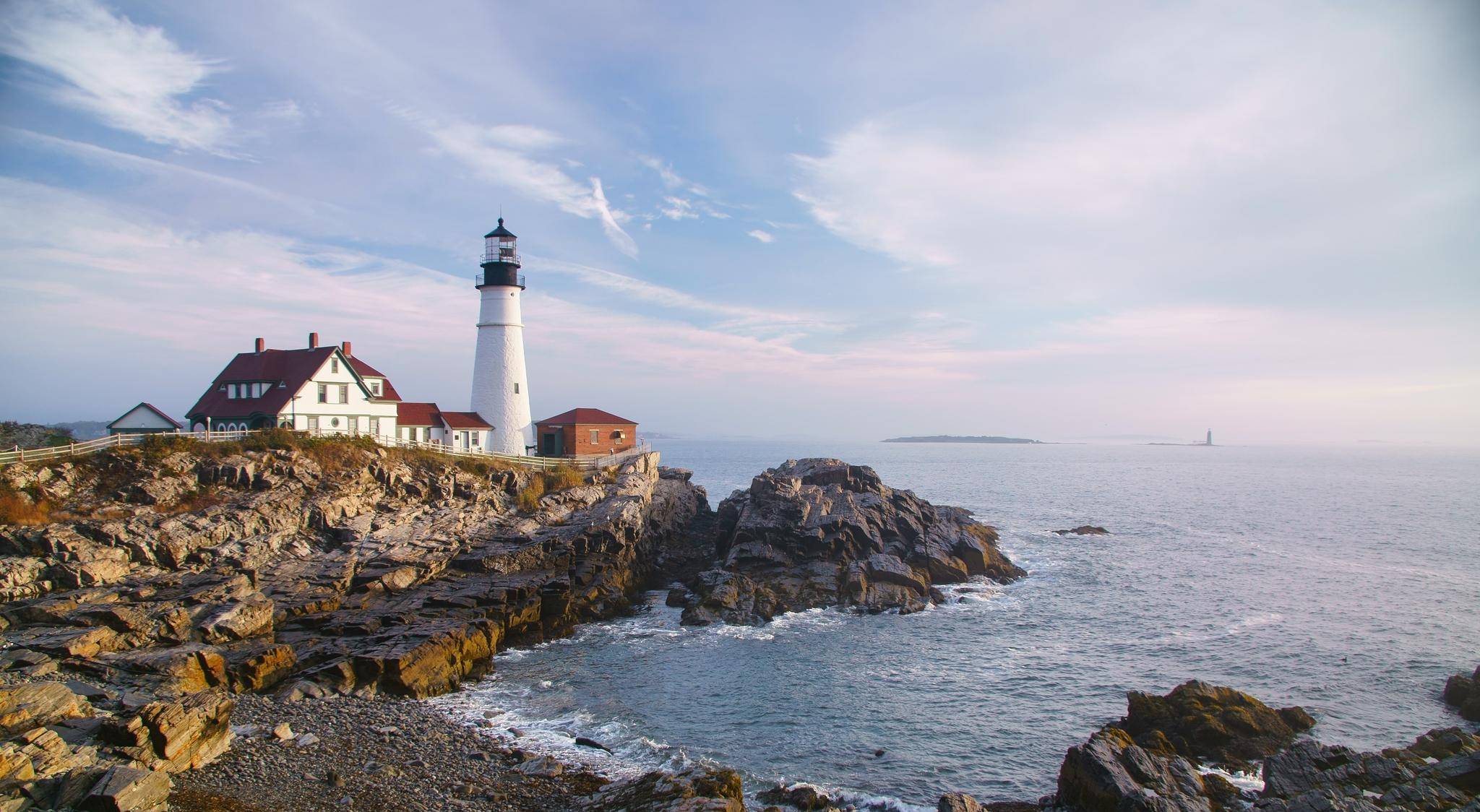
On the trail of the Pilgrim Fathers – road trip along the Atlantic coast
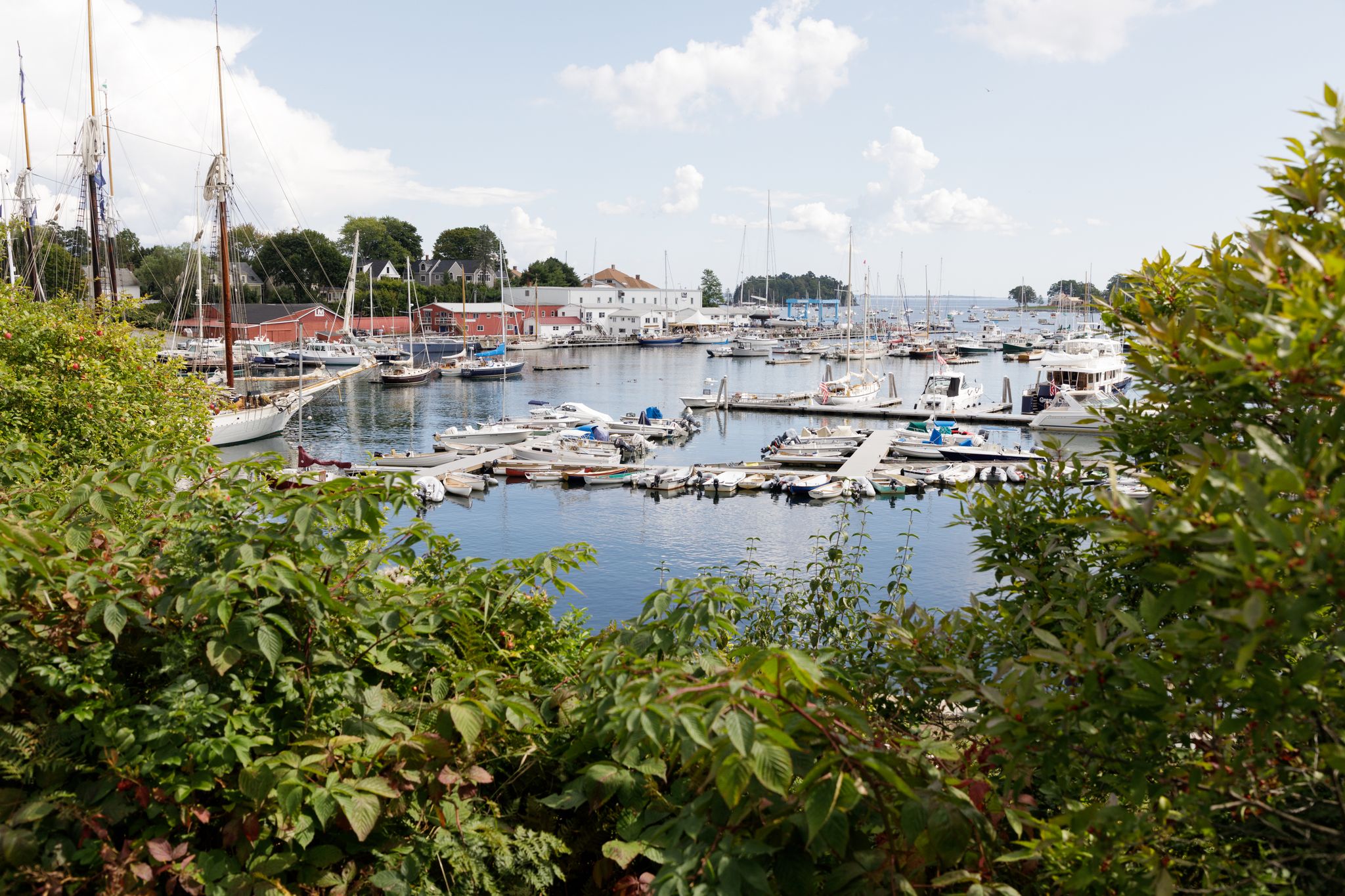
New England – vibrant cities, picturesque coastlines and wild mountain landscapes
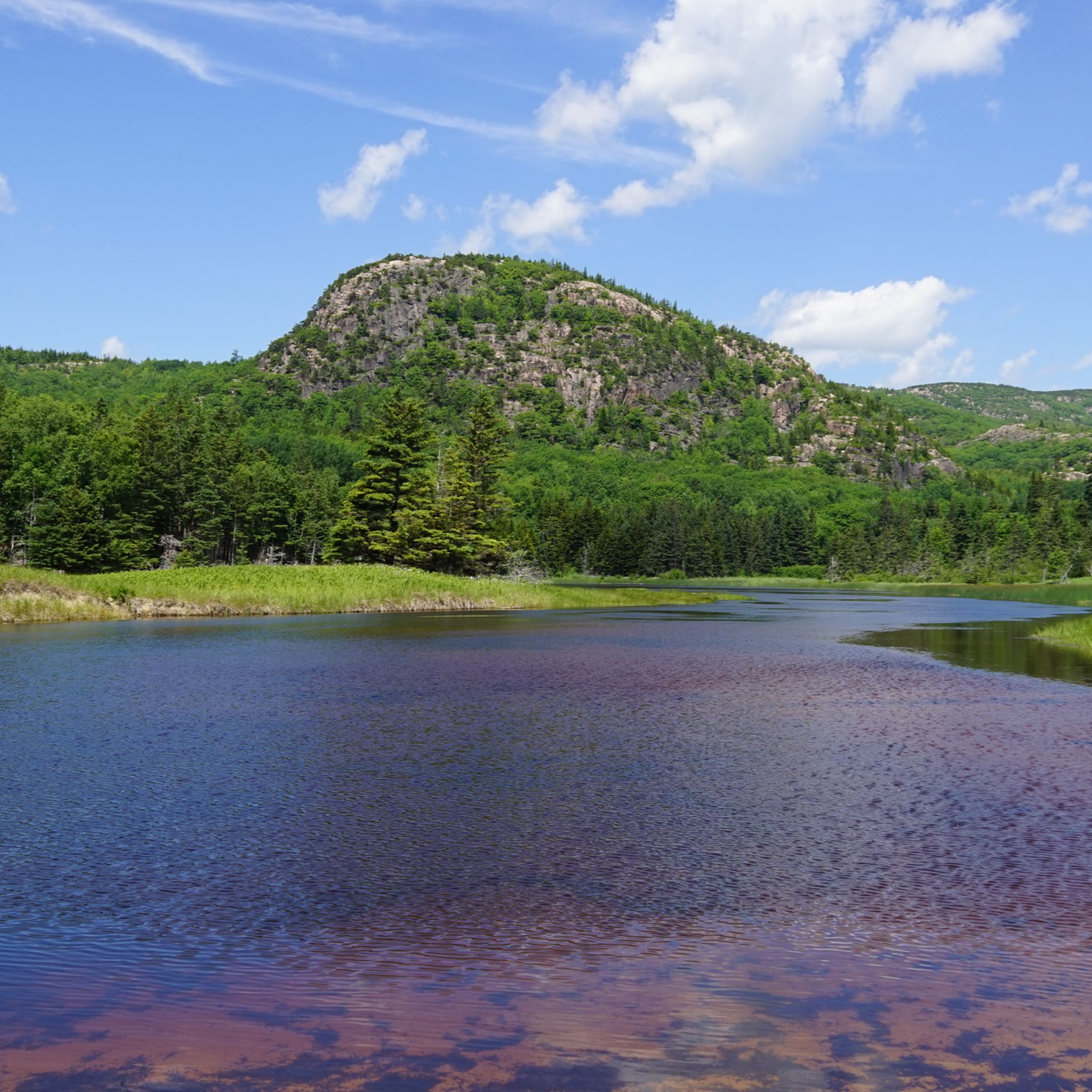
Hiking in Maine
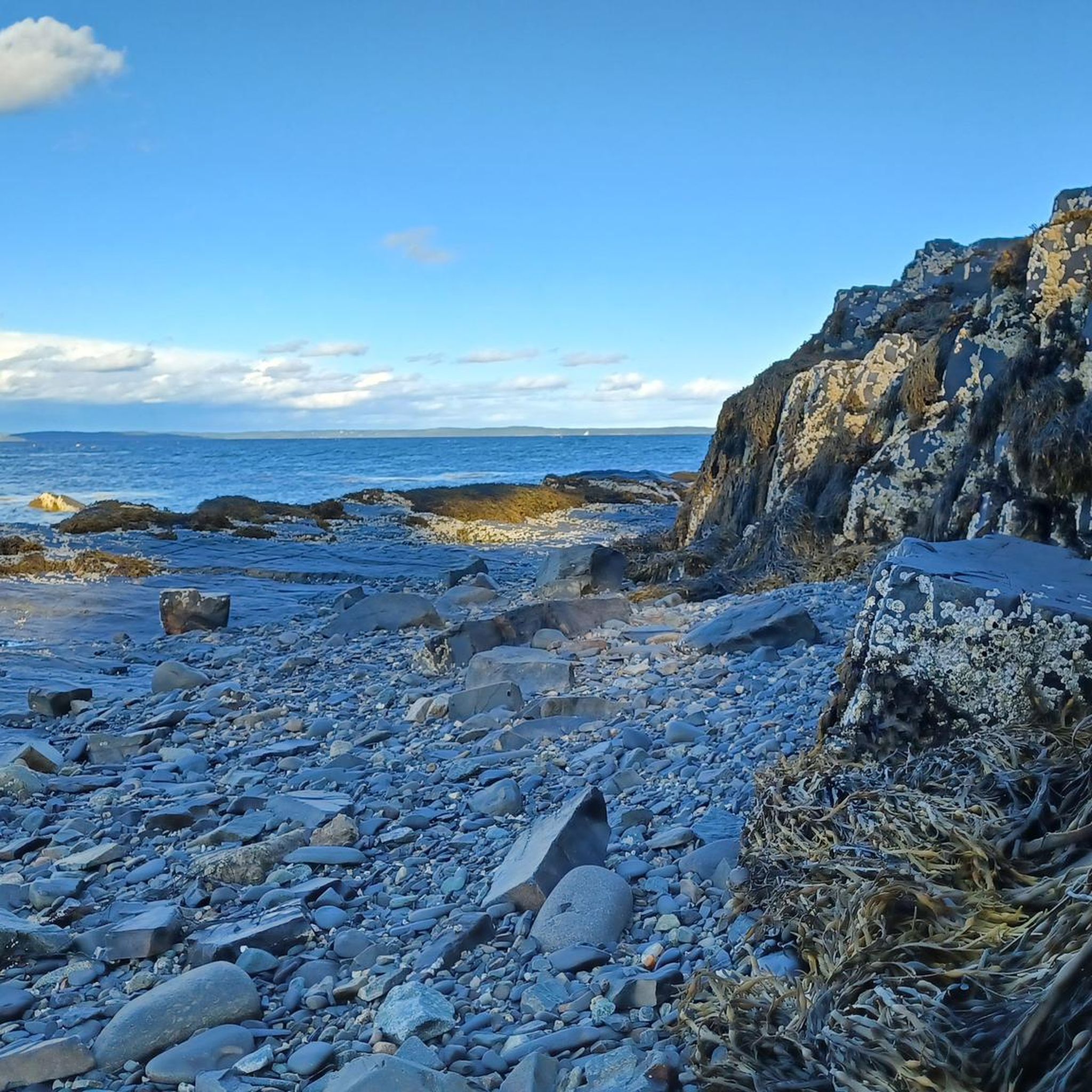
Cycling in Maine
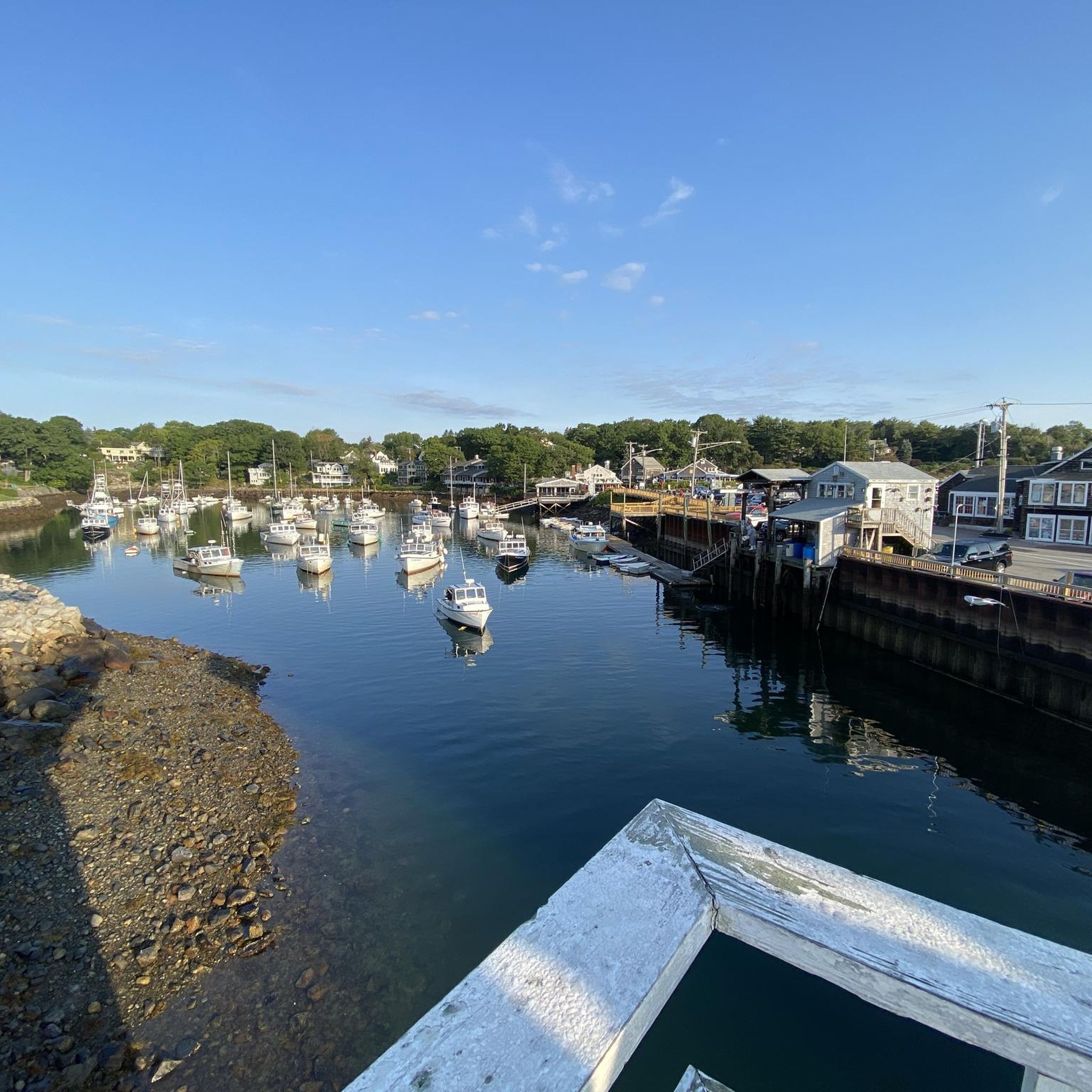
Road Cycling Routes in Maine
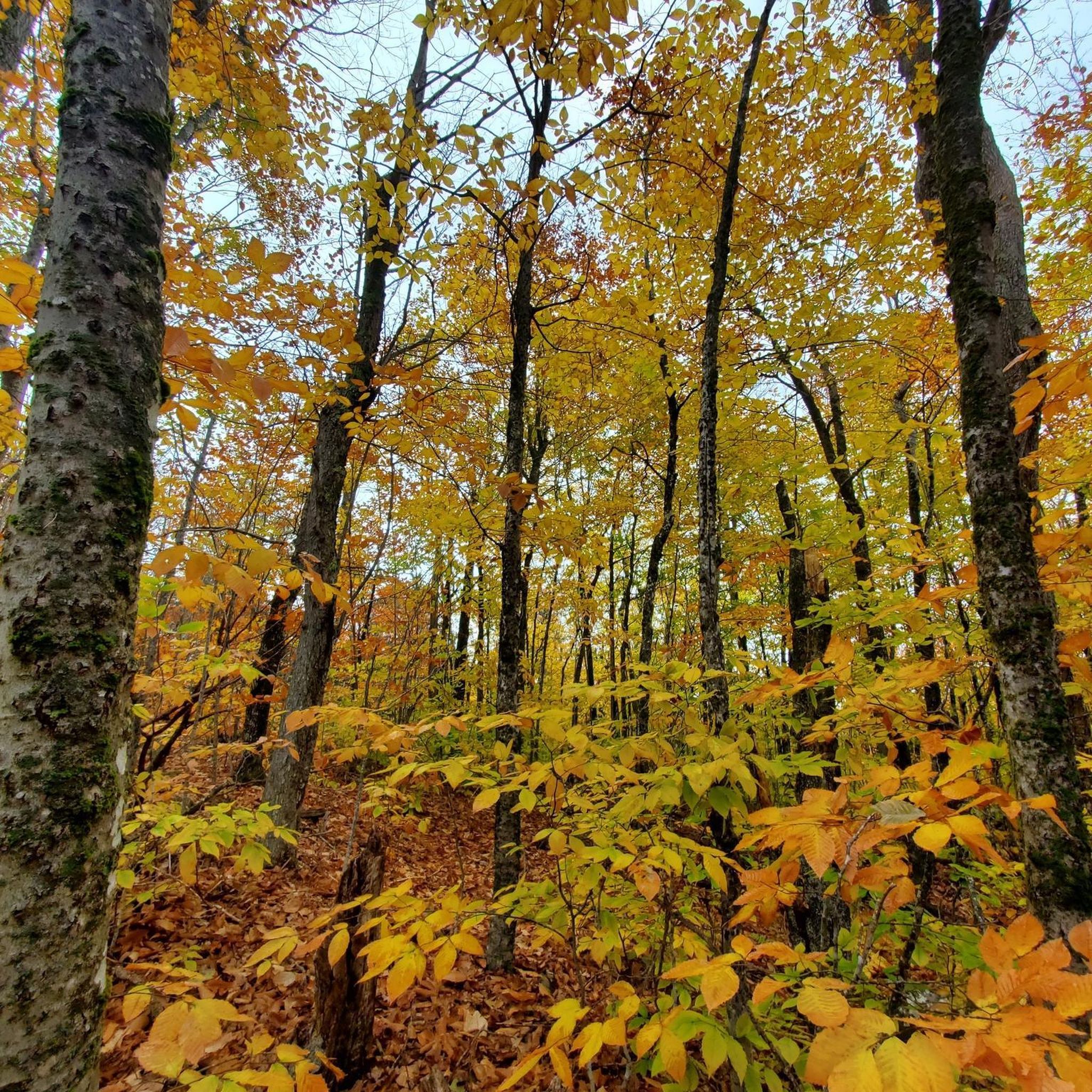
Running Trails in Maine
MTB Trails in Maine
Gravel biking in Maine
Other adventures in Maine


Tips from the Community


On a sunny day in early June, we passed Thunder Hole on a circular hike from Sand Beach, via The Beehive and Gorham Mountain to Otter Point along the Ocean Path. The sea was calm and there were no signs of the tide changing anytime soon. Since we didn't want to wait two hours, we missed the spectacle, the noise and the high waves on the sea cliff. https://www.nps.gov/places/thunder-hole.htm
3
0

Today the access to the front was unfortunately closed due to rough seas. Normally the waves and spray here reach heights of up to 10 m
0
0

The Mahoosuc Notch area is commonly known as the "hardest mile on the AT". The Appalachian Trail traverses many miles, many mountains, and many states, but this rocky section of the trail in Maine has been crowned the most difficult. The Mahoosuc Arm section stretches another mile or so up to that high point and includes a pretty rough section of trail, itself. Don't expect to move very quick for this stint of the Appalachian Trail!
0
0
Moose Cave in Grafton State Park is named after the moose that fell down into the cave years ago. The trail leading to the cave overlook winds through rock gardens and boulder fields before arriving at the halfway steps. This isn't a super smooth trail, but it's pretty short and offers a submersion into the forest of Grafton State Park.
0
0
Moose Cave in Grafton State Park is named after the moose that fell down into the cave years ago. The trail leading to the cave overlook winds through rock gardens and boulder fields before arriving at the halfway steps. This isn't a super speedy trail, but it offers a submersion into the forest of Grafton State Park.
0
0
The Mahoosuc Notch area is commonly known as the "hardest mile on the AT". The Appalachian Trail traverses many miles, many mountains, and many states, but this rocky section of the trail in Maine has been crowned the most difficult. The Mahoosuc Arm section stretches another mile or so up to that high point and includes a pretty rough section of trail, itself. Don't expect to do a lot of running for this stint of the Appalachian Trail!
0
0

Orris Falls is within a 90-ft. gorge in the Orris Falls Conservation Area. This 171-acre preserve has a little bit of everything; from overlooks with great views of Mt. Agamenticus, unique geological features like Balanced Rock, and the remains of the Littlefield homestead, which dates back to the 1800s, there's lots to see here as you make your way to, or continue onward from, the falls.
0
0
Frequently Asked Questions
What are the most notable canyons and gorges to explore in Maine?
Maine is home to several impressive gorges. One of the most renowned is Gulf Hagas, often called the 'Grand Canyon of Maine,' known for its spectacular slate gorge, waterfalls, and old-growth forest. Other notable areas include Thunder Hole, a natural monument where waves create a thundering sound, and Mahoosuc Notch and Mahoosuc Arm, a challenging section of the Appalachian Trail.
What kind of natural features can I expect to see in Maine's canyons?
Maine's canyons and gorges showcase diverse natural beauty. You'll find impressive river-carved gorges with vertically walled slate formations, numerous waterfalls like Screw Auger Falls and Buttermilk Falls in Gulf Hagas, and glacial valleys. Areas like Gulf Hagas also feature old-growth forests with giant eastern white pines and abundant wildlife, including moose and brook trout. You can also discover unique geological features such as Balanced Rock near Orris Falls.
Are there challenging hiking trails within Maine's canyons?
Yes, Maine offers several challenging canyon hiking experiences. The Gulf Hagas Rim Trail is an 8-mile loop considered intermediate to challenging, taking up to 8 hours to complete. Mahoosuc Notch and Mahoosuc Arm is famously known as the 'hardest mile on the AT' due to its rocky and difficult terrain. The North Giant Slide Trail also involves rock scrambling and multiple river crossings.
What is the best time of year to visit Maine's canyons?
The best time to visit Maine's canyons largely depends on your preferred activity. Summer is popular for hiking and swimming in spots like Gulf Hagas. Fall offers spectacular leaf-peeping opportunities, especially in areas with old-growth forests. For experienced adventurers, winter can provide unique opportunities for ice climbing on frozen waterfalls, particularly in Gulf Hagas.
Are there family-friendly options for exploring canyons in Maine?
While some canyon trails are challenging, there are family-friendly options. Thunder Hole in Acadia National Park is a popular and accessible natural monument. For Gulf Hagas, a shorter, more moderate 4-mile round trip to The Hermitage and Gulf Hagas Brook is an option, offering a taste of the wilderness without the full challenge of the Rim Trail.
Can I find historical sites near Maine's canyons?
Yes, some canyon areas in Maine have historical significance. Within the Katahdin Iron Works Forest, where Gulf Hagas is located, you can find the remains of a 19th-century charcoal kiln and a blast furnace. Additionally, the Orris Falls Conservation Area contains the remains of the Littlefield homestead, dating back to the 1800s.
What should I wear for canyon hiking in Maine?
For canyon hiking in Maine, especially on trails like the Gulf Hagas Rim Trail or Rim Trail, wear sturdy hiking boots with good ankle support, as trails can be technical with roots and large boulders. Dress in layers suitable for varying weather conditions, and bring rain gear. For trails with river crossings, consider waterproof footwear or extra socks.
Are there opportunities for wild swimming in Maine's canyons?
Yes, Gulf Hagas is known for its inviting swimming holes located within the gorge, particularly near its numerous waterfalls like Screw Auger Falls. These spots offer a refreshing experience during warmer months, but always exercise caution and be aware of water conditions.
What outdoor activities can I do near Maine's canyons?
Beyond canyon exploration, the region around Maine's gorges offers a variety of outdoor activities. You can find excellent hiking opportunities, including routes like Jordan Pond Path and South Bubble Trail, or Beehive, Gorham Mountain and Ocean Path Loop. There are also options for gravel biking and road cycling, with routes such as the Tri Lakes Loop or the Cadillac Mountain & Otter Cliffs loop. For more details, explore the Hiking in Maine, Gravel biking in Maine, and Cycling in Maine guides.
Do I need permits or need to pay fees to access canyons in Maine?
Access to some areas, such as Gulf Hagas, typically involves driving through Katahdin Iron Works, where a fee is usually required. It's always advisable to check local regulations and park websites for specific permit requirements or entrance fees before your visit, especially for state parks or managed wilderness areas.
What do visitors enjoy most about Maine's canyons?
Visitors frequently praise the breathtaking scenery, the unique geological formations, and the sense of wilderness found in Maine's canyons. Many appreciate the challenge of trails like the Rim Trail, which offers epic views of waterfalls and gorges. The thundering sound at Thunder Hole is also a highly popular and impressive experience.
Most popular routes in Maine
Most popular attractions in Maine

Get inspired with the komoot mobile app


Explore more
Already discovered everything in this region? See additional gorges in Maine for your next adventure:
