Top 20 Lakes in Cochem-Zell
Best lakes in Cochem-Zell are found in a region characterized by the Moselle River, vineyards, and proximity to the Eifel mountain range. While the district contains smaller ponds and nature reserves, the most prominent lakes are the volcanic crater lakes, known as maars, located in the adjacent Vulkaneifel district. These maars are recognized for their geological origins and natural settings, offering various recreational activities. The Cochem-Zell area also features local water bodies that provide peaceful natural environments.
Best lakes in…
Last updated: August 21, 2026
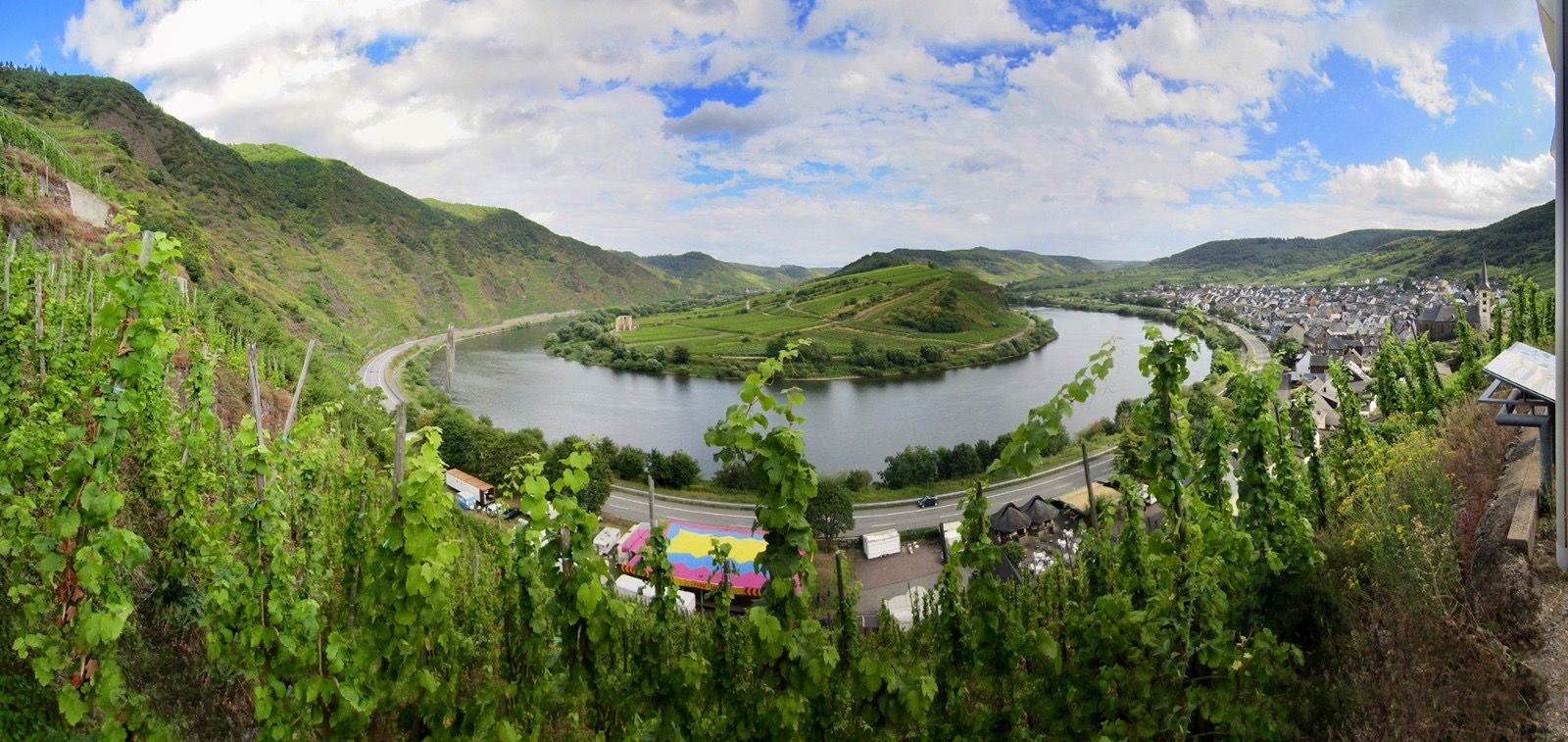
View of Zell and the Schwarze Katz vineyard
Highlight • Viewpoint
Translated by Google •
Tip by

Ulmener Maar
Highlight • Lake
Translated by Google •
Tip by

Sign up now to discover places like this
Get recommendations on the best single tracks, peaks, & plenty of other exciting outdoor places.
Sign up for free
Upper Castle of Ulmen
Highlight • Castle
Translated by Google •
Tip by

Maiden Pond
Highlight • Lake
Translated by Google •
Tip by

Biotope Pond on the Fohlbach
Highlight • Lake
Translated by Google •
Tip by

Jungferweiher Nature Reserve Circular Trail
Highlight • Trail
Translated by Google •
Tip by

And again and again, Egyptian geese...
Highlight • Lake
Translated by Google •
Tip by

Jungfernweiher Ulmen
Highlight • Lake
Translated by Google •
Tip by
Bonertskump Pond and Gazebo
Highlight • Lake
Now the small pond and the stream of the stream remind of the former times.
A nice little hut …
Translated by Google •
Tip by

Düngenheimer Pond
Highlight • Lake
Translated by Google •
Tip by

Sign up for free to discover even more lakes in Cochem-Zell.
Sign up for free
Already have an account?
Start today with a free account
Your next adventure awaits.
Login or Signup
Popular around Cochem-Zell
The Moselle cycle path — from the Vosges to the Rhine in 18 stages
Saar-Hunsrück Climb – Hike in Germany where culture and nature meet
Moselcross — Riding from Trier to Koblenz
The Moselsteig trail – 24 stages along the sunny Moselle Valley
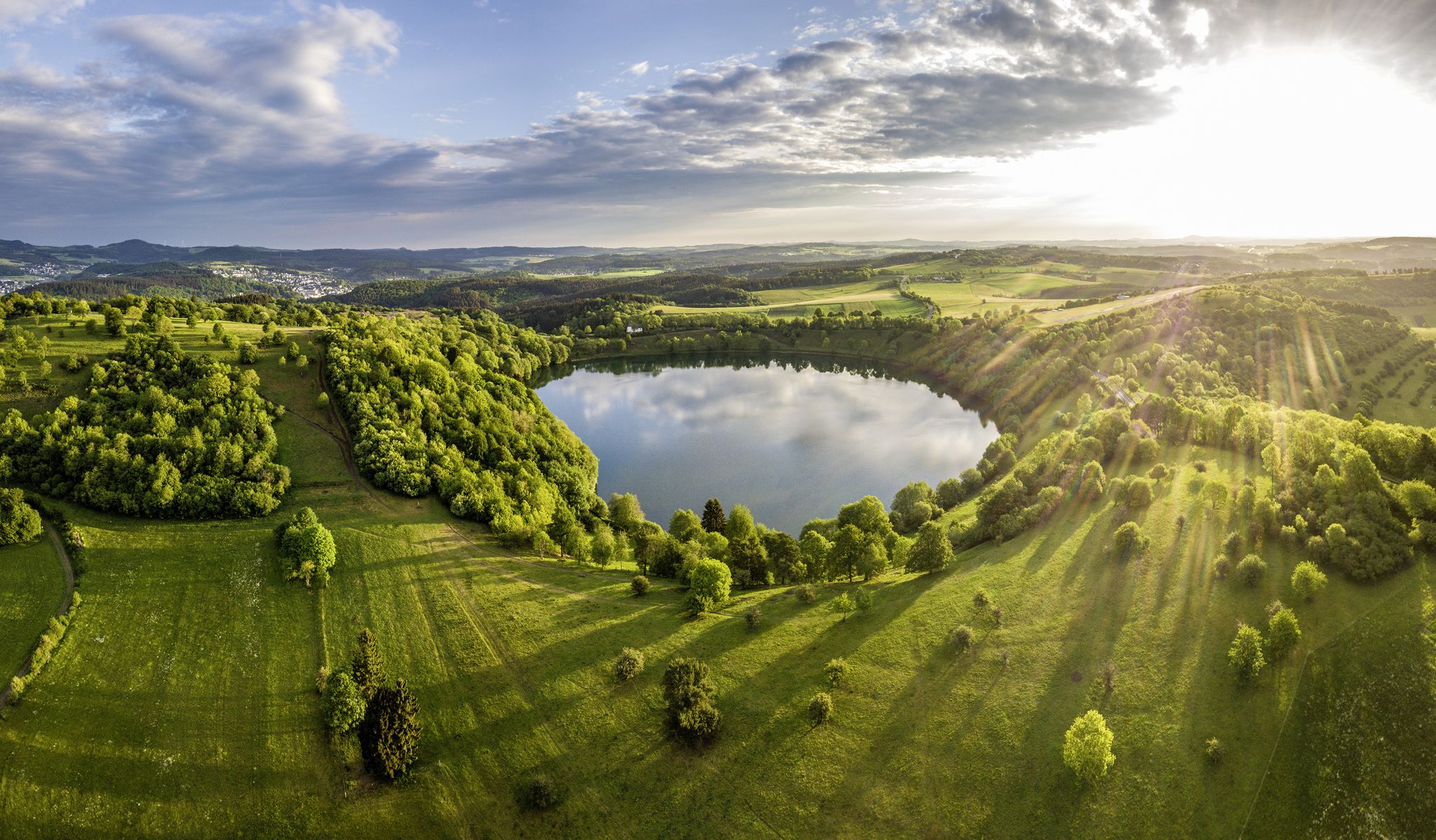
Germany’s Most Beautiful Hiking Trails in the Vulkaneifel
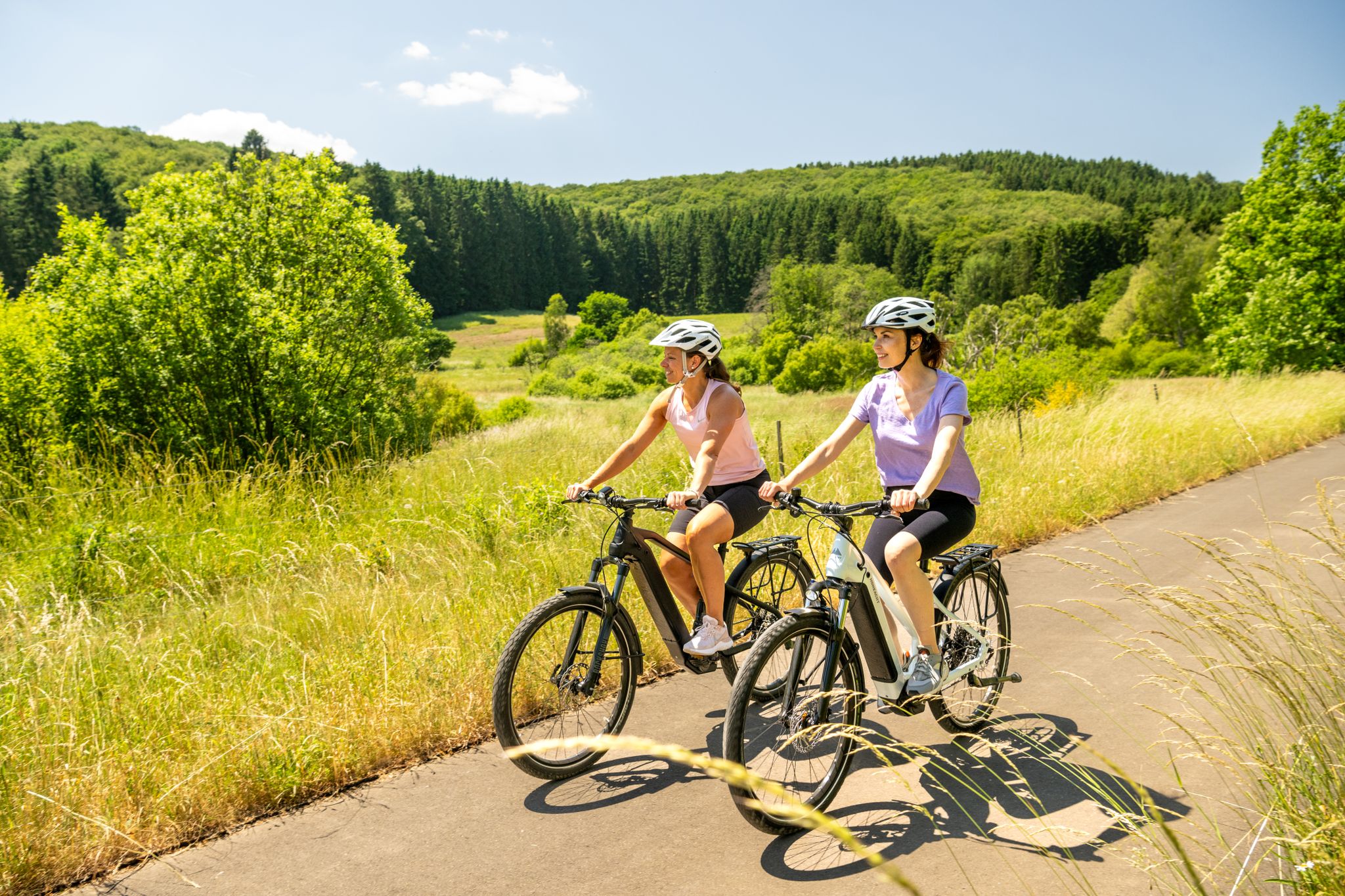
E-biking through the Volcanic Eifel
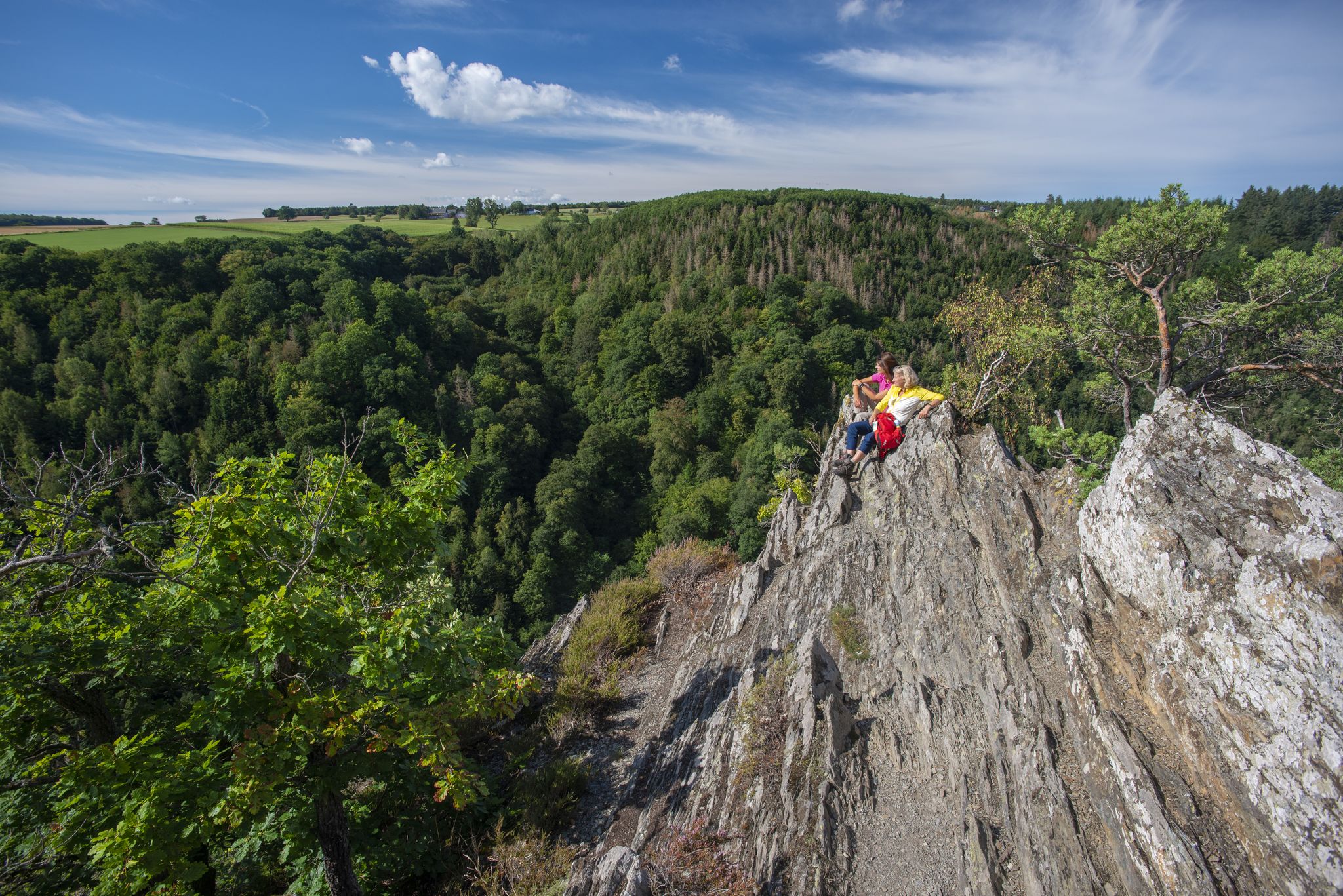
Dream Loops with great views in the Hunsrück
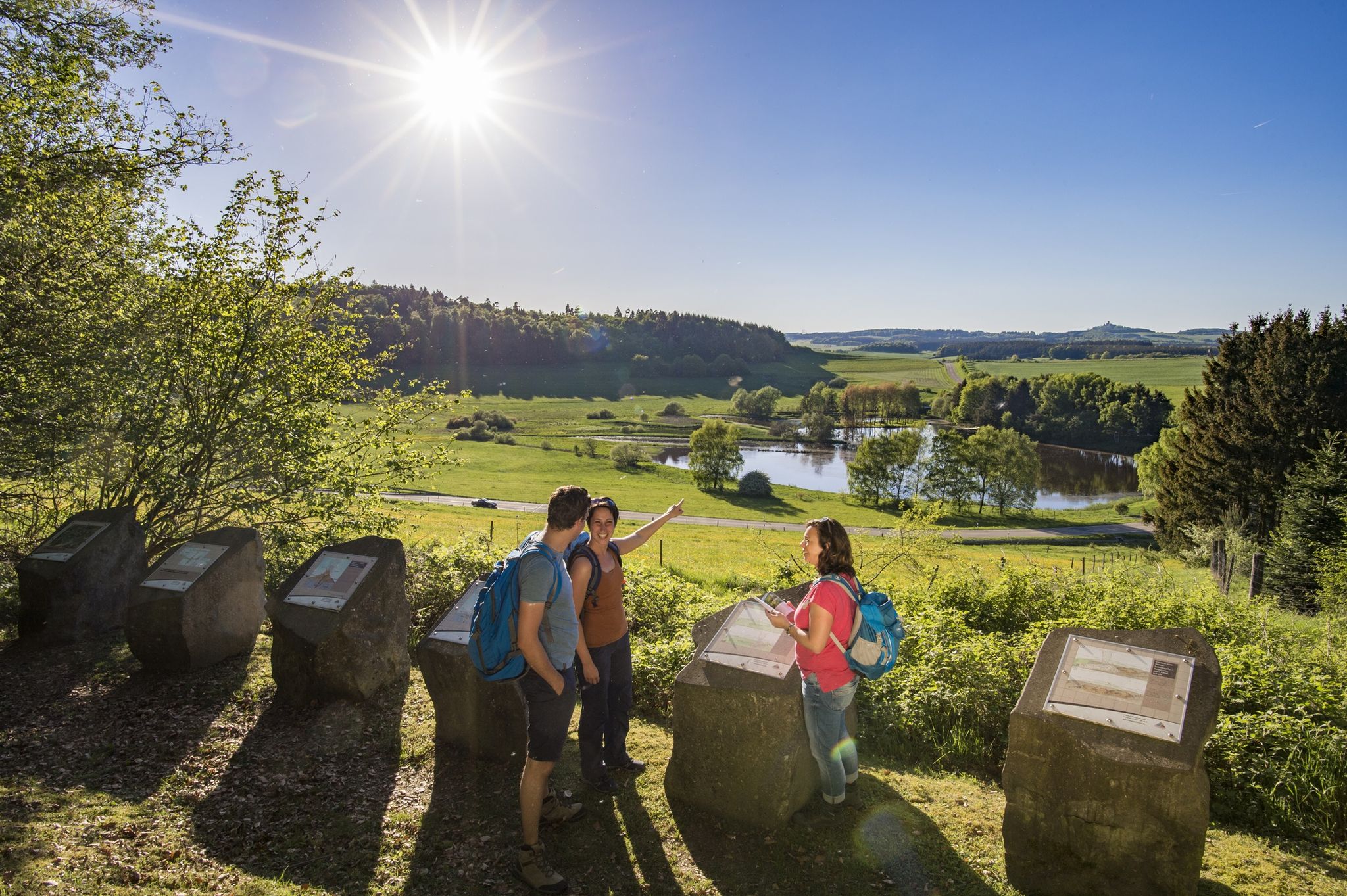
Traumpfade – dreamy, varied hiking trails in Rhein-Mosel-Eifel-Land
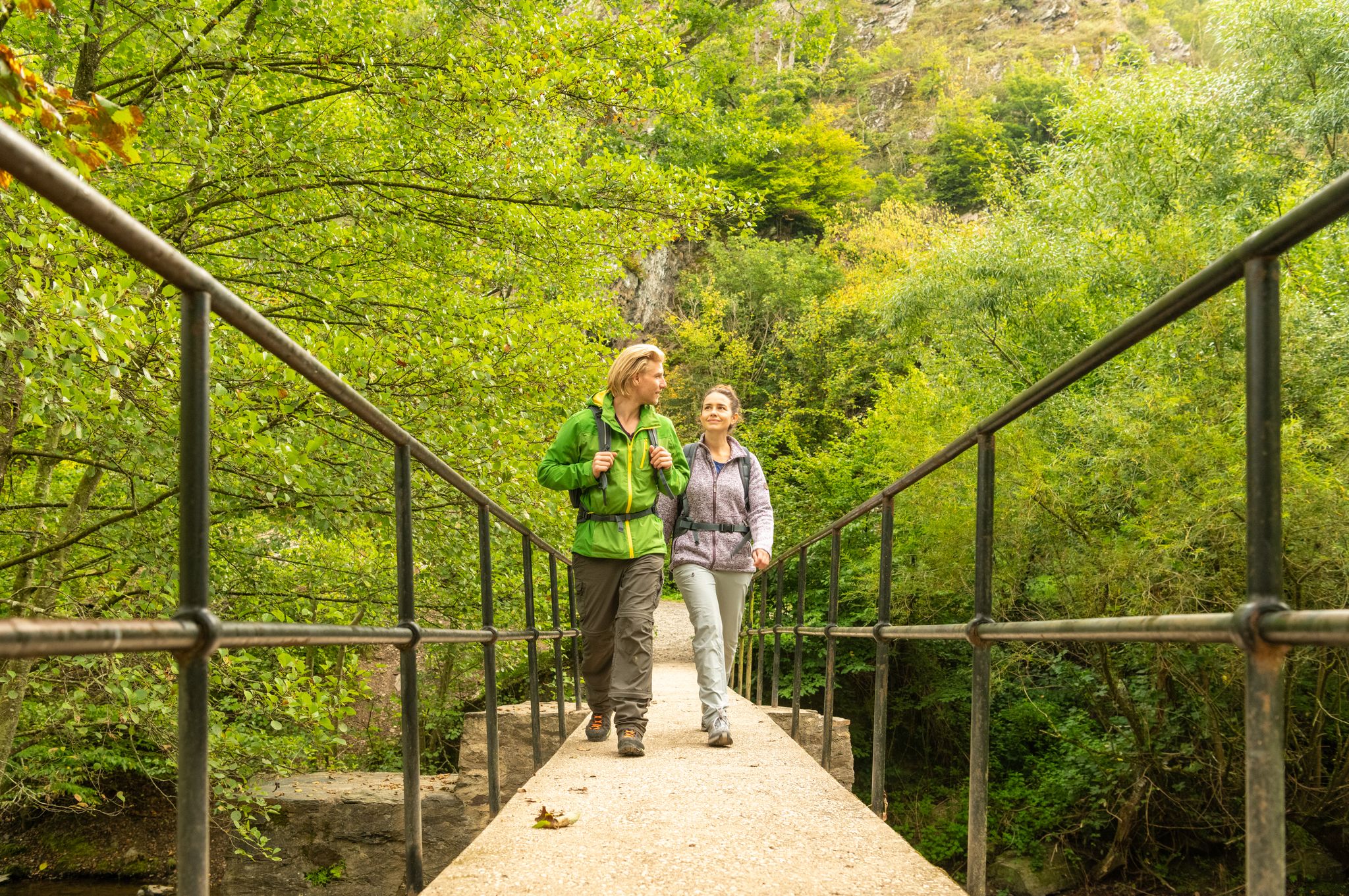
Moselsteig Partner Trails – nature, culture and views
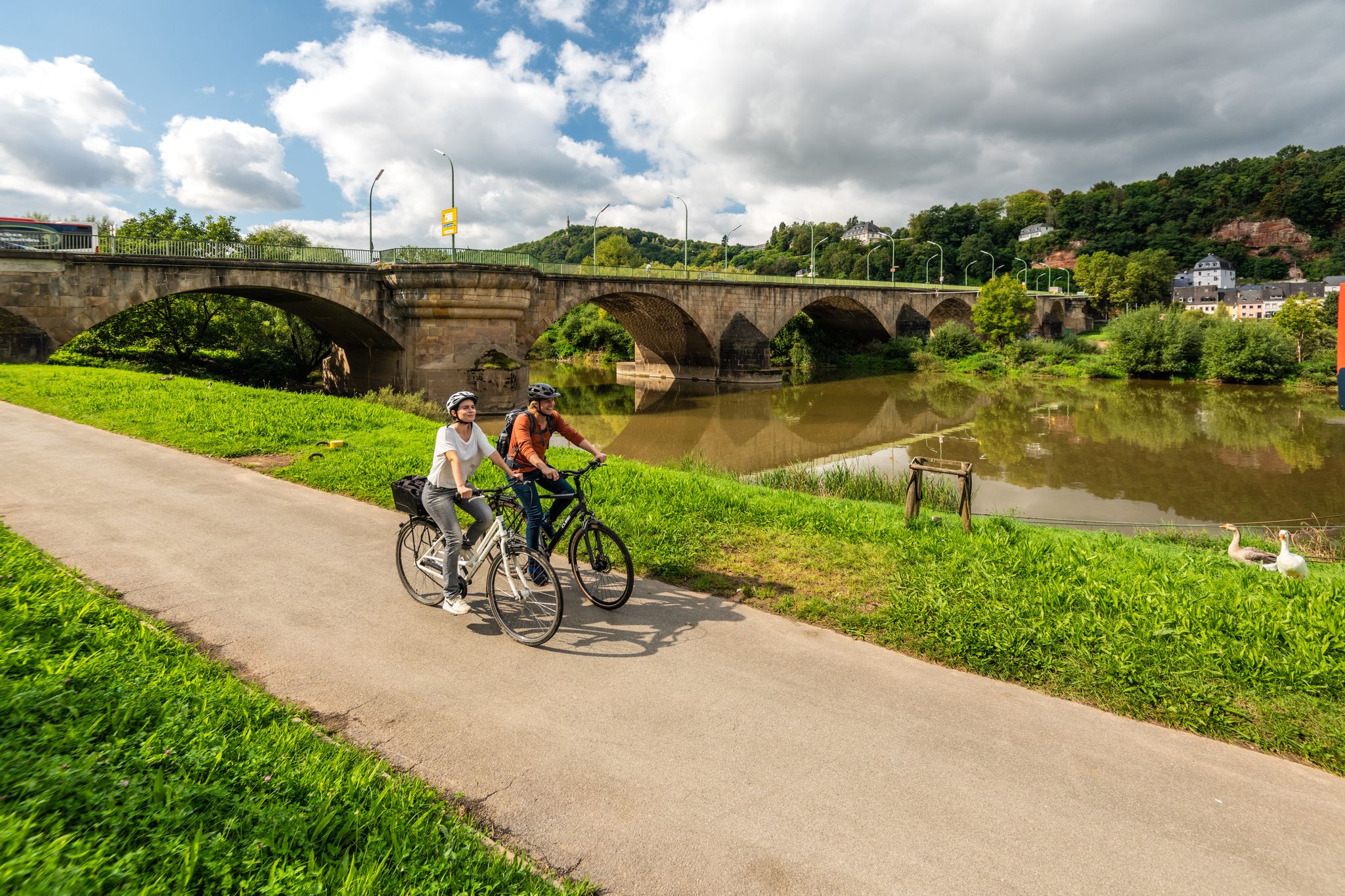
Mosel Cycle Path – in 10 stages from Perl to Koblenz
Other adventures in Cochem-Zell


Tips from the Community

The Ulmen Maar lies 420 meters above sea level today, covers an area of 5.5 hectares, and is 36 meters deep. The bubbles at the maar's edge demonstrate that volcanism is still active. They bear witness to a turbulent past—but rest assured, there's no eruption in sight! A wall of various rocks and ash, up to 20 meters thick, surrounds the cone. For those interested, these testimonies to this explosive past are beautifully displayed in St. Matthias Church. This unique wall, with its different colored layers and rounded inclusions, is worth seeing for more than just geologists. The slopes of the maar basin are covered with a beautiful forest, which can be explored on a circular walk. A detour to the medieval castle ruins, from which the Crusaders once launched their campaigns, is recommended. The view from the crater rim over the maar and the Eifel beyond will take your breath away. Whether after a sweaty hike or a long drive, the blue of the Ulmer Eifel lake is all too tempting in summer. However, bathing in the maar is prohibited because it is designated as a nature and water protection area.
7
0
The lower castle has completely disappeared. You can still see the beginning of the ring that connected the lower castle and the Ulmen city wall, a two-story outer wall of the palace, as well as a cistern and some foundation walls of other buildings. The old part of Ulmen Castle was built around 1074 AD and likely rests on the remains of a Roman settlement. In the Middle Ages, Ulmen Castle was further expanded and divided into the upper castle, whose remains of the walls still exist, and the lower castle, which extended to the banks of the maar river. Two knightly families lived in the castle, which is believed to have never been attacked or destroyed until 1673 due to its size. Only the Sun King's troops succeeded. It was rebuilt, but fell again in 1689 during the War of the Succession. However, Ulmen Castle was also rebuilt this time, with only the city wall being abandoned. With the invasion of Napoleon's soldiers, Ulmen also became French and later Prussian. The empty castle, whose last descendant died in 1801, was auctioned to a merchant from Cochem, who sold it as a quarry. When a devastating fire burned Ulmen to the ground in the 19th century, the residents of Ulmen rebuilt their houses with stones from the castle. That's why you can still see a coat of arms on some of the stables today. It wasn't until the early twentieth century that Ulmen Castle was declared a listed building and became the property of the municipality of Ulmen. The castle is always freely accessible.
7
0

many Nile geese on the banks of the Moselle
3
0

Cycle path along the Moselle.
4
0

Barrier-free circular hiking trail around the Ulmener Jungferweiher. There are places to sit and rest, sometimes even seating groups with tables. Unfortunately, the proximity to the motorway means that you can hear its noises all the time, but you can also block them out.
2
0

The Egyptian goose (Alopochen aegyptiaca) is the only extant representative of its genus and is now mostly classified as a parti-geese. It is of African origin and lives in inland lakes and rivers rich in food. It is considered the most common Afrotropical duck.[1] In recent decades, the Egyptian goose has spread along the Rhine in Central Europe, starting with escapees from captivity, mainly from the Netherlands, and is also found in urban parks, bathing lakes and other places frequently frequented by people (Wikipedia).
6
0

The pond is very pretty and the grounds are well maintained, but there is not much life to be found apart from a water lily and smaller aquatic plants...
0
0
The Ulmener Maar is small but beautiful. Located in the middle of the Eifel and in the middle of the city, it is a wonderful destination. You can easily combine a walk around the maar with a walk around the neighboring Jungferweiher. Both have recently been connected by the Ulmener Maar tunnel, which runs under the A 48 motorway.
6
0
Frequently Asked Questions
What types of lakes can I explore in the Cochem-Zell region?
The Cochem-Zell district itself features smaller ponds and nature reserves, such as the Biotope Pond on the Fohlbach and the Taubengrün Nature Reserve. However, the most prominent and geologically significant lakes, known as maars, are located in the adjacent Vulkaneifel district. These include the Ulmener Maar and the Maiden Pond (Jungferweiher).
Are there family-friendly lakes in the area?
Yes, several lakes are suitable for families. The Maiden Pond (Jungferweiher) offers a pleasant circular walk with benches, ideal for a relaxed outing. The Biotope Pond on the Fohlbach and Bonertskump Pond and Gazebo also provide peaceful, family-friendly spots for breaks and picnics.
Where can I find opportunities for swimming near Cochem-Zell?
For swimming, you'll find excellent options in the nearby Vulkaneifel district. The Gemündener Maar features a natural swimming pool and sunbathing area, while the Pulvermaar, one of Germany's deepest lakes, also has a natural swimming pool suitable for all ages. These maars offer clear waters and recreational facilities.
What historical sites can be found near the lakes?
Near the Ulmener Maar, you can explore the ruins of the Ulmen castle, offering a glimpse into the region's past. The Bonertskump Pond and Gazebo is also a site with local history, as it's a remnant of a former washhouse.
Are there accessible paths for wheelchairs around the lakes?
Yes, the Maiden Pond (Jungferweiher) is noted for having wheelchair-accessible paths, making it a good option for visitors with mobility needs. You can also find a dedicated Jungferweiher Nature Reserve Circular Trail that is wheelchair accessible.
What are the best lakes for nature observation and birdwatching?
The Taubengrün Nature Reserve, an old arm of the Moselle, is an excellent location for birdwatching and observing local flora and fauna. The Jungfernweiher Ulmen is also a paradise for birdwatchers, where you can spot many different types of birds.
When is the best time to visit the lakes in Cochem-Zell?
The lakes are beautiful year-round. Spring and autumn offer pleasant temperatures for hiking and enjoying the scenery. In summer, the maars in the Vulkaneifel district are ideal for swimming. During winter, the Jungfernweiher Ulmen can even be used for ice skating when conditions allow.
What outdoor activities can I do near these lakes?
Beyond exploring the lakes themselves, the broader Cochem-Zell region offers a variety of outdoor activities. You can find numerous hiking trails, including the 'HeimatSpur Waterfall Experience Route' and the 'Traumpfad: Pyrmonter Felsensteig'. For cycling enthusiasts, there are routes like 'View of Cochem Castle' and 'Bullay Railway Bridge' for both touring and gravel biking. You can find more details on these activities in our guides for Hiking in Cochem-Zell, Cycling in Cochem-Zell, and Gravel biking in Cochem-Zell.
Are there specific hiking trails around the lakes?
Yes, for example, the Maiden Pond (Jungferweiher) offers a decelerating circular route. In the Vulkaneifel, the Gemündener Maar has hiking trails like the MaareGlück circular route, providing scenic views. The Jungferweiher Nature Reserve Circular Trail is another option for a pleasant walk.
What makes the Ulmener Maar unique?
The Ulmener Maar is the youngest maar in the Eifel, formed approximately 11,000 years ago. It's unique because it still exhibits signs of active volcanism, with small bubbles rising from its depths. This offers a rare opportunity to witness ongoing geological activity and explore the region's volcanic history.
Can I find quiet, idyllic spots among the lakes?
Absolutely. The Maiden Pond is described as a beautiful, quiet, and mysterious body of water, perfect for relaxation. The Meerfelder Maar, located within the largest maar crater in the Eifel, is also known for its tranquility and idyllic setting, offering a peaceful escape into nature.
What do visitors particularly enjoy about the lakes in this region?
Visitors appreciate the diverse natural beauty, from the unique volcanic maars to the serene local ponds. The clear waters, stunning landscapes, and opportunities for relaxation and outdoor activities are frequently highlighted. The combination of natural wonders and historical sites, such as the castle ruins near Ulmener Maar, also adds to the appeal.
Most popular routes in Cochem-Zell
Most popular attractions in Cochem-Zell

Get inspired with the komoot mobile app


Didn’t find what you were looking for?
Find the best lakes in Cochem-Zell per region:
Explore more
Still not found your perfect lake in Cochem-Zell? Check out the guides of these regions to see even more beautiful places.
