Top 18 Caves around Schlat
Best caves around Schlat are situated within the Swabian Alb, a region in Baden-Württemberg, Germany. This area is characterized by its diverse and extensive cave systems, many of which are accessible from Schlat. These natural formations provide varied opportunities for exploration, ranging from accessible show caves to more challenging wild caving experiences. The geological features of the Swabian Alb make it a notable destination for caving enthusiasts.
Best caves around Schlat
- The most popular caves is Autal Waterfall, a…
Last updated: June 27, 2026
Autal Waterfall
Highlight • Waterfall
Translated by Google •
Tip by

Brunnensteighöhle
Highlight • Cave
Translated by Google •
Tip by

Sign up now to discover places like this
Get recommendations on the best single tracks, peaks, & plenty of other exciting outdoor places.
Sign up for free
Kahlenstein Viewpoint
Highlight • Viewpoint
Translated by Google •
Tip by

Lourdes Grotto
Highlight • Religious Site
Translated by Google •
Tip by

Todsburger Schacht Cave Entrance
Highlight • Cave
The entry into the deep darkness can still be …
Translated by Google •
Tip by

Sign up for free to discover even more caves around Schlat.
Sign up for free
Already have an account?
Start today with a free account
Your next adventure awaits.
Login or Signup

Tips from the Community

Information about the shaft, including interior shots, can be found here: https://www.68erclimbers.de/Hoehlenbefahrung/TodsburgerSchacht/TodsburgerSchacht.html
1
0

You just have to get off the path and get back on again 😉
1
0

The Mother of God depicted and venerated here is that of Lourdes. This well-known Marian pilgrimage site is located in the French Pyrenees and is visited by many people every year, including many sick people hoping for healing. The devotional image of the Mother of God has become widespread - not only in France - and Lourdes chapels and grottos have been built by believers everywhere. The ecclesiastical memorial day "Our Lady in Lourdes" is February 11th, this is the anniversary of the Apparition of the Virgin Mary (1858), when Our Lady appeared to 14-year-old Bernadette Soubirous in a rock grotto very close to Lourdes. Bernadette later became a nun and died at the age of just 35. She was canonized by Pope Pius XI on December 8, 1933 (the Feast of the Immaculate Conception of Mary). The Day of the Lourdes Madonna is also World Day of the Sick.
1
0

Great rock with several holes that are an experience for the whole family. Surefootedness is a must, then it's a great place to discover hiding places. Was already a popular place when I was a child.
7
0

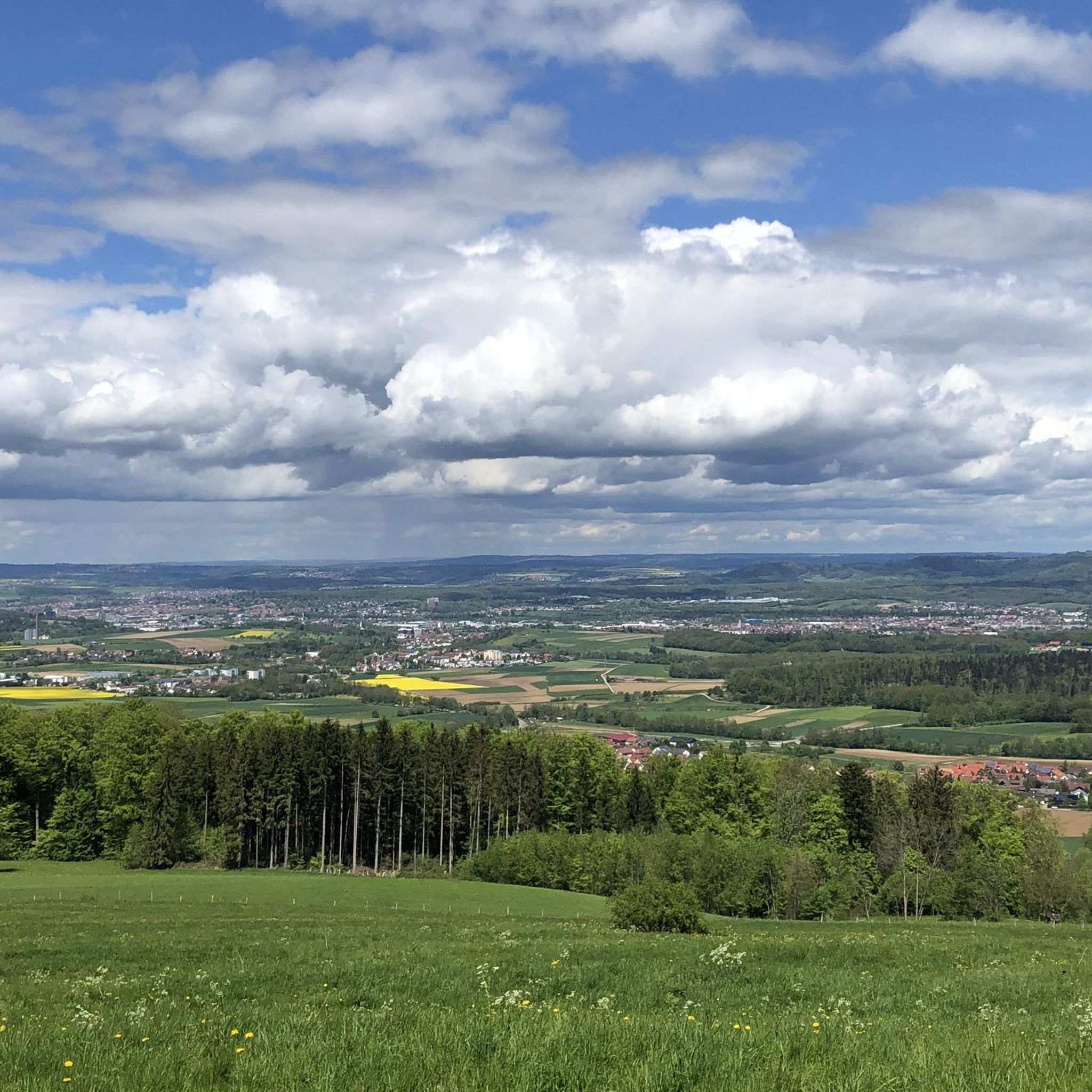
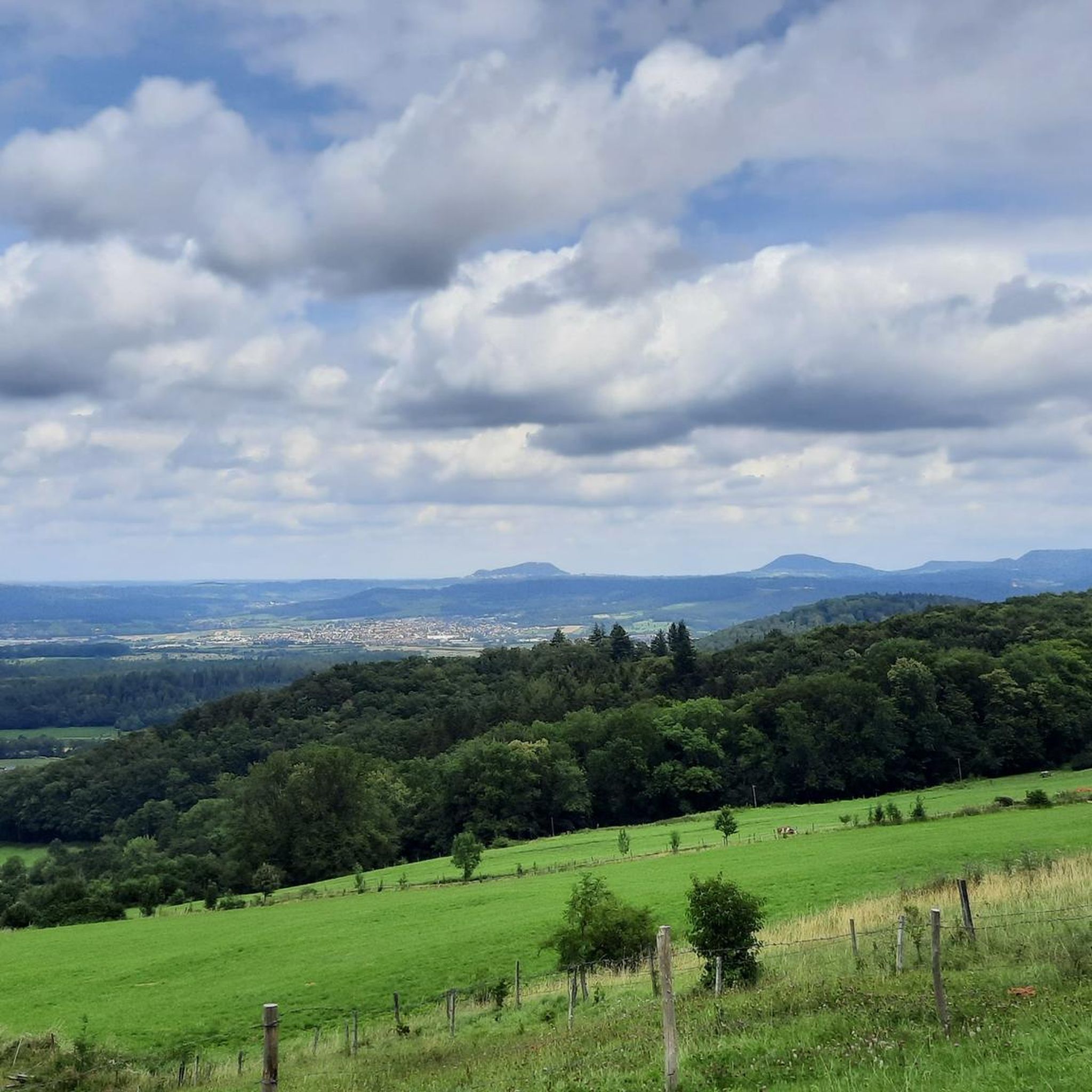
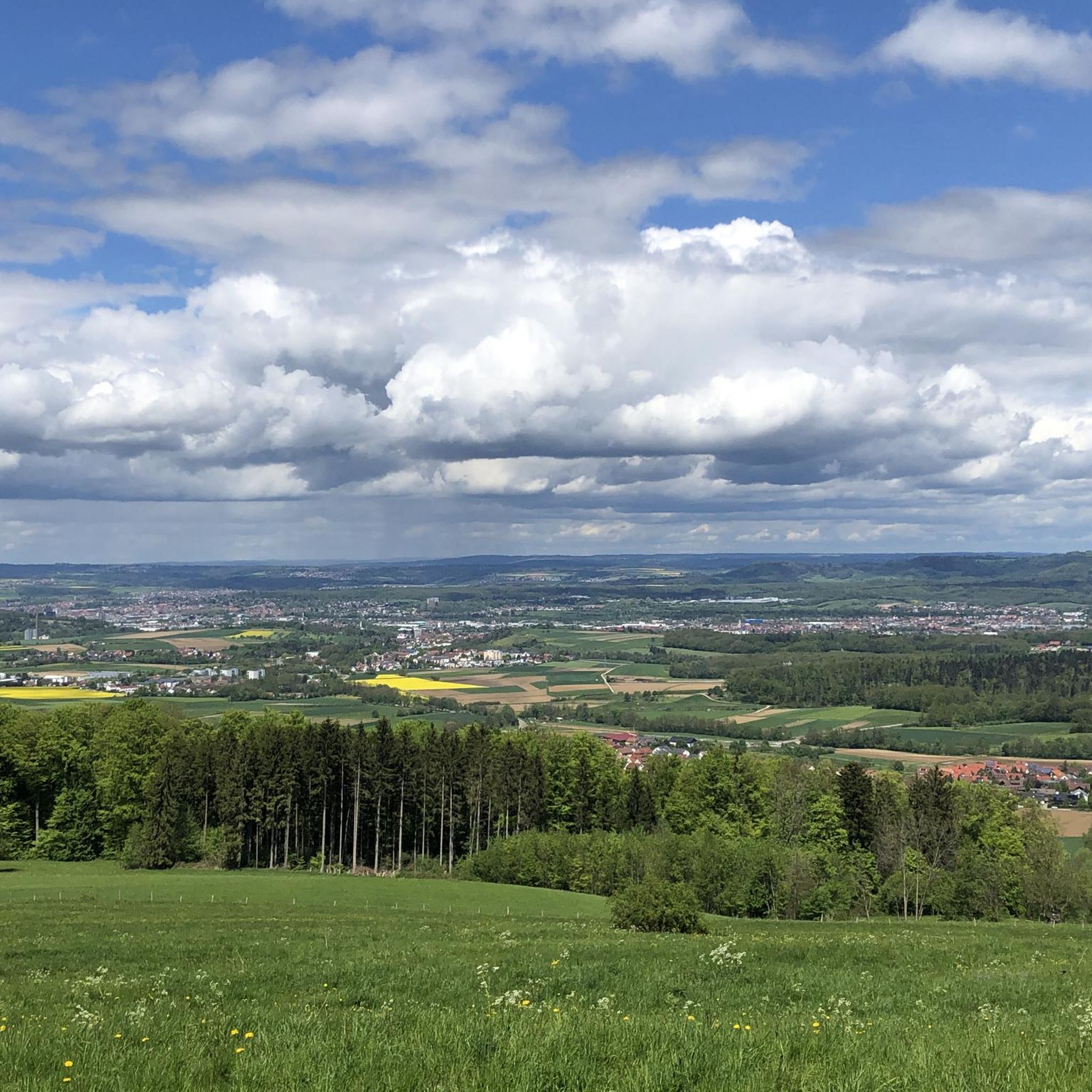
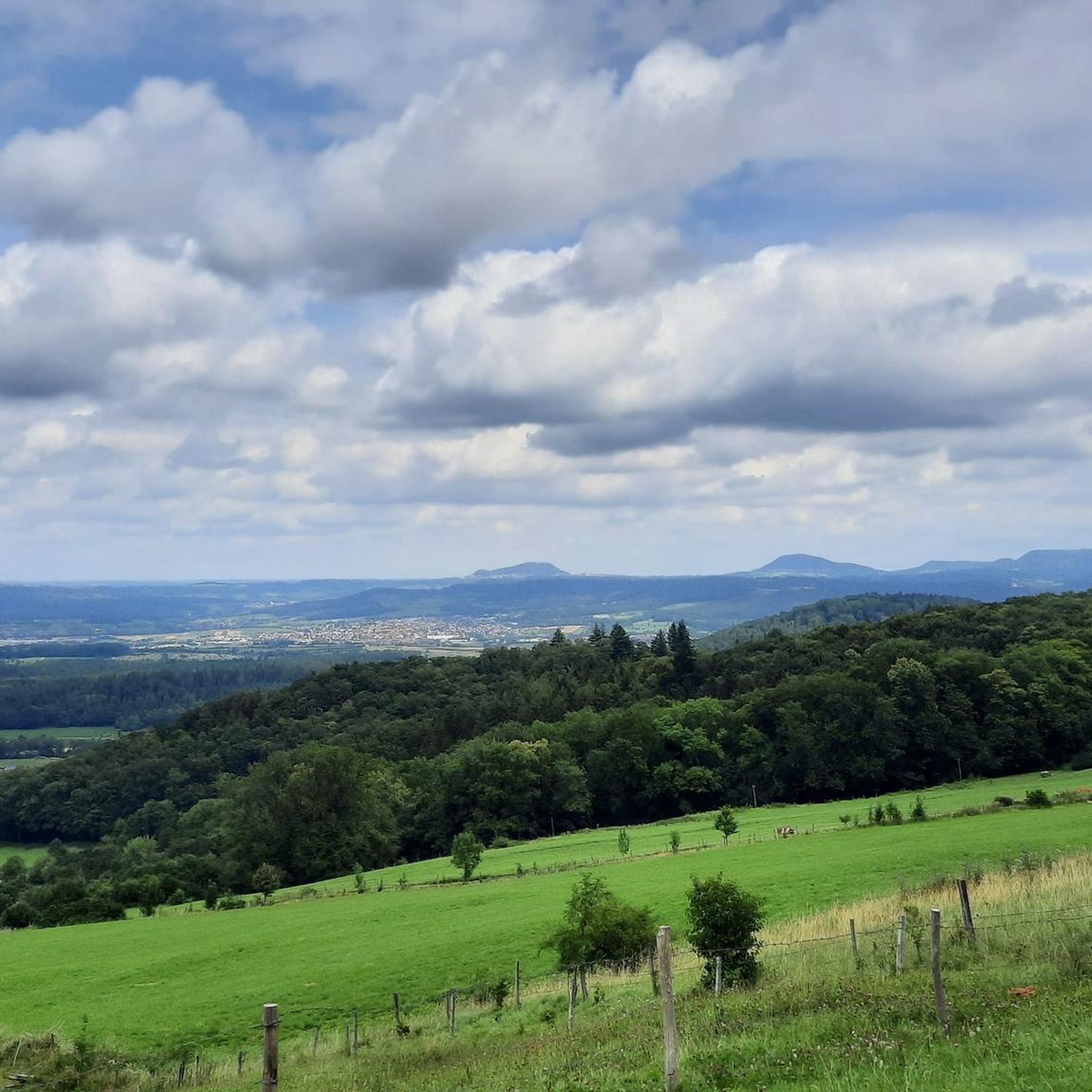
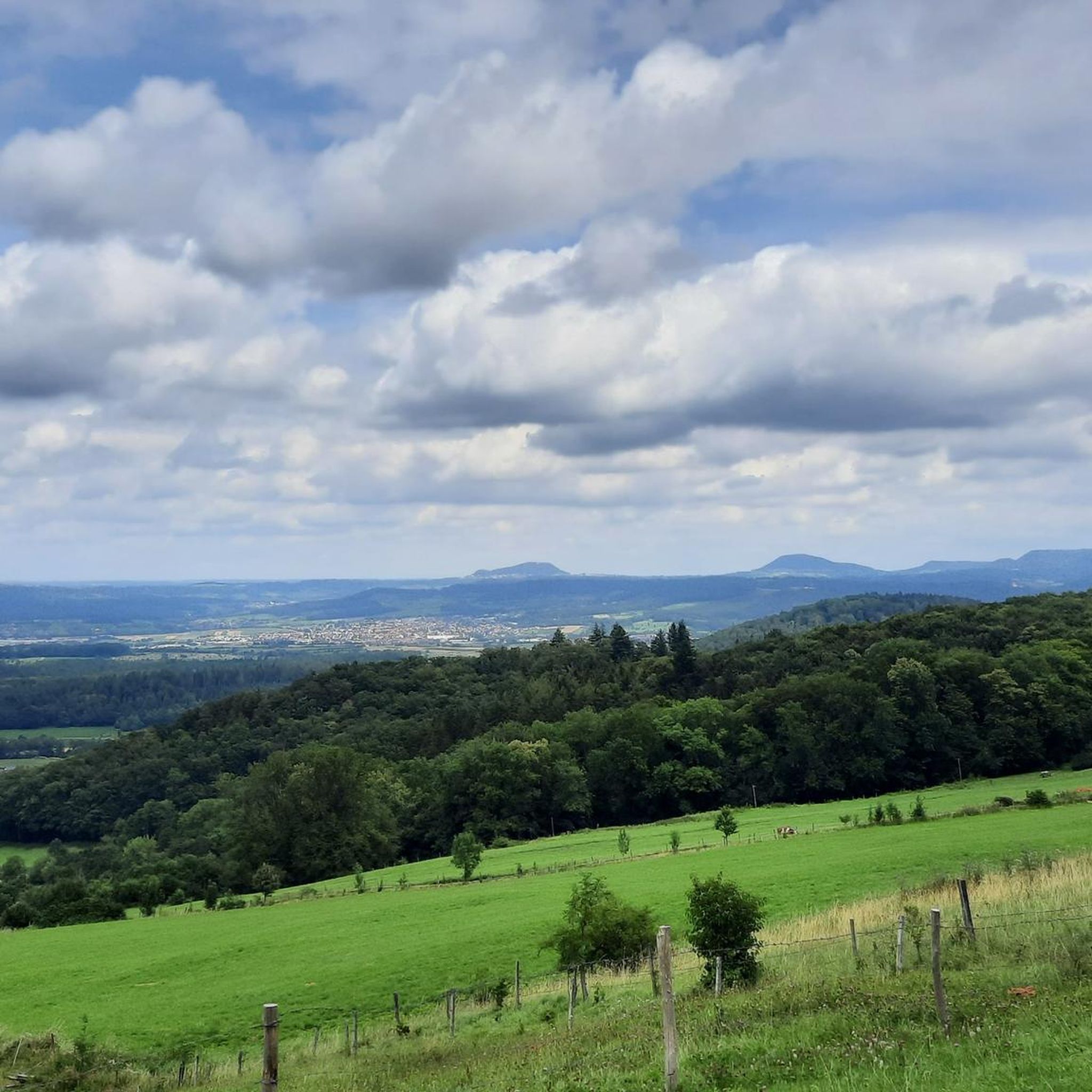
Nice vantage point to enjoy life and the view
16
1

Here you pass the Dreikaiser-Berge-Tour
2
0

If you want to visit the cave yourself, you have to find out in advance when it is open (IF it is open). In any case, it was closed for us!
6
0

The cave is usually locked. Interested parties can get a key here from April to September. However: The vertical entrance is just big enough for a person to squeeze through on a rope. You need knowledge of single-rope technique, otherwise nothing works ... So only something for real professionals.
3
0
Frequently Asked Questions
What types of caves can I explore around Schlat?
The region around Schlat, particularly the Swabian Alb, offers a diverse range of subterranean features. You can find active water caves, historic caves, and grottoes. Options range from accessible show caves to more challenging wild caving experiences requiring specialized equipment.
Are there any family-friendly caves or accessible options near Schlat?
For a unique and family-friendly experience, the Wimsener Höhle (Wimsen Cave) near Zwiefalten is the only cave in Germany where visitors can explore by boat. You can travel approximately 70 meters into the cave by boat. The Autal Waterfall area also offers accessible sections of the Brunnensteighöhle, with the first 130 meters being passable, though it can be narrow and low, requiring a flashlight.
Which caves offer a glimpse into history or archaeological findings?
The Falkenhöhle (Falcon Cave) is a historic cave where archaeological findings of younger animal bones, medieval pottery shards, and even a child's skull have been made. The Wimsener Höhle also has a 'treasure chamber' where pottery and human bones dating back to the Bronze Age were discovered.
What are some of the more challenging caving experiences available?
For experienced cavers, the Falkensteiner Höhle is an active water cave offering a wild caving experience where the Elsach river flows through its depths. Beyond the initial 20 meters, access is restricted and requires a permit, rescue insurance, experienced guides, and special equipment like wetsuits and waterproof lighting. The Mordloch Cave is another significant water-bearing cave, with the initial 80 meters accessible, but further exploration requires diving gear and is considered very dangerous for the inexperienced, especially after heavy rainfall.
What should I know about visiting the Brunnensteighöhle?
The Brunnensteighöhle is a natural monument cave. The first 130 meters are generally passable, but it can be narrow and low, so bringing a flashlight is recommended. Beyond this point, it is only suitable for experienced cave divers with appropriate equipment.
Are there any caves with viewpoints or scenic surroundings?
Yes, the Kahlenstein Viewpoint features a small, open cave below the rock. It offers great views over Bad Überkingen, and you might even spot climbers in the area. The descent to the cave can be steep and requires surefootedness.
What is the best time of year to visit caves around Schlat?
Many caves in the Swabian Alb region are accessible year-round, but some have seasonal restrictions. For example, the Falkensteiner Höhle is closed annually from October 1st to March 31st to protect hibernating bats. Always check specific cave opening hours before planning your visit.
What equipment is recommended for exploring caves in this region?
For easily accessible sections or show caves, a flashlight is often sufficient. For more challenging caves like the Falkensteiner Höhle, specialized equipment such as wetsuits, helmets, and waterproof lighting is essential. For caves like the Mordloch Cave, diving gear is required beyond the initial accessible sections. Always prioritize safety and appropriate gear for the specific cave you plan to explore.
Are there any religious or cultural grottoes in the area?
Yes, the Lourdes Grotto is a notable religious site. It's a grotto on a steep ascent to Wißgoldingen, featuring a depiction of the Mother of God of Lourdes, a well-known Marian pilgrimage site.
What outdoor activities can I combine with a cave visit near Schlat?
The region around Schlat offers various outdoor activities. You can find numerous hiking trails, including easy hikes like the 'Dangerous Branch loop from Schlat' or 'Shelter in the Schlater Forest loop'. There are also options for gravel biking and mountain biking, with routes like 'Kappelberg Vineyards – Rems River loop' or 'View of Limburg Hill – View of Reußenstein Castle loop'. You can explore more routes in the easy hikes around Schlat guide, gravel biking around Schlat guide, or MTB Trails around Schlat guide.
What are some lesser-known or 'hidden gem' caves in the vicinity?
The Oberes Rabenloch Cave, while challenging to find due to a steep, slippery, and earthy climb, is located in close proximity to a hiking trail and offers a more rugged exploration experience. The Forellenloch Spring (Trout Hole) is another less-frequented cave, known for its water outlet and siphons.
What geological features are characteristic of the caves around Schlat?
The caves in the Swabian Alb are primarily karst formations, characterized by limestone dissolution. Many are active water caves, meaning rivers or springs flow through them, shaping their passages. Features like stalactites, stalagmites, sinter tubes (as seen regenerating in Falkenhöhle), siphons, and complex labyrinthine passages are common.
Most popular routes around Schlat
Most popular attractions around Schlat

Get inspired with the komoot mobile app


Explore more
Extend your search for the best caves by checking out these guides of the top ones around Schlat:
