Top 20 Lakes around Deilingen
Best lakes around Deilingen are found in the broader Swabian Alb and Hegau regions, an area known for its mountainous landscapes and hiking opportunities. While Deilingen itself does not feature large lakes, the surrounding natural features include significant water bodies. These range from reservoirs to unique geological formations like karst springs and former quarry lakes. The region offers diverse natural heritage for exploration.
Best lakes around Deilingen
- The most popular lakes is Schömberg Reservoir, a lake that is excellent…
Last updated: June 13, 2026
Schömberg Reservoir
Highlight • Lake
and that in every season
Translated by Google •
Tip by

Schömberg reservoir
Highlight • Lake
Translated by Google •
Tip by

Sign up now to discover places like this
Get recommendations on the best single tracks, peaks, & plenty of other exciting outdoor places.
Sign up for free
Oberdigisheim Reservoir
Highlight • Lake
Translated by Google •
Tip by
Miniature village
Highlight • Structure
Translated by Google •
Tip by

Schlichem Dam
Highlight • Lake
Translated by Google •
Tip by

Sign up for free to discover even more lakes around Deilingen.
Sign up for free
Already have an account?
Start today with a free account
Your next adventure awaits.
Login or Signup
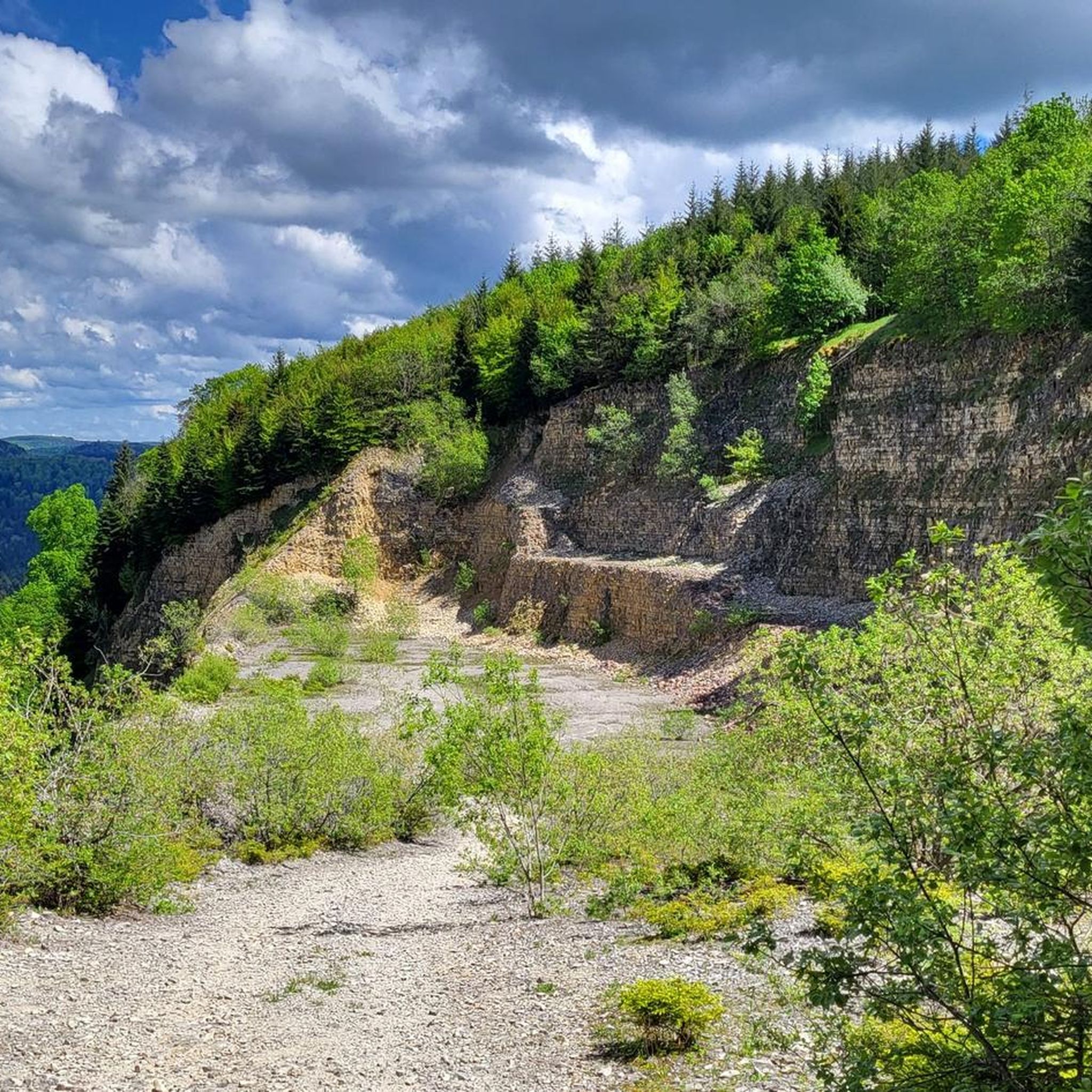

Tips from the Community

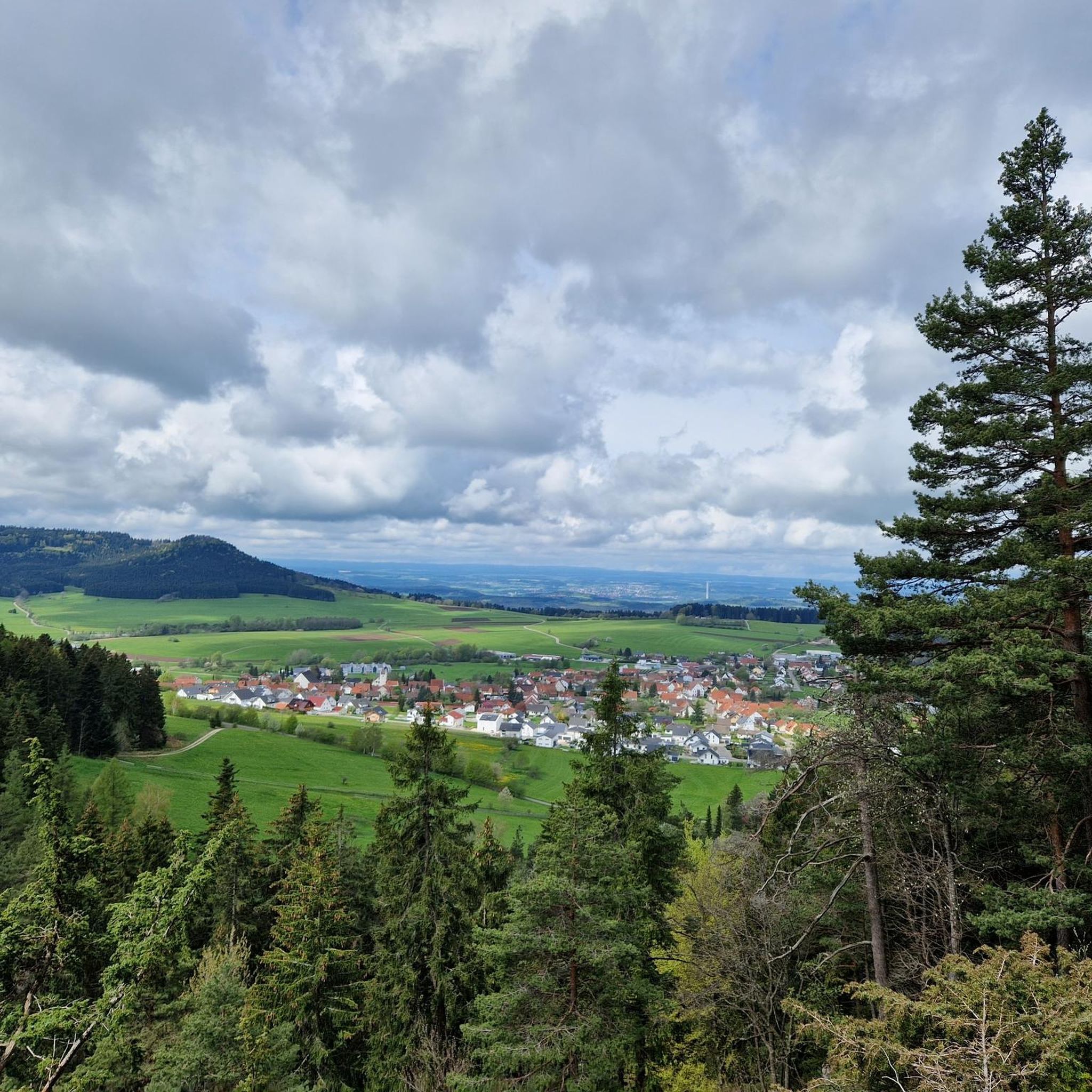
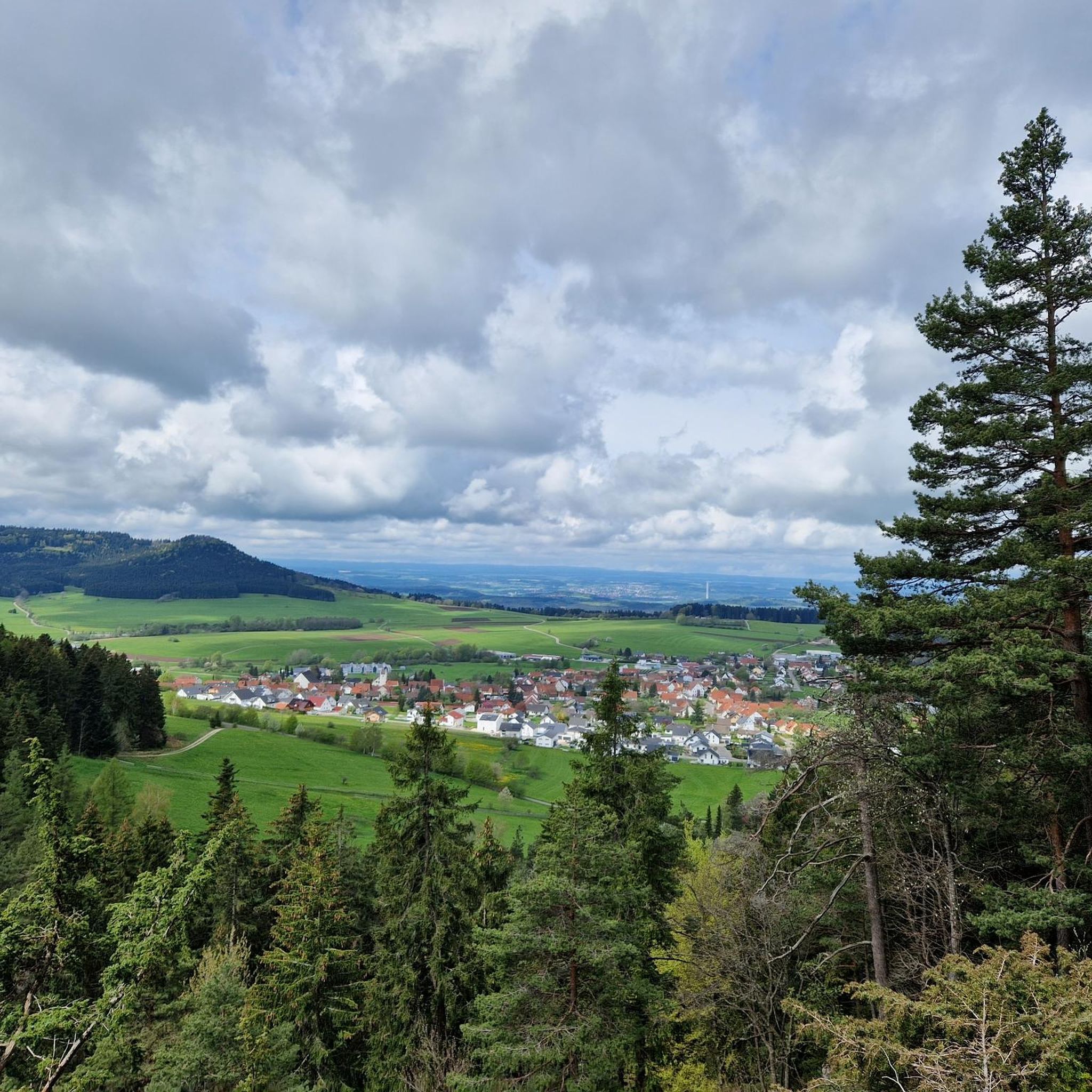
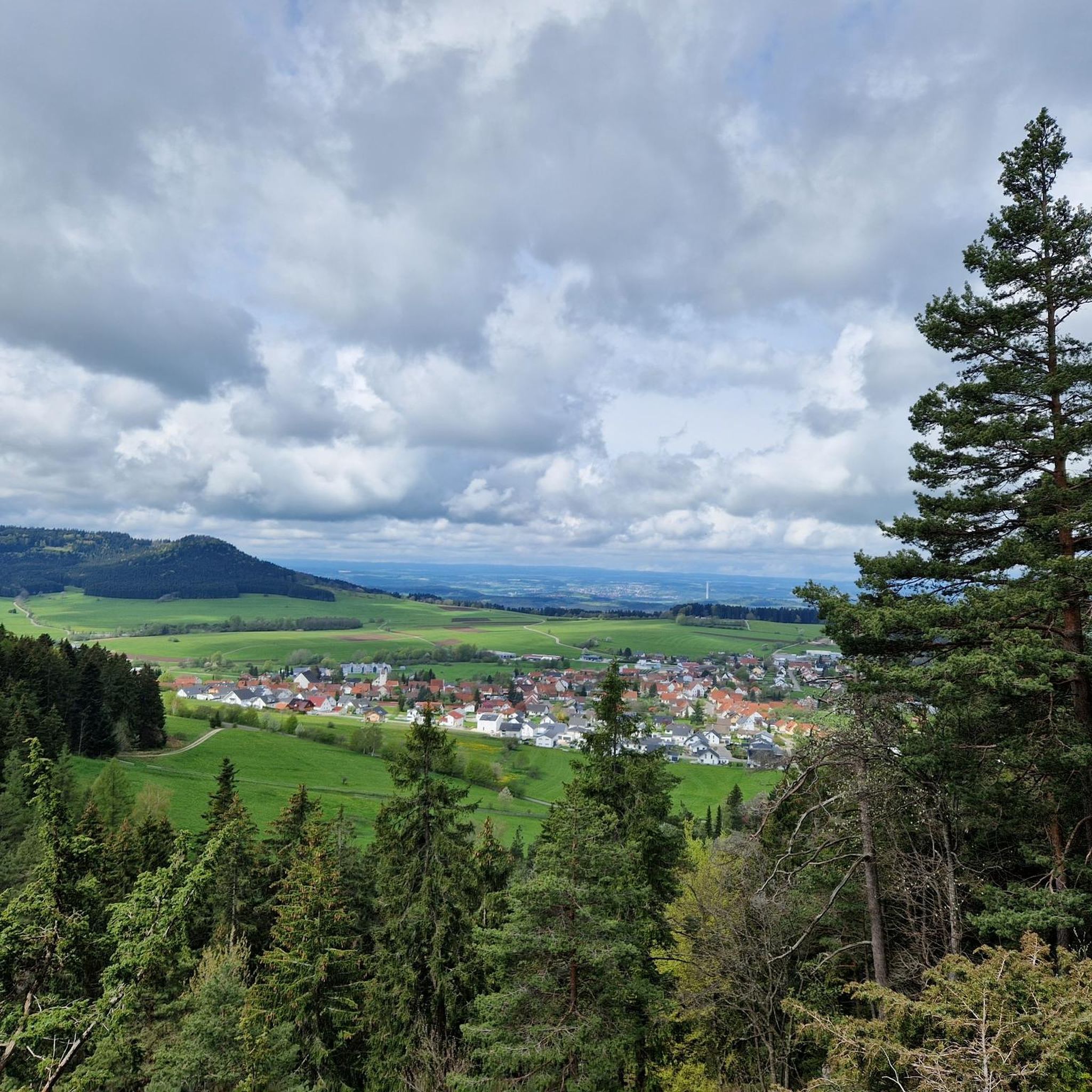
The Schlichemtalsperre (also known as Schömberger Stausee, mostly just called Stausee locally) east of Schömberg in Baden-Württemberg dams the Schlichem, a tributary of the Neckar coming from the Swabian Jura. The 90.6 ha Schömberger Stausee mit Palmbühl landscape protection area surrounds the Schlichemtalsperre. The approximately 1.35 km long and initially narrow reservoir, widening to about 175 m towards the end, with an area of 10.4 ha at 643.8 m above sea level (NHN), begins at the hamlet of Untere Säge and extends to the old town center of Schömberg. It has a catchment area of about 33.5 km², to which the Schlichem, over 11 km long at its inflow, contributes almost 90%. The watercourses Hölzlegraben from the forest to the right of the lake and Scheubühlgraben and Räßentälebach from the left, up to 1.2 km long, flow into it from the sides. A fish ladder leads from the Vorsee pre-reservoir near Untere Säge to the reservoir. There is also the only bridge over the lake that can be walked and driven on. The Schlichem Viaduct can only be used by the railway. The Schlichemtalsperre was built between 1940 and 1944. The Portlandzementwerk Rudolf Rohrbach KG (today Holcim (Süddeutschland) GmbH), based in neighboring Dotternhausen, which was the client for the dam, initially used it for cooling water supply and power generation. An outdoor swimming pool built in 1935 was flooded. After World War II, the facility was taken over by the state of Württemberg-Hohenzollern in 1948. The reservoir was renovated from 1975 to 1983. The barrier structure is an earth dam, and the hydropower plant within it has an output of 60 kW. There is a pre-reservoir, the Vorsee, which was built from 1975 to 1977. Source: https://de.wikipedia.org/wiki/Schlichemtalsperre
1
0
The Schlichemtalsperre (also known as Schömberger Stausee, mostly just called Stausee locally) east of Schömberg in Baden-Württemberg dams the Schlichem, a tributary of the Neckar coming from the Swabian Jura. The 90.6 ha Schömberger Stausee mit Palmbühl nature reserve surrounds the Schlichemtalsperre. The approximately 1.35 km long and initially narrow reservoir, which widens to about 175 m towards the end and has an area of 10.4 ha at 643.8 m above sea level (NHN), begins at the hamlet of Untere Säge and extends to the old town center of Schömberg. It has a catchment area of about 33.5 km², to which the Schlichem, already over 11 km long at its mouth, contributes almost 90%. The watercourses Hölzlegraben from the forest to the right of the lake and Scheubühlgraben and Räßentälebach from the left, which are up to 1.2 km long, flow into it from the sides. From the Vorsee forebay near the Untere Säge, a fish ladder leads to the reservoir. There is also the only bridge over the lake that can be walked and driven on. The Schlichem Viaduct can only be used by the railway. The Schlichemtalsperre was built between 1940 and 1944. The Portlandzementwerk Rudolf Rohrbach KG (today Holcim (Süddeutschland) GmbH) in neighboring Dotternhausen, which was the builder of the dam, initially used it for cooling water and electricity generation. An outdoor swimming pool built in 1935 was flooded. After the Second World War, the facility was taken over by the state of Württemberg-Hohenzollern in 1948. The reservoir was renovated from 1975 to 1983. The dam structure is an earth dam, and the hydropower plant within it has a capacity of 60 kW. There is a forebay called Vorsee, which was built from 1975 to 1977. Source: https://de.wikipedia.org/wiki/Schlichemtalsperre
1
0

Very nice view of the lake. Great circular path. Numerous entrances to the bathing area.
2
0

At Palmbühl on the Schömberg reservoir there is a free e-bike charging station with 3 sockets, marked but somewhat hidden.
3
0
Kohlstatt-Brunnenbach Stausee 🌊 - Meßstetten-Oberdigisheim - Zollernalbkreis
3
0

The miniature village is recommended and must be seen
4
0

Premium hiking trail through the juniper heath and along the Albtrauf, past the Oberdigisheim reservoir, which is ideal for swimming in summer.
2
0
Nice excursion restaurant at the Schömerg reservoir - Zollernalbkreis
4
1
Frequently Asked Questions
What are some notable lakes and water features around Deilingen?
While Deilingen itself doesn't have large lakes, the broader Swabian Alb and Hegau regions offer several unique water bodies. These include the popular Schömberg Reservoir, the inviting Oberdigisheim Reservoir, and the geologically interesting Heuberg Lakes, which were formed from former slate quarries. The region also features natural wonders like the Höwenegg Crater Lake and the Aachtopf spring.
Can I swim in the lakes near Deilingen?
Yes, the Schömberg Reservoir is excellent for swimming and boating in summer, with bathing supervision provided by the DLRG on weekends and during holiday seasons. The Oberdigisheim Reservoir is also a popular destination for swimming, offering generous lawns and a bathing island.
Are there family-friendly activities around the lakes?
Absolutely. The Oberdigisheim Reservoir is particularly family-friendly, featuring a playground for children and two barbecue areas. A Kneipp facility with a small barefoot path is also available for cooling off on hot days. Many lakes offer circular paths suitable for walks with children.
What unique natural features can be found near Deilingen's water bodies?
Beyond the lakes, the region boasts significant geological formations. The Höwenegg Crater Lake, known as the 'Blue Eye' of the Hegau, is part of an ancient volcanic complex. The Aachtopf, near the town of Aach, is Germany's largest karst spring, where water from the Danube River re-emerges after flowing underground. These sites offer unique insights into the region's geological history.
Are there hiking trails around the lakes near Deilingen?
Yes, many lakes offer pleasant walking opportunities. For instance, a circular path around the Oberdigisheim Reservoir invites visitors for a walk. The Höwenegg Crater Lake also has easily accessible hiking routes, including a circular path. For more extensive hiking, you can explore trails like the 'Juniper Heath Lochen – Schömberg Reservoir loop' which passes near the Schömberg Reservoir. You can find more hiking options in the Easy hikes around Deilingen guide.
What cycling opportunities are there near the lakes?
The region around Deilingen and its lakes offers various cycling routes. For gravel biking enthusiasts, there are routes like the 'Heuberg Railway Tunnel – Car tunnel loop from Spaichingen'. Mountain biking trails are also available, such as the 'Schömberg Reservoir – View of Plettenberg loop'. You can find more details in the Gravel biking around Deilingen guide and the MTB Trails around Deilingen guide.
When is the best time to visit the lakes around Deilingen?
The lakes are enjoyable year-round, but summer is ideal for swimming and water activities, especially at Schömberg Reservoir and Oberdigisheim Reservoir. Spring and autumn offer pleasant temperatures for hiking and exploring the natural beauty without the summer crowds, with vibrant foliage in autumn.
Are the trails around the lakes dog-friendly?
Many natural areas and trails around the lakes are generally dog-friendly, but it's always recommended to keep dogs on a leash, especially in protected areas or where wildlife is present. Specific rules may vary by location, so look for local signage.
Is parking available at the lakes?
Yes, facilities like the Oberdigisheim Reservoir provide parking spaces for visitors. For other locations, it's advisable to check local information or maps for designated parking areas near trailheads or lake access points.
What do visitors enjoy most about the lakes around Deilingen?
Visitors appreciate the serene natural beauty and the diverse opportunities for recreation. The Schömberg Reservoir is praised for being an 'excellent' spot for swimming and boating, and for its 'beautiful idyllic and quiet area'. The Oberdigisheim Reservoir is noted for inviting visitors to linger and offering 'beautiful benches with a beautiful view'.
Are there any less crowded lakes to visit for a quieter experience?
While popular spots like Schömberg and Oberdigisheim Reservoirs can attract visitors, exploring the paths around the Höwenegg Crater Lake, which is part of a protected reserve, might offer a more tranquil experience, especially outside peak hours. The Heuberg Lakes, formed from former slate quarries, also provide a unique and often quieter natural setting.
Are there any historical or geological points of interest near the lakes?
Yes, the region is rich in geological history. The Heuberg Lakes are notable for their origin in former slate quarries, where different rock layers and profiles are still visible. Fossils of ancient creatures, including a crocodile dinosaur and an ichthyosaur, were discovered during the mining of slate here. The Höwenegg Crater Lake is also significant as part of an ancient volcanic complex active millions of years ago. The Aachtopf spring is a fascinating example of stream capture, a major geological phenomenon.
Most popular routes around Deilingen
Most popular attractions around Deilingen

Get inspired with the komoot mobile app


Explore more
Still not found your perfect lake around Deilingen? Check out the guides of these regions to see even more beautiful places.
