Top 4 Caves around Jossgrund
Caves around Jossgrund are situated within the Spessart region of Hesse, Germany, in the Main-Kinzig-Kreis. This area is characterized by its natural landscape, featuring geological formations such as basalt and red sandstone. The region offers a variety of natural features, including significant cave systems. Jossgrund serves as a base for exploring these underground natural monuments.
Best caves around Jossgrund
- The most popular caves is Beilstein Trail, a trail that features unusual basalt rock formations. This cool, partly very steep…
Last updated: June 27, 2026
Beilstein Trail
Highlight • Trail
Showing Translation
Tip by

Beilstein Basalt Formation
Highlight • Natural Monument
Translated by Google •
Tip by

Sign up now to discover places like this
Get recommendations on the best single tracks, peaks, & plenty of other exciting outdoor places.
Sign up for free
Beilstein Nature Reserve Plaque
Highlight • Natural Monument
Translated by Google •
Tip by
Räuber-Heinz Cave
Highlight • Cave
Due to offset gaps, they have a total distance …
Translated by Google •
Tip by

Start today with a free account
Your next adventure awaits.
Login or Signup
Popular around Jossgrund
Nature, trails and local cuisine – MTB in the Spessart
Pleasure hiking in the Spessart: trails that taste as good as they look
The National Natural Landscapes in Hessen
Mountain biking in the Spessart – Awesome trails in Germany
Mountain biking in the Spessart – Awesome trails in Germany
Colourful leaves & gentle hills – hiking in autumn in Franconia
Die schönsten Winterwanderungen im Spessart
Die Spessartfährten: Sanfte Tageswanderungen durch den hessischen Spessart
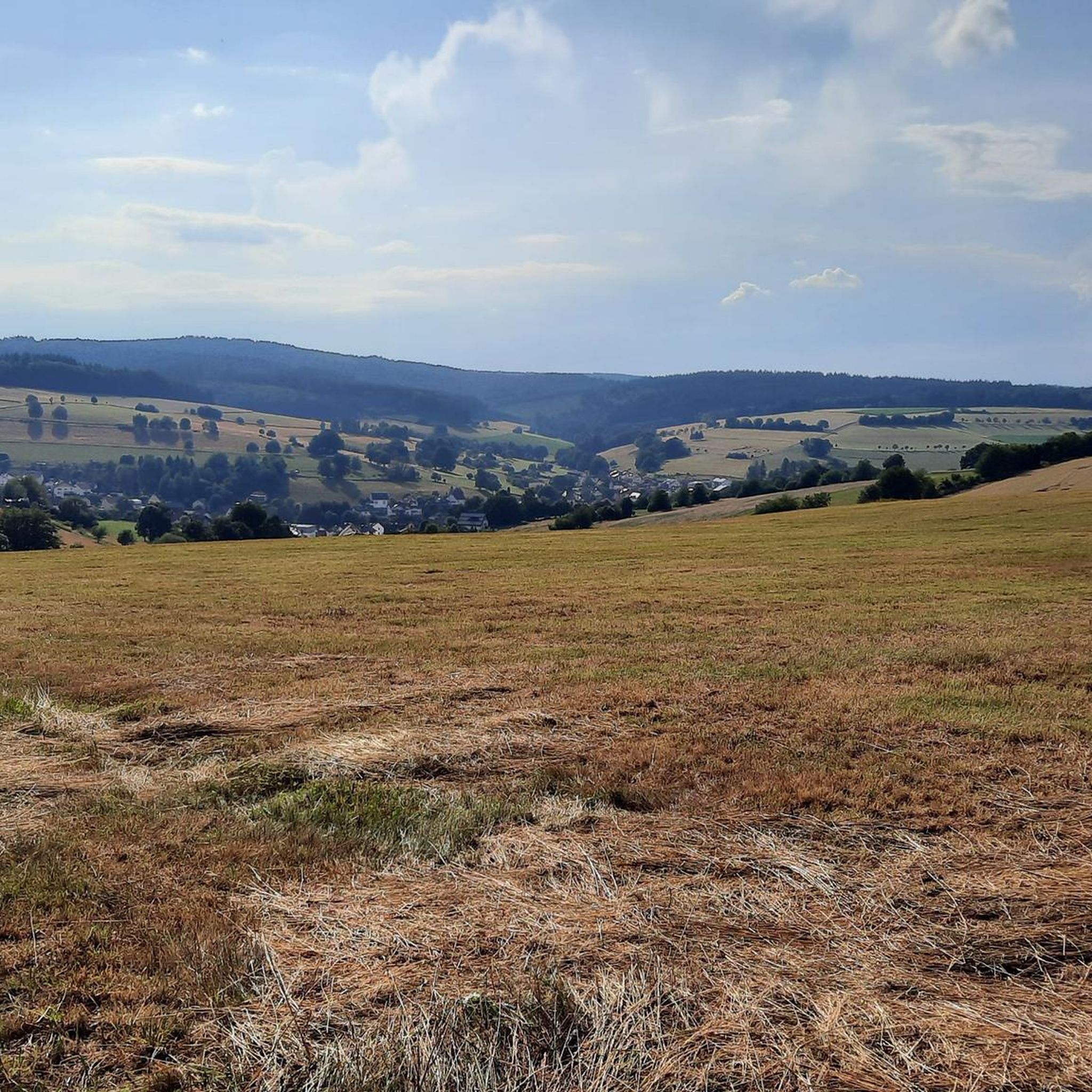
Hiking around Jossgrund
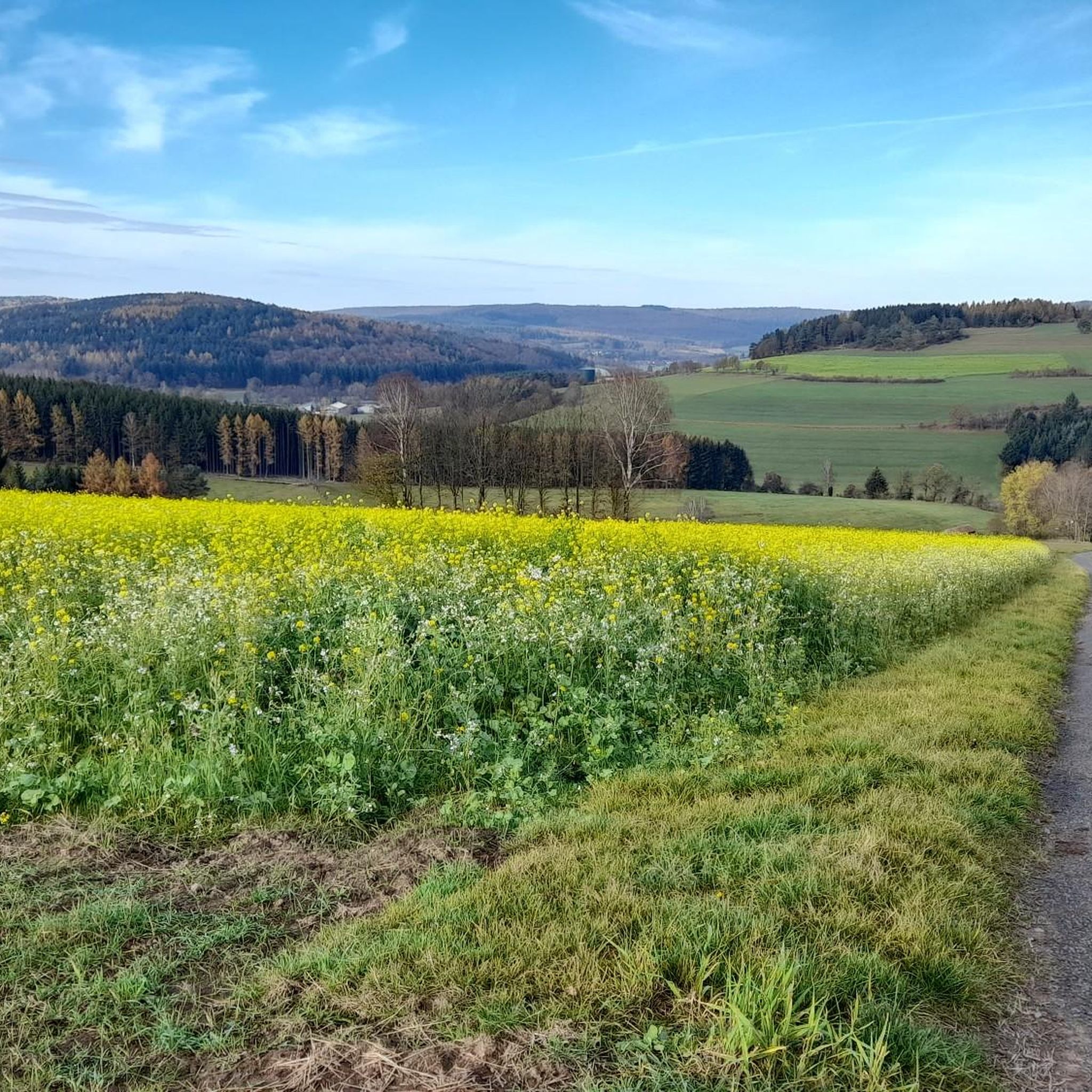
MTB Trails around Jossgrund
Other adventures around Jossgrund


Tips from the Community

The cave cannot be reached (or only in a dangerous way). The footpath is on the other side of the L3216, you would have to climb over the guard rail on the road at least once to get to the other side. It's dangerous because the B276 functions as a cross road and the fairly large intersection is very confusing and busy. In addition, there doesn't seem to be any forest or footpath anymore, everything looks very overgrown and impassable. So I've skipped visiting the cave on my tour. What a pity 😔
1
0

A castle ruin, of which there is not much left to see, but still interesting.
2
0

Remains of ruins made of sandstone walls and inexplicable to me... reinforced concrete parts... don't expect anything special.. however, the view is quite nice
13
0
Currently well cleared of young trees... nice view of a quite unexpected basalt formation in the otherwise existing federal sandstone
17
0

In any case, go up to the rock and enjoy the distant view from Beilstein!🤩 Playful trail.😊 Increasingly overgrown towards the end - "enchanted character"😉
5
1

The Beilstein is a basalt cone with the largest basalt cave in the Main-Kinzig district. The formation was formed by volcanic eruptions 10 to 20 million years ago; the surrounding red sandstone, which otherwise characterizes the Spessart, is around 200 million years older. The basalt breach was exposed by erosion; The typical basalt columns and smaller, spherical structures can be seen on the rock walls. On the mountain, which was first mentioned in a document in 1059, are the remains of the small, medieval hilltop castle of Beilstein. It was built to protect the possessions of the archbishopric of Mainz and to control an old road, and was first mentioned in 1343. It was also intended to protect the first glassworks that were established. When rule passed to the Counts of Hanau, the castle probably lost its importance and has since fallen into disrepair. Due to the poor source situation, little is known about the castle. Source: Wikipedia
5
1
The Beilstein is a 499.5 m above sea level. NHN high mountain in the Spessart. It lies east of the road from Bad Orb into the Jossatal between Villbach and Lettgenbrunn in the municipality of Jossgrund in the Main-Kinzig district of Hesse. The Beilstein is a basalt cone with the largest basalt cave in the Main-Kinzig district. The formation was formed by volcanic eruptions 10 to 20 million years ago; the surrounding red sandstone, which otherwise characterizes the Spessart, is around 200 million years older. The basalt breach was exposed by erosion; The typical basalt columns and smaller, spherical structures can be seen on the rock walls. On the mountain, which was first mentioned in a document in 1059, are the remains of the small, medieval hilltop castle of Beilstein. It was built to protect the possessions of the archbishopric of Mainz and to control an old road, and was first mentioned in 1343. It was also intended to protect the first glassworks that were established. When rule passed to the Counts of Hanau, the castle probably lost its importance and has since fallen into disrepair. Due to the poor source situation, little is known about the castle. Today the complex consists only of a ring of walls about 12 meters long. Source: Wikipedia
5
1
The Beilstein is a mountain in the Spessart, 499.5 m above sea level (NHN). It lies east of the road from Bad Orb to Jossatal, between Villbach and Lettgenbrunn, within the municipality of Jossgrund in the Main-Kinzig district of Hesse. The Beilstein is a basalt cone with the largest basalt cave in the Main-Kinzig district. The formation originated 10 to 20 million years ago through volcanic eruptions; the surrounding Bunter sandstone, which otherwise characterizes the Spessart, is around 200 million years older. The basalt breakthrough was exposed by erosion; the rock faces show the typical basalt columns as well as smaller, spherical formations. On the mountain, first documented in 1059, are the remains of the small, high medieval hilltop castle Beilstein. It was built to protect the possessions of the Archbishopric of Mainz and to control an old road, and was first mentioned in 1343. Furthermore, it was intended to protect the first glassworks that were established. When the lordship passed to the Counts of Hanau, the castle presumably lost its importance and fell into ruin thereafter. Due to the scarce sources, little is known about the castle. Today, the complex consists only of a ring wall about 12 meters long. Source: Wikipedia
6
1
Frequently Asked Questions
What types of caves can I explore around Jossgrund?
The Jossgrund area features a variety of geological formations. You can find basalt caves, such as those associated with the Beilstein Nature Reserve Plaque, formed by ancient volcanic eruptions. The region also has tectonic caves, like the notable Räuber-Heinz Cave, and dripstone caves, such as the Teufelshöhle near Steinau an der Straße.
Are there any show caves near Jossgrund that offer guided tours?
Yes, the Teufelshöhle (Devil's Cave) near Steinau an der Straße is a significant show cave in the region. It offers guided tours lasting approximately 30-45 minutes. These tours are available daily from early July to late September, and from Friday to Sunday starting April 20th. Visitors are provided with hard hats.
What unique natural features can I see in the caves around Jossgrund?
Around Jossgrund, you can observe impressive basalt formations, including basalt prisms, which are rare in the Spessart region. The Beilstein Basalt Formation is a great example. The Teufelshöhle also showcases remarkable dripstone formations like stalactites, stalagmites, and columns.
Are the caves around Jossgrund suitable for families with children?
The Teufelshöhle near Steinau an der Straße is generally family-friendly, offering accessible paths and stairs during guided tours. It also hosts special events for children, such as Halloween celebrations. A 150-meter section of the cave is even wheelchair-accessible.
What is the historical significance of the caves in the Jossgrund area?
The Teufelshöhle has a rich history, discovered in 1584 and developed into a show cave by 1927. The Beilstein Nature Reserve Plaque site also features remains of a medieval hilltop castle, first mentioned in 1059, built to protect the region. The Räuber-Heinz Cave is associated with local legends of a robber named Heinz and even Napoleon's soldiers.
What outdoor activities can I do near the caves in Jossgrund?
The region around Jossgrund offers various outdoor activities. You can find numerous routes for gravel biking, such as those detailed in the Gravel biking around Jossgrund guide. There are also easy hiking trails, like those in the Easy hikes around Jossgrund guide, and dedicated running trails, which you can explore in the Running Trails around Jossgrund guide.
What should I know about visiting the Räuber-Heinz Cave?
The Räuber-Heinz Cave is a significant tectonic cave known for its fissures, extending almost 15 meters into a quarry wall. While historically notable, it is currently not accessible to the general public due to safety measures. The footpath leading to it is also described as overgrown and impassable.
What do visitors enjoy most about the caves and formations around Jossgrund?
Visitors appreciate the unusual basalt rock formations, especially along the Beilstein Trail, often describing them as a worthwhile detour. The imposing rock formations and the rare basalt prisms at the Beilstein Basalt Formation are also highly regarded. The historical context and unique geology of the region's caves are also a draw.
What is the best time to visit the Teufelshöhle near Steinau an der Straße?
The Teufelshöhle offers daily guided tours from early July to late September. Outside of this peak season, tours are available from Friday to Sunday, starting from April 20th. These periods generally offer the best opportunities to visit the cave.
Are there any specific considerations for accessibility at the Teufelshöhle?
Yes, the Teufelshöhle has made efforts to be accessible. Guided tours navigate easily accessible paths and stairs, and a 150-meter section of the cave is specifically wheelchair-accessible. Hard hats are provided to all visitors for safety.
How far is the Teufelshöhle from Jossgrund?
The Teufelshöhle (Devil's Cave) is located approximately three kilometers north of Steinau an der Straße, which is in proximity to Jossgrund. The exact travel time will depend on your starting point within Jossgrund and your mode of transport.
Most popular routes around Jossgrund
Most popular attractions around Jossgrund

Get inspired with the komoot mobile app


Explore more
Extend your search for the best caves by checking out these guides of the top ones around Jossgrund:
