Top 4 Gorges around Oberweid
Gorges near Oberweid Germany are a prominent feature of the landscape within the Rhön Mountains, located in the Schmalkalden-Meiningen district. This region is known for its deep cuts and impressive rock formations, offering varied natural experiences. The local geological features, often referred to as gorges or Schluchten, provide numerous opportunities for exploration and hiking. These areas present a unique combination of natural beauty and accessible trails.
Best canyons around Oberweid
- The most popular canyons is Eisgraben Nature Reserve, a…
Last updated: June 27, 2026
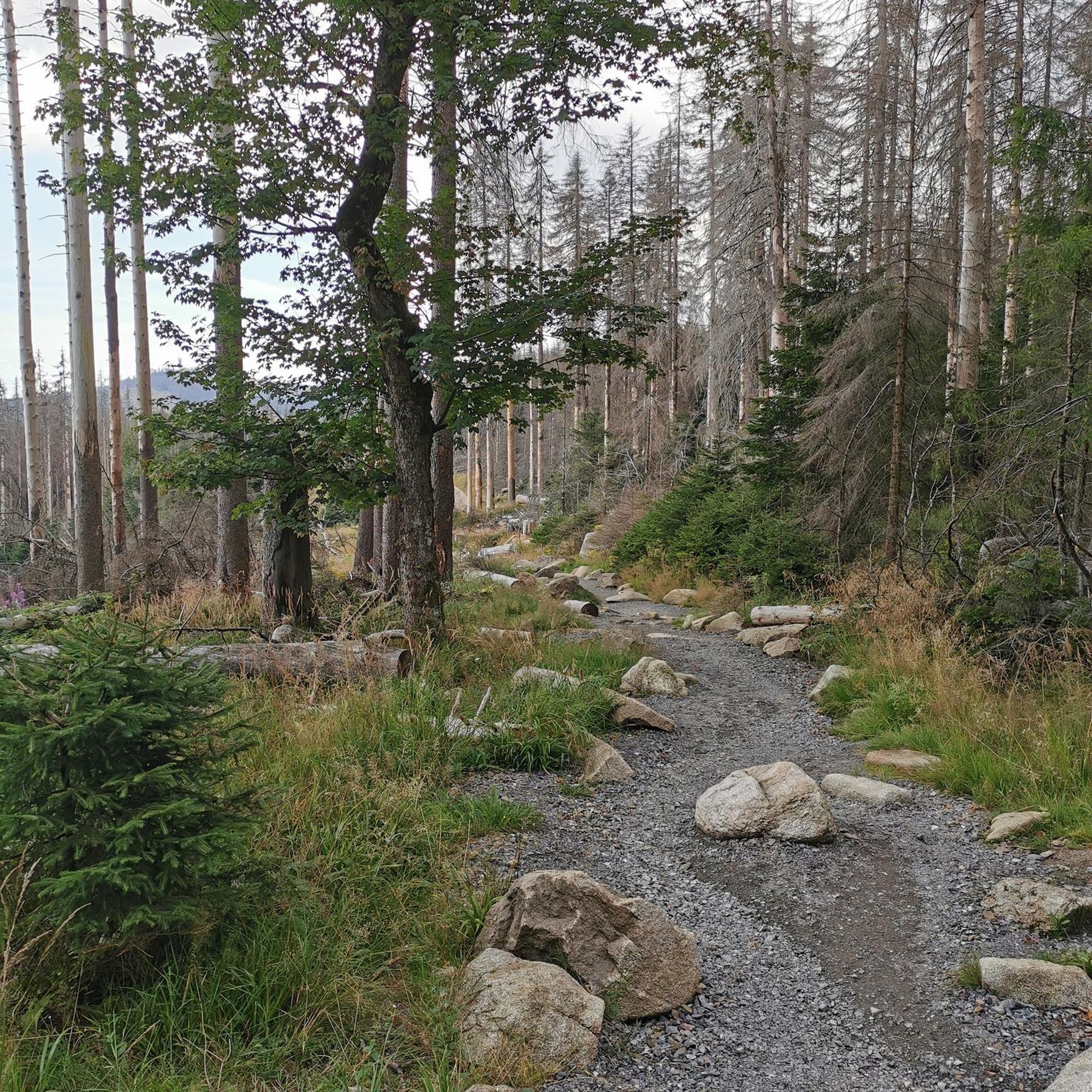
Eisgraben Nature Reserve
Highlight • Forest
Translated by Google •
Tip by

Mariengrotte Seiferts
Highlight • Religious Site
Translated by Google •
Tip by

Sign up now to discover places like this
Get recommendations on the best single tracks, peaks, & plenty of other exciting outdoor places.
Sign up for free
Ritterschlucht Information Pavilion
Highlight • Rest Area
Translated by Google •
Tip by

Eisgraben Hut
Highlight • Mountain Hut
Translated by Google •
Tip by
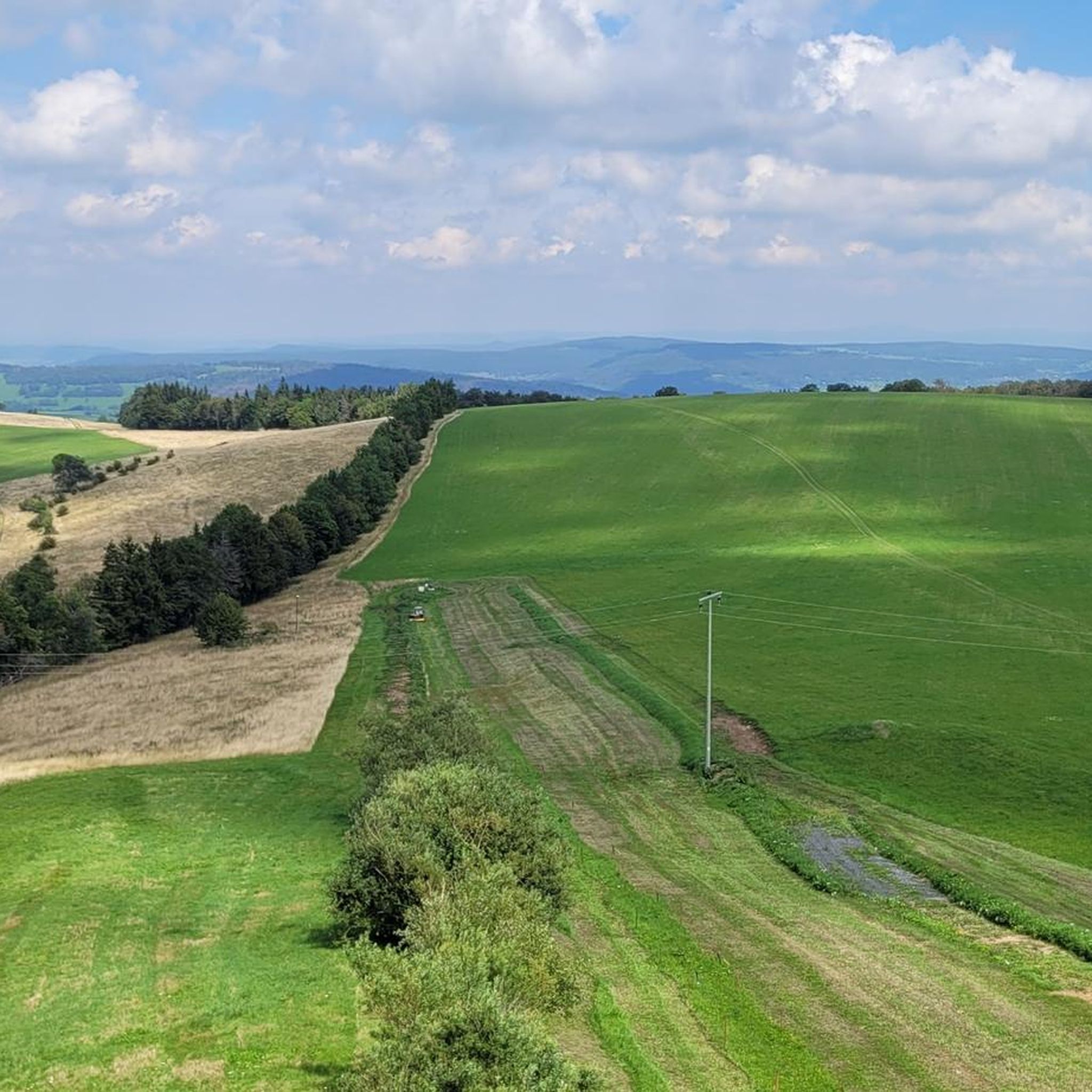
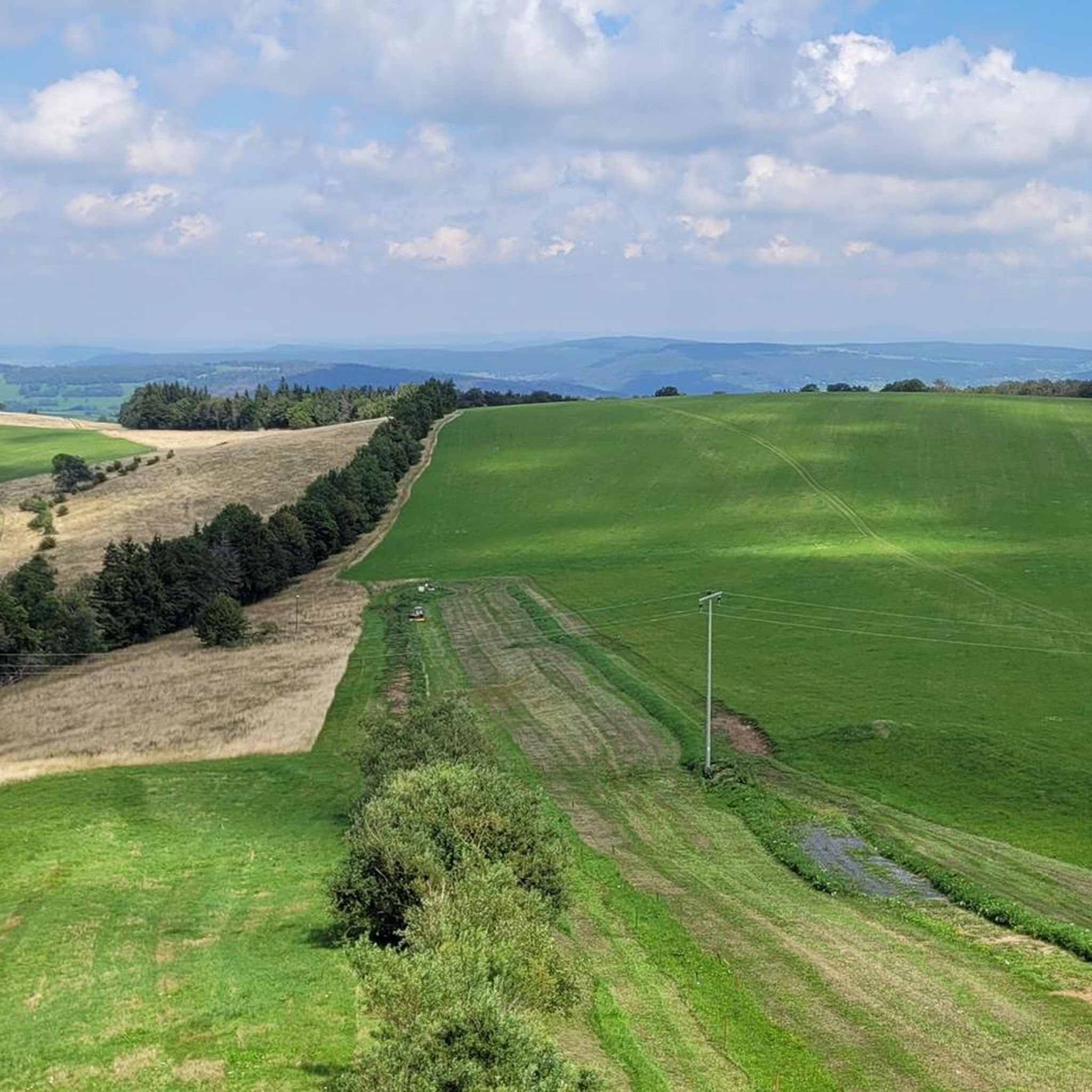
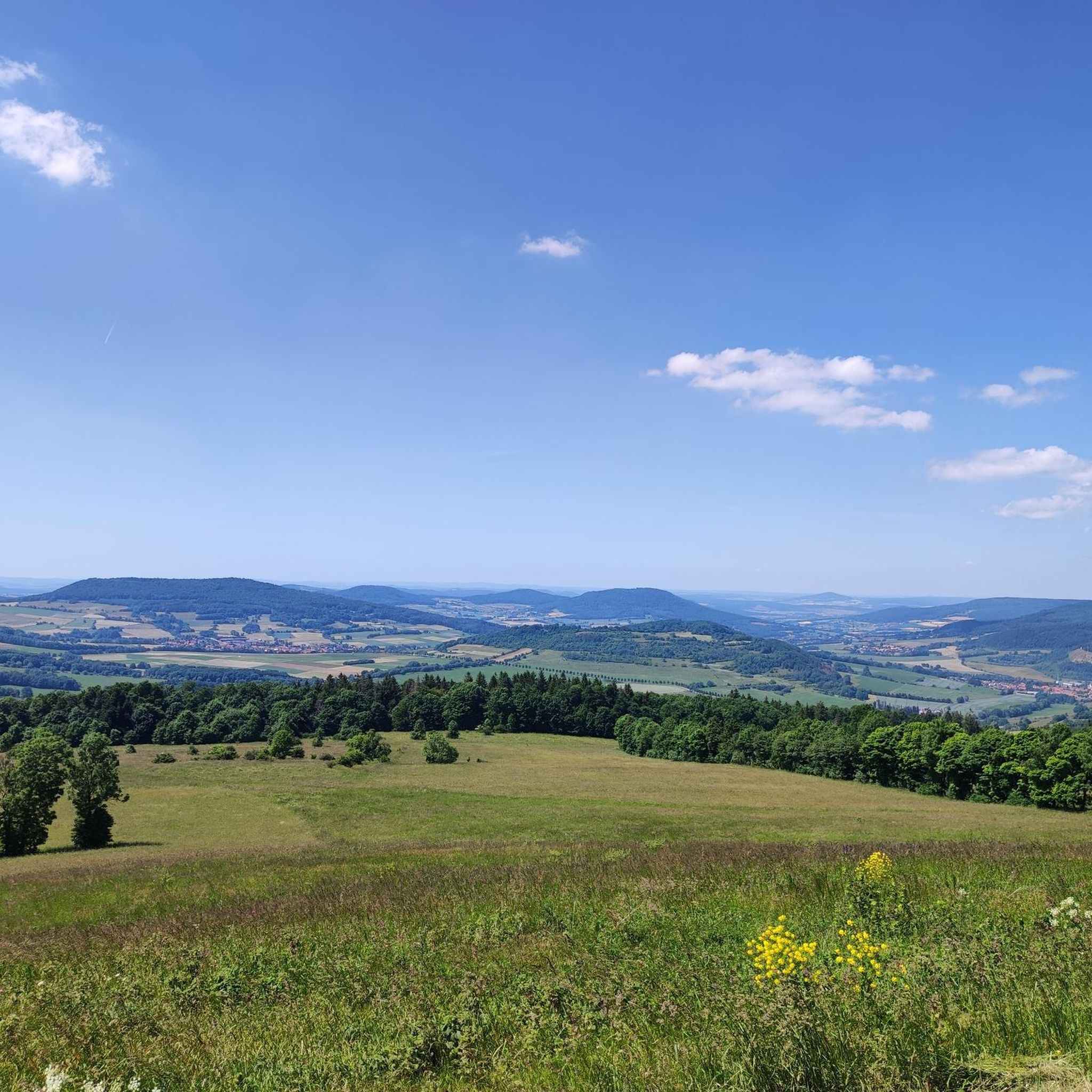
View of the Umpfen Cliffs and Rhön Valley
Highlight • Viewpoint
But be careful not to step too far on the slope!
Translated by Google •
Tip by

Start today with a free account
Your next adventure awaits.
Login or Signup
Other adventures around Oberweid

Tips from the Community

Unfortunately, it's still closed. I came from the other side. There was no sign there. A small bridge has unfortunately collapsed, and the grotto is empty. The main access path (asphalt) is already covered in moss. It's a shame. Hopefully, the place will be restored soon. Otherwise, it's actually a very beautiful place.
0
0

A beautiful piece of nature. Highly recommended.
1
0
A place rich in history that is worth seeing.
0
0

www.biosphaere-rhoen.de Information from panel no. 2 Eisgraben - cold wind, natural forests The water of the Aschelbach, which flows over and between the basalt blocks of the Eisgraben, comes from the Black Moor on top of the Hohe Rhön - one of the last intact raised bogs in Germany. Cold air also flows from there down the valley channel. The Eisgraben owes its name to this, because it ensures that the frost lasts here well into spring. Large areas of the Eisgraben are designated as a natural forest reserve and enjoy special protection as a core zone of the UNESCO Rhön Biosphere Reserve. Leaving the moor, the Aschelbach initially meanders quietly through the landscape and finally plunges down a 4-meter-high waterfall. When it enters the forest, the stream is then called Eisgraben. It meanders between the trees and in places drops steeply by up to 10 meters on the side. Every spring, the floods of melting snow transform the narrow summer stream into a raging torrent that cuts ever deeper into the ground. An extreme storm on July 26, 1834 gave the Eisgraben its current appearance. Torrential rain caused a massive landslide that buried the town of Hausen. The catastrophe washed out brown coal in some places, which was then mined. A considerable system of tunnels was created. However, the brown coal was still quite young and therefore of poor quality, so mining was soon stopped. The women's cave is located in the lower part of the Eisgraben. At this point, the water has dug a 50-meter-long and 20-meter-deep cave into the rock. According to legend, this cave was a refuge for the women from the hamlet of Hillenberg in times of trouble. Today, the cave is no longer accessible. Also nearby are a hunter's hut and the ruins of Hildenburg.
1
0

Here you can also take shelter for a while if it rains
1
0

Great information board about the Ritterschlucht. With lots of information
10
0
Small pavilion with information boards about the Ritterschlucht and bird trail
12
0

The Aschelbach, which comes from the Rhön high plateau, has created the deep valley of the Eisgraben here. There is a reason for the name Eisgraben: the cool stream water and the accompanying cold air currents ensure that the temperature along the stream is a few degrees lower than in the surrounding area.
4
0
Frequently Asked Questions
What kind of natural features can I expect to see in the gorges around Oberweid?
The gorges near Oberweid offer a variety of natural features. You can find impressive basalt rock formations and a wild brook with splashing water at Eisgraben Nature Reserve. Other areas feature unique rock formations, such as the View of the Umpfen Cliffs and Rhön Valley, providing scenic vistas. Many gorges also have tranquil streams flowing through them, contributing to a peaceful atmosphere.
Are there any historical or cultural sites within the gorges near Oberweid?
Yes, the region includes sites with historical and cultural significance. For instance, Mariengrotte Seiferts is a religious building set within a cave, offering a quiet, contemplative atmosphere with a stream nearby. Additionally, the Ritterschlucht Information Pavilion provides insights into the history and nature of the Ritterschlucht gorge.
Are the gorges around Oberweid suitable for families with children?
Many areas within the gorges are suitable for families. The Ritterschlucht Information Pavilion is specifically noted as family-friendly, offering information boards that can engage younger visitors. While some trails may require sure-footedness, there are generally accessible paths for family outings.
What is the best time of year to visit the gorges near Oberweid?
The Rhön Mountains, where Oberweid is located, are generally pleasant for hiking from spring through autumn. Spring brings lush greenery and flowing water, while autumn offers vibrant foliage. Summer is also a good time, though it can be busier. Always check local weather conditions before your visit, as some paths might be slippery after rain.
What outdoor activities can I do near these gorges?
Beyond exploring the gorges themselves, the area around Oberweid is excellent for hiking and gravel biking. You can find various hiking trails, including family-friendly options like the 'Family hiking trail Nature trail Ellenbogen' or more challenging routes. For gravel biking, there are extensive loops such as the 'Schwarzes Moor loop'. You can find more details on these activities in the Hiking around Oberweid and Gravel biking around Oberweid guides.
Are there specific hiking trails that feature impressive rock formations?
Yes, several trails lead through areas with notable rock formations. The Eisgraben Nature Reserve is known for its small gorge lined with basalt rock. The View of the Umpfen Cliffs and Rhön Valley also offers a chance to see unique rock structures and scenic views.
What should I wear for a hike in the gorges around Oberweid?
Given the varied terrain, including steps and potentially wet or uneven paths, it's recommended to wear sturdy, comfortable hiking shoes with good grip. Layered clothing is advisable to adapt to changing weather conditions, and a waterproof jacket can be useful. For some areas, sure-footedness is recommended.
Are there any viewpoints offering panoramic views of the Rhön Valley near the gorges?
Absolutely. The View of the Umpfen Cliffs and Rhön Valley is a prime example, providing scenic views of the Umpfen Cliffs and the broader Rhön Valley. The Ritterschlucht Information Pavilion also functions as a viewpoint within its gorge setting.
What do visitors enjoy most about the gorges around Oberweid?
Visitors frequently appreciate the tranquil and natural beauty of the gorges. The sound of splashing water at places like Eisgraben Nature Reserve and the quiet, shady atmosphere of Mariengrotte Seiferts are often highlighted. The unique rock formations and scenic views, such as those from the Umpfen Cliffs, also receive high praise.
Are there any easy hiking trails near the gorges for beginners?
Yes, the region offers easy hiking options. For example, the 'Thuringian Rhön House loop from Oberweid' and the 'Enchanted Rhön Forest loop from NSG Rhönkopf-Streufelsberg' are both rated as easy. You can find more details on these and other beginner-friendly routes in the Easy hikes around Oberweid guide.
Are dogs allowed on the trails in the gorges around Oberweid?
Generally, dogs are welcome on hiking trails in the Rhön Mountains. However, it's always best to keep them on a leash, especially in nature reserves or areas with wildlife, and to follow local regulations. Be mindful that some paths might be steep or have steps, which could be challenging for some dogs.
Where can I find information about the Ritterschlucht gorge?
You can find detailed information about the Ritterschlucht gorge at the Ritterschlucht Information Pavilion. This pavilion features information boards about the gorge and a bird trail, providing insights into the local environment and history.
Most popular routes around Oberweid
Most popular attractions around Oberweid

Get inspired with the komoot mobile app


Explore more
Already discovered everything in this region? See additional gorges around Oberweid for your next adventure:
