Attractions and Places To See in the Kii Mountains - Top 20
Best attractions and places to see in the Kii Mountains, a UNESCO World Heritage site, offer a region of spiritual significance and natural beauty. Spanning Nara, Wakayama, and Mie prefectures, the area is known for its ancient tradition of nature worship and a fusion of Shinto and Buddhist beliefs. Visitors can explore sacred sites, pilgrimage routes, and diverse natural features. The Kii Mountains provide a range of attractions for those interested in cultural heritage and outdoor exploration.
Best attractions and…
Last updated: July 6, 2026
Tōdai-ji Temple
Highlight • Religious Site
Translated by Google •
Tip by

Nandaimon Gate, Tōdai-ji
Highlight • Monument
Translated by Google •
Tip by

Sign up now to discover places like this
Get recommendations on the best single tracks, peaks, & plenty of other exciting outdoor places.
Sign up for free
Kasuga Grand Shrine
Highlight • Religious Site
Translated by Google •
Tip by

Nara Park Deer
Highlight • Natural Monument
Translated by Google •
Tip by

Kōfuku-ji Temple
Highlight • Religious Site
Translated by Google •
Tip by
Kumano Hongu Taisha (Grand Shrine)
Highlight • Religious Site
Translated by Google •
Tip by

Yunomine Hot Spring
Highlight • Settlement
Translated by Google •
Tip by
Todai-ji Sorin (Pagoda Spire)
Highlight • Monument
Tip by

Nigatsu-dō Hall
Highlight • Religious Site
Translated by Google •
Tip by

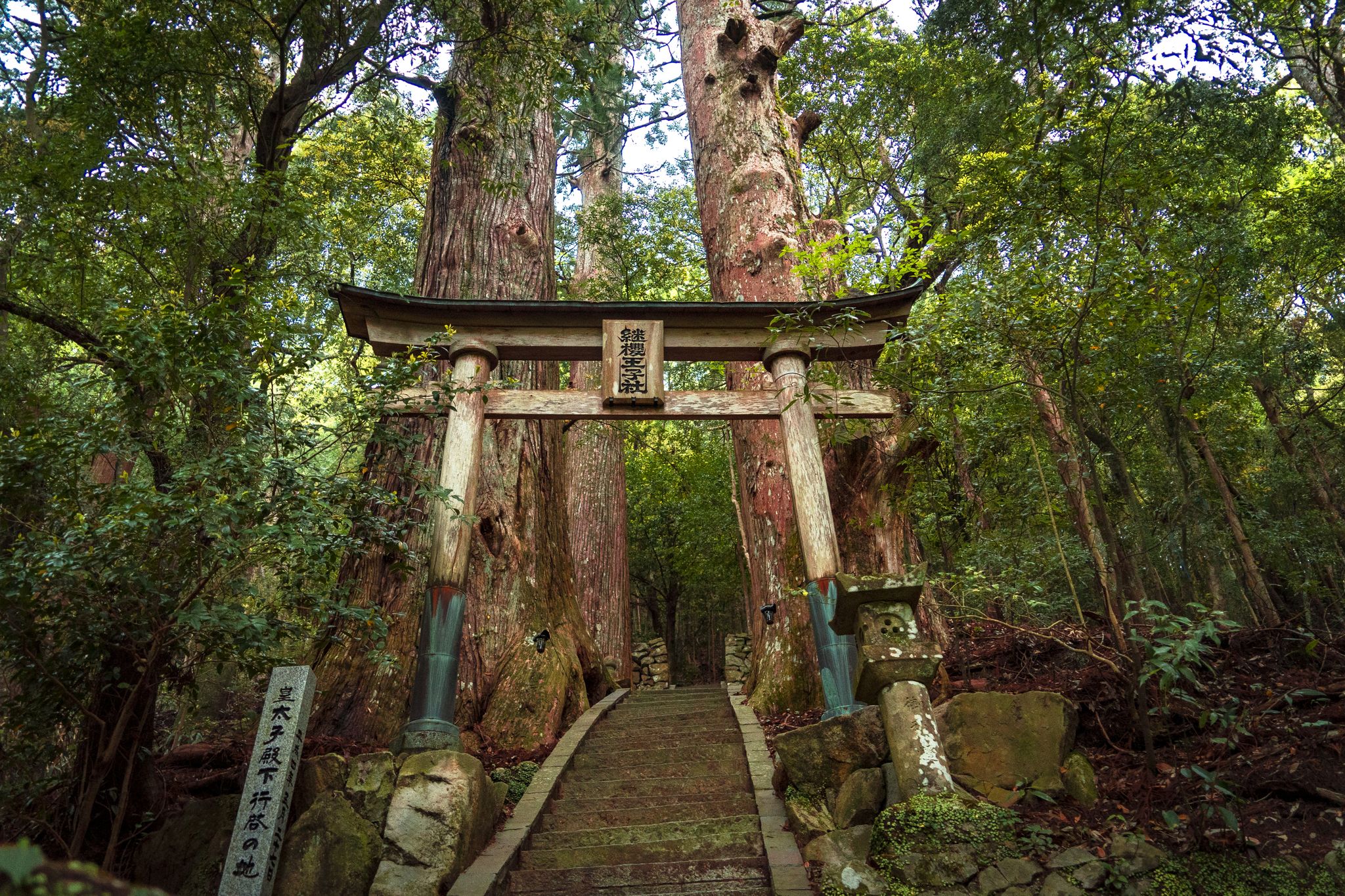
Tsugizakura Oji
Highlight • Religious Site
Translated by Google •
Tip by

Sign up for free to discover even more attractions in the Kii Mountains.
Sign up for free
Already have an account?
Start today with a free account
Your next adventure awaits.
Login or Signup
Popular around Kii Mountains



Tips from the Community

As "nice" as the encounter with the Nara deer may seem at first glance, they are still animals and therefore loyal to their behavior, either instinctively or according to their life stage and gender. Conditional caution, rutting, food jealousy, and territorial demarcation could thus lead to "unpredictable" behavior...
3
0

During the rutting season, male stags can be very dominant. Warnings are issued during this time!
2
0

Nara Park is home to approximately 1,200 trusting sika deer, considered messengers of a deity and protected as living national treasures. The deer are so greedy for the biscuits (200 yen) that they even spurn grass. The male deer no longer have antlers... which is a good thing, because otherwise several tourists would be injured.
6
0
A beautiful shrine. The many lanterns are especially worth seeing.
2
0
An impressive gateway to the temple complex. It's truly awe-inspiring.
1
0
On the way to the actual temple, one encounters many visitors and deer, which can become quite pushy depending on their feeding behavior. These seemingly cuddly "Bambis" are (and not just according to "Brehm's Animal Life"), if encountered in a natural environment, so-called wild animals, whose otherwise natural behavior in the presence of non-species conspecifics (such as us humans) would be "flight." Even a Mr. Pavlov had already described reactions to stimuli in the last century, which can be studied here and in a modified form, e.g., through intrusive begging for crunchy food. Therefore, I did not offer myself as a guinea pig to these little animals or as a cash cow to the feed sellers...
2
0
There is Wi-Fi in the temple area (at least as of April 2025). Shortly after entering, there's also a sign with QR scan links (free) offering audio tours in dozens of languages, should you be traveling without a Japan guide or tour guide. In my opinion, it's very well done and comprehensive enough to get a great overview of the place!
2
1

Frequently Asked Questions
What are the most significant sacred sites in the Kii Mountains?
The Kii Mountains are renowned for their profound spiritual significance. Key sacred sites include the three grand Shinto shrines of Kumano Hongu Taisha, Kumano Hayatama Taisha, and Kumano Nachi Taisha, collectively known as Kumano Sanzan. Another major spiritual center is Koyasan (Mount Koya), home to 117 temples and the sacred Okuno-in Cemetery. Mount Yoshino is also significant, especially for its cherry blossoms and Kinpusen-ji Temple.
Can I hike the Kumano Kodo Pilgrimage Routes?
Yes, the Kumano Kodo Pilgrimage Routes are a network of ancient trails connecting the sacred sites of the Kii Mountains. These UNESCO World Heritage routes offer diverse landscapes, from deep valleys and bamboo forests to coastal views. Popular sections include Nakaheji, Kohechi, Iseji, Oheji, and Kiji. For specific hiking routes in the region, you can explore options like the Hiking in the Kii Mountains guide.
What natural attractions can I explore in the Kii Mountains?
The Kii Mountains boast stunning natural features. You can visit the majestic Nachi Waterfall, Japan's tallest single-drop waterfall, or explore the Odaigahara Plateau for breathtaking mountain views. The region is also famous for its natural hot springs, such as Yunomine Hot Spring, Kawayu Onsen, and Shirahama Onsen. Additionally, the Shichiri Mihama offers Japan's longest beach, a 22 km stretch of dark gravel.
Are there family-friendly attractions in the Kii Mountains?
Many attractions in the Kii Mountains are suitable for families. For instance, Tōdai-ji Temple and Kasuga Grand Shrine in Nara are popular choices. Children often enjoy seeing the approximately 1,200 trusting sika deer that roam freely in Nara Park Deer. The hot spring towns also offer relaxing experiences for all ages.
Where can I experience hot springs (onsen) in the Kii Mountains?
The Kii Peninsula is rich in natural hot springs. You can visit Yunomine Onsen, one of Japan's oldest hot spring towns, featuring the UNESCO World Heritage-listed Tsuboyu bath. Kawayu Onsen is unique for its natural hot spring river where you can dig your own bath. Other popular options include Shirahama Onsen, known for its white sand beach, and Wataze Onsen with its vast open-air baths.
What is the historical significance of the Kii Mountains?
The Kii Mountains hold deep historical and spiritual significance, recognized as a UNESCO World Heritage site. The region is known for its ancient tradition of nature worship and a unique fusion of Shinto and Buddhist beliefs. It has been a pilgrimage destination for over a millennium, with sites like Koyasan, the center of Shingon Buddhism, and the Kumano Sanzan shrines, which represent a land of prayers for rebirth.
What kind of outdoor activities can I do near the attractions?
Beyond visiting the sacred sites, the Kii Mountains offer excellent opportunities for outdoor activities. Hiking is very popular, with routes ranging from easy to difficult. For example, you can find easy hikes around Nigatsu-dō Hall or more challenging trails connecting the Kumano Kodo sites. You can find detailed routes in guides like Hiking in the Kii Mountains or Running Trails in the Kii Mountains.
Are there any easy hiking trails in the Kii Mountains?
Yes, the Kii Mountains offer several easy hiking trails suitable for various fitness levels. For instance, you can find easy loops around Nigatsu-dō Hall and Kōfuku-ji Temple in Nara, or the Daimonzaka Slope leading to Kumano Nachi Grand Shrine. The Easy hikes in the Kii Mountains guide provides more options.
What is the best time to visit the Kii Mountains?
The Kii Mountains offer beauty year-round, but spring (March to May) is particularly popular for cherry blossoms, especially around Mount Yoshino. Autumn (October to November) brings vibrant fall foliage, making it another excellent time for hiking and sightseeing. Summers can be warm and humid, while winters are generally mild but can have snow at higher elevations.
What are some notable landmarks in Nara within the Kii Mountains region?
Nara, historically linked to the Kii Mountains, features several significant landmarks. These include Tōdai-ji Temple, home to a 15-meter high Buddha and the largest wooden structure in the world, and its impressive Nandaimon Gate. You can also visit Kasuga Grand Shrine, known for its many lanterns, and Nigatsu-dō Hall for panoramic views.
What is unique about Koyasan (Mount Koya)?
Koyasan is the spiritual heart of Shingon Buddhism, founded by the monk Kukai (Kobo Daishi) in the 9th century. It is a secluded temple complex with 117 temples. Its most profound site is the Okuno-in Cemetery, a sacred path lined with ancient cedars and over 200,000 monuments leading to Kobo Daishi's mausoleum. Many visitors choose to stay overnight in a temple (shukubo) to experience traditional Buddhist cuisine and guided tours.
Most popular routes in the Kii Mountains
Most popular attractions in the Kii Mountains

Get inspired with the komoot mobile app


Explore more
Still not found the Highlight you’re looking for? See guides of the top attractions in other regions:
