Top 17 Caves around Pottiga
Caves around Pottiga are primarily found within the wider Thuringia region, a landscape characterized by its geological formations and historical mining activities. This area of Germany offers a blend of natural caverns and former mining tunnels, showcasing centuries of geological processes and human endeavor. The natural attractions near Pottiga include various underground sites, from ancient dripstone caves to historical ore mines.
Best caves around Pottiga
- The most popular caves is Blauer Löw Mine Entrance, a historical mine entrance. It…
Last updated: June 27, 2026
Wenzel Cave
Highlight • Cave
Translated by Google •
Tip by

Blauer Löw Mine Entrance
Highlight • Cave
Translated by Google •
Tip by

Sign up now to discover places like this
Get recommendations on the best single tracks, peaks, & plenty of other exciting outdoor places.
Sign up for free
Dwarves' Cave
Highlight • Cave
According to legend, once lived here a few hundred dwarfs.
Today there are still a few plastic dwarves in the entrance hole.
A …
Translated by Google •
Tip by

Rebecca Tunnel
Highlight • Structure
Translated by Google •
Tip by

Ore cart at Bremsberg
Highlight • Historical Site
Translated by Google •
Tip by

Sign up for free to discover even more caves around Pottiga.
Sign up for free
Already have an account?
Start today with a free account
Your next adventure awaits.
Login or Signup
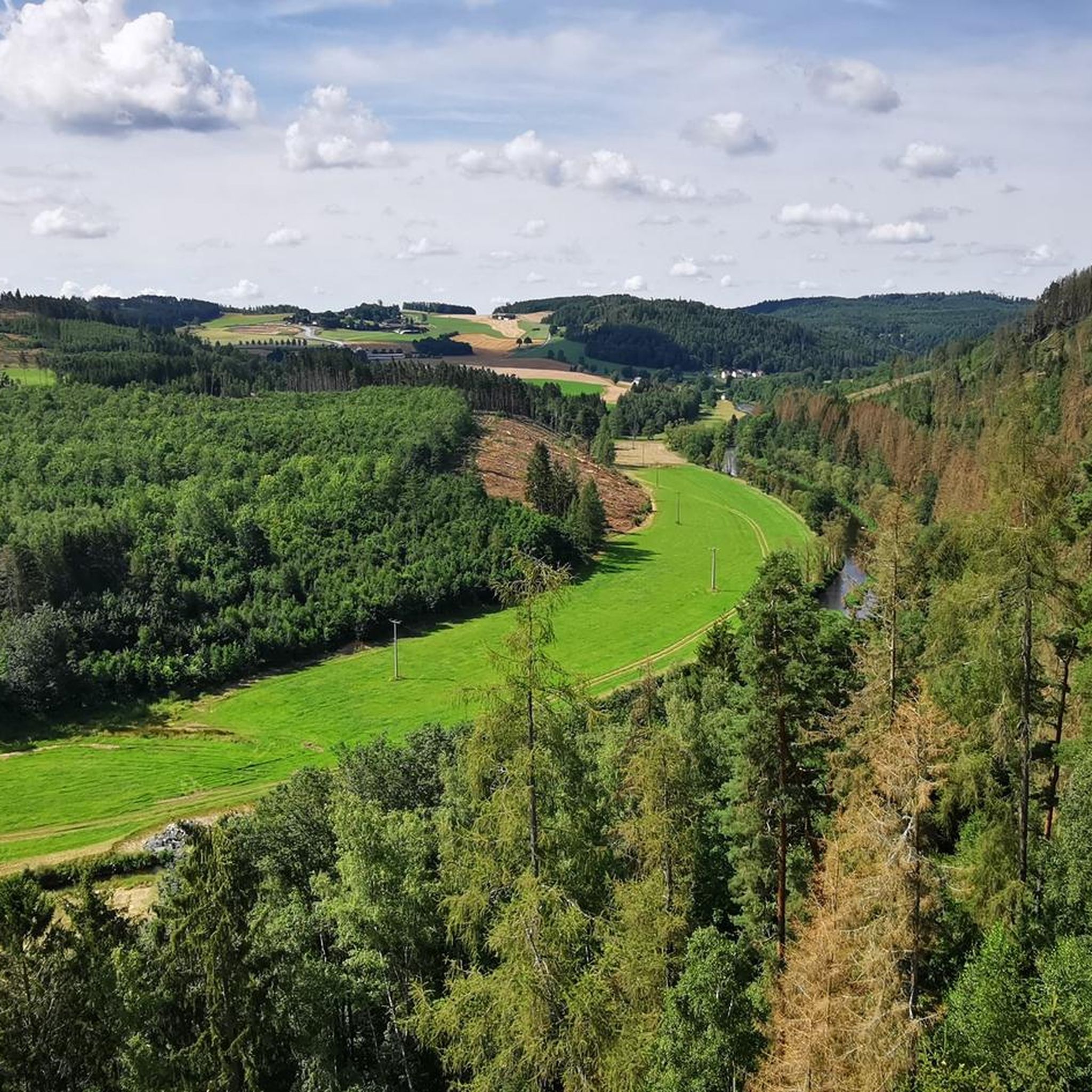
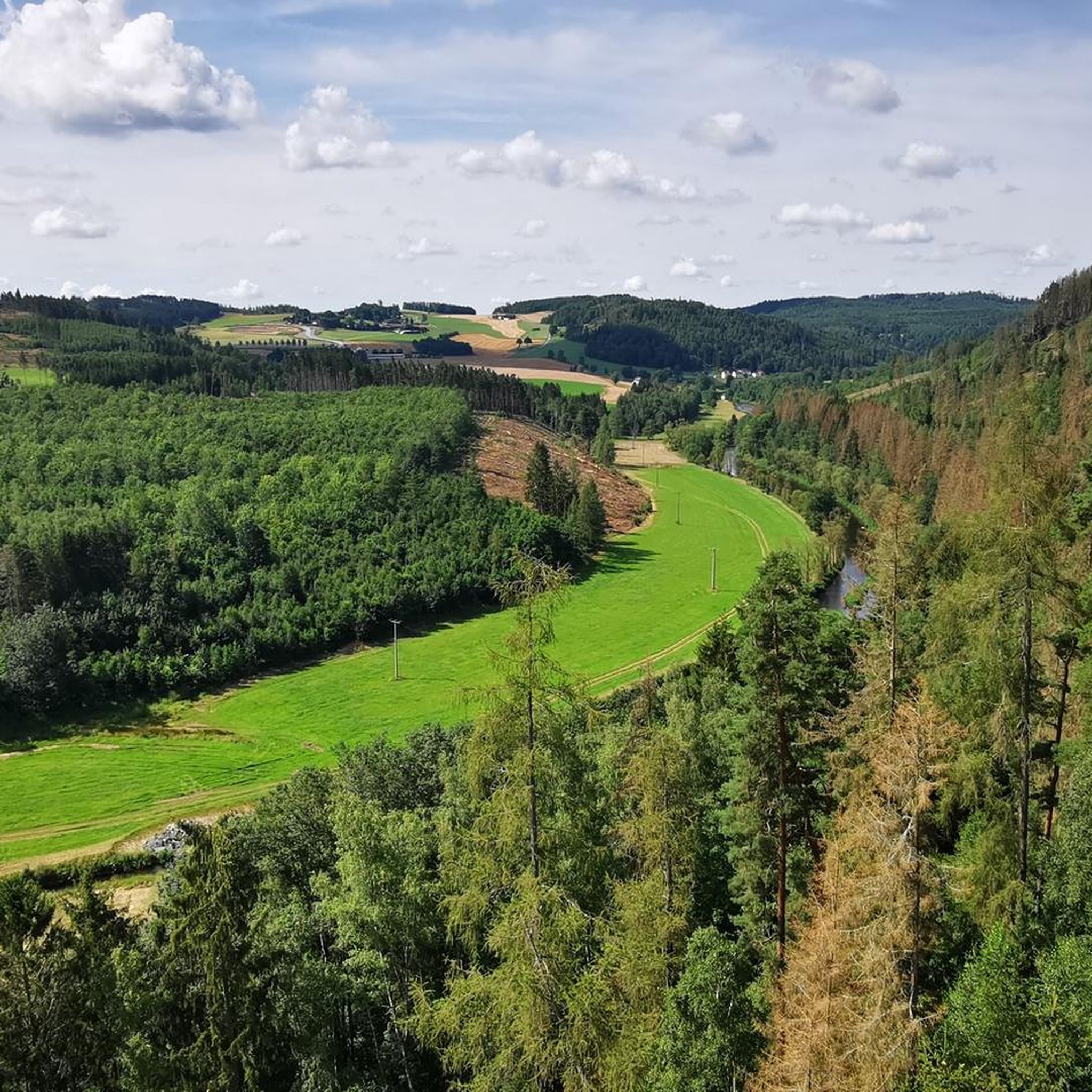
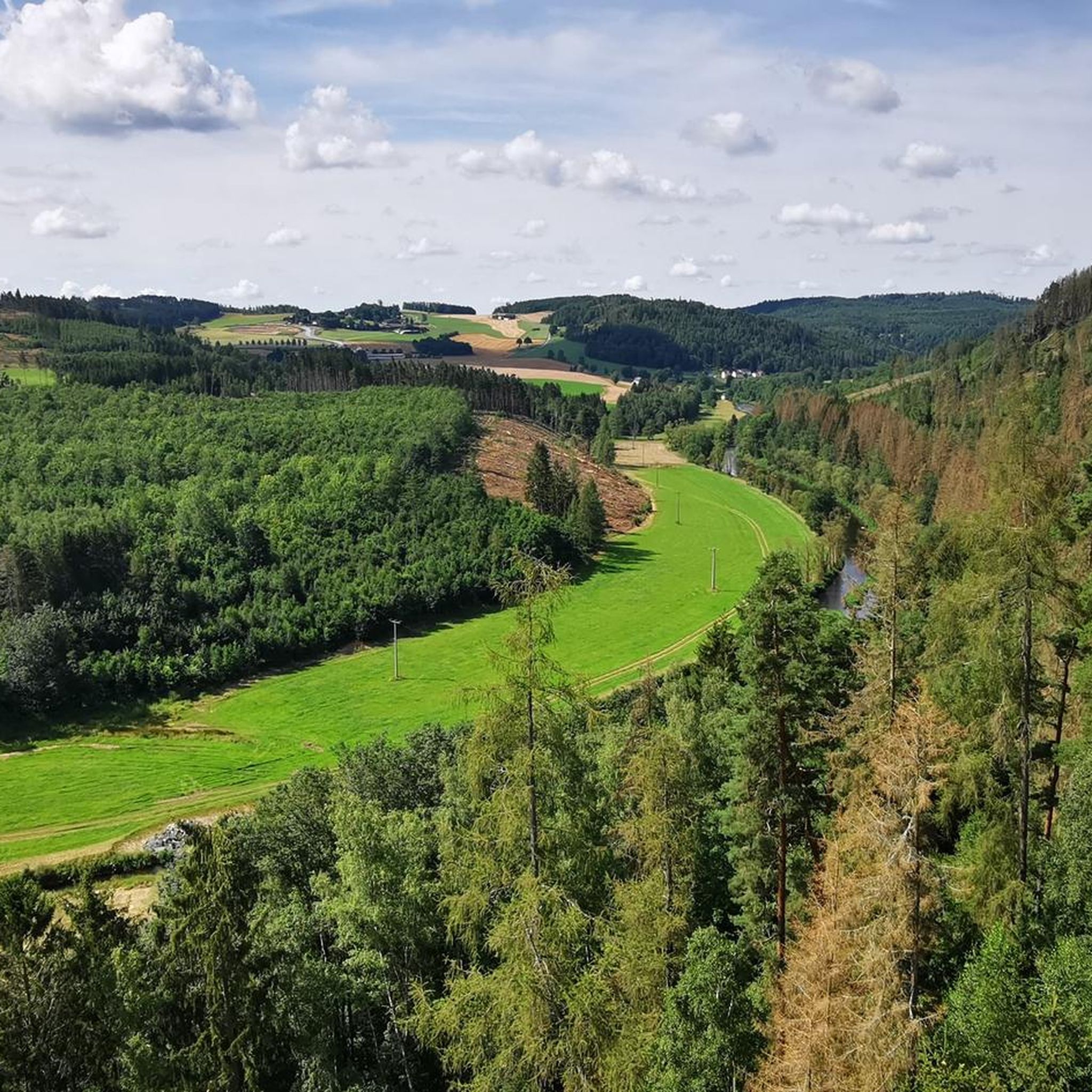
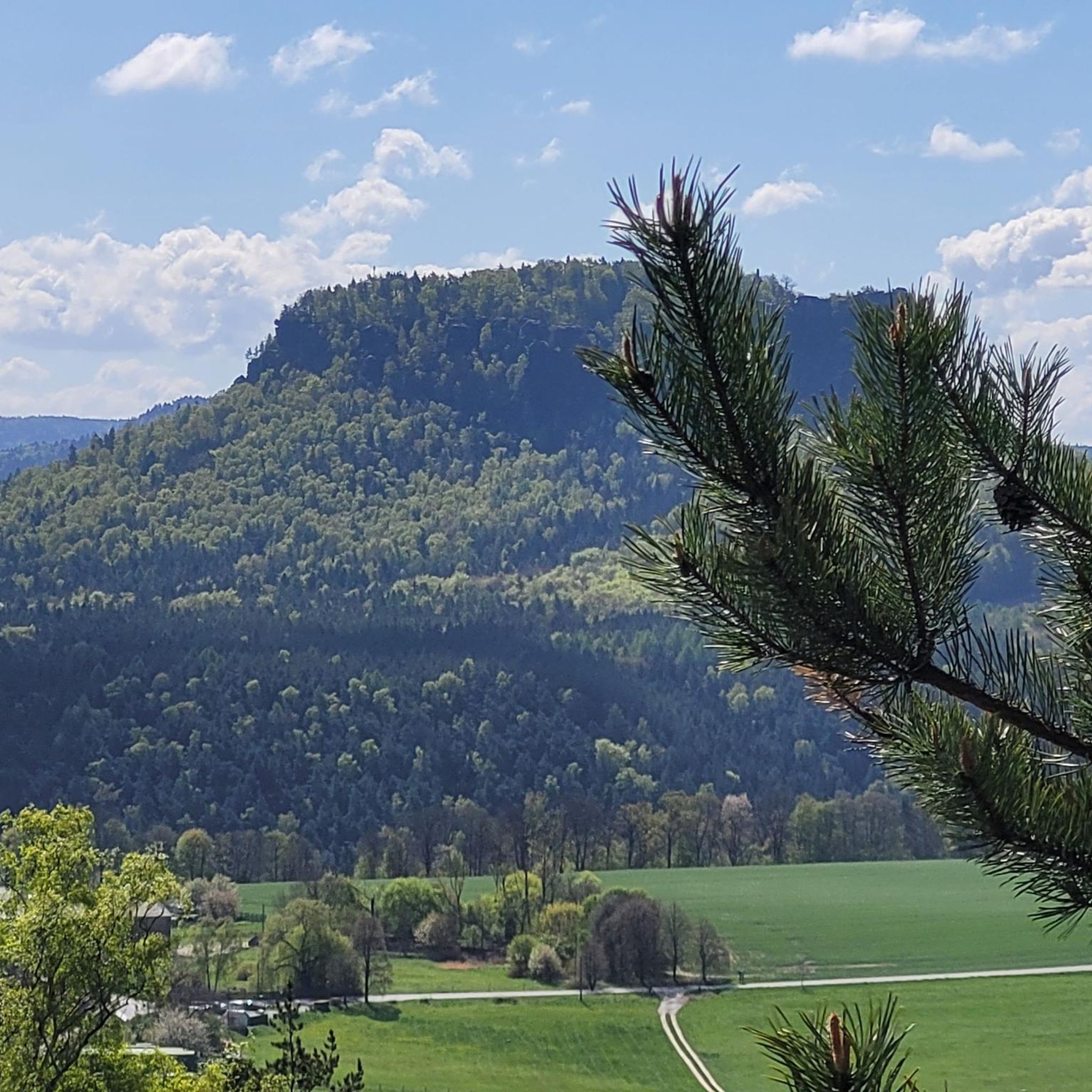
Tips from the Community

Former mine entrance with cute gnome figures. Information panel attached.
1
0

The Zwergenloch is a tunnel entrance in the mining area surrounding the historic mine in the Naila region. It is located near the underground access area of the "Unterer Wilder Mann" mine. Mining in this area was predominantly active in the late 19th and early 20th centuries. Tunnel entrances like the Zwergenloch served for mining or access to the ore-bearing rock layers.
2
0

The Rebecca Tunnel is a deep tunnel in the Höllental valley. It is one of the region's less significant former ore mines, as only a small amount of copper and iron ore was found here.
10
0

The cave is a bit hidden so keep your eyes open when hiking 🥾 😀
0
0

Amazingly, it is not locked and can be entered - provided you have a lamp with you. After just a few steps it is pitch black and you can already hear the water at the end.
0
0

Because there is a lot of information waiting for you along the entire route.
1
0

One of the most beautiful places I discovered on my tour.
1
0
This is the "Blauer Löw" tunnel from the 18th century. It is 35 meters long and can be walked at your own risk. It is in beautiful nature, right on the path and can be reached via a few small steps.
2
0
Frequently Asked Questions
What types of caves can I explore in the Thuringia region near Pottiga?
The Thuringia region offers a mix of natural caverns and historical mining tunnels. You can find ancient dripstone caves, former ore mines, and natural caves with unique geological formations. Examples include the historical Blauer Löw Mine Entrance and the natural Wenzel Cave.
Are there any particularly unique or famous caves in the wider Thuringia area?
Yes, the wider Thuringia region boasts several notable caves. The Saalfeld Fairy Grottoes are famous for their vibrant, colorful mineral formations, often called 'the most colorful grottoes in the world.' The Marienglashöhle Friedrichroda is known for its large gypsum crystal druses, and the Dripstone Cave Kittelsthal is the only fully developed dripstone cave in Thuringia open to the public, featuring impressive stalactites and stalagmites.
Do the caves around Pottiga have historical significance?
Many caves in the region, including those directly around Pottiga, have significant historical ties, primarily to mining. Sites like the Blauer Löw Mine Entrance and Ore cart at Bremsberg are former ore mines. The Wenzel Cave also has historical legends associated with it.
Are there family-friendly caves to visit near Pottiga?
The Rebecca Tunnel is categorized as family-friendly, offering a glimpse into a former mining tunnel. For a broader family experience, the Saalfeld Fairy Grottoes are generally well-suited for families, offering guided tours through their colorful formations.
What are the main geological features of the caves in this region?
The geological features vary. The Saalfeld Fairy Grottoes are known for their unique mineral deposits creating vibrant colors. Marienglashöhle Friedrichroda features impressive gypsum crystal formations. The Dripstone Cave Kittelsthal showcases classic stalactites and stalagmites. Many local sites, like the Blauer Löw Mine Entrance, are remnants of historical ore mining, revealing geological layers and mineral veins.
What is the best time of year to visit the caves near Pottiga?
Caves generally maintain a consistent cool temperature year-round, making them a good destination in any season. However, visiting during spring or autumn can be particularly pleasant as you can combine your cave exploration with hiking or cycling in the surrounding Thuringian landscape, which is beautiful during these seasons.
What should I wear or bring when visiting caves in the area?
Caves are typically cool and damp, so it's advisable to wear warm layers, even in summer. Sturdy, closed-toe shoes with good grip are essential for uneven or wet surfaces. For some of the less developed mine entrances, like the Blauer Löw Mine Entrance, a flashlight or headlamp is recommended.
Are guided tours available for the caves?
Yes, for the larger, more developed show caves in the wider Thuringia region, such as the Saalfeld Fairy Grottoes, Marienglashöhle Friedrichroda, and Dripstone Cave Kittelsthal, guided tours are regularly offered to enhance the visitor experience and provide historical and geological insights.
What outdoor activities can I combine with a cave visit near Pottiga?
The Pottiga region offers various outdoor activities. You can find numerous easy hikes, as well as cycling and gravel biking routes. These activities allow you to explore the scenic landscapes of the Thuringian Forest and the Saale valley, complementing your underground adventures.
Are there less crowded cave options around Pottiga?
While the major show caves can attract crowds, some of the smaller, more historical mine entrances and natural caves directly around Pottiga, such as the Dwarves' Cave or the Rebecca Tunnel, might offer a quieter experience. These often provide a more intimate connection with the region's history and nature.
What do visitors enjoy most about the caves in the Pottiga region?
Visitors appreciate the blend of natural beauty and historical insight. The unique geological formations, especially the colorful mineral deposits and crystal druses in the larger regional caves, are highly praised. The historical mining sites offer a fascinating glimpse into the region's past, and the opportunity to explore these underground wonders is a key draw.
Most popular routes around Pottiga
Most popular attractions around Pottiga

Get inspired with the komoot mobile app


Explore more
Extend your search for the best caves by checking out these guides of the top ones around Pottiga:
