Top 4 Caves around Lausnitz
Best caves around Lausnitz are found within the Saale-Orla-Kreis district of Thuringia, Germany, offering a range of underground experiences. While Lausnitz itself is a small rural municipality, the broader region provides access to historical mining tunnels and natural geological formations. These sites showcase both natural cave features and human-made underground structures used for storage and mining. The area's geology contributes to unique cave formations and historical significance.
Best caves around Lausnitz
- The most popular caves is Large cave in the…
Last updated: June 27, 2026
Bildermollen Cave
Highlight • Cave
Translated by Google •
Tip by

Kniegrotte Cave
Highlight • Cave
Translated by Google •
Tip by

Sign up now to discover places like this
Get recommendations on the best single tracks, peaks, & plenty of other exciting outdoor places.
Sign up for free
Döbritz Caves
Highlight • Cave
Great view of Pößneck and beyond
Translated by Google •
Tip by

Small Tunnel in Walpergsberg
Highlight • Cave
Translated by Google •
Tip by

Zechstein Cliffs and Knee Grotto near Döbritz
Highlight • Natural Monument
Translated by Google •
Tip by

Start today with a free account
Your next adventure awaits.
Login or Signup
Tips from the Community

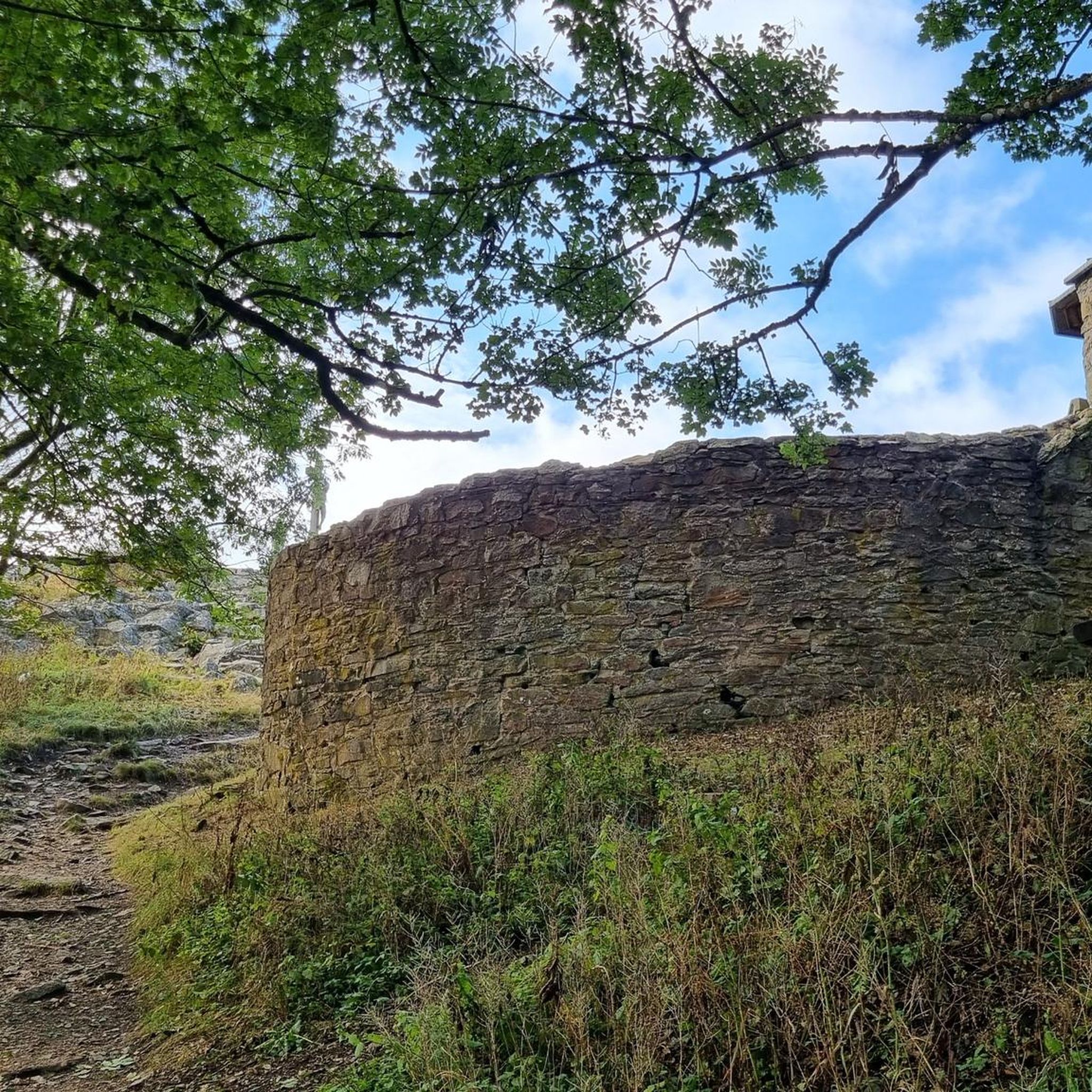
It doesn't go far into the stone, but the whole rock is a highlight🫶
14
0

A nice little hiking trail goes along the Zechstein rocks. Here you will also find the so-called knee grotto, which served as a shelter for our ancestors 12,000 years ago.
1
0

Is outside the range of the club. But members of them are also on the road.
3
0
A small tunnel with a crossing in the Walpergsberg. It is not possible to stray, neither up nor down, but also not on this level.
5
0

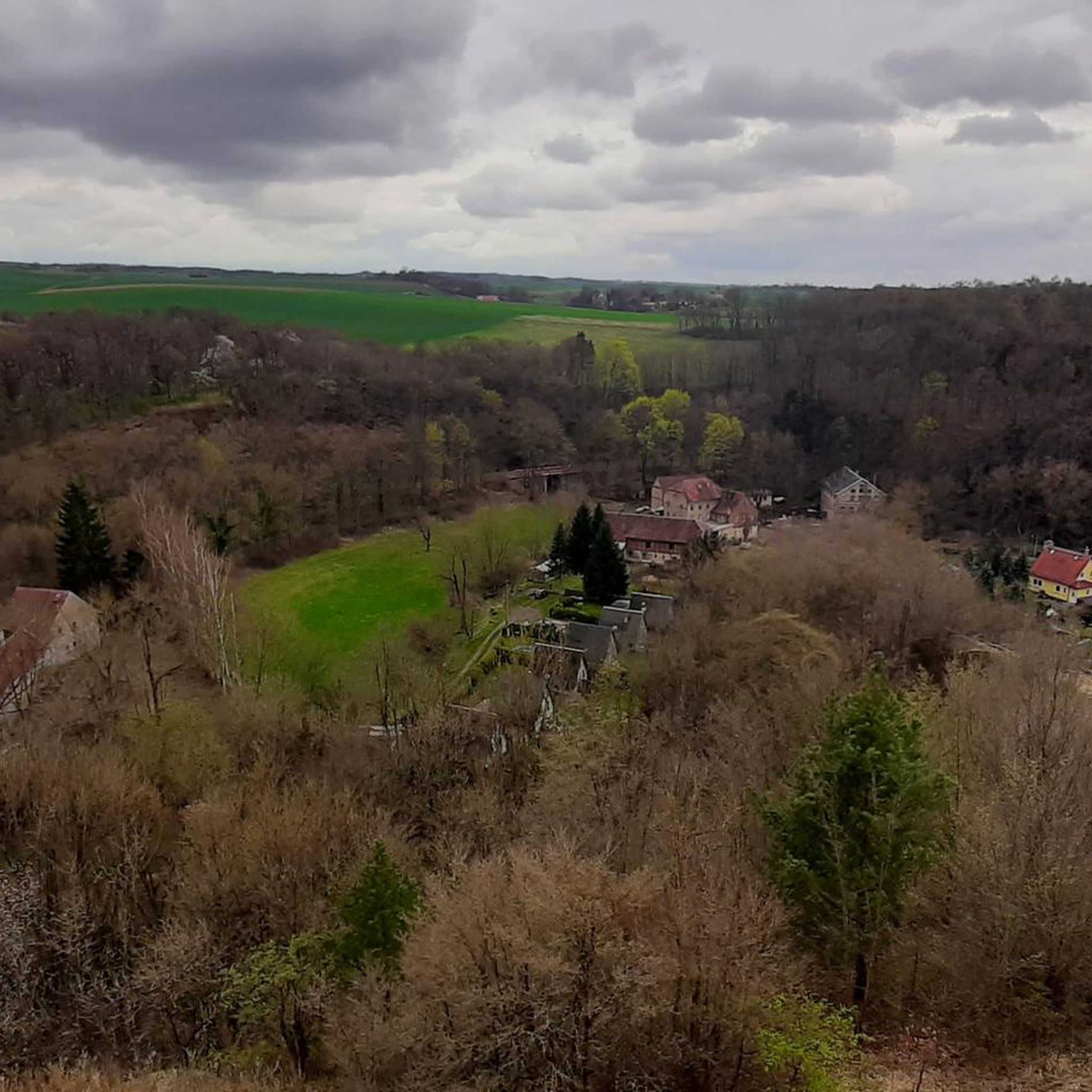
The first point on our tour was not easy to find. We only visited some of the caves, we still had a few kilometers to go. Great view of Pößneck and beyond The Döbritzer caves are located in the Gamsental, south of the town of Döbritz, in the Saale-Orla district in Thuringia. The Zechstein massif, known as Döbritzer Switzerland, has a series of rock crevices and three caves. (📜 Wikipedia)
1
0

The Döbritz caves are located on the eastern edge of the Orlasenke and are located directly at the place Döbritz. They belong to the Döbritzer Schweiz nature reserve. It is probably the most famous protected landscape area in the Orlasenke. This 600 meter long Zechstein massif has several rock crevices and 3 caves, these are bryozoal reefs. These caves include the Urdhöhle, the Kniegrotte and the desert Scheuer. In 1884 the local researcher Robert Eisel from Gera discovered the “Desert Scheuer” cave in the rock massif and recognized it as a place of prehistoric, prehistoric and prehistoric times. In 1925 and 1926 further archaeological investigations were carried out under the direction of Alfred Götz and Hess von Wichendorf. Numerous Paleolithic finds were recovered from under the rock roof. Döbritz Switzerland also offers a beautifully landscaped hiking and climbing area of manageable size. From here you can also enjoy the wonderful view over Döbritz into the Orlasenke. Source: https://erasmus-reinhold-gymnasium.de/geocaching/Orlasenke_pdf_website.pdf
0
0

The knee grotto was discovered by M. Richter in 1930 and is one of the three caves in Döbritzer Schweiz (Zechstein massif). Among the finds in and in front of the grotto there is remarkable cabaret (ivory, decorated harpoon tip).
2
0

Already in my school days, we made a trip here, in the cave of the Neanderthals. At that time, the grotto was walkable and the environment was not wild. Nevertheless, the Döbritzer Switzerland is a very nice spot, but unfortunately not maintained and the paths are provided with electric fences.
3
0
Frequently Asked Questions
What types of underground sites can I explore in the broader Thuringian region near Lausnitz?
While Lausnitz itself is a small rural municipality, the wider Thuringian region offers a variety of underground experiences. These include historical mining tunnels like the Small Tunnel in Walpergsberg, natural geological formations such as the Large cave in the Zechstein reef at Altenburg, and even former slate mines transformed into vibrant show caves like the Saalfeld Fairy Grottoes.
Are there any historical underground sites near Lausnitz?
Yes, several sites offer a glimpse into history. The Bildermollen Cave is known for its historical use by Friedrich Ludwig Molle. The Kniegrotte Cave has yielded significant archaeological finds, suggesting Stone Age habitation. Further afield, the Markt Höhler Mining Museum in Bad Lobenstein showcases former beer cellars and iron ore mining history, and the Franzosenhöhle near Schleiz holds local legends of inhabitants hiding from Napoleon's troops.
Which caves around Lausnitz have archaeological significance?
The Kniegrotte Cave in Döbritzer Schweiz is particularly significant. Discovered in 1930, it has provided remarkable archaeological finds, including ivory and a decorated harpoon tip, indicating Stone Age habitation. The Bildermollen Cave is also believed to have been inhabited in the Stone Age, similar to other nearby caves.
Are there opportunities for climbing in the caves near Lausnitz?
Yes, the Large cave in the Zechstein reef at Altenburg is recognized as a climbing area. It offers a nature trail experience leading to the cave, which is popular among climbers.
What unique geological features can I see in the caves of the Thuringian region?
The region boasts diverse geological formations. The Large cave in the Zechstein reef at Altenburg is a prime example of a cave within a Zechstein reef. Further away, the Saalfeld Fairy Grottoes are famous for their vibrant mineral deposits, creating a 'world of magical colors,' while the Merkers Adventure Mine features an impressive crystal grotto with milky-white to water-clear rock salt crystals.
What outdoor activities can I combine with a visit to the caves near Lausnitz?
The area around Lausnitz is excellent for various outdoor activities. You can find numerous hiking trails, including easy hikes like the 'Harrasmühle – Bench With View of Neunhofen loop' or more moderate routes. Gravel biking is also popular, with options like the 'Orla Cycle Path' available. For more details on routes, explore the Easy hikes around Lausnitz, Hiking around Lausnitz, and Gravel biking around Lausnitz guides.
Are there hiking trails that feature caves in the Lausnitz area?
Yes, the Zechstein Cliffs and Knee Grotto near Döbritz highlight specifically mentions a nice little hiking trail along the Zechstein rocks that leads to the Kniegrotte Cave. The Franzosenhöhle near Schleiz is also recognized as a highlight for hikers in its area. You can find more hiking options in the Hiking around Lausnitz guide.
What do visitors enjoy most about the caves around Lausnitz?
Visitors appreciate the blend of natural beauty and historical significance. The Large cave in the Zechstein reef at Altenburg is praised for its 'awesome' prehistoric feel and beautiful nature trail. The Bildermollen Cave is noted for its unique rock formation and connection to a local original. The archaeological importance of the Kniegrotte Cave also draws interest.
Are there any caves in the region known for unique events or health benefits?
Yes, the Saalfeld Fairy Grottoes are a state-recognized healing gallery, offering air free of dust, allergens, and pollen, believed to be beneficial for health. The Marienglashöhle in Friedrichroda is known for its unique acoustics and regularly hosts concerts within its gypsum and copper mining cavities.
What is the accessibility like for caves in the Lausnitz area?
Accessibility varies greatly by site. Some natural caves, like the Bildermollen Cave, may not extend far into the rock. The Franzosenhöhle is described as a 'small hole' and may not be easily accessible for crawling. For larger show mines and grottoes in the broader Thuringian region, such as the Saalfeld Fairy Grottoes or Marienglashöhle, guided tours and visitor facilities are typically available, but specific accessibility for wheelchairs or strollers would need to be checked directly with each location.
Can I find any 'hidden gem' caves or lesser-known spots near Lausnitz?
While not extensively documented, the Small Tunnel in Walpergsberg offers a more secluded, short underground experience. The Liebengrün Frassmulk Cave near Schleiz is also a lesser-known site, noted for its location directly on a railway line, though specific details about its features are limited.
Most popular routes around Lausnitz
Most popular attractions around Lausnitz

Get inspired with the komoot mobile app


Explore more
Extend your search for the best caves by checking out these guides of the top ones around Lausnitz:
