Top 20 Lakes around Bienenbüttel
Best lakes around Bienenbüttel, a municipality in the Lüneburg Heath in Lower Saxony, Germany, offers access to several appealing lakes. The region is characterized by its natural landscape, including heathlands, forests, and rivers. These bodies of water provide opportunities for recreation and exploration within the scenic surroundings.
Best lakes around Bienenbüttel
- The most popular lakes is Marxener Paradise, a natural monument that features a combination of hills, valley, heath, juniper, and a central pond. This area, formed at the…
Last updated: June 27, 2026
Marxener Paradise
Highlight • Natural Monument
Translated by Google •
Tip by

Bad Bevensen Spa Park
Highlight • Rest Area
Translated by Google •
Tip by

Sign up now to discover places like this
Get recommendations on the best single tracks, peaks, & plenty of other exciting outdoor places.
Sign up for free
Kreideberg Lake
Highlight • Lake
Translated by Google •
Tip by

Osterbach Pond
Highlight • Lake
Translated by Google •
Tip by

Jadtorfer See Bird Sanctuary
Highlight • Lake
Translated by Google •
Tip by

Sign up for free to discover even more lakes around Bienenbüttel.
Sign up for free
Already have an account?
Start today with a free account
Your next adventure awaits.
Login or Signup



Tips from the Community


The Kreidesee in Lüneburg (also called Kreidebergsee) is a former gypsum and limestone quarry that has developed into a popular local recreation area north of the city center. It is known for its depth of up to 30 meters, the impressive white limestone cliffs, and valuable salt flora, but swimming is prohibited for safety reasons. The Kreidesee is very ideal for walks and geology enthusiasts. The lake originated from a former gypsum and limestone quarry. It is located north of Lüneburg's city center, in the Kreideberg district. It is up to 30 meters deep. It impresses with its unique feature, up to 30-meter-high white limestone steep walls, and hosts a rare salt flora, which is due to its proximity to the Lüneburg salt dome. You can enjoy wonderful walks and hikes here. There are paths around the lake that also lead through the allotment garden district and offer panoramic views of Lüneburg. Benches are available. A visit is recommended.
7
0

A very beautiful place to pause and observe nature.
0
0

The Kreidebergsee was created by the extraction of chalk and gypsum, which, alongside salt mining, has been of enormous importance in Lüneburg for centuries. From 1838 onwards, the chalk quarry was expanded to include a high-performance lime kiln as part of its industrial use. Thanks to its abundant raw materials, which were largely used for house construction and in agriculture at the time, the lime kiln was very successful. Around the turn of the century, jobs could be created for 300 to 400 people. Thus, the lime kiln was considered the largest employer of its time. In 1963, chalk and gypsum extraction in the area was discontinued because the operation had no longer been economically viable for several years. In addition, more and more residential areas were being built near the area, which is why the citizens felt disturbed by the lime kiln. Subsequently, the water pumps were shut down and the pit slowly filled up to groundwater level. The resulting lake was then used as a landfill for waste and construction debris until 1983, until it was developed into a local recreation area. Source: https://www.luenepedia.de/wiki/Kreidebergsee
1
0

Resting place! Swimming and entry prohibited
0
0


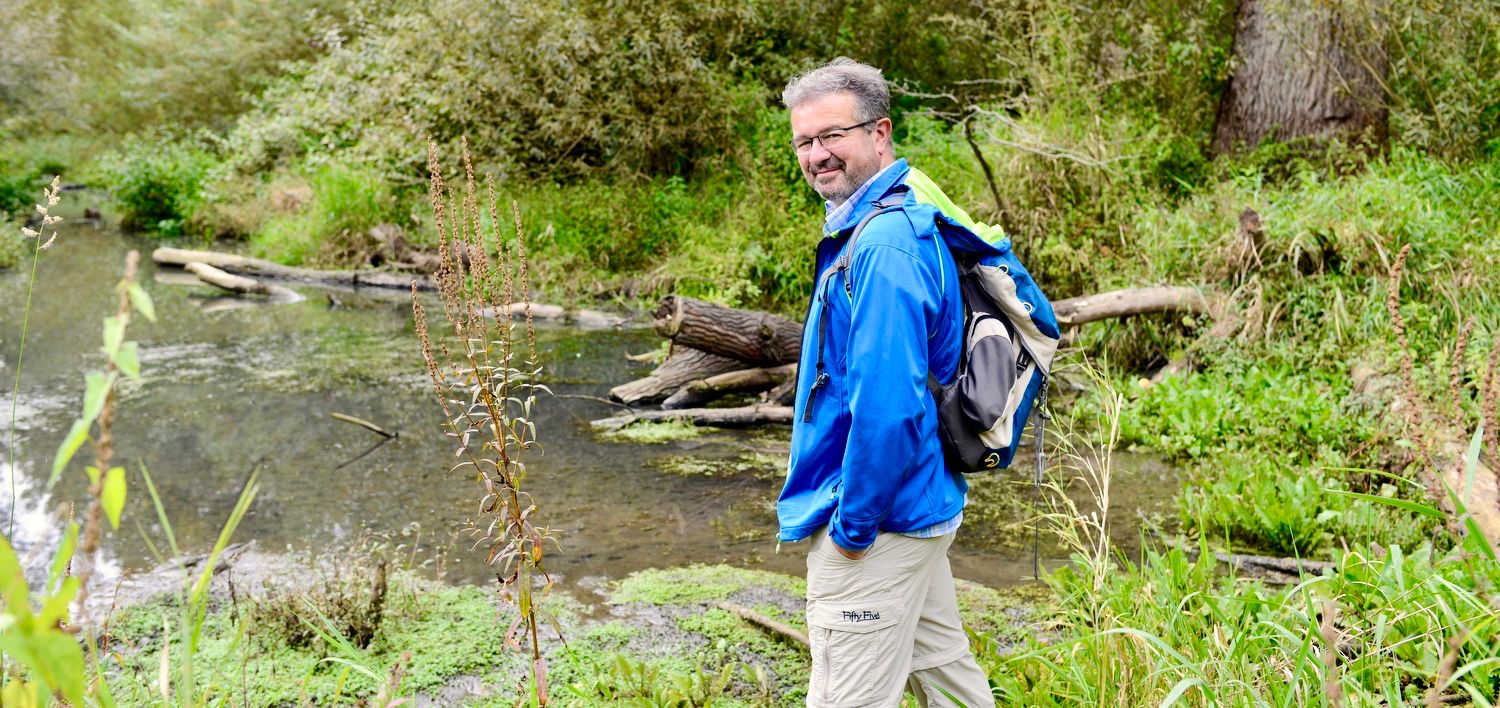
The Osterbach flows from Kirchgellersen through the Böhmsholz into the Hasenburger Mühlenbach and is currently being renaturalized. Shortly before its mouth, it feeds the Osterbachteich. This is a home for water birds. However, it is increasingly silting up.
1
0

Beautiful, quiet pond (as long as the farmer doesn't use his tractor to flatten the bushes) where you can watch kingfishers, cranes and other birds. A local resident told me that there used to be a lot more birds nesting there. But now there is too much noise around it and some hikers and walkers think that their noises are more worth sharing than the birds' songs.
1
0
Frequently Asked Questions
What are some unique lakes to visit near Bienenbüttel?
Near Bienenbüttel, you can explore several distinctive lakes. The Marxener Paradise is a natural monument featuring a combination of hills, heath, juniper, and a central pond, formed at the end of the ice age. Another interesting spot is Kreideberg Lake, a former gypsum and limestone quarry known for its depth, white limestone cliffs, and panoramic views. For birdwatching, the Jadtorfer See Bird Sanctuary is an important waterbird habitat with an observation tower.
Are there lakes suitable for swimming and water sports around Bienenbüttel?
Yes, Hardausee and Oldenstädter See are excellent choices for swimming and water activities. Hardausee offers a sandy beach and opportunities for swimming, pedal boating, and volleyball. Oldenstädter See, known for its clear water, allows for diverse recreational opportunities including diving, surfing, fishing, canoeing, and stand-up paddling. Boats without motors have a dedicated area on the water there.
Which lakes are family-friendly and offer activities for children?
Both Hardausee and Oldenstädter See are designed with families in mind. Hardausee features a sandy beach, a kiosk, and an adjacent campsite with a forest playground, climbing tower, and table tennis. Oldenstädter See boasts a playground and a spacious sunbathing lawn, alongside its clear waters for swimming and various water sports.
Are there dog-friendly lakes or areas for pets near Bienenbüttel?
Yes, both Hardausee and Oldenstädter See offer dedicated facilities for dogs. Hardausee provides a specific swimming spot for dogs, as they are not permitted on the main sandy beach. Oldenstädter See also features a separate dog beach, ensuring all family members, including pets, can enjoy the outing.
What kind of natural features can I expect to see around the lakes?
The lakes around Bienenbüttel are set within the scenic Lüneburg Heath, characterized by heathlands, forests, and rivers. You can find unique geological formations like the white limestone cliffs at Kreideberg Lake, or the combination of hills, valley, heath, and juniper at Marxener Paradise. Many ponds, such as the ponds near Bockelsberg, serve as habitats for various water birds like grey herons, swans, and ducks.
What is the best time to visit the lakes around Bienenbüttel?
The lakes are generally enjoyable throughout the warmer months, from spring to autumn, when outdoor activities like swimming, hiking, and cycling are most pleasant. Spring and early summer are ideal for observing birdlife, especially at the Jadtorfer See Bird Sanctuary. The Lüneburg Heath region is particularly beautiful in late summer when the heather blooms.
Are there hiking trails near the lakes around Bienenbüttel?
Yes, the area offers numerous paths perfect for active recreation. For instance, you can find circular paths around Marxener Paradise and Kreideberg Lake. The broader region provides many hiking opportunities, including routes like the 'Ilmenau Bridge – Ilmenau River loop from Bienenbüttel' or the 'Forellenbachtal Nature Trail'. You can find more details on these and other trails in the Hiking around Bienenbüttel guide.
What cycling opportunities are available around the lakes?
The areas around lakes like Hardausee and Oldenstädter See are well-suited for cycling, with numerous paths allowing you to explore the scenic Lüneburg Heath. For more structured routes, you can explore options like the 'Wriedel–Arendorf Cycle Path' or the 'Ilmenau Bridge Bienenbüttel – Wind Turbines in Rural Germany loop'. Detailed routes are available in the Road Cycling Routes around Bienenbüttel guide and the Gravel biking around Bienenbüttel guide.
Where can I observe wildlife, especially birds, near Bienenbüttel's lakes?
The Jadtorfer See Bird Sanctuary is the most important waterbird sanctuary in the Uelzen region, with an observation tower for undisturbed viewing. The ponds near Bockelsberg also serve as a habitat for various water birds, including grey herons, swans, and ducks. Osterbach Pond is another quiet spot where you might spot kingfishers, cranes, and other birds.
Are there facilities like kiosks or barbecue areas at the lakes?
Yes, some lakes offer convenient facilities. Hardausee has a kiosk providing snacks, drinks, coffee, and ice cream. Oldenstädter See also has a kiosk for refreshments on pleasant days, and a nearby barbecue hut that can be used with prior approval, perfect for concluding a day by the lake.
What do visitors enjoy most about the lakes around Bienenbüttel?
Visitors appreciate the diverse natural beauty and recreational opportunities. Many enjoy the peaceful atmosphere and scenic walks, such as those around Marxener Paradise with its idyllic setting. The clear waters and family-friendly amenities at lakes like Hardausee and Oldenstädter See are also highly valued. Birdwatchers particularly enjoy the rich avian life at spots like the Jadtorfer See Bird Sanctuary.
Most popular routes around Bienenbüttel
Most popular attractions around Bienenbüttel

Get inspired with the komoot mobile app


Explore more
Still not found your perfect lake around Bienenbüttel? Check out the guides of these regions to see even more beautiful places.
