Top 12 Lakes around Behrenhoff
Lakes around Behrenhoff are primarily characterized by the tranquil Swan Pond, a central feature of the historically significant Behrenhoff Landscape Park. This park, designed by Peter Joseph Lenné, offers a peaceful environment with diverse flora and historical charm. While Behrenhoff itself features the Swan Pond, its location within the wider Mecklenburg Lake District provides access to a vast network of natural waters. The area is suitable for leisurely rides and walks, offering a blend of natural beauty and historical significance.
…Last updated: June 27, 2026
Museum Harbour Greifswald
Highlight • Historical Site
Translated by Google •
Tip by

Söllkensee near Potthagen
Highlight • Lake
Translated by Google •
Tip by

Sign up now to discover places like this
Get recommendations on the best single tracks, peaks, & plenty of other exciting outdoor places.
Sign up for free
Berthold-Beitz Square and University Pond
Highlight • Structure
Translated by Google •
Tip by

Söllkensee
Highlight • Lake
Translated by Google •
Tip by

Hanshagener Bach Weir at Mühlenteich
Highlight • Structure
Translated by Google •
Tip by
Sign up for free to discover even more lakes around Behrenhoff.
Sign up for free
Already have an account?
Start today with a free account
Your next adventure awaits.
Login or Signup

Tips from the Community

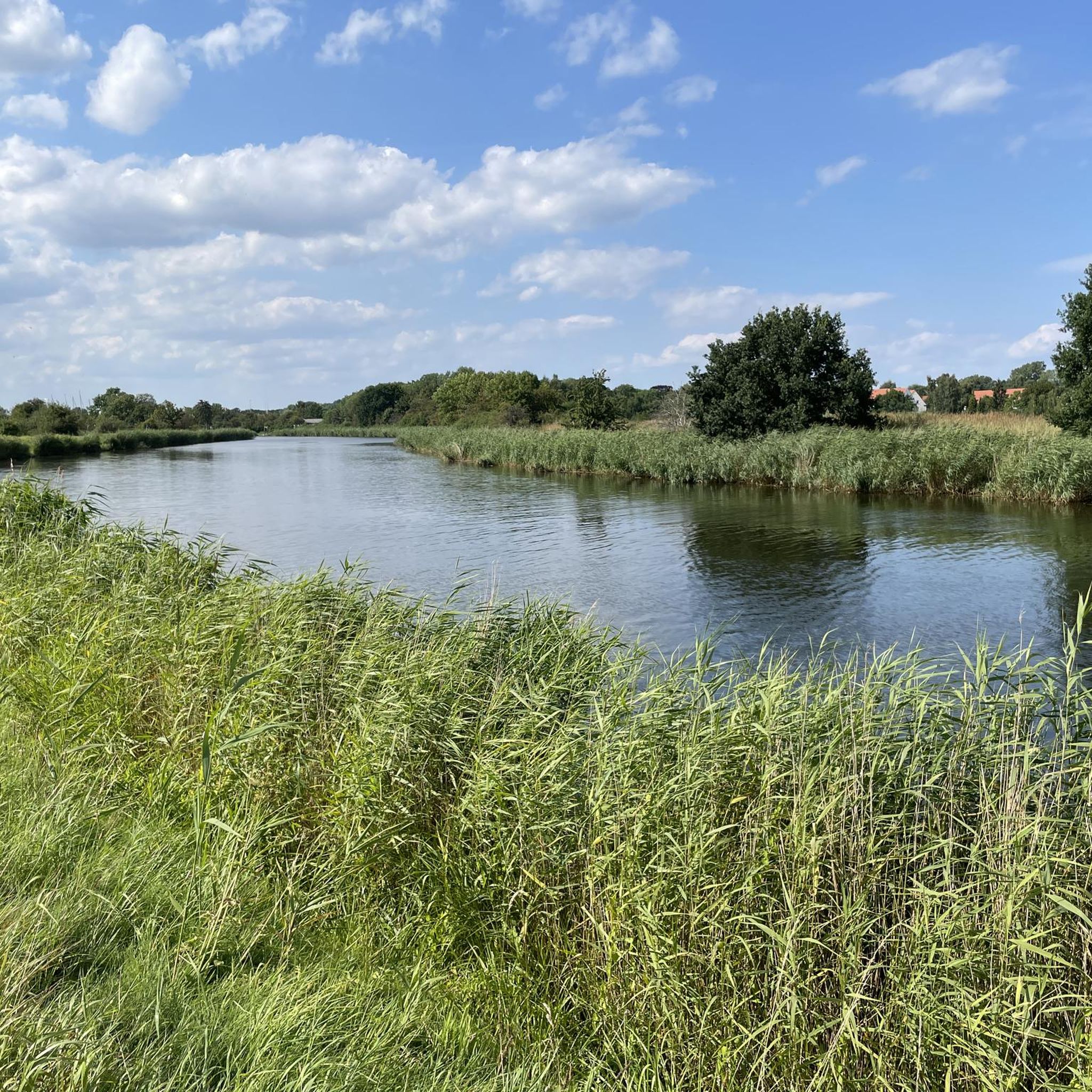
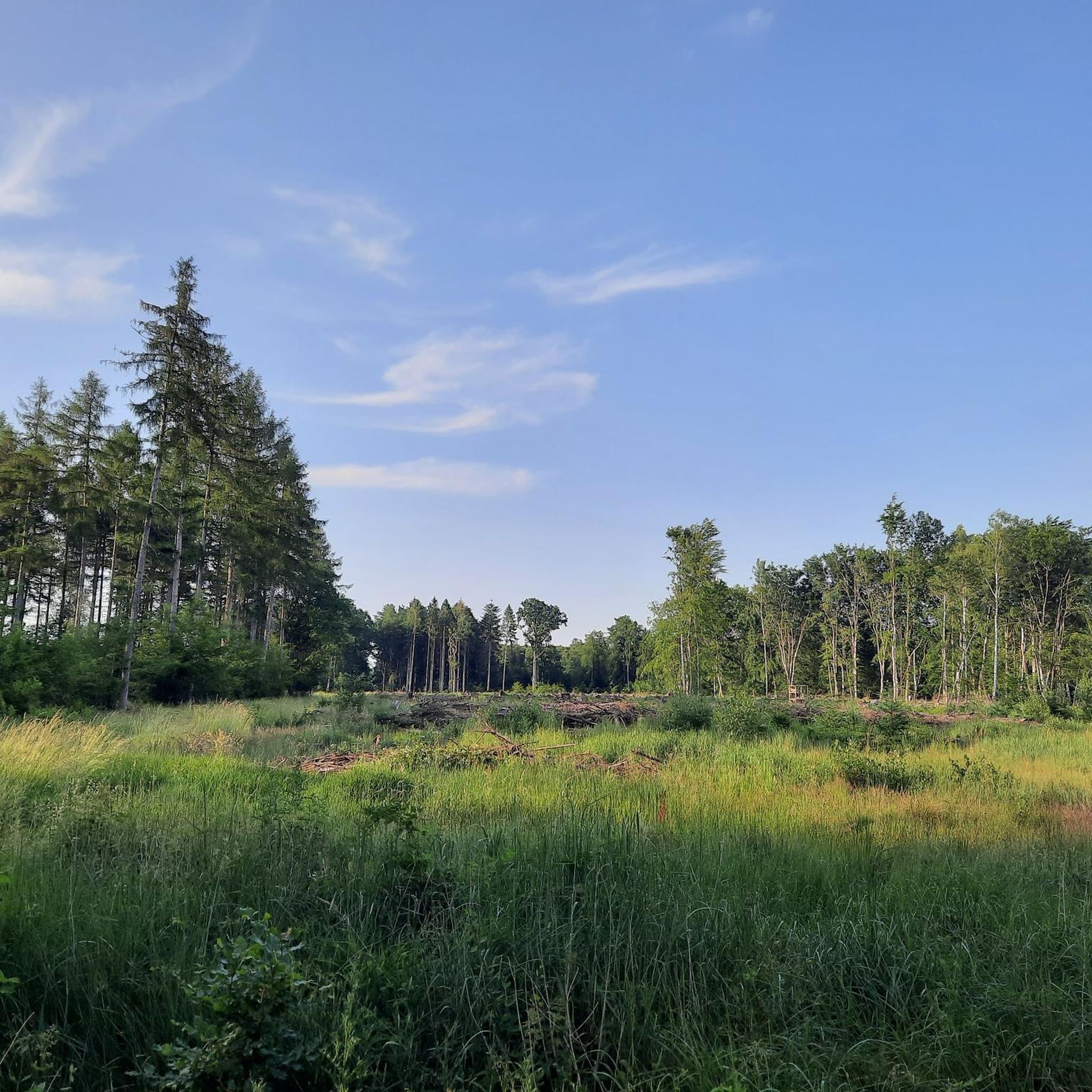
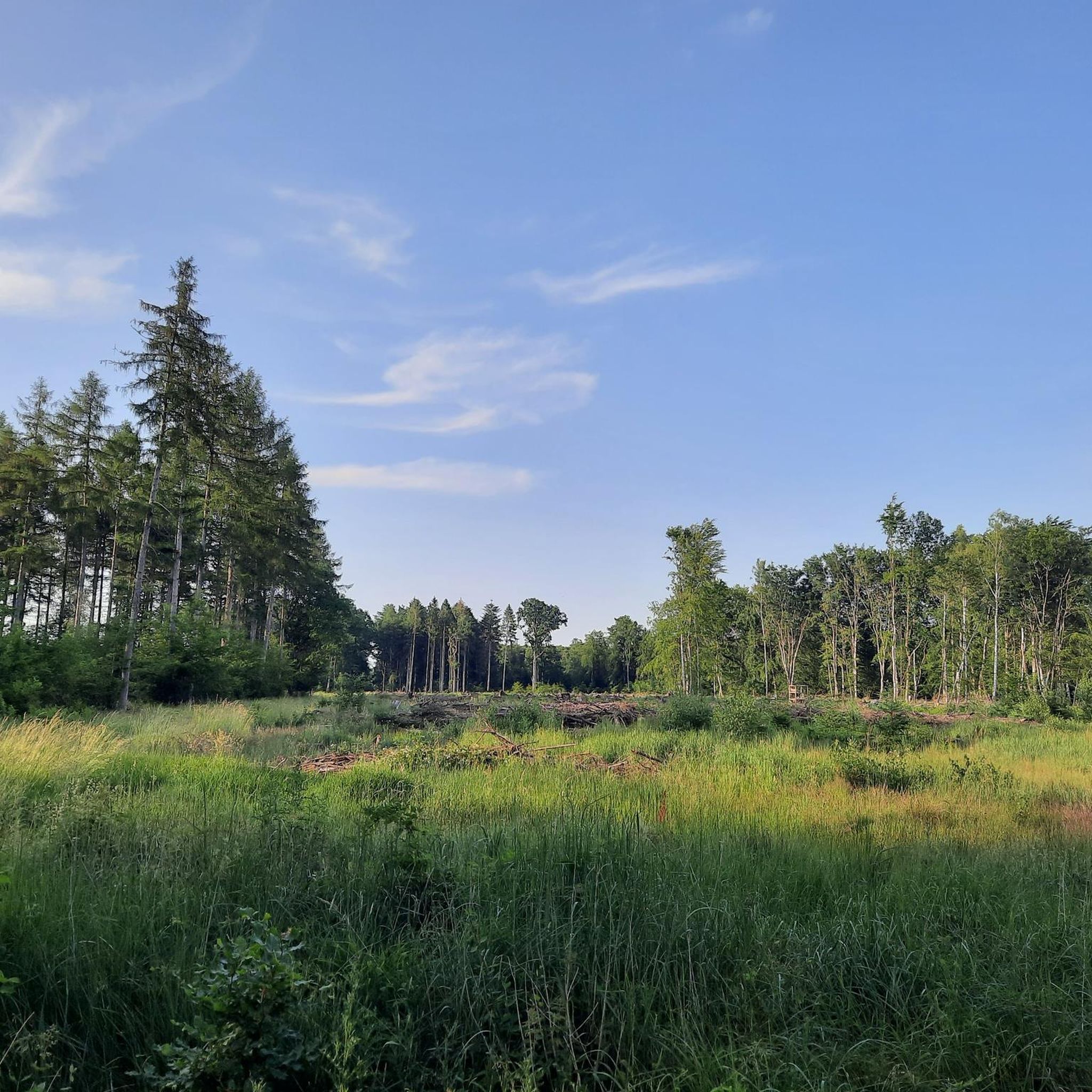
The Söllkensee was created in the 19th century by peat extraction in "Küsterbäcks Moor", a meltwater channel of the Greifswald terminal moraine. Today it is a natural monument and spawning ground for common toads and moor frogs. In the north-eastern part, the new siltation process is clearly visible. A cotton grass peat bog has formed here, which is partly forested with downy birches.
4
0

The new campus of Greifswald University with the institutes for natural sciences and medicine is located at Berthold-Beitz-Platz. The university hospital with its beautifully landscaped pond is also located near the square.
2
0

The Söllkensee is not written "Sölkensee" but "Söllkensee". The Söllkensee is a bog in the Helmshagener Forest. The Söllkensee was created in the 19th century by peat extraction in "Küsterbäcks Moor", a meltwater channel of the Greifswald terminal moraine. Today it is a natural monument and spawning ground for common toads and moor frogs. In the north-eastern part, the new siltation process is clearly visible. A cotton grass peat bog has formed here, which is partly forested with downy birches (bot.: sheath cotton grass peat moss community, Eriophoro-Sphagnetum recurvi). The floating pondweed (Potamogeton natans) can be discovered in the open water area. The name of the Söllkensee is probably derived from the word "Soll", which describes Ice Age dead ice holes in the north German lowlands and was used here in a somewhat broader sense for a small body of water. Originally, the locals called the lake "dat Sülkenmuur" and at the end of the 19th century it developed into an attraction for those seeking relaxation, who traveled especially with the small train from Greifswald. According to legend, an old privy councilor from Charlottenburg walked here. Impressed by the place, he suggested to the owner of the inn in Potthagen that they set up signposts from the village to the lake and thus show the excursionists the beauty of the area. However, according to the legend, the old privy councilor found the name “Sülkenmuur” too daunting and boggy. And so the “Sülkenmuur” became the Sölkensee. Both names – Sölkensee and Söllkensee – are common today. North of the Söllkensee is the Plagens lime tree. It is said that the forest warden Plagens planted this tree in 1933 and built a bench next to it to enjoy his retirement here. Link: https://weithagen.info/naturweit/soellkensee/
3
0

The Sölkesee is a natural monument and spawning ground for common toads and moor frogs. The fish species found at the Sölkensee include eels, perch, pike, tench, bream, roach, rudd and crucian carp.
0
0

For a long time, the Ryck was the main artery of the city of Greifswald. Greifswald had belonged to the Hanseatic League since 1310, and the port was a popular transhipment point, especially for ships from Scandinavia and Russia. The ships came from the Vorhafen in Wyk via the Ryck to the port of Greifswald, but it was often a very tedious affair. Because of the shallow fairway, ships often had to be lightened, and the westerly winds that prevailed here made it difficult to sail to the port. So the sailing ships and also the first machine-driven ships were towed from the outer harbor in Wyk to the port of Greifswald. Shipping in Greifswald flourished in the mid-19th century. The Ryck's fairway was dredged and with the demolition of the fortifications more space was created for the port. At that time, the Greifswald merchant fleet consisted of up to 50 seagoing ships, mostly brigs, the larger ones sailed to the Black Sea, to America, the East Indies and China. However, the conditions were so unfavorable that in the 19th century the port of Greifswald lost its importance, the port developed into an inland port, into which only smaller cargo ships used inland traffic (summarized by the information boards along the Ryck)
13
0

The city's chill-out zone
20
1

Northeast of Greifswald's old town, on the Ryck river, is the museum harbor. The non-profit association Museumshafen Greifswald e.V. was founded in February 1991 and has set itself the task of developing and maintaining the harbour.
11
0

With more than 50 ships, the Greifswald museum harbor is the largest museum harbor in Germany. Historic schooners, tugs and barges line the Ryck River on both sides and are reminiscent of the heyday of sailing in the mid-19th century. Information boards in front of the ships provide information about the type of ship, year of construction and history. Some of the ships are still sailing and take guests on board for a sailing trip, others have been converted into restaurant ships. When the weather is nice, the harbor is a popular hot spot and the perfect place for a delicious meal, a leisurely stroll or to watch the sunset. https://www.greifswald.info/sehenswertes-5/museumshafen/
13
1
Frequently Asked Questions
What natural features can I explore around the lakes near Behrenhoff?
The Behrenhoff area offers diverse natural beauty. The Söllkensee near Potthagen, for instance, is a natural monument and a spawning ground for common toads and moor frogs, featuring a cotton grass peat bog. The Behrenhoff Landscape Park, surrounding the Swan Pond, boasts a rich variety of trees and shrubs, including rare species, and is particularly beautiful with snowdrops in spring.
Are there any historical sites or culturally significant areas near the lakes?
Yes, the region has historical significance. The Museum Harbour Greifswald is a living museum showcasing traditional boat and shipbuilding with a collection of old fishing vessels. Additionally, the Behrenhoff Landscape Park, which includes the Swan Pond, was designed between 1840 and 1860 by the esteemed landscape architect Peter Joseph Lenné, contributing to its historical charm.
What outdoor activities can I do near the lakes around Behrenhoff?
You can enjoy various outdoor activities. The Behrenhoff Landscape Park offers cycling routes and pleasant walks around the Swan Pond. For more structured activities, there are numerous hiking trails and running routes available in the wider area. The Mecklenburg Lake District, which Behrenhoff is part of, also offers extensive opportunities for boating, canoeing, stand-up paddling, and fishing.
Are there family-friendly activities or lakes suitable for children?
Absolutely. Several spots are noted as family-friendly. The Kosenowsee Loop Trail has many resting places and a lido for cooling off in summer, making it ideal for families. The Museum Harbour Greifswald also offers an engaging historical experience for all ages.
Can I swim in any of the lakes near Behrenhoff?
While the Kosenowsee Loop Trail features a lido that invites visitors to cool off in summer, the Söllkensee is generally not considered suitable for swimming, though it's great for resting and enjoying nature.
What is the best time of year to visit the lakes around Behrenhoff?
Spring is particularly beautiful, especially in the Behrenhoff Landscape Park, where large stands of snowdrops bloom. Summer is ideal for activities like swimming at the Kosenowsee lido and enjoying leisurely walks or cycling. The tranquil setting of the lakes makes them enjoyable throughout the warmer months for relaxation and nature appreciation.
Are there easy walking trails around the lakes?
Yes, there are easy walking options. The Behrenhoff Landscape Park offers accessible paths for leisurely walks around the Swan Pond. For more structured routes, you can find several easy hikes around Behrenhoff, such as the 'Path Along the Canal – Beaver Dam loop from Behrenhoff' or the 'Gottschling Herb Nursery – Guester Landweg loop from Weitenhagen'.
What makes the Behrenhoff Landscape Park and Swan Pond unique?
The Behrenhoff Landscape Park, home to the Swan Pond, is unique due to its historical design by Peter Joseph Lenné between 1840 and 1860. It offers a tranquil environment with rich biodiversity, including rare tree species, and serves as a peaceful setting for relaxation and leisurely activities like cycling and walking.
What do visitors enjoy most about the lakes and surrounding areas?
Visitors appreciate the blend of natural beauty and historical significance. The tranquil settings, like the Swan Pond, offer peaceful relaxation. The historical charm of places like the Museum Harbour Greifswald and the unique natural features of Söllkensee near Potthagen are also highly valued. The area's suitability for leisurely rides and walks is frequently highlighted.
Are there any accessible areas for visitors with mobility needs?
Yes, the Berthold-Beitz Square and University Pond is noted as wheelchair accessible. This area features a beautifully landscaped pond near the university campus and hospital, providing an accessible outdoor space.
What kind of wildlife can I expect to see near the lakes?
The Söllkensee near Potthagen is a known spawning ground for common toads and moor frogs. The Behrenhoff Landscape Park, surrounding the Swan Pond, also supports a rich variety of flora and fauna, reflecting its natural beauty and biodiversity.
Most popular routes around Behrenhoff
Most popular attractions around Behrenhoff

Get inspired with the komoot mobile app


Explore more
Still not found your perfect lake around Behrenhoff? Check out the guides of these regions to see even more beautiful places.
