Top 5 Caves around Schmölln-Putzkau
Best caves around Schmölln-Putzkau are primarily geological formations and historical sites rather than extensive natural cave systems. The region, located in the Upper Lusatian Highlands, features diverse natural landscapes and historical points of interest. While traditional natural caves are not prominent, the area offers unique rock formations and man-made subterranean structures. These geological points of interest provide insights into the local landscape and mining history.
Best caves around Schmölln-Putzkau
- The most popular caves is Hochstein (Sibyllenstein) – Highest Point of…
Last updated: June 27, 2026
Hochstein (Sibyllenstein) – Highest Point of Westlausitz
Highlight • Summit
Translated by Google •
Tip by

Boulder field on Angstberg
Highlight • Natural Monument
Translated by Google •
Tip by

Sign up now to discover places like this
Get recommendations on the best single tracks, peaks, & plenty of other exciting outdoor places.
Sign up for free
Grubschützer Robber's Cave and Climbing Rocks
Highlight • Cave
Before and after there are also climbing rocks with appropriate safety devices that are hammered into the granite.
Translated by Google •
Tip by

Mouth of the Historical Drainage Tunnel (Erbstolln) at Valtenberg
Highlight • Historical Site
Translated by Google •
Tip by

Entrance to the Earth Tunnel (Erdhollin)
Highlight • Cave
Translated by Google •
Tip by

Start today with a free account
Your next adventure awaits.
Login or Signup
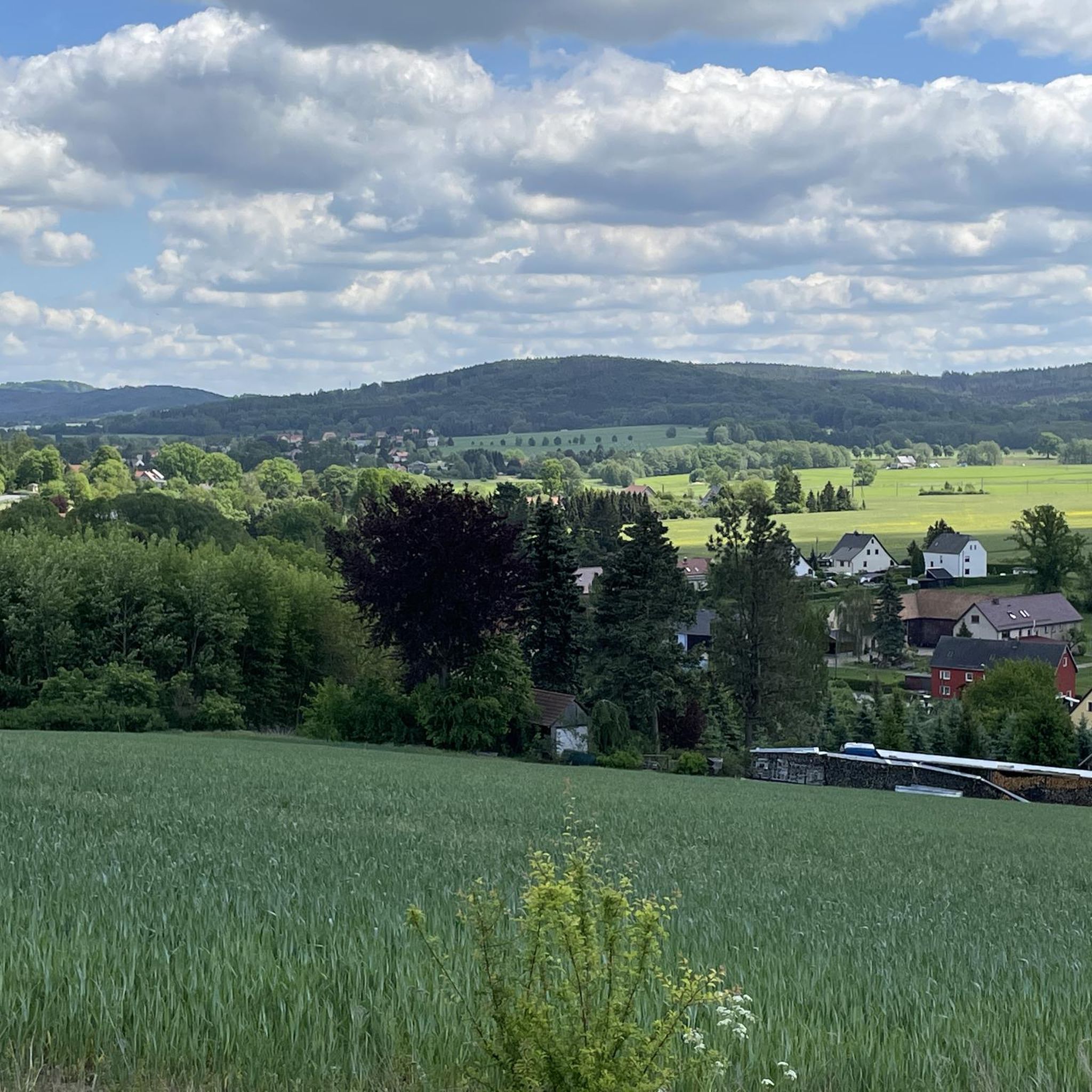
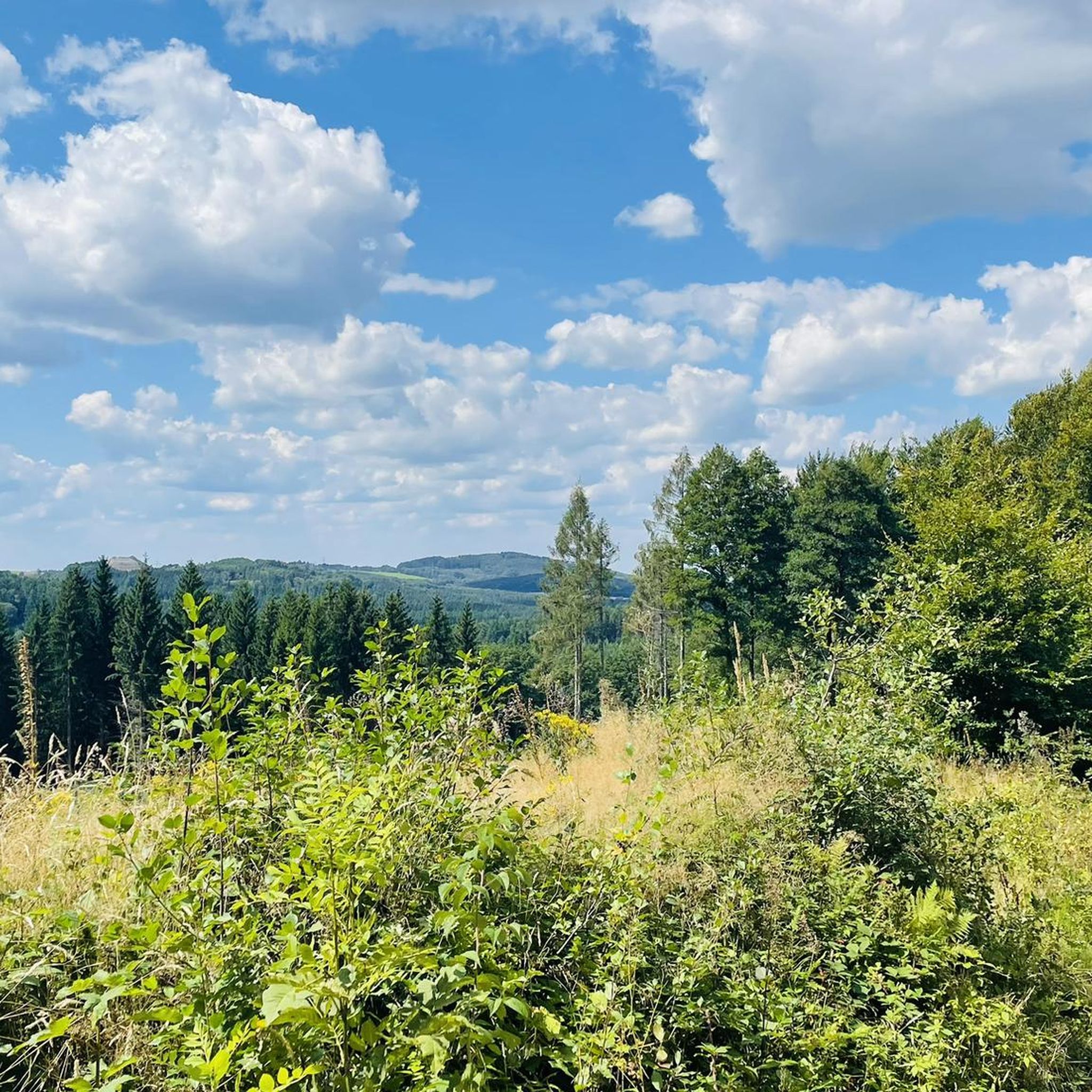
Tips from the Community

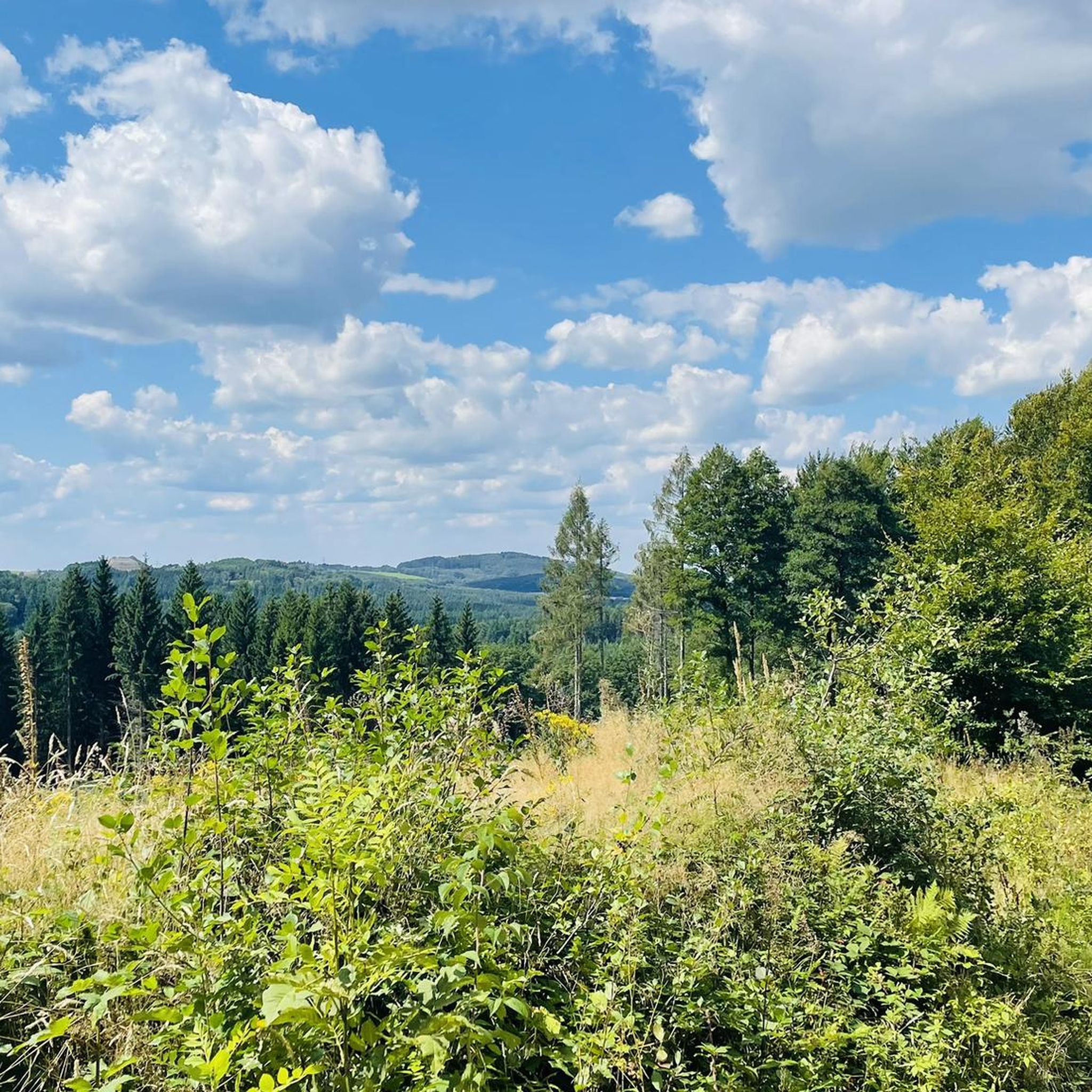
The Hochstein, also called Sibyllenstein (Sibinnen-Stein, Sibillenstein or Sybillen-Stein), Upper Sorbian Žiwiny, is a 449-metre-high mountain in Upper Lusatia in the Saxon district of Bautzen. It is the highest elevation in the Northwest Lusatian Uplands and the highest mountain in Upper Lusatia north of the A4.
4
0

If the trees around weren't so high then there would definitely be a great view :) otherwise a nice place to collect information and to rest
5
1

Possibly the most visited peak in the region, boasting a summit book to immortalise yourself in without climbing a meter!
3
1

The Hochstein, also called Sibyllenstein (Sibinnen-Stein, Sibillenstein or Sybillen-Stein), Upper Sorbian Žiwiny, is a 449 meter high mountain in West Lusatia and also the highest point in the mountains.
2
1

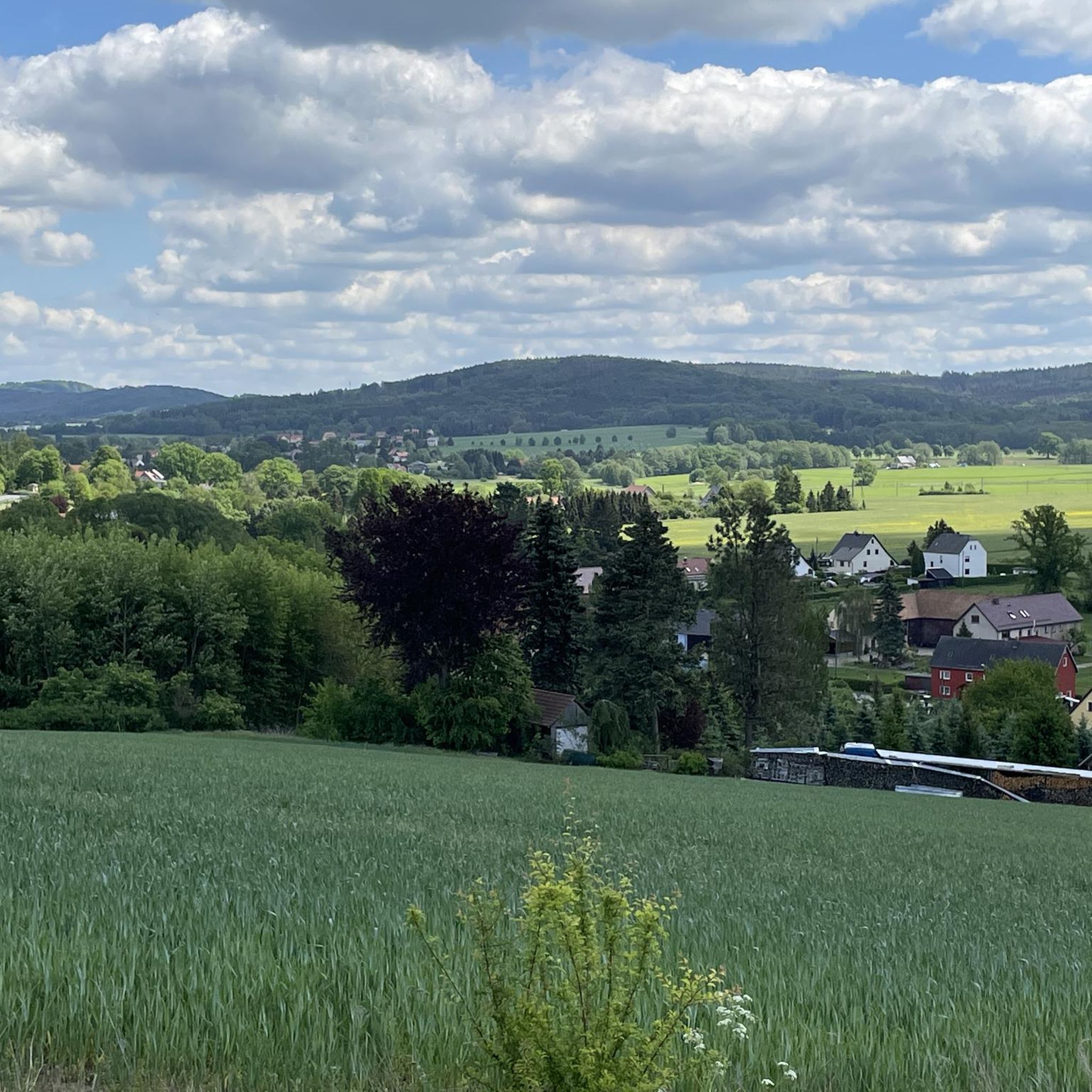
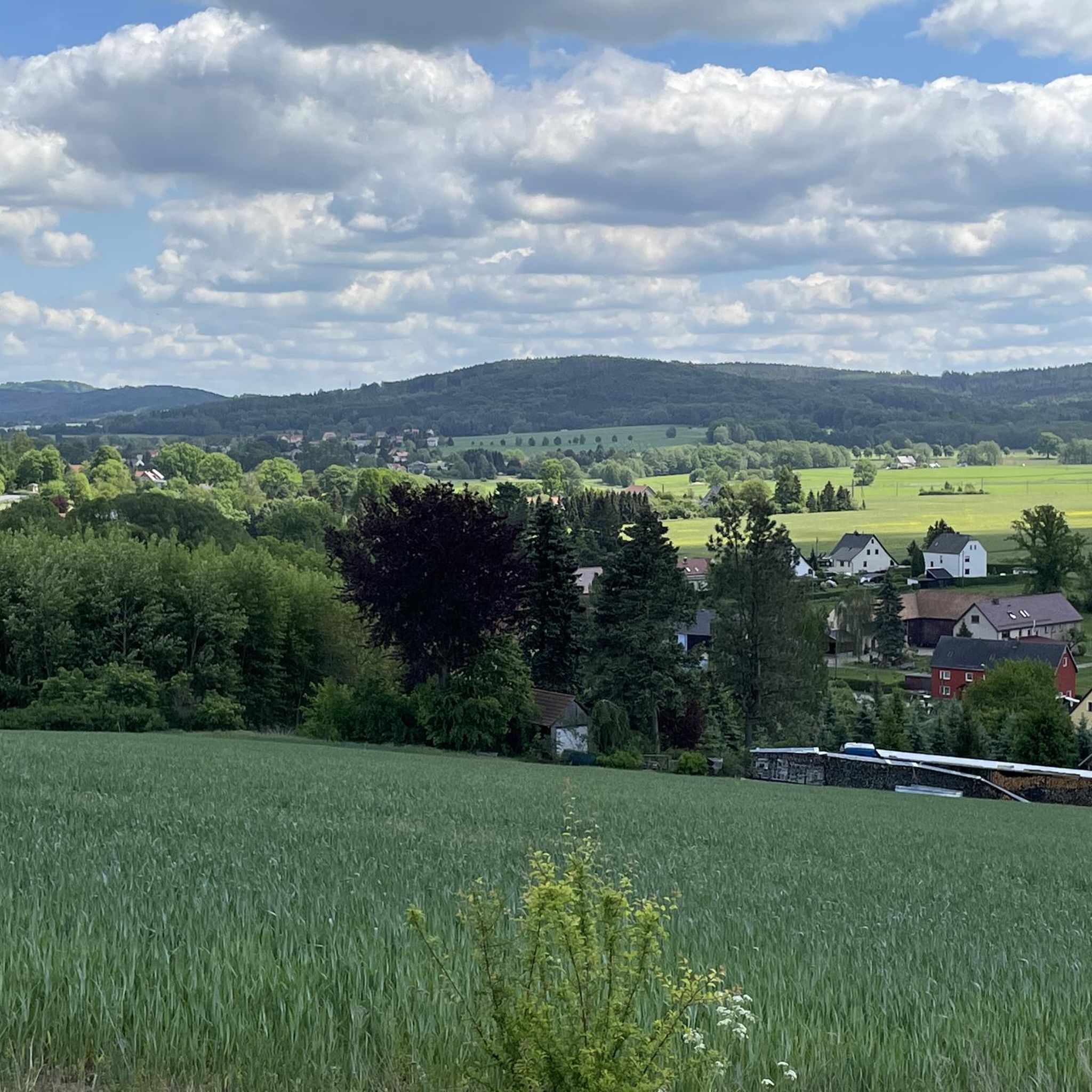
nice place at Spreelauf
1
0

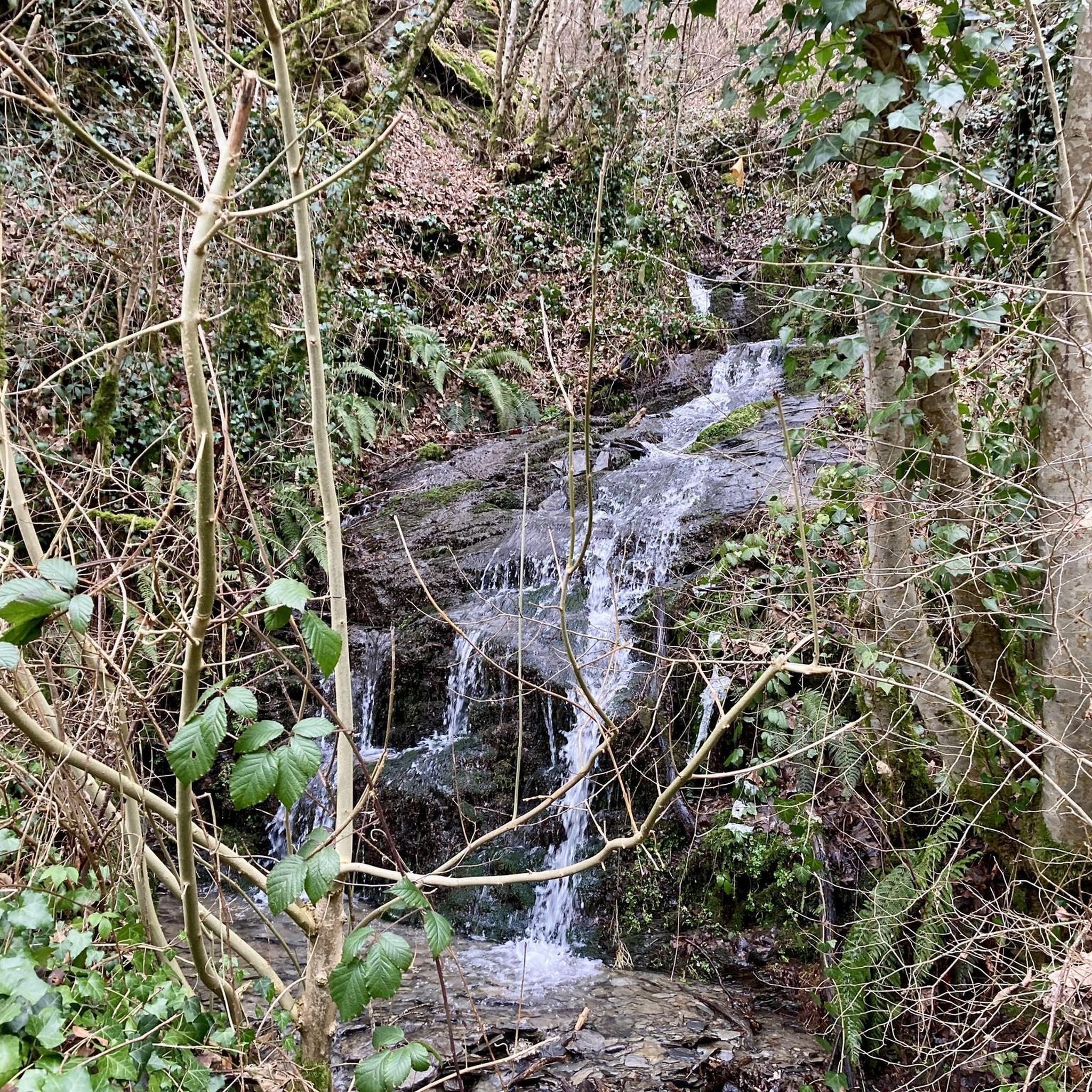
The traditional mining association Hohwald has put something together here: information boards about the tunnel and the history, benches, a rest area, a guest book! Great. The way to get there has to be found first.
2
0

Probably an old drainage tunnel for the mine above.
0
0
Very nice insight into the history of mining at Valtenberg.
2
0
Frequently Asked Questions
What types of "caves" can I explore around Schmölln-Putzkau?
The region around Schmölln-Putzkau primarily features geological formations, unique rock cuts, and historical mining tunnels, rather than extensive natural cave systems. You'll find interesting rock formations, local "robber's caves," and subterranean structures related to mining history.
Are there any prominent natural caves directly within Schmölln-Putzkau?
Based on available information, there are no prominent natural caves directly within Schmölln-Putzkau. The area is known more for its diverse natural landscapes, geological formations like boulder streams, and historical sites.
Which are the most popular cave-like attractions in the area?
Visitors frequently explore Hochstein (Sibyllenstein) – Highest Point of Westlausitz, which is a summit and natural monument with cave-like features. Another popular spot is Grubschützer Robber's Cave and Climbing Rocks, a granite rock cut often referred to as a robber's cave. The Boulder field on Angstberg is also well-regarded for its large stone blocks forming cave-like structures.
Are there any historical underground sites to visit?
Yes, you can visit historical underground sites related to mining. The Mouth of the Historical Drainage Tunnel (Erbstolln) at Valtenberg offers insights into the region's mining history with information boards and a rest area. Another historical site is the Entrance to the Earth Tunnel (Erdhollin), likely an old drainage tunnel for a mine.
Are these cave-like attractions family-friendly?
Yes, some of the sites are considered family-friendly. For instance, Grubschützer Robber's Cave and Climbing Rocks is noted as a small adventure, especially for children. The geological formations and historical sites can be interesting for families to explore together.
What kind of geological formations can I see?
You can observe unique geological formations such as the "Blockstrom" (boulder stream) in the broader Upper Lusatian Highlands. Specifically, the Boulder field on Angstberg is a natural monument where large stone blocks create cave-like structures, and it's associated with local legends.
What do visitors enjoy most about these sites?
Visitors appreciate the unique geological formations and the historical context of the sites. For example, the Hochstein (Sibyllenstein) is valued as a nice place to rest and gather information, while the Mouth of the Historical Drainage Tunnel provides a very nice insight into mining history.
Are there hiking opportunities near these cave-like attractions?
Yes, the region offers numerous hiking opportunities that can include these sites. For example, you can find various hiking routes around Schmölln-Putzkau, such as the moderate "Demitz-Thumitz Quarry Lake – Dreisesselstein loop from Tröbigau" or the easy "Riparian forest at the Wiedwasser – Picnic Area at Mahlteich loop from Putzkau." You can find more options in the Hiking around Schmölln-Putzkau guide.
What other outdoor activities are available in the area?
Beyond exploring the cave-like sites, the Schmölln-Putzkau region is excellent for cycling. You can find a variety of MTB Trails and Road Cycling Routes, with options ranging from moderate to difficult, allowing you to discover the diverse landscapes.
Is there a best time to visit these sites?
The best time to visit these outdoor geological and historical sites is generally during the warmer months, from spring to autumn, when hiking and exploring are most comfortable. However, some sites may be accessible year-round, depending on weather conditions.
Are there any viewpoints or natural landmarks nearby?
Yes, the Hochstein (Sibyllenstein) is the highest elevation in the Northwest Lusatian Uplands and offers views towards Schwedenstein and Keulenberg. The broader Upper Lusatian Highlands also feature various natural landmarks and observation towers.
Can I bring my dog to these locations?
While specific regulations for each site are not detailed, generally, outdoor natural monuments and hiking trails in the region are dog-friendly, provided dogs are kept on a leash and owners clean up after them. It's always advisable to check local signage at each specific location.
Most popular routes around Schmölln-Putzkau
Most popular attractions around Schmölln-Putzkau

Get inspired with the komoot mobile app


Explore more
Extend your search for the best caves by checking out these guides of the top ones around Schmölln-Putzkau:
