Top 9 Castles around Bismark (Altmark)
Castles around Bismark (Altmark) are situated in a region known for its historical significance and diverse landscapes. The Altmark region in Germany features a mix of historic castles and manor houses, providing insight into centuries of regional history. These sites range from ancient ruins to restored estates, often surrounded by extensive parks. The area offers opportunities to explore historical architecture and natural surroundings.
Best castles around Bismark (Altmark)
- The most popular castles is Krumke Castle and Castle Park, a…
Last updated: April 29, 2026
Burg Kalbe Ruins
Highlight • Castle
Translated by Google •
Tip by

Roland Statue at Stendal Town Hall
Highlight • Monument
Translated by Google •
Tip by

Sign up now to discover places like this
Get recommendations on the best single tracks, peaks, & plenty of other exciting outdoor places.
Sign up for free
Krumke Castle and Castle Park
Highlight • Castle
Translated by Google •
Tip by

Isenschnibbe Castle
Highlight • Castle
Translated by Google •
Tip by

Döbbelin Castle
Highlight • Castle
Translated by Google •
Tip by

Sign up for free to discover even more castles around Bismark (Altmark).
Sign up for free
Already have an account?
Start today with a free account
Your next adventure awaits.
Login or Signup

Tips from the Community

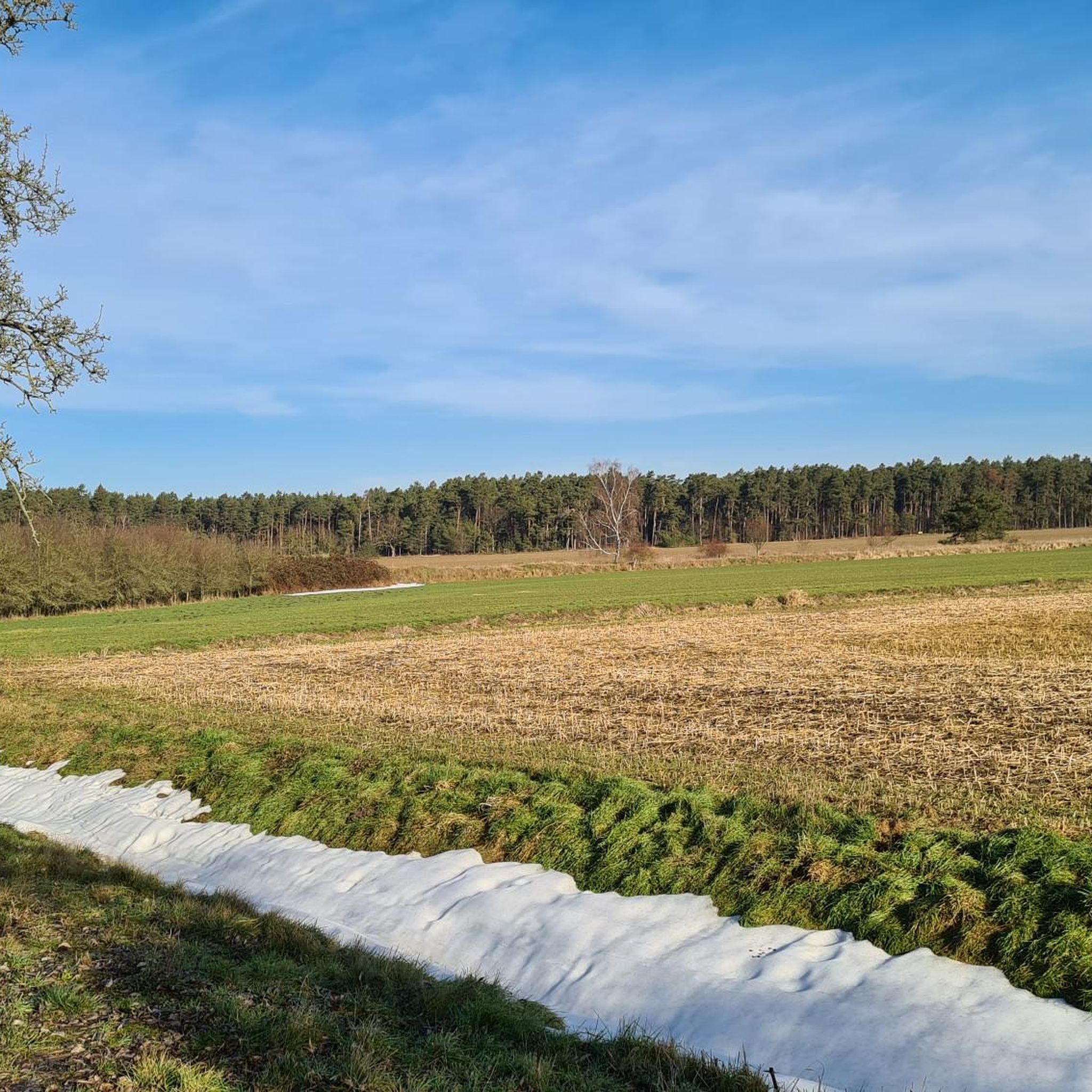
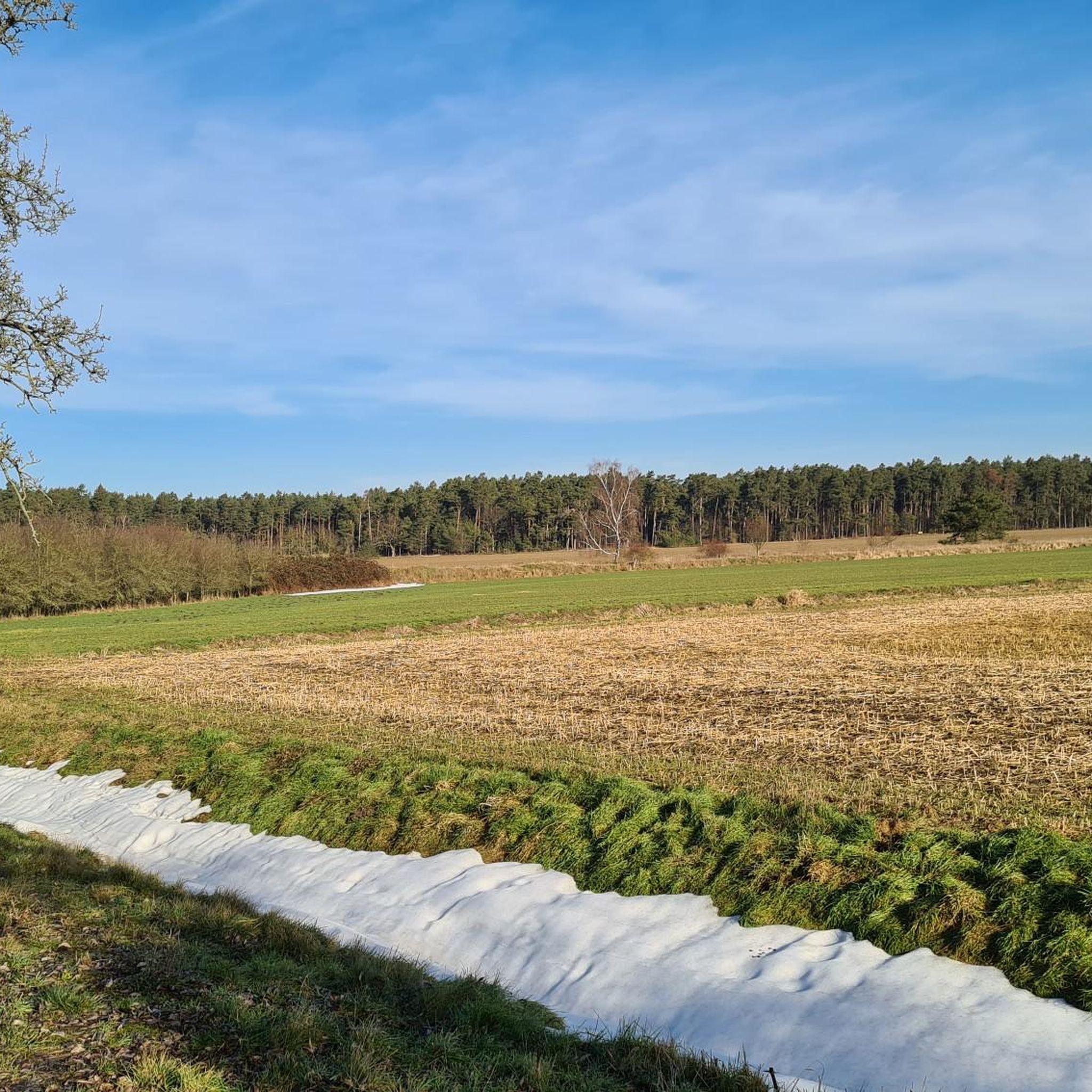
The moated castle was built in the 10th century as a Saxon border fortress against the Wends, presumably on the site of a Slavic hillfort in the Milde marshland. A nunnery founded under its protection, which the Obotrites destroyed in 983, existed here until 1121. The castle belonged to the four Altmark burgwarden (fortified districts), which administered the sovereign's judicial and military districts, along with Tangermünde Castle, Osterburg Castle, and Arneburg Castle. These protected the Frankish-colonized territory and the missionary monasteries between the Elbe and Milde rivers. Source: Wikipedia
3
1


Kalbe Castle is a historic moated castle first documented in 1196, but its origins likely date back to the 9th or 10th century. In 1324, it came into the possession of the von Alvensleben family, who expanded the complex into the largest castle in the Altmark region. After a devastating fire in 1584, the castle was rebuilt one last time. During the Thirty Years' War, the castle was demolished in August 1632 by the residents of Kalbe and the surrounding villages on the orders of the Elector of Brandenburg. Today, only ruins remain of the once imposing complex, which is considered a prominent landmark of the town. The "Altes Wachhaus" castle and local history museum is located on the former castle grounds. It is housed in the town's oldest surviving building, dating from 1584, and offers insight into regional history.
3
0
Isenschnibbe Castle, located on the northeastern edge of Gardelegen, looks back on a turbulent history. Originally founded in the 10th century as a state castle, it was owned by the von Alvensleben family from 1378 to 1857. In 1905, the Bloch von Blottnitz family acquired the property; among other things, they donated a town hall door in Gardelegen, which can still be seen today. In 1939, the castle passed into the possession of the Prince of Lippe, who never personally visited it. After the Second World War, the castle changed hands several times and gradually fell into disrepair. The castle is currently privately owned, and little progress has been made in its renovation.
5
0

The Krumke Castle Park is one of Saxony-Anhalt's "Garden Dream Parks". The park is freely accessible and can be visited free of charge. The park is home to a rarity: it is said to have the oldest boxwood hedge in Europe. In addition to the castle, there is also an orangery, a coach house, a special garden, a stone cabinet and a carp pond. A very beautiful and well-kept park. All information about the castle park can be found here: http://gartentraeume-sachsen-anhalt.de/de/gartentraeume-parks/schlosspark-krumke.html
8
0
Krumke Castle is privately owned and not accessible. It is beautiful to look at from the outside, but it seems to be falling into disrepair. The castle park, which is part of the "Garden Dreams Parks", is open to the public and can be visited.
7
0
Frequently Asked Questions
What are some notable historic castles and manor houses in the Bismark (Altmark) region?
The Bismark (Altmark) region is rich in historical sites. You can explore Krumke Castle and Castle Park, known for its extensive gardens, or the ancient Burg Kalbe Ruins, a former water castle over 1,000 years old. Other significant sites include the baroque Döbbelin Castle, the ancestral seat of the von Bismarck family, and Schloss Schönfeld, an impressive historicist building with Renaissance and Baroque influences. Isenschnibbe Castle also offers a glimpse into the region's long history.
Are there any castles with extensive parks or natural surroundings?
Yes, several castles in the region are known for their beautiful parks. Krumke Castle and Castle Park is a highlight, recognized as one of Saxony-Anhalt's "Garden Dream Parks" and home to what is reportedly Europe's oldest boxwood hedge. Schloss Schönfeld is surrounded by an 87,625 m² English landscape park with ancient trees and a gut pond. Döbbelin Castle also features an extensive historic park.
Which castles offer a glimpse into the region's ancient history?
For ancient history, Burg Kalbe Ruins is a must-visit. This former water castle dates back to the 10th century, offering a mystical atmosphere amidst its over 1,000-year-old stones. It was originally a Saxon border fortress. Isenschnibbe Castle also has origins as a state castle from the 10th century, providing a deep dive into the region's past fortifications.
Can I visit the castles with my family?
Many of the castle parks and grounds are suitable for family visits. Krumke Castle and Castle Park is freely accessible and offers plenty of space for children to explore. The historical context of sites like Burg Kalbe Ruins can also be engaging for older children interested in history. Always check specific opening times and accessibility for interiors if planning to go inside.
What kind of architecture can I expect to see among the castles?
The castles around Bismark (Altmark) showcase a range of architectural styles. Schloss Schönfeld is a historicist plastered building influenced by Renaissance and Baroque designs. Döbbelin Castle is a unique example of Altmark baroque architecture, characterized by its elongated, single-story rendered structure and hipped mansard roof. Burg Kalbe Ruins, on the other hand, represents medieval fortification architecture, even in its ruined state.
Are there opportunities for outdoor activities like hiking or cycling near the castles?
Yes, the Altmark region offers various outdoor activities. You can find numerous routes for hiking and cycling. For instance, there are easy hikes around Bismark (Altmark), including trails near Kalbe (Milde). Cyclists can explore road cycling routes that pass by historical sites like Burg Kalbe Ruins and Döbbelin Castle. Many castle parks, like Krumke, are also ideal for leisurely walks.
Is it possible to visit Döbbelin Castle?
Döbbelin Castle is the ancestral seat of the von Bismarck family and is privately owned. While the castle itself is used privately, it is a cultural hub that hosts the annual "Altmark Festival." Guided tours of its historic park and grounds are often available, allowing visitors to learn about the von Bismarck family's history. It also features a year-round "Christmas world" and a café, typically open daily from 1 PM, though it's advisable to check current opening hours.
What makes Krumke Castle Park special?
Krumke Castle Park is renowned as one of Saxony-Anhalt's "Garden Dream Parks." It's freely accessible and notable for reportedly housing the oldest boxwood hedge in Europe, estimated to be 400 years old. Beyond this botanical rarity, the park features an orangery, a coach house, a special garden, a stone cabinet, and a carp pond, creating a beautifully maintained landscape for visitors to enjoy.
What is the history behind Burg Kalbe Ruins?
Burg Kalbe Ruins is a former water castle with a history spanning over 1,000 years, first documented in 1196 but likely originating in the 9th or 10th century. It served as a Saxon border fortress and later became the largest castle in the Altmark region under the von Alvensleben family. After a devastating fire and subsequent demolition during the Thirty Years' War, it now stands as a prominent ruin. The "Altes Wachhaus" castle and local history museum on the grounds offers further insight into its past.
Are there any castles that are privately owned and not fully accessible?
Yes, some castles in the region are privately owned. Döbbelin Castle is privately owned by the von Bismarck family, though its park and grounds are often accessible for tours and events. Schloss Schönfeld is also privately owned and serves as an event location. Isenschnibbe Castle is privately owned and has seen limited renovation progress, making its interior generally inaccessible, though its historical significance remains.
What is the best time of year to visit the castles around Bismark (Altmark)?
The best time to visit the castles and their parks around Bismark (Altmark) is generally during the warmer months, from spring to early autumn (April to October). During this period, the weather is pleasant for exploring the outdoor grounds and parks, such as Krumke Castle Park, and for enjoying outdoor activities like hiking and cycling. Many cultural events, like the Altmark Festival at Döbbelin Castle, also take place during this time.
Can I bring my dog to the castle grounds or parks?
While specific rules vary by location, many outdoor castle parks in Germany are dog-friendly, provided dogs are kept on a leash. For example, Krumke Castle Park is generally accessible for walks. However, it's always best to check the specific regulations for each castle or park before your visit, especially for interior access or sensitive garden areas.
How long should I plan for a visit to the castles in the Altmark region?
The duration of your visit depends on the castle and your interests. For sites like Burg Kalbe Ruins, a visit might take 1-2 hours to explore the ruins and museum. For castles with extensive parks like Krumke Castle and Castle Park or Schloss Schönfeld, you could easily spend 2-3 hours enjoying the gardens. If you plan to visit multiple castles or combine your trip with hiking or cycling, a full day or even a weekend would be ideal to fully experience the region's offerings.
Most popular routes around Bismark (Altmark)
Most popular attractions around Bismark (Altmark)

Get inspired with the komoot mobile app


Explore more
Looking for the best castles somewhere else? Discover other guides around Bismark (Altmark):
