Top 18 Caves around Saalfeld/Saale
Caves around Saalfeld/Saale are characterized by a diverse geological landscape, featuring both natural formations and former mining sites. The region is home to the Saalfeld Fairy Grottoes, recognized for their colorful mineral formations and historical significance as a former alum shale mine. These underground attractions offer insights into geological processes and industrial heritage. Saalfeld/Saale provides opportunities to explore unique subterranean environments.
Best caves around Saalfeld/Saale
- The most popular caves is Saalfeld Fairy Grottoes, a cave known for its colored…
Last updated: June 27, 2026
Saalfeld Fairy Grottoes
Highlight • Cave
Translated by Google •
Tip by

Fourteen Pillars Cave
Highlight • Cave
Translated by Google •
Tip by

Sign up now to discover places like this
Get recommendations on the best single tracks, peaks, & plenty of other exciting outdoor places.
Sign up for free
Devil's Bridge on the Gleitsch
Highlight • Natural Monument
Translated by Google •
Tip by

Trailwerk Underground Kamsdorf
Highlight • Cave
trailwerk.bike/unterwelten-mtb
Translated by Google •
Tip by

Rentschenbruch Slate Quarry
Highlight • Cave
Translated by Google •
Tip by

Sign up for free to discover even more caves around Saalfeld/Saale.
Sign up for free
Already have an account?
Start today with a free account
Your next adventure awaits.
Login or Signup
Popular around Saalfeld/Saale
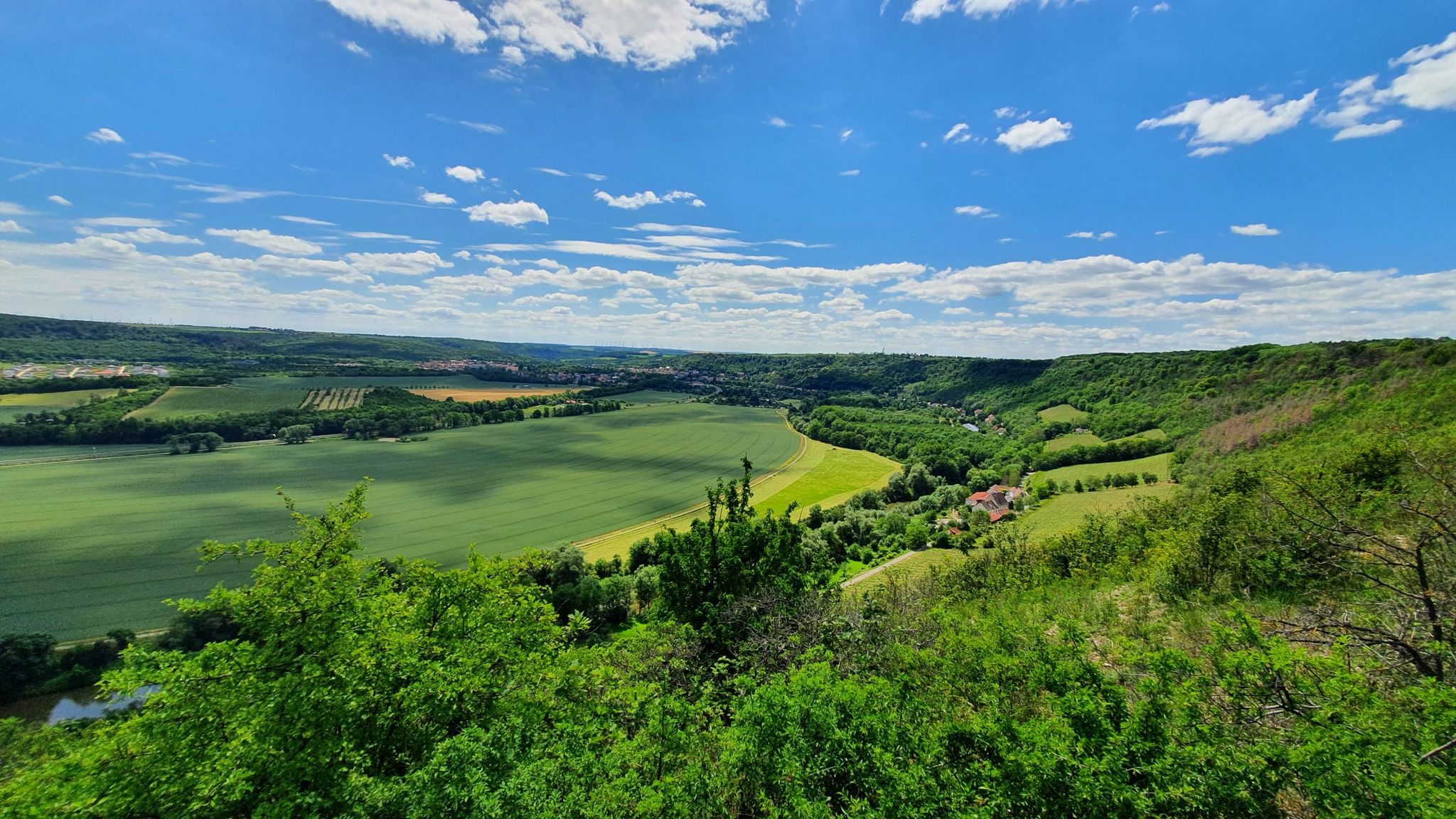
Feengrotten Kyffhäuserweg – Hike Germany's trail
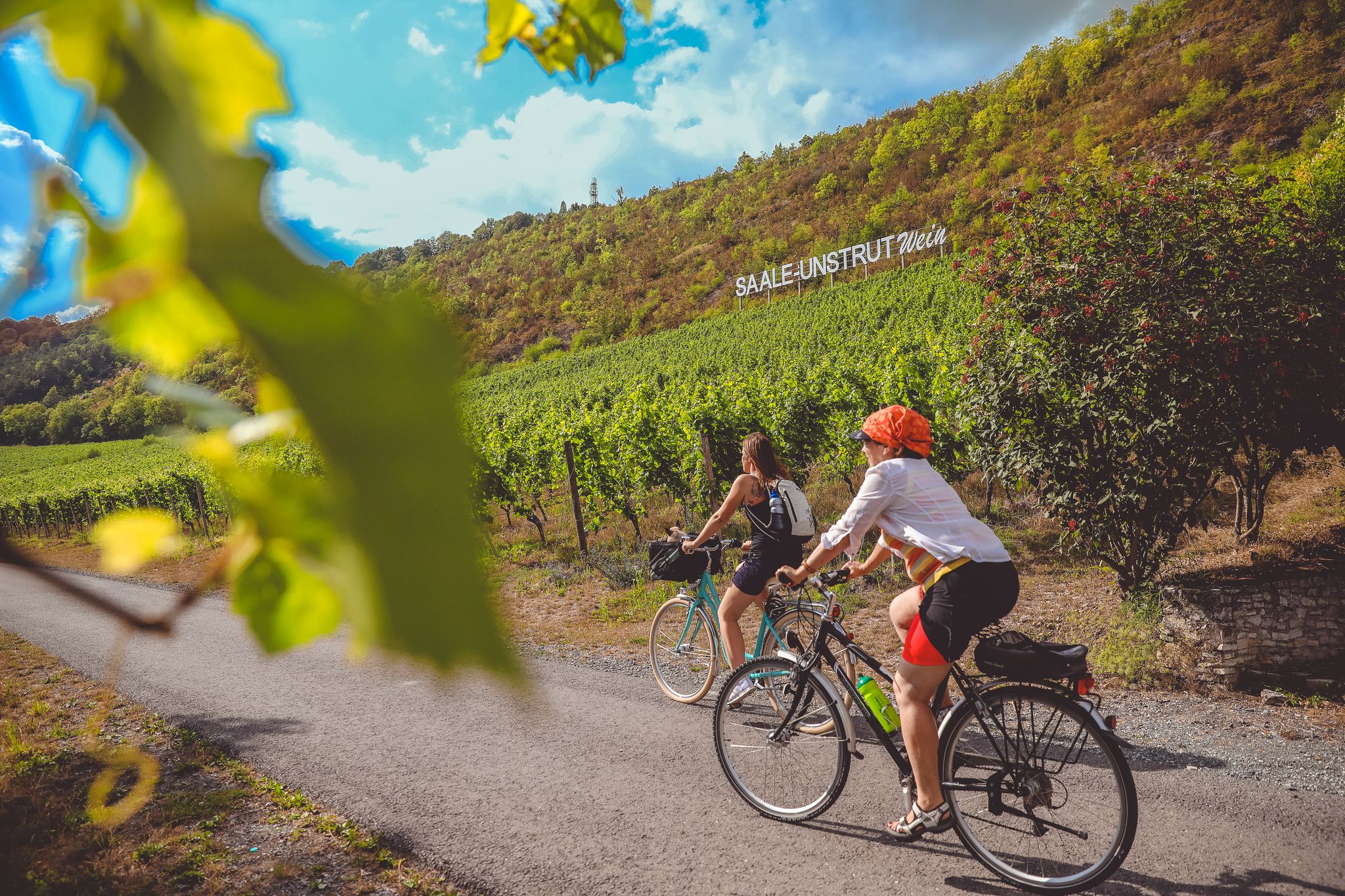
Saale Cycle Path part 2 – culture and nature along the river
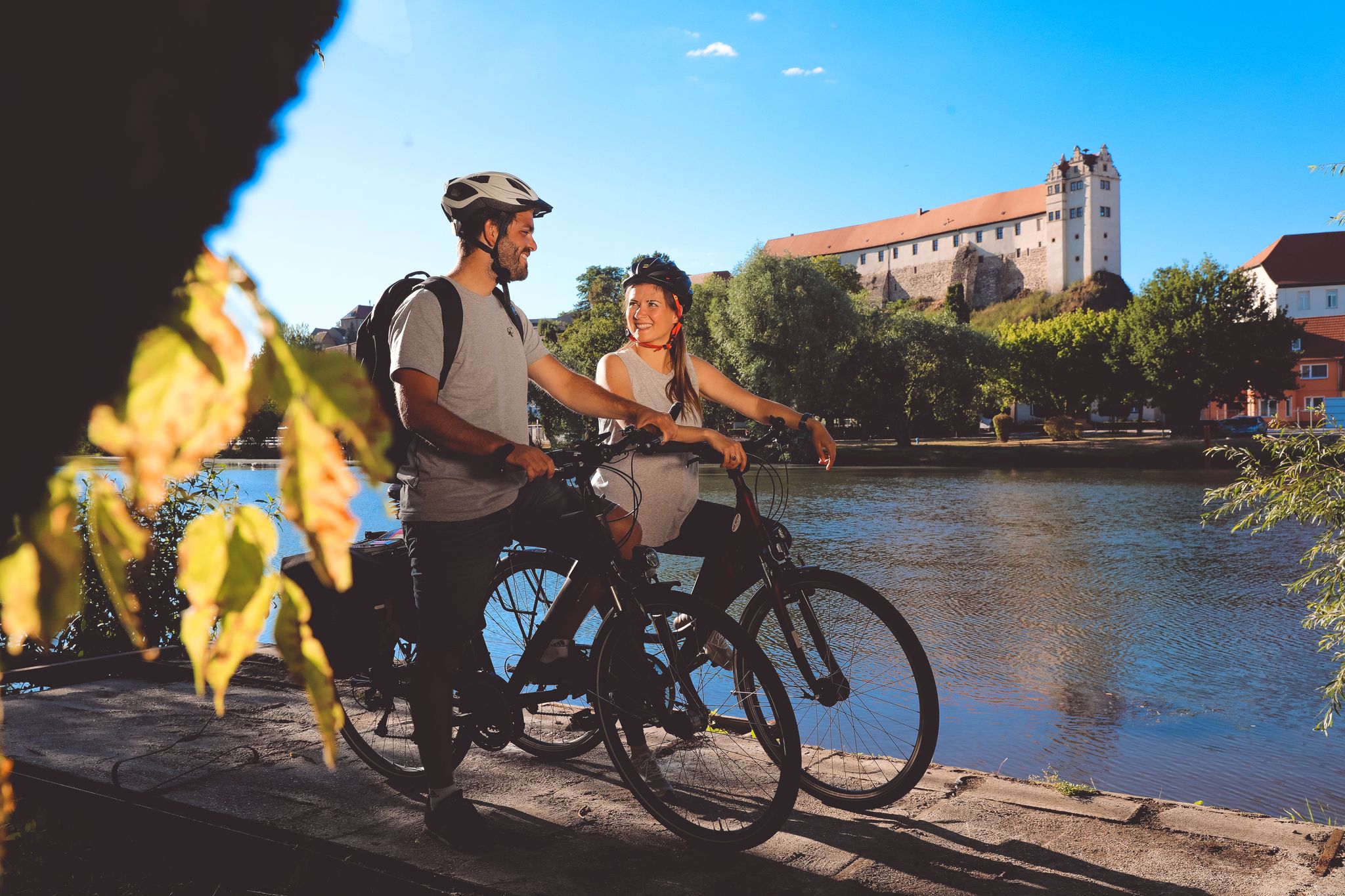
Saale Cycle Path — 9 stages from the source of the Saale to the Elbe
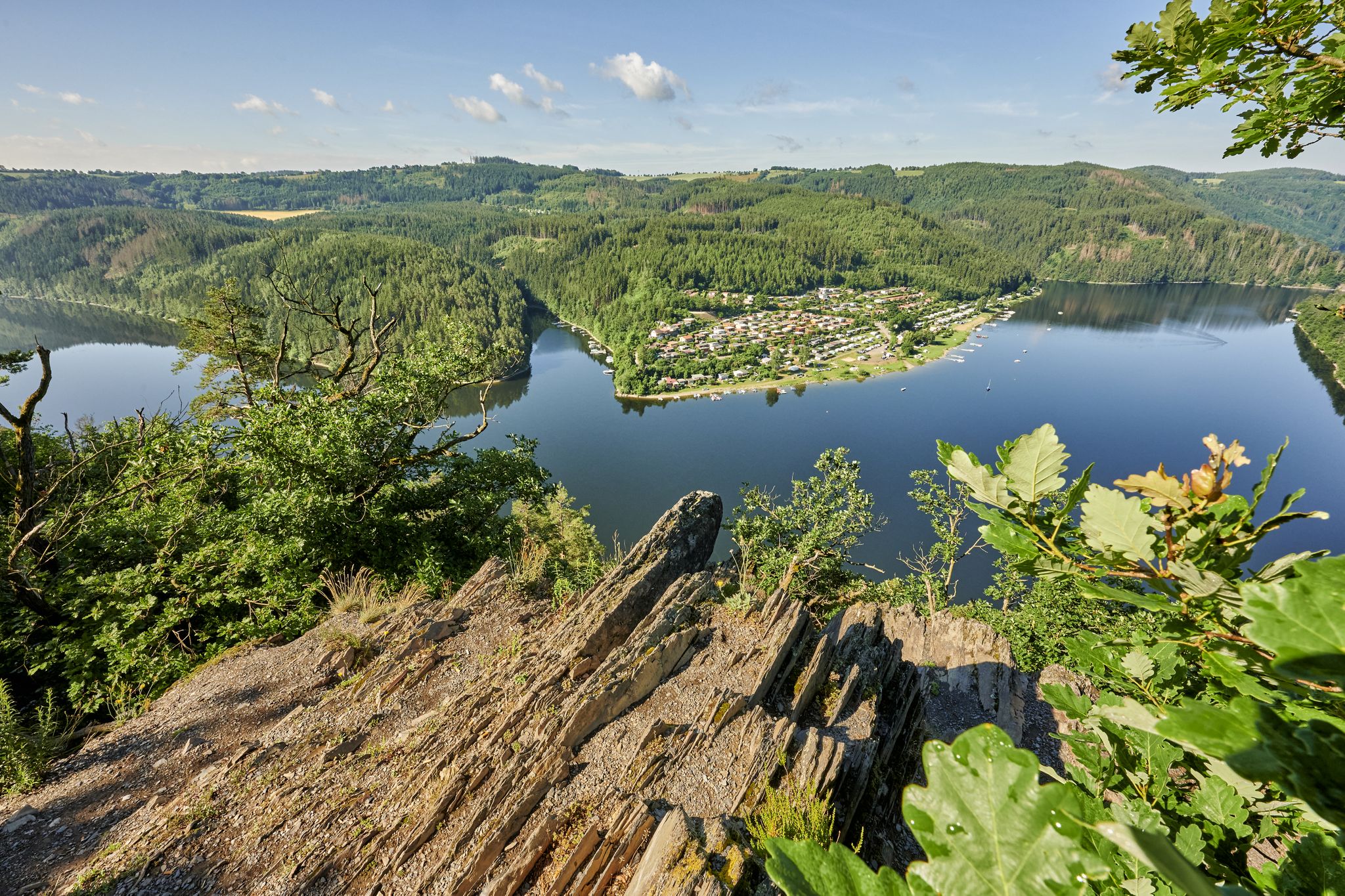
Pedalling with a view of castles – the Saale Cycle Route in Thuringia
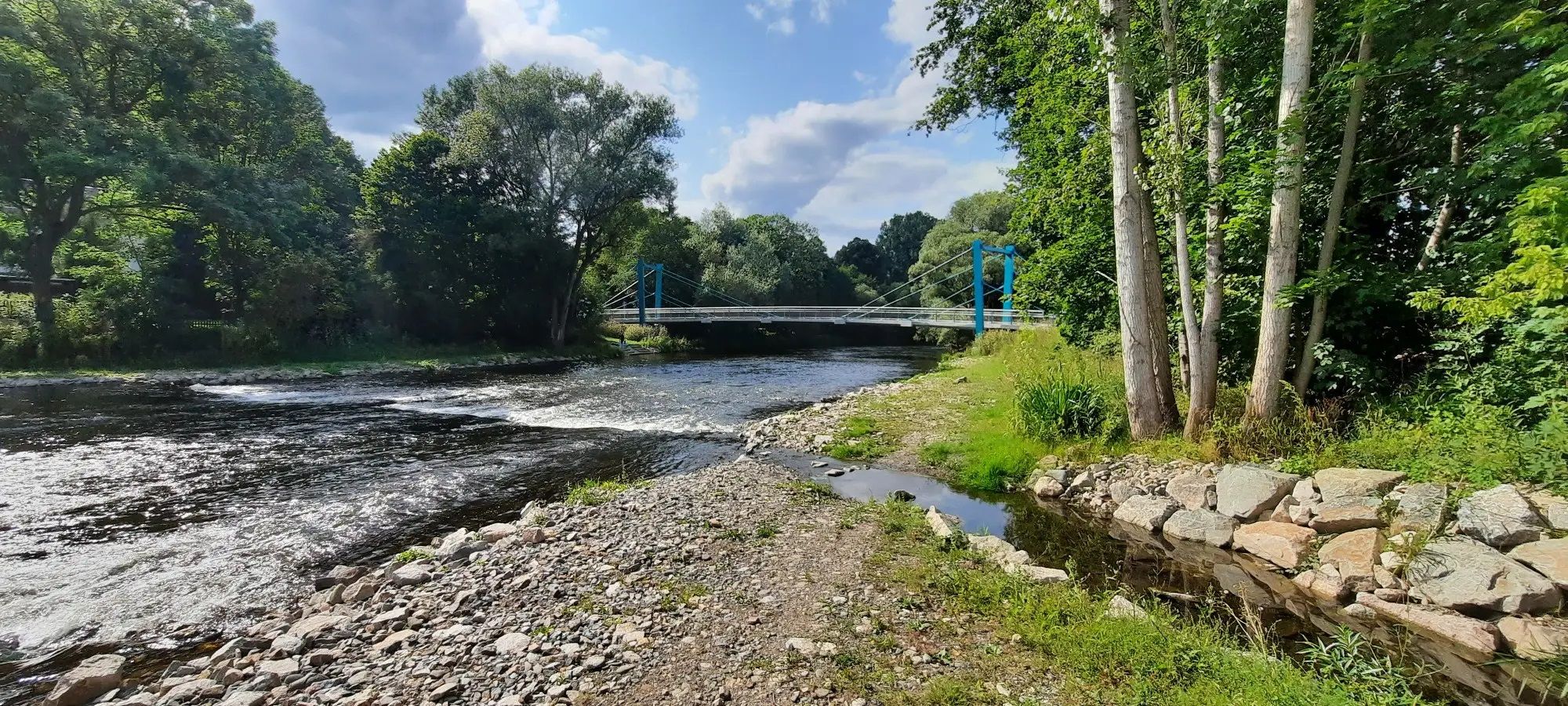
D-Route 11 – Baltic Sea - Upper Bavaria
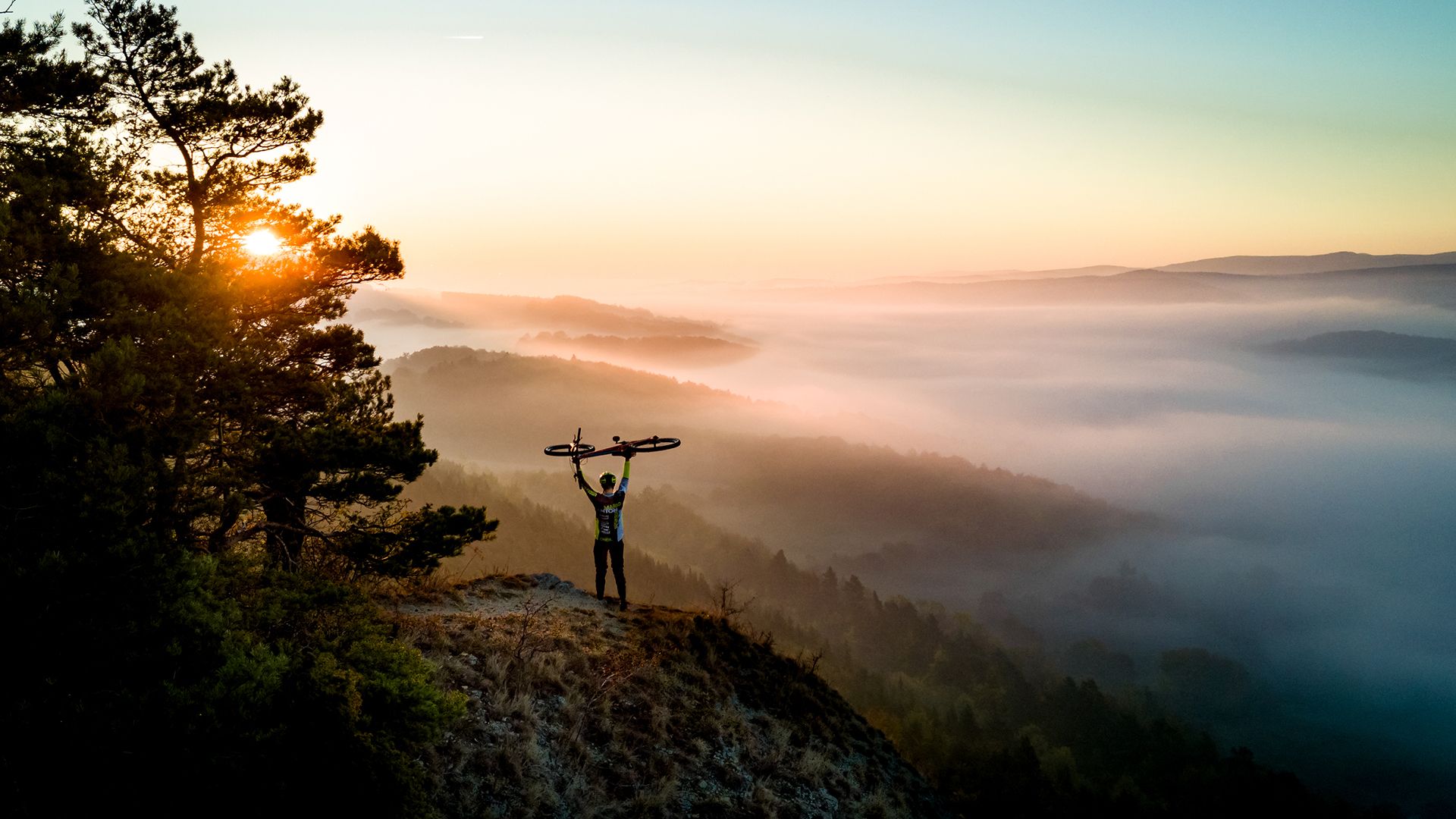
Fast-paced trails and steep summits – outdoors in Thuringia
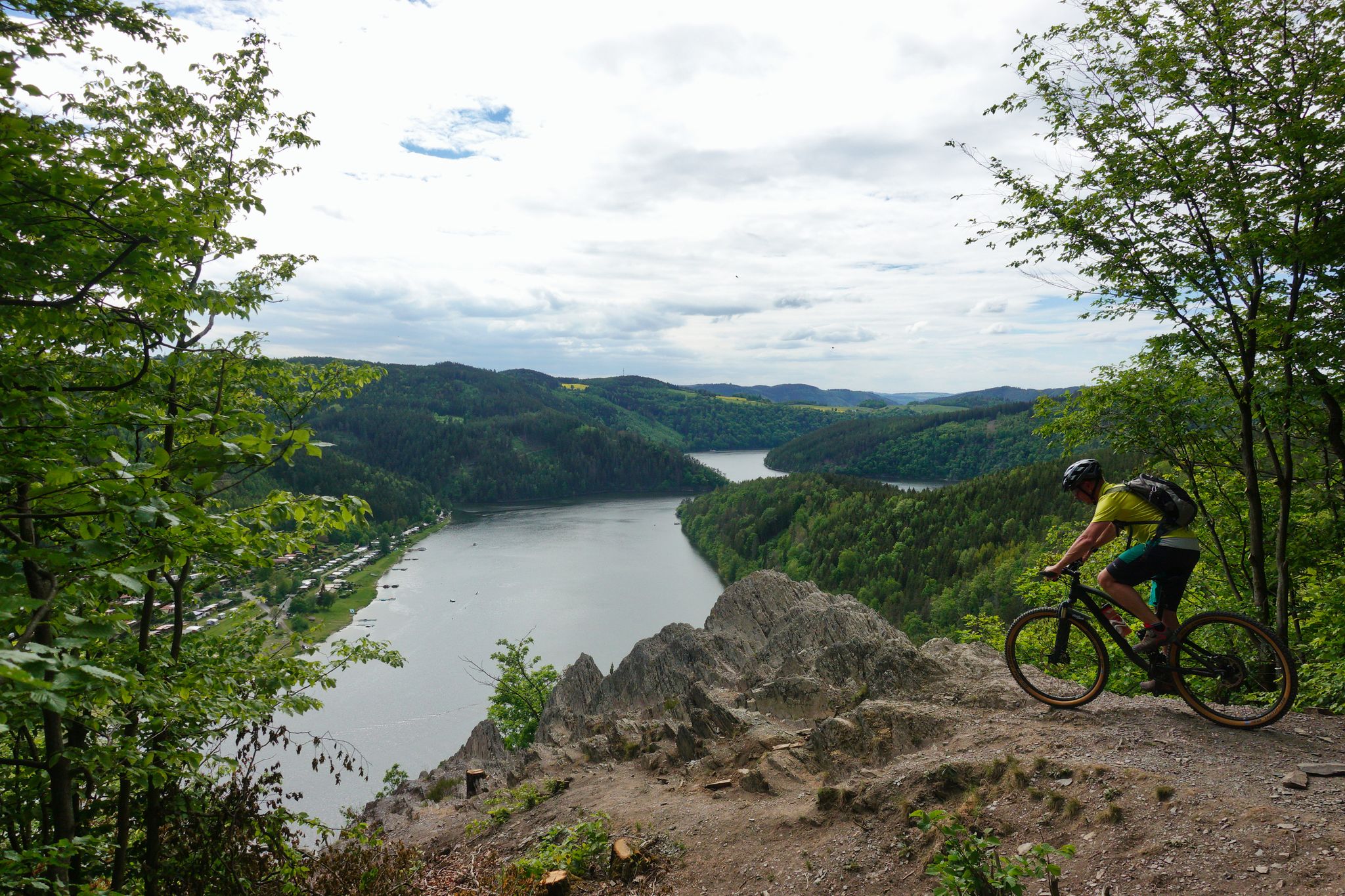
Fantastic panoramas and fast trails – Feen-Bike-Paradies Saalfeld MTB centre
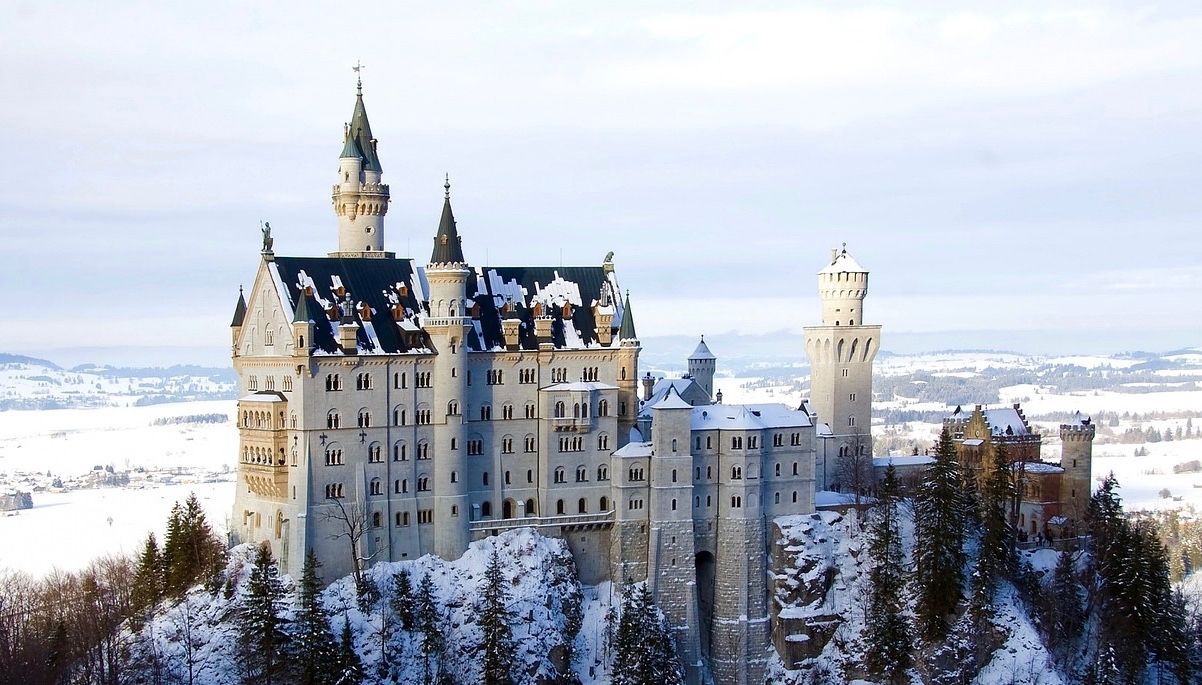
Like a fairytale – Germany during Advent
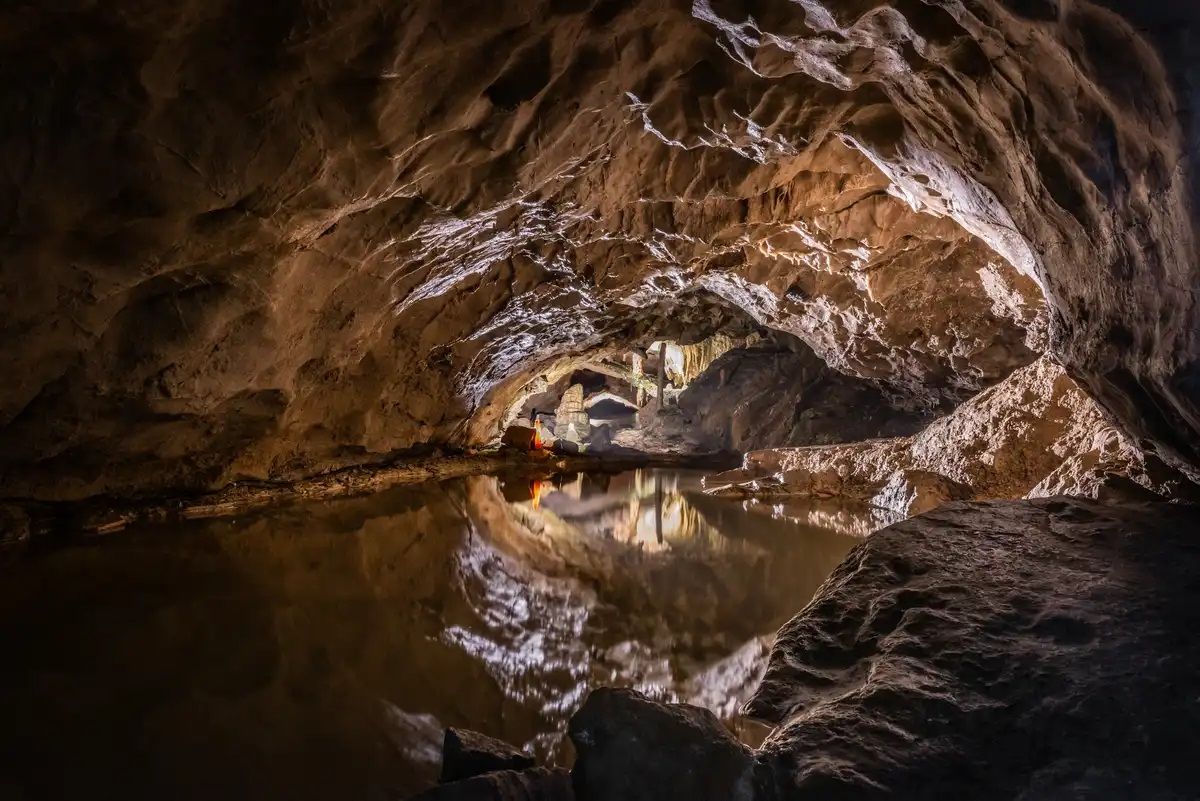
Stalactite caves – magical worlds beneath the surface
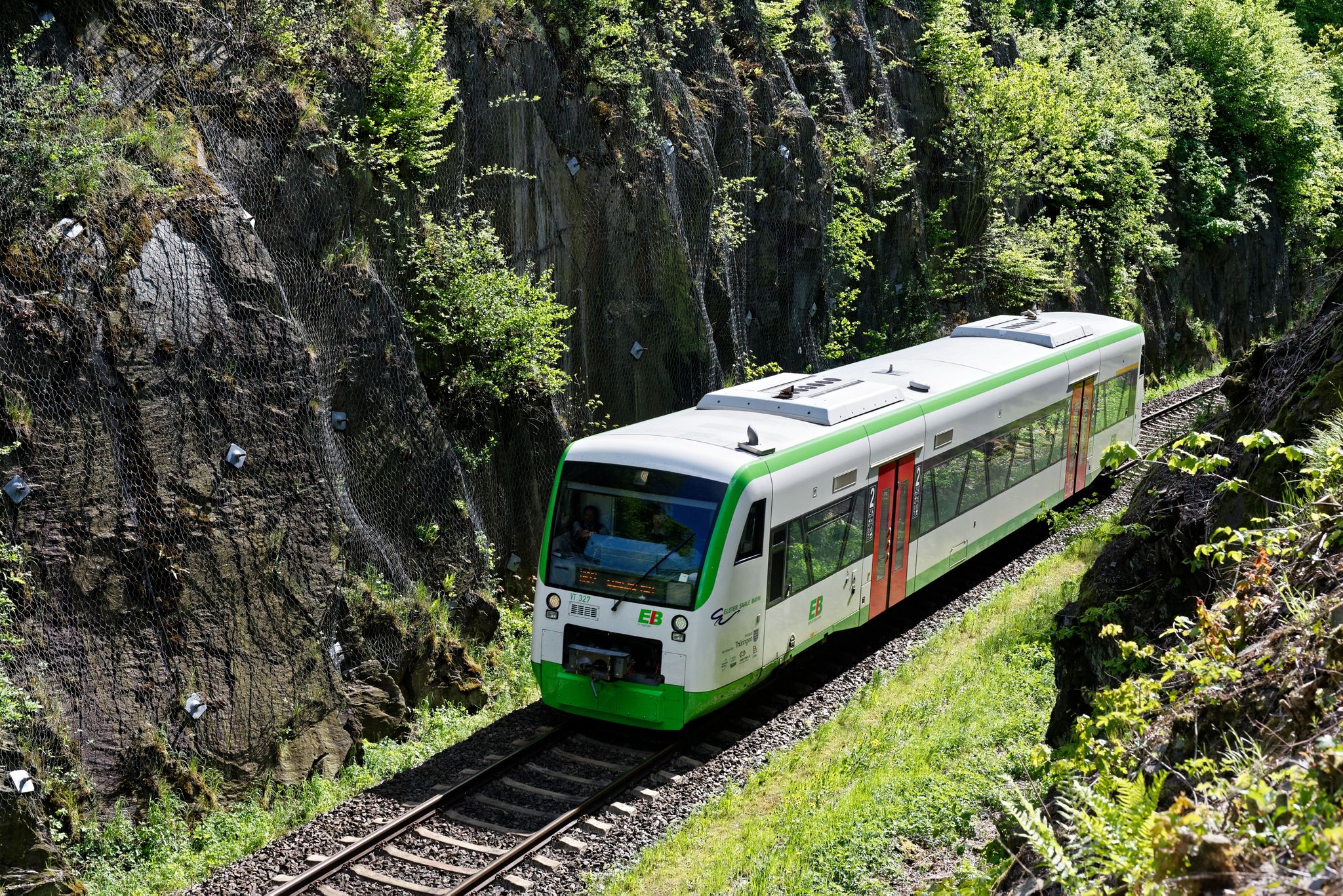
Nächster Halt: Natur – Wandern mit der Erfurter Bahn
Other adventures around Saalfeld/Saale


Tips from the Community

After the German armaments factories in Peenemünde on Usedom were severely damaged by the British Operation Hydra, the Nazi government decided to relocate war-critical factories underground. The factories found space primarily in old mines, railway tunnels, or newly constructed galleries. The Rentschen quarry, which had been used for slate mining and closed in 1925, was also designated for the "underground relocation." It was codenamed "Rutte." The Chemnitz-based company Reinecker was supposed to produce armaments on a 3,000-square-meter site. But this never happened. Reinecker found a home in another nearby slate mine. In total, around two dozen underground relocations were occupied or at least planned around Probstzella.
18
0

In the Rentschenbruch near Probstzella, the underground relocation for armaments production was approved under object number 1074, codenamed "Rutte." The Rentschenbruch underground mine had been idle since 1925. A production area of 3,000 square meters was planned for the expansion into an underground armaments factory. A fish name was chosen as the codename, fitting for a mine. The "Rutte" is a critically endangered bony fish from the burbot family and is also called "Trusche" in southern Germany. The Rutte only occurs in freshwater; other names include "Ruppe" or "Aalrutte." But that's just a side note. Originally, the Reinecker company from Chemnitz was supposed to move into the Rentschenbruch slate mine near Probstzella. However, this never happened, so Reinecker was ultimately housed in a bomb-proof slate mine (codenamed Rotfeder) nearby. At times, the Rentschenbruch was also closed for storage purposes by the Wehrmacht. The Geilenberg staff was also interested in the underground cavities of this slate mine. Source: http://www.stollenhausen.de/u-verlagerung-rutte/mobile/
2
0

Also interesting outside opening hours
1
0

The cave is a chamber structure and houses 14 free-standing columns and 8 partially carved support columns and is about 160 square meters in size. In winter, bats, butterflies and moths hibernate in this cave.
3
0

Nice little cave, but you shouldn't be afraid of 🕷🕸 😬.
31
1

A really interesting cave. You have to walk a little bent over at the entrance, but you can stand up again in the cave. If you like caves, you should visit the Rothentaler Felsenhöhlen near Kahla. They are a little smaller, but still very worth seeing.
28
1

Here you can learn a lot about the mining area; a visit underground ⚒ on foot or by train is worthwhile.
1
0

You have to do it! Clearly recommended!
1
0
Frequently Asked Questions
What makes the Saalfeld Fairy Grottoes unique?
The Saalfeld Fairy Grottoes are renowned for holding the Guinness World Record as the "most colourful show caves in the world." Their vibrant mineral formations, displaying an array of colors like beige, red, brown, and grey, were formed from water dripping through a former alum shale mine. The site also features the Grottoneum adventure museum and the outdoor Fairy World for children.
Are there family-friendly cave attractions in Saalfeld/Saale?
Yes, the Saalfeld Fairy Grottoes are very family-friendly. They offer engaging guided tours suitable for all ages, including special children's tours. Above ground, the "Fairy World" (Feenweltchen) provides an outdoor play and adventure area with a playground and fairy-themed decor. The Trailwerk Underground Kamsdorf also offers family-friendly experiences.
What kind of historical insights can I gain from visiting the caves?
Many caves in the region have a rich history. The Saalfeld Fairy Grottoes were originally an alum shale mine from the 16th to 19th centuries, and the Grottoneum museum delves into this mining heritage. The Fourteen Pillars Cave is a result of past sand mining, and the Devil's Bridge on the Gleitsch has historical significance with bones of prehistoric men found there. The Trailwerk Underground Kamsdorf and Rentschenbruch Slate Quarry also offer insights into the region's mining past.
What are some unique geological formations to see?
The Saalfeld Fairy Grottoes are famous for their vibrant, colorful mineral formations (speleothems). The Fourteen Pillars Cave is notable for its pillars formed in colored sandstone, which served as ceiling supports during sand mining. The Devil's Bridge on the Gleitsch is an impressive natural rock formation with cave elements.
Are there any caves that offer a different kind of underground experience, beyond traditional tours?
Yes, the Trailwerk Underground Kamsdorf offers a unique experience, particularly for mountain biking enthusiasts, allowing you to explore underground trails. Additionally, the Saalfeld Fairy Grottoes are also utilized as a healing gallery for speleotherapy, offering a therapeutic environment for respiratory conditions.
What outdoor activities can I do near the caves in Saalfeld/Saale?
The region around Saalfeld/Saale offers various outdoor activities. You can find numerous mountain biking trails, such as those in the MTB Trails around Saalfeld/Saale guide, including routes near the "Wilder Hunt" entrance to the Feentrail. There are also running trails, like the "Wooden Shelter – Saalfeld Fairy Grottoes loop" in the Running Trails around Saalfeld/Saale guide, and cycling routes along the Saale River, detailed in the Cycling around Saalfeld/Saale guide.
What is the best season to visit the caves in Saalfeld/Saale?
Caves generally maintain a consistent cool temperature year-round, making them a good destination in any season. The Saalfeld Fairy Grottoes, for instance, offer a pleasant visit regardless of the weather outside. Visiting in colder months can be a unique experience, as the underground environment provides a warm contrast to the outside temperatures.
Are there any less crowded cave options if I want to avoid large groups?
While the Saalfeld Fairy Grottoes are popular, smaller sites like the Fourteen Pillars Cave or the Devil's Bridge on the Gleitsch might offer a more secluded experience. These natural formations are often part of hiking routes, allowing for a quieter exploration. The Rentschenbruch Slate Quarry is also a less frequented historical site.
What should I bring for a cave visit in Saalfeld/Saale?
For most cave visits, it's advisable to bring a light jacket or sweater, as underground temperatures are consistently cool, even in summer. Comfortable walking shoes with good grip are also recommended, as paths can sometimes be uneven or damp. If you plan to explore less developed caves, a headlamp or flashlight can be useful.
Are there any caves or natural monuments with viewpoints in the region?
Yes, the Devil's Bridge on the Gleitsch is a natural monument that offers impressive rock formations and, from its cliff, a wide view of the valley. While the viewpoint itself might be overgrown, the site provides a great photo opportunity and a chance to appreciate nature's grandeur from above.
Can I find places to eat near the Saalfeld Fairy Grottoes?
Yes, the area around the Saalfeld Fairy Grottoes is a popular tourist destination, so you can expect to find dining options nearby. These typically include restaurants and cafes catering to visitors, offering a range of choices for a meal or a snack before or after your cave exploration.
Are permits needed for caving in the Saalfeld/Saale region?
For guided tours in established show caves like the Saalfeld Fairy Grottoes, no special permits are needed beyond purchasing an admission ticket. However, if you are considering exploring undeveloped or wild caves, specific permits or guided access might be required for safety and conservation reasons. Always check with local authorities or caving associations for such activities.
Most popular routes around Saalfeld/Saale
Most popular attractions around Saalfeld/Saale

Get inspired with the komoot mobile app


Explore more
Extend your search for the best caves by checking out these guides of the top ones around Saalfeld/Saale:
