Top 20 Lakes around Probstzella
Lakes around Probstzella offer diverse natural and historical water bodies within the surrounding region. While Probstzella itself has few natural lakes, the area is characterized by the unique flooded slate mine within the Staatsbruch Slate Park and the significant Hohenwarte Dam. These locations provide opportunities for recreation, historical exploration, and nature observation. The landscape combines the industrial heritage of slate mining with natural reserves and reservoir systems.
Best lakes around Probstzella
- The most popular lakes is Lehesten Slate Quarry Industrial…
Last updated: June 27, 2026
Göpelschacht Shaft Complex, Lehesten
Highlight • Monument
The Göpel shaft system was …
Translated by Google •
Tip by

Lehesten Slate Quarry Industrial Heritage Site
Highlight • Monument
Translated by Google •
Tip by
Sign up now to discover places like this
Get recommendations on the best single tracks, peaks, & plenty of other exciting outdoor places.
Sign up for free
Hohenwarte Dam
Highlight • Monument
Translated by Google •
Tip by

Presswitzer Spitze at Hohenwarte Reservoir
Highlight • Viewpoint
Translated by Google •
Tip by
Schneiderfelsen - Touring stamp 169
Highlight • Viewpoint
Translated by Google •
Tip by

Sign up for free to discover even more lakes around Probstzella.
Sign up for free
Already have an account?
Start today with a free account
Your next adventure awaits.
Login or Signup
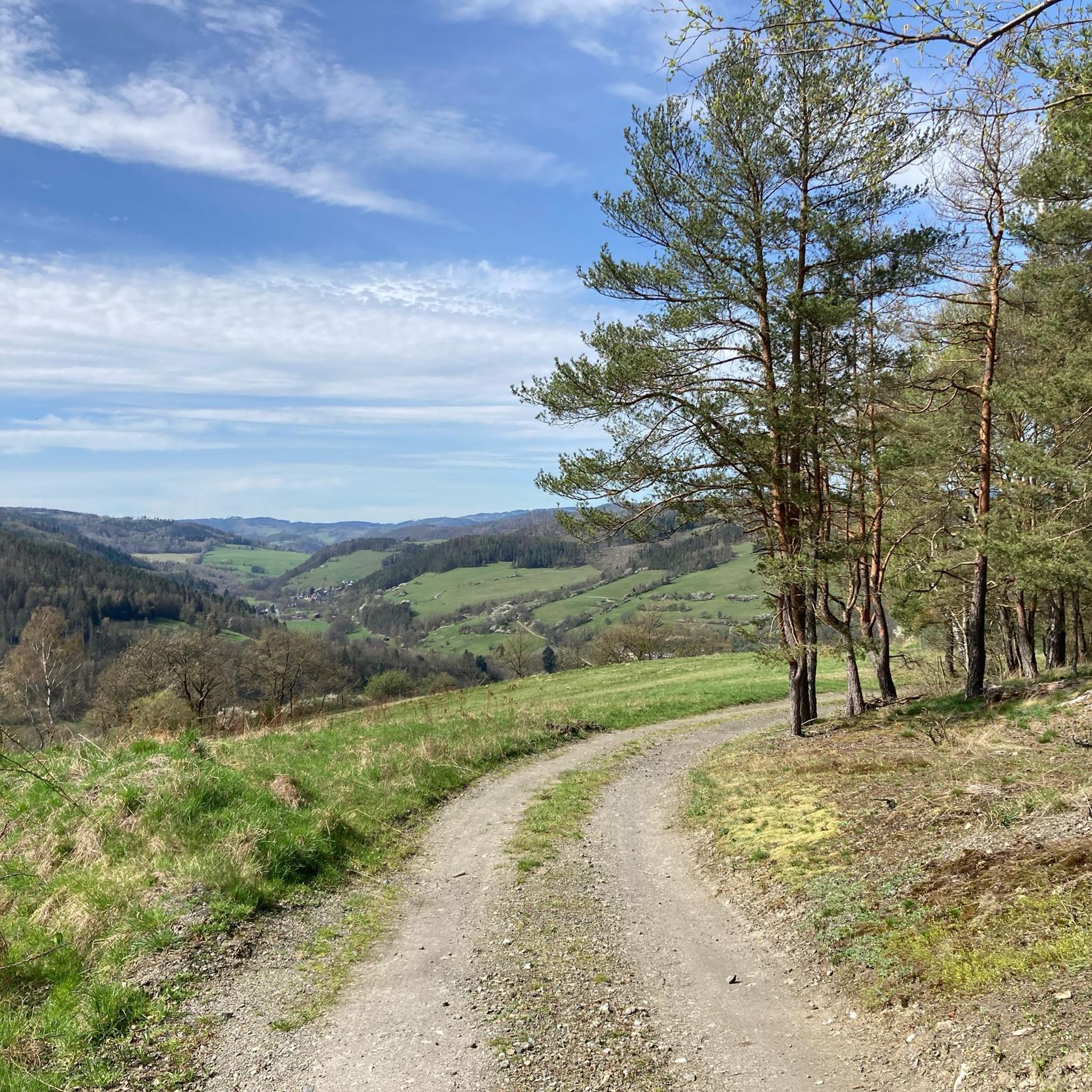
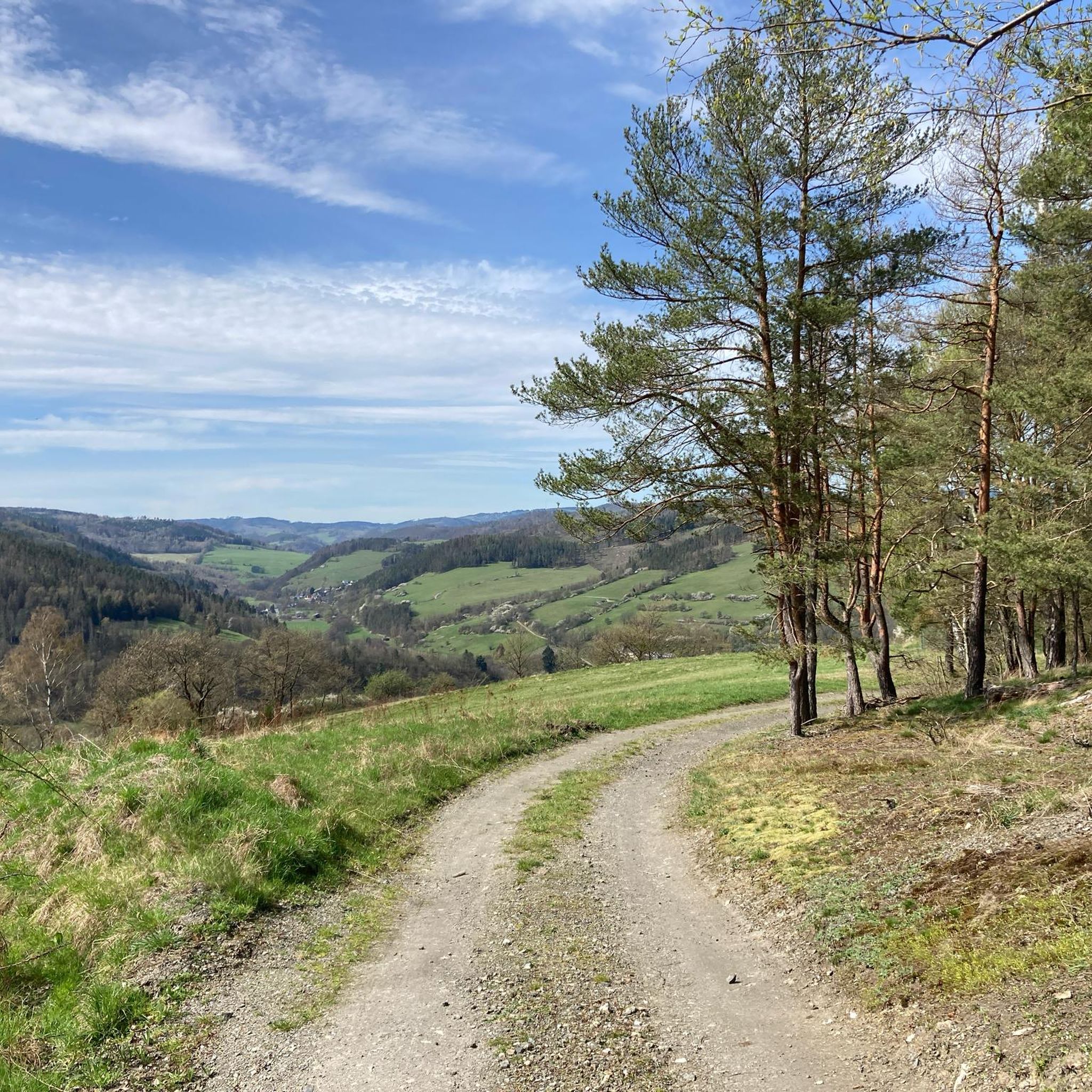
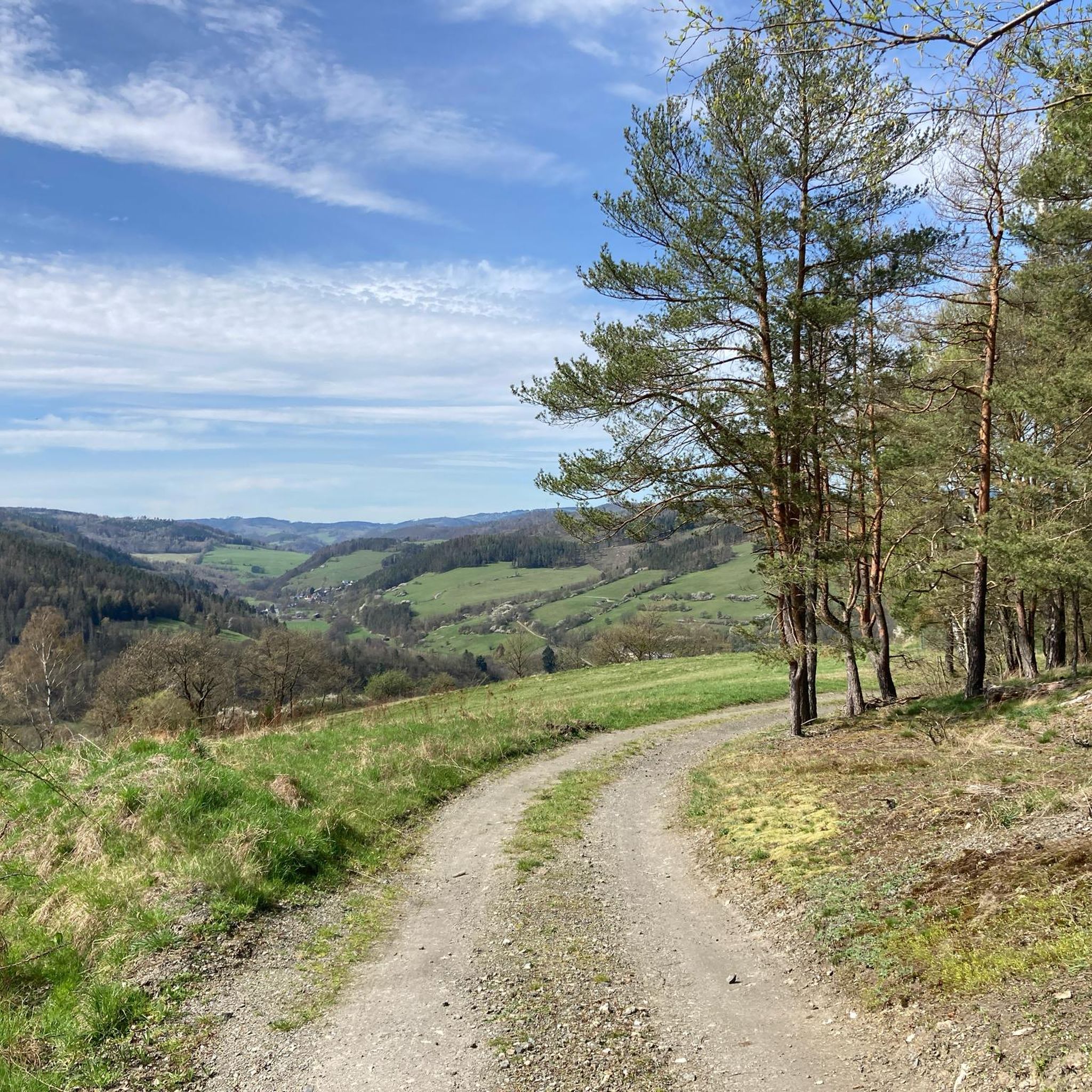

Tips from the Community

This is the former Lehesten roofing slate opencast mine. Its dimensions alone are impressive; along with the nearby Oertelsbruch, it was one of the largest slate quarries on the continent (approximately 800 m long, 300 m wide, and up to 80 m deep). Source: Wikipedia
10
1

A beautiful region 🤩 If you like, you can also take a detour to the Alvater Tower.
20
2

In the "Land of Blue Gold," as the slate is called here because of its distinctive color, the tradition of Thuringian-Franconian slate mining can still be experienced today. This extraordinary industrial complex, located at what was once one of Europe's largest open-cast slate mines, provides a hands-on experience of the history and processing of slate. The entire Staatsbruch Slate Park area is a nature reserve. 170 Red List species have now been confirmed to have settled in this partially inaccessible area.
23
1
The Göpel shaft system, unique in Europe, is the heart of the “Historic Lehesten Slate Mining” monument ensemble and the trademark of the slate park. The Göpel shaft system was built around 1850, five years after the open-cast mine opened. On the north-west edge of the now closed and flooded roofing slate open-cast mine, the Göpel shaft was used to lift mined slate rock and thus stabilize the production flow. The rock was transported to the adjacent double-slitting hut and processed.
23
1

Be sure to visit and take enough time with you.
10
1

The "Preswitzer Spitze" protrudes wonderfully into the reservoir like a small peninsula and so you have a great view on both sides.
8
0

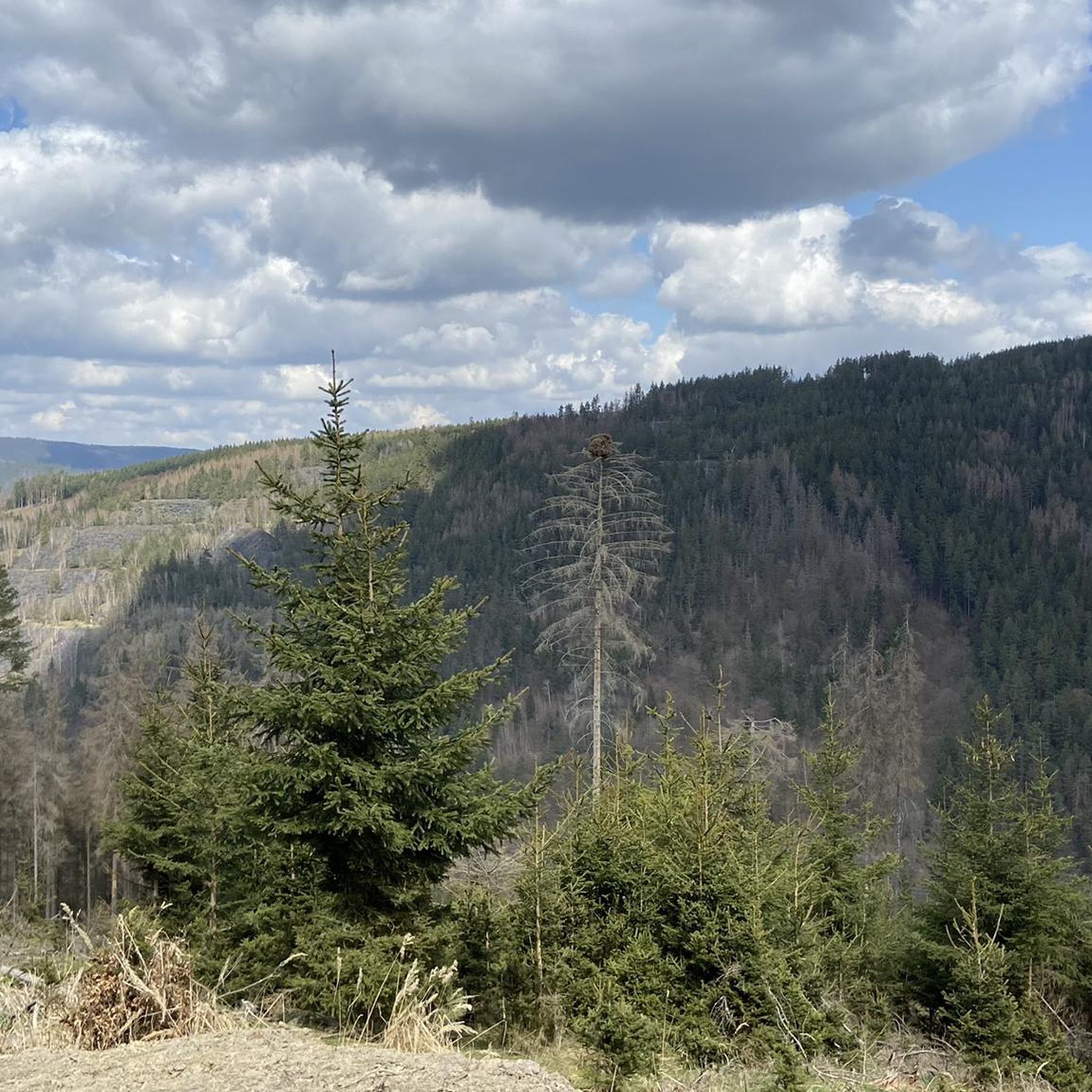
A slightly different perspective thanks to the drainage of the reservoir basin
3
0
Frequently Asked Questions
What types of lakes can I find around Probstzella?
The region around Probstzella offers a unique blend of water bodies, including man-made reservoirs like the Hohenwarte Dam, historically significant flooded industrial sites such as the Lehesten Slate Quarry Industrial Heritage Site, and dammed rivers. These provide diverse opportunities for recreation and exploration.
Are there family-friendly lakes with activities near Probstzella?
Yes, the Ölschnitzsee, located in the nearby Frankenwald region, is particularly family-friendly. It offers swimming, pedal boating, a large adventure playground, minigolf, and a natural Kneipp facility. The lake also features barrier-free access, including a ramp into the water for wheelchair users, and a circular path suitable for people with limited mobility.
Where can I experience the history of the region's mining industry alongside natural beauty?
The Lehesten Slate Quarry Industrial Heritage Site, part of the Staatsbruch Slate Park, offers a hands-on experience of the Thuringian-Franconian slate mining tradition. This former open-cast mine features a unique flooded lake with remarkably clear water where submerged trees are still visible, creating a striking natural spectacle within a nature reserve.
Can I swim in the lakes around Probstzella?
Swimming is possible at certain locations. The Ölschnitzsee is a popular spot for swimming. While the flooded slate mine at the Staatsbruch Slate Park is visually stunning, swimming or boating activities are not typically associated with it due to its nature reserve status and historical context. The Hohenwarte Dam also offers opportunities for swimming.
What kind of hiking trails are available near the lakes?
You can find various hiking trails around the lakes. For instance, the area around the Hohenwarte Dam offers numerous trails. The Staatsbruch Slate Park, home to the flooded slate mine, is excellent for hiking, providing pathways around unique geological formations. You can explore more options in the Hiking around Probstzella guide.
Are there any unique historical sites related to the lakes?
Absolutely. The Göpelschacht Shaft Complex, Lehesten, is a unique historical monument and the heart of the 'Historic Lehesten Slate Mining' ensemble. Built around 1850, this shaft system was used to lift mined slate rock from the adjacent open-cast mine, which is now flooded.
What are the best viewpoints to see the lakes and dams?
The Hohenwarte Dam itself offers a wonderful view of the lake it creates. Additionally, the Schneiderfelsen provides a terrific view of the Leibis-Lichte dam, complete with a bench for relaxation. The Eichicht Dam also offers fantastic views of the Saale valley.
Are there opportunities for cycling around the lakes?
Yes, the region offers various cycling routes. You can find gravel biking tours that incorporate views of the dams and reservoirs, as well as road cycling routes. Check out the Gravel biking around Probstzella and Road Cycling Routes around Probstzella guides for detailed routes.
Is the Ölschnitzsee accessible for people with limited mobility?
Yes, the Ölschnitzsee is designed with accessibility in mind. It features barrier-free access, including a ramp directly into the water for wheelchair users. The circular path around the lake is also suitable for people with limited mobility, ensuring everyone can enjoy the natural surroundings.
What amenities are available at Ölschnitzsee?
The Ölschnitzsee offers a range of amenities for visitors, including showers, changing rooms, and toilets. There are also e-bike charging stations and free motorhome pitches. A hut by the lake provides gastronomic options with warm and cold drinks, snacks, and meals, and even a cocktail bar on its terrace.
What makes the flooded slate mine at Staatsbruch Slate Park unique?
The flooded slate mine is unique for its remarkably clear water, where submerged trees are still visible growing beneath the surface, creating an ethereal landscape. It's also a designated nature reserve, supporting a diverse ecosystem with 170 Red List species, offering a blend of historical significance and natural beauty.
Are dogs allowed on trails around the lakes?
While specific regulations can vary, many natural areas and hiking trails in the region are generally dog-friendly, provided dogs are kept on a leash. It's always advisable to check local signage or specific park rules for each location, especially within nature reserves like the Staatsbruch Slate Park.
Most popular routes around Probstzella
Most popular attractions around Probstzella

Get inspired with the komoot mobile app


Explore more
Still not found your perfect lake around Probstzella? Check out the guides of these regions to see even more beautiful places.
