Top 4 Castles around Lauscha
Castles near Lauscha are found within the scenic Thuringian Forest region, characterized by its forested hills and historical depth. While Lauscha is recognized for its glassblowing tradition, the surrounding area provides access to various historical sites. The landscape offers diverse terrain, forming a natural setting for these ancient fortifications. This region blends natural features with centuries of architectural heritage.
Best castles around Lauscha
- The most popular castles is Rauenstein Castle Ruins, a historical site and viewpoint first mentioned in…
Last updated: June 27, 2026
Rauenstein Castle Ruins
Highlight • Castle
Rauenstein is located in the valley of the Grümpen on the southern …
Translated by Google •
Tip by

Sonneberg Castle Hill
Highlight • Structure
Translated by Google •
Tip by
Sign up now to discover places like this
Get recommendations on the best single tracks, peaks, & plenty of other exciting outdoor places.
Sign up for free
Wespenstein Castle
Highlight • Castle
... the former seat of the Imperial Marshal of Pappenheim, has shaped the face of the town of Gräfenthal for centuries.
The best way to get to know …
Translated by Google •
Tip by

Effelder Castle
Highlight • Castle
Translated by Google •
Tip by

Start today with a free account
Your next adventure awaits.
Login or Signup
Popular around Lauscha



Tips from the Community

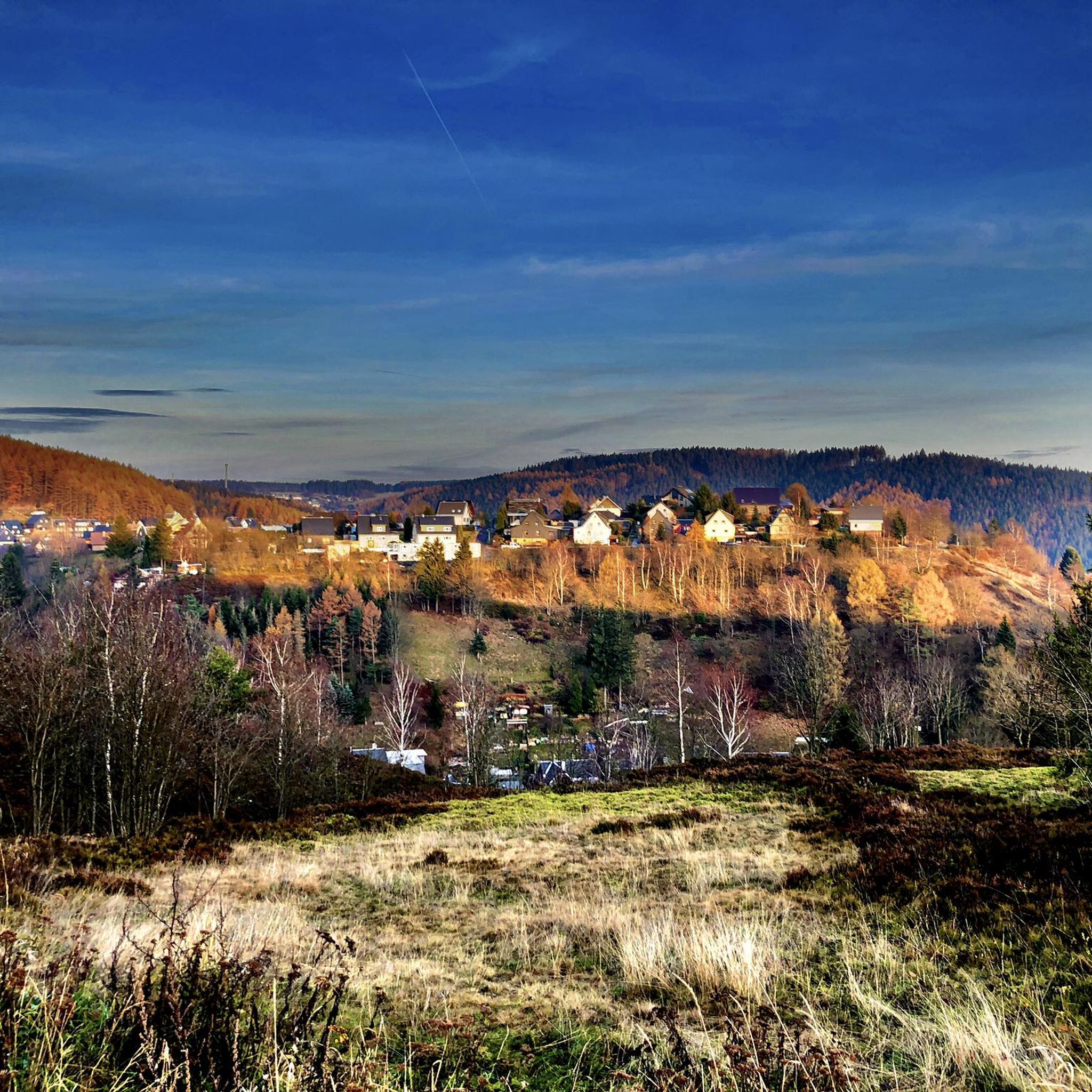
View from the castle to Sonneberg is already quite overgrown;
0
0

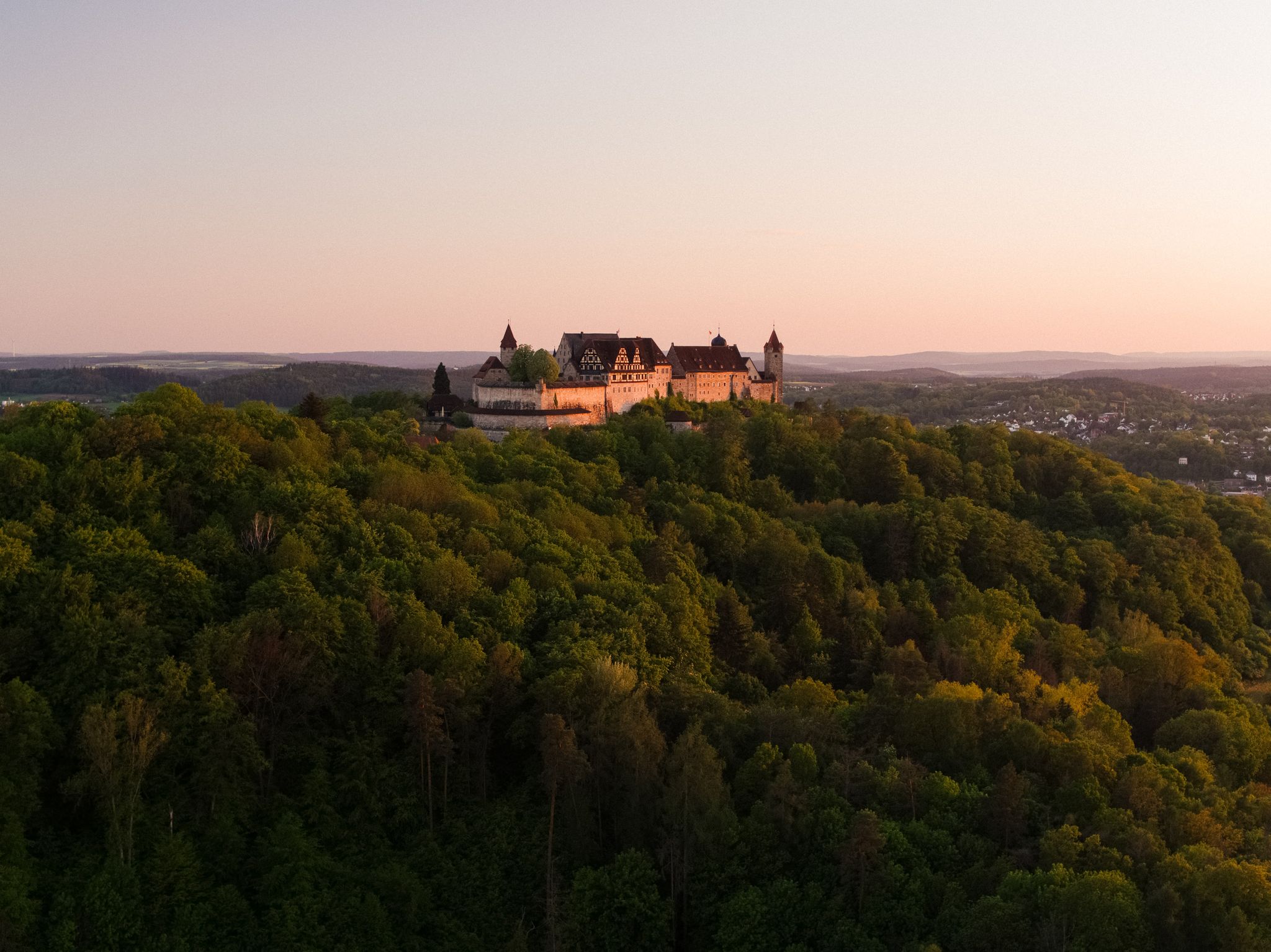
Sonneberg Castle, situated on the 502-meter-high Schlossberg (Castle Hill), was completely destroyed around 1150. The Augustenverein, founded by Duke Bernhard II of Saxe-Meiningen, built a shooting range with a tavern and a ballroom in the Neo-Gothic style between 1844 and 1850, based on plans by the architect Carl Alexander Heideloff. The ballroom also featured a lookout tower, which was raised to 20 meters in 1877 and given its characteristic spire. The shooting range was rebuilt in the Neo-Classical style in 1953. From 1997 to 2014, the castle served as a hotel; since 2015, it has been an event venue.
0
0

Unfortunately, the beer garden was closed on Thursdays in May. A lovely little spot with a view of the Thuringian Forest. Not so suitable when the ground is wet.
0
0

ideal place to take a break and drink a beer. Currently there is no tenant, so you have to bring your own
0
0

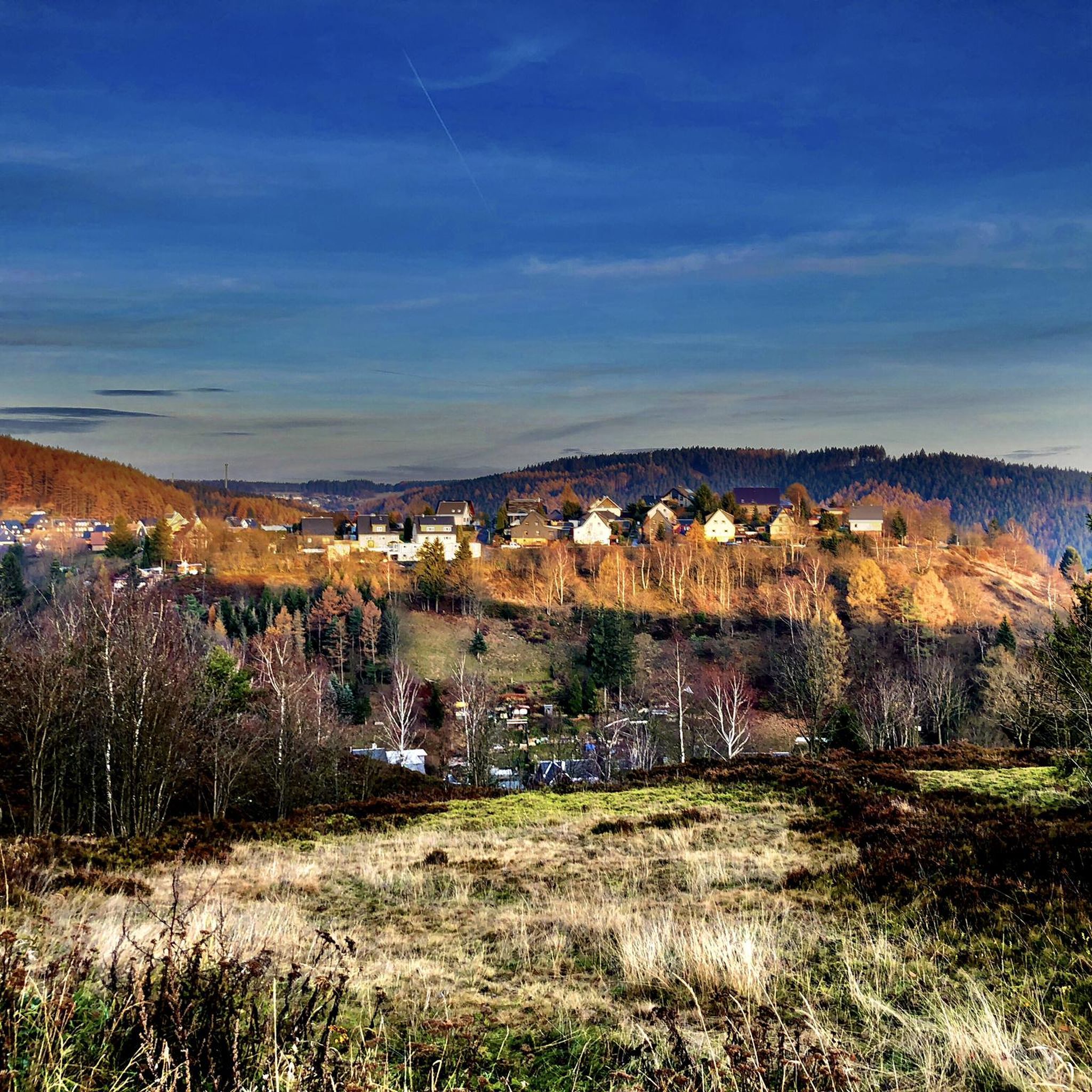
Rauenstein is a village in the southern Thuringian district of Sonneberg. It is part of the municipality of Frankenblick. Rauenstein is located in the Grümpen valley on the southern edge of the Thuringian Slate Mountains, about 2 km west of Effelder. The place near the older Rauenstein Castle of the same name was first mentioned in a document in 1445. Historically, the castle, owned by the von Schaumberg noble family for centuries, was the determining factor of the place. In 1783, Duke George I of Saxony-Meiningen licensed the Rauenstein porcelain factory founded by Johann Friedrich Greiner right next to the castle, which became the town's most important source of income and already had 180 employees in 1851. In 1910 the place was opened up by the Eisfeld – Sonneberg railway line. (Source: Wikipedia)
1
0

This rest area is located behind the church building, just a few steps up. Small square with seating and covered.
1
0

Wespenstein Castle ... the former seat of the Imperial Marshal of Pappenheim, has shaped the face of the town of Gräfenthal for centuries. The best way to get to know the story is during a tour of the castle from the lord of the castle, Dr. explain to Wolfgang Weir. Or go to the Georgstift Museum, which is open every Saturday and Sunday between 2:00 p.m. and 4:30 p.m. and see a model of the castle, old documents, old books and swords and much more about Gräfenthal's history. (Graefenthal city administration)
2
0

Unfortunately, the valley view is quite overgrown, I think without leaves you have a great view
2
0
Frequently Asked Questions
What types of castles can I explore around Lauscha?
The region around Lauscha offers a diverse range of historical fortifications. You can find ancient castle ruins like Rauenstein Castle Ruins and Wespenstein Castle, historical residential castles, and repurposed palaces such as New Palace Steinach. These structures date back centuries, offering varied historical experiences.
Are there any family-friendly castles to visit near Lauscha?
Yes, New Palace Steinach is a family-friendly historical site. It houses a toy box museum, a city library, and tourist information, making it an engaging visit for all ages. Additionally, Wartburg Castle, though further afield in Eisenach, offers donkey rides for children up the hill, adding to its family appeal.
What historical castles are particularly significant in the broader Thuringian region?
Beyond the immediate vicinity of Lauscha, the Thuringian region boasts several historically significant castles. Wartburg Castle in Eisenach is a UNESCO World Heritage Site, famous for Martin Luther's translation of the New Testament. Bertholdsburg Castle in Schleusingen is recognized as Thuringia's oldest residential castle, and Leuchtenburg Castle is known for its almost 1,000-year-old, original ensemble. The 'Drei Gleichen' group, including Mühlburg, Gleichen, and Wachsenburg Castles, also offers deep historical insights.
Can I find any castles that are wheelchair accessible?
Yes, Effelder Castle is noted as being wheelchair accessible. This 16th-century castle, now used as a town hall, offers accessibility for visitors.
What outdoor activities can I do near these castles?
The Thuringian Forest region around Lauscha offers numerous outdoor activities. You can find various hiking trails, including easy, moderate, and difficult options. For example, the 'Lauschaer Glasbläserpfad' is a challenging hike, while the 'Felsenhäusle Viewpoint – View over Lauscha loop' offers an easier option. There are also road cycling routes available. You can explore more options on the Hiking around Lauscha and Road Cycling Routes around Lauscha guide pages.
Are there viewpoints or natural features to enjoy near the castles?
Many castles in the region are situated in scenic locations. For instance, Rauenstein Castle Ruins is also a viewpoint. The broader Thuringian Forest provides a natural setting with forested hills and diverse terrain, offering picturesque views and opportunities to enjoy nature alongside historical exploration.
What is the best time to visit the castles around Lauscha?
The Thuringian Forest region is beautiful throughout the year. Spring and autumn offer pleasant temperatures for exploring and hiking, with vibrant foliage in fall. Summer provides longer daylight hours, ideal for extended visits. While winter can be cold, some castles may offer unique snowy vistas. Always check specific castle opening hours, as these can vary seasonally.
Are there any castles that have been converted into hotels or offer accommodation?
Yes, Schlosshotel Eyba, located near Saalfeld, is an 11th-century castle that has been converted into a hotel. It offers a blend of historical ambiance and modern amenities within a 33,000 m² park, providing a unique stay experience in the Thuringian Forest.
What is the significance of the 'Drei Gleichen' castles?
The 'Drei Gleichen' refers to a group of three castles – Gleichen, Mühlburg, and Wachsenburg – located approximately 20 km from Erfurt. Mühlburg Castle is notable as the oldest castle in Thuringia. Wachsenburg Castle has a rich history, including a period under a notorious robber baron, and offers a restaurant and a lookout tower. Gleichen Castle is famous for the legend of the bigamous Count von Gleichen, adding a touch of folklore to its historical appeal.
What do visitors particularly enjoy about the castles in this region?
Visitors appreciate the historical depth and diverse architectural experiences offered by the castles. Many enjoy the opportunity for a short walk around sites like Rauenstein Castle Ruins, which also provides hospitality. The blend of natural beauty with centuries of heritage, as well as the chance to explore ruins or repurposed historical buildings, is highly valued by the komoot community.
Are there any castles near Lauscha that are partially in ruins?
Yes, Wespenstein Castle, built in 1250, is now partially in ruins. It offers a glimpse into its past as the former seat of the Imperial Marshal of Pappenheim. Similarly, Rauenstein Castle Ruins provides a historical site and viewpoint, showcasing the remnants of a castle first mentioned in 1445.
Can I find cafes or places to eat near the castles?
Some castles, like Wespenstein Castle, have historically housed restaurants or guesthouses, though availability can change. Wachsenburg Castle, part of the Drei Gleichen group, also features a restaurant. For other locations, it's advisable to check local amenities in nearby towns or villages for cafes and dining options.
Most popular routes around Lauscha
Most popular attractions around Lauscha

Get inspired with the komoot mobile app


Explore more
Looking for the best castles somewhere else? Discover other guides around Lauscha:
