Top 20 Caves around Grenderich
Caves near Grenderich are primarily historical mining tunnels located in the Cochem-Zell district of Rhineland-Palatinate, Germany. This municipality is situated near the Moselle valley, known for its scenic landscapes and half-timbered houses. While natural caves are not a prominent feature directly within Grenderich, the surrounding area offers insights into historical slate mining operations. The region provides a blend of natural beauty and industrial heritage.
Best caves around Grenderich
- The most popular caves is Altlay Slate Mine and Hitzelbach Stream,…
Last updated: June 27, 2026
Katzenloch Slate Mine
Highlight • Cave
Translated by Google •
Tip by

Slate Mining Tunnels on Strimmiger Berg
Highlight • Cave
Translated by Google •
Tip by

Sign up now to discover places like this
Get recommendations on the best single tracks, peaks, & plenty of other exciting outdoor places.
Sign up for free
Altlay Slate Mine and Hitzelbach Stream
Highlight • Cave
Mining has a long tradition in Altlay. In addition to agriculture, it served as a second pillar for earning a living. In addition to the mining …
Translated by Google •
Tip by
The Altlayer "Schießkeller"
Highlight • Historical Site
Shortly before the end of World War II, work began on driving a tunnel into the mountain at this point. It was supposed to serve the inhabitants …
Translated by Google •
Tip by
Slate mining
Highlight • Historical Site
Mining has a long tradition in Altlay. In addition to agriculture, it served as a second pillar for earning a living. In addition to the mining …
Translated by Google •
Tip by
Sign up for free to discover even more caves around Grenderich.
Sign up for free
Already have an account?
Start today with a free account
Your next adventure awaits.
Login or Signup
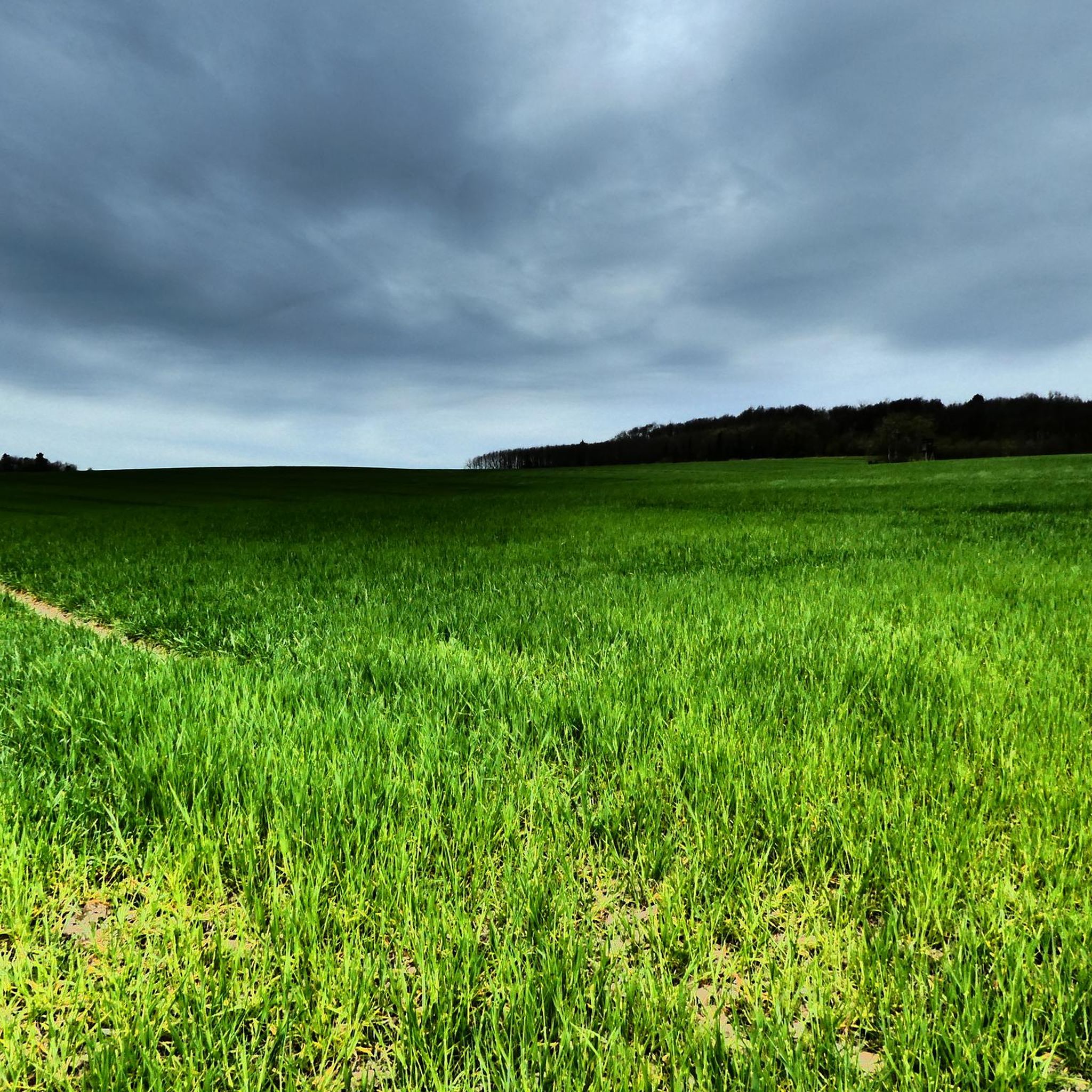
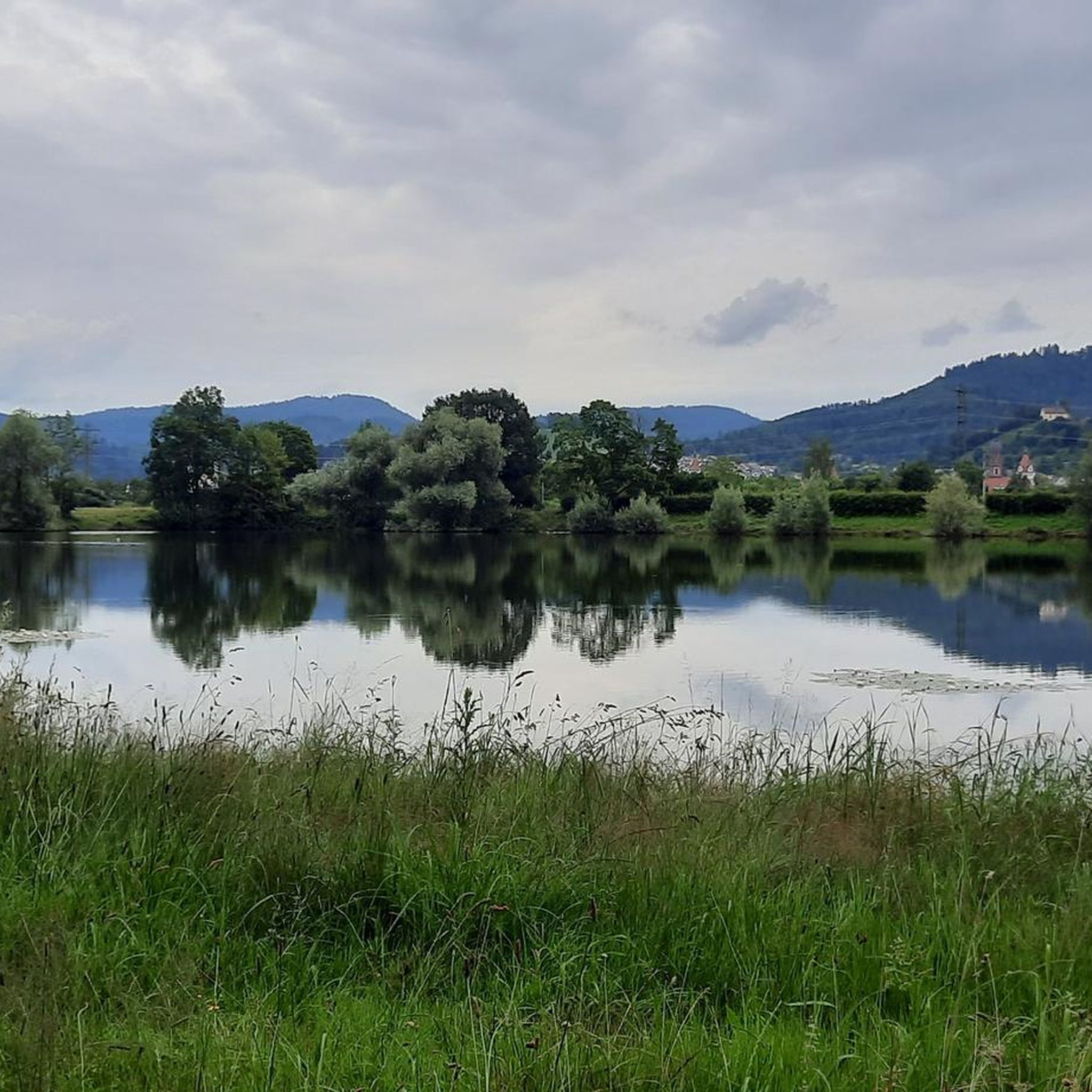
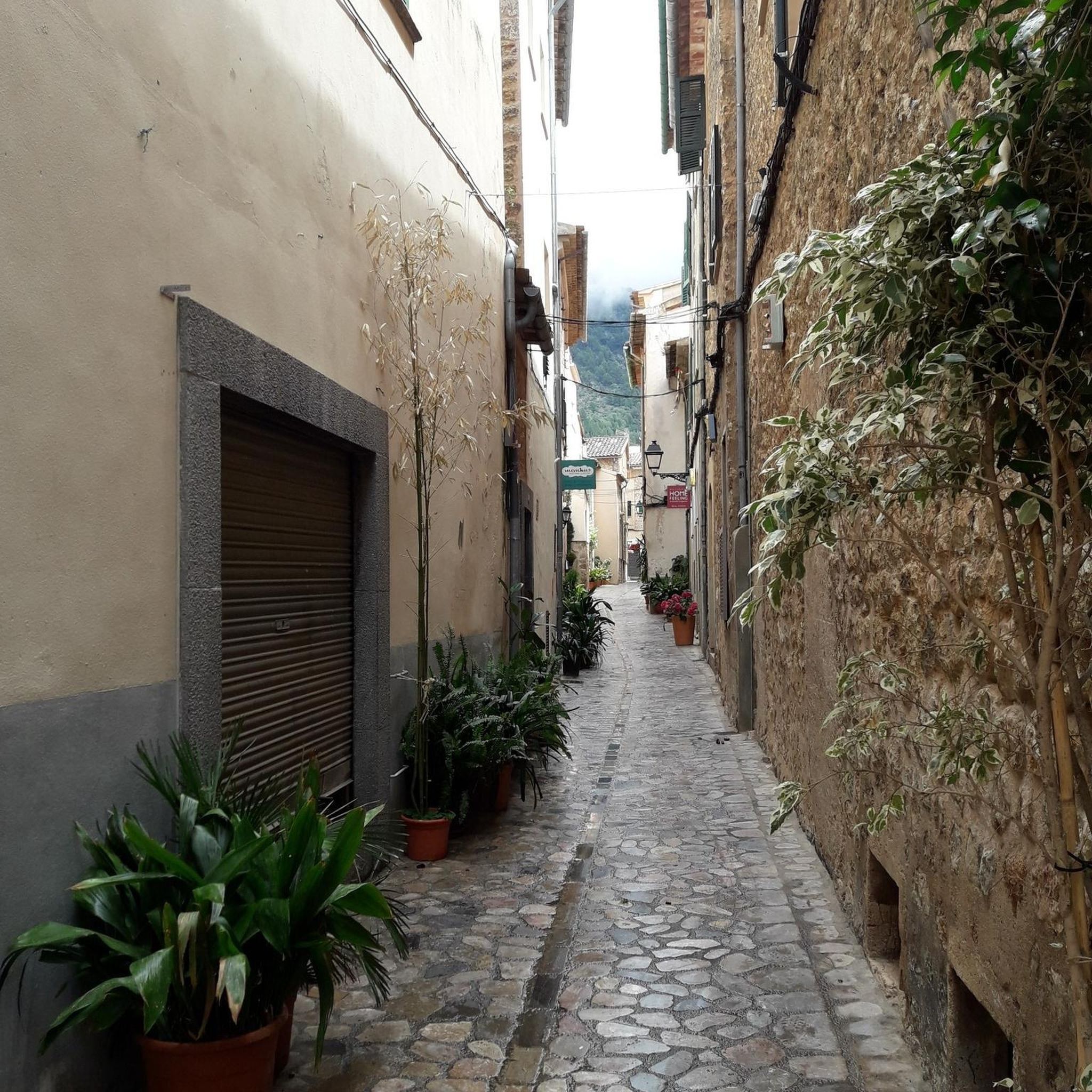
Tips from the Community

There's always something new to discover here
0
0

Historically interesting, sure, but it's just a "dark hole."
1
1

Construction began at the end of World War II and was intended to serve as an air raid shelter. After the war, explosives were stored here. May 30, 2019.
0
0

A beautiful spot... nature 🌳🍄🟫
0
0

Mining has shaped the village of Altlay and its residents and given the village its name Altlay. In local dialect, a lay is a roofing slate. Anyone who visits the narrow stream valleys around Altlay will not fail to notice striking evidence of mining here and there. Here, at every turn, you come across the remains of what was once a fairly extensive, predominantly small-scale roofing slate mining operation. Slate is still mined in Altlay today. Source: https://www.tourenplaner-rheinland-pfalz.de/de/punkt/bergwerk/altlayer-schiefergrube/2798106/
0
0
Again and again you come across evidence of slate mining
1
0
I didn't try to go in.
1
3

There is also a rest stop directly at the slate quarry
2
3
Frequently Asked Questions
What kind of caves can I explore near Grenderich?
The 'caves' near Grenderich are primarily historical mining tunnels, particularly slate mines, rather than natural geological formations. These sites offer a glimpse into the region's industrial past and the challenging work of slate extraction.
Are there any natural caves directly in Grenderich?
No, Grenderich itself is not known for natural caves. The area is more recognized for its scenic location near the Moselle valley, half-timbered houses, and historical slate mining tunnels.
Which historical mining sites are most notable around Grenderich?
Several historical mining sites are worth visiting. These include the Altlay Slate Mine and Hitzelbach Stream, which showcases the long tradition of slate mining, and the Slate Mining Tunnels on Strimmiger Berg, where you can see horizontal tunnels manually driven into the mountain. Another significant site is Katzenloch Slate Mine, which operated briefly in the early 20th century.
Can I enter the mining tunnels, and are they safe for exploration?
Many of the historical mining tunnels, such as the Slate Mining Tunnels on Strimmiger Berg, are now closed with grids due to the danger of collapse. These closures also provide protection for bats that use the tunnels for wintering. Access to the interior of these tunnels is generally restricted for safety reasons.
What is the historical significance of the slate mines in this region?
Slate mining played a crucial role in the region's economy, especially after the ban on traditional straw roofing in the 19th century. It provided additional income for many families, though the work was arduous and dangerous, involving manual labor to extract slate blocks from tunnels using basic tools.
Were any of these tunnels used for other purposes?
Yes, some tunnels had dual purposes. For example, the Slate Mining Tunnels on Strimmiger Berg served as air raid shelters for the local population during the final months of World War II. The Altlayer "Schießkeller" was initially intended as an air raid shelter and later used for storing explosives.
What kind of outdoor activities can I combine with visiting these historical sites?
The Grenderich area, known for its scenic landscapes near the Moselle valley, offers various outdoor activities. You can find numerous routes for cycling, road cycling, and gravel biking that allow you to explore the natural beauty and historical points of interest in the wider region.
Are the historical mining sites around Grenderich suitable for families?
While direct entry into many tunnels is restricted, visiting the exterior of these historical sites can be an educational experience for families, offering insights into the region's industrial heritage. The surrounding trails often provide pleasant walks through nature.
What is the best time of year to visit the historical mining sites and surrounding area?
The Moselle valley region is beautiful during spring and autumn, when the weather is mild and the landscapes are vibrant with blossoms or autumn colors. Summer also offers good conditions for outdoor activities, though it can be busier.
Are there any specific geological features to observe near Grenderich's historical mines?
The primary geological feature of interest is the slate itself, which was extensively mined in the area. You can observe the spoil heaps, which are piles of 'deaf rock' (material not suitable for roofing slate) deposited in front of the tunnels, offering clues about the scale of past mining operations.
What do visitors appreciate most about the caves around Grenderich?
Visitors appreciate the unique blend of natural beauty and industrial heritage. The historical mining tunnels offer a fascinating glimpse into the past, while the surrounding trails provide opportunities for peaceful walks and scenic views of the Moselle valley.
Is there parking available near these historical sites?
Information on specific parking facilities for each historical site is not always readily available. However, many trails and points of interest in the broader Grenderich and Moselle valley region typically have designated parking areas or roadside parking options.
Most popular routes around Grenderich
Most popular attractions around Grenderich

Get inspired with the komoot mobile app


Explore more
Extend your search for the best caves by checking out these guides of the top ones around Grenderich:
