Top 20 Caves around Altlay
Caves around Altlay are primarily associated with the region's historical slate mining industry, rather than natural cave formations. Altlay, located in Rhineland-Palatinate, Germany, is known for its deep connection to the Moselle wine country and its industrial past. The landscape features rugged slate rocks and idyllic stream valleys, shaped by centuries of mining activity. Visitors can explore historical sites and geological interests that offer insights into the area's unique heritage.
Best caves around Altlay
- The most popular caves is Altlay…
Last updated: October 14, 2026
Altlay Slate Mine and Hitzelbach Stream
Highlight • Cave
Mining has a long tradition in Altlay. In addition to agriculture, it served as a second pillar for earning a living. In addition to the mining …
Translated by Google •
Tip by

Slate mining
Highlight • Historical Site
Mining has a long tradition in Altlay. In addition to agriculture, it served as a second pillar for earning a living. In addition to the mining …
Translated by Google •
Tip by
Sign up now to discover places like this
Get recommendations on the best single tracks, peaks, & plenty of other exciting outdoor places.
The Altlayer "Schießkeller"
Highlight • Historical Site
Shortly before the end of World War II, work began on driving a tunnel into the mountain at this point. It was supposed to serve the inhabitants …
Translated by Google •
Tip by
Climbing section near Collisturm
Highlight • Climb
Starting point: Zeller Black Cat Fountain.
Translated by Google •
Tip by

Kreuzweg Chapel Merl
Highlight • Religious Site
At the end of the Way of the Cross there is a neo-Gothic chapel, built in 1856, and several different memorials and supplications.
kuladig.de/Objektansicht/KLD-245669
Translated by Google •
Tip by

Sign up for free to discover even more caves around Altlay.
Already have an account?
Start today with a free account
Your next adventure awaits.


Tips from the Community


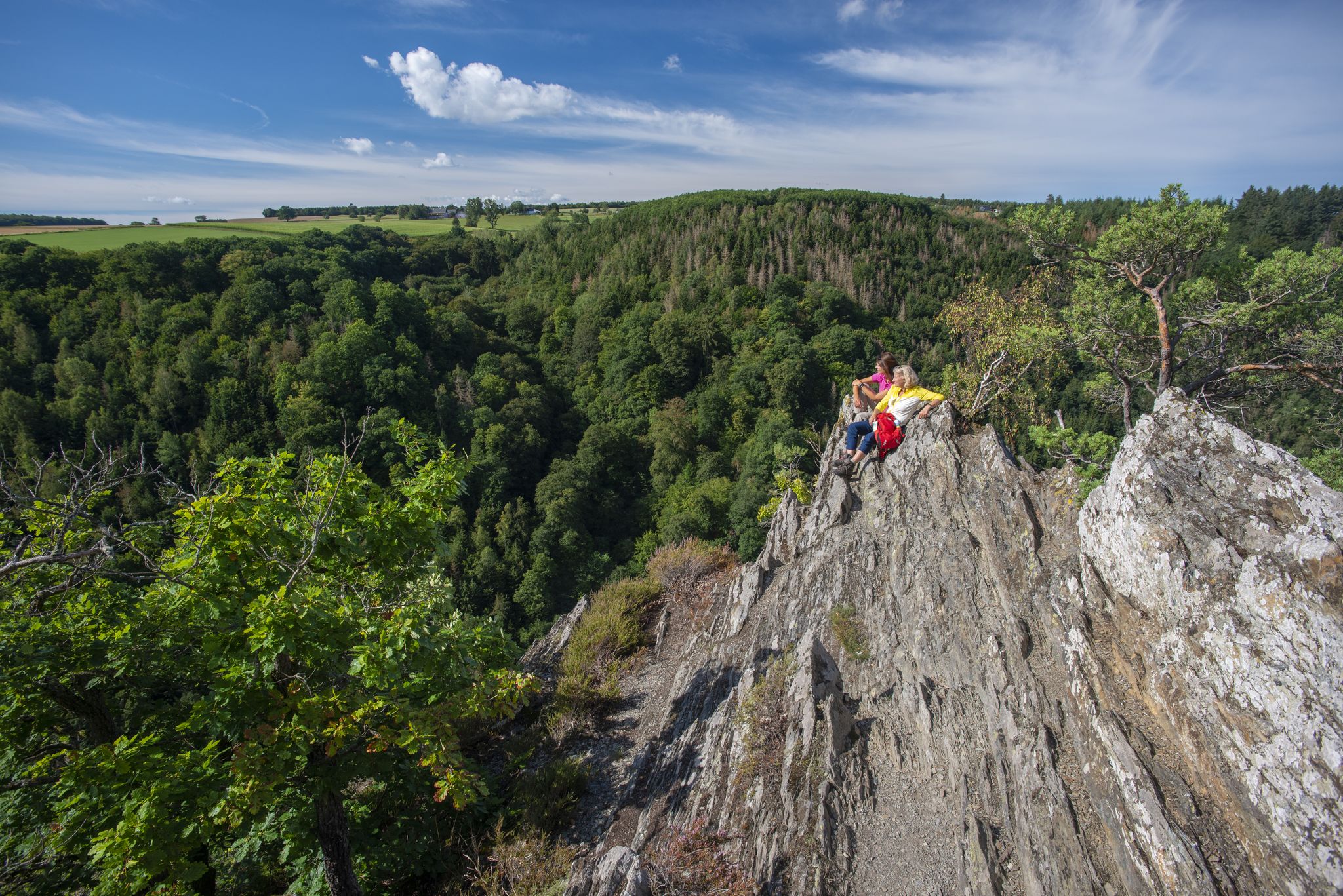
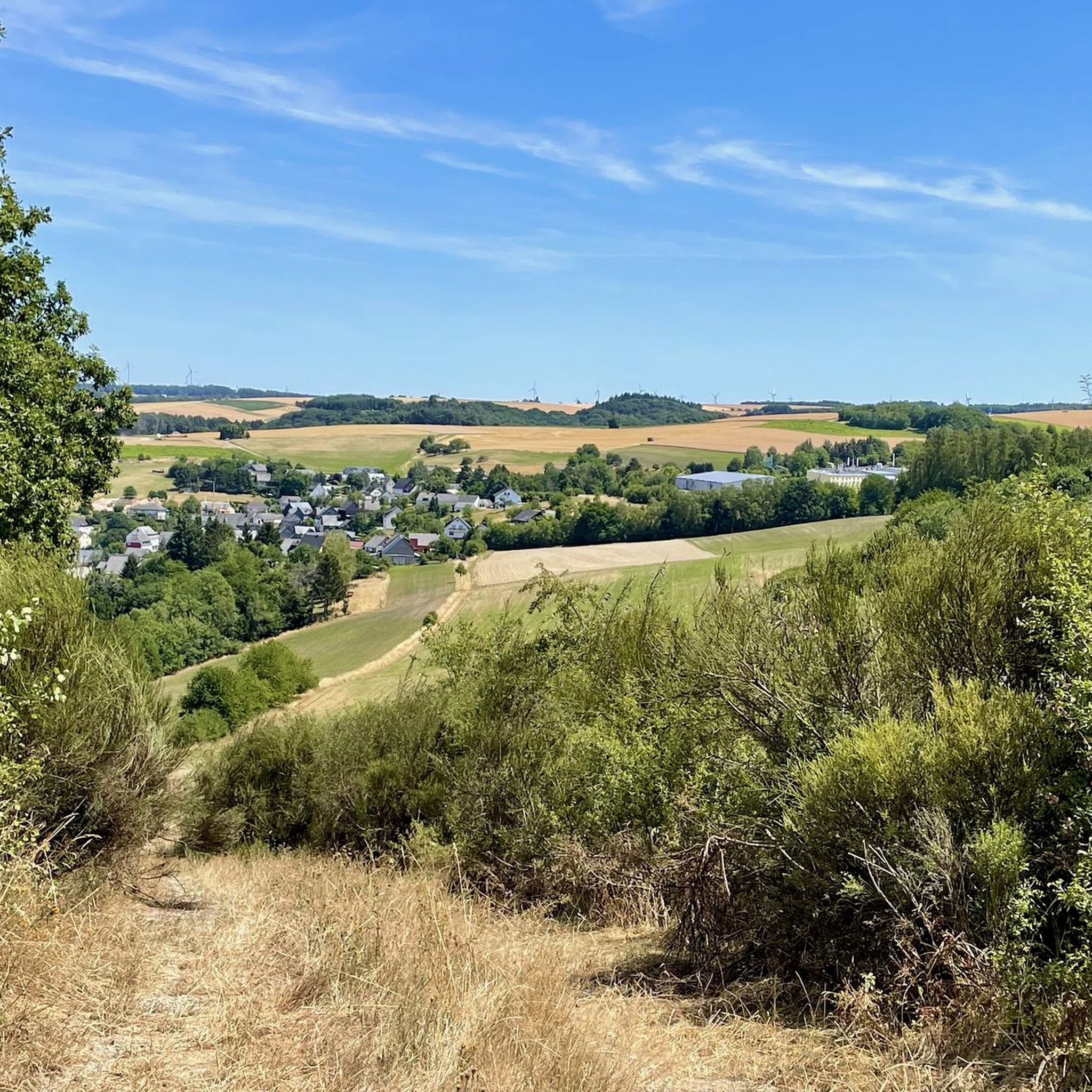
On the Traumschleife Altlayer Schweiz trail, there are also a few information boards about the slate mining that took place here.
0
0

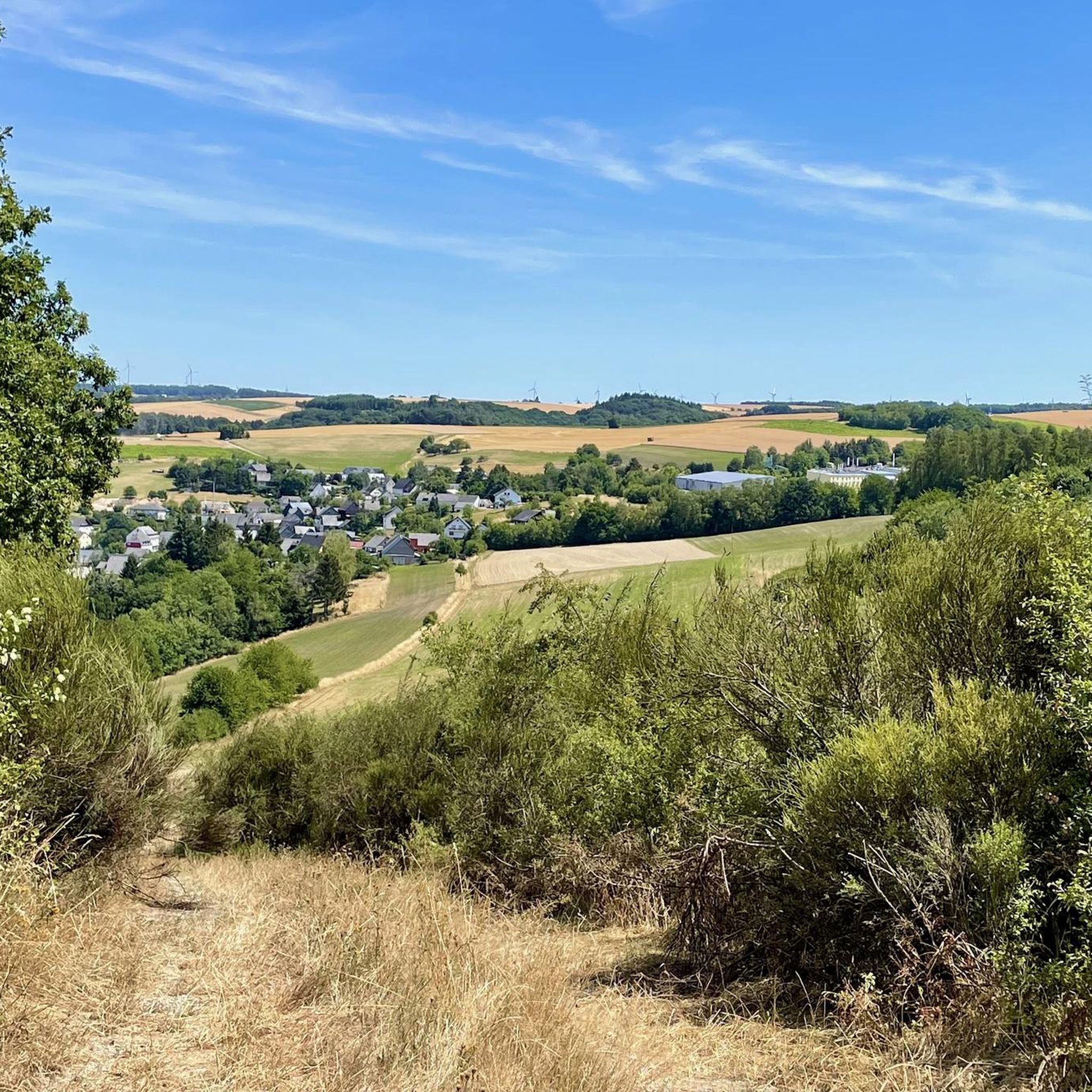
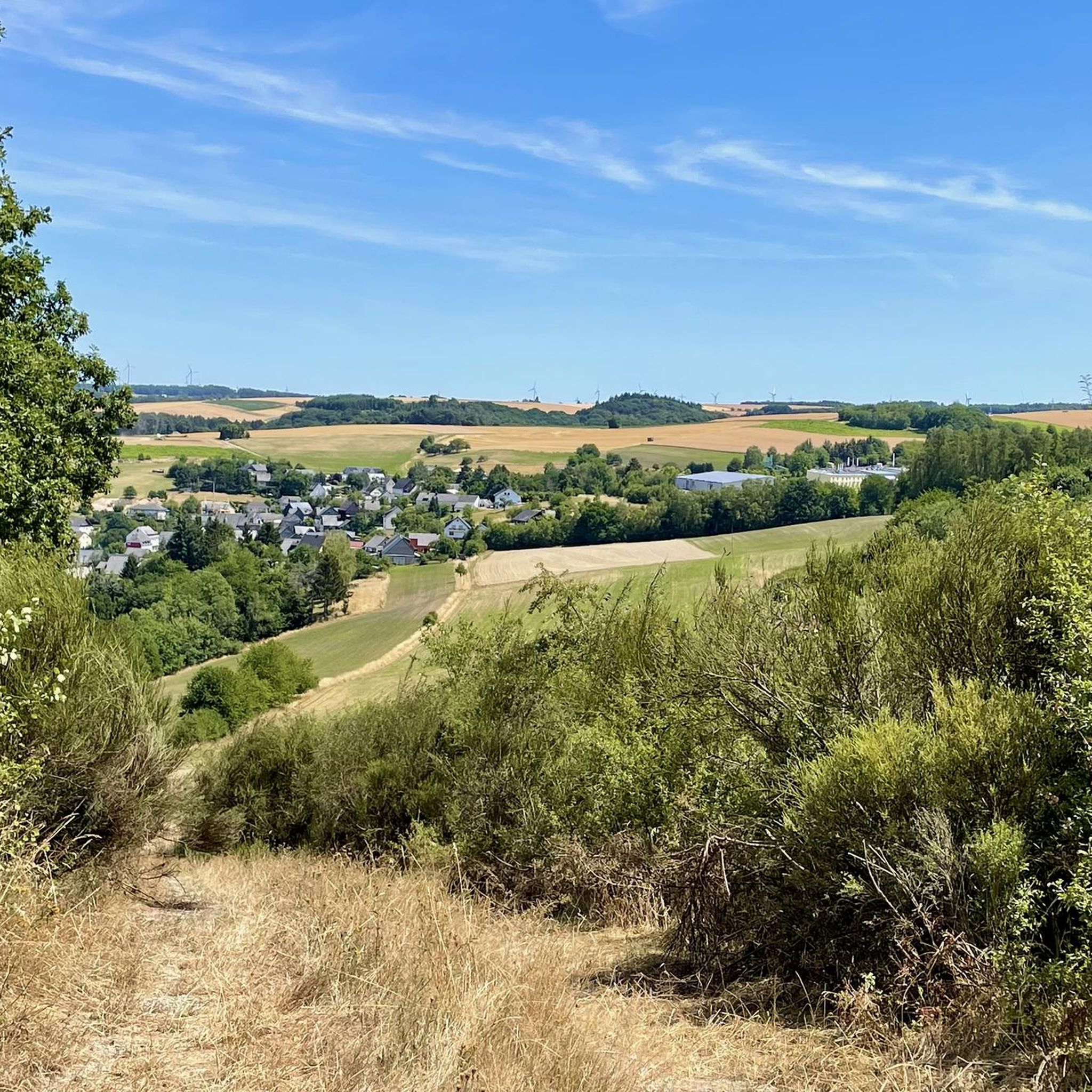
View of Zell from the Collis Tower
0
0

Historically interesting, sure, but it's just a "dark hole."
1
1

Construction began at the end of World War II and was intended to serve as an air raid shelter. After the war, explosives were stored here. May 30, 2019.
0
0

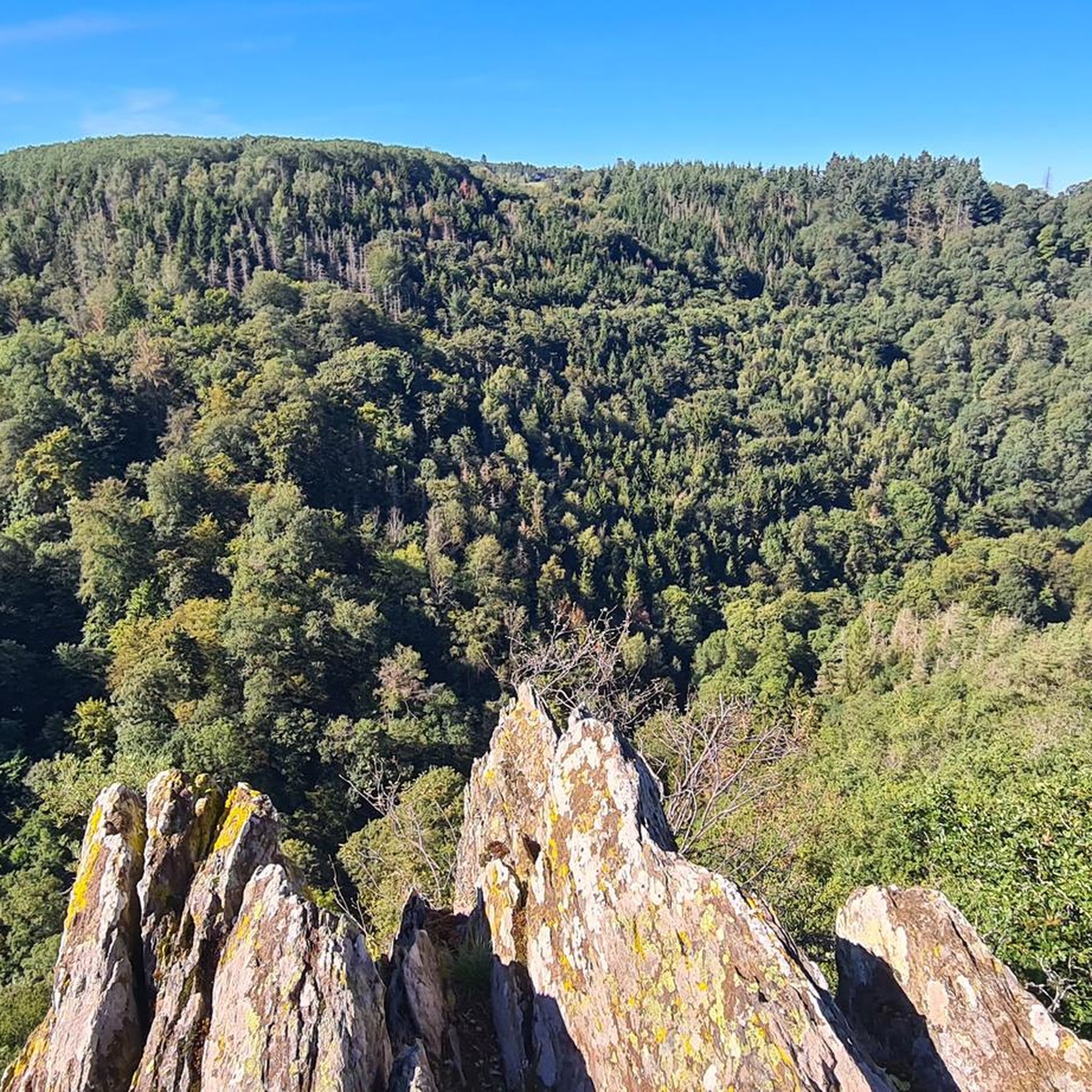
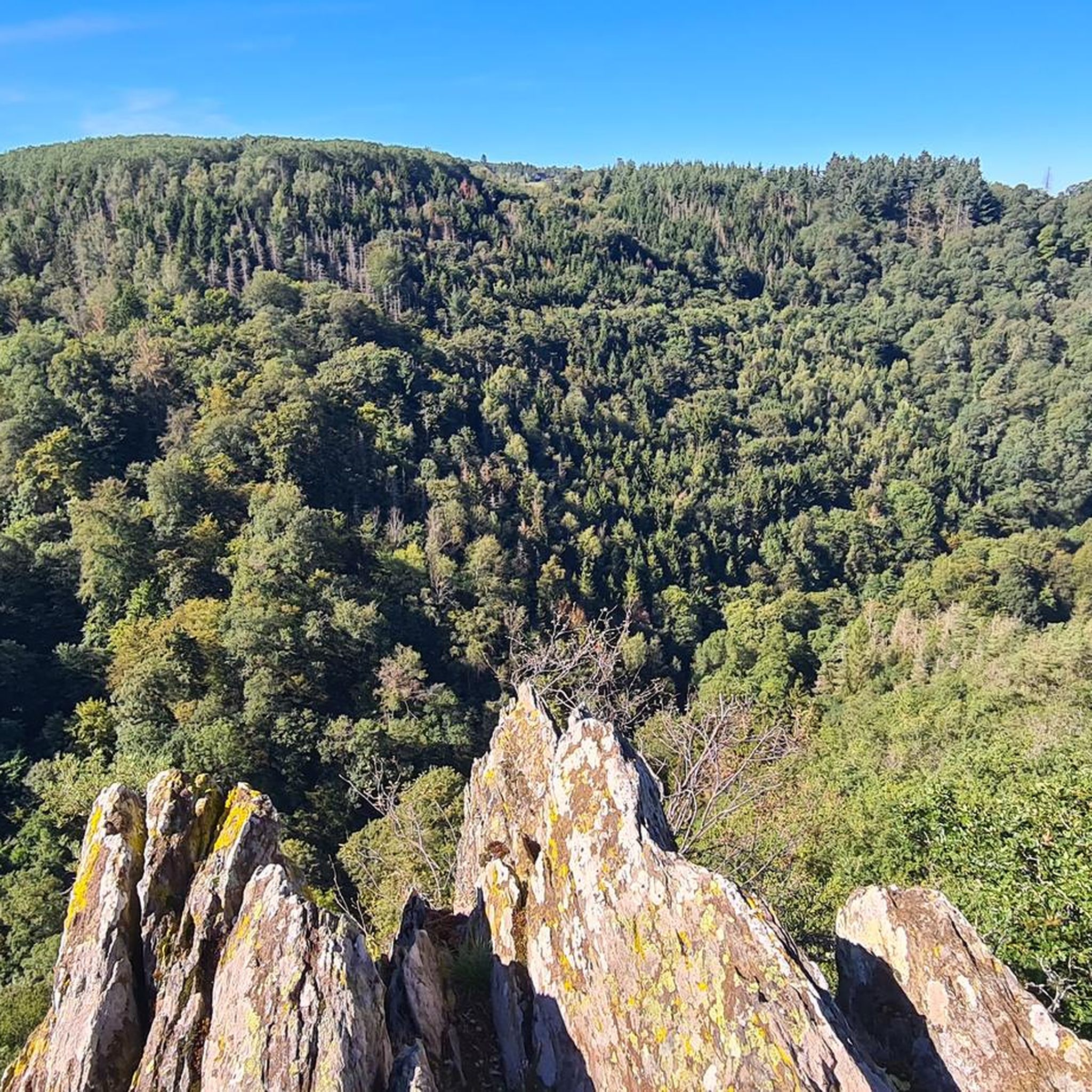
A nice little climbing spot, but it can easily be bypassed by a small path.
0
0

"Lord Jesus, eternal Word of the Father, you have become silence for us. And in the silence that leads us to your tomb, there is one more word that we want to say to you when we think back to the Way of the Cross that we walked with you: Thank you! Thank you, Lord Jesus, for the gentleness that overthrows arrogance. Thank you for the courage with which you took up the cross. Thank you for the peace that flows from your wounds. Thank you for giving your holy Mother to us as our mother too. Thank you for the love you showed in the face of betrayal. Thank you for turning tears into smiles. Thank you for loving everyone without excluding anyone. Thank you for the hope you pour in in the hour of trial. Thank you for the mercy that heals misery. Thank you for laying aside everything to enrich us. Thank you for transforming the cross into a tree of life. Thank you for the forgiveness you offered to your murderers. Thank you for conquering death. Thank you, Lord Jesus, for the light you have ignited in our nights, for reconciling every separation and thus making us all brothers and sisters, children of the same Father in heaven." (Prayer for the Way of the Cross with the Holy Father, Pope Francis, Good Friday 2023)
0
0

Mining has shaped the village of Altlay and its residents and given the village its name Altlay. In local dialect, a lay is a roofing slate. Anyone who visits the narrow stream valleys around Altlay will not fail to notice striking evidence of mining here and there. Here, at every turn, you come across the remains of what was once a fairly extensive, predominantly small-scale roofing slate mining operation. Slate is still mined in Altlay today. Source: https://www.tourenplaner-rheinland-pfalz.de/de/punkt/bergwerk/altlayer-schiefergrube/2798106/
0
0
Frequently Asked Questions
What kind of 'caves' can I expect to find around Altlay?
The 'caves' around Altlay are primarily associated with the region's historical slate mining industry, rather than natural cave formations. You'll find historical mining tunnels, former air raid shelters, and geological formations shaped by centuries of slate extraction. These sites offer a unique glimpse into the area's industrial past.
What are the most significant historical sites related to mining in Altlay?
The most significant historical sites include the Altlay Slate Mine and Hitzelbach Stream, which showcases the region's mining tradition and the arduous manual work of past generations. Another important site is Slate mining, highlighting the importance of slate extraction for roofing.
Can I explore actual mining tunnels in Altlay?
While the area is rich in historical mining sites, direct public access for tours into the operational Altlay Slate Mine (Theis-Böger mine) is strictly forbidden. However, you can explore the historical landscape shaped by mining, including remnants of operations and former tunnels like The Altlayer "Schießkeller", which was originally an air raid shelter and later used for explosives storage.
What geological features are prominent in the Altlay area?
The Altlay area is known for its slate, which formed approximately 400 million years ago from fine mud deposited on a primeval sea bed. This slate was later folded under immense pressure and high temperatures during mountain formation. The landscape features rugged slate rocks and idyllic stream valleys, offering insights into this unique geological history.
Are there hiking opportunities that incorporate these historical 'cave' sites?
Yes, many hiking routes in the area, such as the 'Altlayer Schweiz' (Altlay Switzerland) trail, pass by these historical sites. These trails allow you to experience the scenic landscape, including rugged slate rocks and stream valleys, where remnants of mining operations can be observed. For easy hikes, consider routes like the 'Viewpoint – Hitzelbach Valley loop from Altlay' or the 'Altlayer Schweiz Rocky Outcrop – View of Altlay loop from Altlay', which you can find in the Easy hikes around Altlay guide.
What is the Altlayer 'Schießkeller' and what is its history?
The Altlayer "Schießkeller" is a historical tunnel that began construction near the end of World War II as an air raid shelter. It was never completed for this purpose but was later rebuilt in 1958 to store explosives for local companies. It served this function until the mid-1970s and again briefly in the late 1980s for a slate quarry operation.
Are there any climbing sections or via ferratas near Altlay's 'caves'?
Yes, there is a Climbing section near Collisturm. This via ferrata from Zell to the Collisturm is considered one of the more challenging ones on the Moselle, featuring safety ropes, step bars, steep ladders, and crossings on pins. Surefootedness and a head for heights are required.
What other outdoor activities can I do near the historical mining sites in Altlay?
Beyond hiking, Altlay offers various outdoor activities. You can explore mountain biking trails, with options like the 'Würrich loop from Würrich' or the 'Bell Animal Adventure Park – Hundheim Airfield loop from Altlay' detailed in the MTB Trails around Altlay guide. Gravel biking is also popular, with routes such as the 'Bullay Railway Bridge – Pünderich Hang Viaduct loop from Zell (Mosel)' found in the Gravel biking around Altlay guide.
Is the Altlay area suitable for family visits?
Yes, the Altlay area offers family-friendly hiking opportunities that allow for exploration of the historical landscape. While direct entry into active mines is restricted, the trails provide a safe way to learn about the region's history and enjoy nature. Easy hikes like the 'Viewpoint – Hitzelbach Valley loop from Altlay' are suitable for families.
What is the best time of year to visit Altlay for exploring its historical sites and trails?
The Altlay area is generally pleasant for exploring its historical sites and trails from spring through autumn. During these seasons, the weather is typically mild, making hiking and outdoor activities enjoyable. Winter can also be an option, but some trails might be more challenging due to weather conditions.
Are there any religious or cultural historical sites near the 'cave' areas?
Yes, the Kreuzweg Chapel Merl is a notable religious and historical site. Located north of Zell (Merler Bachtal) amidst vineyards, this neo-Gothic chapel, built in 1856, offers a contemplative resting place with great views, even if you are not a believer.
What should I wear when visiting the historical mining areas and trails around Altlay?
When visiting the historical mining areas and hiking trails around Altlay, it's recommended to wear sturdy shoes suitable for varied terrain, as paths can be rugged and rocky, especially in areas like the 'Altlayer Schweiz'. Layered clothing is also advisable to adapt to changing weather conditions.
Most popular routes around Altlay
Most popular attractions around Altlay

Get inspired with the komoot mobile app


Explore more
Extend your search for the best caves by checking out these guides of the top ones around Altlay:
