Top 13 Caves around Brohl
Caves near Brohl offer a unique glimpse into the region's volcanic past and industrial heritage. The Brohltal region is known for its Trass Caves, formed approximately 13,000 years ago during the Laacher See volcano eruption. These accessible formations are remnants of extensive trass mining operations dating back to Roman times. The area provides a blend of geological wonder and historical significance, making it a notable destination for exploration.
Best caves around Brohl
- The most popular caves is Old Slate Mine…
Last updated: April 29, 2026
Old Slate Mine Tunnel
Highlight • Cave
Translated by Google •
Tip by

Small cave on the Felsensteig
Highlight • Cave
Translated by Google •
Tip by

Sign up now to discover places like this
Get recommendations on the best single tracks, peaks, & plenty of other exciting outdoor places.
Sign up for free
Theresia Mine Tunnel
Highlight • Cave
Translated by Google •
Tip by

Zwergstollen Cave
Highlight • Cave
Translated by Google •
Tip by

Schinderhannes Cave (Baybach Valley, Burgen)
Highlight • Cave
Translated by Google •
Tip by

Sign up for free to discover even more caves around Brohl.
Sign up for free
Already have an account?
Start today with a free account
Your next adventure awaits.
Login or Signup
Tips from the Community

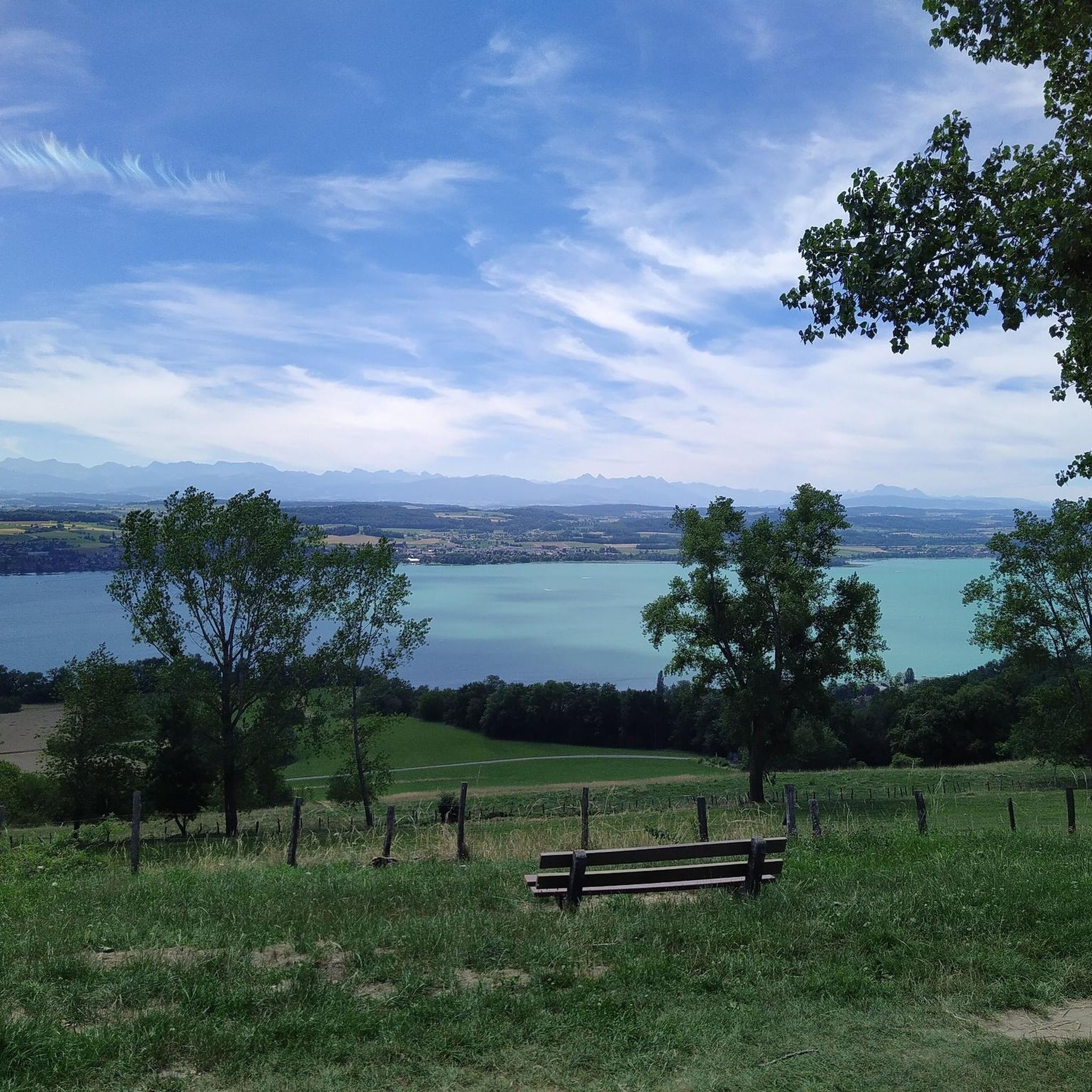
This "LOST PLACE" is very well hidden, and should only be visited in dry weather, because the unpaved path is very slippery when it is slightly damp, and it goes down very steeply. And on the rest bench, which is very weathered a little above, there used to probably be a hiking cross (the bracket with the sawn-off log is still there). But the view is no longer particularly good
0
0

In addition to @Gss's description. If you still want to go down to the cave, you should wear sturdy shoes and a bit of surefootedness won't hurt either.
0
0

Caves bear witness to the former slate mining. You can shine a flashlight into the caves. I would rather not crawl in because of the danger of falling rocks.
1
0

The "cave" has a depth of approx. 2 m. It is certainly a highlight for children.
26
0

A welcome change for little explorers!!!
1
0
With a depth of about 2 m, the height is certainly a highlight for children.
30
0


Basically a "Lost Place", the way there is not signposted and only a weathered, illegible waystone points to a path from Feldrain into the forest. A little later you reach a rest bench, which hardly offers any more view due to the vegetation. Below the knoll with the bank (and really well hidden) is a small cave in the rock.
3
0
Frequently Asked Questions
What makes the caves around Brohl unique?
The caves in the Brohltal region, particularly the Trass Caves, are unique due to their formation approximately 13,000 years ago during the powerful eruption of the Laacher See volcano. They are also remnants of extensive Roman-era trass mining operations, offering a blend of geological wonder and historical significance.
Are there family-friendly caves to explore in the Brohl area?
Yes, several caves are suitable for families. The Small cave on the Felsensteig is a manageable natural monument, and the Zwergstollen Cave, though low and requiring visitors to duck, is a particular highlight for children. The Old Slate Mine Tunnel is also considered an exciting cave for children, going about 6-8 meters deep.
What kind of geological features can I expect to see in the Brohl caves?
The caves, especially the Trass Caves, showcase the unique volcanic rock known as 'trass,' which formed from ash and lava particles after the Laacher See volcano eruption. You'll see the results of this ancient geological activity, as well as the tunnels and shafts created by historical mining.
Are there hiking trails that incorporate cave exploration in the Brohltal region?
Yes, the caves are often highlights along popular hiking trails. The 'Höhlen- und Schluchtensteig' (Cave and Gorge Trail) and the 'Trasshöhlenweg - Georoute U' are notable examples. These trails combine cave exploration with walks through dramatic landscapes like the Wolfsschlucht gorge, featuring impressive rock formations and waterfalls. For more hiking options, explore the Hiking around Brohl guide.
What should I wear or bring when visiting the caves?
Sturdy footwear is highly recommended due to varying terrain and potentially damp floors inside the caves. While many caves are generally easy to walk through, some sections might be low and dark, so a flashlight can be useful for exploring lower shafts.
What is the historical significance of the caves around Brohl?
The caves hold significant historical importance, particularly the Trass Caves, which are remnants of extensive trass mining operations dating back to Roman times. The Romans used trass for construction, valuing its ability to harden underwater. You can see the former mining tunnels and shafts, offering a glimpse into centuries of human industry. The Theresia Mine Tunnel is another example of the region's mining past.
Is parking available near the Trass Caves?
Yes, parking is generally available nearby the Trass Caves, making them easily accessible for visitors traveling by car.
What do visitors enjoy most about the caves in Brohl?
Visitors appreciate the unique combination of geological and historical insights. Many enjoy the accessible nature of the caves, making them suitable for families, and the opportunity to connect with both ancient volcanic activity and Roman-era mining. The adventure of exploring the tunnels, especially for children, is also frequently highlighted.
Are there any challenging or 'hidden' caves for more adventurous explorers?
For those seeking a more adventurous experience, the Schinderhannes Cave (Baybach Valley, Burgen) is a 'Lost Place' that is very well hidden and requires sturdy shoes and surefootedness to access, especially as the path can be very slippery when damp.
Can I combine a visit to the caves with other outdoor activities?
Absolutely. The Brohl region offers various outdoor activities. Besides hiking trails that lead to the caves, you can find numerous cycling routes, such as those detailed in the Cycling around Brohl guide, and running trails, which you can explore in the Running Trails around Brohl guide.
What is the best time of year to visit the caves around Brohl?
The Trass Caves are generally accessible year-round. However, visiting during drier periods is advisable, especially if exploring less maintained paths or hidden caves like the Schinderhannes Cave, where terrain can become slippery. The surrounding hiking trails are particularly pleasant in spring, summer, and autumn.
Most popular attractions around Brohl

Get inspired with the komoot mobile app


Explore more
Extend your search for the best caves by checking out these guides of the top ones around Brohl:
