Top 16 Caves around Ernst
Caves around Ernst are primarily found in the broader Mosel region, where the municipality of Ernst is situated along the Mosel river. This area is known for its wine culture and tourism, with a landscape shaped by the river and surrounding hills. While specific natural caves directly within Ernst are not prominent, the region features historical and geological formations, including man-made tunnels and natural rock shelters. The terrain often includes steep slopes and forested areas, characteristic of the Mosel valley.
…Last updated: June 13, 2026
Slate Mining Tunnels on Strimmiger Berg
Highlight • Cave
Translated by Google •
Tip by

Kreuzweg Chapel Merl
Highlight • Religious Site
At the end of the Way of the Cross there is a neo-Gothic chapel, built in 1856, and several different memorials and supplications.
kuladig.de/Objektansicht/KLD-245669
Translated by Google •
Tip by

Sign up now to discover places like this
Get recommendations on the best single tracks, peaks, & plenty of other exciting outdoor places.
Sign up for free
Cave
Highlight • Cave
Translated by Google •
Tip by

Astronomers' Cave
Highlight • Cave
Translated by Google •
Tip by

Goldkaul Cave
Highlight • Cave
On October 19, 1862, the industrialist Beel received permission in St. Aldegund to dig for copper ore here above the little saint's house on the "Kehr". The …
Translated by Google •
Tip by
Sign up for free to discover even more caves around Ernst.
Sign up for free
Already have an account?
Start today with a free account
Your next adventure awaits.
Login or Signup
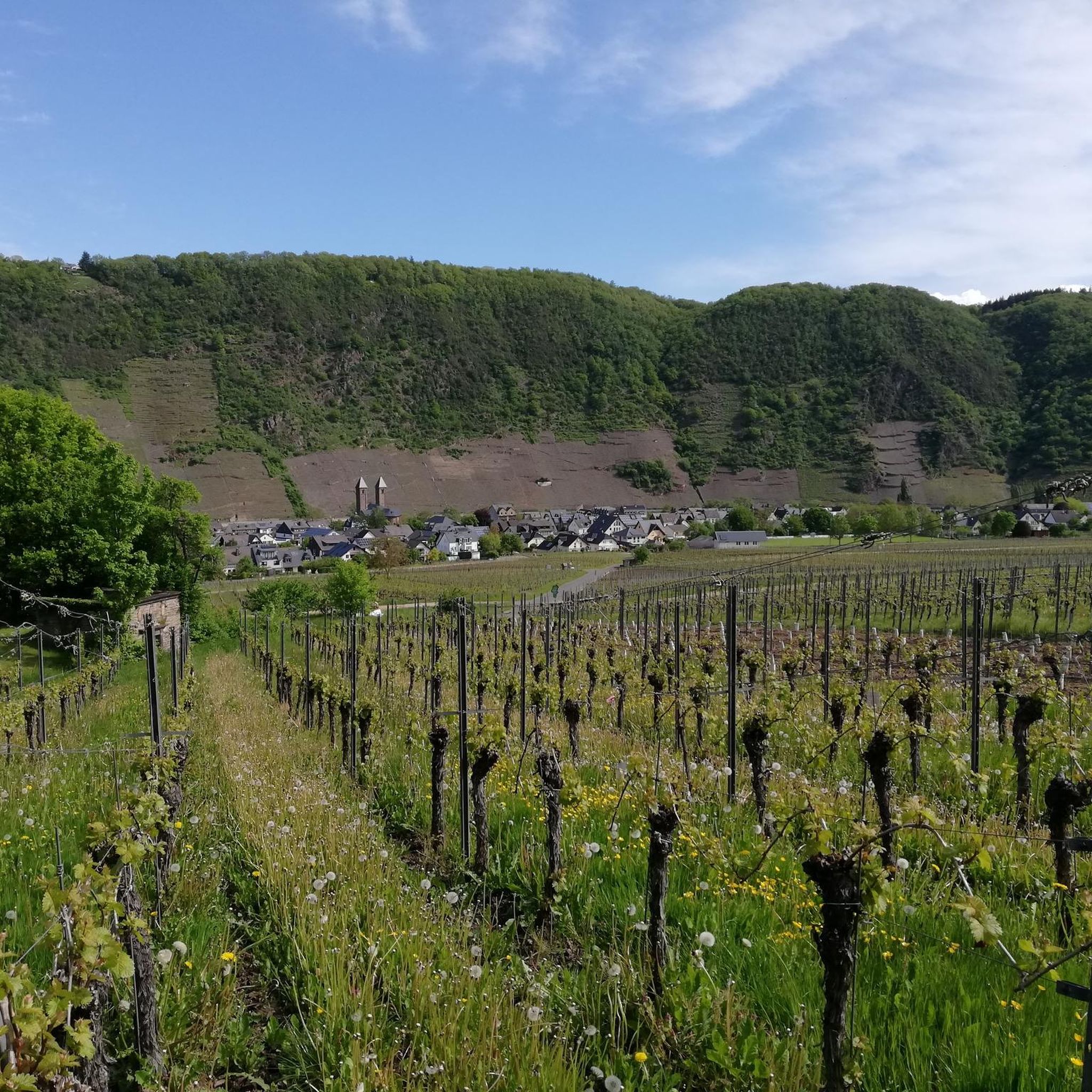
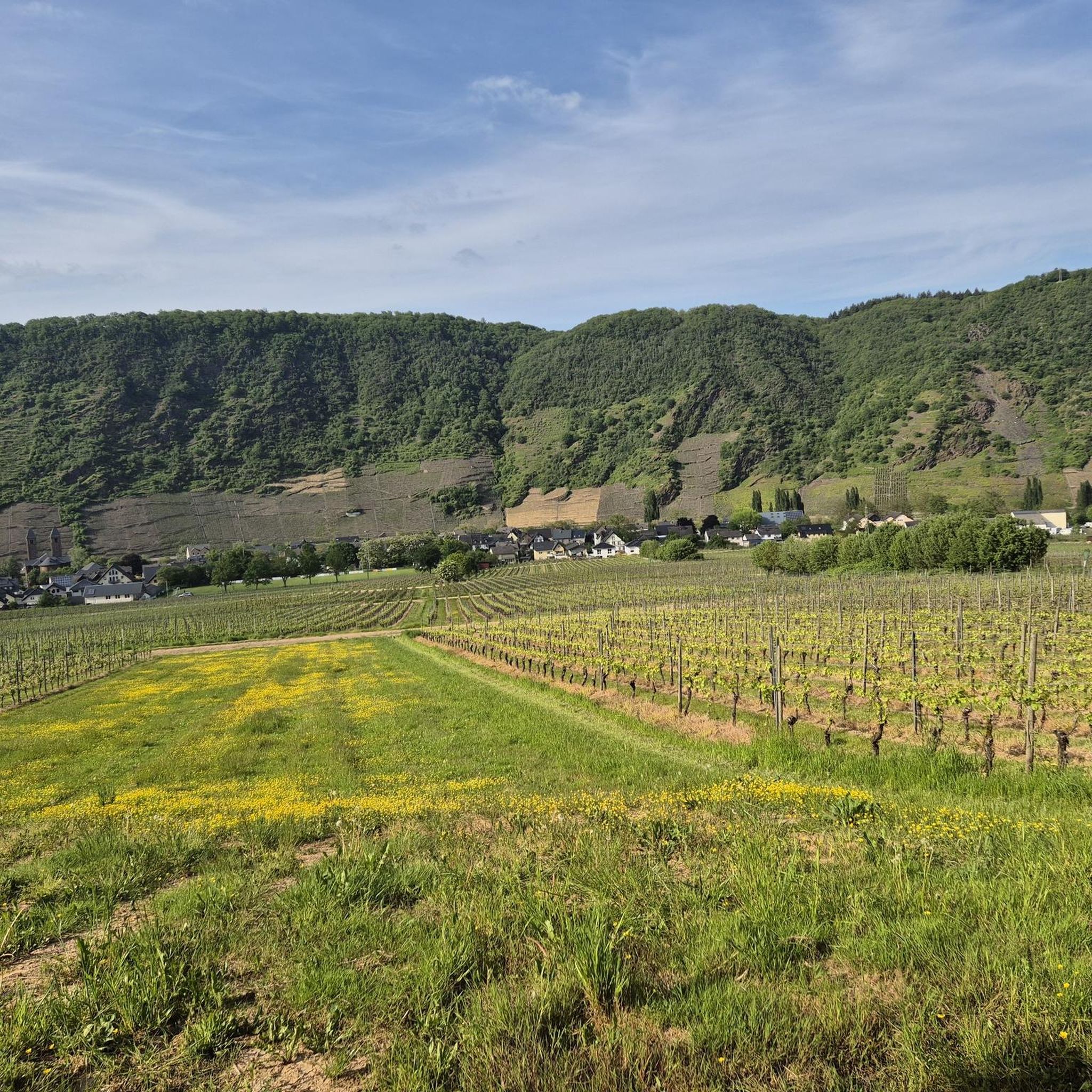
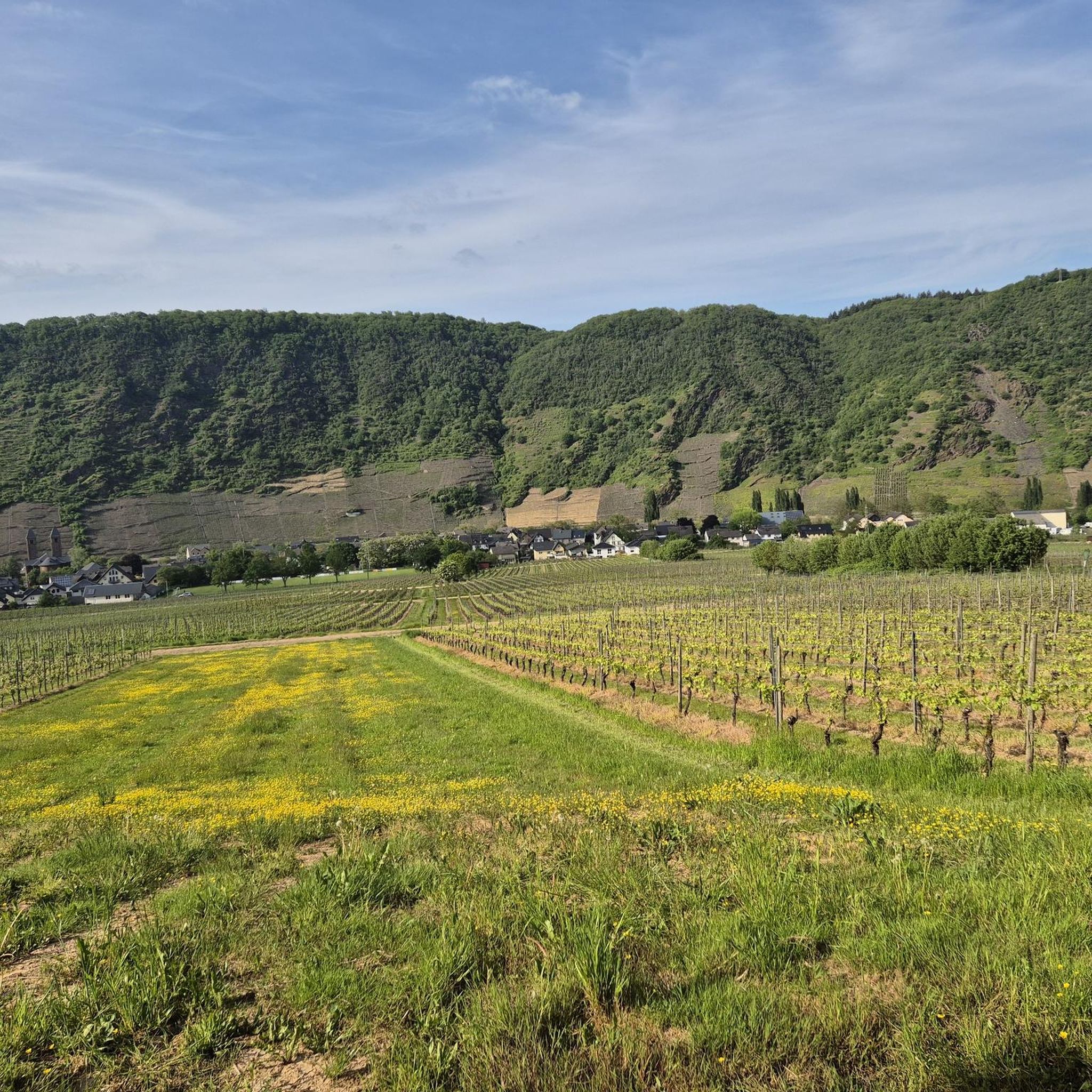
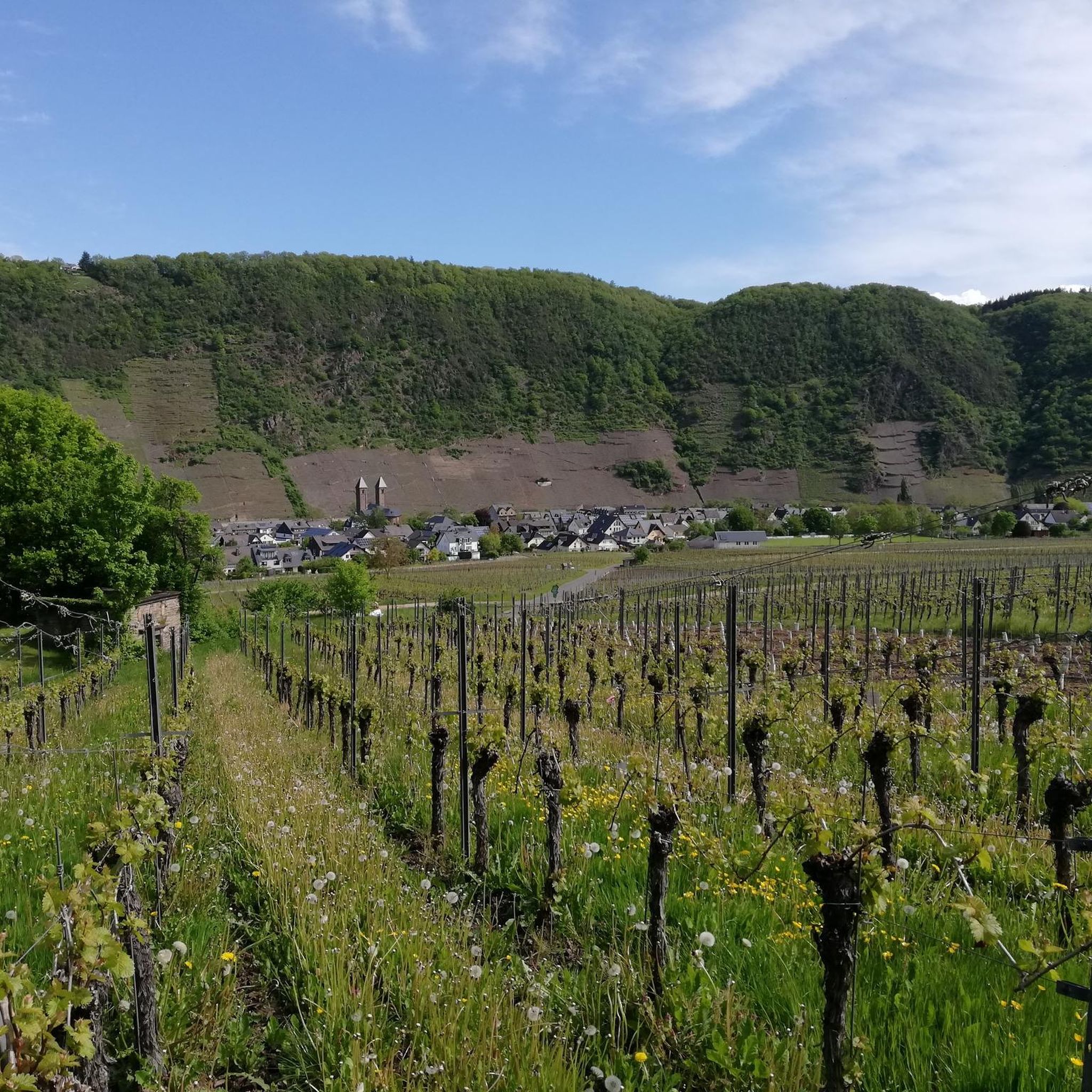
Tips from the Community

"Lord Jesus, eternal Word of the Father, you have become silence for us. And in the silence that leads us to your tomb, there is one more word that we want to say to you when we think back to the Way of the Cross that we walked with you: Thank you! Thank you, Lord Jesus, for the gentleness that overthrows arrogance. Thank you for the courage with which you took up the cross. Thank you for the peace that flows from your wounds. Thank you for giving your holy Mother to us as our mother too. Thank you for the love you showed in the face of betrayal. Thank you for turning tears into smiles. Thank you for loving everyone without excluding anyone. Thank you for the hope you pour in in the hour of trial. Thank you for the mercy that heals misery. Thank you for laying aside everything to enrich us. Thank you for transforming the cross into a tree of life. Thank you for the forgiveness you offered to your murderers. Thank you for conquering death. Thank you, Lord Jesus, for the light you have ignited in our nights, for reconciling every separation and thus making us all brothers and sisters, children of the same Father in heaven." (Prayer for the Way of the Cross with the Holy Father, Pope Francis, Good Friday 2023)
0
0


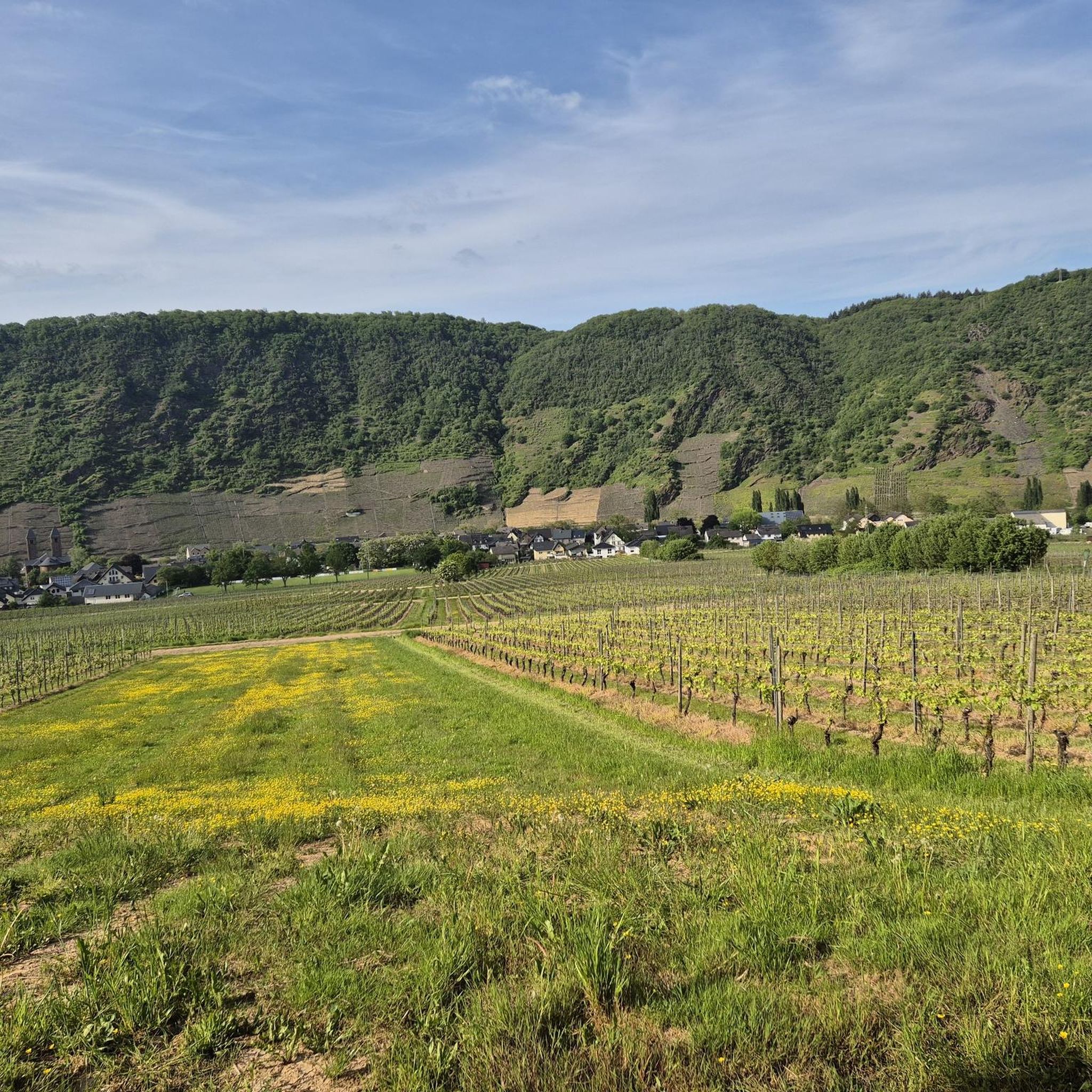
Along the Moselsteig, a small place to pause
0
0

At the end of the Stations of the Cross there is a neo-Gothic chapel, built in 1856, and several different memorials and places of prayer. A bright statue of Mary surrounded by a cave-like shape in the rock, overgrown with ivy and a kneeling supplicant below thanks the Blessed Mother. According to the inscription, it was placed there in 1954. https://www.kuladig.de/Object-View/KLD-245669
0
0


The interesting information on the subject of <<ore mining and caves, entrance to the “Goldkaul” cave>> can also be found here on the internet: https://www.felsen-faesser-fachwerk.de/content/ttafel_ifr11.html
0
0

One of the eleven slate pits in Lütz.
0
0
Frequently Asked Questions
What types of caves can I explore around Ernst?
The Ernst region, situated along the Mosel river, offers a mix of historical man-made tunnels and natural rock shelters. You can explore former slate mining tunnels, such as the Slate Mining Tunnels on Strimmiger Berg, and smaller natural formations like the highlight simply named Cave, which offers a place for shelter near a stream.
Are there any historical caves or mining tunnels to visit near Ernst?
Yes, the region features several historically significant sites. The Slate Mining Tunnels on Strimmiger Berg were a vital source of roofing slate until the early 20th century and later served as air-raid shelters. Another notable historical site is the Astronomers' Cave, a natural monument with a chamber featuring historical drawings, including a world globe.
What is the Genoveva Cave, and is it accessible from Ernst?
The Genoveva Cave (Genovevahöhle) is a significant natural and historical cave located south of Kordel in the Kyll Valley, within the broader Mosel region. It's known for its archaeological finds from various eras and a legend about Countess Genoveva. While not directly in Ernst, it is part of the fascinating landscape of the Mosel region and can be reached via steps carved into the rock, often incorporated into hikes along trails like the Eifelsteig or Römerpfad. More information can be found on visitmosel.de.
What are the difficulty levels for exploring caves in the Ernst region?
Difficulty levels vary. Some natural caves, like the highlight simply named Cave, can involve steep ascents or require sure-footedness. Other sites, such as the Slate Mining Tunnels on Strimmiger Berg, are closed due to collapse danger but can be viewed from the outside. The Castor Cave is on a path that is no longer maintained and is considered very dangerous due to vegetation, steep slopes, and loose rock, and is not recommended for entry.
Are the caves around Ernst suitable for families with children?
While some caves might be challenging, certain areas or approaches can be family-friendly. For instance, the highlight simply named Cave is accessible via a path, though one end has a very steep ascent that might not be suitable for children or those less sure-footed. Always check specific access details and consider the difficulty before visiting with children.
What outdoor activities can I combine with a visit to the caves near Ernst?
The Ernst region offers a variety of outdoor activities. You can explore numerous MTB Trails, enjoy cycling routes along the Mosel, or take easy hikes through the vineyards and hills. Many trails offer scenic views and connect to historical sites or natural landmarks.
Are there hiking trails that lead to these caves?
Yes, several hiking trails in the region can lead you near or to these cave sites. For example, the Genoveva Cave in the broader Mosel region is accessible on hikes along the Eifelsteig or Römerpfad premium hiking trails. For other caves, local paths often provide access, though some, like the path to Castor Cave, are no longer maintained and are not recommended.
What kind of wildlife might I encounter in or around the caves?
The Slate Mining Tunnels on Strimmiger Berg are now closed with grids to protect wintering bats. The spoil heaps in front of these tunnels also create an ideal habitat for heat-loving species such as snakes and lizards. Generally, caves can provide shelter for various small animals and insects.
What is the best time of year to visit the caves around Ernst?
The Mosel region is beautiful year-round. Spring and autumn offer pleasant temperatures for hiking and exploring, with fewer crowds than peak summer. Winter can also be an option, but some paths might be more challenging due to weather conditions. Always check local conditions before your visit.
Is there parking available near the caves?
Parking availability varies by specific cave location. For many natural sites and trailheads in the Mosel region, you can often find parking in nearby villages or designated hiking car parks. It's advisable to check specific access points for parking information before heading out.
Are there any viewpoints or scenic spots near the caves?
Yes, the Mosel region is known for its scenic beauty. While not a cave itself, the Kreuzweg Chapel Merl, located between vineyards, offers a contemplative rest spot with a great view. Many hiking trails leading to or near caves also provide panoramic vistas of the Mosel valley.
What do visitors enjoy most about the caves and surrounding area near Ernst?
Visitors appreciate the blend of natural beauty and historical significance. The unique geological formations, the stories behind sites like the Astronomers' Cave, and the sense of shelter offered by natural rock formations are often highlighted. The overall experience is enhanced by the picturesque Mosel landscape and the opportunity to combine cave exploration with hiking or cycling.
Most popular routes around Ernst
Most popular attractions around Ernst

Get inspired with the komoot mobile app


Explore more
Extend your search for the best caves by checking out these guides of the top ones around Ernst:
