Top 12 Caves around Bernkastel-Kues
Best caves near Bernkastel-Kues are found within the picturesque Moselle Valley, a region known for its vineyards and historic architecture. While Bernkastel-Kues itself is not home to numerous large natural caves, the surrounding district offers various geological formations and historical rock shelters. These range from natural sandstone caves to man-made tunnels and smaller, intriguing formations.
Best caves around Bernkastel-Kues
- The most popular caves is Sandstone Staircase and Defense Tunnel, Mont Royal, a historical site that features a spiral sandstone…
Last updated: June 27, 2026
Vaulted Cellars of Mont Royal Fortress
Highlight • Historical Site
Translated by Google •
Tip by

Leiermannspfad Bear Cave
Highlight • Cave
"Two or three hundred years ago there were still no music bands in the Moselle villages that played at festivals and celebrations, for child baptisms, weddings or fairs. This …
Translated by Google •
Tip by

Sign up now to discover places like this
Get recommendations on the best single tracks, peaks, & plenty of other exciting outdoor places.
Sign up for free
Sandstone Staircase and Defense Tunnel, Mont Royal
Highlight • Historical Site
Translated by Google •
Tip by

Bat Cave with Waterhouse and Pond (Moselle Valley)
Highlight • Cave
Translated by Google •
Tip by

Slate Cave
Highlight • Cave
Translated by Google •
Tip by

Sign up for free to discover even more caves around Bernkastel-Kues.
Sign up for free
Already have an account?
Start today with a free account
Your next adventure awaits.
Login or Signup
Popular around Bernkastel-Kues
The Moselle cycle path — from the Vosges to the Rhine in 18 stages
The Moselsteig trail – 24 stages along the sunny Moselle Valley
Moselsteig Partner Trails – nature, culture and views
Shady forests and cooling streams – summer on the Moselle
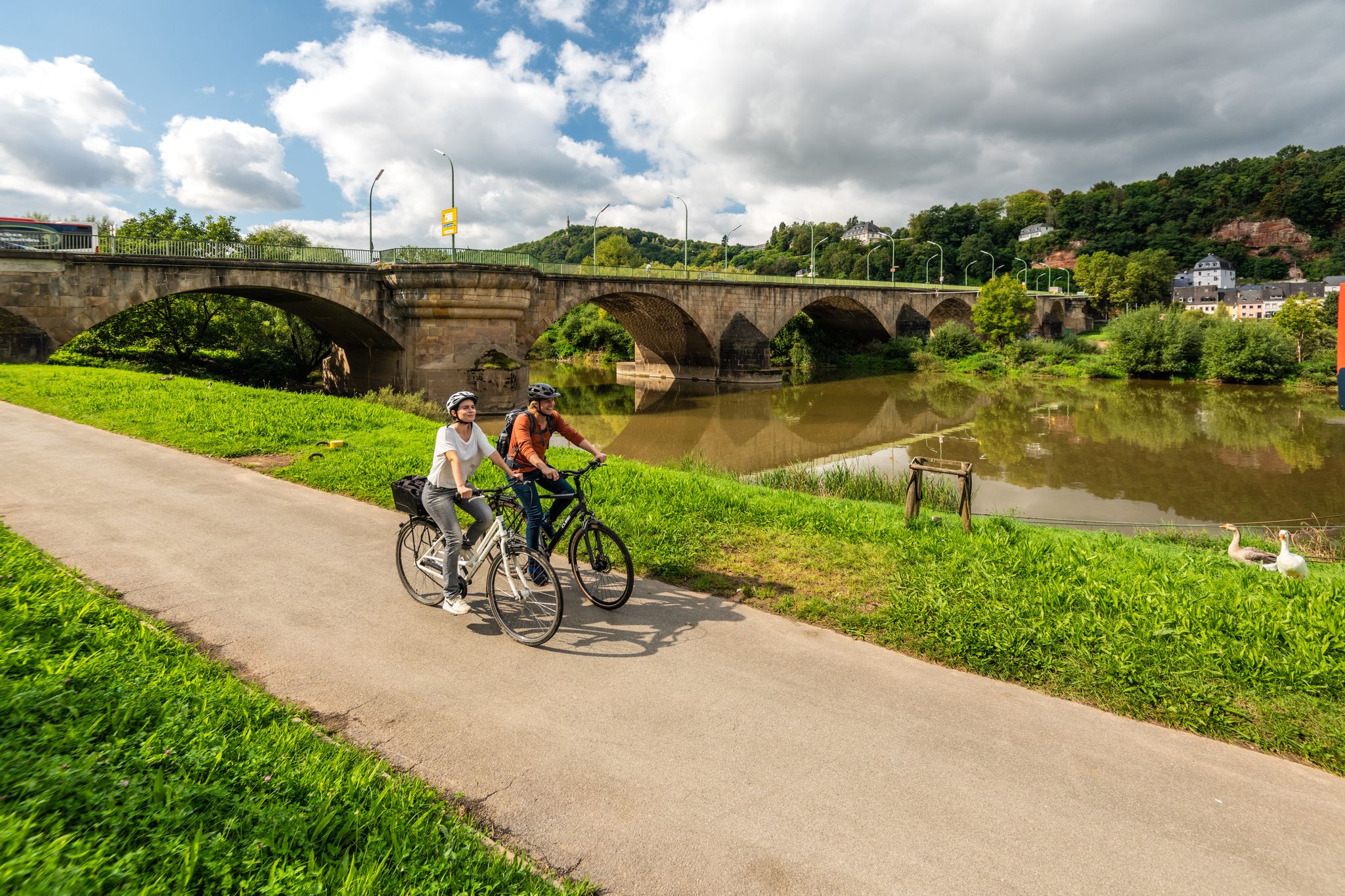
Mosel Cycle Path – in 10 stages from Perl to Koblenz
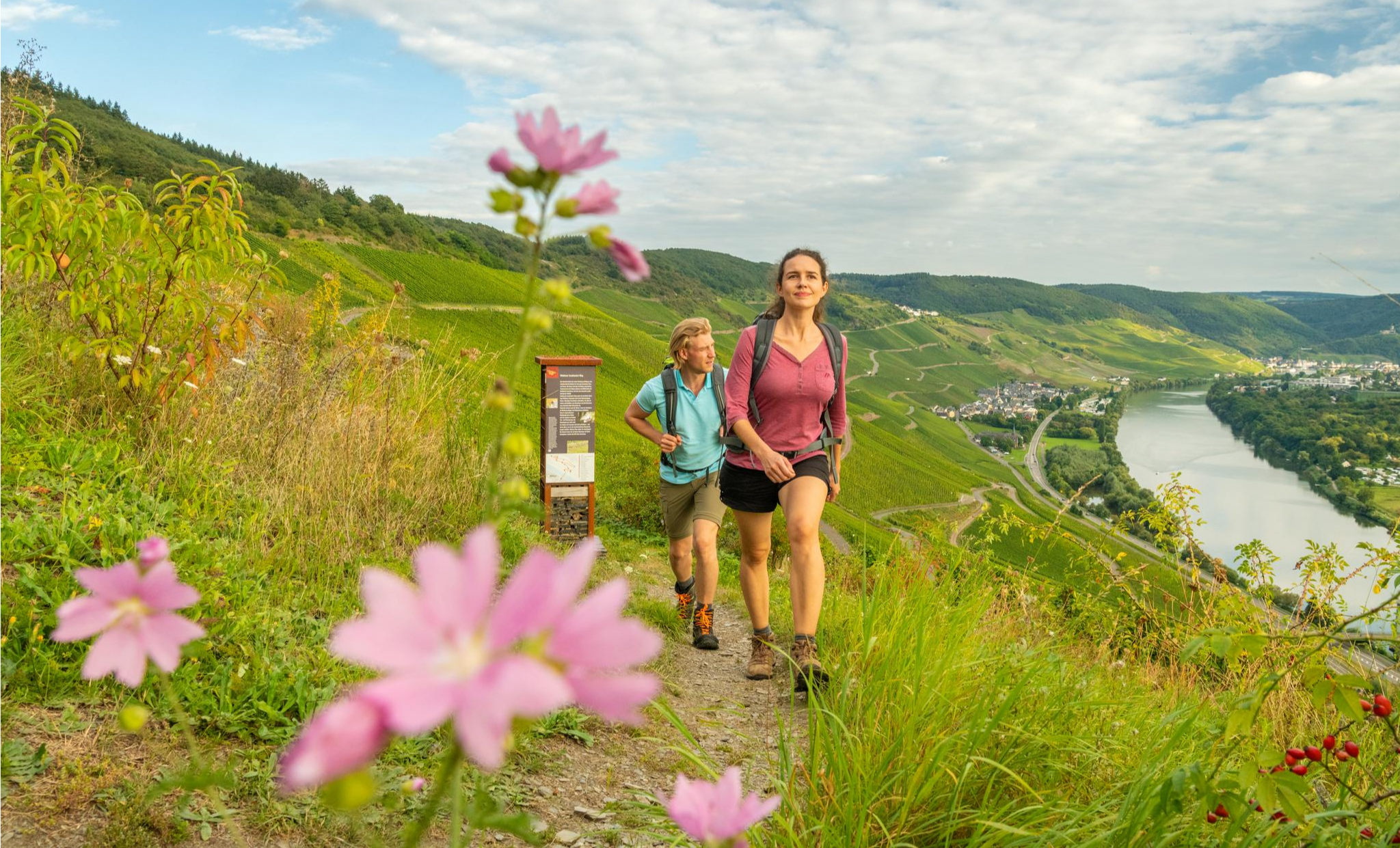
Moselsteig – 24 varied stages from Perl to Koblenz
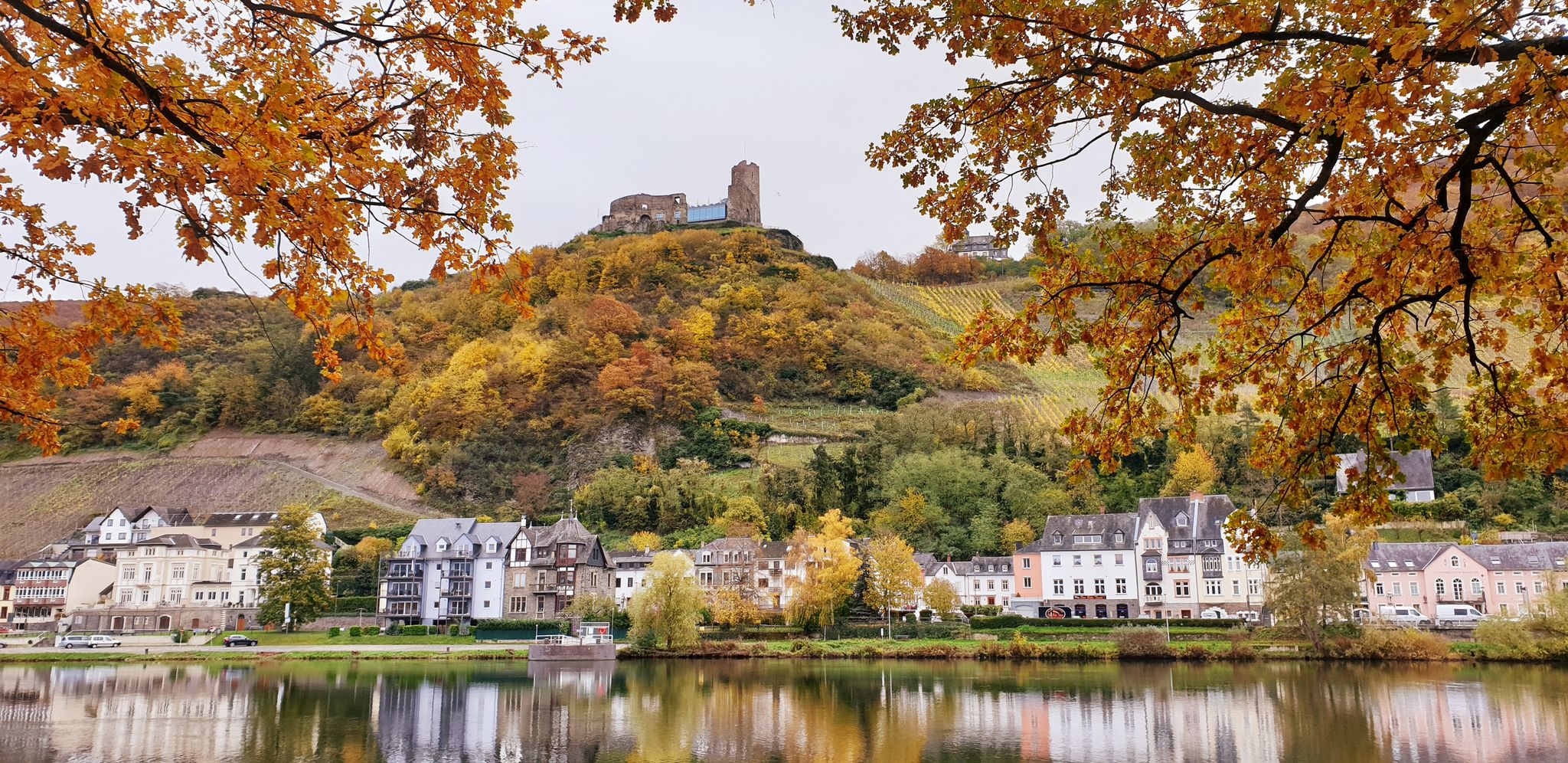
Enjoy an Indian Summer on the Moselle – autumn family hikes
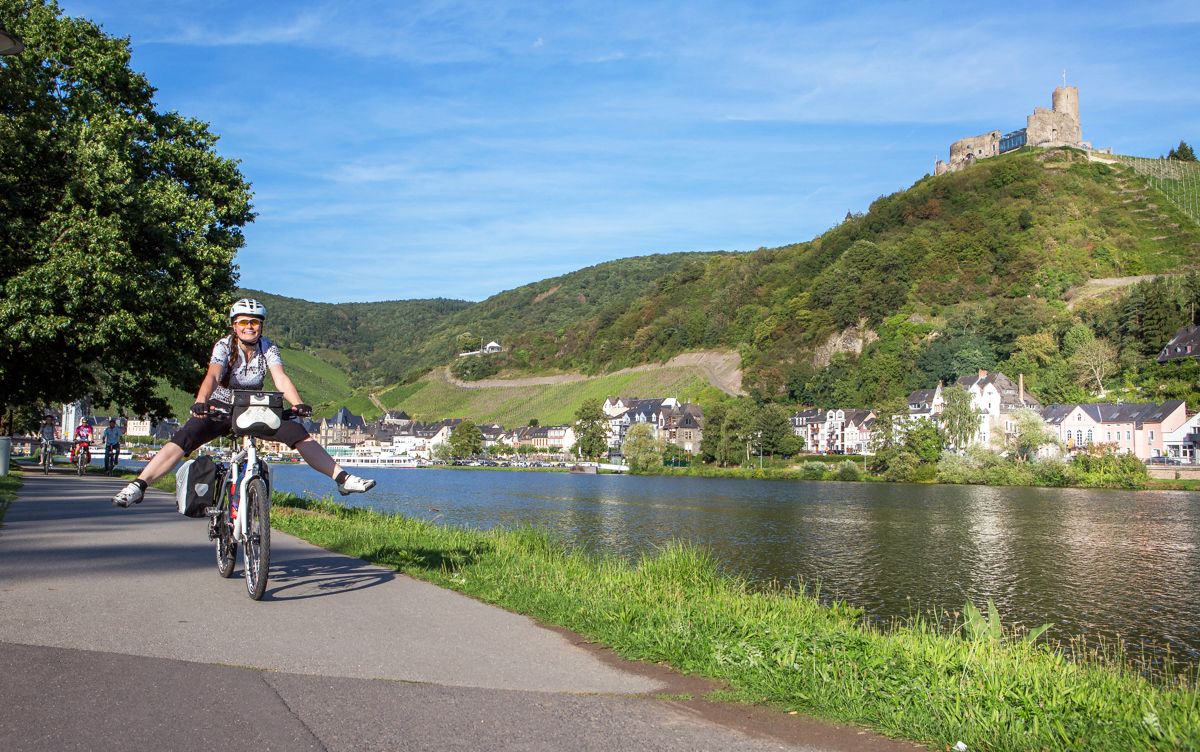
Cycling along the River Moselle in Germany – vineyards, forests & culture
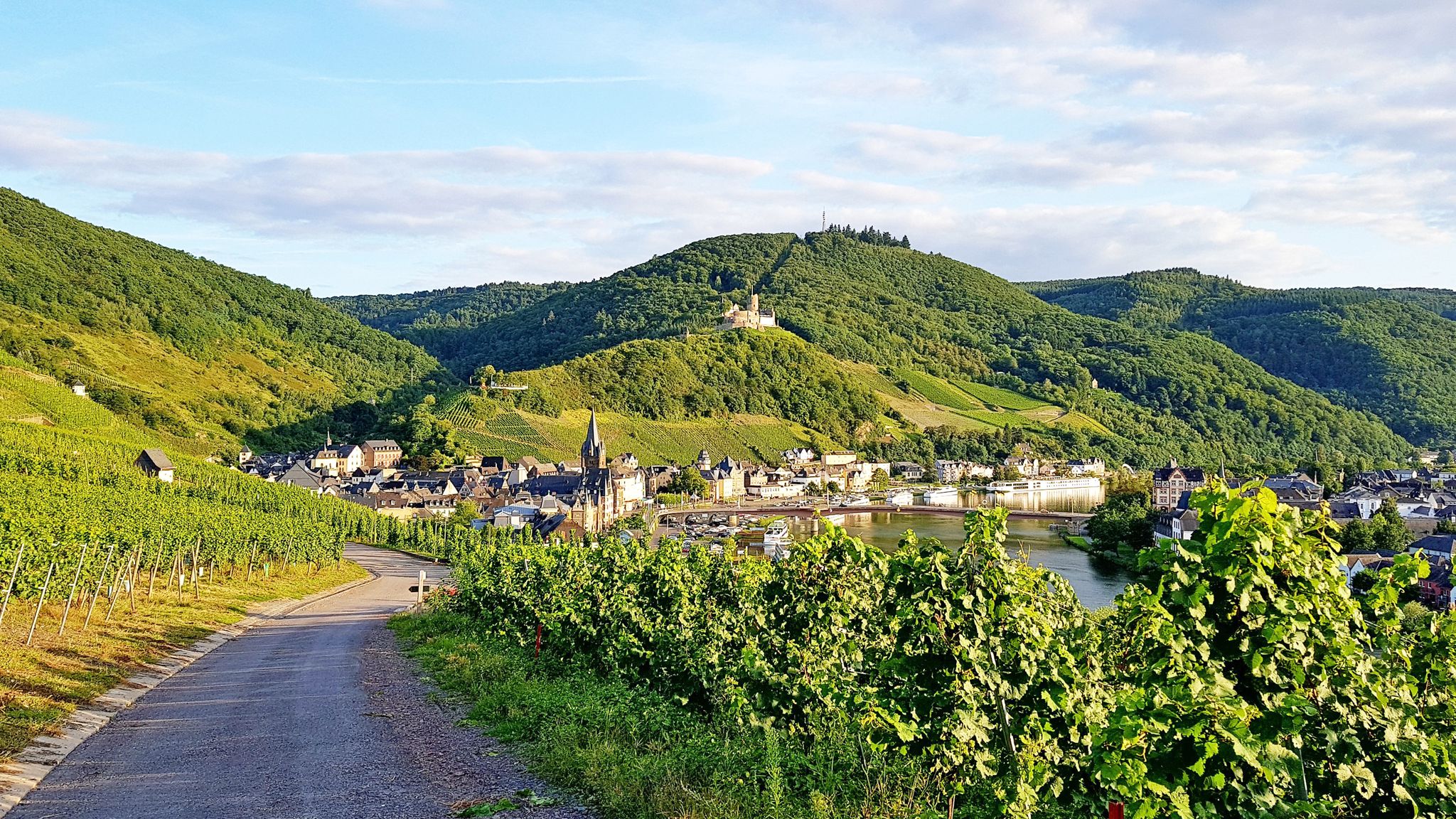
Hiking on the Moselle in the holiday region Bernkastel-Kues
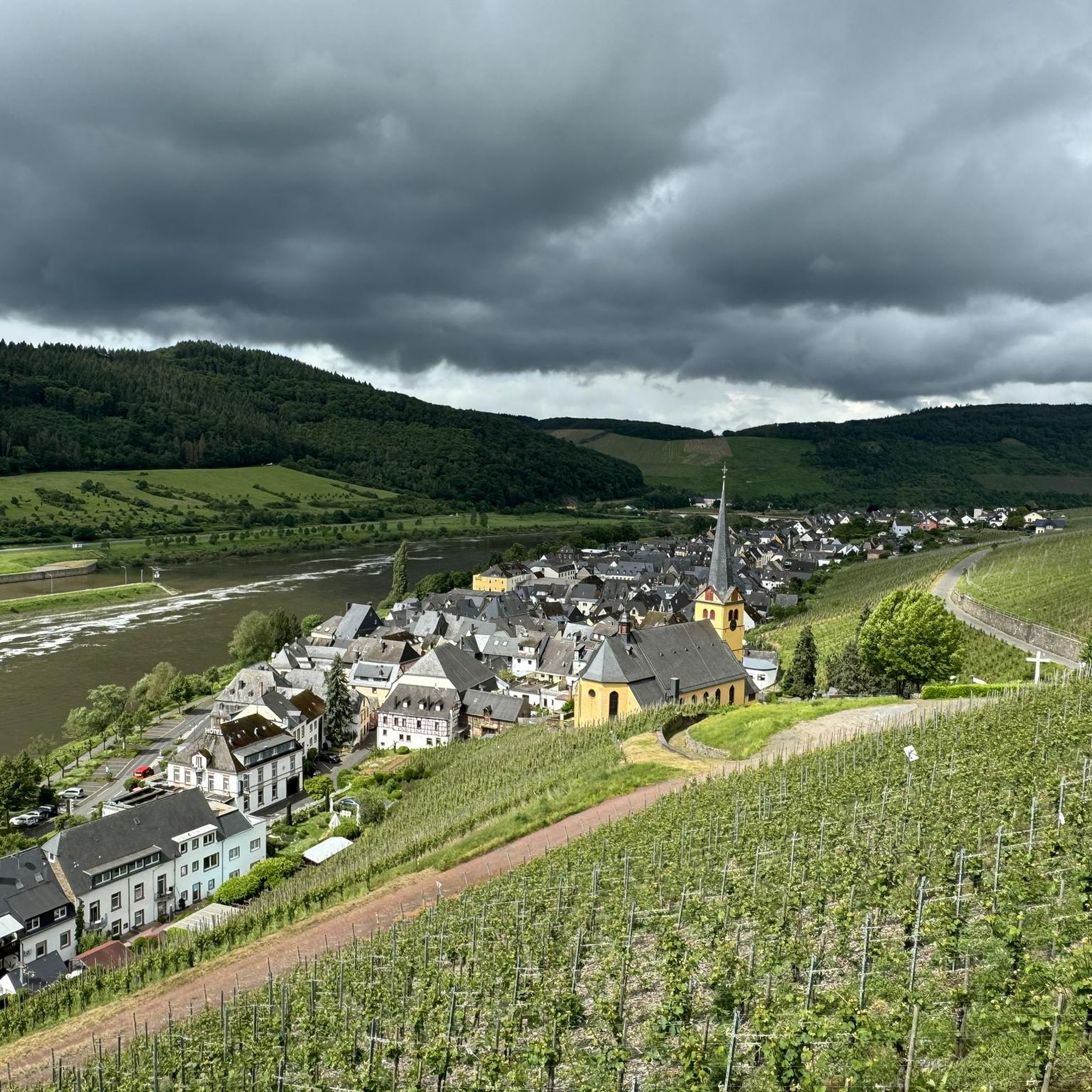
Hiking around Bernkastel-Kues
Other adventures around Bernkastel-Kues


Tips from the Community

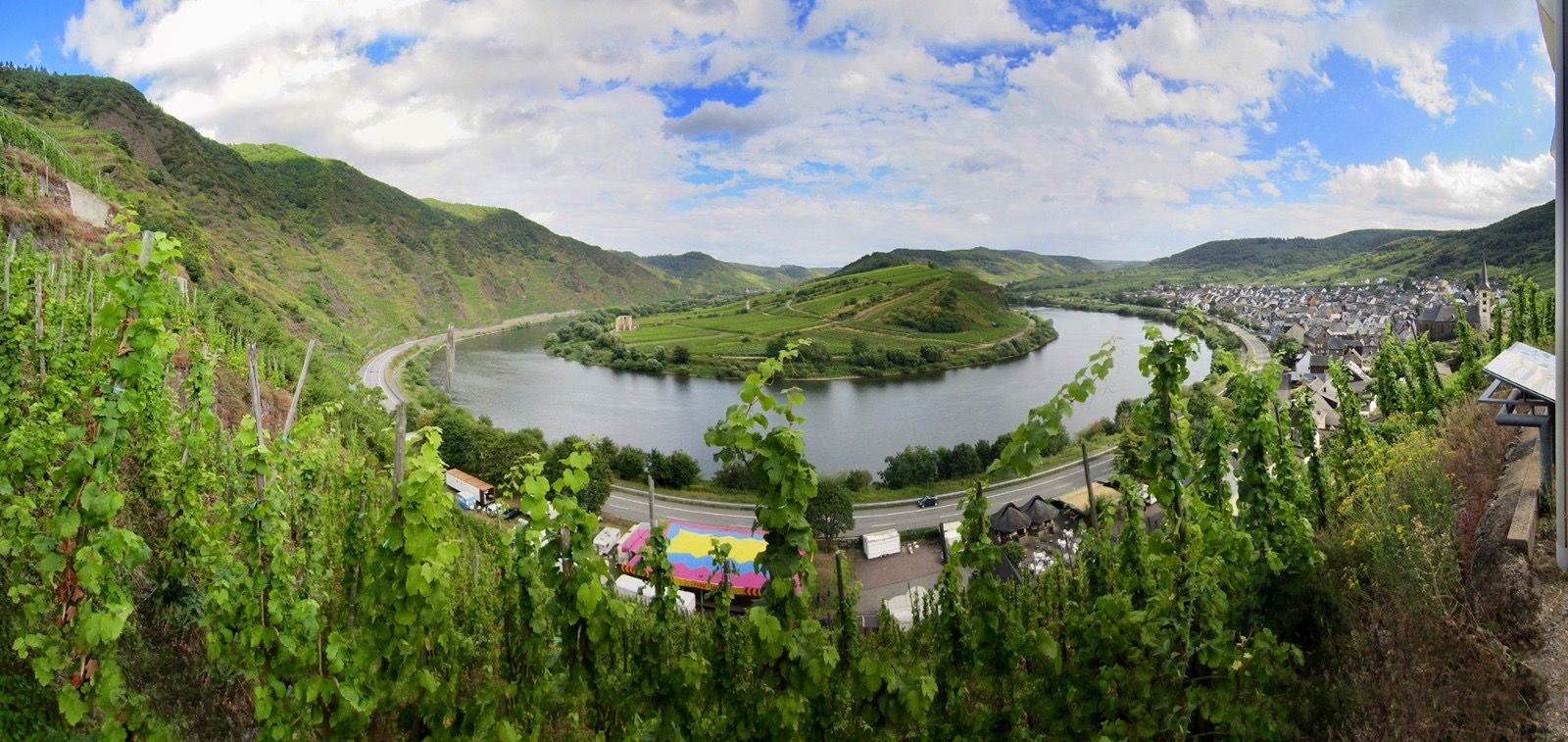
The ruins of Mont Royal fortress lie above Traben-Trarbach on a bend in the Moselle River and were built at the end of the 17th century by order of the French Sun King, Louis XIV. The complex covered an area of 50 hectares and offered space for up to 12,000 soldiers and 3,000 horses. It was intended to serve as a supply base for the French Rhine Army and to control the central Rhineland. Only eleven years after construction began, following the Peace of Rijswijk in 1697, the French destroyed the fortress themselves in 1698 to avoid surrendering it to their opponents. Today, only a few remains of the once mighty fortress are visible. These include sections of the walls, casemates, cellar vaults, and defensive ditches. A large part of the ruins is overgrown by forest.
1
0

At first glance, the spiral sandstone staircase appears to be enclosed by a gate. However, this only prevents ascent. The descent leads into darkness via the stairs, which are partially slippery due to rubble, followed by a tunnel leading to a loooong, equally slippery staircase that descends into the depths. This tunnel then leads into a long, equally slippery tunnel with loopholes on the sides, at the end of which you return to daylight. Sturdy footwear and sufficient lighting, or good accident insurance, are recommended!
1
0
All that remains of the barracks, i.e. the accommodation buildings, are numerous vaulted cellars, which have collapsed in many places, creating a huge crater field.
0
1

Small cave that you can tread carefully (clammy, slippery, there is sometimes water in it). The illumination with the mobile phone is completely sufficient, the light yield for a mobile phone photo without a flash was even sufficient.
1
0


Shortly before, I had hiked past the small cave in Ahringsbachtal, and I saw it in front of me - was that the bear 🐻 from the legend of the Leiermannspfad?! 😮 Luckily, the bear was easily soothed with a few biscuits and then showed himself to be very approachable. And when the biscuits were completely plastered, the little guy trolled back to his cave, growling, and let me go on my way unmolested! 👋😄
0
0
<< The hurdy-gurdy man from Ahringsbach >> "Two or three hundred years ago there were still no music bands in the Moselle villages that played at festivals and celebrations, for child baptisms, weddings or fairs. This was once done by the lyre, a kind of violin that was made to sound with a crank and at the same time been plucked from the sides. A hurdy-gurdy man also lived in Enkirch, who had returned home late one evening from a wedding in Starkenburg. He used the steep mountain path that is now called Leiermannspfad. Suddenly he heard a strange hum and grunt and stopped dead in his tracks. Then he saw a huge bear a short distance away. As quick as a squirrel, the hurdy-gurdy man climbed a tree, because the bear came running up with mighty leaps. With a constant growl, the mighty animal romped around the tree, nuzzled the bark and raised its paw with long, sharp claws menacingly up the trunk. But the dense branches prevented the monster from climbing the tree. For a while the hurdy-gurdy man sat stiff and stiff with fear in the branches and looked down at the humming monster. When he had finally recovered a little from his shock, he began to play the lyre. But all music was in vain; the bear didn't move from the spot, but sat on its broad rump and romped around the tree again and again, growling. So the hurdy-gurdy played all night long. On the one hand he encouraged himself in this way, on the other hand the lovely tones had a calming effect on the restless animal. Yes, Dickpelz only disappeared into the forest at dawn, because he was afraid of daylight. The hurdy-gurdy man quickly climbed down from his uncomfortable place to sleep and ran to Enkirch as fast as his legs would carry him." Source: Shortened from_ ghosts, counts and crooks "Sagas, legends, stories from the Moselland by Reinhold Wagner. Hetios Verlags- und Buchvertriebsgesellschaft, 52068 Aachen, telephone: 0241 - 555426, ISBN: 3-925087-50-8
0
0

Frequently Asked Questions
What types of caves can I explore around Bernkastel-Kues?
The region around Bernkastel-Kues offers a variety of cave experiences. You can find natural sandstone formations like the Genoveva Cave, geological formations in shale rock such as the Schinderhannes Cave, and historical sites like the Sandstone Staircase and Defense Tunnel, Mont Royal. There are also smaller natural caves like the Slate Cave and the Bat Cave with Waterhouse and Pond (Moselle Valley).
Are there any caves with historical or legendary significance in the area?
Yes, several caves are rich in history and legend. The Genoveva Cave is steeped in medieval folklore, said to have sheltered Genoveva of Brabant. The Schinderhannes Cave is famously associated with the 18th-century outlaw Johannes Bückler. Additionally, the Sandstone Staircase and Defense Tunnel, Mont Royal is a historical site featuring a defense tunnel.
What should I wear or bring when visiting the caves?
For most cave explorations, especially those involving natural formations or uneven terrain, sturdy footwear is highly recommended. For darker caves like the Slate Cave or the Sandstone Staircase and Defense Tunnel, Mont Royal, a flashlight or headlamp is essential, as some sections can be long, dark, and slippery.
Are there any family-friendly caves or activities suitable for children?
The Zwergenhöhle (Dwarf Cave) is integrated into local hiking and biking routes, offering an interesting discovery point for families. The Bat Cave with Waterhouse and Pond (Moselle Valley) is also noted by visitors as having 'so much to see and discover,' which can be engaging for children. Always check specific cave conditions for suitability with younger visitors.
What is the best time of year to visit the caves around Bernkastel-Kues?
The period between April and September is generally ideal for visiting. For instance, the Schinderhannes Cave is legally closed for bat protection from October 1st to March 31st. Visiting outside of winter months ensures better accessibility and conditions for most natural caves.
Are there hiking trails that lead to or pass by these caves?
Yes, many caves are integrated into the region's extensive trail network. The Genoveva Cave, for example, is accessible via the Eifelsteig or Römerpfad. The Zwergenhöhle is a highlight on various hiking and biking routes. You can find numerous hiking options in the area, including the 'Ferienlandweg Burg-Olymp-Tour' or the 'Moselsteig-Seitensprung Bernkasteler Bärensteig,' which are part of the Hiking around Bernkastel-Kues guide.
What kind of geological features can I observe in the caves?
You can observe diverse geological features. The Genoveva Cave showcases natural sandstone formations shaped by millions of years of erosion. The Schinderhannes Cave is a unique formation in shale rock, created by tectonic forces. The Slate Cave highlights the region's slate geology, and the Catacomb is a small cave within a large rock where slate was also mined.
Are there any caves that are particularly challenging to explore?
Some caves present more challenging conditions. The Sandstone Staircase and Defense Tunnel, Mont Royal involves a long, slippery descent into darkness. The Catacomb requires navigating a steep serpentine path and a cave entrance filled with leaves that can conceal large rocks and holes.
Can I find information about the Genoveva Cave online?
Yes, you can find more information about the Genoveva Cave, including its location and significance, on the official regional tourism website. Visit en.visitmosel.de for details.
Are there other outdoor activities available near the caves?
Absolutely. The region around Bernkastel-Kues is excellent for various outdoor pursuits. Besides hiking, you can enjoy gravel biking, with routes like the 'Bernkastel Old Town Square – Bernkastel-Kues Market Square loop' detailed in the Gravel biking around Bernkastel-Kues guide. There are also waterfall hikes and numerous cycling opportunities.
Are there any small or hidden caves to discover?
Yes, the region has several smaller, more intimate cave experiences. The Small Cave in the Moselle Valley is a tiny cave nestled in the forest. The Zwergenhöhle (Dwarf Cave) also suggests a smaller, perhaps more secluded, natural curiosity integrated into local routes.
What do visitors generally enjoy about the caves in this region?
Visitors appreciate the blend of natural beauty, historical intrigue, and the opportunity for outdoor adventure. The unique geological formations, the legends associated with places like the Genoveva and Schinderhannes Caves, and the integration of these sites into scenic hiking and biking trails are frequently highlighted. The Bat Cave with Waterhouse and Pond (Moselle Valley) is noted for having 'so much to see and discover.'
Most popular routes around Bernkastel-Kues
Most popular attractions around Bernkastel-Kues

Get inspired with the komoot mobile app


Explore more
Extend your search for the best caves by checking out these guides of the top ones around Bernkastel-Kues:
