Top 9 Caves around Martinshöhe
Caves near Martinshöhe Pfalz offer opportunities to explore geological formations and historical sites. The region, situated in the western Palatinate, features a landscape characterized by forests and sandstone formations. While not known for extensive natural cave systems, the area includes notable rock shelters and man-made underground structures. These sites provide insights into both natural processes and human history in the Palatinate.
Best caves around Martinshöhe
- The most popular caves is Schlossberg Caves (Schlossberghöhlen, Homburg), a man-made monument that represents…
Last updated: June 27, 2026
Krämerstein Rock Formation
Highlight • Natural Monument
Translated by Google •
Tip by

Schlossberg Caves (Schlossberghöhlen, Homburg)
Highlight • Cave
Translated by Google •
Tip by

Sign up now to discover places like this
Get recommendations on the best single tracks, peaks, & plenty of other exciting outdoor places.
Sign up for free
Elend Cave
Highlight • Cave
Translated by Google •
Tip by

Paleolithic Rock Shelter
Highlight • Cave
Translated by Google •
Tip by

Bärenloch Natural Monument
Highlight • Natural Monument
Translated by Google •
Tip by

Sign up for free to discover even more caves around Martinshöhe.
Sign up for free
Already have an account?
Start today with a free account
Your next adventure awaits.
Login or Signup
Tips from the Community

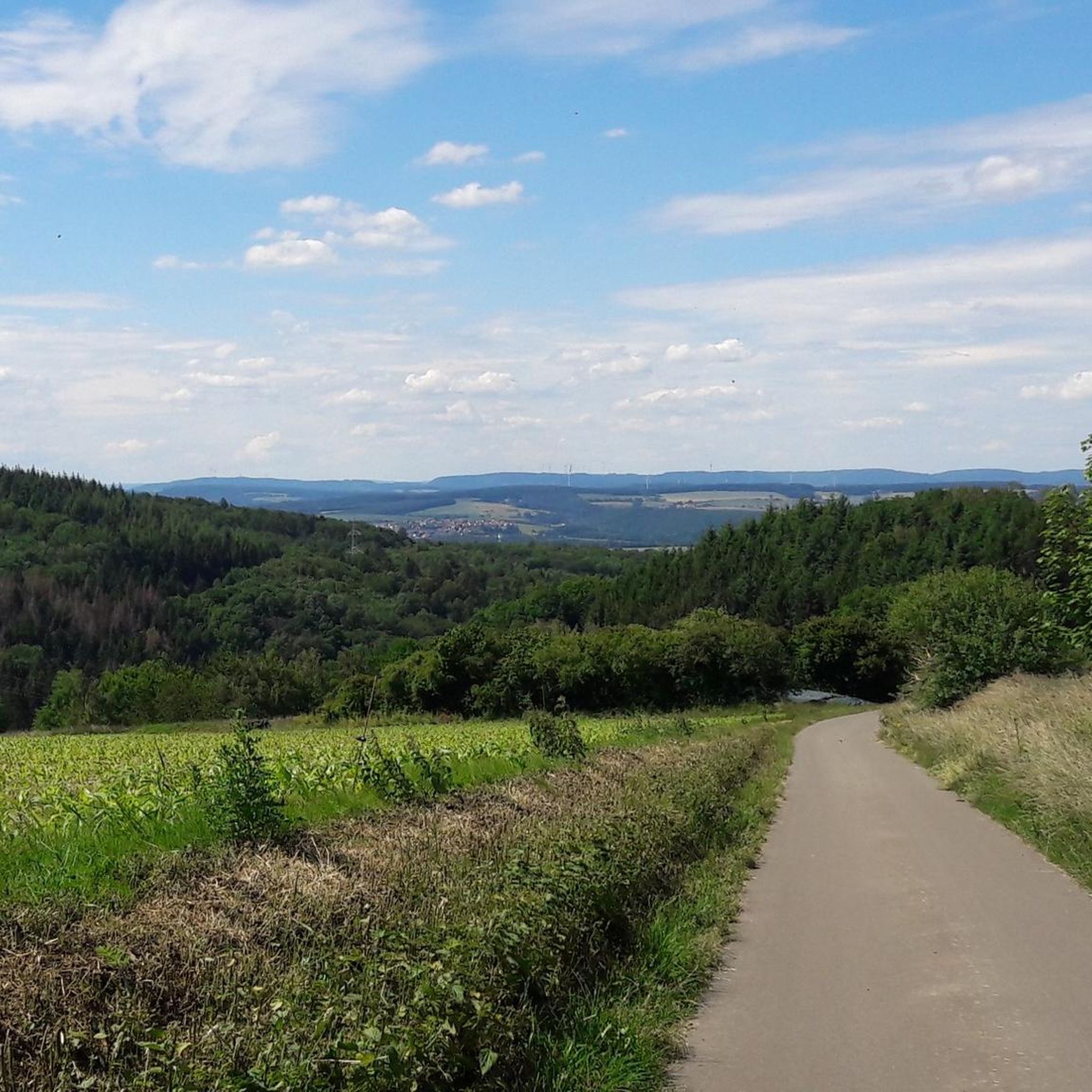
Here you will find the Schlossberg caves, very beautiful
10
0

This could have been an "abri", a half-cave, as a shelter for early humans from the Old Stone Age (Paleolithic), the oldest era in human history. It began on our 4.5 billion year old earth around 2 million years ago in East Africa, as evidenced by finds of skulls and bones and primitive tools made of stone and wood. Around 600,000 BC, small groups of Old Stone Age people also appeared in Germany. Based on the greywacke artefacts found here by local historian Albert Westrich, the archaeologist Emil Hofmann determined that they were used as scrapers, striking stones, graters and stingers as early as 600,000-800,000 years ago. His book "Altpaläolithische Fundplätze des Homo erectus heidelbergensis Schmitshausen", published in 2008, depicts the finds.
0
0

A real attraction. Take a flashlight with you😀
2
0

Did bears really once live here, as they say?
2
0

was donated in 2007 for the reopening of the Schlößberg sand caves
7
0
a visit is mandatory, admission 6 euros for adults, but it's worth it
7
0
Here is a dwelling place of Stone Age people from the Old Stone Age. Here hand axes, scrapers, knives, hammers and anvils were found.
2
0

Moderate climb from the top of the misery gorge, but worth the steep climb. You could see your breath in the walk-in larger cave because it's really cool in there. Flashlight is beneficial.
2
0
Frequently Asked Questions
What types of caves can I explore around Martinshöhe?
The Martinshöhe region offers a mix of natural rock formations, rock shelters, and man-made cave systems. You can find impressive red sandstone formations like the Krämerstein Rock Formation, natural caves such as Elend Cave, and historical man-made structures like the Schlossberg Caves (Schlossberghöhlen, Homburg).
Are there any family-friendly caves in the area?
Yes, the Schlossberg Caves (Schlossberghöhlen, Homburg) are considered family-friendly. They offer a unique experience exploring Europe's largest red sandstone caves, with three floors open to visitors. Safety briefings and helmets are provided.
What historical significance do the caves around Martinshöhe hold?
The region's caves and rock shelters have historical importance. For instance, the Paleolithic Rock Shelter was a dwelling place for Stone Age people, where artifacts like hand axes and scrapers have been found. The Schlossberg Caves, originally mine tunnels, served as a defense for the Hohenburg Fortress and later as air-raid shelters during World War II.
Do I need special equipment to visit the caves?
For natural caves like Elend Cave, it is highly recommended to bring a flashlight as it extends about 30 meters into the mountain and can be quite dark and cool inside. For the Schlossberg Caves, safety briefings and helmets are provided upon entry.
What is the temperature like inside the caves?
The Schlossberg Caves (Schlossberghöhlen, Homburg) maintain a constant temperature of 10°C (50°F) year-round. Natural caves like Elend Cave are also noted for being quite cool inside.
Are there guided tours available for any of the caves?
Yes, guided tours are available at the Schlossberg Caves (Schlossberghöhlen, Homburg). Registration is useful, and tours can also be conducted in English and French. Groups are advised to call in advance.
What outdoor activities can I combine with a visit to the caves?
The area around Martinshöhe offers various outdoor activities. You can find numerous hiking trails, including routes that pass by natural monuments like the Krämerstein Rock Formation and Bärenloch Natural Monument. Explore more options on the Hiking around Martinshöhe guide, or discover MTB Trails and Running Trails in the vicinity.
Are there any natural rock formations or viewpoints to see?
Absolutely. The Krämerstein Rock Formation is a prominent natural monument, featuring 120-meter-long and 12-meter-high sandstone cliffs that offer an imposing natural experience. The Bärenloch Natural Monument also provides beautiful trails and viewpoints.
How accessible are the caves by car and public transport?
For the Schlossberg Caves (Schlossberghöhlen, Homburg), you can park on the Schlossberg, with a staircase leading to the entrance. From the old town, they are also reachable via a staircase. Information on public transport directly to all cave entrances is limited, so planning your journey in advance is advisable.
What geological features are notable in the region's caves?
The region is characterized by sandstone formations. The Schlossberg Caves, for example, are known for their unique yellow, red, and yellow-red discoloration of the Buntsandstein, and 'Rippelmarken' (ripple marks) on ceilings and walls, indicating ancient water movement. The Krämerstein Rock Formation also showcases impressive Middle Buntsandstein cliffs.
Are there any caves that are freely accessible without a tour?
Yes, Elend Cave is freely accessible and extends about 30 meters into the mountain. Remember to bring a flashlight for exploration.
Most popular routes around Martinshöhe
Most popular attractions around Martinshöhe

Get inspired with the komoot mobile app


Explore more
Extend your search for the best caves by checking out these guides of the top ones around Martinshöhe:
