Top 2 Caves around Niederhorbach
Caves around Niederhorbach are primarily found in the surrounding Palatinate Forest, a region known for its natural rock formations and historical sites. Niederhorbach itself is a tranquil wine village nestled in the Hirtenbach valley, surrounded by vineyards and nature reserves. While prominent natural caves are not directly within the village, the broader area offers various cave-like structures, rock shelters, and historical underground features. These sites provide insights into the region's geology and past human activities.
Best caves around Niederhorbach
- The…
Last updated: August 20, 2026
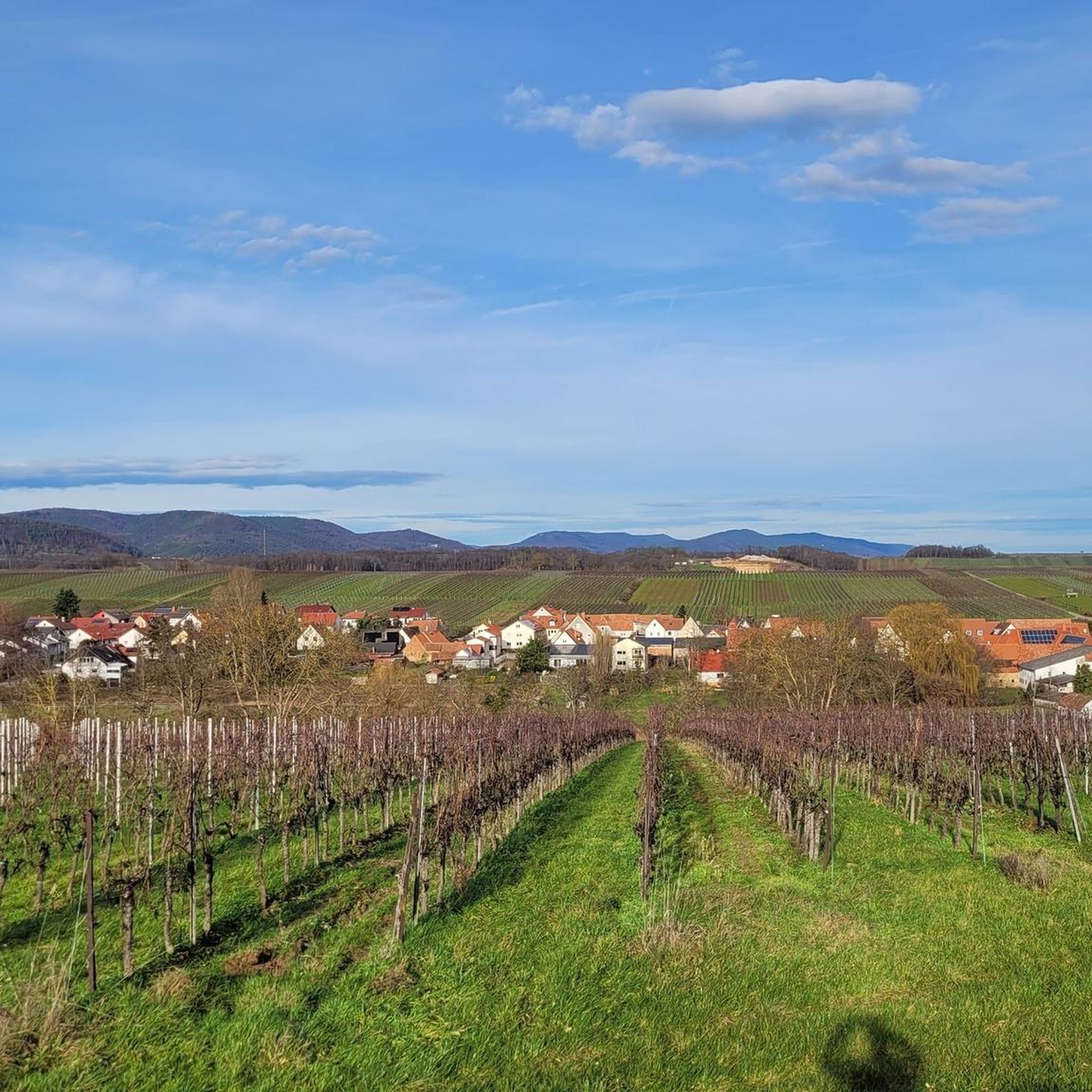
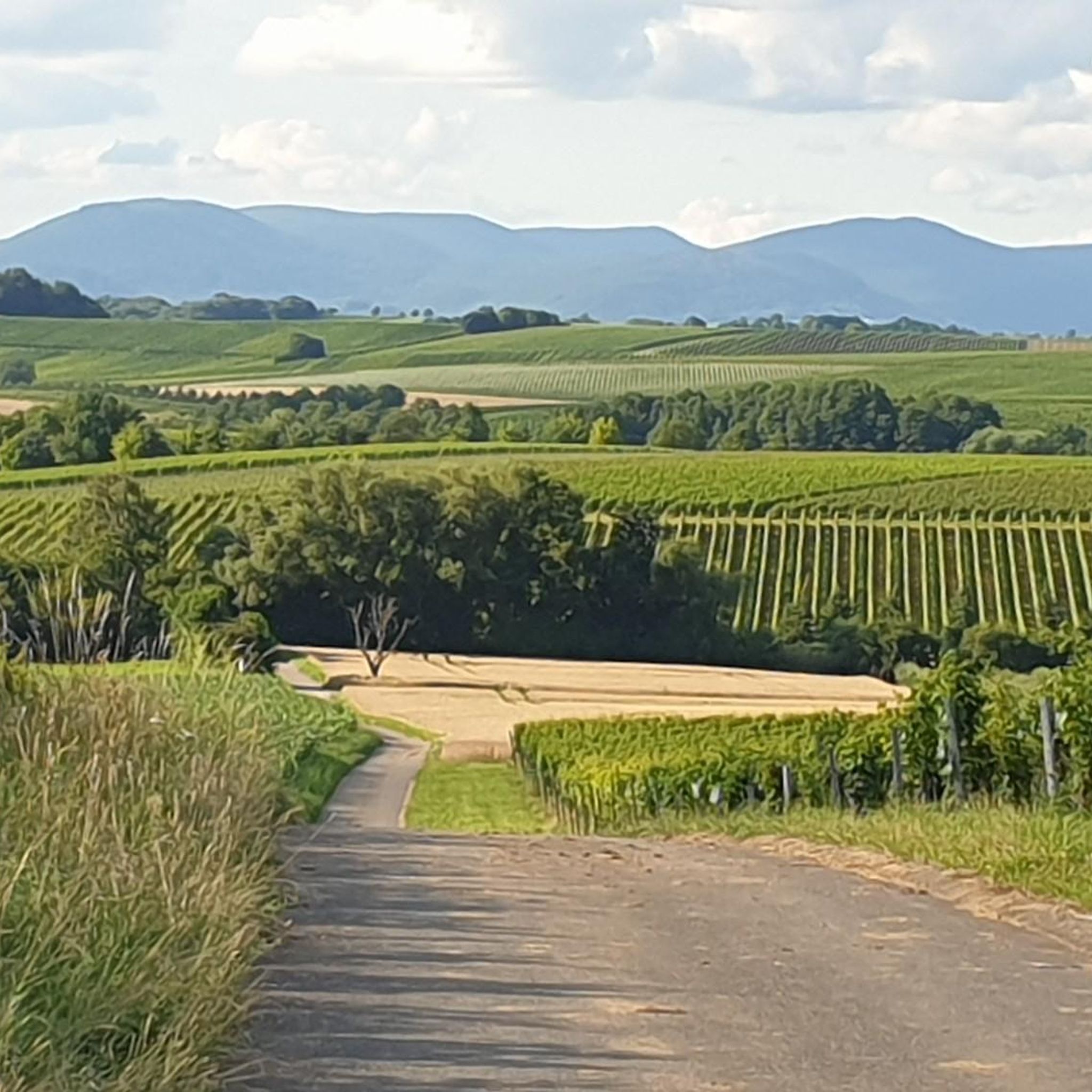
View of Waldhambach and the Palatinate Forest from Treutelskopf
Highlight • Viewpoint
Translated by Google •
Tip by

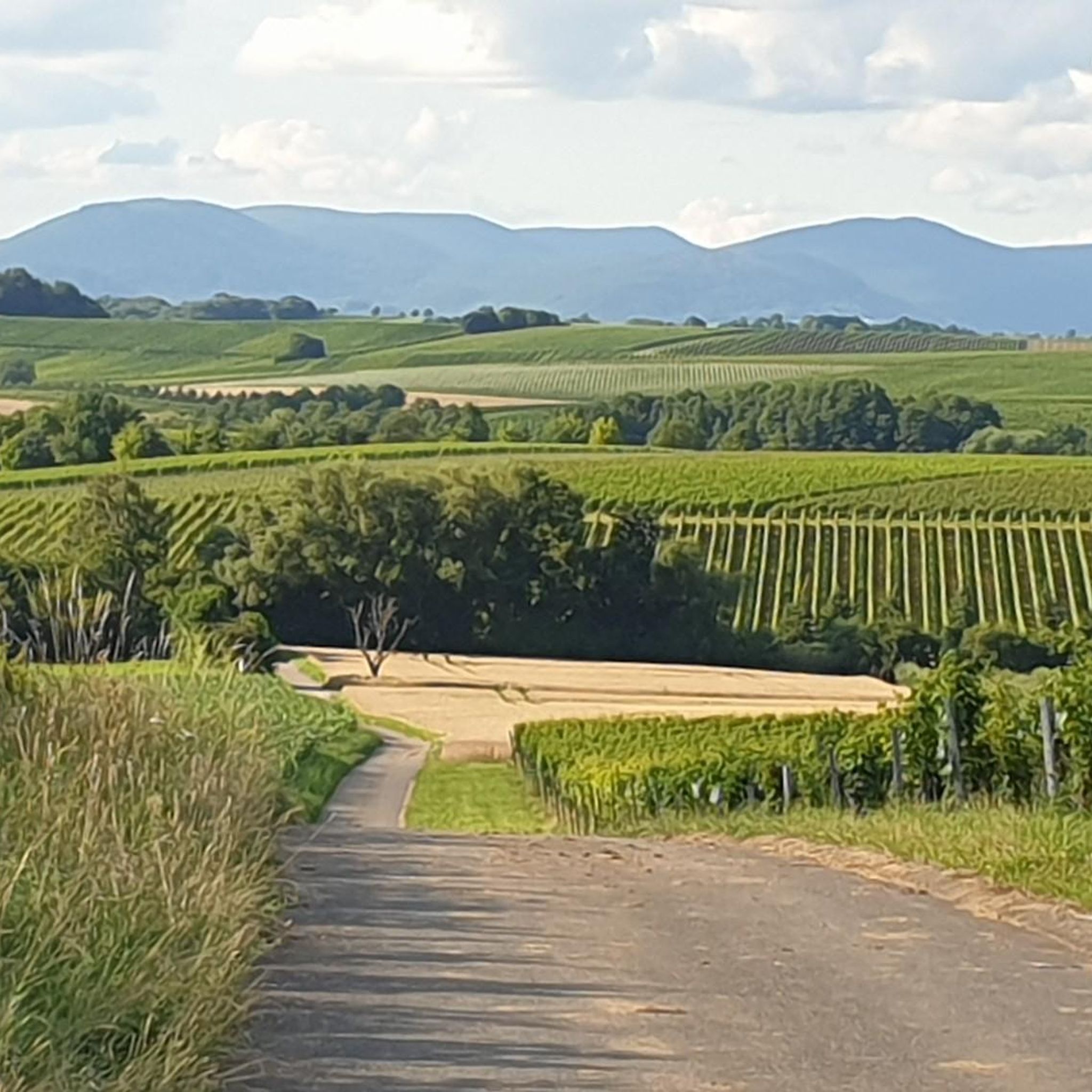
Entrance to the Underground Mining Gallery in the Contrescarpe
Highlight • Historical Site
Translated by Google •
Tip by

Sign up now to discover places like this
Get recommendations on the best single tracks, peaks, & plenty of other exciting outdoor places.
Sign up for free
Lourdes Grotto Waldrohrbach
Highlight • Religious Site
Translated by Google •
Tip by

Stone Resting Bench in Rock Shelter
Highlight • Structure
Translated by Google •
Tip by

Start today with a free account
Your next adventure awaits.
Login or Signup
Tips from the Community

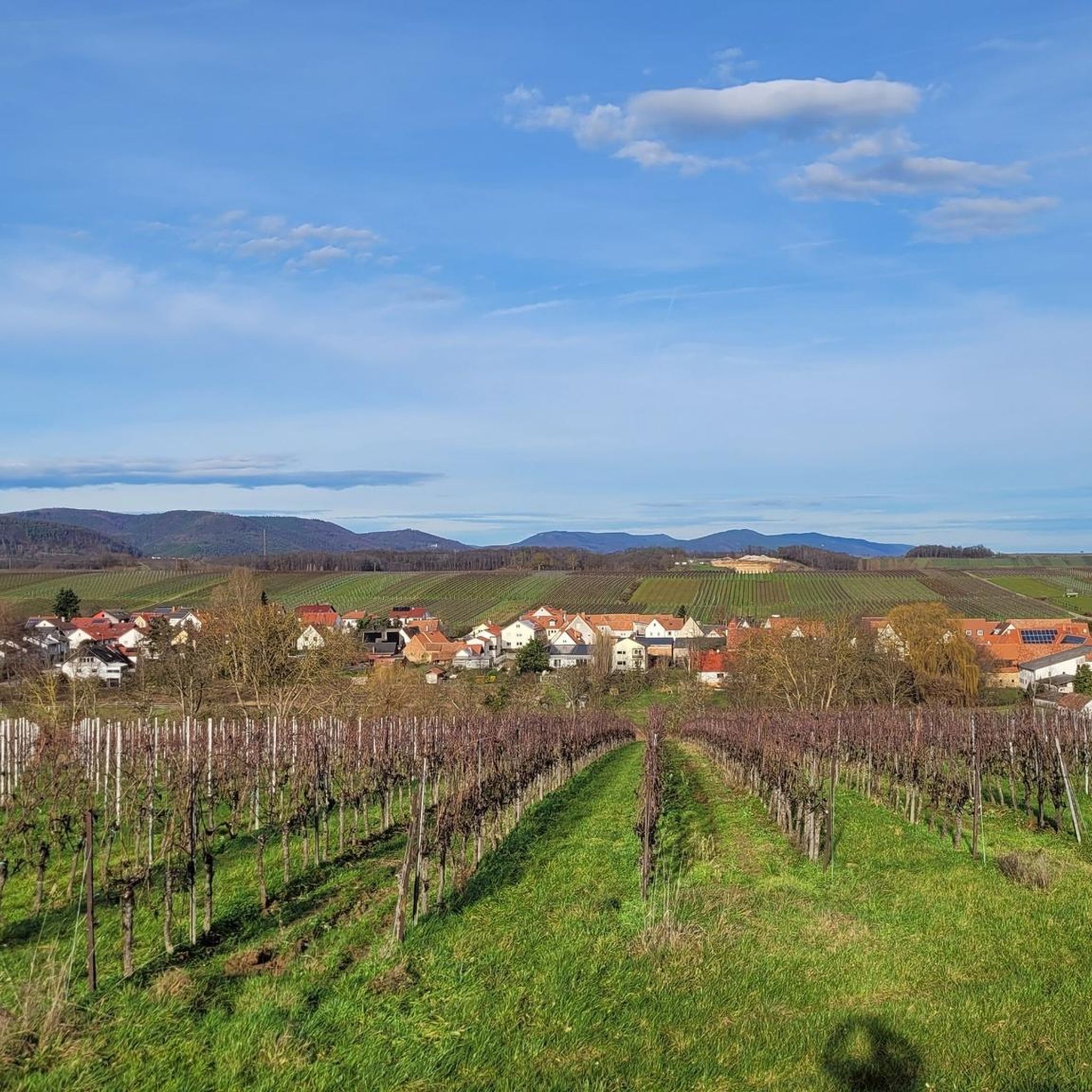
A brick shelter integrated into a rock face. Function? Hunting blind, bunker, or shelter?
0
0

Landau Fortress was a polygonal fortification located in Landau in the Palatinate. Construction took place between 1688 and 1691. The completely outdated fortress was demolished in 1871, having been downgraded to a depot in 1867. Almost all of the structures below street level have been preserved. Today, several military buildings and many residential buildings are still visible in the city, along with the locks and walls along the rivers, and fortifications in parks. Among these, the largest remaining structure is the wall of the fort built in 1702 (with a length of 3.3 km). Following the Thirty Years' War, the Imperial City of Landau was placed under the protection of France by the Peace of Westphalia in 1648. Following the end of the War of the Palatine Succession in 1697, the city, along with ten other Alsatian imperial cities, was also legally ceded to France in the Peace of Rijswijk of 1697. As early as 1673/74, France had destroyed Landau's medieval city fortifications. With the Peace of Nijmegen, Landau came under French control and, with the simultaneous loss of the right-bank fortress of Philippsburg (1679), became its easternmost outpost, receiving a permanent French garrison in 1680. In September 1687, the military engineer Vauban arrived in Landau to develop a fortification plan. He submitted this plan to King Louis XIV on October 9, who gave his approval in November. Construction began later that same year on the 7-kilometer-long Albersweiler Canal, designed to facilitate the rapid transport of building materials such as timber, lime, and stone by barge. The foundation stone was laid at the end of April 1688 in the presence of the Minister of War, the Marquis de Louvois. Vauban initially oversaw the construction, but relinquished this responsibility to Jacques de Tarade in 1689. With the help of sixteen royal battalions under the command of General Montclar and approximately 14,000 construction workers (more recent studies cite a significantly lower number) from the surrounding area, the fortification was built in the second Vauban style. On the night of June 23-24, 1689, a devastating fire destroyed most of the town and provided an opportunity to modernize the garrison town's layout. This resulted in the creation of straight, wide streets and squares for troop deployments. ... Source: https://de.wikipedia.org/wiki/Festung_Landau#Weblinks
0
0

Viewing rock and a small cave below.
0
0

Nice place for a rest.
2
0

Created with the so-called emergency work in 1935. I think the recognition of the restoration is great.👍
1
0

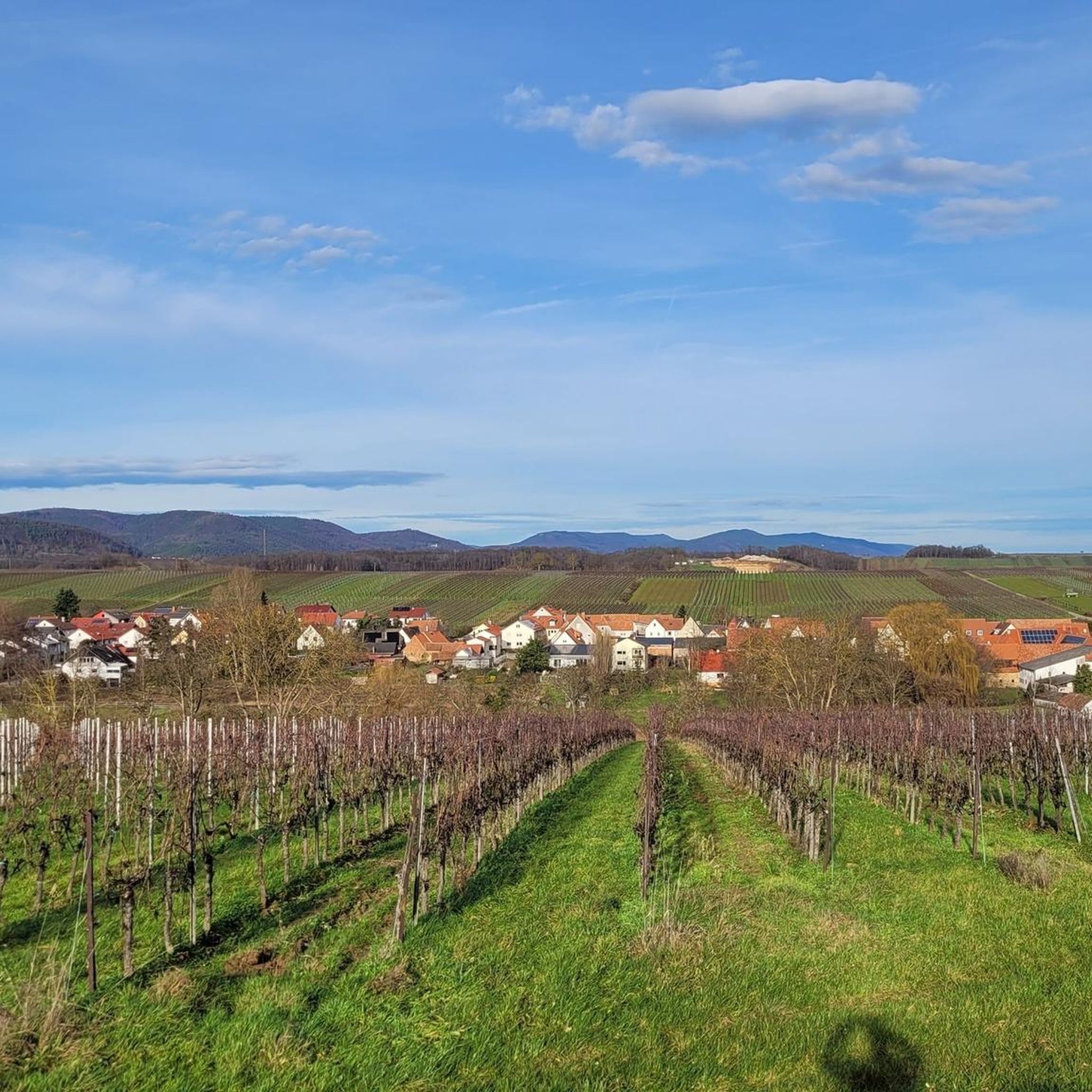
"The Lourdes Grotto from 1909 was lovingly restored in 2014 by volunteers and donations under the auspices of the “MGV Liederkranz Waldrohrbach”." Source (quoted verbatim): Catholic church leader Parish of St. Elisabeth, Annweiler (p. 52): https://www.heile-elisabeth-annweiler.de/pfarrei-gemeinden/kirchenfuehrer/
2
0

Really very informative with the information boards
0
0

It's great how and what they built around 1700
0
0
Frequently Asked Questions
What kind of 'caves' can I expect to find around Niederhorbach?
The region around Niederhorbach does not feature large, traditional show caves with extensive stalactite formations. Instead, you'll discover unique rock shelters, historical underground structures, and grottoes. These include natural rock chambers like the small cave under the Treutelskopf viewing rock, historical military tunnels such as the Underground Mining Gallery in the Contrescarpe or the Bunker tunnels near Vorderweidenthal, and the serene Lourdes Grotto Waldrohrbach.
Are there any family-friendly 'caves' or rock formations to visit?
Yes, several spots are suitable for families. The Lourdes Grotto Waldrohrbach is a well-kept, peaceful grotto that is easily accessible. Additionally, the Stone Resting Bench in Rock Shelter offers a unique and interesting stop for a break, created by apprentices in 1935.
What historical 'caves' or underground sites can I explore near Niederhorbach?
You can delve into the region's history by visiting the Entrance to the Underground Mining Gallery in the Contrescarpe, part of the former Landau Fortress. This site offers insight into 17th-century military engineering. Another historical point of interest is the Bunker tunnels near Vorderweidenthal, which served as a medical station during World War II. Note that these tunnels are locked and cannot be entered, but information boards provide context.
Are there any natural rock formations or shelters with scenic views?
Absolutely. The View of Waldhambach and the Palatinate Forest from Treutelskopf offers a beautiful viewing rock with a small 'dungeon' or rock chamber underneath. It provides a great vantage point over Waldhambach and the surrounding Palatinate Forest.
What outdoor activities can I combine with visiting these sites?
The Niederhorbach area is excellent for outdoor activities. You can find numerous cycling routes, such as those detailed in the Cycling around Niederhorbach guide or the Traffic-free bike rides around Niederhorbach guide. Many of these routes pass by or near the mentioned rock formations and historical sites, allowing you to combine exploration with active recreation.
Are there any specific hiking trails that lead to these 'caves'?
While there isn't a dedicated 'caving trail,' many hiking routes in the Palatinate Forest will take you past these points of interest. For instance, the Treutelskopf viewing rock is often integrated into local hiking loops. You can explore various hiking options in the region to discover paths that include these unique features.
What is the best time of year to visit the 'caves' and rock shelters around Niederhorbach?
The sites around Niederhorbach can be visited year-round. Spring and autumn offer pleasant temperatures for hiking and exploring the outdoor rock formations. Summer is also suitable, though it can be warmer. Winter visits are possible, but some paths might be slippery, and the historical tunnels may be less comfortable in colder weather.
Are permits required to visit any of these sites?
No, permits are generally not required to visit the natural rock shelters, grottoes, or the exterior of the historical sites mentioned around Niederhorbach. These are typically accessible to the public. However, the Bunker tunnels near Vorderweidenthal are locked and cannot be entered.
Can I bring my dog to these locations?
For outdoor rock formations and grottoes like the Treutelskopf viewing rock or the Lourdes Grotto Waldrohrbach, dogs are generally welcome, especially if they are on a leash. For historical sites, it's best to check local regulations, but typically, outdoor areas are dog-friendly. Always ensure your dog is well-behaved and clean up after them.
Are there any unique geological features to observe in the region?
While not traditional caves, the Palatinate Forest is known for its distinctive red sandstone formations. The 'caves' and rock shelters in this guide, such as the rock chamber under the Treutelskopf viewing rock and the Stone Resting Bench in Rock Shelter, are examples of how this geology has been shaped by nature and, in some cases, by human hands.
What should I wear when visiting these sites?
Comfortable walking shoes are recommended, especially if you plan to combine your visit with hiking. Layers of clothing are advisable as temperatures can vary. For historical underground sites, a light jacket might be useful even in warmer weather, as temperatures can be cooler below ground.
Most popular routes around Niederhorbach
Most popular attractions around Niederhorbach

Get inspired with the komoot mobile app


Explore more
Extend your search for the best caves by checking out these guides of the top ones around Niederhorbach:
