Top 7 Caves around Knopp-Labach
Best caves around Knopp-Labach are found within a region known for its diverse natural landscapes, including rock formations and gorges. Knopp-Labach, located in Südwestpfalz, Rhineland-Palatinate, is characterized by its historical sites and geological features. While prominent developed cave systems are not a primary feature, the area offers natural rock shelters and formations that provide cave-like experiences. The Knopp-Labach region hiking trails often lead to these unique geological features.
Best caves around Knopp-Labach
- The most popular cave-like feature is Small Waterfall…
Last updated: October 14, 2026
Krämerstein Rock Formation
Highlight • Natural Monument
Translated by Google •
Tip by

Elend Cave
Highlight • Cave
Translated by Google •
Tip by

Sign up now to discover places like this
Get recommendations on the best single tracks, peaks, & plenty of other exciting outdoor places.
Paleolithic Rock Shelter
Highlight • Cave
Translated by Google •
Tip by

Bärenloch Natural Monument
Highlight • Natural Monument
Translated by Google •
Tip by

Small Waterfall and Rocky Overhang (Palatinate)
Highlight • Waterfall
Translated by Google •
Tip by

Sign up for free to discover even more caves around Knopp-Labach.
Already have an account?
Start today with a free account
Your next adventure awaits.
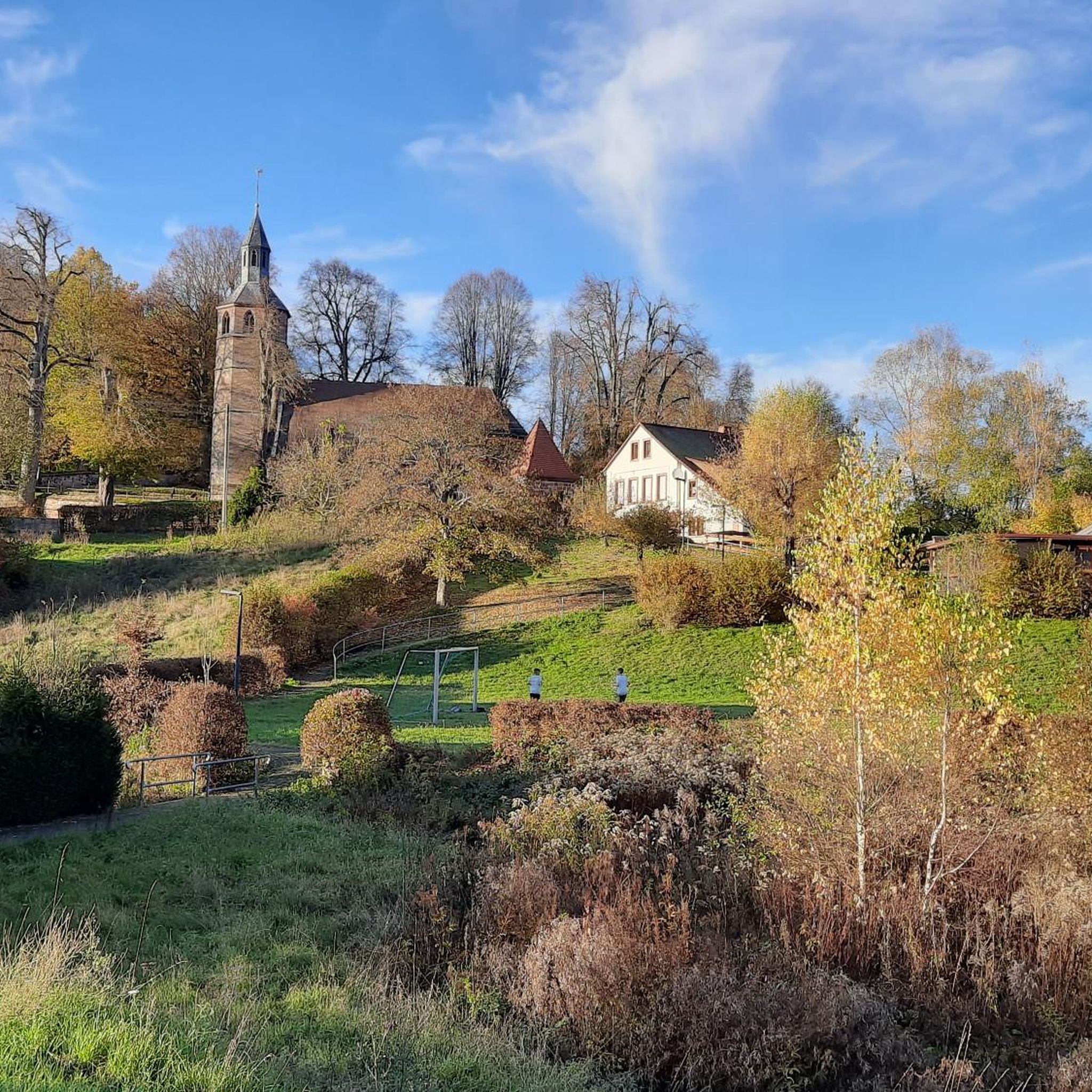
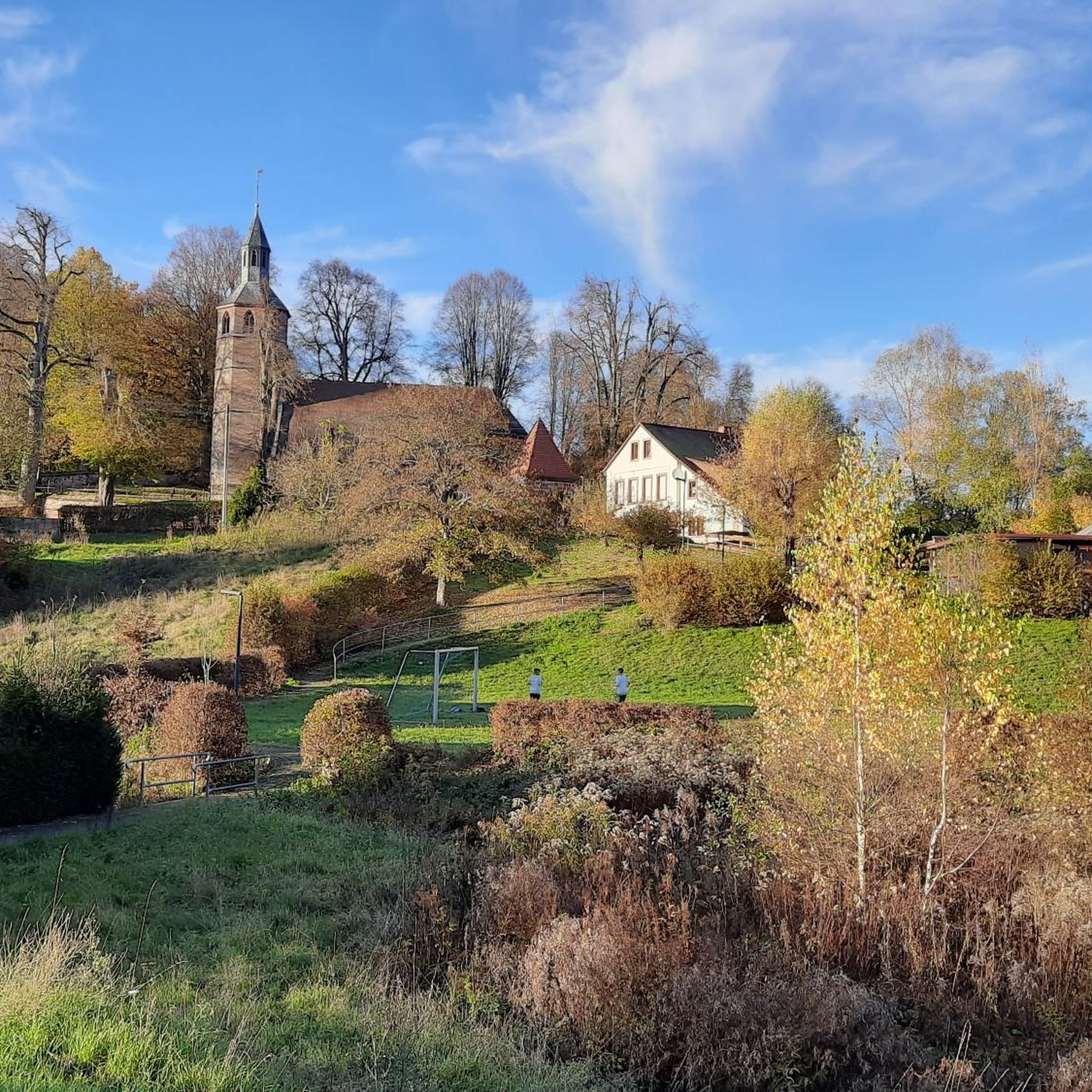
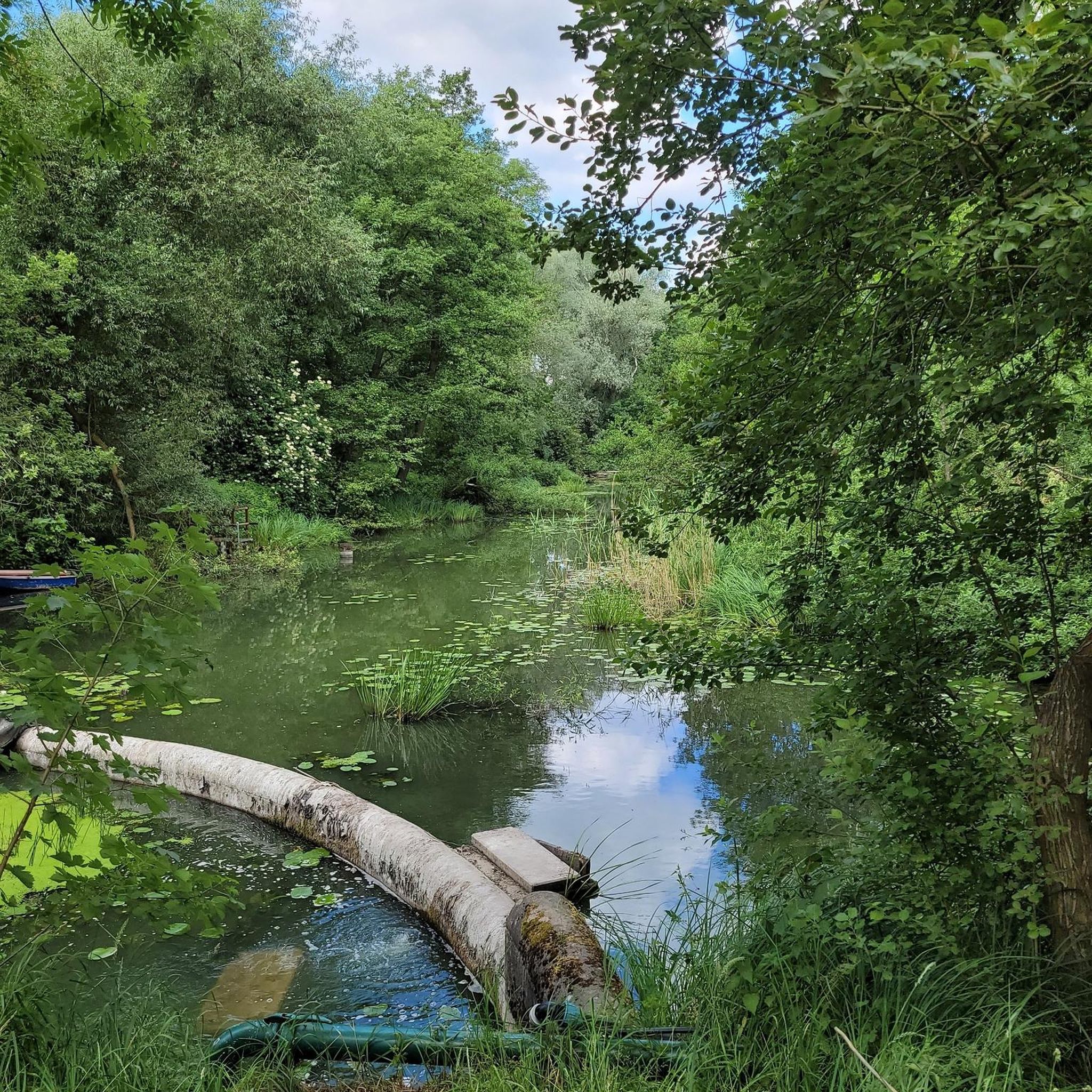
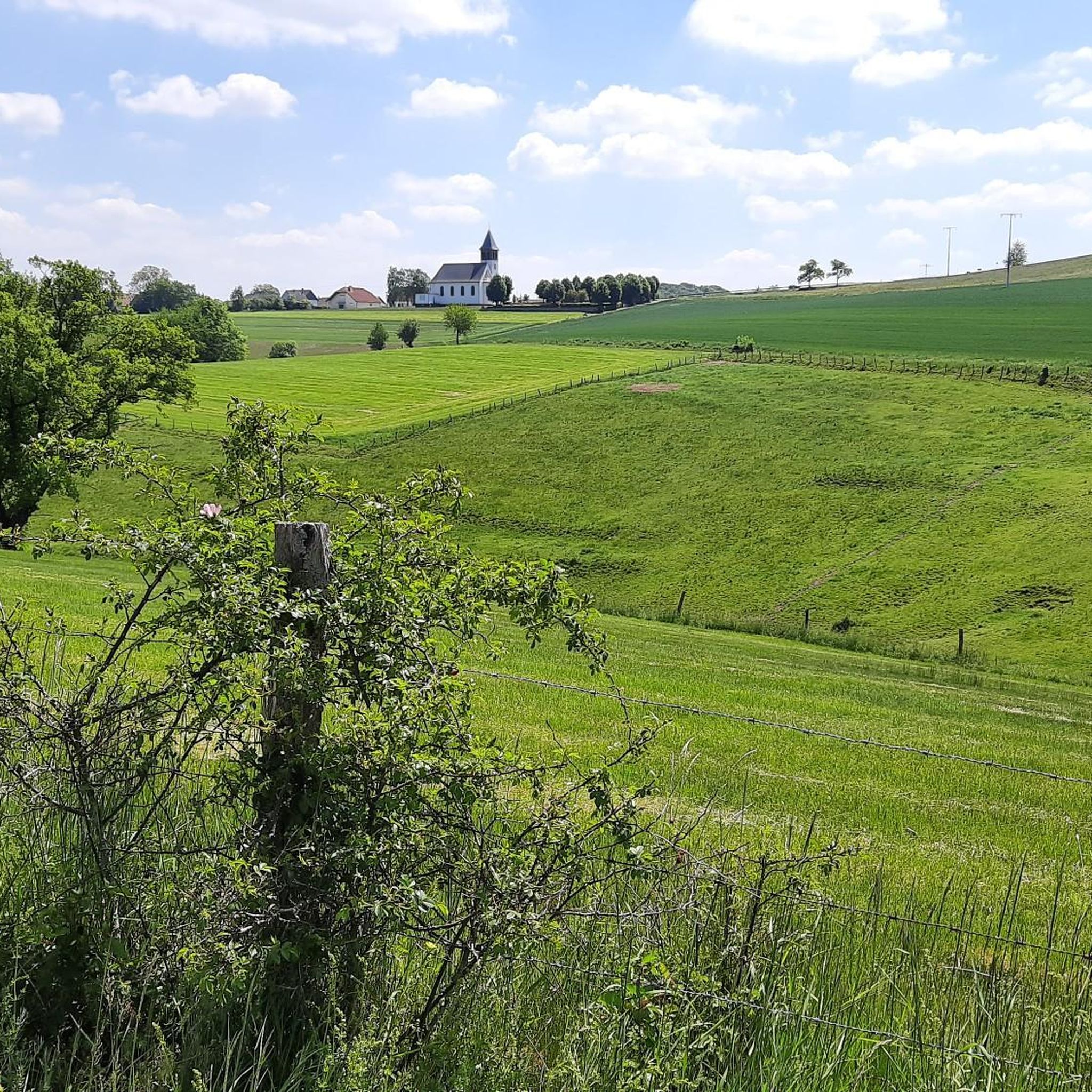
Tips from the Community

The trail passes this small waterfall and the shelter. Unfortunately, there was trash at the shelter and at this beautiful spot. It's a shame, but that doesn't have to happen! Take your trash with you!
0
0

This could have been an "abri", a half-cave, as a shelter for early humans from the Old Stone Age (Paleolithic), the oldest era in human history. It began on our 4.5 billion year old earth around 2 million years ago in East Africa, as evidenced by finds of skulls and bones and primitive tools made of stone and wood. Around 600,000 BC, small groups of Old Stone Age people also appeared in Germany. Based on the greywacke artefacts found here by local historian Albert Westrich, the archaeologist Emil Hofmann determined that they were used as scrapers, striking stones, graters and stingers as early as 600,000-800,000 years ago. His book "Altpaläolithische Fundplätze des Homo erectus heidelbergensis Schmitshausen", published in 2008, depicts the finds.
0
0

A real attraction. Take a flashlight with you😀
2
0

Did bears really once live here, as they say?
2
0

Shaded and covered place for a rest
2
1
If you leave the water show path at the "Quellen" sign for a few meters, you will come to a small waterfall. It is one of the many tributaries from hillside springs.
1
0
Here is a dwelling place of Stone Age people from the Old Stone Age. Here hand axes, scrapers, knives, hammers and anvils were found.
2
0

Class! An almost timely atmosphere, you are just waiting for the prehistoric man from the cave...😉👍🙋♂️
0
0
Frequently Asked Questions
What kind of "caves" can I expect to find around Knopp-Labach?
The Knopp-Labach region is primarily known for its natural rock shelters, rock formations, and small grottoes rather than large, developed cave systems. You'll discover unique geological features like rocky overhangs and impressive sandstone cliffs that offer a cave-like experience, often integrated into hiking trails.
Are there any significant geological features to explore in the Knopp-Labach area?
Yes, the region boasts several notable geological features. For instance, the Krämerstein Rock Formation is an imposing 120-meter-long rocky reef with 12-meter-high sandstone cliffs. You can also find interesting formations like the Bärenloch Natural Monument, which includes cave features and offers great viewpoints.
Are there any historical cave sites around Knopp-Labach?
Yes, the Paleolithic Rock Shelter is a significant historical site. It's believed to have been a dwelling place for Stone Age people from the Old Stone Age, with artifacts like hand axes and scrapers discovered there.
What outdoor activities can I combine with a visit to these cave-like features?
The natural features around Knopp-Labach are often part of extensive trail networks. You can enjoy various outdoor activities such as hiking, gravel biking, and running. For specific routes, explore the Gravel biking around Knopp-Labach, Running Trails around Knopp-Labach, or MTB Trails around Knopp-Labach guides.
Are the cave-like features around Knopp-Labach suitable for families?
Many of the natural features are family-friendly. For example, the Small Waterfall and Rocky Overhang (Palatinate) is easily accessible and offers a shaded spot for a rest, making it a good option for families.
Do I need any special equipment to explore these cave-like features?
For some of the more enclosed cave-like features, such as the Elend Cave, a flashlight is highly recommended as it can be quite dark inside. Otherwise, standard hiking gear suitable for the weather and terrain is generally sufficient.
What is the best time of year to visit the natural features around Knopp-Labach?
The natural features and trails around Knopp-Labach can be enjoyed year-round. Spring and autumn offer pleasant temperatures for hiking and exploring the rock formations. Even in winter, the landscape has a unique charm, though some paths might be slippery.
Are there any easy-to-access cave-like spots for beginners or those seeking a less strenuous experience?
Yes, the Small Waterfall and Rocky Overhang (Palatinate) is easily accessible via a short detour from the main path, making it suitable for beginners or those looking for a relaxed visit. It's a great spot for a quick break.
What do visitors enjoy most about the cave-like features in Knopp-Labach?
Visitors appreciate the unique geological formations and the opportunity to explore natural rock shelters. The imposing red sandstone cliffs, the historical significance of sites like the Paleolithic Rock Shelter, and the chance to find shaded resting spots are frequently highlighted by the komoot community.
Are there any cafes or places to eat near the cave-like attractions?
While specific cafes directly adjacent to each rock formation are not common, the Knopp-Labach region and nearby towns offer various options for refreshments and meals. Many hiking routes pass through or near villages where you can find local eateries.
Is it possible to access these sites using public transport?
Access to some of the more remote natural features might be challenging solely by public transport. It's generally recommended to check local bus schedules and connections to the nearest villages, and then plan for a hike to reach the specific sites. Parking is often available near trailheads for those traveling by car.
Most popular routes around Knopp-Labach
Most popular attractions around Knopp-Labach

Get inspired with the komoot mobile app


Explore more
Extend your search for the best caves by checking out these guides of the top ones around Knopp-Labach:
