Top 8 Caves around Krähenberg
Best caves around Krähenberg offers a diverse range of natural and historical underground formations. The Krähenberg region, located in the Palatinate, is characterized by its unique sandstone geology, which has shaped many of the area's rock formations and shelters. Visitors can explore various cave types, from natural rock shelters to extensive man-made cave systems. This area provides opportunities to discover geological features and historical sites within its natural landscape.
Best caves around Krähenberg
- The most popular caves is Small Waterfall…
Last updated: June 27, 2026
Krämerstein Rock Formation
Highlight • Natural Monument
Translated by Google •
Tip by

Schlossberg Caves (Schlossberghöhlen, Homburg)
Highlight • Cave
Translated by Google •
Tip by

Sign up now to discover places like this
Get recommendations on the best single tracks, peaks, & plenty of other exciting outdoor places.
Sign up for free
Elend Cave
Highlight • Cave
Translated by Google •
Tip by

Paleolithic Rock Shelter
Highlight • Cave
Translated by Google •
Tip by

Small Waterfall and Rocky Overhang (Palatinate)
Highlight • Waterfall
Translated by Google •
Tip by

Sign up for free to discover even more caves around Krähenberg.
Sign up for free
Already have an account?
Start today with a free account
Your next adventure awaits.
Login or Signup
Tips from the Community

Here you will find the Schlossberg caves, very beautiful
10
0

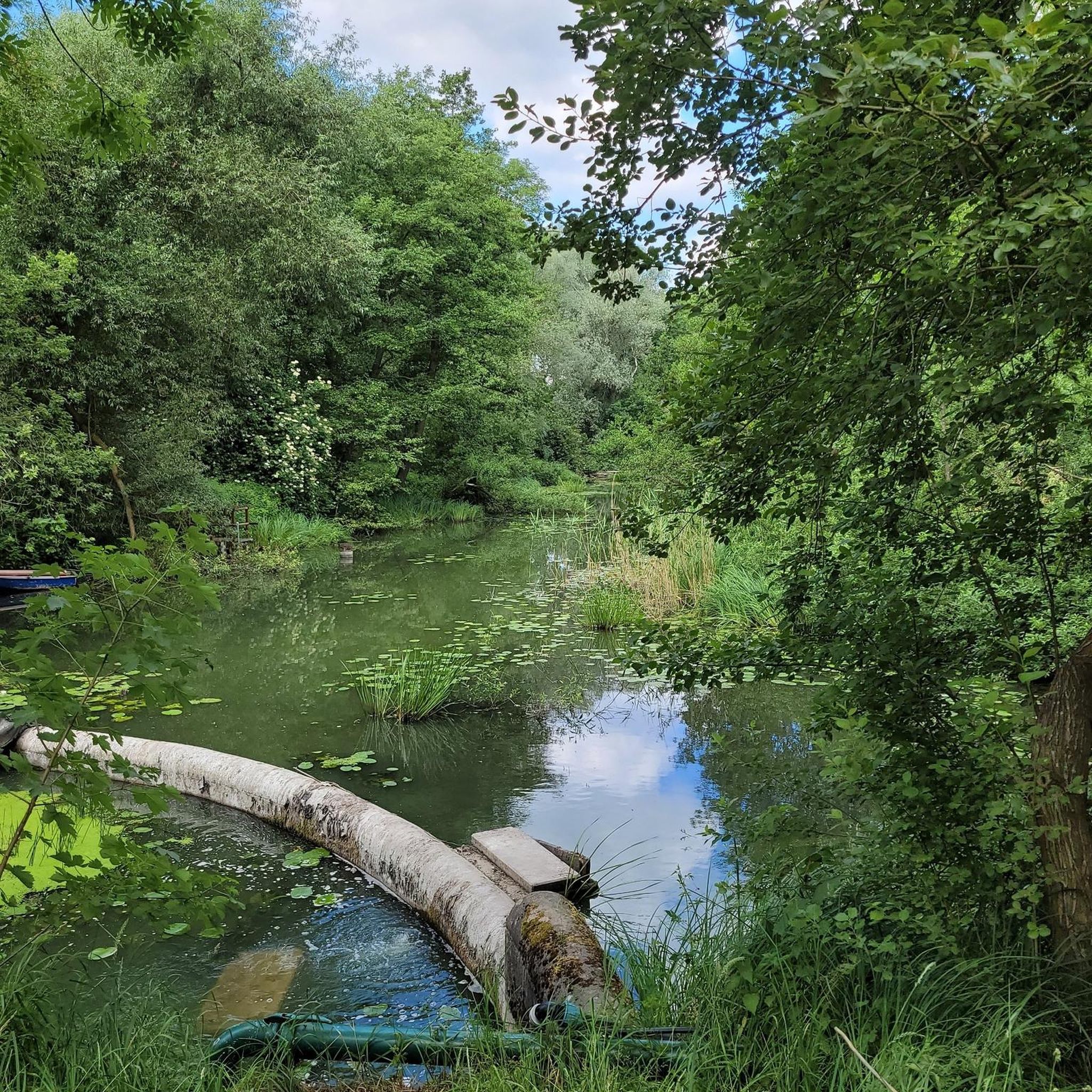
The trail passes this small waterfall and the shelter. Unfortunately, there was trash at the shelter and at this beautiful spot. It's a shame, but that doesn't have to happen! Take your trash with you!
0
0

This could have been an "abri", a half-cave, as a shelter for early humans from the Old Stone Age (Paleolithic), the oldest era in human history. It began on our 4.5 billion year old earth around 2 million years ago in East Africa, as evidenced by finds of skulls and bones and primitive tools made of stone and wood. Around 600,000 BC, small groups of Old Stone Age people also appeared in Germany. Based on the greywacke artefacts found here by local historian Albert Westrich, the archaeologist Emil Hofmann determined that they were used as scrapers, striking stones, graters and stingers as early as 600,000-800,000 years ago. His book "Altpaläolithische Fundplätze des Homo erectus heidelbergensis Schmitshausen", published in 2008, depicts the finds.
0
0

A real attraction. Take a flashlight with you😀
2
0

Shaded and covered place for a rest
2
1

was donated in 2007 for the reopening of the Schlößberg sand caves
7
0
a visit is mandatory, admission 6 euros for adults, but it's worth it
7
0
If you leave the water show path at the "Quellen" sign for a few meters, you will come to a small waterfall. It is one of the many tributaries from hillside springs.
1
0
Frequently Asked Questions
What types of caves can I explore around Krähenberg?
The Krähenberg region, located in the Palatinate, offers a diverse range of natural and historical underground formations. You can explore natural rock shelters, such as the Elend Cave, and extensive man-made cave systems like the Schlossberg Caves (Schlossberghöhlen, Homburg). The area is known for its unique sandstone geology, shaping various rock formations and shelters.
Are there any family-friendly caves in the Krähenberg area?
Yes, several caves are suitable for families. The Small Waterfall and Rocky Overhang (Palatinate) is a family-friendly spot offering a shaded place for a rest. The Schlossberg Caves (Schlossberghöhlen, Homburg) are also family-friendly, offering guided tours through Europe's largest red sandstone caves.
Which caves are freely accessible and what should I bring?
The Elend Cave is freely accessible and extends about 30 meters into the mountain. Visitors recommend bringing a flashlight, as the interior is larger and colder than expected, and a phone lamp might not be sufficient.
What historical or archaeological sites can be found in the caves around Krähenberg?
The Paleolithic Rock Shelter is a significant historical site, believed to be a dwelling place for Stone Age people from the Old Stone Age. Artifacts like hand axes, scrapers, and knives have been found here. The Schlossberg Caves (Schlossberghöhlen, Homburg) also have a rich history, having served as part of the Hohenburg Fortress and later as a shelter during World War II.
What are the largest caves in the region?
The Schlossberg Caves (Schlossberghöhlen, Homburg) are notable as Europe's largest red sandstone caves. They feature mysterious passages and imposing dome halls, with three floors open to visitors.
Are there any challenging rock formations or climbing opportunities near the caves?
Yes, the Krämerstein Rock Formation is an imposing 120-meter-long rocky reef with 12-meter-high sandstone cliffs. It offers a dramatic landscape for exploration, and in some places, hook rows are drilled for climbing routes.
What outdoor activities can I do near the caves around Krähenberg?
The Krähenberg area offers various outdoor activities. You can find numerous cycling routes, including touring bicycle options like the 'Lambsbach Valley – Hotel Rabenhorst loop' or road cycling routes such as the 'Schwarzbach Cycle Path – Kneispermühle loop'. For mountain biking, trails like the 'Bomb Crater Camelride – Idyll Trail loop' are available. Explore more routes on the Cycling around Krähenberg, Road Cycling Routes around Krähenberg, and MTB Trails around Krähenberg guide pages.
What should I know before visiting the Schlossberg Caves in Homburg?
The Schlossberg Caves are worth a visit, but be aware that they maintain a constant temperature of 10°C, so dress warmly. Waiting times are possible due to safety briefings and helmet issuance. Guided tours are available, including in English and French, and registration is useful, especially for groups.
Where can I find a shaded resting spot near a cave?
The Small Waterfall and Rocky Overhang (Palatinate) provides a shaded and covered place for a rest. It's part of a stimulating walk at any time of the year, fed by many tributaries from hillside springs.
What geological features are prominent in the Krähenberg caves?
The caves around Krähenberg are primarily characterized by their unique sandstone geology. For instance, the Schlossberg Caves showcase impressive red sandstone formations with yellow, red, and yellow-red discolorations. You can also observe 'Rippelmarken' (ripple marks) on ceilings and walls, which are traces of ancient moving water.
What do komoot users appreciate most about the caves around Krähenberg?
Komoot users appreciate the variety of natural rock formations, historical shelters, and man-made cave systems. The area's geological wonders and sites with archaeological significance are highly valued, with the caves collectively receiving over 350 upvotes and more than 540 photos shared by the community.
Most popular routes around Krähenberg
Most popular attractions around Krähenberg

Get inspired with the komoot mobile app


Explore more
Extend your search for the best caves by checking out these guides of the top ones around Krähenberg:
