Top 12 Caves around Sembach
Best caves around Sembach offer a unique glimpse into the region's geological and historical past. Located near the Donnersberg massif, the area features a mix of natural rock formations and significant historical mining sites. These sites provide insights into past human activity and the natural landscape. Visitors can explore various underground structures that tell stories of hermits and miners.
Best caves around Sembach
- The most popular caves is Börrstadt Hermitage, a cave that features niches carved into the rock…
Last updated: June 13, 2026
Börrstadt Hermitage
Highlight • Cave
Translated by Google •
Tip by

Iron Gate
Highlight • Historical Site
Translated by Google •
Tip by

Sign up now to discover places like this
Get recommendations on the best single tracks, peaks, & plenty of other exciting outdoor places.
Sign up for free
White Mine — Visitor Mine
Highlight • Historical Site
Translated by Google •
Tip by
Katharina I Mine
Highlight • Historical Site
Translated by Google •
Tip by

Maria Iron Ore Mine
Highlight • Historical Site
Translated by Google •
Tip by

Sign up for free to discover even more caves around Sembach.
Sign up for free
Already have an account?
Start today with a free account
Your next adventure awaits.
Login or Signup

Tips from the Community

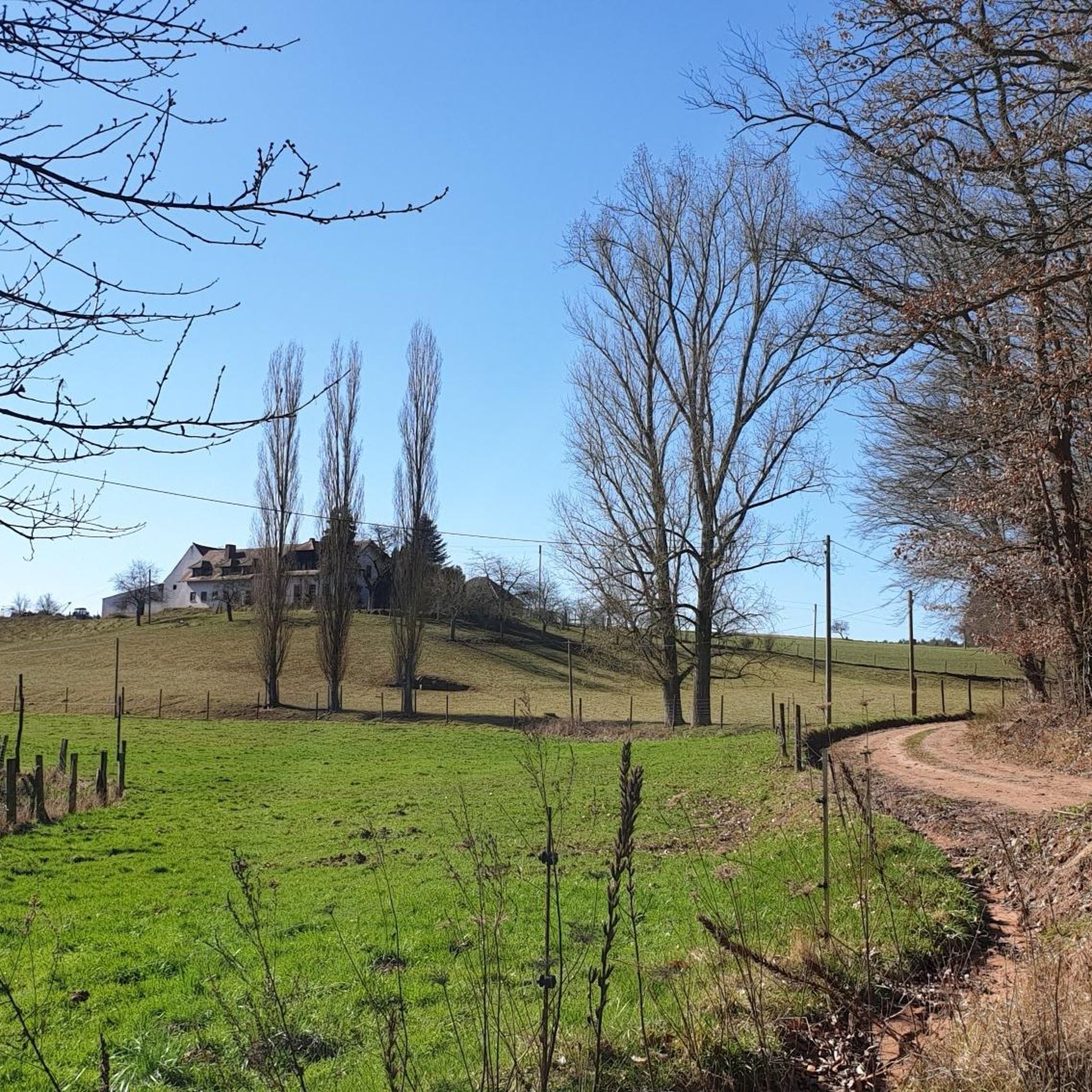
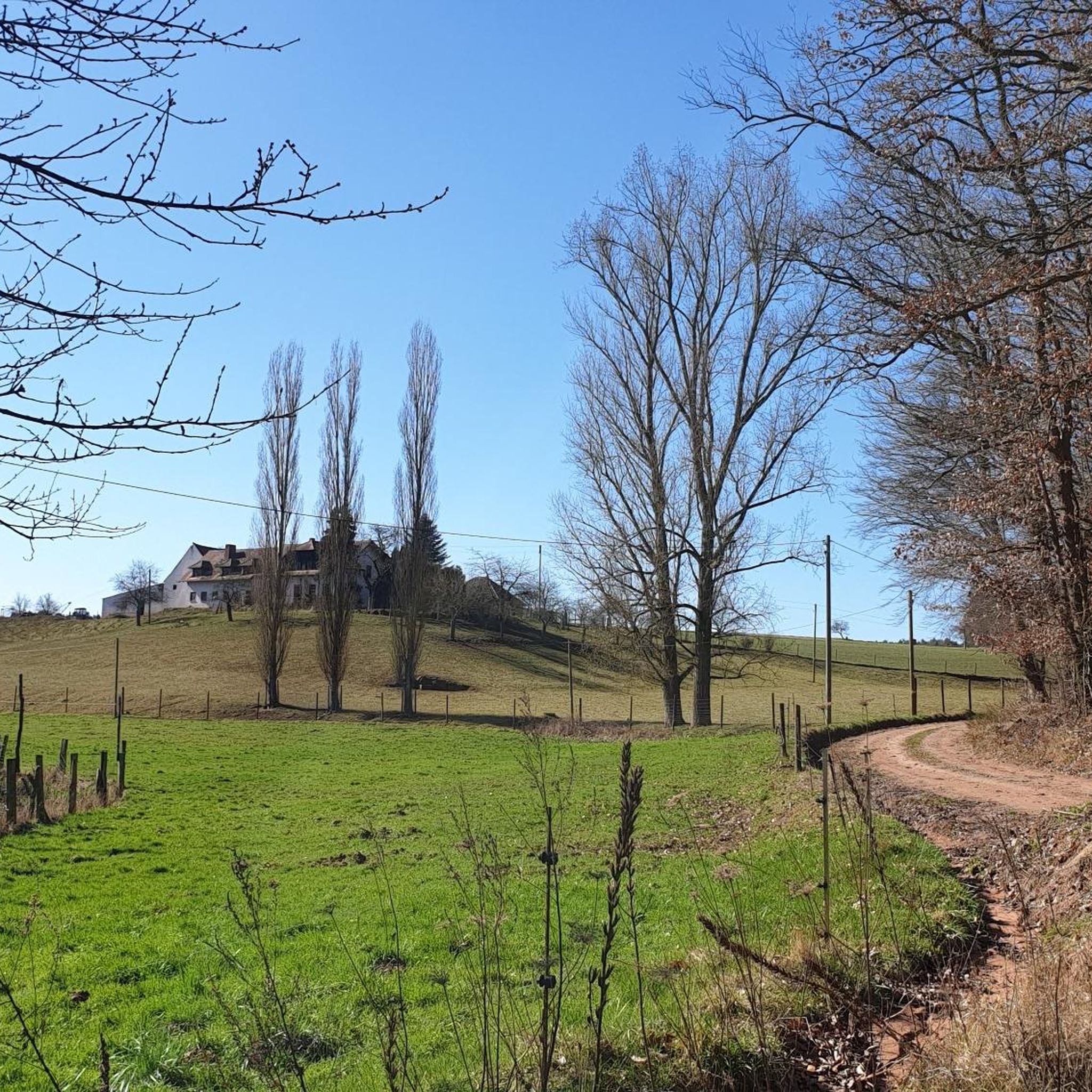
Always worth a visit, great landscape
0
0

Everything has an end, only a sausage has two… and every fence has a hole somewhere.
8
1

Unfortunately, it only opens 1-2 days a month during the summer months. Check in advance!
1
0

oldest copper mines in the Imsbach mining area
2
0

Part of the mining history around Imsbach. An information board provides information about iron ore mining.
6
1
Mining was already taking place here in Roman times. From 1941 onwards it was no longer profitable to operate such small mines!
3
0
Frequently Asked Questions
What kind of caves can I explore around Sembach?
The Sembach area offers a mix of historical mining sites, such as the Katharina I Mine and Maria Iron Ore Mine, and unique rock formations like the Börrstadt Hermitage. These sites provide insights into the region's geological past and human activity, from hermits to miners.
Are there any natural caves or grottoes in the broader region?
While Sembach itself is known for historical mining sites and a hermitage, the broader Rhineland-Palatinate region offers natural wonders. For example, the Elfengrotte (Fairy Grotto) near Bad Bertrich is a small natural monument formed by ancient basalt flows, possessing a magical charm near a waterfall. The Bears' Cave (Bärenhöhle) near Rodalben is another impressive natural monument made of red sandstone, featuring two caves, a spring, and a waterfall.
Are there any family-friendly caves to visit near Sembach?
Yes, the White Mine — Visitor Mine is considered family-friendly and offers a glimpse into the former miner's world. The Iron Gate, a historical site related to iron mining, is also categorized as family-friendly.
What historical mining sites can I visit around Sembach?
You can explore several historical mining sites. The Katharina I Mine, a former copper mine, shows evidence of operation as early as the 14th century. The Maria Iron Ore Mine has a long history with concessions granted in the 18th and early 20th centuries. The White Mine — Visitor Mine is one of the oldest pits in the area, believed to have been worked since Roman times.
What should I wear when exploring caves or mines in the Sembach area?
Temperatures underground, even in summer, can be consistently cool. For sites like the Schlossberghöhlen Homburg (a short drive away), warm clothing is recommended as the temperature is around 10°C. For local sites like the Börrstadt Hermitage, bringing a lamp is advised due to limited light.
Are there guided tours available for any of the caves or mines?
While specific guided tours for the immediate Sembach highlights are not detailed, the nearby Schlossberghöhlen Homburg offers guided tours lasting 40-50 minutes, where visitors wear helmets for safety. For the Lava Cellars in Mendig, guided tours provide insight into their unique formation and history.
What other outdoor activities can I do near the caves around Sembach?
The region around Sembach is excellent for various outdoor activities. You can find numerous hiking trails, including easy loops like 'Path Along the Ponds' or moderate routes like 'View of Donnersberg'. There are also extensive MTB trails and gravel biking routes for all skill levels.
What do visitors enjoy most about the caves and historical sites near Sembach?
Visitors appreciate the unique glimpse into the region's geological and historical past. The Börrstadt Hermitage is valued for its historical atmosphere, allowing visitors to imagine how a hermit lived. The mining sites offer a fascinating look at past human industry and the impressive open-cast mine walls. The komoot community has shared over 200 photos and given more than 330 upvotes, highlighting the appeal of these unique underground explorations.
Are there any large, impressive cave systems within a reasonable driving distance from Sembach?
Yes, for those willing to travel a bit further, the Schlossberghöhlen Homburg, about 30 minutes from the Kaiserslautern Military Community (KMC), are Europe's largest red sandstone cave system. These are a labyrinth of medieval mining tunnels, offering a unique experience with impressive dome halls and colored lighting. Further afield in Germany, the Atta Cave and Devil's Cave are renowned for their extensive and beautiful stalactite formations.
Can I visit the caves and mines around Sembach in winter?
Many historical mining sites and natural rock formations can be visited year-round, though access might depend on weather conditions, especially for outdoor sections or trails leading to them. Underground sites generally maintain a consistent temperature, making them a viable option even in colder months. Always check local conditions before planning a winter visit.
What are the geological features of the caves and mines in the Sembach area?
The Sembach area is characterized by its historical mining for copper, cobalt, silver, and iron ore, indicating rich mineral deposits within the Donnersberg massif. The Börrstadt Hermitage features niches carved into natural rock. The Schlossberghöhlen Homburg, though man-made, are carved into striking red and yellow sandstone layers. The Lava Cellars in Mendig are unique, carved into cooled volcanic rock, showcasing the region's volcanic history.
Do I need any special permits to visit the caves or mines?
For the highlights listed in the Sembach area, such as the Börrstadt Hermitage or the historical mines, general public access is usually permitted. However, for visitor mines like the White Mine — Visitor Mine, it's advisable to check if specific entry requirements or guided tour bookings are needed. For more extensive cave systems like Schlossberghöhlen Homburg, guided tours are mandatory.
Most popular attractions around Sembach

Get inspired with the komoot mobile app


Explore more
Extend your search for the best caves by checking out these guides of the top ones around Sembach:
