The 5 Most Amazing Peaks around Herchweiler
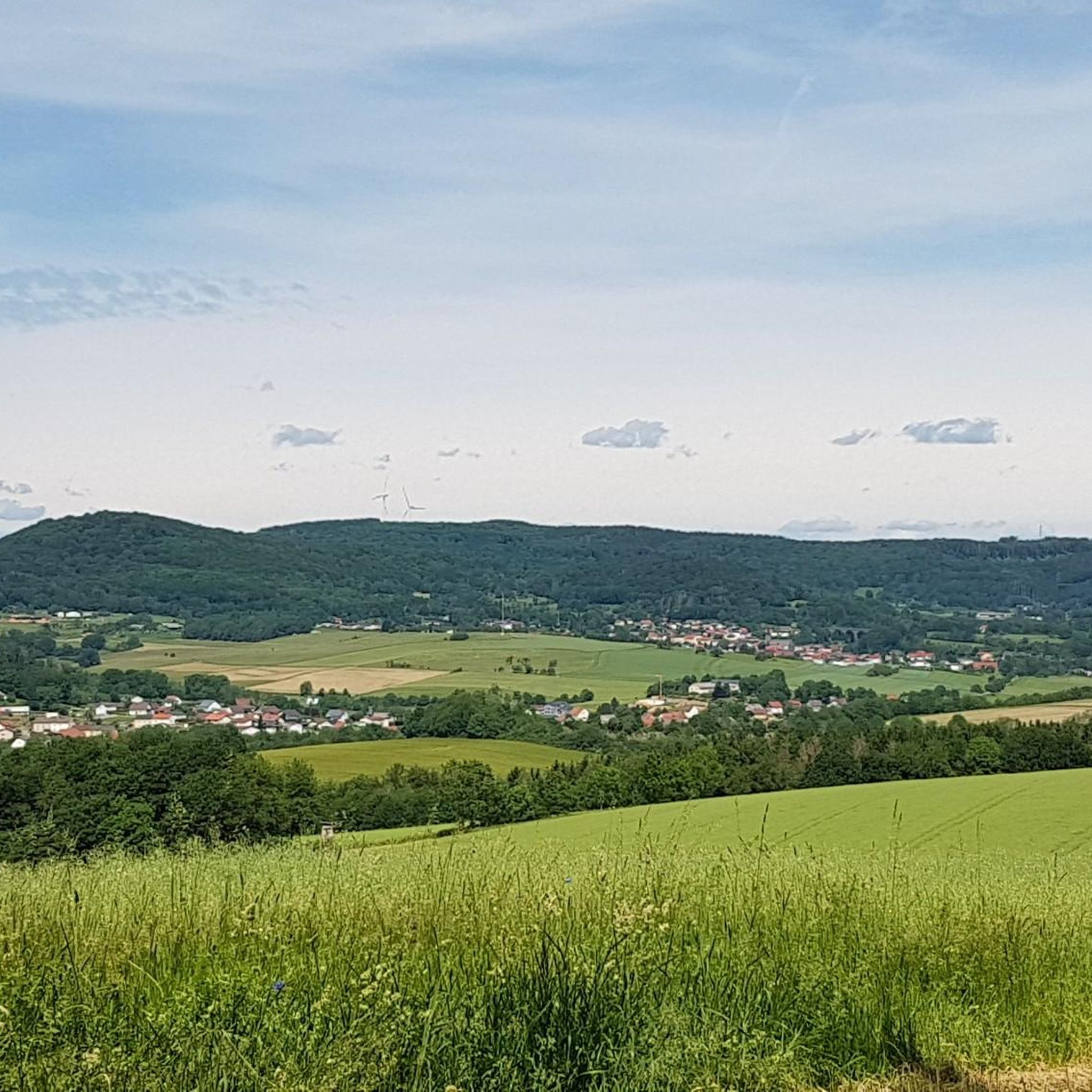
Best mountain peaks around Herchweiler are characterized by a hilly landscape within the Selchenbach valley in the Western Palatinate of Germany. The region, part of the North Palatine Uplands, features elevated areas that offer natural features and recreational opportunities. Notable local elevations include Kahlenberg, reaching up to 450 meters, and Prenzelberg at 398 meters, which is associated with the Naturschutzgebiet Steinberg. This area provides a diverse natural environment with a constant alternation between hills and elevated ridges.
Best mountain peaks…
Last updated: June 27, 2026
Weiselberg Summit and Steinerne Meer
Highlight • Summit
From a geological point of view, the »Steinernes Meer« is a heap of scree made from weathered material from the Weiselberg. From a geological point of view, this …
Translated by Google •
Tip by

Start and finish of the Weiselberg Summit Tour
Highlight • Trail
The approximately 16 km long Weiselberg summit tour in Oberkirchen leads through a varied hilly landscape around the Weiselberg (569m). Light-flooded beech forests allow spectacular views over and over …
Translated by Google •
Tip by
Sign up now to discover places like this
Get recommendations on the best single tracks, peaks, & plenty of other exciting outdoor places.
Sign up for free
Bosenberg Communications Tower Summit
Highlight • Viewpoint
Translated by Google •
Tip by

View from Trautzberg
Highlight • Viewpoint
Translated by Google •
Tip by

View of Vogelsberg
Highlight • Viewpoint
Translated by Google •
Tip by

Start today with a free account
Your next adventure awaits.
Login or Signup
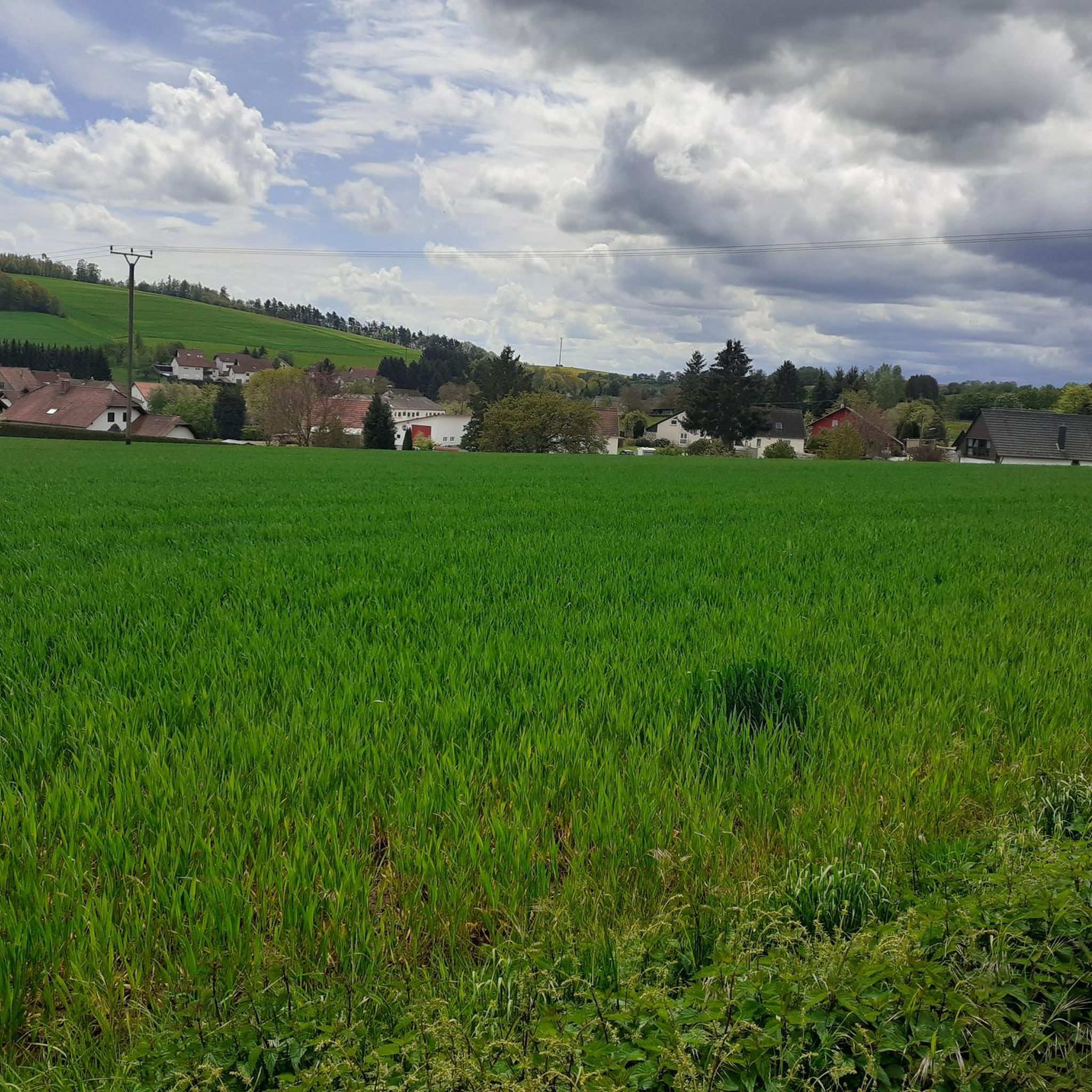
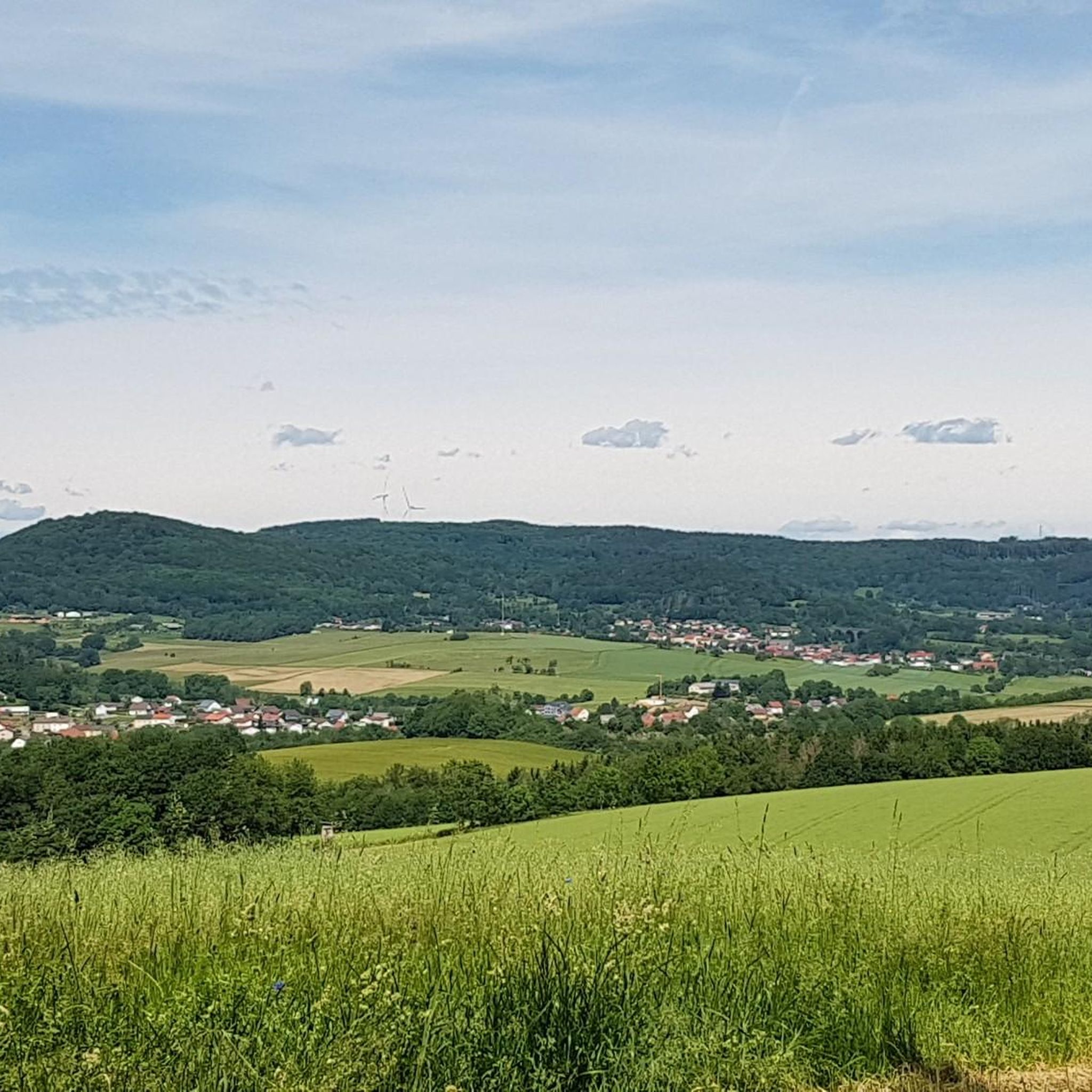
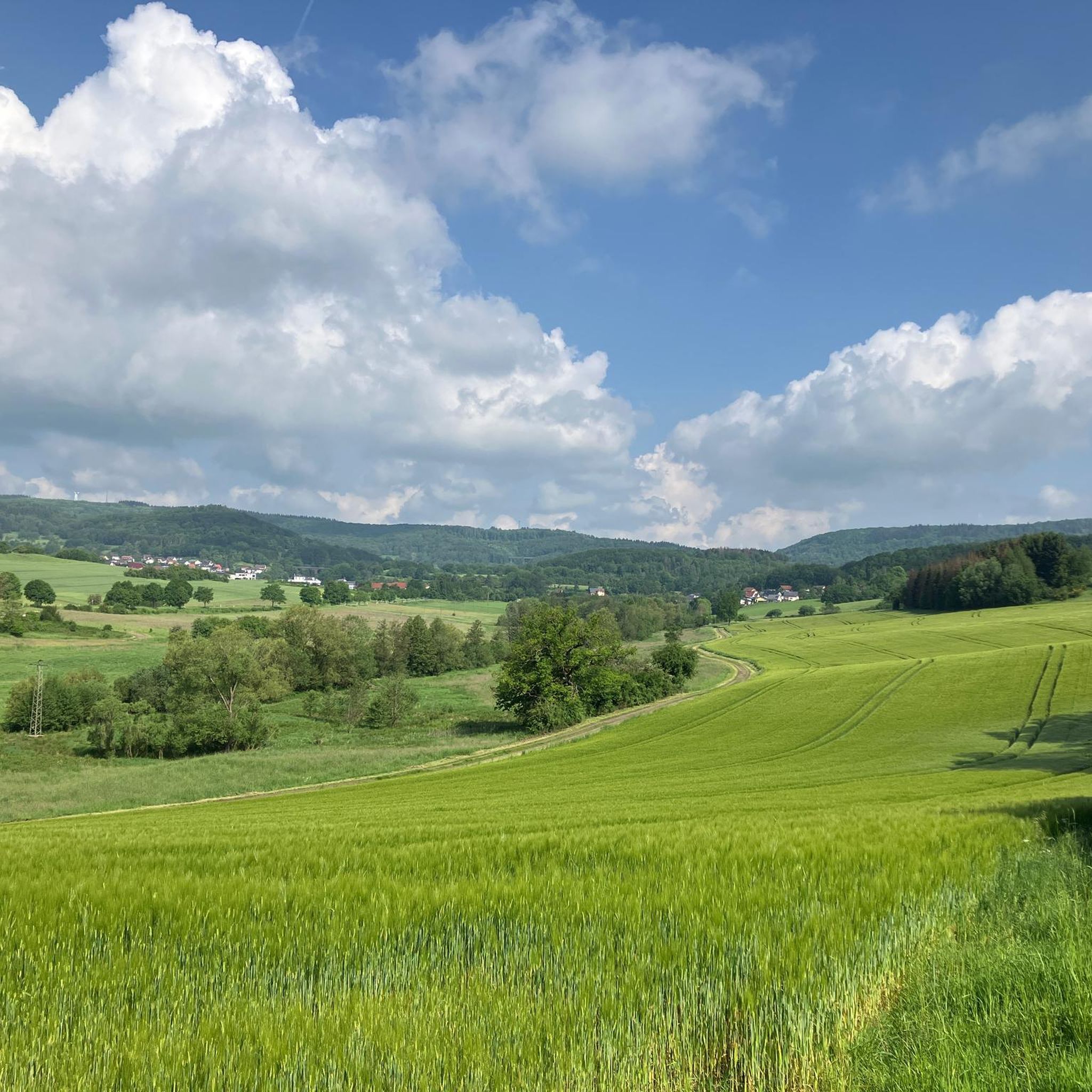

Tips from the Community

Beautiful viewing point and information board with interesting facts about the 441 meter high Vogelsberg.
0
0

A short hike is always very nice at MEDICLIN Bosenberg and if the weather is good, you can enjoy a very beautiful view.
0
0

great view, Schaumberg Thely. Potzberg Pfalz.
0
0

Great view over Saar, Hunsrück and Palatinate.
0
0

Somewhat hidden away are some great trails here - otherwise nice view!
1
0


𝐒𝐭𝐞𝐢𝐧𝐞𝐫𝐧𝐞 𝐌𝐞𝐞𝐫 From a geological point of view, the »Steinernes Meer« is a heap of scree made from weathered material from the Weiselberg. From a geological point of view, this sea of rocks at the foot of the mountain is a work of the Ice Age. The last ice age only ended around 10,000 years ago. Magma rising underground got stuck under the earth's surface and solidified into mostly pentagonal column formations, quite typical of slowly cooling basalt rock. Over the course of millions of years, the surrounding softer sedimentary rock was removed by erosion. In geology, the very hard rock, which shines deep black when cut and is reminiscent of a starry sky with its bright feldspar particles, has been given the name »Weiselbergite«. The frost change climate during this geological epoch caused extreme weathering and erosion processes that were able to separate the blocks and columns weighing several tons from the rock structure. Not least because of the extreme daily temperature fluctuations, the steep southern slope of the Weiselberg with the typical vertical basalt columns offered the best conditions for the formation of the Felsenmeer. The boulders collected on the mountainside and have since been exposed to weathering. Covered with mosses, the »Steinernes Meer« repeatedly gave rise to eerie legends: Whether wild cyclopes played with it or the remains of an enchanted castle are left to the imagination of the observer. The Romans were already digging for agates on the surface of the Weiselberg. From the 15th century, when only little was to be found above ground and a veritable agate boom began, the agate seekers went deep. Some tunnels buried today bear witness to this. After the war there were concrete considerations to dismantle the Weiselberg as a quarry. This was prevented by the designation as a nature reserve in October 1950. In earlier times, the minerals of this region such as agate, chalcedony, jasper and petrified wood were processed in the gemstone metropolis of Idar-Oberstein. 3000 of these precious stones can be viewed in the Mineralogical Museum in the old school in Oberkirchen (0 68 55/332) and in the Mineral Museum (2000 exhibits) in Freisen (0 68 55/13 25). In the Gemstone Dorado in Freisen, treasure hunters can search for gemstones themselves. (0 68 55/1849 31) Source: Text information board
7
0
𝐊𝐮𝐫𝐳𝐛𝐞𝐬𝐜𝐡𝐫𝐞𝐢𝐛𝐮𝐧𝐠 The approximately 16 km long Weiselberg summit tour in Oberkirchen leads through a varied hilly landscape around the Weiselberg (569m). Light-flooded beech forests allow spectacular views over and over again. Mighty rock formations, a waterfall and many other natural gems promise an eventful hiking tour. Particularly impressive are the "Eulental", a narrow Kerbtal, the "Steinern Cabinet", the Oberkirchen Viaduct, the Weiselberg summit with wonderful views and the "Steinernes Meer" on the Weiselberg. You can refresh your tired feet at the water treading facility in Oberkirchen. A visit is recommended In the natural game park Freisen with a bird of prey show. The wonderful Weiselbergbad Oberkirchen invites you to relax at the end of the hiking tour. The two mineral musts in Freisen and Oberkirchen show many local rocks. Source: Text information board Starting point: Weiselbergbad Oberkirchen Route length: 15.6km Elevation gain: 565 m Difficulty level: medium Walking time: 4 - 5 hours Recommended walking direction: counterclockwise 𝐖𝐞𝐠𝐛𝐞𝐬𝐜𝐡𝐫𝐞𝐢𝐛𝐮𝐧𝐠 https://www.urlaub.saarland/Media/Touren/Weiselberg-Gipfeltour
7
1
Frequently Asked Questions
What kind of landscape defines the mountain peaks around Herchweiler?
The region around Herchweiler, situated in the Selchenbach valley within the Western Palatinate, is characterized by a hilly landscape rather than towering mountains. It's part of the North Palatine Uplands, featuring a diverse natural environment with a constant alternation between hills and elevated ridges, offering scenic views and recreational opportunities.
Are there any unique natural features to explore near Herchweiler's elevated areas?
Yes, one notable feature is the Weiselberg Summit and Steinerne Meer, which includes a 'Steinernes Meer' (sea of rocks) formed from weathered basalt, a geological marvel from the Ice Age. Additionally, the Prenzelberg is associated with the Naturschutzgebiet Steinberg, a significant conservation area known for its rare amphibian species.
Where can I find the best panoramic views in the Herchweiler area?
For expansive vistas, consider the View of Tholey and the Schaumberg, where a 37.5-meter high tower provides wide views extending to the Hunsrück, Saargau, and even the Vosges on clear days. Another excellent spot is the View of Vogelsberg, offering great views in all directions and information about the 441-meter high Vogelsberg.
What are some popular hiking trails or tours near Herchweiler's peaks?
The Weiselberg Summit Tour is a popular option, an approximately 16 km long route that leads through varied hilly landscapes around the Weiselberg. It features light-filled beech forests, rock formations, and the 'Steinernes Meer'. While rated medium difficulty, some sections are quite strenuous, requiring good basic fitness.
What outdoor activities are available near these mountain peaks besides hiking?
The area around Herchweiler is excellent for various cycling activities. You can find numerous routes for gravel biking, general cycling, and road cycling. These routes often incorporate scenic views and pass through diverse landscapes, including old railway lines and picturesque valleys.
Are there family-friendly options for exploring the peaks around Herchweiler?
Yes, some viewpoints like the View of Vogelsberg are noted as family-friendly. While the region's terrain can be hilly, many paths are suitable for walks with children. It's always recommended to check the specific trail difficulty and length before heading out with family.
What is the best time of year to visit the mountain peaks around Herchweiler?
The region is enjoyable throughout the year, but spring and autumn offer particularly pleasant conditions for hiking and cycling, with mild temperatures and beautiful foliage. Summer is also popular, though it can be warmer. Winter can provide a different, serene experience, especially if there's snow, but some trails might be more challenging.
What historical or cultural points of interest can be found near the peaks?
The Schaumberg, accessible from the View of Tholey and the Schaumberg, features a memorial for German and French soldiers who fell in the world wars. This tower serves as a symbol of friendship between the two countries. Historically, the Steinberg (near Prenzelberg) was known as 'Mons Lapidis' (Stone Mountain), indicating its long-standing recognition as a landmark.
What should I bring for a hike in the Herchweiler area?
Given the varied terrain and potential for longer tours, it's advisable to bring sturdy hiking shoes, sufficient water, snacks, and appropriate clothing layers. For more challenging routes like the Weiselberg Summit Tour, a good level of fitness is recommended. Always check weather forecasts before your trip.
Are there any less crowded mountain trails or viewpoints around Herchweiler?
While specific crowd levels aren't always predictable, exploring the lesser-known paths around Kahlenberg or the Naturschutzgebiet Steinberg near Prenzelberg might offer a more tranquil experience. These areas are known for their natural beauty and local recreational opportunities, providing a chance to enjoy nature away from more popular spots.
What do visitors enjoy most about the mountain peaks around Herchweiler?
Visitors particularly appreciate the diverse natural environment, the scenic views from various elevated points, and the opportunities for active recreation. The geological uniqueness of the 'Steinernes Meer' at Weiselberg and the expansive panoramas from viewpoints like Schaumberg are frequently highlighted as memorable experiences.
Most popular routes around Herchweiler
Most popular attractions around Herchweiler

Get inspired with the komoot mobile app


Explore more
See even more amazing summits around Herchweiler with these guides:
