Top 14 Caves around Ohlweiler
Best caves around Ohlweiler are found in a region characterized by its diverse geological formations, including the broader Eifel area. This landscape offers a range of underground exploration opportunities, from historical mines to natural caves. The area's terrain is shaped by ancient geological processes, providing unique natural features for visitors. Ohlweiler serves as a starting point for discovering these subterranean sites, which reflect both natural erosion and past human mining activities.
Best caves around Ohlweiler
- The most popular caves is…
Last updated: June 27, 2026
Stollen mouth
Highlight • Cave
Translated by Google •
Tip by

Ore mine (barred)
Highlight • Cave
The tunnel entrance is very low and secured with a padlock.
Translated by Google •
Tip by
Sign up now to discover places like this
Get recommendations on the best single tracks, peaks, & plenty of other exciting outdoor places.
Sign up for free
Leimberg mine
Highlight • Cave
Translated by Google •
Tip by
Cave Entrance at Lametbach
Highlight • Cave
de.wikipedia.org/wiki/Mengerschied?wprov=sfla1
Translated by Google •
Tip by

Love Cave
Highlight • Cave
Translated by Google •
Tip by
Sign up for free to discover even more caves around Ohlweiler.
Sign up for free
Already have an account?
Start today with a free account
Your next adventure awaits.
Login or Signup
Tips from the Community

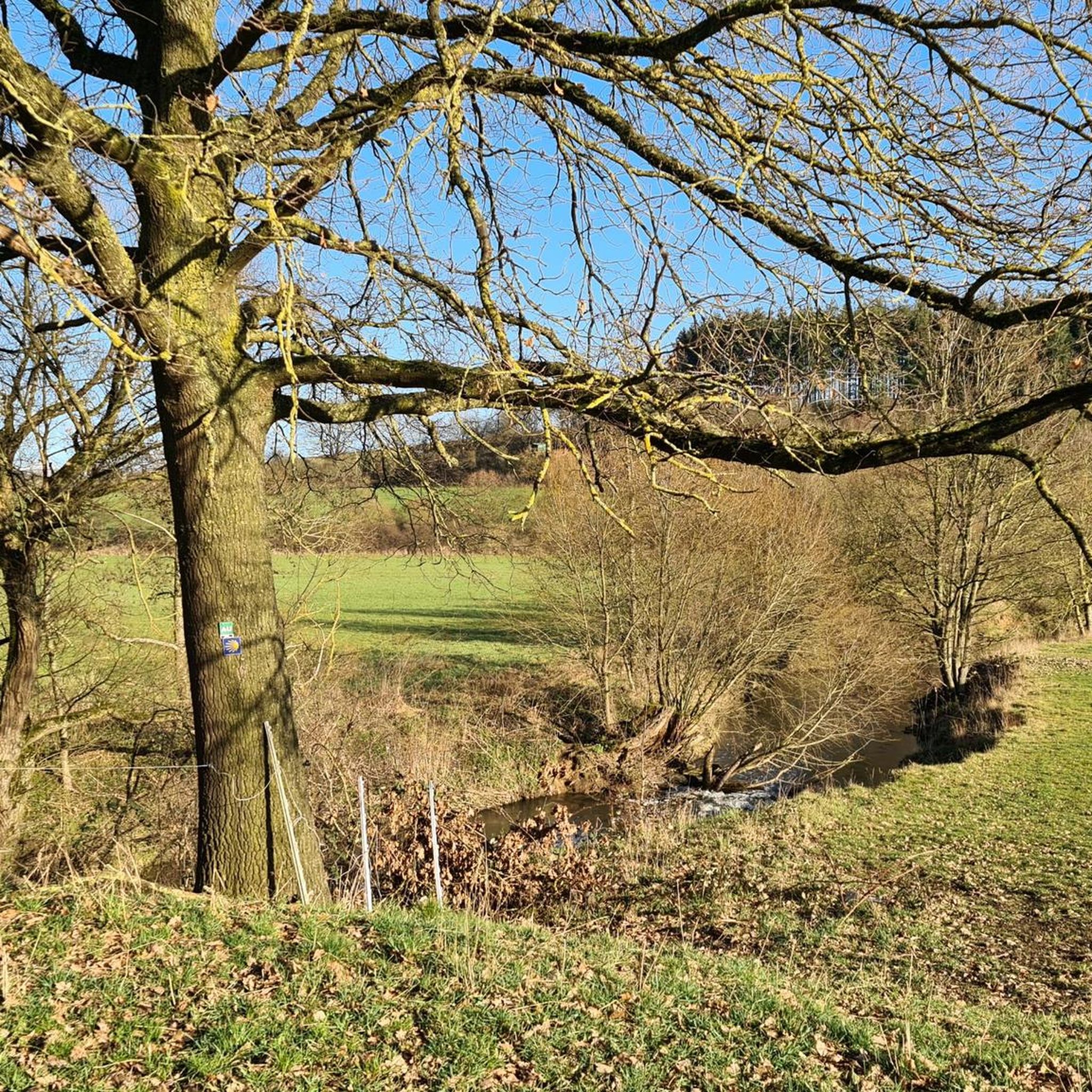
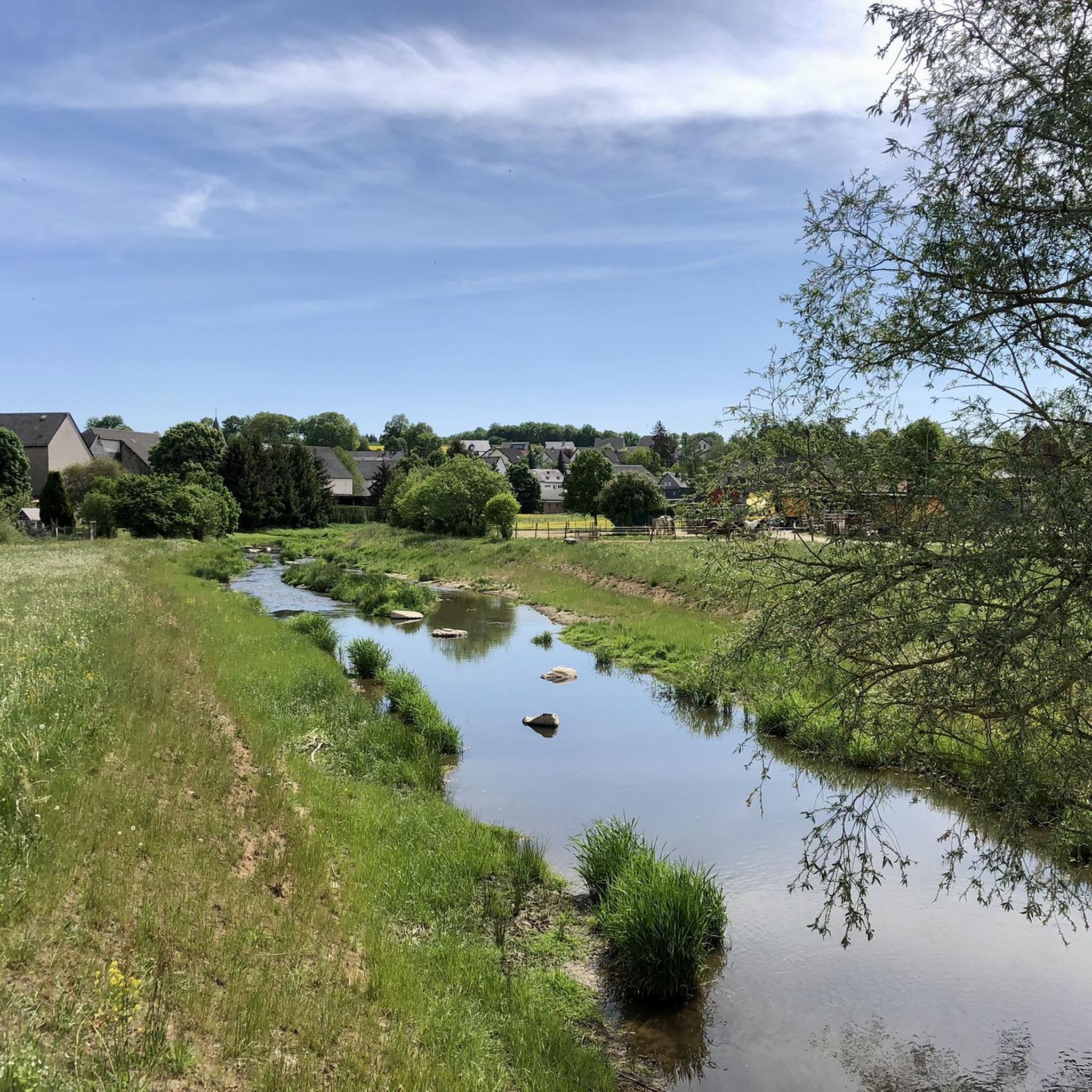
At the refuge - view of Gemünden & Baroque castle
0
0

Very cool corner for biking
0
0

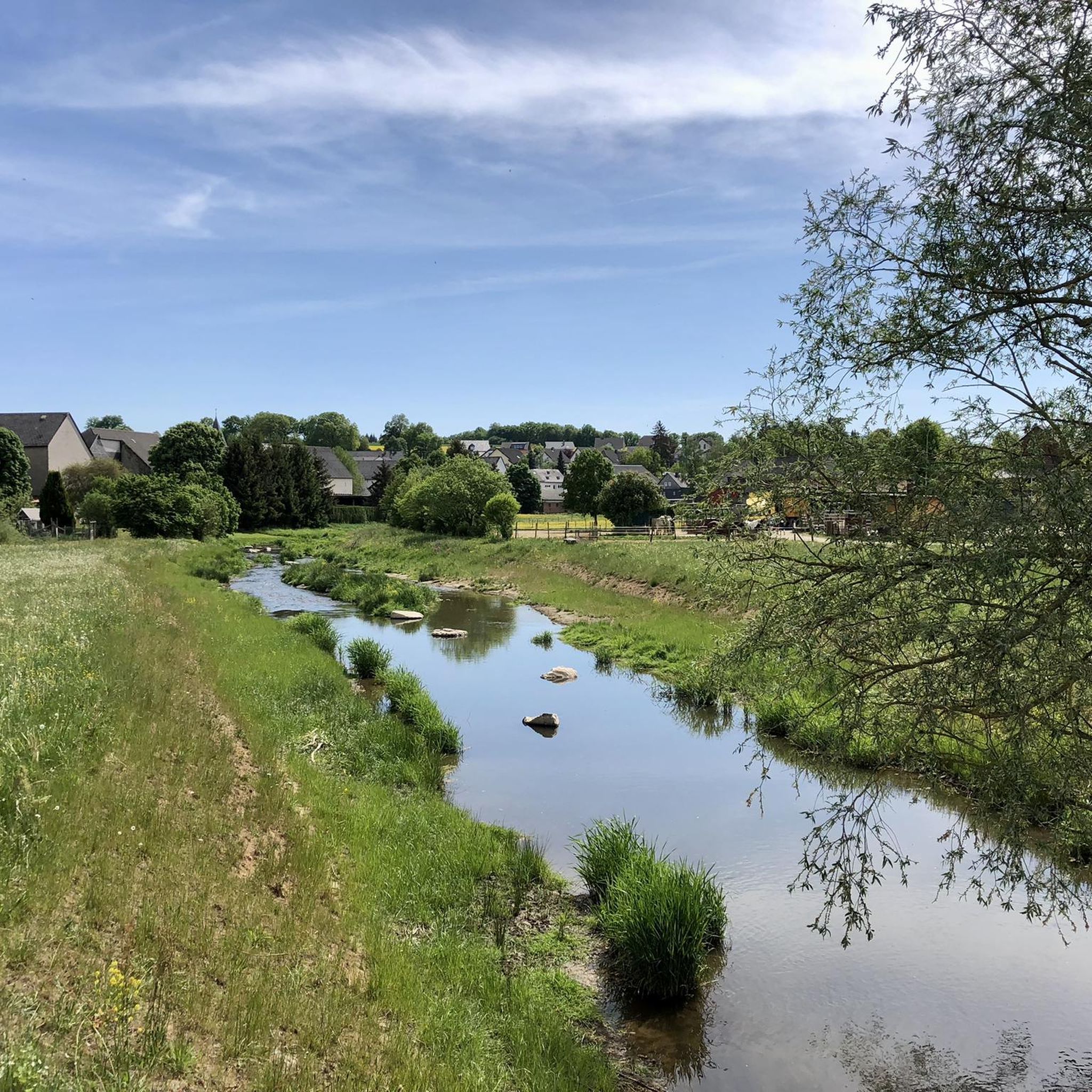
The cave entrance is located behind Mengerschied & Eichenmühle on the Lametbach https://de.wikipedia.org/wiki/Mengerschied?wprov=sfla1
0
0

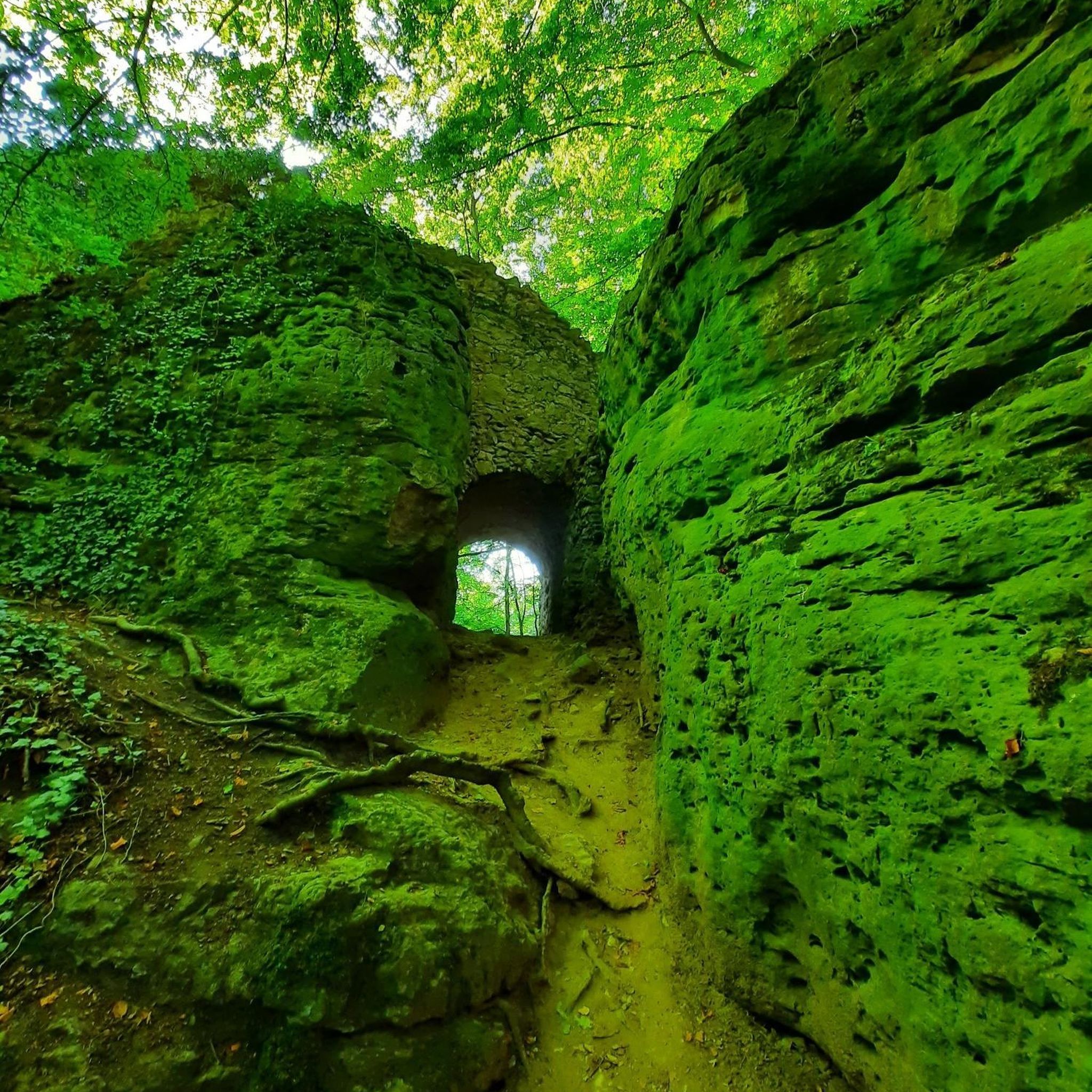
The tunnel leads a few meters into the mountain before opening into a large, cubic mining chamber (approx. 30 x 10 m, >5 m high). Several tunnels extend further into the mountain from this chamber. Remains of the walls of former farm buildings can still be found in front of the tunnel entrance. There are five more tunnels in the Leimberg mountain, but no building remains. It is unclear whether this is the "Three Men" mine, the only one mentioned for the Gehlweiler district.
0
0
I didn't know about it until today, but it exists. Near the youth camp site on the other side of the Kauerbach. There is already a love canyon!
0
0
The tunnel mouth is about 50m from the path of the dream loop (forest path) away above the slope behind the fenced garden plots on a forgotten and overgrown farm road. After the low entrance, you come across a rusty ladder after 10 meters and only looking back reveals that the entrance was probably earlier. Then it gets exciting, because it's a bit slippery on a slope 15 meters further and a good 5 meters down(!). If you are at the bottom, turn left at right angles. This level leads through several excavation rooms, which are wide but not high, a good 70 meters far into a dome that is also low, from which tunnels lead off on both sides. But you can also go straight ahead 60 meters, then you would have to go through knee-deep water for a good 20 meters and then you might have to go further. The tunnel to the right leads 50 meters to a cathedral and then another 50 meters further. The left tunnel ends after about 45 meters. So you have a lot to do!
1
0

Hidden tunnel mouth, one of several in the region. Exciting.
0
0

The tunnel goes in almost 50 meters, and shortly before the end a shaft goes down but it doesn't go any further.
2
0
Frequently Asked Questions
What types of caves and underground sites can I explore around Ohlweiler?
The Ohlweiler area and the broader Eifel region offer a diverse range of underground exploration opportunities. You can find natural caves formed by groundwater, historical ore and slate mines, and even unique ice caves. These sites reflect both natural geological processes and past human mining activities.
Are there any historically significant caves or mines in the Ohlweiler area?
Yes, the region is rich in historical sites. The Leimberg mine features a large cubic mining chamber and remnants of former farm buildings, offering a glimpse into past mining. The Slate gallery also shows clear signs of former mining activity, with tunnels leading to large chambers. Further afield in the Eifel, the Birresborner Eishöhlen are protected monuments with a history of millstone quarrying and various uses.
Which caves offer a more challenging exploration experience?
For those seeking a rugged experience, Stollen mouth is quite challenging, featuring a low entrance, a 5-meter ladder descent, and extensive tunnels, some requiring navigation through knee-deep water. The Ore mine (barred), though currently inaccessible, is described as descending 60 meters into the mountain, requiring crouching in places and featuring a vertical shaft.
What unique natural features can be found in the caves near Ohlweiler?
Beyond the immediate Ohlweiler area, the Eifel region offers unique natural phenomena. The Birresborner Eishöhlen (Ice Caves of Birresborn) are famous for retaining ice formations, sometimes until early summer, due to a 'cold trap effect.' The Love Cave is known for its unique 'love canyon' feature.
What should I wear or bring when exploring caves in the region?
For caves like the Birresborner Eishöhlen, it's essential to bring warm clothing, sturdy shoes, a flashlight, and a helmet, as temperatures inside consistently range between -1°C and 4°C. For undeveloped caves like Stollen mouth, be prepared for slippery conditions and potentially knee-deep water.
Can I visit caves around Ohlweiler during winter?
Some caves, particularly those that serve as bat habitats, may have seasonal closures. For example, the Birresborner Eishöhlen are closed from October to March for bat protection. Always check specific access information for individual caves before planning a winter visit.
Are there family-friendly options for visiting caves near Ohlweiler?
While some caves in the immediate Ohlweiler area are more challenging and undeveloped, the Birresborner Eishöhlen in the nearby Eifel region offer guided tours from April to October, which can be a more structured and family-friendly experience, provided children are prepared for the cold temperatures and require appropriate gear.
What outdoor activities can I do near the caves around Ohlweiler?
The area around Ohlweiler is excellent for various outdoor activities. You can find numerous hiking trails, such as the easy 'Domblick Trail Parking – Hotel Bergschlösschen loop' or the moderate 'Ohlweiler Mill – Simmerbach loop'. There are also extensive routes for MTB and cycling, including routes like the 'Simmer Lake – Großmördersnack Rock Formation loop'.
Are there hiking trails that lead to or near these caves?
Yes, many caves are accessible via hiking paths. For instance, the Stollen mouth is located about 50 meters from a dream loop forest path. You can explore various hiking routes around Ohlweiler, ranging from easy to moderate, which can bring you close to these subterranean sites.
What is the Buchenlochhöhle and its significance?
The Buchenlochhöhle (Buchenloch Cave), located in the Gerolstein Dolomites, is a natural cave formed by groundwater. It's historically significant for archaeological findings, indicating use by early Eifel inhabitants around 30,000 years ago. More recently, it served as a refuge during WWII and is now an important wintering and resting place for bats.
Are there any caves in the region that are currently inaccessible or barred?
Yes, the Ore mine (barred) is notable for its very low entrance and is secured with a padlock, making it not readily accessible for general public exploration. This suggests it's a significant underground structure, part of the Wellmich-Werlau vein train.
What are the general conditions inside the caves around Ohlweiler?
Conditions vary significantly. Undeveloped sites like Stollen mouth can be slippery, involve ladder descents, and have sections with knee-deep water. Historical mines often feature large chambers and branching tunnels. Temperatures can be consistently cold, especially in ice caves, and some areas may require crouching due to low ceilings.
Most popular routes around Ohlweiler
Most popular attractions around Ohlweiler

Get inspired with the komoot mobile app


Explore more
Extend your search for the best caves by checking out these guides of the top ones around Ohlweiler:
