Top 14 Caves around Belgweiler
Caves around Belgweiler are predominantly historical mine tunnels and slate galleries, reflecting the region's extensive mining heritage in the Rhein-Hunsrück-Kreis, Germany. This area is characterized by its geological history of slate, copper ore, and gemstone extraction, which created numerous underground passages. Many of these man-made tunnels now serve as significant examples of "caves" in the broader vicinity. These sites offer a glimpse into the industrial past and geological formations of the Hunsrück.
Best caves around Belgweiler
- The most popular caves…
Last updated: October 13, 2026
Stollen mouth
Highlight • Cave
Translated by Google •
Tip by

Leimberg mine
Highlight • Cave
Translated by Google •
Tip by
Sign up now to discover places like this
Get recommendations on the best single tracks, peaks, & plenty of other exciting outdoor places.
Cave Entrance at Lametbach
Highlight • Cave
de.wikipedia.org/wiki/Mengerschied?wprov=sfla1
Translated by Google •
Tip by

Love Cave
Highlight • Cave
Translated by Google •
Tip by
Slate gallery
Highlight • Cave
Translated by Google •
Tip by
Sign up for free to discover even more caves around Belgweiler.
Already have an account?
Start today with a free account
Your next adventure awaits.
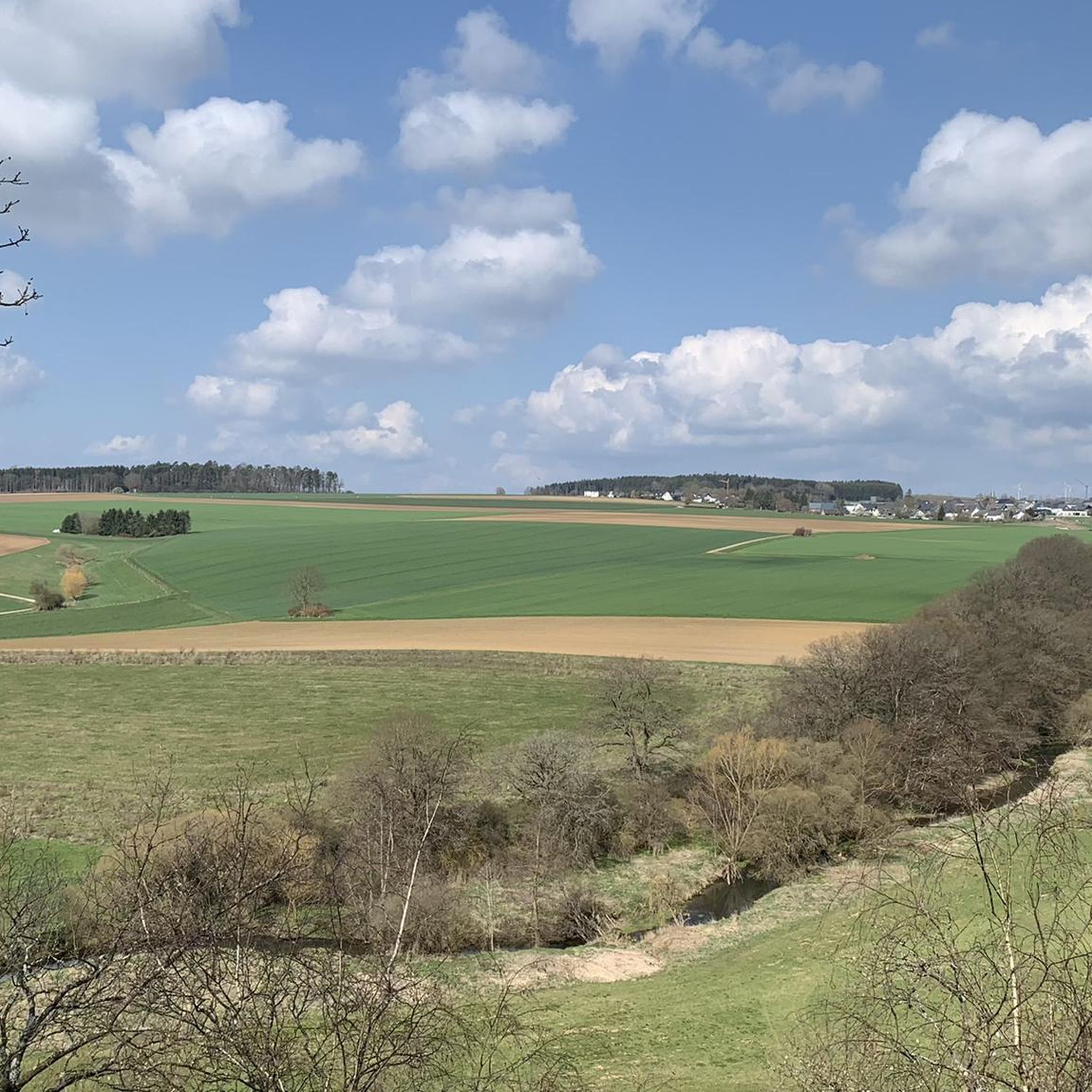
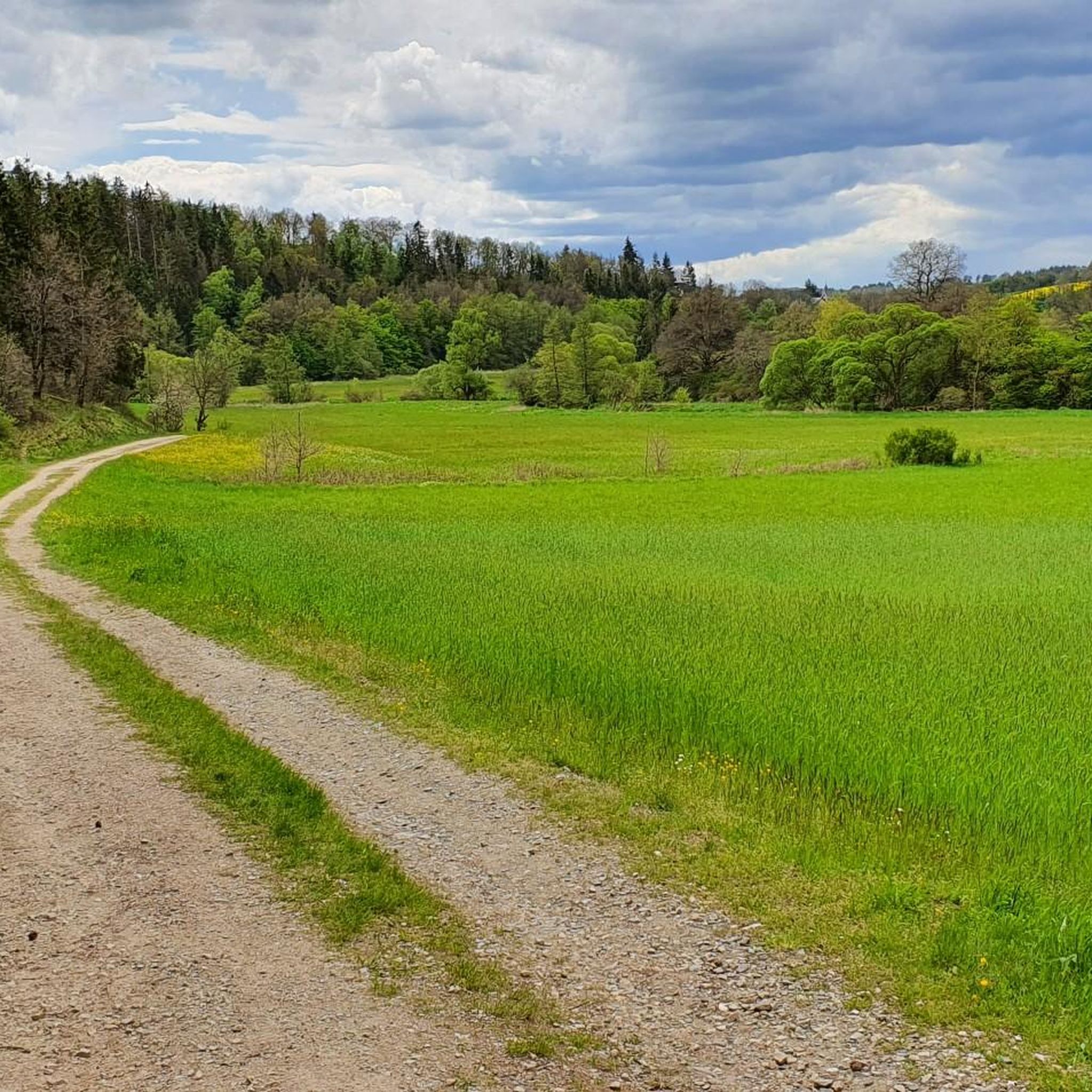
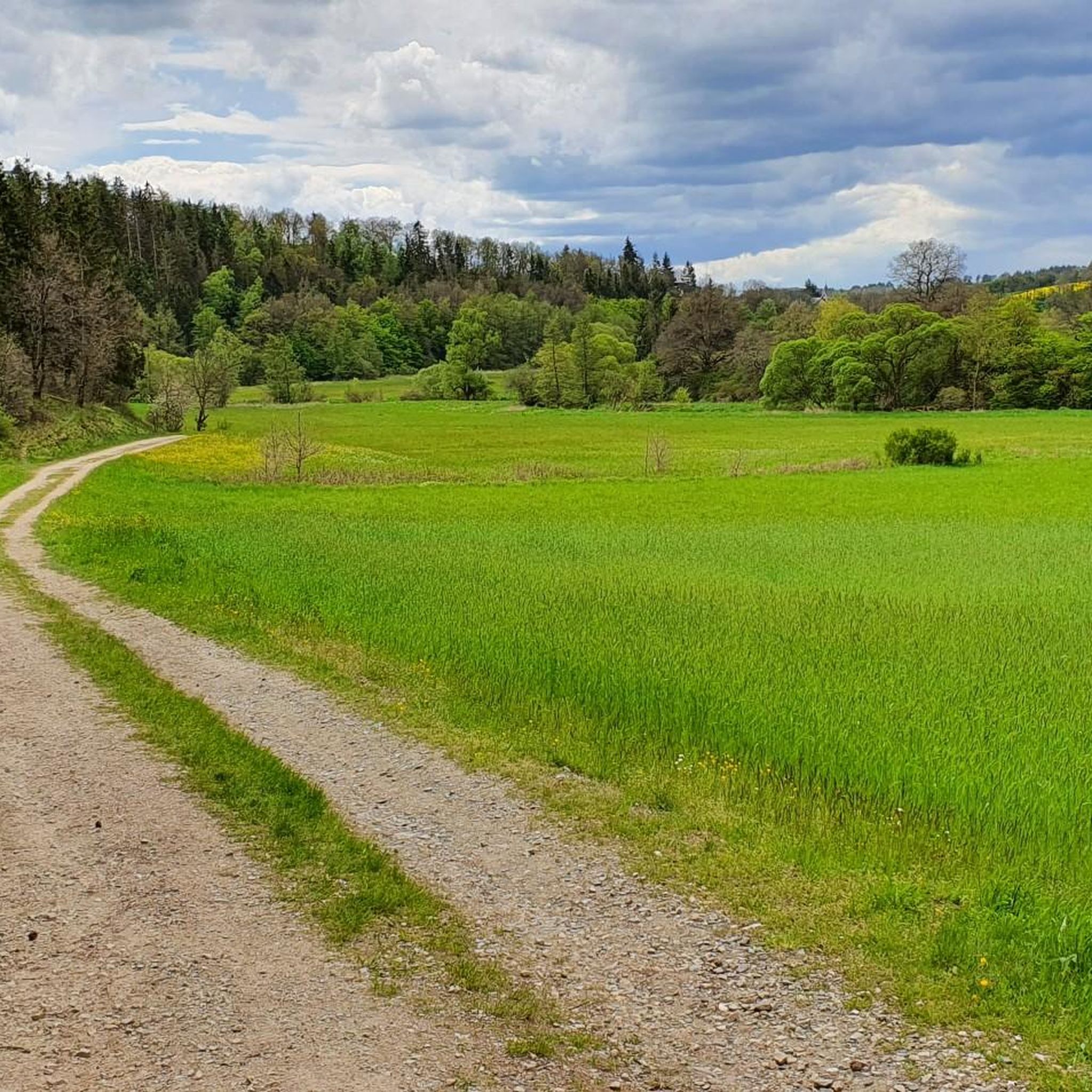
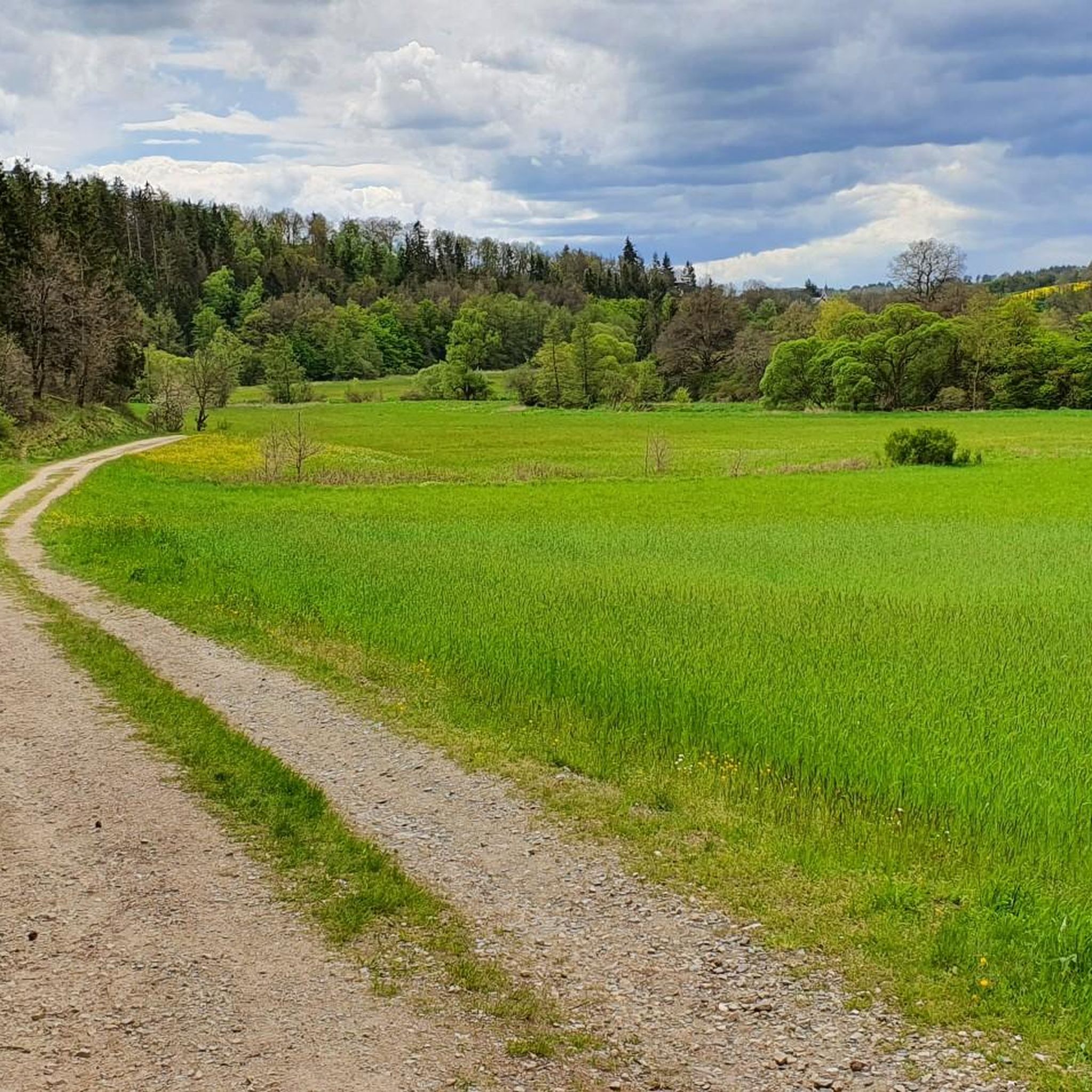

Tips from the Community

At the refuge - view of Gemünden & Baroque castle
0
0

Very cool corner for biking
0
0

The cave entrance is located behind Mengerschied & Eichenmühle on the Lametbach https://de.wikipedia.org/wiki/Mengerschied?wprov=sfla1
0
0

The tunnel leads a few meters into the mountain before opening into a large, cubic mining chamber (approx. 30 x 10 m, >5 m high). Several tunnels extend further into the mountain from this chamber. Remains of the walls of former farm buildings can still be found in front of the tunnel entrance. There are five more tunnels in the Leimberg mountain, but no building remains. It is unclear whether this is the "Three Men" mine, the only one mentioned for the Gehlweiler district.
0
0
I didn't know about it until today, but it exists. Near the youth camp site on the other side of the Kauerbach. There is already a love canyon!
0
0
The tunnel mouth is about 50m from the path of the dream loop (forest path) away above the slope behind the fenced garden plots on a forgotten and overgrown farm road. After the low entrance, you come across a rusty ladder after 10 meters and only looking back reveals that the entrance was probably earlier. Then it gets exciting, because it's a bit slippery on a slope 15 meters further and a good 5 meters down(!). If you are at the bottom, turn left at right angles. This level leads through several excavation rooms, which are wide but not high, a good 70 meters far into a dome that is also low, from which tunnels lead off on both sides. But you can also go straight ahead 60 meters, then you would have to go through knee-deep water for a good 20 meters and then you might have to go further. The tunnel to the right leads 50 meters to a cathedral and then another 50 meters further. The left tunnel ends after about 45 meters. So you have a lot to do!
1
0

Hidden tunnel mouth, one of several in the region. Exciting.
0
0
The former mining activity is clearly visible at a slate heap by the roadside. To the right and above the heap is a side tunnel leading into the mountain (therefore not directly visible from the path). This tunnel extends approximately 10 meters into the mountain before reaching a sluice gate with two steel doors. Passing through these doors, one enters a large mining chamber. This tunnel was likely used as a blasting chamber. A few meters further to the right, i.e., to the south, is another tunnel that forks at a right angle after a few meters. The right branch ends after a few meters, while the left branch continues for at least 50 meters further into the mountain and then opens into a large mining chamber where spoil heaps have been piled up.
2
0
Frequently Asked Questions
What kind of 'caves' can I expect to find around Belgweiler?
The 'caves' around Belgweiler are primarily historical mine tunnels and slate galleries, not natural karst caves. This region, part of the Rhein-Hunsrück-Kreis, has a rich history of slate, copper ore, and gemstone mining, which created numerous underground passages. These man-made tunnels offer a unique glimpse into the area's industrial past and geological formations.
Are there any historical mine tunnels that served as shelters during wartime?
Yes, the Lower Laykaul Slate Caves are particularly notable for their historical significance. During World War II, these extensive tunnel systems served as crucial shelters for residents during air raids, earning the area the nickname 'Zittertal' (Trembling Valley). While the Upper Laykaul is partially collapsed, the Lower Laykaul offers a unique historical perspective, though visitors are advised not to enter due to the risk of falling slate.
Which caves are known for their historical significance and unique geological formations?
The Leimberg mine is a challenging historical site featuring a tunnel leading into a large, cubic mining chamber with several tunnels extending further into the mountain. Another significant site is the Stollen mouth, which offers an extensive system of excavation rooms and tunnels, some requiring navigation through water. These sites showcase the region's slate mining heritage.
Are there any caves around Belgweiler that are important for wildlife?
Many of the former mine tunnels in the Rhein-Hunsrück-Kreis, such as the Baybachtal Bat Cave (a former slate tunnel) and the Theresia Mine Tunnel, are now closed by bars to protect bats. These tunnels serve as important sheltered roosting places and habitats for various bat species, highlighting the ecological value of these historical sites.
What are some of the more accessible or intermediate 'caves' to explore?
The Love Cave is an intermediate cave located near a youth campsite on the other side of the Kauerbach, known for its unique local designation and a nearby 'love canyon'. Another intermediate option is the Cave Entrance at Lametbach, situated in a forest near Mengerschied & Eichenmühle, offering a cool spot for exploration.
What outdoor activities can I combine with a visit to the caves around Belgweiler?
The area around Belgweiler offers numerous outdoor activities. You can explore various cycling routes, including general cycling tours, road cycling routes, and mountain biking trails. Many of these routes pass by or near historical sites and natural features, allowing you to combine cave exploration with active recreation.
Are there any specific tips for exploring the more challenging mine tunnels?
For challenging sites like the Stollen mouth, be prepared for varied conditions. Tips suggest navigating a rusty ladder, a slippery slope, and potentially knee-deep water in some sections. The tunnels can be extensive, with multiple excavation rooms and branches. Always prioritize safety and be aware of the environment, especially in historical mining areas.
What is the best time to visit the caves around Belgweiler?
The best time to visit the historical mine tunnels and slate galleries around Belgweiler generally depends on weather conditions for outdoor exploration. Spring and autumn offer pleasant temperatures for hiking and cycling to these sites. If visiting tunnels that serve as bat habitats, be mindful of their protection periods, typically during winter hibernation.
What should I know about the 'Slate gallery' near Belgweiler?
The Slate gallery is a challenging historical site where former mining activity is clearly visible. It features a side tunnel leading into the mountain, which extends about 10 meters before reaching a sluice gate with steel doors. Beyond these doors, you enter a large mining chamber, likely used as a blasting chamber. Further tunnels extend into the mountain, some leading to large mining chambers with spoil heaps.
Are there any family-friendly activities or trails near the caves?
While specific 'family-friendly' cave entries are not detailed, the broader Rhein-Hunsrück-Kreis region offers various outdoor activities suitable for families. Many of the cycling and hiking trails in the area, such as those mentioned in the Cycling around Belgweiler guide, can be enjoyed by families, allowing for exploration of the natural and historical landscape surrounding these unique 'caves'.
Can I bring my dog to the trails leading to these caves?
Many trails in the Rhein-Hunsrück-Kreis are dog-friendly, making it possible to bring your dog along when exploring the areas around the historical mine tunnels. Always ensure your dog is on a leash and that you clean up after them. Specific access rules for entering the tunnels themselves may vary, and it's generally advisable to keep dogs out of confined underground spaces for safety.
Where can I find more information about the history of mining in the Hunsrück region?
The historical mine tunnels and slate galleries around Belgweiler are a direct result of the extensive mining heritage in the Hunsrück area. These sites offer a tangible connection to the region's past in slate, copper ore, and gemstone extraction. Exploring these locations provides insight into the industrial history that shaped the landscape and local communities.
Most popular routes around Belgweiler
Most popular attractions around Belgweiler

Get inspired with the komoot mobile app


Explore more
Extend your search for the best caves by checking out these guides of the top ones around Belgweiler:
