Top 20 Caves around Korweiler
Best caves around Korweiler are primarily found within the broader Hunsrück region, characterized by its historical mining landscape and geological formations. This area offers insights into the 19th-century industrial past through former iron ore and slate mines. The terrain features valleys, forested areas, and remnants of mining operations. These underground sites provide a unique perspective on the region's history and natural features.
Best caves around Korweiler
- The most popular caves is Baybachtal Bat Cave (Slate Tunnel), a former slate…
Last updated: June 27, 2026
Baybachtal Bat Cave (Slate Tunnel)
Highlight • Cave
Translated by Google •
Tip by

Klöckners Kaul slate mine tunnel and rest area
Highlight • Cave
Translated by Google •
Tip by

Sign up now to discover places like this
Get recommendations on the best single tracks, peaks, & plenty of other exciting outdoor places.
Sign up for free
Katzenloch Slate Mine
Highlight • Cave
Translated by Google •
Tip by

Theresia Mine Tunnel
Highlight • Cave
Translated by Google •
Tip by
Schinderhannes Cave (Baybach Valley, Burgen)
Highlight • Cave
Translated by Google •
Tip by

Sign up for free to discover even more caves around Korweiler.
Sign up for free
Already have an account?
Start today with a free account
Your next adventure awaits.
Login or Signup
Tips from the Community

There's always something new to discover here
0
0

A beautiful spot... nature 🌳🍄🟫
0
0

large rocky outcrop as a shelter and as a wintering place for bats
3
0
This "LOST PLACE" is very well hidden, and should only be visited in dry weather, because the unpaved path is very slippery when it is slightly damp, and it goes down very steeply. And on the rest bench, which is very weathered a little above, there used to probably be a hiking cross (the bracket with the sawn-off log is still there). But the view is no longer particularly good
0
0

In addition to @Gss's description. If you still want to go down to the cave, you should wear sturdy shoes and a bit of surefootedness won't hurt either.
0
0

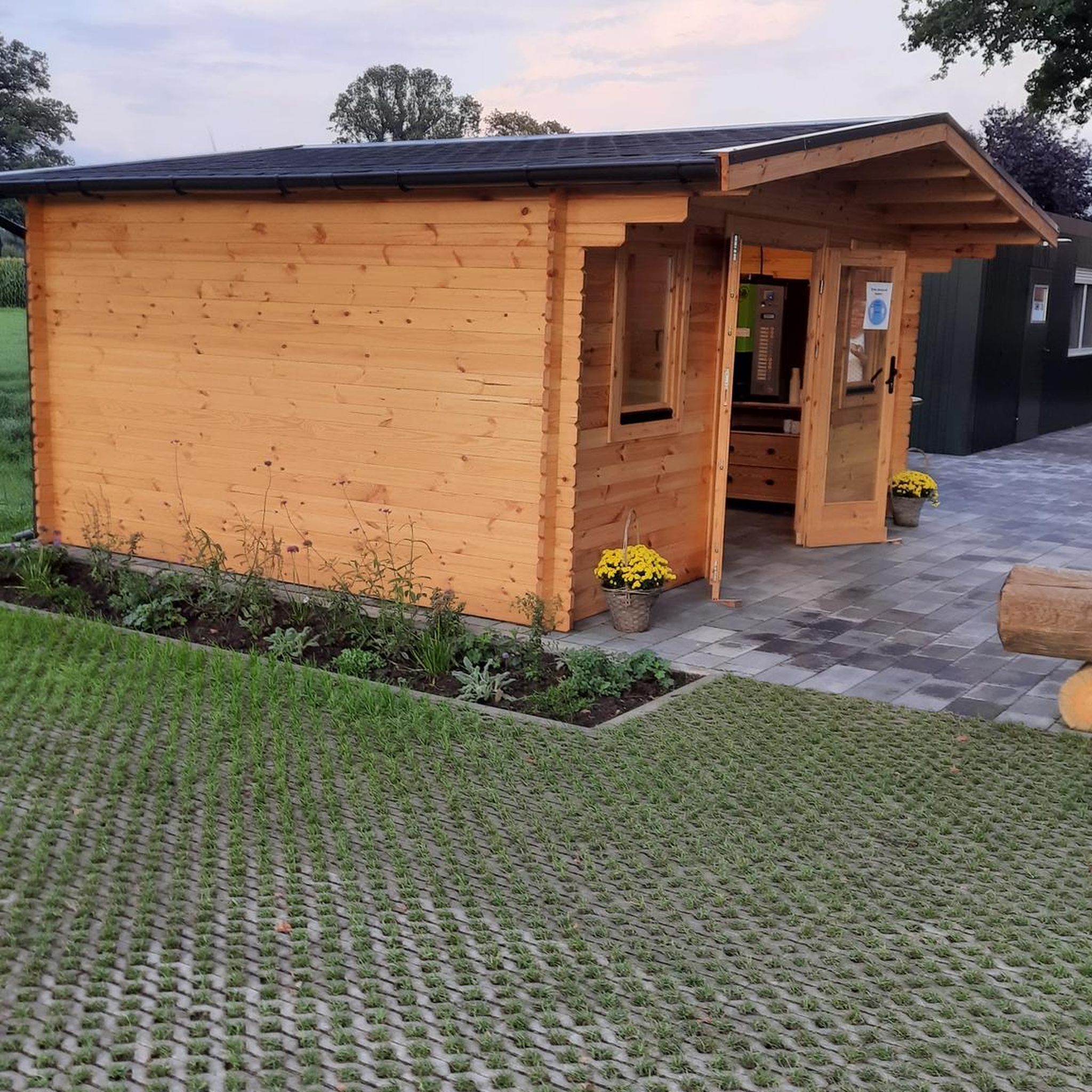
A slate mine with a nice rest area and information board.
2
0

This evidence of the former slate mining in the Baybachtal can be found in several places.
2
0

The mine path begins with Jupp, the miner carved out of wood, who is a symbol of the miners from Morshausen who mined ore in the lower Theresia mine from 1859 to 1886. The ores were brought to St. Goarshausen-Fellen for smelting. From the Theresia ore mine, the mouth hole of the lowest tunnel at Baybach level near the colliery house, which was built in 1860 for 12 miners and miners, has been preserved and one at the spoil heap level. The various tunnels extended from 250 meters to 20 meters into the mountain and were 10 to 15 meters wide.
1
0
Frequently Asked Questions
What kind of underground experiences can I find around Korweiler?
The area around Korweiler, particularly the broader Hunsrück region, offers unique underground experiences primarily through historical mining tunnels and slate caves. These sites provide insights into the region's industrial past and geological formations, rather than natural karst caves.
Are there any visitor mines with guided tours near Korweiler?
Yes, for an immersive and educational experience, you can visit the Alvenslebenstollen, a former iron ore mine in Burglahr, or the Limestone Mine in Königsberg (Pfalz). Both offer guided tours that delve into the history and geology of the mines.
What historical significance do the slate caves in the Rhein-Hunsrück-Kreis hold?
The Upper and Lower Laykaul Slate Caves, though actually former mining tunnels, are historically significant. They were famously used as air-raid shelters during World War II, earning the area the nickname 'Zittertal,' and showcase the methods of slate mining.
Are there any family-friendly underground sites around Korweiler?
The Limestone Mine in Königsberg (Pfalz) is suitable for all ages, offering a mine train ride and a guided tour. Additionally, the Klöckners Kaul slate mine tunnel and rest area provides a pleasant spot for families with a beautifully designed rest area at its entrance.
What can I expect to see at the Baybachtal Bat Cave?
The Baybachtal Bat Cave (Slate Tunnel) is a former slate quarry that now serves as a protected wintering place for bats. The entrance is barred to protect the habitat, but you can still observe the large rocky outcrop and learn about its past as a slate pit.
Are there any challenging or 'lost place' caves to explore?
Yes, the Schinderhannes Cave (Baybach Valley, Burgen) is considered a 'Lost Place.' It's well-hidden and requires sturdy shoes and surefootedness due to steep, unpaved paths, especially in damp conditions.
What kind of historical mining sites are there besides visitor mines?
Beyond the active visitor mines, you can find sites like the Katzenloch Slate Mine, which operated briefly in the 1920s for oily roofing slate. While the quarry itself isn't accessible, a rustic picnic bench is located nearby.
What are the Theresia Mine Tunnel and similar sites used for today?
The Theresia Mine Tunnel is one of many old mine tunnels in the Hunsrück, originally driven for ore or slate quarrying. Most of these tunnels are now closed by bars and serve as sheltered sleeping places for bats, contributing to wildlife conservation.
What outdoor activities can I do near the caves around Korweiler?
The region around Korweiler offers various outdoor activities. You can explore numerous cycling routes, including those for gravel biking and touring cycling, often following historical paths like the Schinderhannes Cycle Path. There are also many hiking trails, ranging from easy to moderate, that take you through valleys and forests.
What do visitors appreciate most about the caves and underground sites in the Korweiler area?
Visitors particularly enjoy the historical insights offered by the former mining sites and slate quarries, which tell stories of the region's industrial past. The unique natural features and the role some sites play as wildlife habitats, especially for bats, are also highly valued.
Are there any accessibility considerations for visiting the mines?
The Limestone Mine in Königsberg (Pfalz) is accessible for wheelchair users with certain restrictions, though prior contact is recommended to ensure a smooth visit.
Most popular routes around Korweiler
Most popular attractions around Korweiler

Get inspired with the komoot mobile app


Explore more
Extend your search for the best caves by checking out these guides of the top ones around Korweiler:
