Top 20 Lakes around Stadthagen
Best lakes around Stadthagen are found in Lower Saxony, Germany, offering diverse natural and historical water bodies. The area features charming ponds and a secluded lake, often nestled within wooded landscapes like the Bückeberg hills. These locations provide opportunities for outdoor relaxation and connection with local heritage. The region also includes sites of historical significance related to water, such as former brine extraction areas.
Best lakes around Stadthagen
- The most popular lakes is Erlengrund Park Ponds and Pavilion, a…
Last updated: June 27, 2026
Mühlenbach Firefighting Pond
Highlight • Lake
Translated by Google •
Tip by

Erlengrund Park Ponds and Pavilion
Highlight • Structure
Translated by Google •
Tip by

Sign up now to discover places like this
Get recommendations on the best single tracks, peaks, & plenty of other exciting outdoor places.
Sign up for free
Krater Spring
Highlight • Natural Monument
Translated by Google •
Tip by

Sahl (Village Pond) in the center of Wiedensahl
Highlight • Lake
Translated by Google •
Tip by

Witches' Ponds
Highlight • Lake
Anyone traveling with children will appreciate this little detour.
The pensioners' path is beautiful, but offers little variety for children.
Translated by Google •
Tip by

Sign up for free to discover even more lakes around Stadthagen.
Sign up for free
Already have an account?
Start today with a free account
Your next adventure awaits.
Login or Signup
Popular around Stadthagen
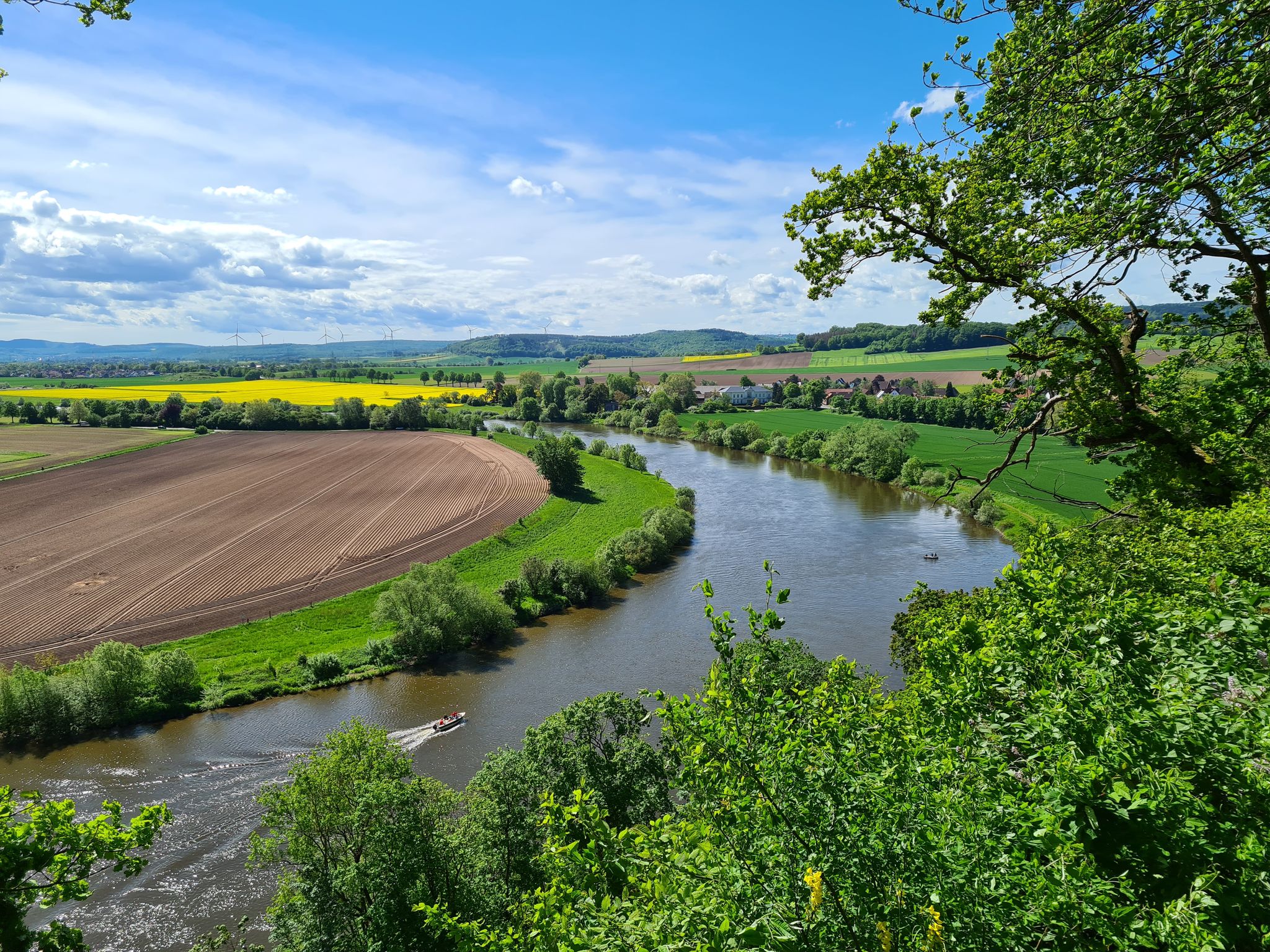
Loccum-Volkenroda pilgrim's way – From monastery to monastery
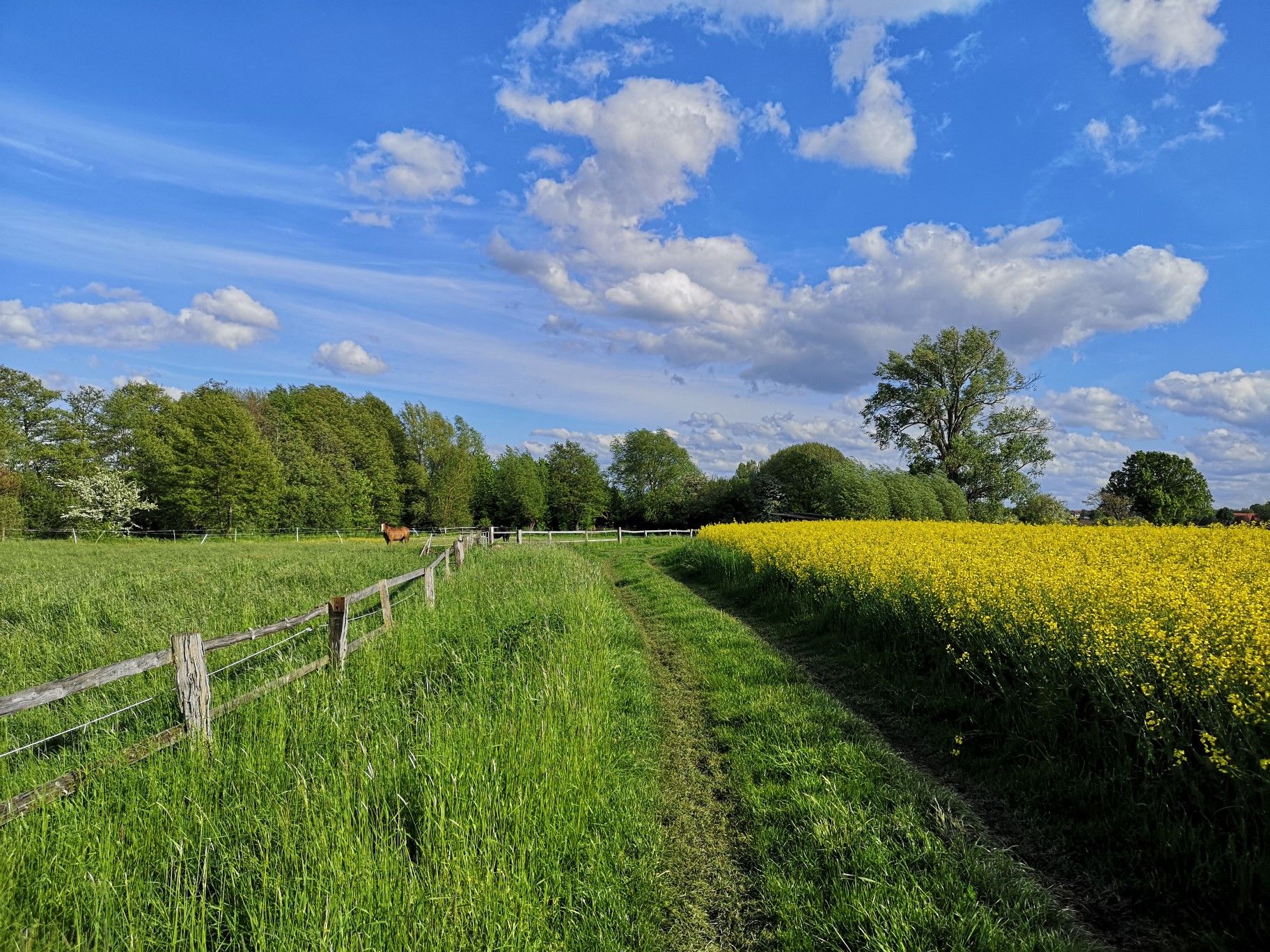
Hiking on Germany's Bückeberg Trail – Gentle hills and green forests
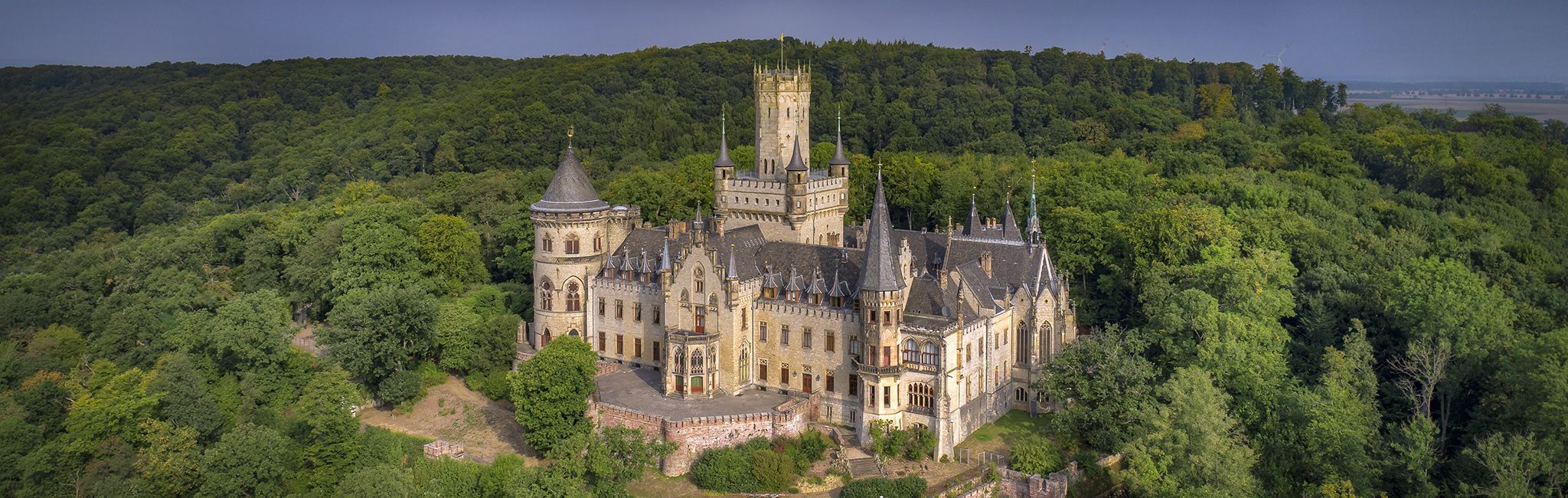
Cultural route in Niedersachsen – By Bike through Hannover and the surrounding countryside

History and culture in Germany’s Schaumburg region
Cycling around Stadthagen
Hiking around Stadthagen
Running Trails around Stadthagen
Road Cycling Routes around Stadthagen
Gravel biking around Stadthagen
MTB Trails around Stadthagen
Other adventures around Stadthagen


Tips from the Community

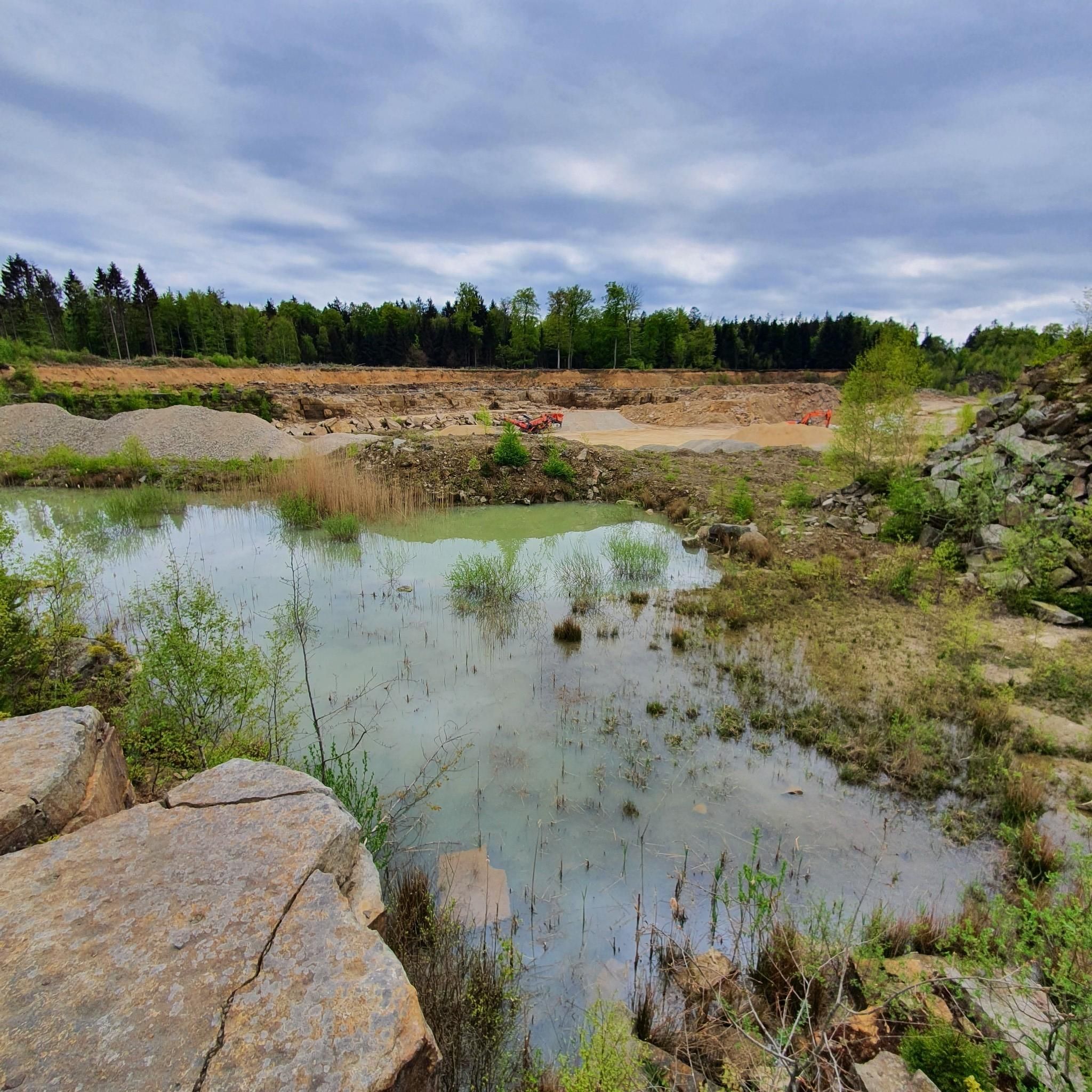
Between 1550 and 1680, around 400 people were executed in the County of Schaumburg for alleged witchcraft. The witch trials, which claimed the lives of both women and men, were conducted in the villages by the local courts. In Schaumburg, some judges, at the request of the accused, ordered the so-called water ordeal to be carried out "to ascertain the truth," because according to traditional beliefs, water repelled evil, meaning witches would float and innocent people would sink. During the water ordeal, the accused were tied to a rope and lowered into the water before the eyes of the judges and numerous onlookers, invariably producing the desired result. The records cynically note: "swims like a goose." The accused then usually resigned themselves to their fate and gave the "confession" required for execution. The two witches' ponds east of Schaumburg Castle are historically documented and were very likely the actual site of these terrifying spectacles. They lie somewhat hidden in the forest, about 50 meters below the path.
1
0
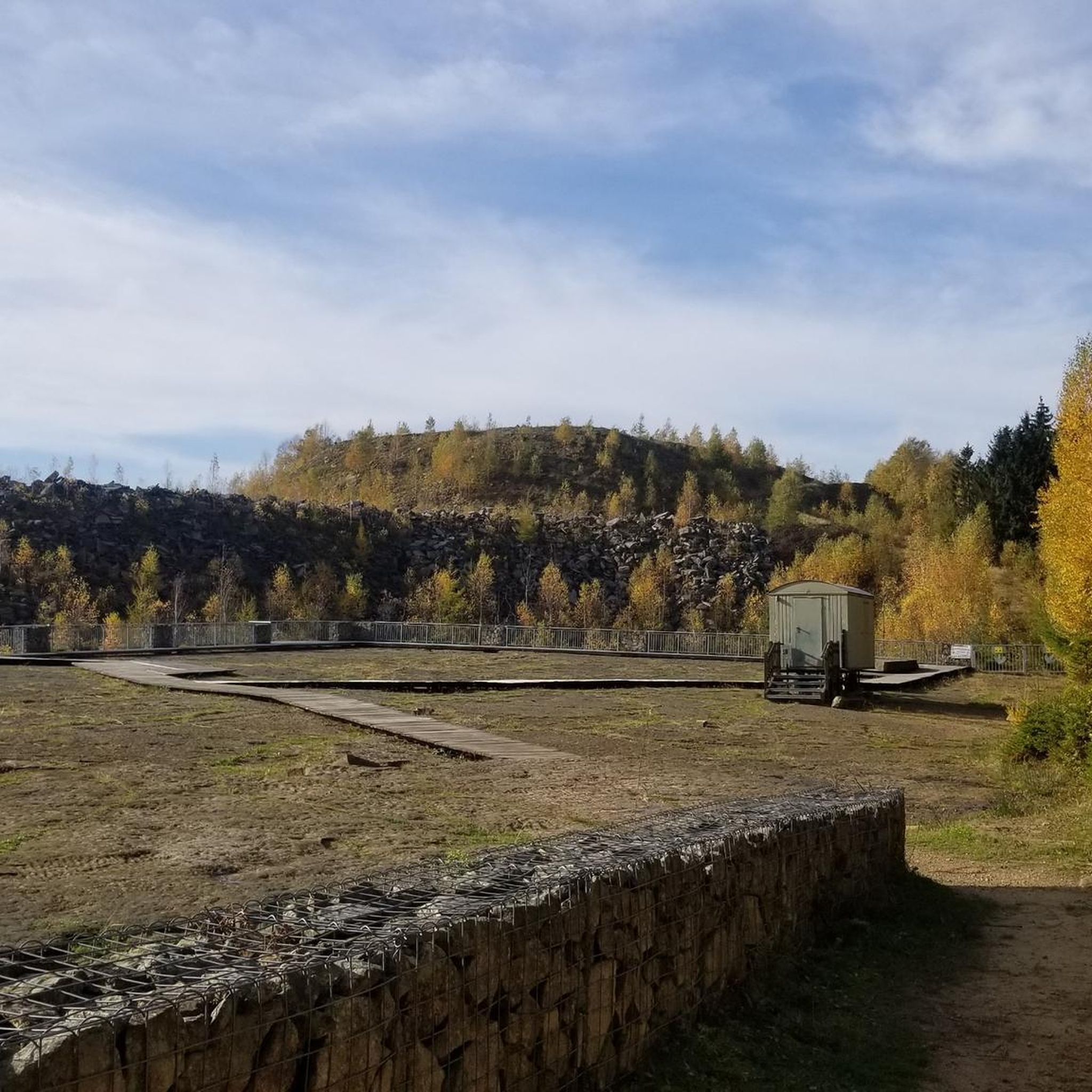
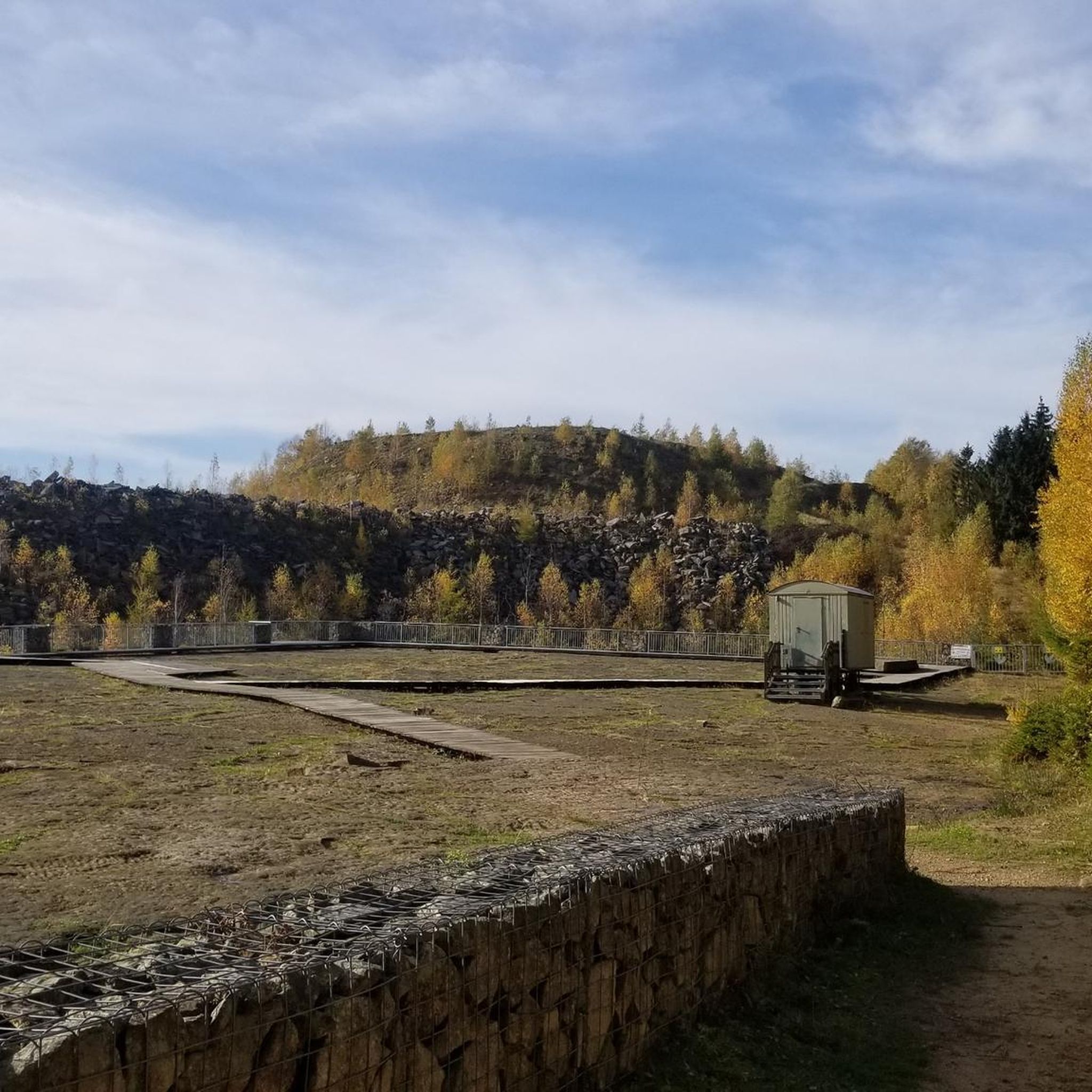
The Great Crater and the Crater Fountain are among Bad Nenndorf's most striking landmarks and are closely linked to the spa town's history. They serve as reminders of the town's unique geological features and the use of the healing brine that made Bad Nenndorf famous far beyond the region. The Great Crater is a visually impressive relic of the former brine extraction. Natural geological processes brought saline water to the surface here, forming a crater-like depression over time. This brine was the foundation for Bad Nenndorf's development as a health resort. Today, the Great Crater is a protected natural and cultural monument that captivates visitors with its unusual shape and tranquil atmosphere. The Crater Fountain is located nearby, further emphasizing the importance of the brine within the townscape. The fountain incorporates the historical use of the brine and combines it with modern design. It serves not only as an eye-catching feature but also as a symbol of the spa town's healing tradition.
2
0
The fire pond on the Mühlenbach stream lies idyllically in the Bückeberg hills and is a tranquil, natural spot amidst the wooded hills. Fed by the Mühlenbach, the pond blends harmoniously into its surroundings and is now an integral part of the landscape of this region. Surrounded by trees and gentle hills, it invites hikers and walkers to take a short break and offers a peaceful place to enjoy nature. The pond owes its name to its original function as a water reservoir for firefighting. In times before centralized water supplies, such fire ponds were of great importance, especially in heavily forested areas. They provided readily available water for firefighting in emergencies, thus contributing to the protection of the surrounding villages and forests. Today, the fire pond is primarily of ecological and scenic significance. It provides habitat for amphibians, insects, and waterfowl and contributes to the diversity of flora and fauna in the Bückeberg hills. At the same time, it is a quiet meeting point in the region's network of hiking trails and uniquely combines nature, history and recreation in one of the most beautiful forest landscapes of the Schaumburg region.
1
0

Waterlogged little pond. Well, just a pond. Used to be better maintained
2
0

The path through the Erlengrund was redesigned in 2022 and has become very beautiful. The Carl-Thon-Weg was also restored, the bridges were rebuilt and it is open again.
0
0

A wonderful, shady place for a rest. A small detour from the street and you are in another world.
0
0

The park, laid out between 1911 and 1925, languished for many years and has recently been "restored". A touch of the state garden show, which is to take place in Nenndorf in 2026, can be experienced there up close: new paths laid out, bridge stabilized with fresh wood, shelter built, goldfish placed in the pond - all very dignified and with a high recreational value. Only benches are still missing, but should come soon. The source and a children's forest with the names of the newborns from the years 2020 and 2021 are located above the Erlengrund. and pause. It remains to be wished that the construction work at the Waldgaststätte Cecilienhöhe will soon be finished and that coffee and cake will be offered there. If you are good on foot, you have to make the detour to the Mooshütte at the moment. Reservations are sometimes highly recommended.
1
0
The Erlengrund was created as a green connection between the Nenndorfer Kurpark and the Deister. The Erlengrund is part of the Kurpark cultural monument, as well as the Süddeister landscape protection area and the Weserbergland nature park. At the main road, at the lower entrance, a group of granite and gneiss boulders commemorate the creation of the park. Between 1911 and 1925 a park with ponds was created in the lower area of the Erlengrund. The ponds are fed with the water from the overflow of the Densinghausen spring, which was formerly used as drinking water in Bad Nenndorf. Next to the avenue of the Erlengrund to the Cäcilienhöhe there are several Süntelbuchen. Since the 1930s, the autobahn has been running on an embankment just below the edge of the Deister. It thus marks an upper end of the landscape park. Source: Wikipedia
2
0
Frequently Asked Questions
What kind of natural features can I expect to see around the lakes near Stadthagen?
The lakes and ponds around Stadthagen offer diverse natural settings. You'll find idyllic ponds nestled within wooded landscapes like the Bückeberg hills, such as the Mühlenbach Firefighting Pond, which is a habitat for amphibians and waterfowl. The Erlengrund Park Ponds are part of a landscaped park with a spherical maple avenue, while Süntelsee is a secluded forest lake. Additionally, the nearby Great Crater in Bad Nenndorf is a unique geological formation and protected biotope with moor-like vegetation.
Are there any historical sites or features associated with the lakes in the Stadthagen area?
Yes, several water bodies have historical significance. The Mühlenbach Firefighting Pond historically served as a water reservoir for firefighting. The Erlengrund Park Ponds were created from a former mud reservoir and are part of a park with a history of connecting to the Deister mountain range, featuring the 'Bubikopfallee'. The Great Crater in Bad Nenndorf is a remnant of historical brine extraction, fundamental to the town's development as a health resort, and is a protected natural and cultural monument.
Which lakes are suitable for families with children?
The Erlengrund Park Ponds are family-friendly, offering a serene environment for strolls within a landscaped park. The Mühlenbach Firefighting Pond is also considered family-friendly, providing a tranquil natural setting for walks. The Sahl (Village Pond) in Wiedensahl is a charming spot in the village center, suitable for a family break.
Can I go swimming in the lakes near Stadthagen?
Generally, swimming is not a primary activity at these locations. For example, at Süntelsee, swimming is explicitly not possible, though its shore offers a quiet spot for rest. The other ponds are more for scenic enjoyment and walking rather than swimming.
Are there opportunities for hiking or walking around the lakes?
Yes, the lakes and ponds are excellent starting points for walks and hikes. The Mühlenbach Firefighting Pond is nestled within the Bückeberg hills, inviting hikers to enjoy nature along regional trails. The Erlengrund Park Ponds offer serene strolls within the park, connecting to the Deister mountain range. For more extensive hiking options, you can explore various trails in the surrounding area, including those in the Bückeberg hills.
What cycling routes are available near the lakes around Stadthagen?
There are numerous cycling opportunities near the lakes. You can find various touring bicycle routes, such as the 'View of Wilhelmstein Island – Lake Steinhude loop from Stadthagen' or the 'Wiedensahl Swineherd's House – Wilhelm Busch Birthplace Museum loop from Stadthagen'. For more options, explore the Cycling around Stadthagen guide.
Is it possible to visit the lakes using public transport?
While specific public transport details for each lake are not always readily available, the region around Stadthagen generally has public transport connections. For locations like the Erlengrund Park Ponds in Bad Nenndorf, public transport options to Bad Nenndorf are likely available, followed by a walk. It's advisable to check local bus schedules for routes connecting to the smaller villages or trailheads near the ponds.
Are the lakes around Stadthagen dog-friendly?
Many natural areas around Stadthagen, including trails near the lakes, are generally dog-friendly. However, it's always recommended to keep dogs on a leash, especially in nature reserves or areas with wildlife, and to clean up after them. Specific rules might apply in landscaped parks like Erlengrund, so look for local signage.
What is the best time of year to visit the lakes near Stadthagen?
The lakes around Stadthagen offer beauty throughout the year. Spring and summer are ideal for enjoying lush greenery, wildlife, and longer walks. Autumn brings vibrant fall colors to the surrounding forests, making for picturesque scenery. Even in winter, a peaceful, crisp walk around the frozen ponds can be a serene experience, though some facilities might be limited.
Are there any unique or lesser-known water bodies worth exploring besides the main lakes?
Absolutely. The Great Crater and Crater Fountain in nearby Bad Nenndorf are unique geological and cultural landmarks. The Great Crater is a visually impressive remnant of historical brine extraction, forming a crater-like depression and is a protected biotope. The Sahl (Village Pond) in Wiedensahl is also a charming, lesser-known village pond that is an eye-catcher in every season, known for its frog concerts.
Where can I find a quiet spot for relaxation by the water?
For a truly quiet and secluded experience, Süntelsee, located in the middle of a forest, offers a peaceful shore perfect for rest. The Mühlenbach Firefighting Pond also provides a tranquil natural setting amidst wooded landscapes, ideal for taking a break and enjoying nature.
Are there facilities like cafes or restaurants near the lakes?
While the lakes themselves are often in natural or park settings, nearby towns and villages offer amenities. For instance, the Sahl (Village Pond) in Wiedensahl is located in the village center, with a resting place opposite Gasthaus Steuber. Bad Nenndorf, home to the Erlengrund Park Ponds and the Great Crater, has various cafes and restaurants due to its spa town status. It's best to check local listings for specific options near your chosen lake.
What do visitors particularly enjoy about the Mühlenbach Firefighting Pond?
Visitors appreciate the tranquil natural setting of the Mühlenbach Firefighting Pond, nestled within the Bückeberg hills. It's described as an idyllic spot where you can 'let your soul dangle'. Many enjoy it as a peaceful place to rest and look at the water, though some have noted that more seating options would enhance the experience.
What is the significance of the Erlengrund Park Ponds?
The Erlengrund Park Ponds are significant for their historical and ecological value. Created between 1911 and 1925 from a former mud reservoir, they are fed by the Densinghausen spring. The ponds, along with the park's spherical maple avenue ('Bubikopfallee'), form a green link to the Deister mountain range and are part of the Kurpark cultural monument and a nature reserve. They offer a serene environment for connecting with nature within a landscaped setting.
Are there mountain biking trails near the lakes around Stadthagen?
Yes, the region around Stadthagen offers mountain biking opportunities. You can find trails like the 'Förler View – Obernkirchen Sandstone Quarry loop from Stadthagen' or the 'View of the Auetal Valley – Obernkirchen Sandstone Quarry loop from Stadthagen'. For a comprehensive list of routes, refer to the MTB Trails around Stadthagen guide.
Most popular routes around Stadthagen
Most popular attractions around Stadthagen

Get inspired with the komoot mobile app


Explore more
Still not found your perfect lake around Stadthagen? Check out the guides of these regions to see even more beautiful places.
