Top 11 Waterfalls around Litzendorf
Waterfalls around Litzendorf offer a unique exploration of water features within the Landkreis Bamberg and Franconian Switzerland. This region is characterized by geological marvels such as tufa terraces and periodically flowing karst springs, rather than traditional large cascades. These sites provide insights into natural processes and historical water use, including remnants of old millraces. The diverse landscapes offer serene settings for hiking routes around Litzendorf and discovering the area's distinct natural beauty.
Best waterfalls around Litzendorf
- The most popular waterfalls…
Last updated: June 27, 2026
Deichselbach Tufa Terraces (Tufa Steps)
Highlight • Waterfall
Translated by Google •
Tip by

Großer Tummler Karst Spring
Highlight • Natural Monument
Translated by Google •
Tip by

Sign up now to discover places like this
Get recommendations on the best single tracks, peaks, & plenty of other exciting outdoor places.
Sign up for free
Sinter Terraces of Tiefenstürmig
Highlight • Natural Monument
Translated by Google •
Tip by

Leestener Mühlgraben Waterfall
Highlight • Waterfall
Translated by Google •
Tip by

Sinter Terraces Near Würgau
Highlight • Natural Monument
Translated by Google •
Tip by
Sign up for free to discover even more waterfalls around Litzendorf.
Sign up for free
Already have an account?
Start today with a free account
Your next adventure awaits.
Login or Signup
Popular around Litzendorf
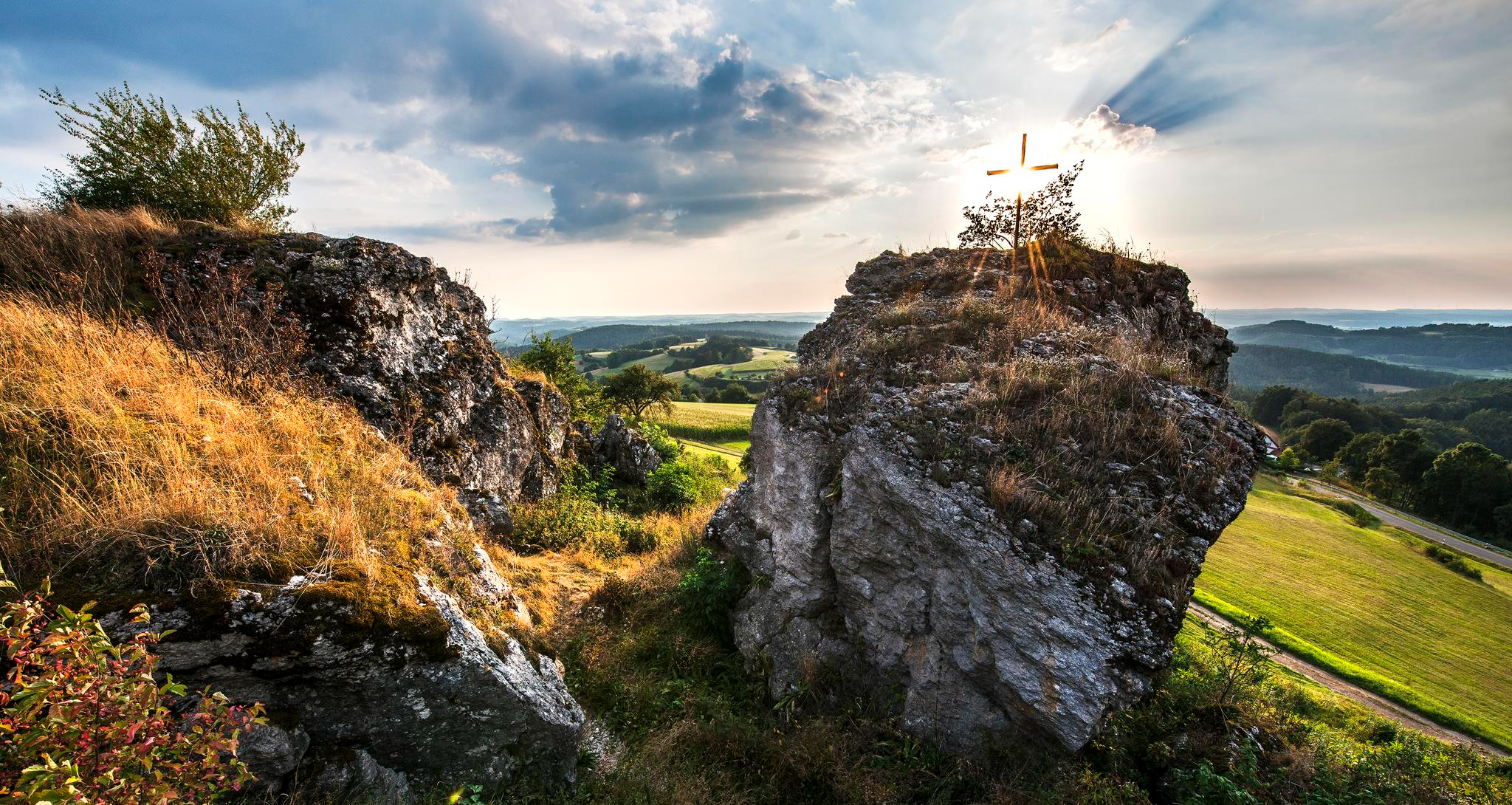
Fun hiking and wonderful views in Franconian Switzerland
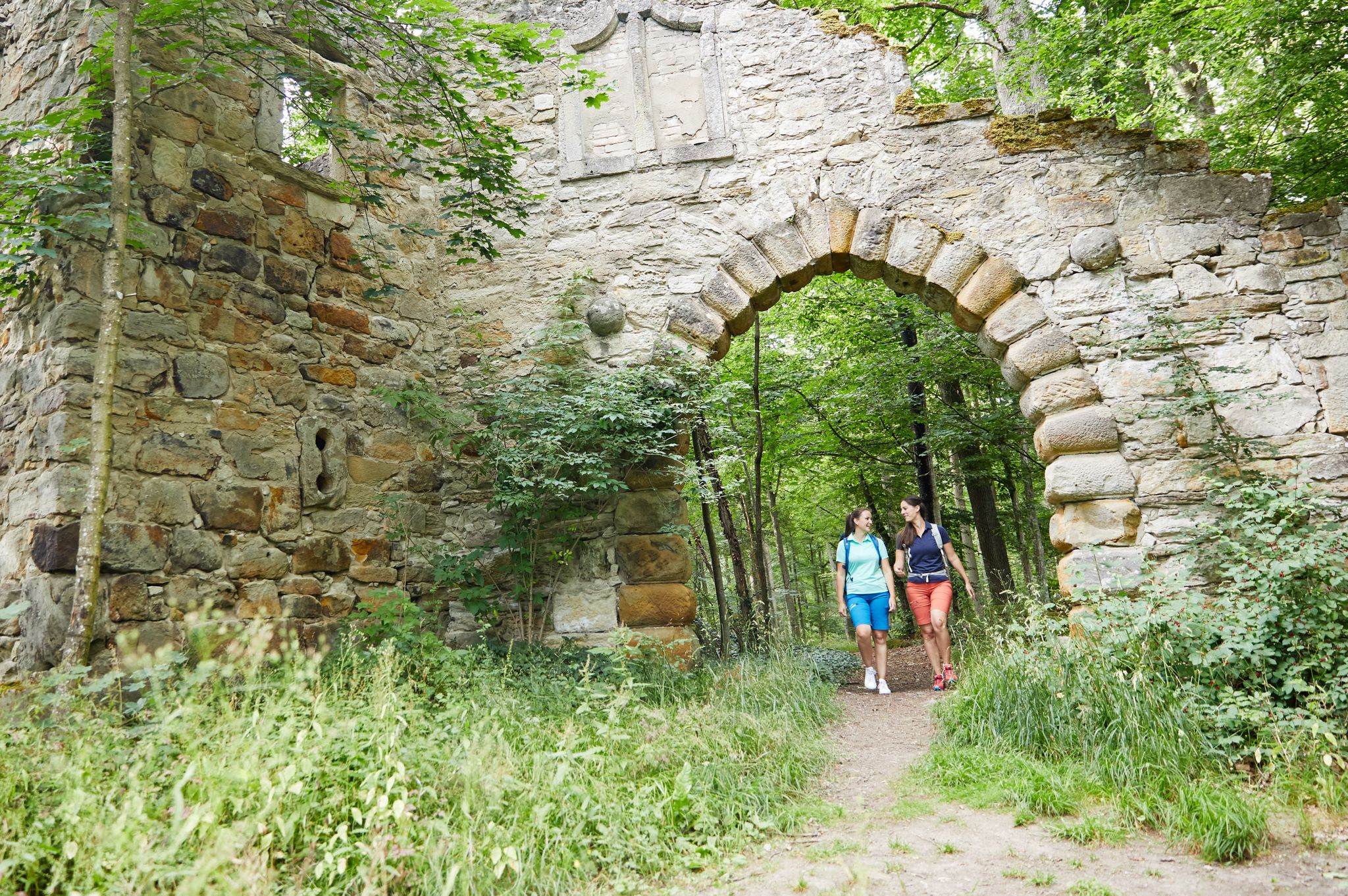
Full of views and fun – VGN leisure tips 2022
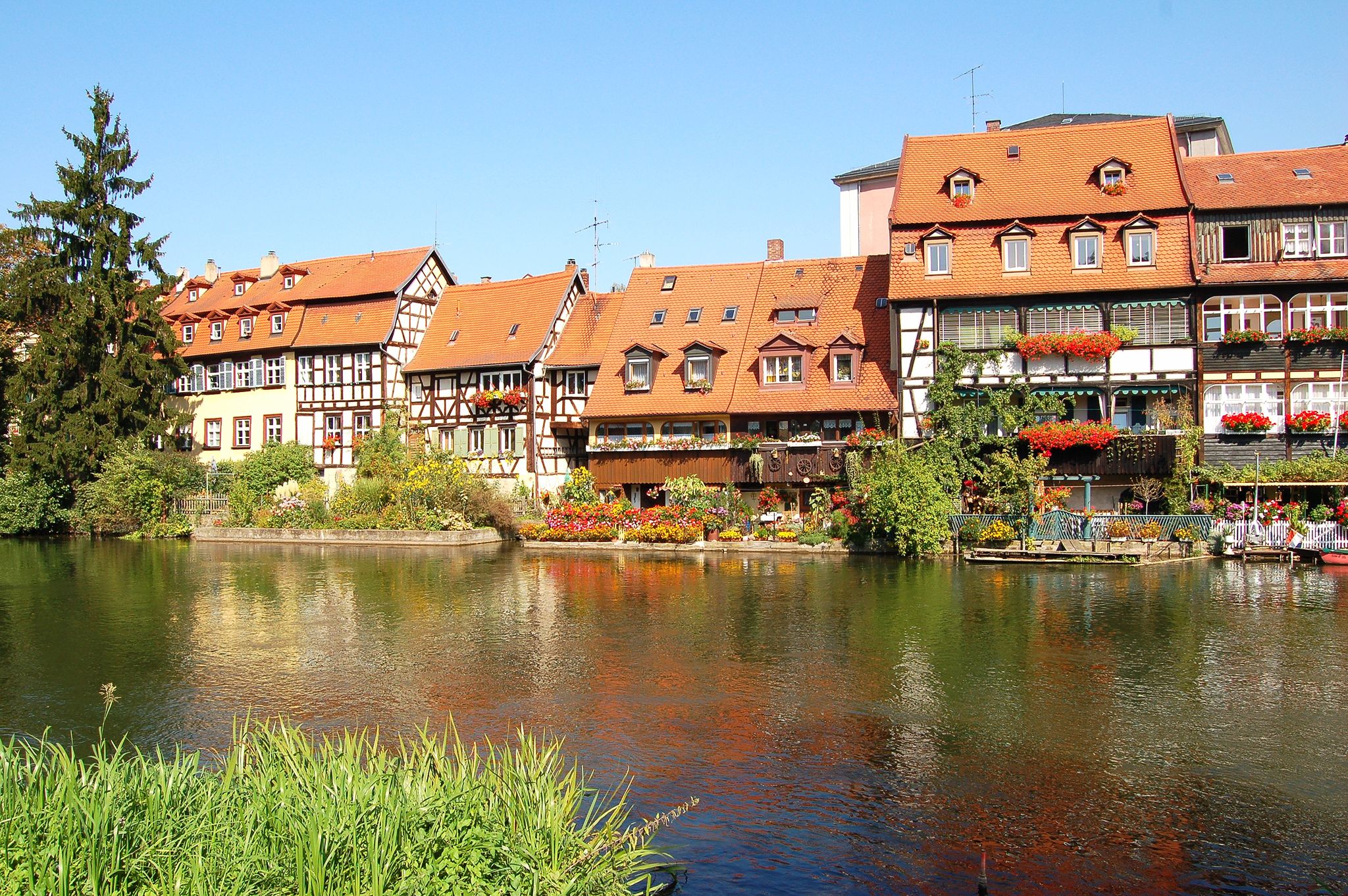
Discover Bamberg on foot – history, nature and beer
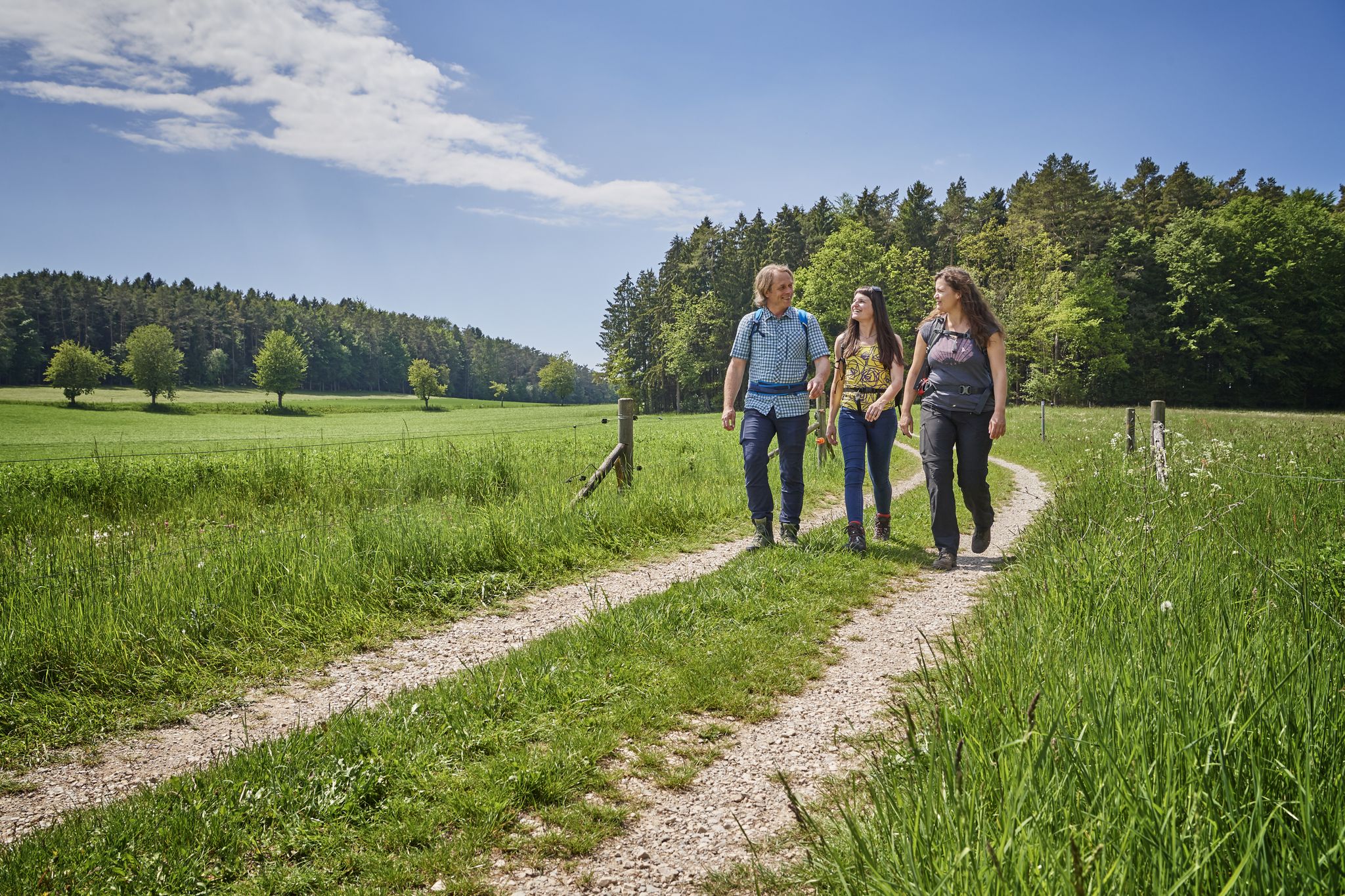
Hops, barley & beer — hiking with VGN leisure tips through Franconia
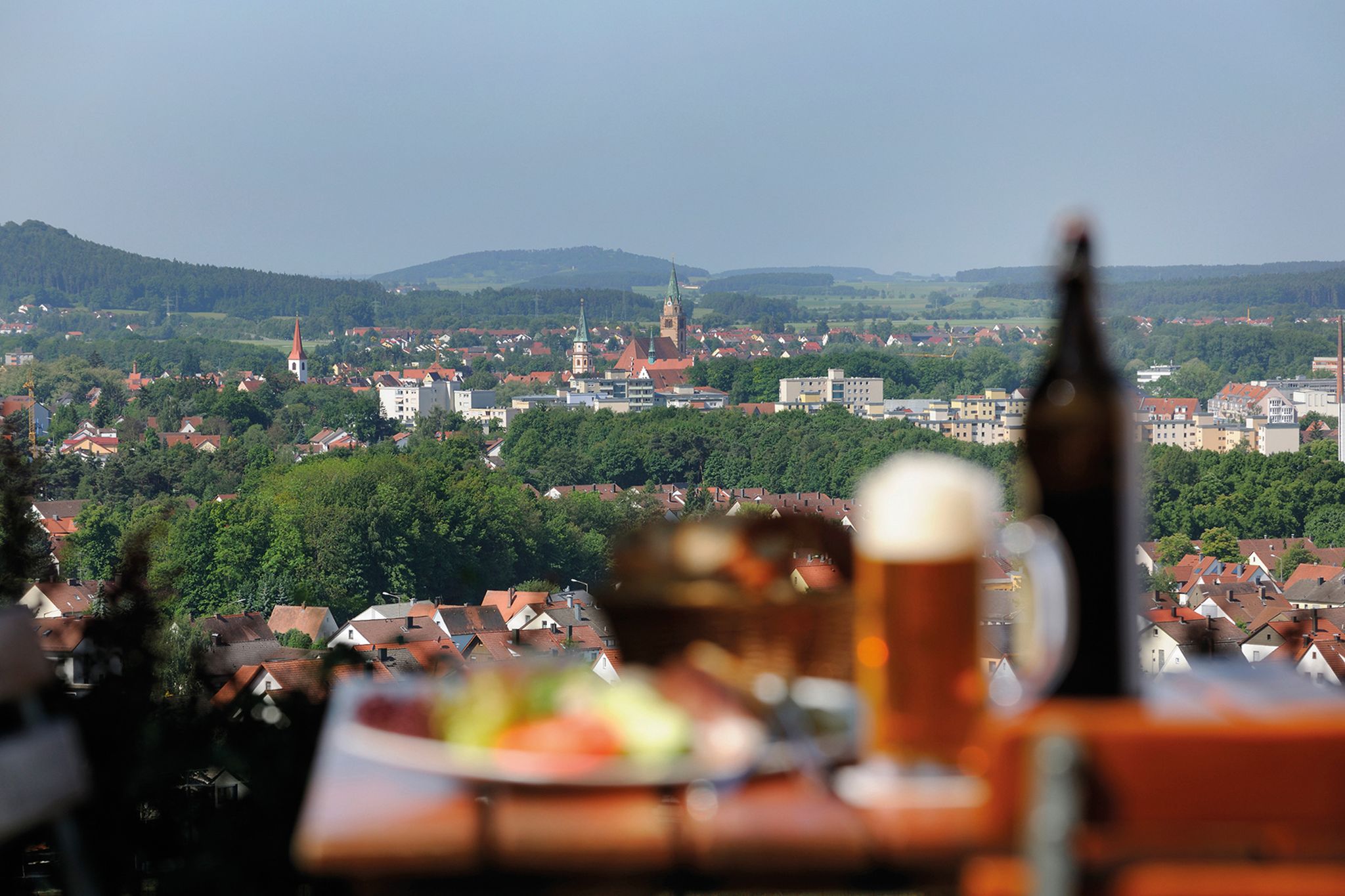
Hike & Beer in Franconia and Upper Palatinate — the VGN leisure tips
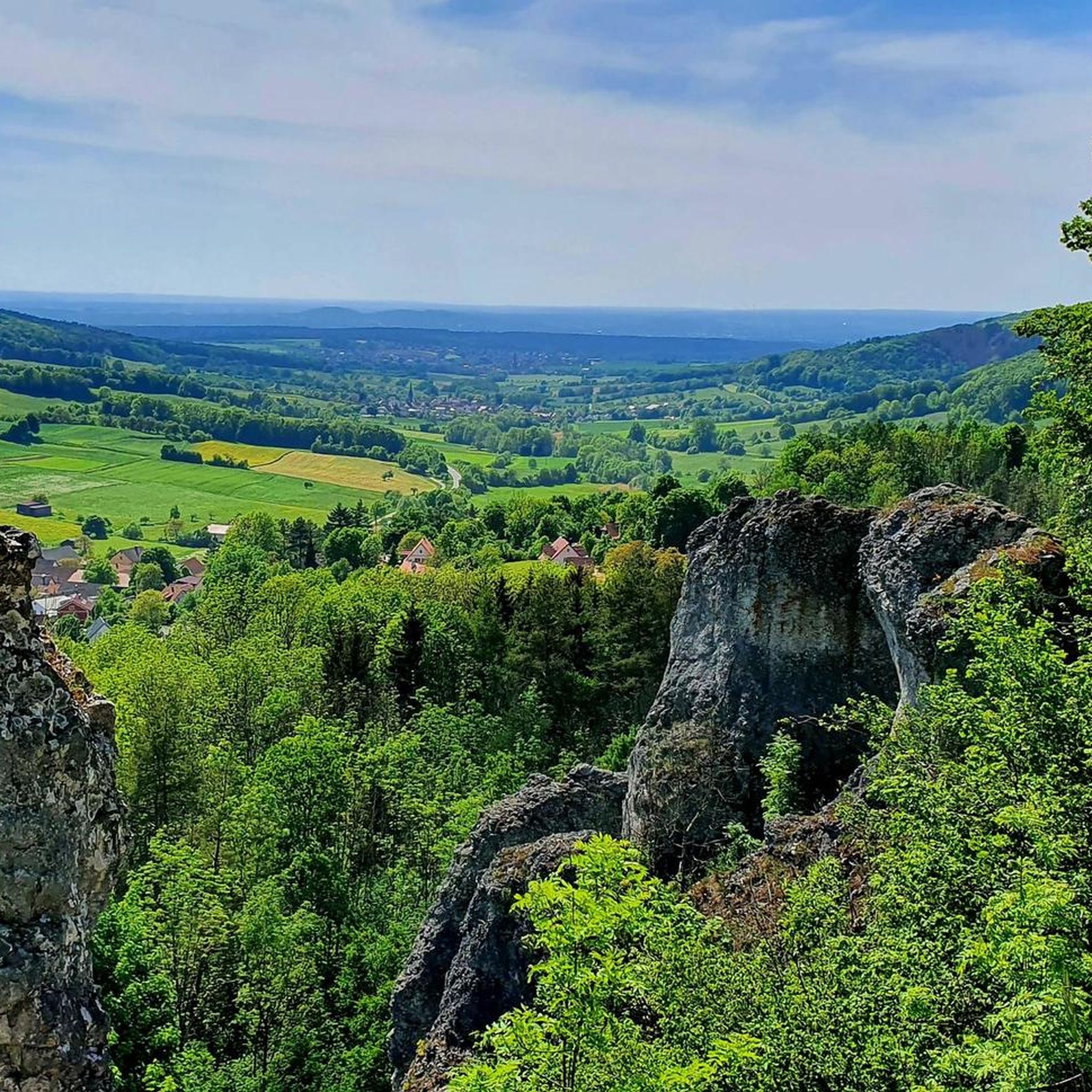
Hiking around Litzendorf
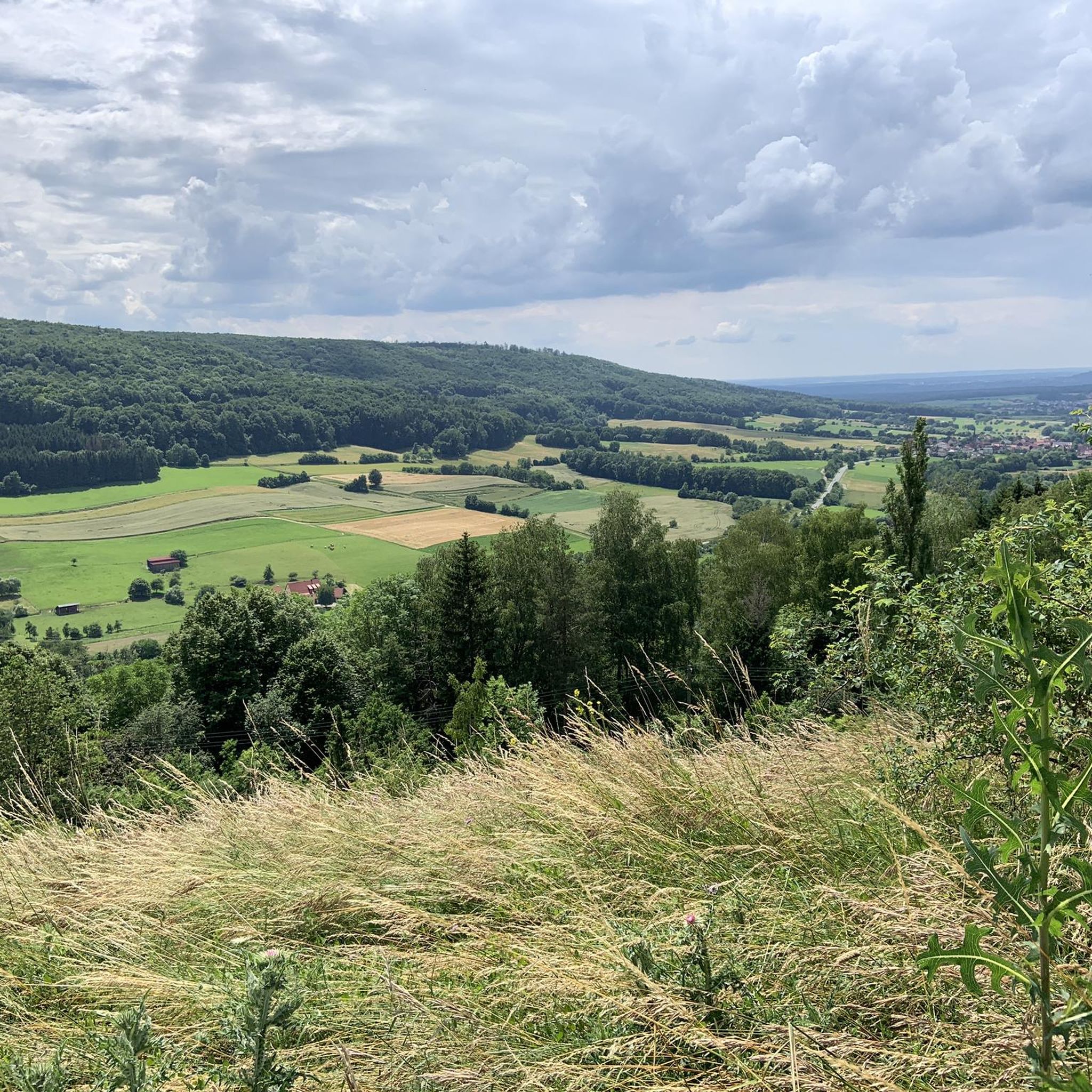
Cycling around Litzendorf
Gravel biking around Litzendorf
Running Trails around Litzendorf
Road Cycling Routes around Litzendorf
Other adventures around Litzendorf


Tips from the Community

Dreamlike sinter terraces with crystal clear water
0
0

This is not a waterfall in the traditional sense. The neighboring former Leesten watermill is a historic mill in the municipality of Strullendorf, boasting a long tradition and now considered an important cultural monument. The current listed building dates back to the 18th century. It is a characteristic half-timbered house in a quiet location on the outskirts of Leesten. The mill was once powered by the water of the Leesten stream. Remnants of the old millrace are still visible on the slope above the building.
3
0

Tummler is the Franconian term for periodically flowing karst springs, which are generally referred to as hunger fountains. These are springs that dry up in the dry season and flow after particularly heavy rainfall or when the snow melts. The so-called “Tummler” are something special and are definitely worth a visit. The dry valley in summer, small Tummler, large Tummler.
3
0

Beautiful travertine terraces. I have often driven up the Würgauer Berg, but I would not have expected such a wonderful piece of nature next to the road...
0
0

In summer, an inconspicuous black hole in the rock face, but with a considerable depth of over 18 meters. During heavy rain and when the snow melts, considerable amounts of water can be spewed out here.
6
0
The “Kalksinterbach with accompanying trees east of Würgau” has been anchored as a protected part of the landscape in the Bavarian Nature Conservation Act since November 1997. Sinter steps, also known as sinter terraces, are deposits of porous limestone tuff or densely layered limestone sinter in a stream or flowing body of water and, in contrast to stalactites, form relatively quickly. Small deposits initially form on branches, stones and twigs that have fallen into the water and then, over time, larger and larger barriers form in the stream. Over time, these barriers develop into smaller basins, which mark themselves as sinter steps and accumulate the water in a cascade manner.
2
0

After the snow melts in spring, karst water emerges from the rock hole, at times in a flood that covers the entire valley floor of the dry valley up to the Heroldsmühle. The stones in front of the rock hole were also washed out. Since the spring runs dry the rest of the year, it is popularly known as the Hunger Well. The emergence of large amounts of water from the tumbler was previously interpreted as an ominous omen. The large Tummler rises from a fissure in the Malm Beta, which is expanded into a spring cave by dissolving the lime. The small Tummler, another karst spring that only flows in spring, is located 200m up the valley. (Source: information board on site)
5
0

Very nicely located, but now in August 23 unfortunately quite little water
1
0
Frequently Asked Questions
What kind of waterfalls can I expect to see around Litzendorf?
The Litzendorf region, particularly within Landkreis Bamberg and Franconian Switzerland, features unique water formations rather than traditional large cascades. You'll find geological marvels like tufa terraces, such as the Deichselbach Tufa Terraces (Tufa Steps), and periodically flowing karst springs like the Großer Tummler Karst Spring. There are also historical water features, including remnants of old millraces at sites like the Leestener Mühlgraben Waterfall.
When is the best time to visit the waterfalls around Litzendorf?
The best time to visit depends on what you want to see. For impressive water flow at the tufa terraces and karst springs, visit after periods of heavy rainfall, typically in winter and spring. For example, the Deichselbach Tufa Terraces are particularly striking after rain, and the Großer Tummler Karst Spring flows strongly during these times. In winter, you can also admire ingenious ice formations at many of these sites.
Are there family-friendly waterfall walks near Litzendorf?
Yes, several water features in the area are suitable for families. The Sinter Terraces of Tiefenstürmig are considered family-friendly, offering a distinctive landscape with many small waterfalls and sinter basins. The historical sites of the Leestener Mühlgraben Waterfall and the Waterfall at Steinwehr, associated with an 18th-century mill, are also family-friendly and offer a blend of nature and history.
What unique geological features can I observe at these water sites?
The region is rich in unique geological formations. You can see tufa terraces, such as those at Deichselbach Tufa Terraces (Tufa Steps), where the stream creates staircase-like formations of tufa. The Sinter Terraces of Tiefenstürmig also showcase how water forms natural cascades and sinter basins. Additionally, the Großer Tummler Karst Spring is a fascinating 'hunger fountain' that demonstrates periodic water flow based on rainfall.
Are there historical sites related to water power near Litzendorf?
Yes, the area offers insights into historical water use. The Leestener Mühlgraben Waterfall and the Waterfall at Steinwehr are associated with the historic Leesten watermill, an 18th-century cultural monument. You can still see remnants of the old millrace on the slope above the building, offering a glimpse into early water-powered technology.
What outdoor activities can I do near the waterfalls around Litzendorf?
The diverse landscapes around Litzendorf provide serene settings for various outdoor activities. You can explore numerous hiking trails, including routes like the 'Franconian road of sculptures' or the '7 breweries in one go'. For cyclists, there are many road cycling routes, such as the 'Seehof Palace loop'. Additionally, you can find running trails, like the 'Patzelt Tree Nursery loop'.
What do visitors enjoy most about the water features in the Litzendorf area?
Visitors appreciate the unique natural beauty and geological processes. Many find the Deichselbach Tufa Terraces particularly impressive, especially after rain, describing the forest path as wonderful. The Sinter Terraces of Tiefenstürmig are valued for their natural cascades and sinter basins, especially in winter. The periodic flow of the Großer Tummler Karst Spring is also a special event that draws interest.
Are there specific hiking trails that lead to these waterfalls?
Yes, many of the water features are integrated into local hiking networks. For instance, the Deichselbach Tufa Terraces are accessible via a wonderful forest path. You can also hike along the Eggerbach to reach the Sinter Terraces of Tiefenstürmig. For more hiking options, explore the various hiking routes around Litzendorf.
What is a 'Tummler' or 'hunger fountain' and where can I see one?
A 'Tummler' is the Franconian term for a periodically flowing karst spring, also known as a hunger fountain. These springs are unique because they dry up during dry seasons and flow strongly after heavy rainfall or snowmelt. You can witness this distinctive geological behavior at the Großer Tummler Karst Spring, where the valley can turn into a small river after significant rain, typically in winter and spring.
Can I visit these water features in winter?
Yes, visiting in winter offers a different perspective. At the Deichselbach Tufa Terraces, you can admire ingenious ice formations on the stream and sinter steps when temperatures are frosty. The Sinter Terraces of Tiefenstürmig are also particularly worth seeing in winter, especially when there's snow. The Großer Tummler Karst Spring often flows strongly in winter after heavy rainfall.
Are there any easy walks to these water features?
Many of the paths leading to these water features are considered intermediate difficulty, but the overall experience is generally accessible. For instance, the Sinter Terraces of Tiefenstürmig and the historical Leestener Mühlgraben Waterfall are categorized as family-friendly, suggesting easier access. While specific 'easy' routes aren't detailed, the serene settings make for pleasant walks.
Most popular routes around Litzendorf
Most popular attractions around Litzendorf

Get inspired with the komoot mobile app


Explore more
Happy to travel a little further afield? Then browse these guides for the best waterfalls around Litzendorf:
