Top 5 Waterfalls around Aufseß
Best waterfalls around Aufseß are found in the Franconian Switzerland region, known for its unique water features and geological formations. The area offers a diverse natural landscape, including intermittent karst springs and gentle cascades over sinter terraces. These natural attractions provide compelling reasons for nature enthusiasts to explore the region.
Best waterfalls around Aufseß
- The most popular waterfalls is Sinter Terraces of Tiefenstürmig, a natural monument where the stream has formed many small waterfalls and sinter basins. Visitors can…
Last updated: October 13, 2026
Wedenbach tufa terraces and waterfall
Highlight • Waterfall
Translated by Google •
Tip by

Großer Tummler Karst Spring
Highlight • Natural Monument
Translated by Google •
Tip by
Sign up now to discover places like this
Get recommendations on the best single tracks, peaks, & plenty of other exciting outdoor places.
Sinter Terraces of Tiefenstürmig
Highlight • Natural Monument
Translated by Google •
Tip by

Sinter Terraces Above Streitberg
Highlight • Natural Monument
Translated by Google •
Tip by
the Geological Adventure Trail
Highlight (Segment) • Trail
Translated by Google •
Tip by

Sign up for free to discover even more waterfalls around Aufseß.
Already have an account?
Start today with a free account
Your next adventure awaits.
Popular around Aufseß
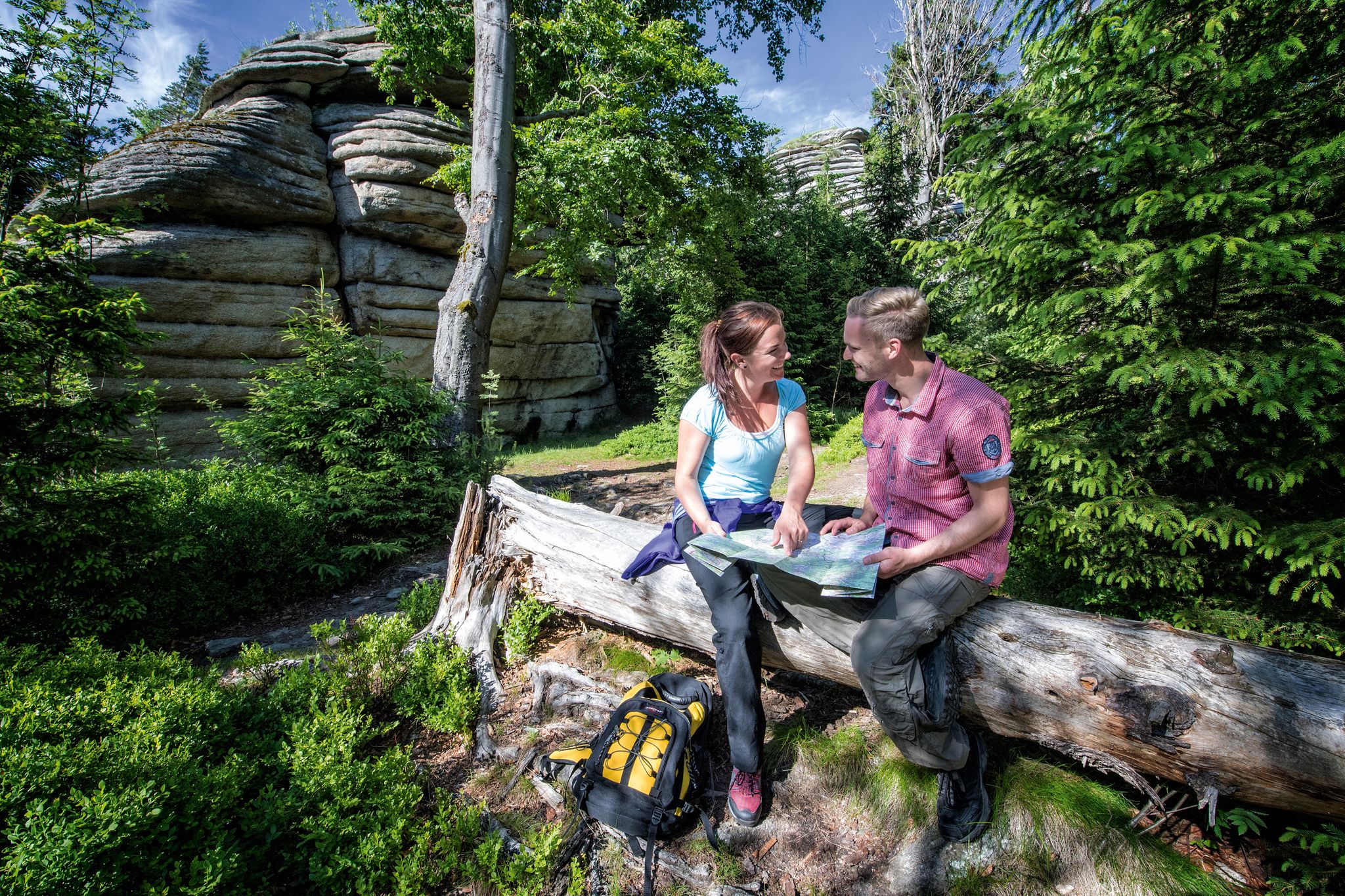
The Franconian Mountain Trail – 21 Stages of Magical Summit Bliss

Wine, woods & walking trails — Best of VGN hiking tips
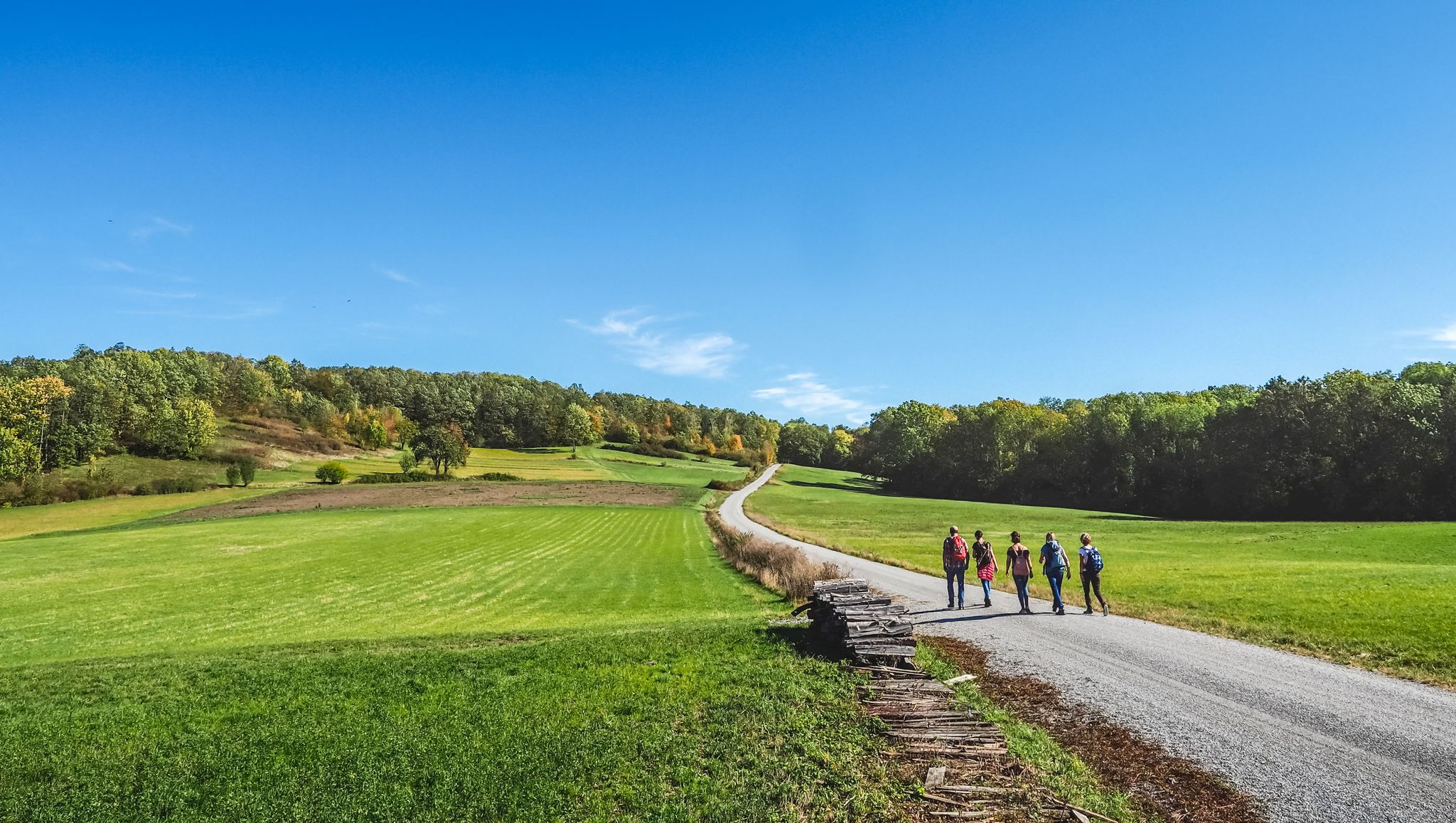
Wine, woods & walking trails — VGN hiking tips for 2020
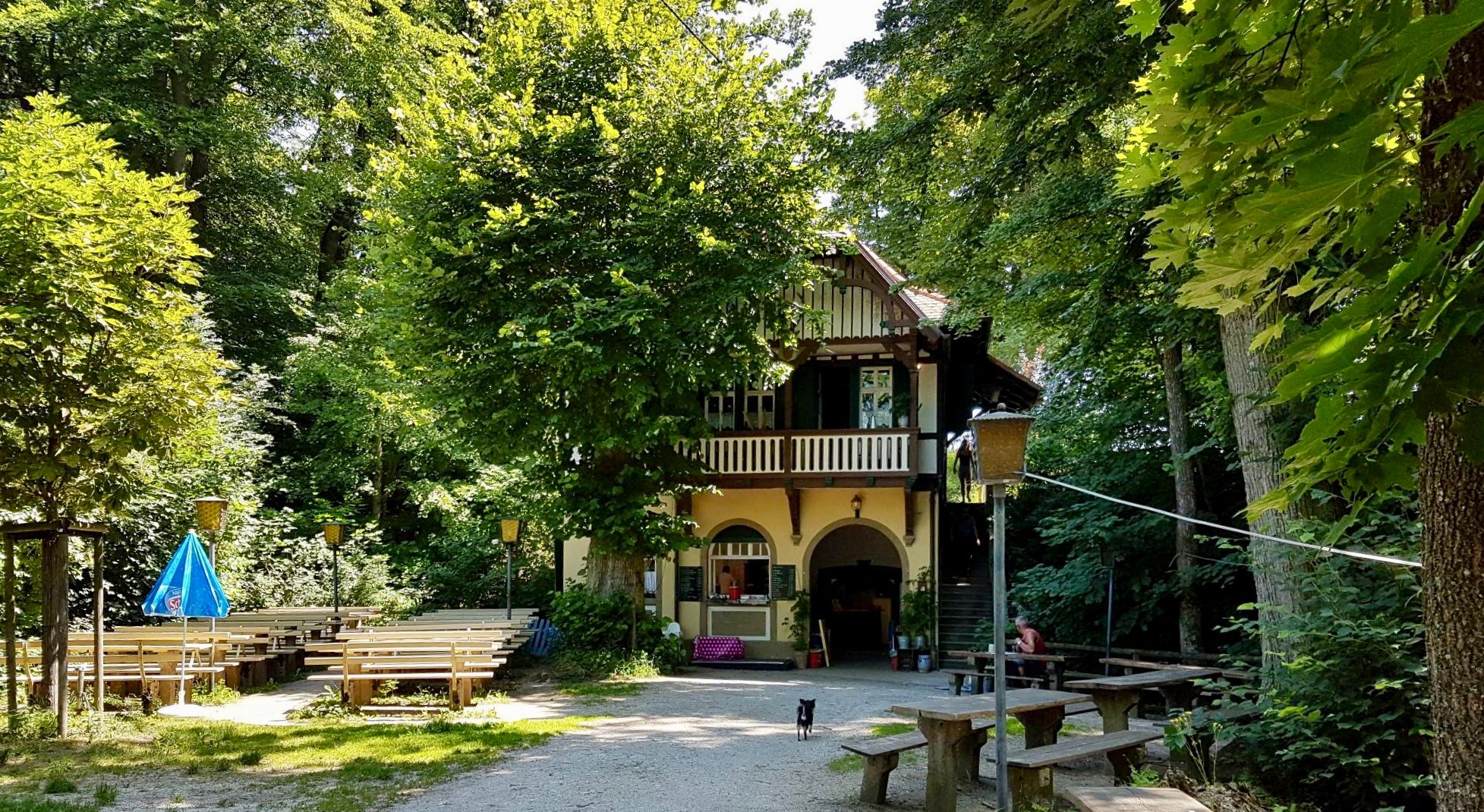
Franconian Switzerland — on the trace of the Purity Law
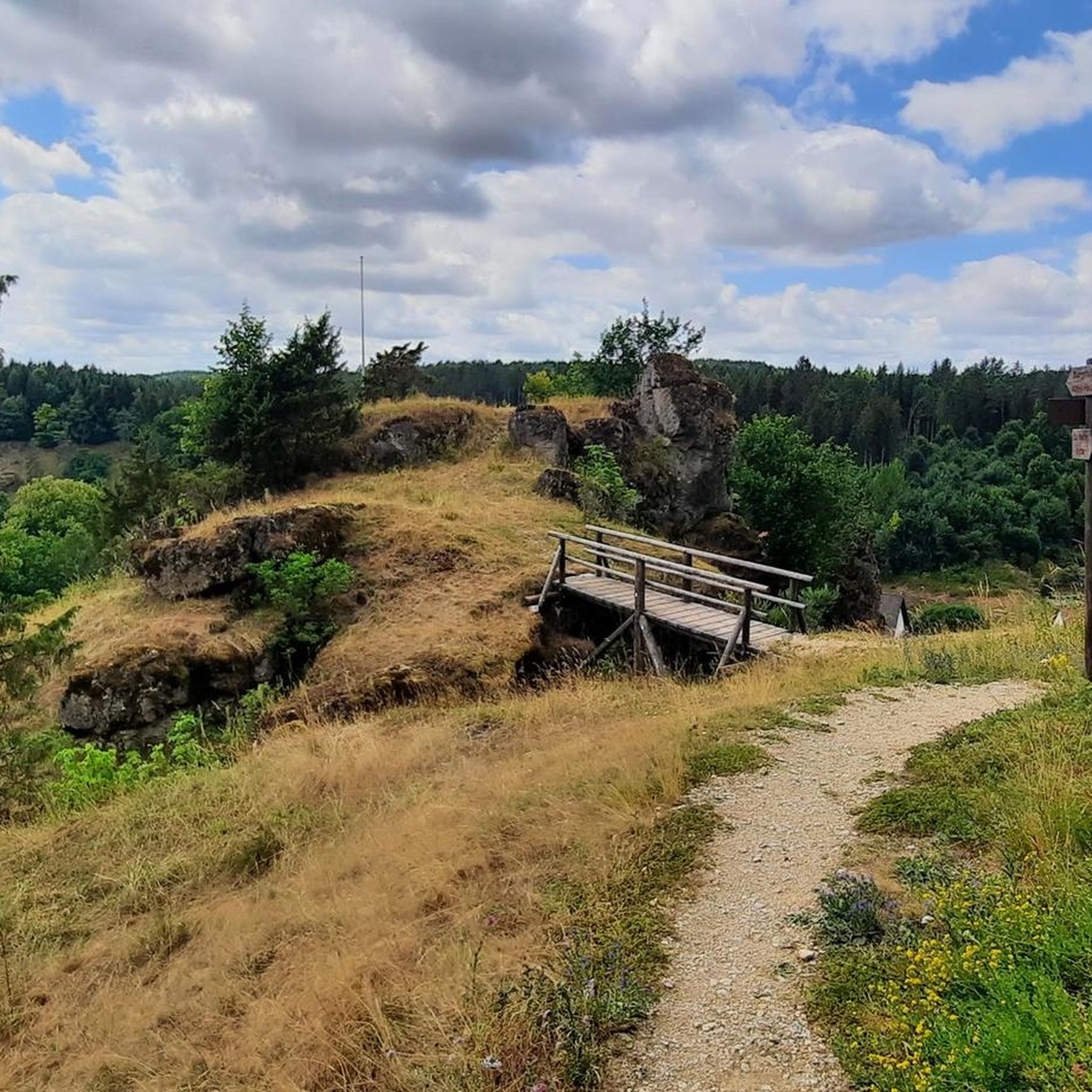
Hiking around Aufseß
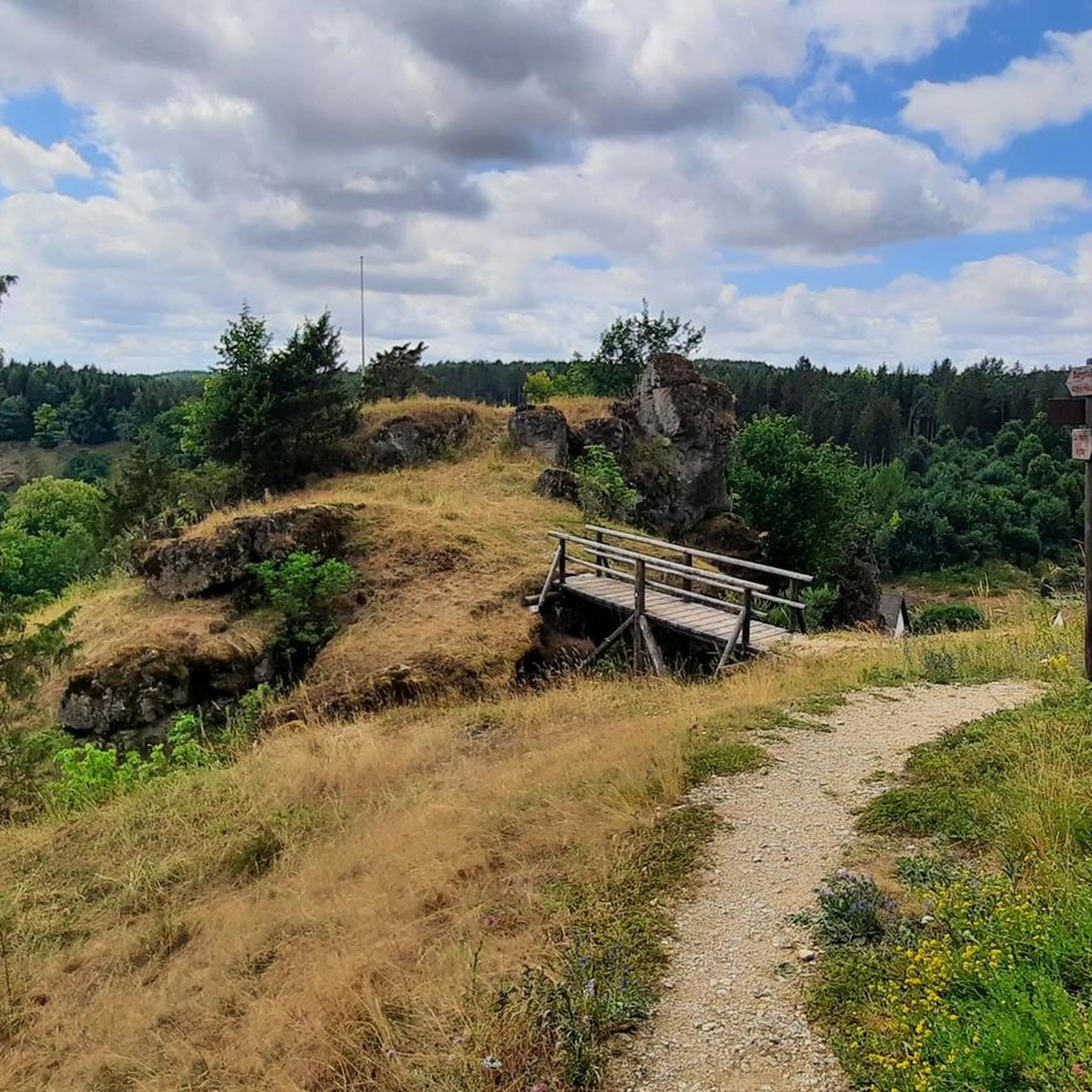
Cycling around Aufseß
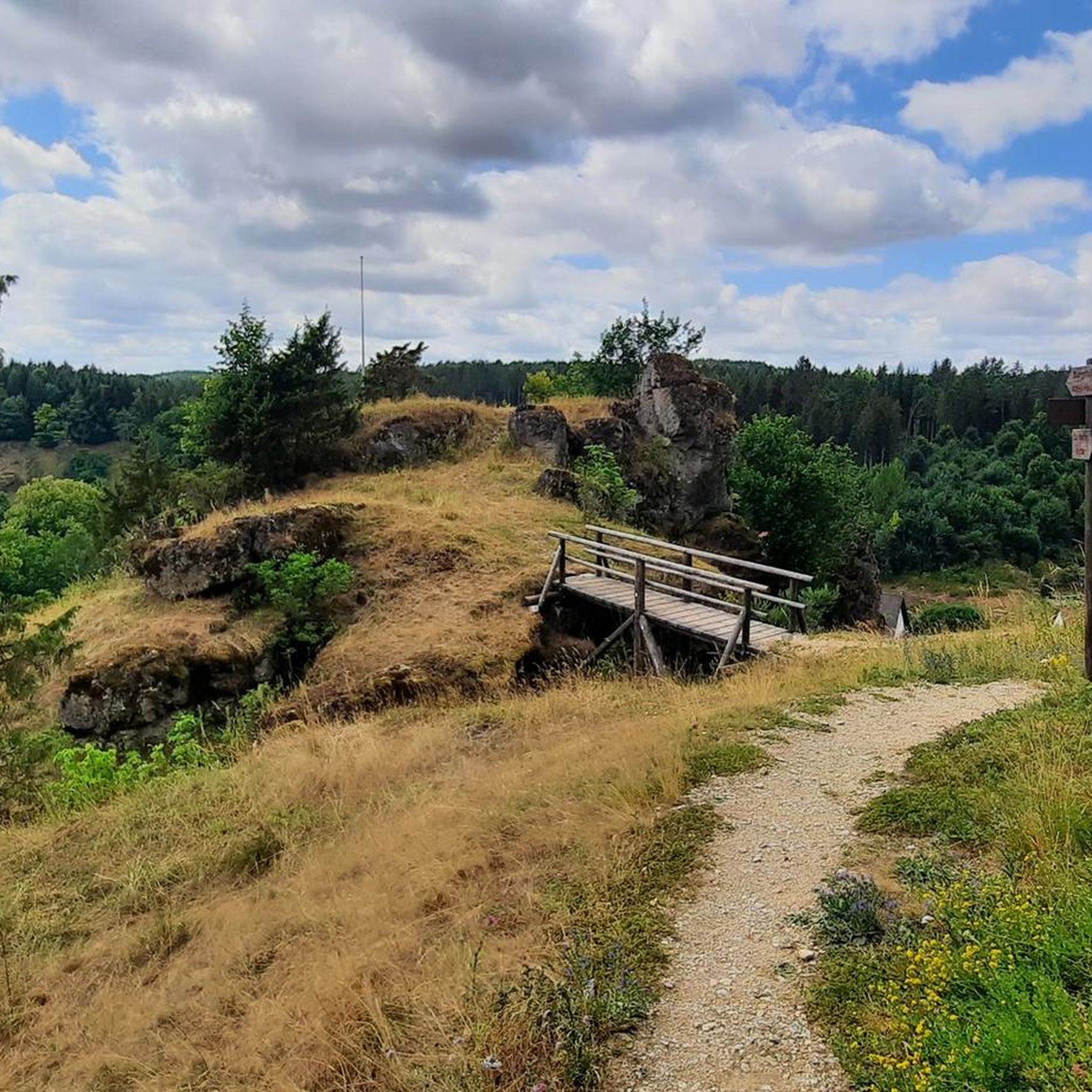
MTB Trails around Aufseß
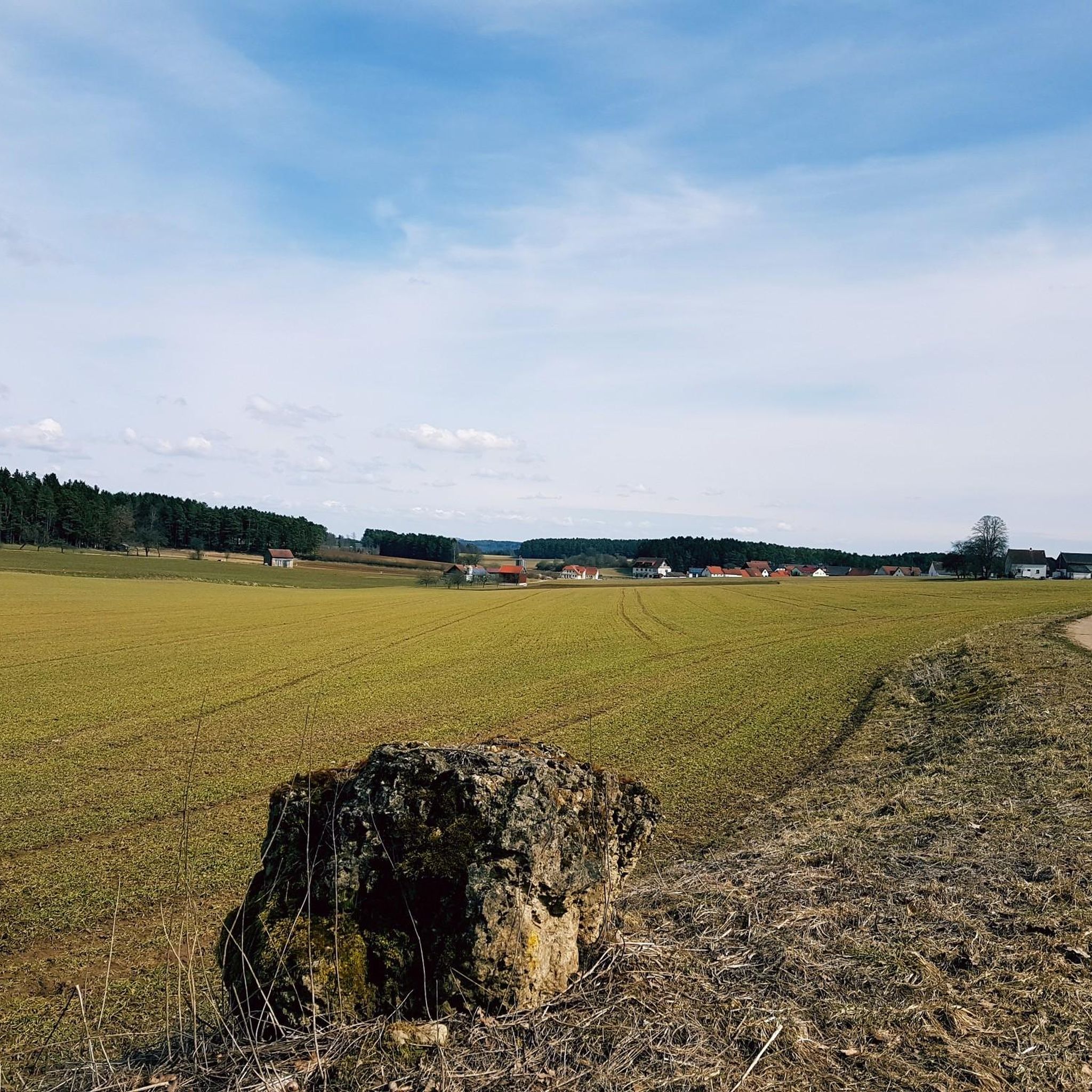
Road Cycling Routes around Aufseß
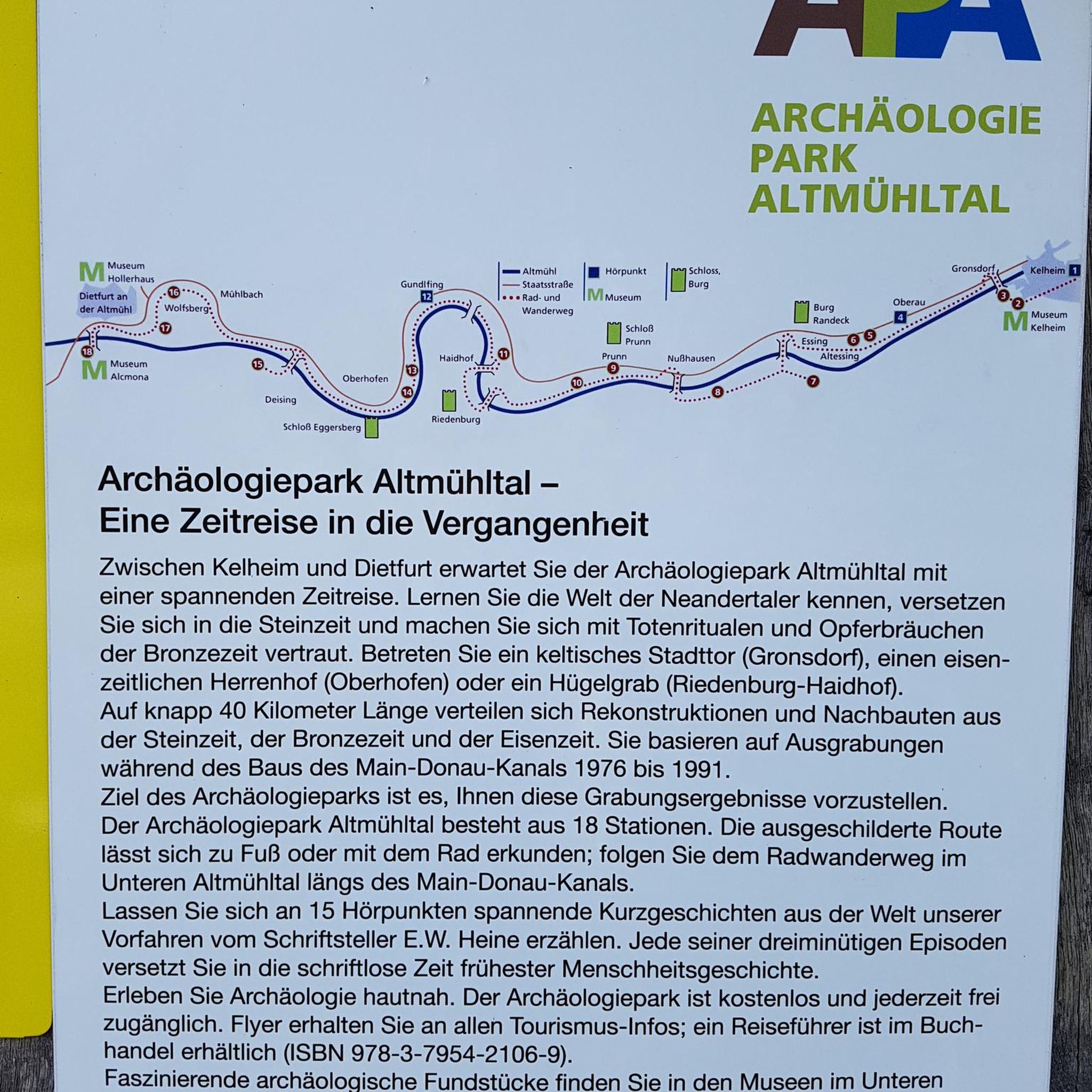
Gravel biking around Aufseß
Running Trails around Aufseß
Other adventures around Aufseß


Tips from the Community

Very beautiful watercourse.
0
0

The natural spectacle is always beautiful
2
0

Tummler is the Franconian term for periodically flowing karst springs, which are generally referred to as hunger fountains. These are springs that dry up in the dry season and flow after particularly heavy rainfall or when the snow melts. The so-called “Tummler” are something special and are definitely worth a visit. The dry valley in summer, small Tummler, large Tummler.
3
0

In summer, an inconspicuous black hole in the rock face, but with a considerable depth of over 18 meters. During heavy rain and when the snow melts, considerable amounts of water can be spewed out here.
6
0

Sinter steps, also known as sinter terraces, are deposits of porous limestone tuff or densely layered limestone sinter in a stream or flowing body of water and, in contrast to stalactites, form relatively quickly. Larger sinter deposits are present, for example, in the Croatian Plitvice Lakes area or the Turkish Pamukkale. The water surfaces arise when bars of secreted calcium carbonate cross the direction of flow in the area of a watercourse. Splash water and changes in water temperature in conjunction with obstacles on the valley floor promote the formation of such calcareous tuff lakes.[1] Small deposits initially form on branches, twigs and stones that have fallen into the water and then, over time, larger and larger secretions form in the stream. Over time, these resulting bars can form smaller basin shapes, the walls of which are marked as steps and damming up the water in a cascade-like manner. The stages are mostly geologically younger formations from the Quaternary. Source: Wikipedia
1
0

After the snow melts in spring, karst water emerges from the rock hole, at times in a flood that covers the entire valley floor of the dry valley up to the Heroldsmühle. The stones in front of the rock hole were also washed out. Since the spring runs dry the rest of the year, it is popularly known as the Hunger Well. The emergence of large amounts of water from the tumbler was previously interpreted as an ominous omen. The large Tummler rises from a fissure in the Malm Beta, which is expanded into a spring cave by dissolving the lime. The small Tummler, another karst spring that only flows in spring, is located 200m up the valley. (Source: information board on site)
5
0
Highly recommended and interesting 🧐
2
2

Worth seeing, mostly dry outlet of the karst spring "Tummler" in the dry valley. After heavy rainfall, the so-called Hunger Fountain turns into a small river.
6
0
Frequently Asked Questions
What unique water features can I explore around Aufseß?
The Aufseß region is known for its distinctive water features rather than traditional large waterfalls. You can discover fascinating geological formations such as sinter terraces, tufa terraces, and intermittent karst springs. Notable examples include the Sinter Terraces of Tiefenstürmig and the Wedenbach tufa terraces and waterfall.
When is the best time to visit the water features around Aufseß?
The best time to visit often depends on the specific water feature. For the Großer Tummler Karst Spring, it is most active after periods of heavy rainfall or during snowmelt, typically in winter and spring, when it transforms into a flowing river. The Sinter Terraces of Tiefenstürmig are also particularly worth seeing in winter.
Are there family-friendly waterfall spots in the Aufseß region?
Yes, several spots are suitable for families. The Sinter Terraces of Tiefenstürmig and the Wedenbach tufa terraces and waterfall are both marked as family-friendly. Additionally, the Sinter Terraces Stream Biotope is described as a nice place for all ages, offering a spot to cool your feet and take a break.
What is the Großer Tummler Karst Spring and when can I see it active?
The Großer Tummler Karst Spring is a unique intermittent karst spring, locally known as a "hungerbrunnen." It only becomes active after significant rainfall or during snowmelt, typically in winter and spring. When flowing, water erupts from the limestone, turning the dry valley into a small river, offering a powerful natural spectacle.
Can I find hiking trails near the water features in Aufseß?
Yes, the region offers various hiking opportunities. The Wedenbach tufa terraces and waterfall are part of a geological hiking trail, providing benches for resting. For more extensive hiking, you can explore the Mountain Hikes around Aufseß guide, which includes routes like the 'Kuchenmühle in the Aufseß Valley – Hohes Kreuz Observation Tower loop'.
Are there cycling routes near the waterfalls around Aufseß?
Absolutely. The dry valley near the Großer Tummler Karst Spring is noted as a pleasant area for cycling. For dedicated cycling adventures, check out the Cycling around Aufseß guide, featuring routes such as the 'Reichold Brewery Inn – Brewery Inn Krug Bräu Breitenlesau loop'.
What do visitors enjoy most about the Sinter Terraces of Tiefenstürmig?
Visitors appreciate the unique sight of water flowing down natural cascades and forming small sinter basins. It's particularly recommended in winter when the landscape is less obscured by abundant greenery, offering a clear view of the formations. It's considered a beautiful natural monument.
What kind of experience does the Wedenbach tufa terraces and waterfall offer?
The Wedenbach tufa terraces and waterfall provide a serene natural experience. It features a long waterfall with sintered terraces and is integrated into a geological hiking trail. Benches are available for visitors to rest and enjoy the tranquil surroundings.
Are there any running trails near the water features in Aufseß?
Yes, if you enjoy running, you can find suitable trails in the area. The Running Trails around Aufseß guide offers various routes, including the 'Sachsendorf Village Chapel – View of Unteraufseß Castle loop from Aufseß', which allows you to explore the natural beauty of the region while running.
What makes the Sinter Terraces Stream Biotope a good stop?
The Sinter Terraces Stream Biotope is a lovely spot for both adults and children. It's ideal for a quick break, especially if you've been hiking or cycling, as you can cool your feet in the stream. It's described as a 'super nice' and 'really nice corner' by visitors.
Are the water features around Aufseß accessible by public transport?
While specific public transport details for each individual water feature are not readily available, the region of Franconian Switzerland generally has bus connections. It is advisable to check local bus schedules and routes to plan your visit to specific locations like Tiefenellern or Tiefenstürmig.
What should I bring when visiting the water features in Aufseß?
Given the natural and often geological nature of these sites, comfortable walking shoes are essential. If visiting after rain or during snowmelt, waterproof footwear might be beneficial, especially for areas like the Großer Tummler Karst Spring. Bringing water and snacks is always a good idea, and a camera to capture the unique formations.
Most popular routes around Aufseß
Most popular attractions around Aufseß

Get inspired with the komoot mobile app


Explore more
Happy to travel a little further afield? Then browse these guides for the best waterfalls around Aufseß:
