Top 20 Gorges around Plech
Best canyons around Plech offer a variety of impressive geological formations, rock landscapes, and cave systems. While not traditional canyons, these features provide a similar sense of natural grandeur and are integrated into hiking trails. Visitors can explore picturesque views and opportunities for outdoor activities within the region's diverse terrain. The area is known for its unique rock formations and accessible cave systems.
Best canyons around Plech
- The most popular canyons is Wasserstein Gate, a natural monument featuring a…
Last updated: June 27, 2026
Translated by Google •
Tip by

Klumpertal
Highlight • Gorge
Translated by Google •
Tip by

Sign up now to discover places like this
Get recommendations on the best single tracks, peaks, & plenty of other exciting outdoor places.
Sign up for free
Klumpertal Stream
Highlight • River
Translated by Google •
Tip by
Wasserstein Gate
Highlight • Natural Monument
Especially when the sun is falling through the gate and the trees
Translated by Google •
Tip by

Cyclops Trail
Highlight (Segment) • Trail
Translated by Google •
Tip by
Sign up for free to discover even more gorges around Plech.
Sign up for free
Already have an account?
Start today with a free account
Your next adventure awaits.
Login or Signup
Popular around Plech
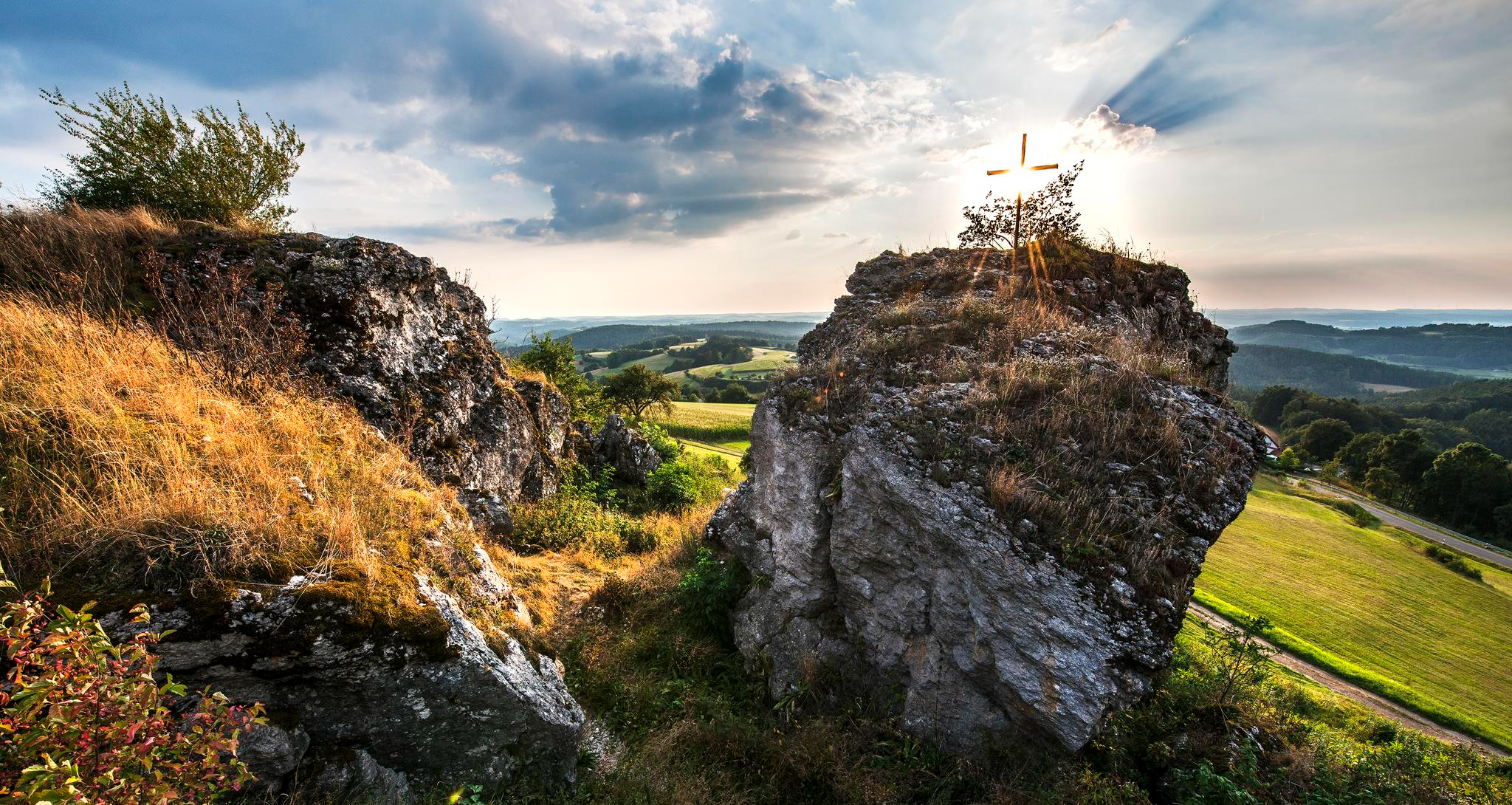
Fun hiking and wonderful views in Franconian Switzerland
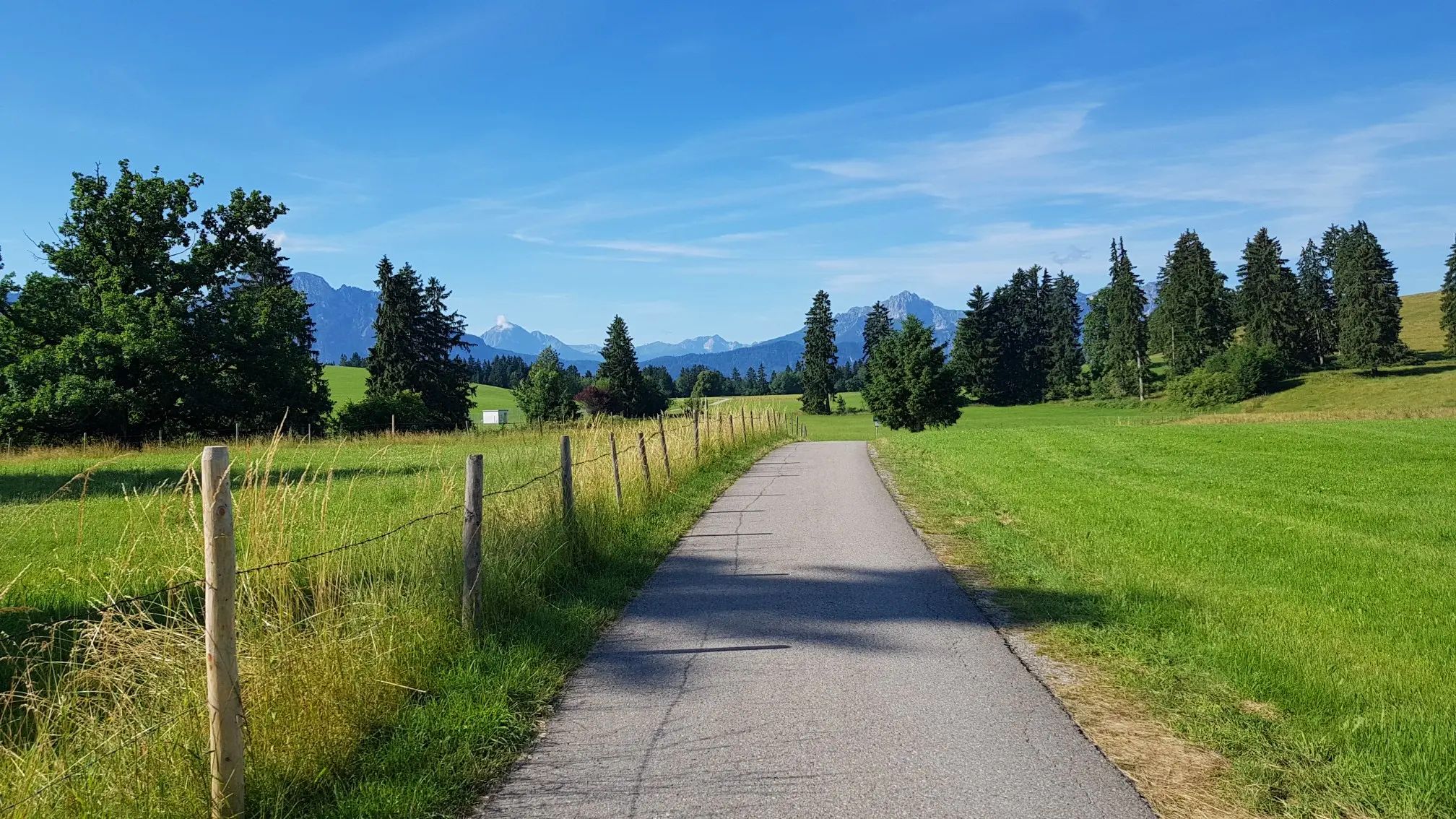
Transbavaria – north to south across Bavaria
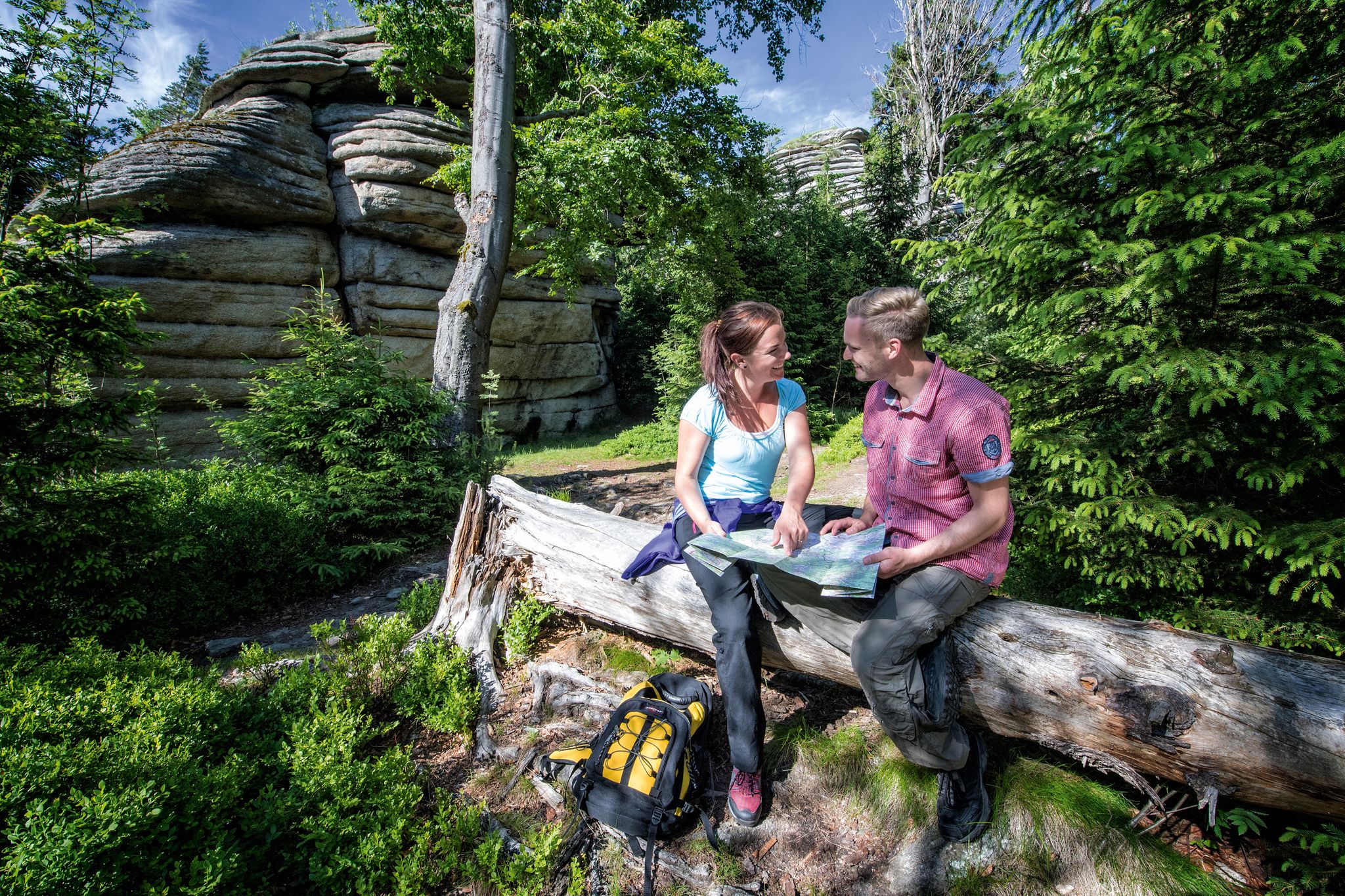
The Franconian Mountain Trail – 21 Stages of Magical Summit Bliss
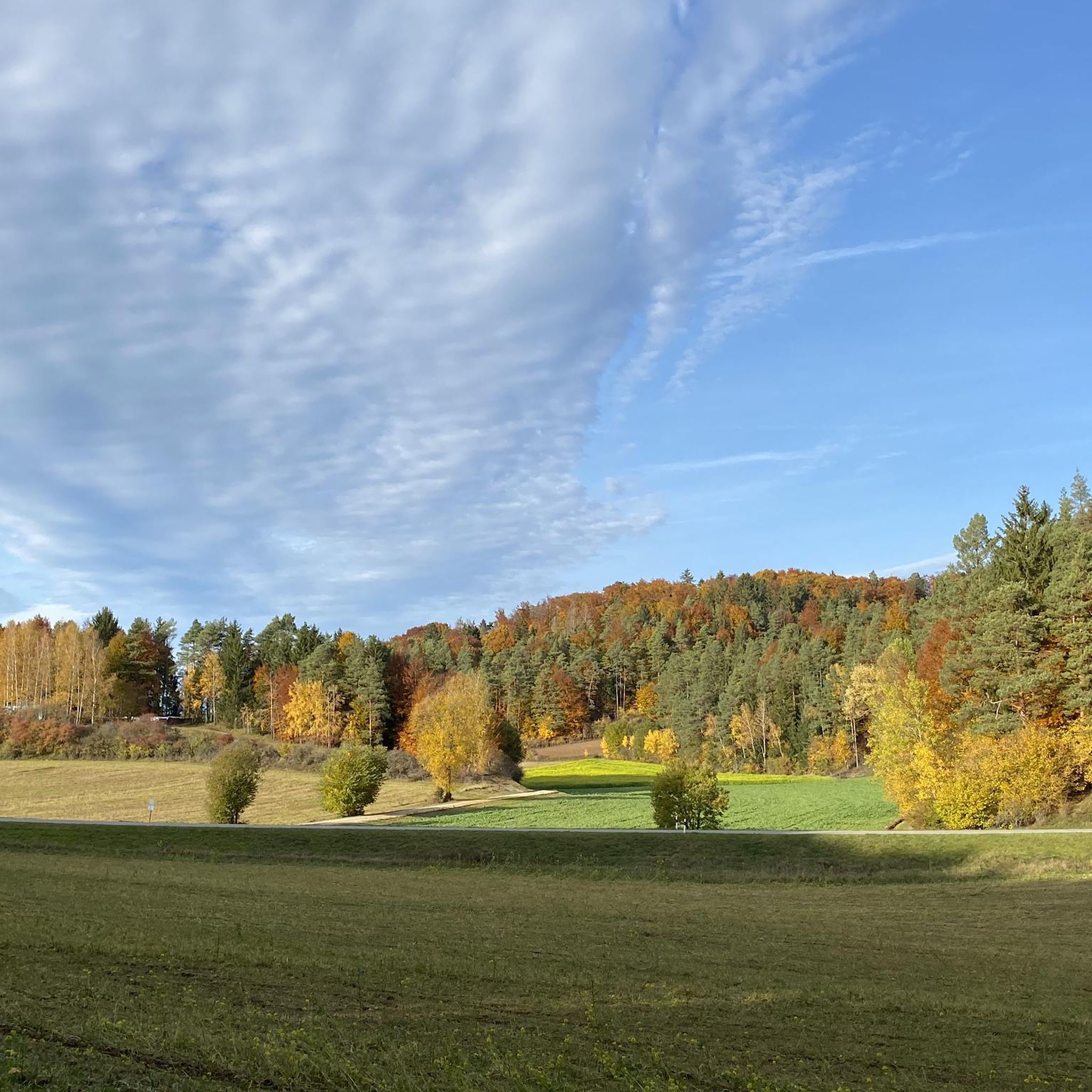
Hiking around Plech
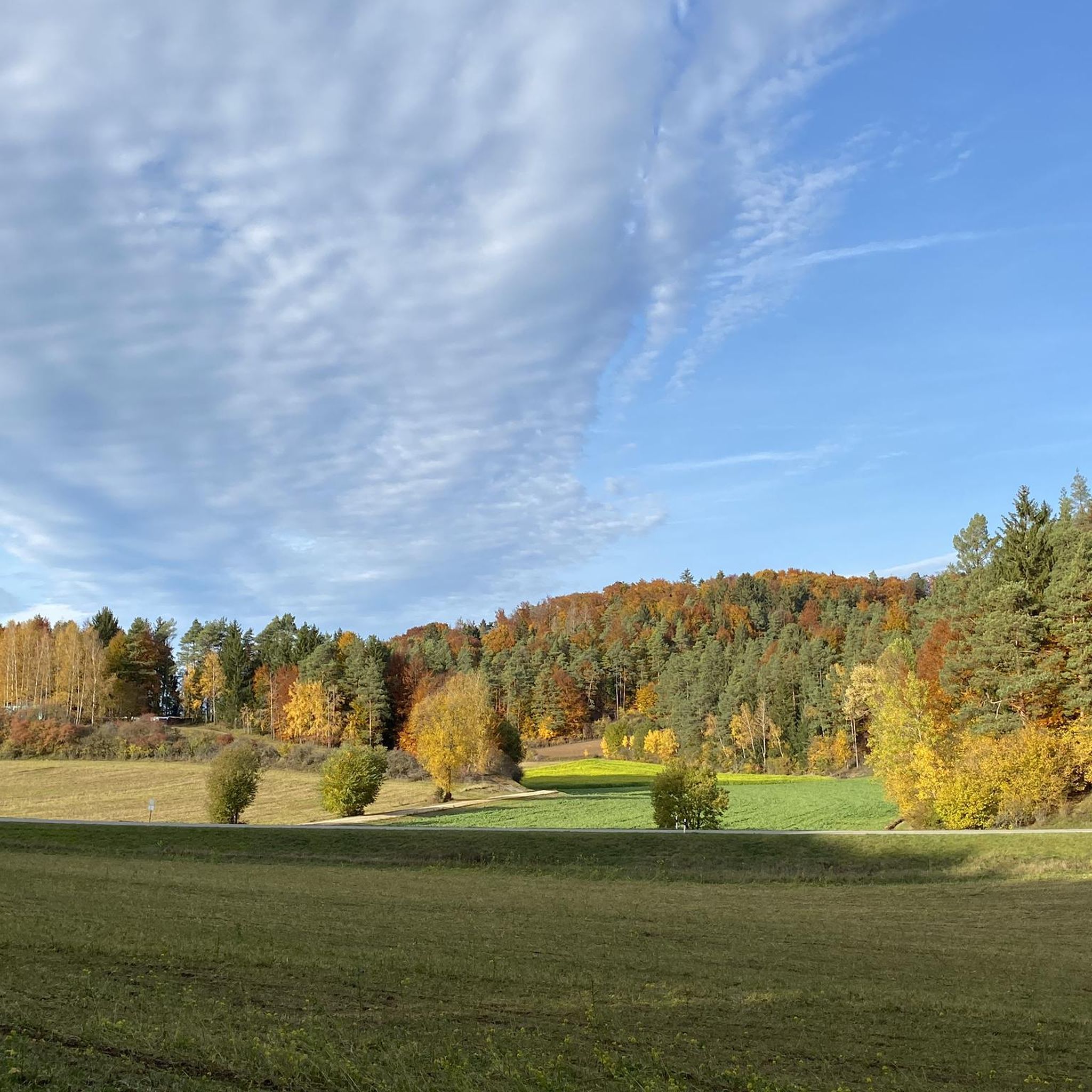
Cycling around Plech
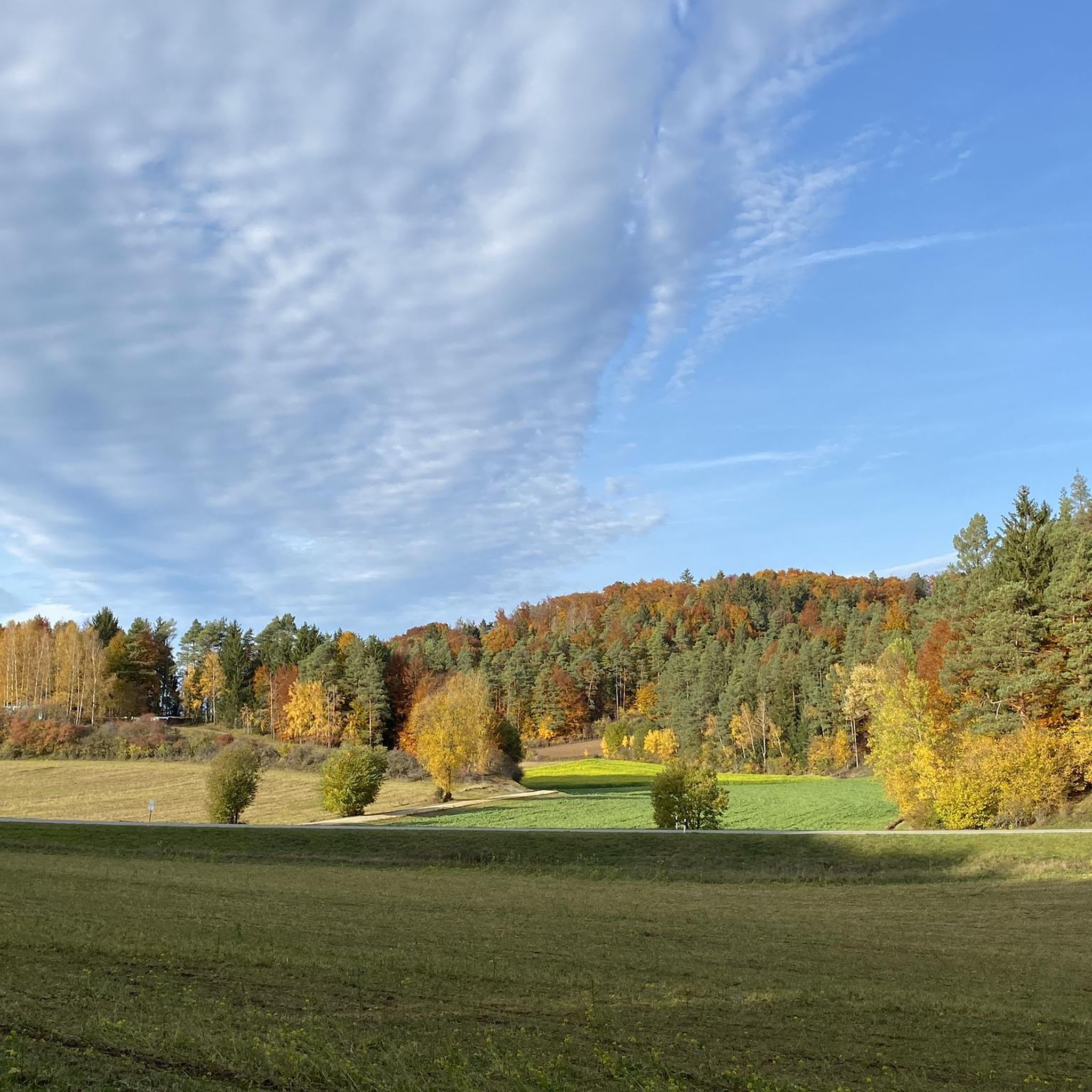
Road Cycling Routes around Plech
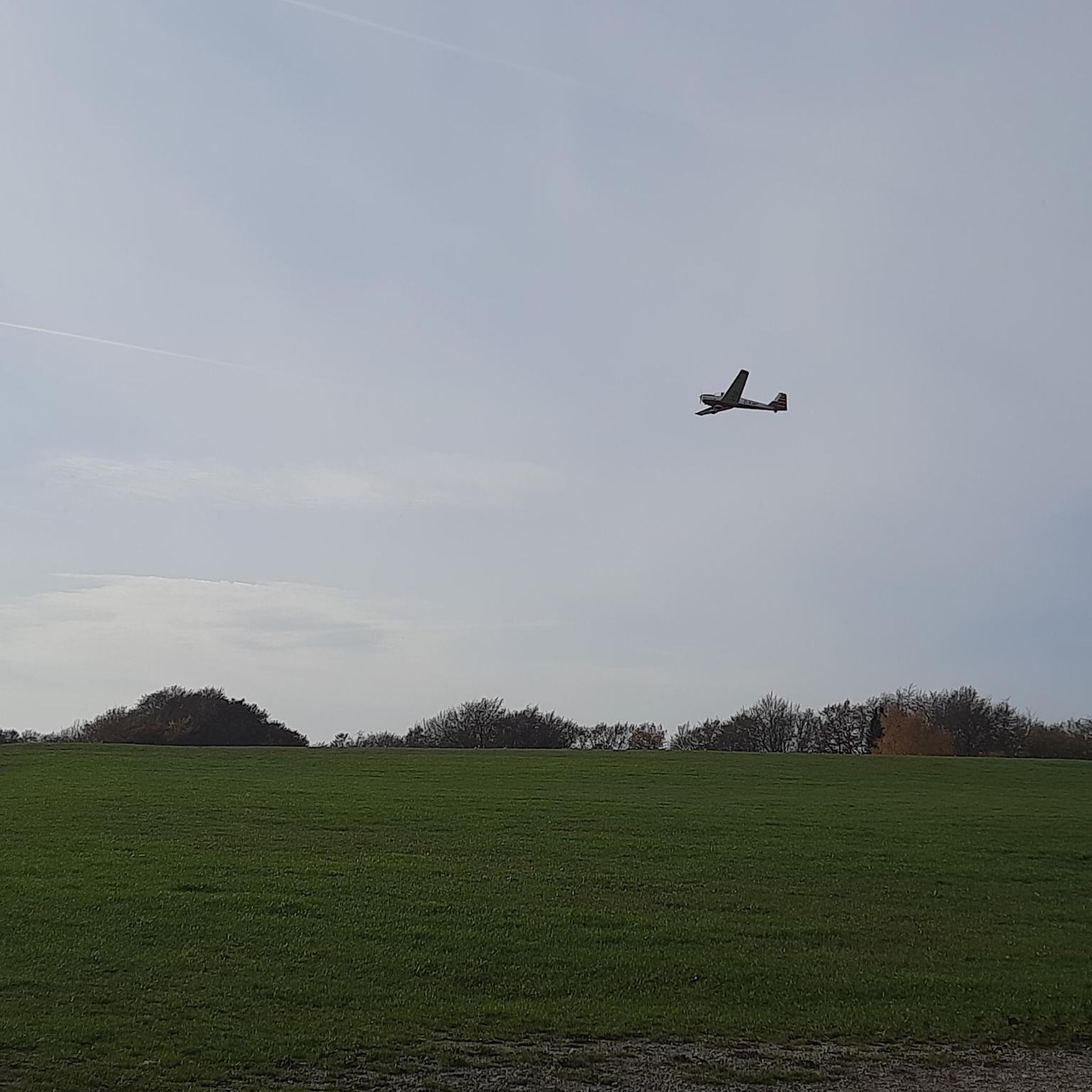
Gravel biking around Plech
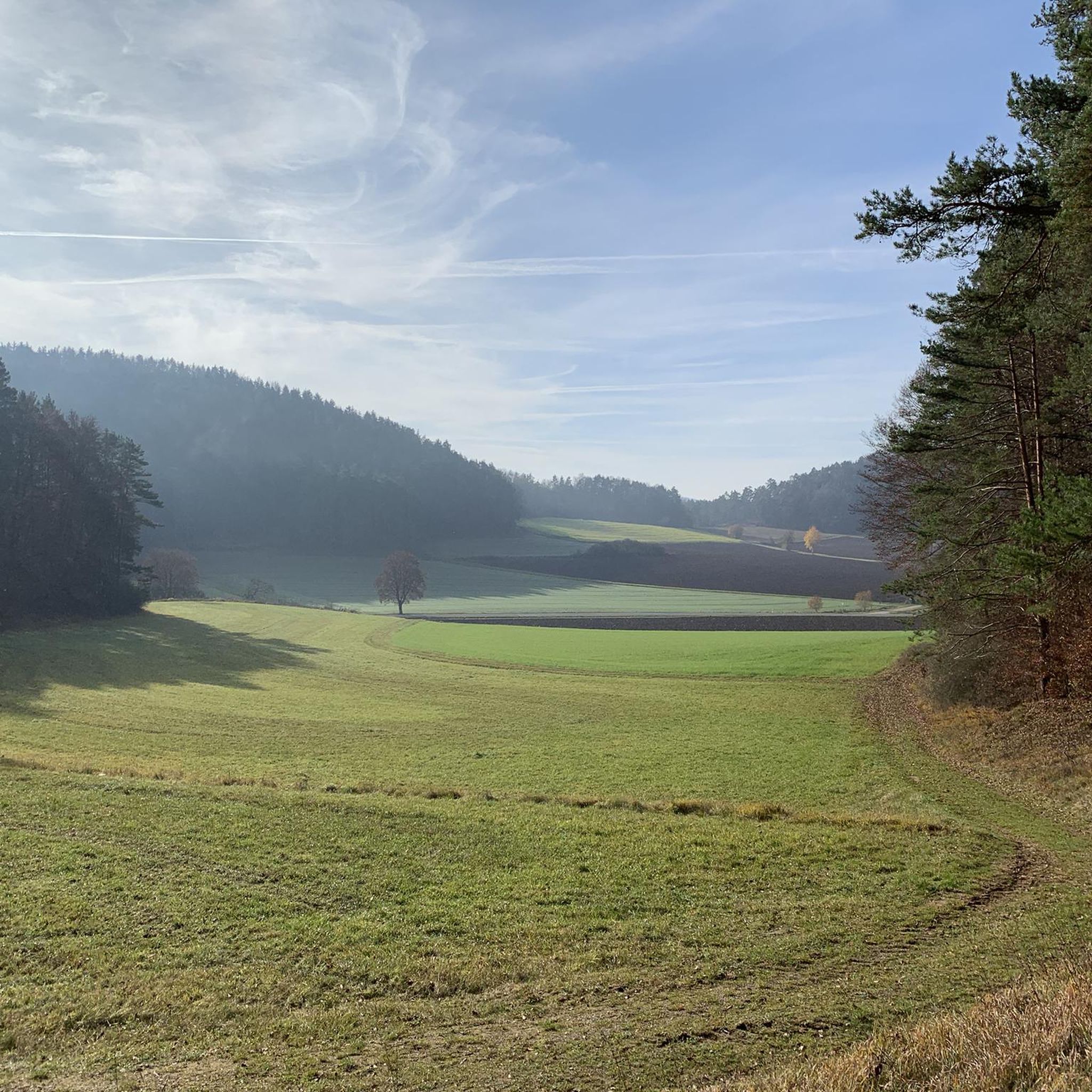
MTB Trails around Plech
Running Trails around Plech
Mountain Hikes around Plech


Tips from the Community

… and if the sign says: Please do not let dogs into the water… then that is what is meant… and don’t throw the black bags on the path either
6
0

Between the narrow rock walls and the single trail make the path particularly nice to explore.
15
0

Here - not far from the Schüttersmühle - you can find a variety of what the “Franconian Switzerland” has to offer: bizarre rock formations, narrow paths, a wildly romantic valley with springs, former mills, a trout farm and lots of legends.
1
0

The blocks of different sizes consist mostly of silicified sand. Most of the natural monument is located just a few meters south of the border between Germany and Belgium in the area of the Belgian municipality of Raeren and is divided by the Aachen Landgraben. However, some of the Cyclops stones can be found on German soil.[2] The starting material for the formation of the Cyclops stones was unconsolidated Upper Cretaceous sand, the so-called Aachen sand, which is widespread in the Aachen Forest area and used to be found in numerous sand pits, e.g. B. the Flög sand pit in Hauset was mined. The Aachen sand was deposited in the Santonian in the area of a shallow sea 85 to 84 million years ago. The tropical climatic conditions during the Upper Cretaceous and Tertiary led to a near-surface solution of quartz from the Cretaceous sands through the penetration of precipitation water. In deeper soil layers, the siliceous solutions were precipitated again under special chemical environmental conditions and then led to partial silicification of the sand deposits.[3] Such formations are called Tertiary quartzites and are quite widespread at high altitudes in the European low mountain ranges. The unconsolidated areas of the Aachen sands have been removed by erosion, so that the cyclops stones now lie on the surface as relics. Previous theories of origin assumed that the Cyclops stones were originally in a higher morphological position. During the Ice Age, the stones are said to have slipped to their current position.[4] This theory is now considered refuted. Source: Wikipedia
8
0

The source is practically in the southernmost pond of the Klumpertalweiher. The area is now separated by a railing because it is a biotope. Down the stream to the north, you can let off steam again and let the dogs splash around. Of course, it is not appropriate for the biotope itself. The lower Jägersteig runs just above it.
4
0
Also nice if you hike past without having visited the cave.
6
2

Several ponds in the Klumpertal as remains of the Klumper mill and former spring. You don't necessarily expect that in the middle of nature. Great for the dog to drink, especially in the summer.
3
0
Frequently Asked Questions
What kind of geological features can I expect to see in the Plech region?
The Plech region is renowned for its impressive geological formations, rock landscapes, and extensive cave systems. While not traditional canyons, these features offer a similar sense of natural grandeur. You'll encounter dramatic rock formations, cliff faces, and various caves, many of which are integrated into scenic hiking trails. Notable examples include the Wasserstein Gate, a significant rock gate, and the unique rock formations along the Jägersteig.
Are there family-friendly options for exploring the gorges around Plech?
Yes, several areas are suitable for families. The Klumpertal is a romantic valley with a brook and impressive rock formations, offering a serene and family-friendly experience for hikers and cyclists. The Wasserstein Gate is also considered family-friendly, providing an accessible natural monument to explore.
What are some of the most unique rock formations or caves to visit?
The region boasts several unique formations. The Wasserstein Gate is a must-see, an imposing 12-meter deep rock gate that served as a refuge for Stone Age hunters. The Cyclops Trail leads you through narrow rock walls and labyrinthine boulders towards the Devil's Hole, offering a truly unique experience. Additionally, the Plech Cave Trail highlights significant cave systems with interesting rock formations.
What is the best time of year to visit the gorges and rock formations in Plech?
The gorges and rock formations around Plech can be enjoyed throughout much of the year. Spring and autumn offer pleasant temperatures for hiking and vibrant natural scenery. Summer is also popular, though some trails might be more crowded. Always check local weather conditions before your visit, especially for trails requiring sure-footedness.
Are there any challenging trails for experienced hikers?
Yes, for those seeking a more challenging experience, trails like the Cyclops Trail offer intermediate difficulty with narrow rock walls and boulders. The Felsformationen am Jägersteig also recommends good footwear and sure-footedness, suggesting a more demanding hike with excellent views into the Klumpertal. The Ankatal Gorge features steep cliffs and narrow paths, providing a wild and romantic section for experienced explorers.
What kind of outdoor activities can I do near the gorges in Plech?
Beyond exploring the gorges, the Plech region offers a variety of outdoor activities. You can enjoy extensive cycling routes, including gravel biking and road cycling. For example, there are numerous routes for gravel biking and general cycling that pass through scenic landscapes and near rock formations. Many of the geological features are best explored via hiking trails.
What should I wear or bring when visiting the rock formations and gorges?
Given the varied terrain, it's recommended to wear sturdy footwear, especially for trails that involve rocky paths or uneven surfaces, such as the Felsformationen am Jägersteig. Layers of clothing are advisable to adapt to changing weather conditions. For cave explorations, a headlamp or flashlight can be useful. Always carry water and any personal essentials.
Can I bring my dog on the hiking trails around the gorges?
Many hiking trails in the Plech region are dog-friendly, allowing you to explore the natural beauty with your canine companion. However, it's always best to keep your dog on a leash, especially in areas with wildlife or narrow paths, and to check for any specific restrictions at trailheads or within nature reserves.
Are there any historical or cultural insights related to these geological sites?
Yes, some sites hold historical significance. The Wasserstein Gate, for instance, is believed to have been a refuge for Stone Age hunters, with archaeological finds supporting this. The geological formations themselves tell a story of millions of years of natural processes, with Jurassic sediments visible today, offering a glimpse into the region's ancient past.
Where can I find picturesque views of the Plech landscape?
Many of the trails and rock formations offer stunning viewpoints. The Felsformationen am Jägersteig provides excellent views into the Klumpertal. The Trail from Pottenstein to the Teufelshöhle also features beautiful rocky sections with scenic vistas. The Rest Area at Plecher Wand is noted for its breathtaking views of Plech, making it a great spot for photography and enjoying the scenery.
What makes the <a href="https://www.komoot.com/highlight/680671" target="_blank" rel="noopener">Klumpertal</a> special?
The Klumpertal is celebrated for its pure, unspoiled nature. This romantic valley features a flowing brook and impressive rock formations that appear along its banks, creating a serene and picturesque environment. It's a popular spot for both hikers and cyclists looking to escape everyday life and immerse themselves in natural beauty.
Is the <a href="https://www.komoot.com/highlight/342897" target="_blank" rel="noopener">Trail from Pottenstein to the Teufelshöhle</a> suitable for cyclists?
The Trail from Pottenstein to the Teufelshöhle is a beautiful, wild romantic path that can be enjoyed by both walkers and cyclists. However, cyclists should exercise caution as some sections are very rocky and narrow. It's important to be mindful of other users and respect shared paths, as handlebars might be too wide or the rider too high in certain rocky passages.
Most popular routes around Plech
Most popular attractions around Plech

Get inspired with the komoot mobile app


Explore more
Already discovered everything in this region? See additional gorges around Plech for your next adventure:
