Top 20 Gorges around Hummeltal
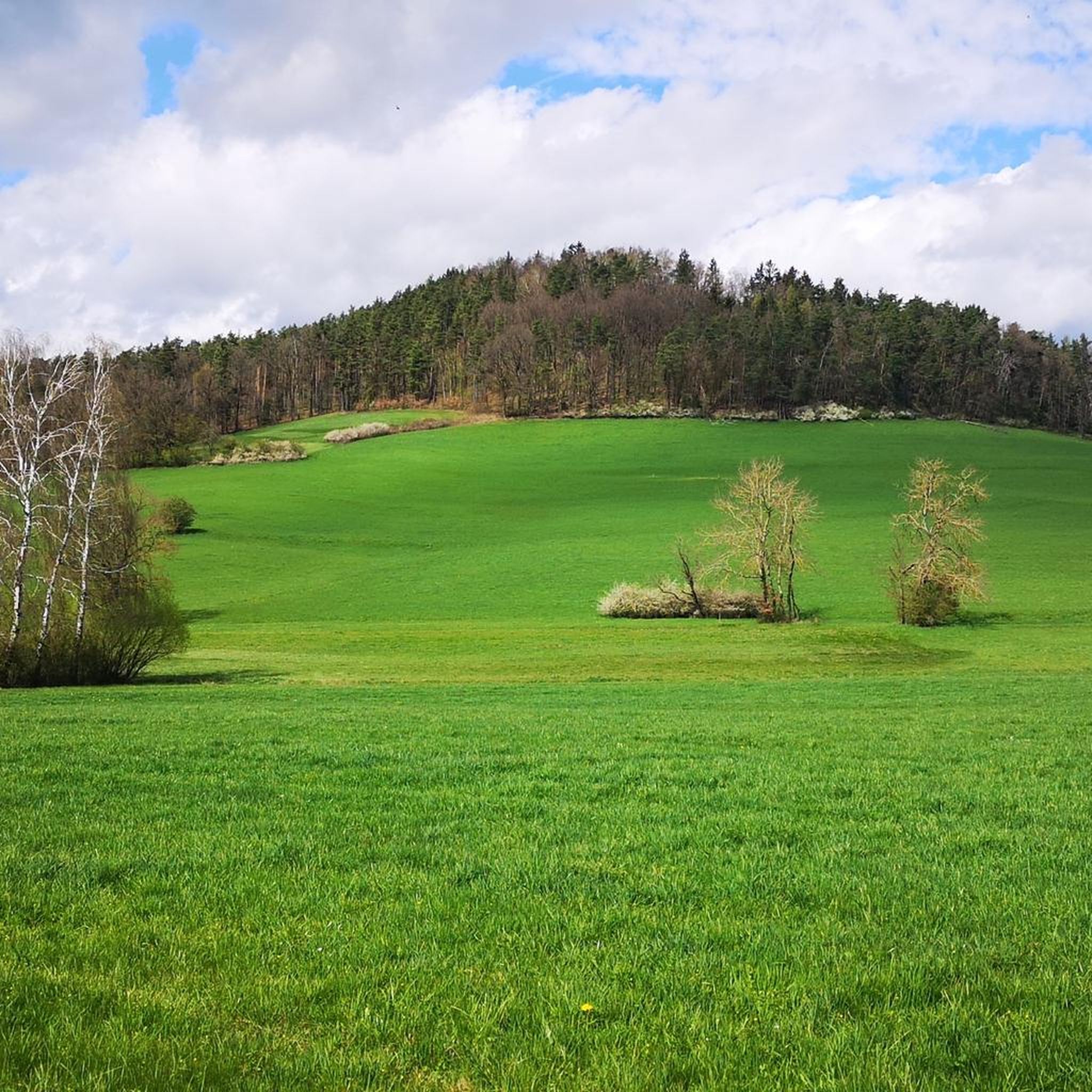
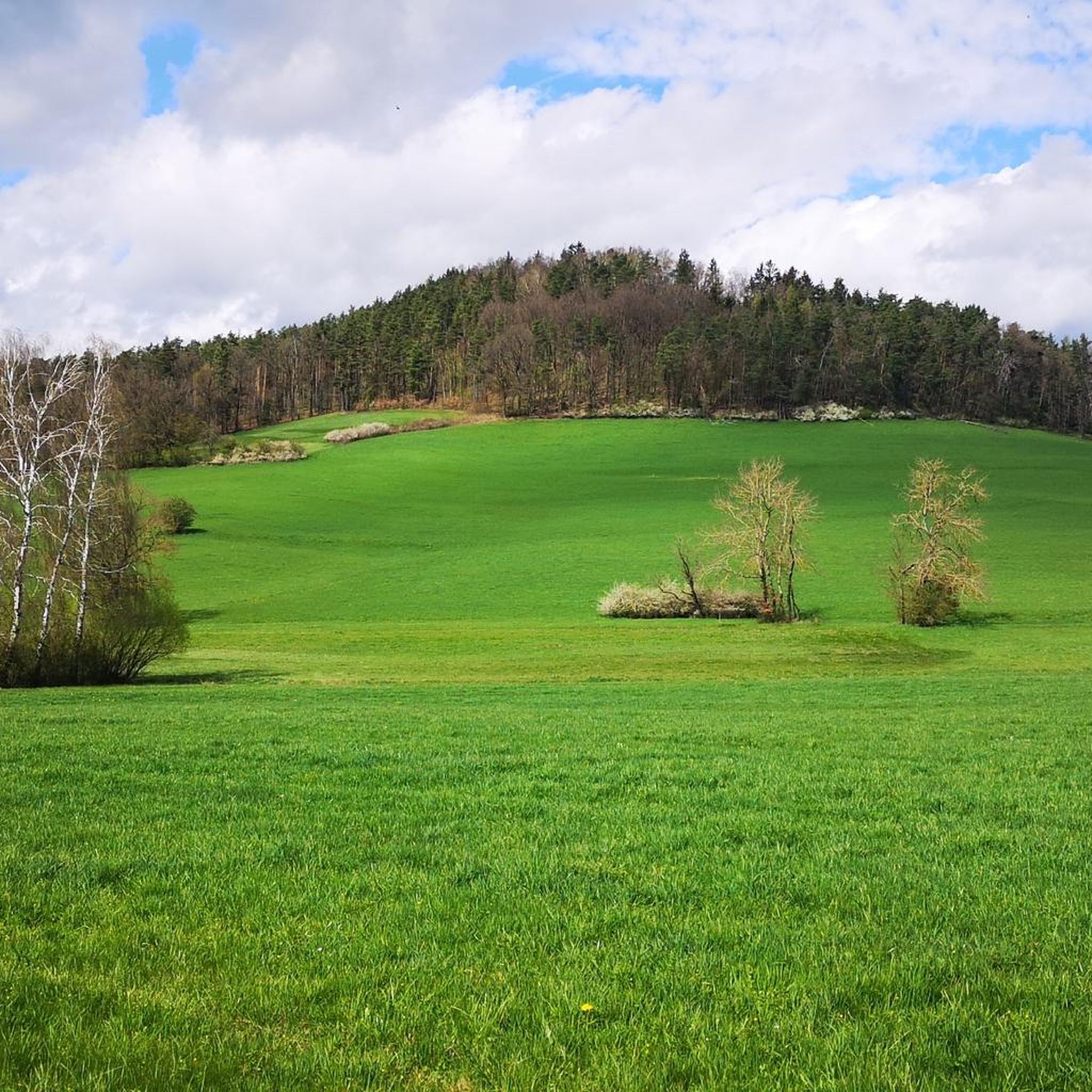
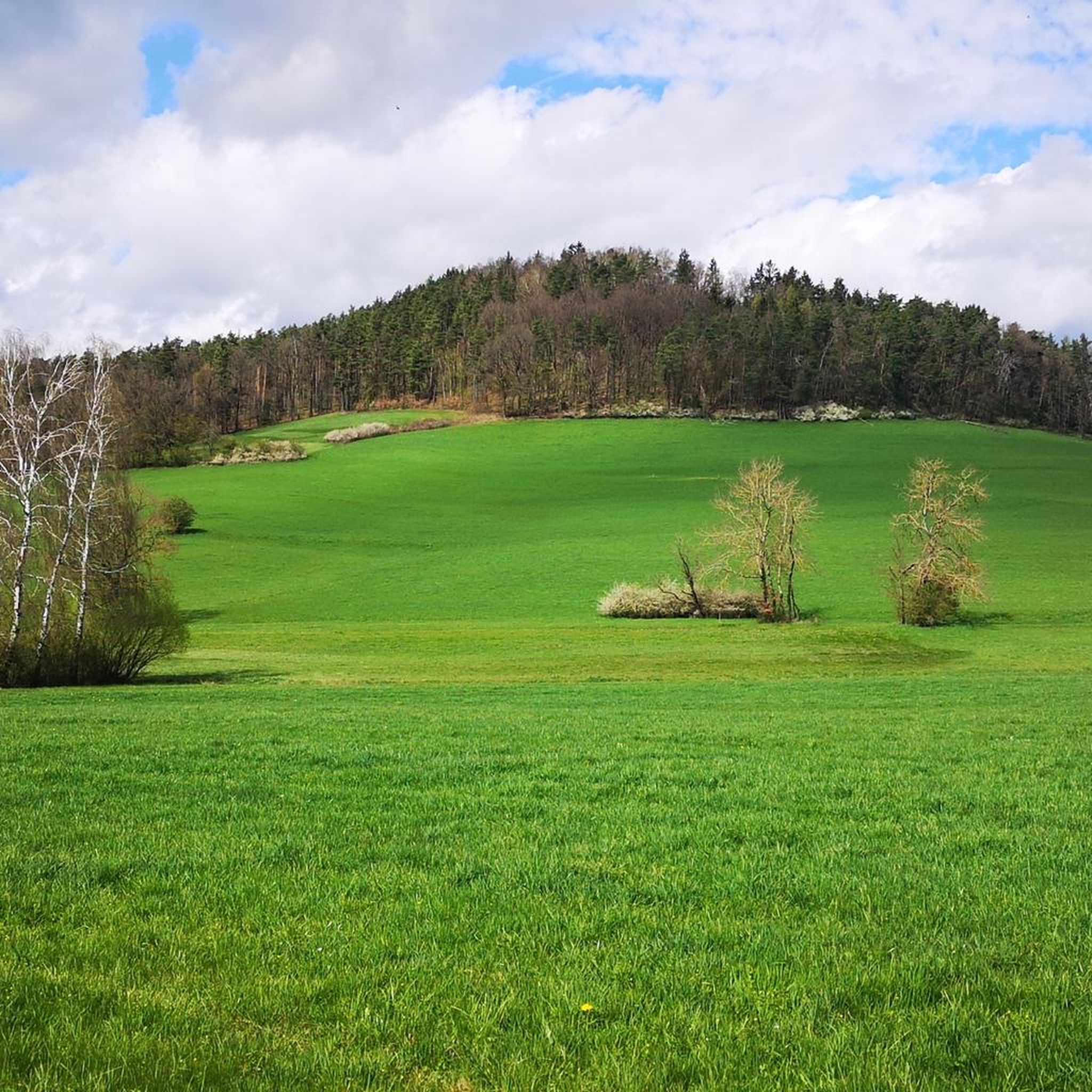
Best canyons around Hummeltal are found in a region characterized by diverse landscapes, situated at the edge of Franconian Switzerland. This area offers a variety of natural attractions, including rocky formations and valleys suitable for exploration. The landscape is shaped by water, creating features akin to gorges and deep valleys. Visitors can discover natural beauty through various hiking trails that feature a mix of natural and geological highlights.
Best canyons around Hummeltal
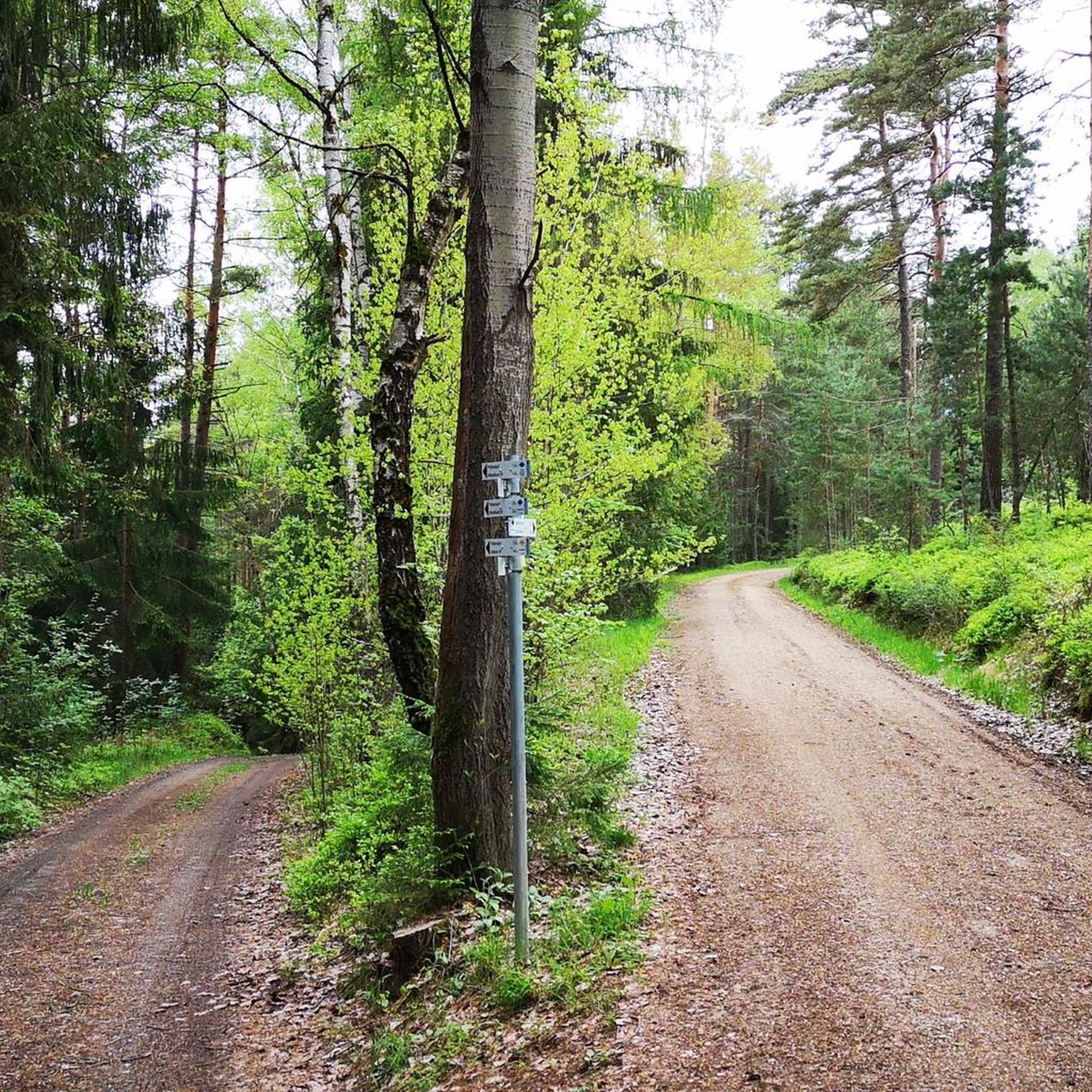
- The most popular canyons is The beautiful Upper Püttlach Valley, a gorge that offers a romantic valley experience with a narrow path through the forest. It is a highlight for bike rides, with the Püttlach river splashing nearby.
- Another must-see spot is Trail from Pottenstein to the Teufelshöhle (west shore of the Schöngrundsee), a trail that leads along the water. This rocky path connects Pottenstein to the Teufelshöhle, offering a scenic route for walking or cycling.
- Visitors also love Upper Püttlach Valley, a gorge with natural paths on both sides of the creek. This valley is cut deep into the Jura landscape, featuring striking rock formations and a free-flowing river.
- Hummeltal is known for gorges, rocky trails, and valleys with rock formations. The region offers a variety of natural monuments and challenging trails to explore.
- The canyons around Hummeltal are appreciated by the komoot community, with more than 1800 upvotes and over 590 photos shared.
Last updated: June 27, 2026
Translated by Google •
Tip by

Upper Püttlach Valley
Highlight • Gorge
Translated by Google •
Tip by

Sign up now to discover places like this
Get recommendations on the best single tracks, peaks, & plenty of other exciting outdoor places.
Sign up for free
Cyclops Trail
Highlight (Segment) • Trail
Translated by Google •
Tip by

Devil’s Hole Waterfalls
Highlight • Waterfall
Translated by Google •
Tip by

The beautiful Upper Püttlach Valley
Highlight (Segment) • Gorge
Translated by Google •
Tip by

Sign up for free to discover even more gorges around Hummeltal.
Sign up for free
Already have an account?
Start today with a free account
Your next adventure awaits.
Login or Signup

Tips from the Community

It's beautiful how the clear water rushes over the mossy rocks. It's not one of the big waterfalls, but it's enchanting nonetheless.
16
4

Between the narrow rock walls and the single trail make the path particularly nice to explore.
15
0

The blocks of different sizes consist mostly of silicified sand. Most of the natural monument is located just a few meters south of the border between Germany and Belgium in the area of the Belgian municipality of Raeren and is divided by the Aachen Landgraben. However, some of the Cyclops stones can be found on German soil.[2] The starting material for the formation of the Cyclops stones was unconsolidated Upper Cretaceous sand, the so-called Aachen sand, which is widespread in the Aachen Forest area and used to be found in numerous sand pits, e.g. B. the Flög sand pit in Hauset was mined. The Aachen sand was deposited in the Santonian in the area of a shallow sea 85 to 84 million years ago. The tropical climatic conditions during the Upper Cretaceous and Tertiary led to a near-surface solution of quartz from the Cretaceous sands through the penetration of precipitation water. In deeper soil layers, the siliceous solutions were precipitated again under special chemical environmental conditions and then led to partial silicification of the sand deposits.[3] Such formations are called Tertiary quartzites and are quite widespread at high altitudes in the European low mountain ranges. The unconsolidated areas of the Aachen sands have been removed by erosion, so that the cyclops stones now lie on the surface as relics. Previous theories of origin assumed that the Cyclops stones were originally in a higher morphological position. During the Ice Age, the stones are said to have slipped to their current position.[4] This theory is now considered refuted. Source: Wikipedia
8
0

Unfortunately it was dry when we visited, so it's best to visit after the snow has melted or there has been heavy rain.
5
4

Also nice if you hike past without having visited the cave.
6
2

Path is gigantic through high rocks from the exit of the cave over steps down to the parking lot.
6
1

Winding labyrinthine paths lead between the rocks.
9
2
Great labyrinthine paths lead between the rocks here.
9
2
Frequently Asked Questions
What are some of the most notable gorges and canyon-like features to explore around Hummeltal?
The region around Hummeltal offers several impressive natural features. You can explore the 👹 Devil's Hole (Teufelsloch), known for its jungle-like environment and small waterfalls. Another highlight is the Upper Püttlach Valley, which features natural paths along a free-flowing river and striking rock formations cut deep into the Jura landscape.
Are there any scenic trails that lead through these natural formations?
Yes, there are several scenic trails. The Trail from Pottenstein to the Teufelshöhle (west shore of the Schöngrundsee) offers a beautiful rocky path along the water. Additionally, the Cyclops Trail is a particularly nice path that winds between narrow rock walls and through labyrinthine boulders, leading to the Devil's Hole and Devil's Cave.
What kind of natural features can I expect to see in the gorges around Hummeltal?
You can expect to see diverse natural features, including impressive rock formations, deep valleys carved by water, and dense forests. Many areas, like the 👹 Devil's Hole (Teufelsloch), feature small waterfalls and unique plant species, creating a wild, romantic atmosphere. The Devil’s Hole Waterfalls, for instance, are known for their clear water rushing over mossy rocks.
Are there family-friendly options for exploring the gorges?
Yes, some areas are suitable for families. The Upper Püttlach Valley is noted as being good to hike with children, offering natural paths on both sides of the creek. When exploring with family, always check the specific trail difficulty and conditions.
What is the best time of year to visit the gorges and canyons around Hummeltal?
The gorges and canyon-like areas around Hummeltal are accessible year-round. The 👹 Devil's Hole (Teufelsloch), for example, is open all year. In winter, the Devil’s Hole Waterfalls can feature bizarre ice formations, offering a unique experience. For hiking, spring and autumn often provide pleasant temperatures and beautiful scenery.
What outdoor activities can I do near these gorges and canyons?
Beyond exploring the gorges themselves, the Hummeltal region offers a variety of outdoor activities. You can find numerous mountain biking trails, such as those detailed in the MTB Trails around Hummeltal guide. There are also mountain hikes, including routes like the 'Devil’s Hole Waterfalls – Roter Hügel rock formation loop' found in the Mountain Hikes around Hummeltal guide, and various running trails listed in the Running Trails around Hummeltal guide.
Are there any challenging trails for experienced hikers?
Yes, some trails offer a more challenging experience. The 👹 Devil's Hole (Teufelsloch) and the Devil’s Hole Waterfalls are categorized as challenging. The Cyclops Trail, while generally walkable, involves navigating between huge labyrinthine boulders, which can be an exciting challenge.
What do visitors enjoy most about the gorges and trails in this area?
Visitors frequently praise the wild, romantic atmosphere and the unique natural beauty. Many appreciate the 'jungle-like' environment of places like the 👹 Devil's Hole (Teufelsloch), with its impressive plant species and small waterfalls. The scenic rocky paths, like the Trail from Pottenstein to the Teufelshöhle, are also highly regarded for their picturesque views and geological formations.
Are there any specific safety considerations when exploring these areas?
When exploring rocky paths, such as the Trail from Pottenstein to the Teufelshöhle, caution is advised, especially for cyclists due to narrow sections. On trails like the Cyclops Trail, be mindful of other visitors, as paths can be narrow. Always wear appropriate footwear and be aware of your surroundings, especially on challenging or wet terrain.
Can I find natural monuments among the gorges around Hummeltal?
Yes, the region is home to several natural monuments. The 👹 Devil's Hole (Teufelsloch) and the Devil’s Hole Waterfalls are designated nature reserves and geotopes. The Upper Püttlach Valley is also recognized for its natural monument status, showcasing the area's significant geological and ecological value.
Are there any caves or grottos to explore near the gorges?
While not canyons themselves, the broader area around Hummeltal is known for impressive natural caves. The Cyclops Trail, for instance, leads past grottos and offers views into the Devil's Cave entrance, providing a glimpse into the region's fascinating geological formations.
Most popular routes around Hummeltal
Most popular attractions around Hummeltal

Get inspired with the komoot mobile app


Explore more
Already discovered everything in this region? See additional gorges around Hummeltal for your next adventure:
