Top 13 Gorges around Haag
Best canyons around Haag are characterized by wild gorges and unique geological formations. The region features deep ravines carved into Rhaetian sandstone, creating distinctive landscapes. These areas often include waterfalls and diverse plant species, contributing to their natural appeal. Haag's canyons offer varied terrain for exploration.
Best canyons around Haag
- The most popular canyons is Devil’s Hole Waterfalls, a waterfall and gorge known as a wildly romantic nature reserve and geotope. This ravine is carved deep into Rhaetian sandstone,…
Last updated: June 27, 2026
Devil’s Hole Waterfalls
Highlight • Waterfall
Translated by Google •
Tip by

Salamandertal Sandstone Gorge
Highlight • Gorge
Translated by Google •
Tip by

Sign up now to discover places like this
Get recommendations on the best single tracks, peaks, & plenty of other exciting outdoor places.
Sign up for free
Arzloch Waterfall
Highlight • Waterfall
Translated by Google •
Tip by

Teufelsloch Stone Arch Bridge
Highlight • Bridge
Translated by Google •
Tip by
Funkenbachtal Sandstone Cliffs
Highlight • Gorge
In the front area it is nice to ride, in the rear there are a few places where …
Translated by Google •
Tip by

Sign up for free to discover even more gorges around Haag.
Sign up for free
Already have an account?
Start today with a free account
Your next adventure awaits.
Login or Signup
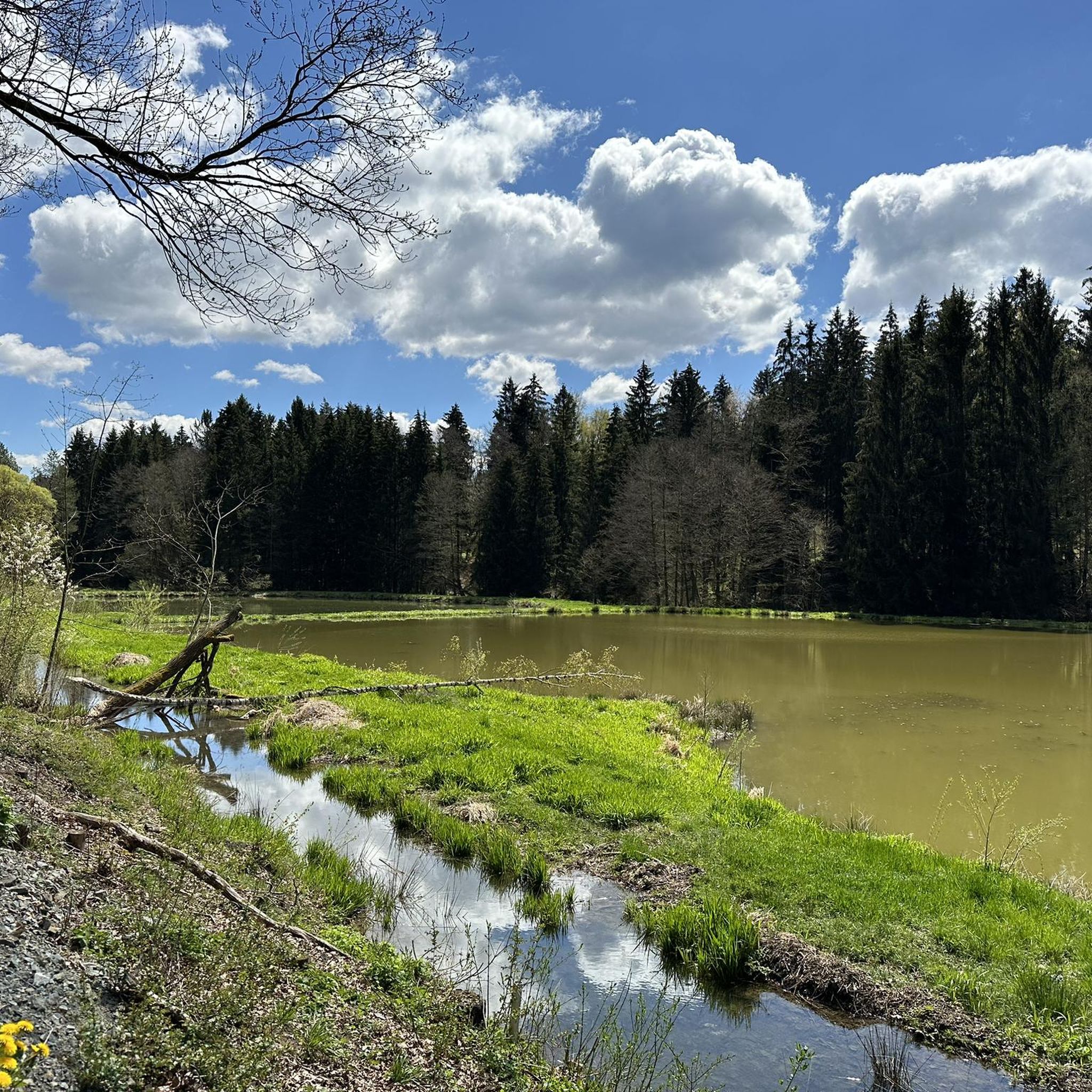
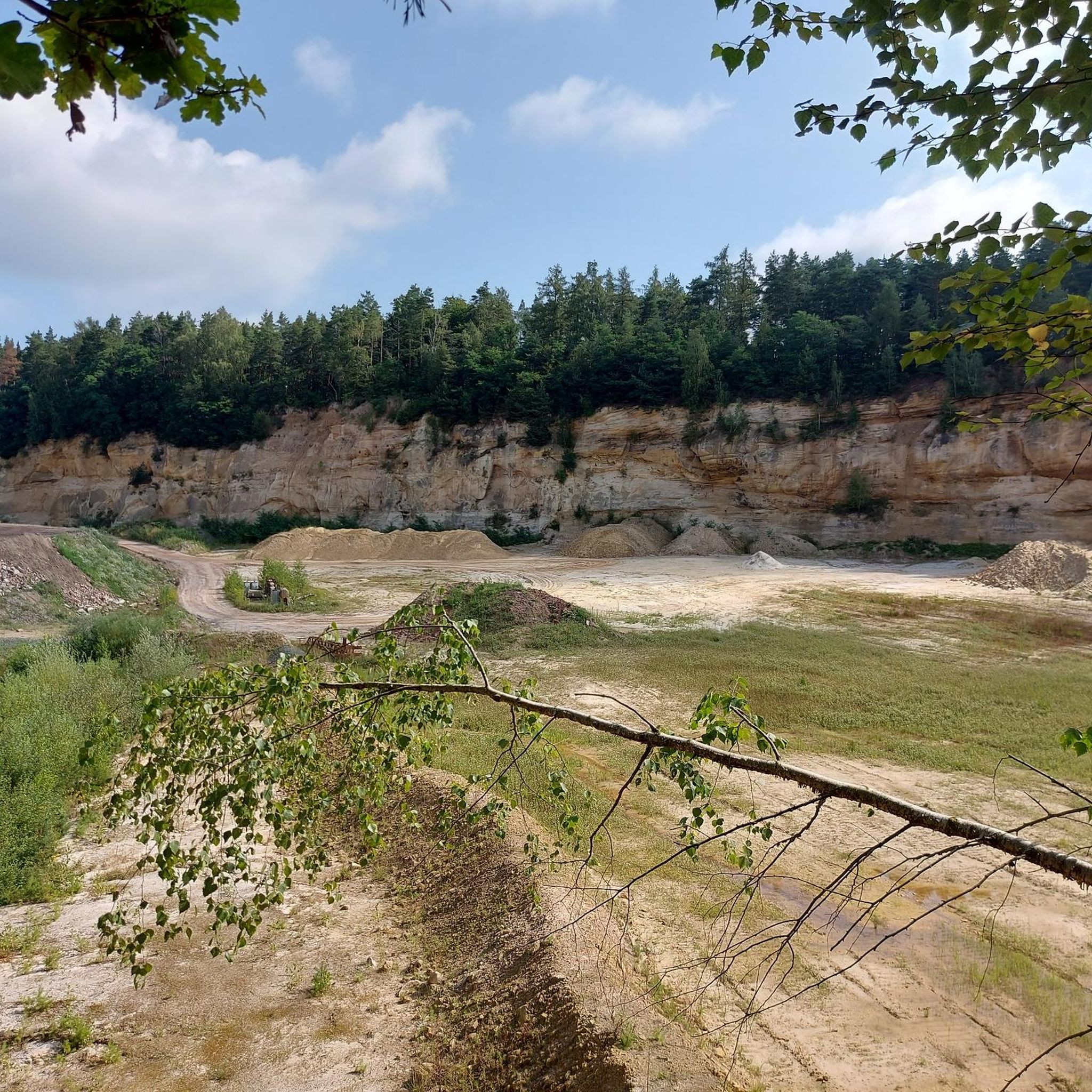
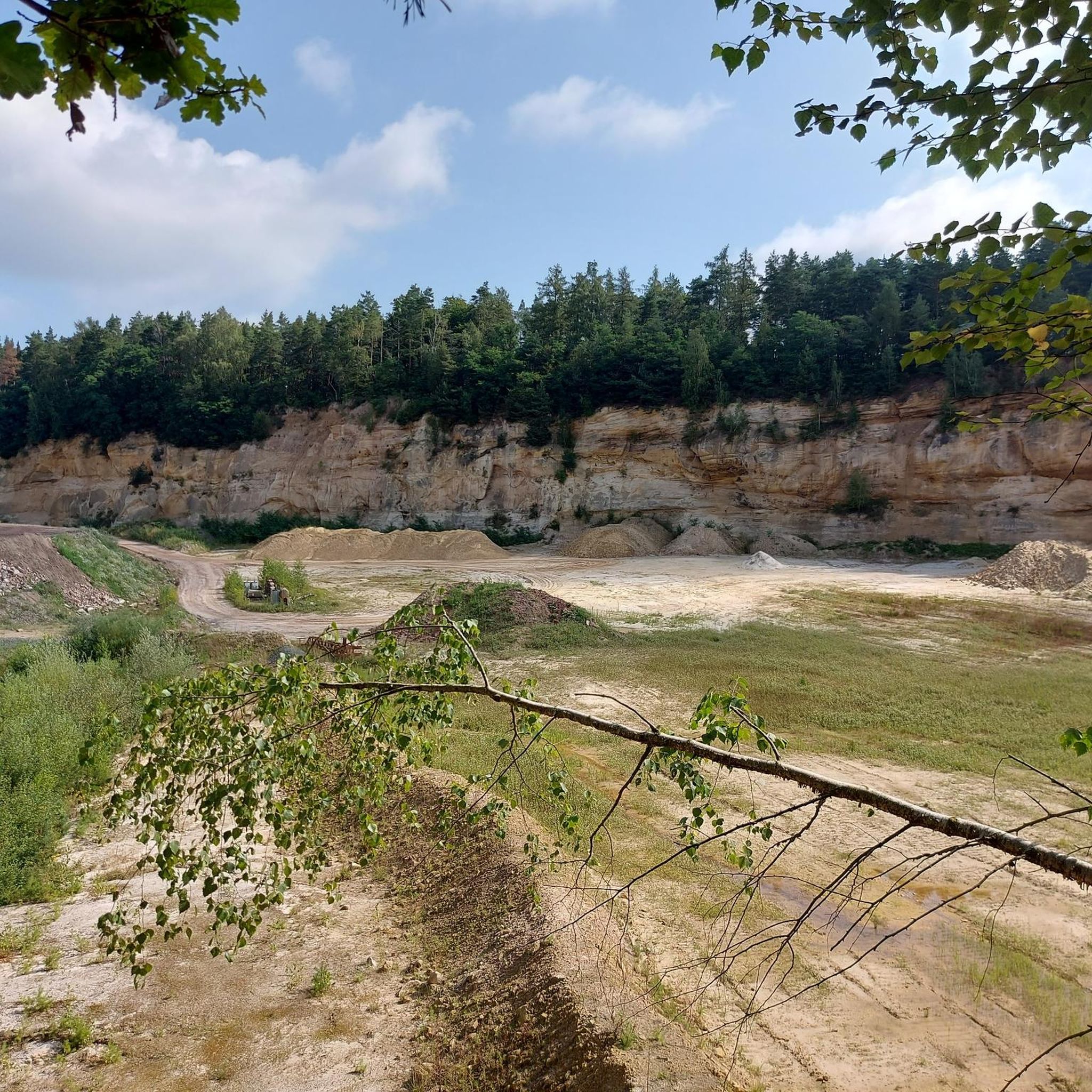

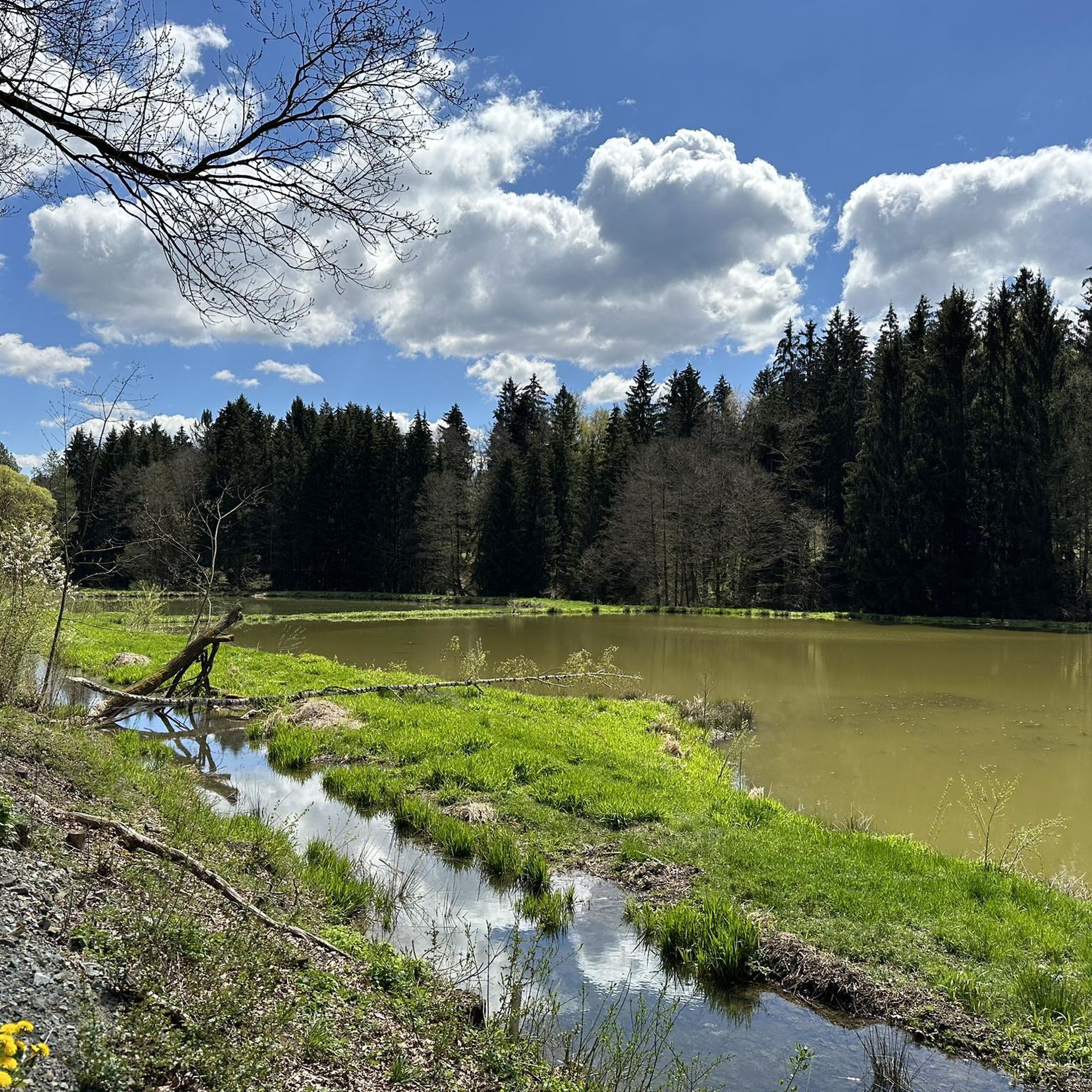
Tips from the Community

The Arzloch is a popular hiking destination and often still considered a hidden gem. It's a protected natural monument, a wooded area known for its atmospheric, wild gorge with eroded sandstone layers. The waterfall itself is relatively small, with a height of about 3 to 4 meters. Access to the waterfall is natural. Hikers should wear sturdy footwear, as the path leads over roots, narrow trails, and uneven forest floor. The surrounding area is the real highlight. The damp local climate has carved a unique gorge into the Rhaetian sandstone layers, which is home to rare animal and plant species. The bizarre sandstone formations, which can resemble honeycombs due to weathering, are geologically interesting.
4
0

Starting point for a detour to the supposedly most beautiful part of the Teufelsloch nature reserve. At this bridge, the Teufelslochgraben begins to flow down over rocks and stones in the form of numerous waterfalls. There is a small "parking lot" above the bridge.
3
4

The Arzloch is an atmospheric, wild gorge with eroded sandstone layers. Due to its humid local climate, it is home to rare animal and plant species, a waterfall and the "Markgrafentisch" rock formation. To get down from Eckersdorf, you have to climb a little and cross a narrow wooden bridge. A real experience.
16
4
The only 1.8 kilometers long tempts you not to expect much from this small hiking trail. However, the "Rhätschlucht" (Rhātschlucht), known because of its rare climate, offers some hidden peculiarities. The Salamander Valley is also a monument and is therefore a nature reserve. The sandstone gorge is of course named after the fire salamanders, which still feel at home in the Salamander Valley today due to the special climate and the swampy areas.
18
2

Is there really a parking lot here? No 🅿️ sign, just ⚠️"Nature conservation area"⚠️
0
5
In the second half of the 19th century, the two-arched sandstone bridge was built, spanning the deep gorge and providing access from Oberwaiz to the Waldhütte restaurant.
17
4
It's beautiful how the clear water rushes over the mossy rocks. It's not one of the big waterfalls, but it's enchanting nonetheless.
16
4

In winter the descent into the gorge is spectacular. But easy to master with good shoes...
3
4
Frequently Asked Questions
What kind of natural features can I expect to see in the canyons around Haag?
The canyons around Haag are characterized by wild, romantic gorges carved into Rhaetian sandstone. You'll encounter deep ravines, unique geological formations, and often small waterfalls. Areas like 👹 Devil's Hole (Teufelsloch) feature a jungle-like environment with impressive plant species, while Arzloch Waterfall showcases eroded sandstone layers and rare animal and plant species.
Are there any family-friendly canyons or trails near Haag?
Yes, the Arzloch Waterfall area is considered family-friendly. While the path to the waterfall can be wild with roots and uneven forest floor, the overall experience of the atmospheric gorge with its eroded sandstone layers is enjoyable for families. Sturdy footwear is recommended.
What is the best time of year to visit the canyons around Haag?
The canyons are generally accessible all year round. For example, 👹 Devil's Hole (Teufelsloch) is open year-round, offering frozen waterfalls and bizarre ice formations in winter, which can be a unique experience. In warmer months, the lush greenery and flowing water are particularly appealing.
Are there hiking trails available near these canyons?
Yes, there are numerous hiking opportunities around the canyons. For instance, you can find trails like the 'Weiherfelsen Cave at Bocksrück – Weiherfelsen Sandstone Cave loop from Haag' which is an easy 3.95 km hike. For more options, explore the Hiking around Haag guide.
Can I bring my dog to the canyon trails in the Haag area?
While specific rules for each canyon vary, many natural areas in Germany are dog-friendly, especially on leash. It's advisable to keep dogs on a leash to protect wildlife and ensure their safety on potentially rugged terrain. Always check local signage for specific regulations at each location.
What makes the geology of the Haag canyons unique?
The geology of the Haag canyons is unique due to the deep ravines carved into Rhaetian sandstone. This specific type of sandstone, often with eroded layers, creates distinctive landscapes. Natural monuments like Salamandertal Sandstone Gorge are protected for their Rhät Sandstone formations and the unique ecosystems they support.
What are the difficulty levels of the canyon trails around Haag?
The trails vary in difficulty. Some, like the path through 👹 Devil's Hole (Teufelsloch), are considered intermediate to challenging, featuring small footbridges, steps, and small waterfalls. Others, such as the route to Arzloch Waterfall, are also intermediate, requiring sturdy footwear due to roots and uneven forest floor. There are also easier hiking options in the broader region.
Are there any historical sites or interesting structures within the canyons?
Yes, within the 👹 Devil's Hole (Teufelsloch) area, you can find the Teufelsloch Stone Arch Bridge. This two-arched sandstone bridge, built in the second half of the 19th century, spans the deep gorge and adds a historical element to the natural landscape.
What do visitors particularly enjoy about the canyons near Haag?
Visitors frequently praise the wild, romantic atmosphere and the unique natural beauty. Many enjoy the 'jungle-like' environment of 👹 Devil's Hole (Teufelsloch) and the enchanting small waterfalls, especially when they freeze in winter. The geological formations and the diverse plant and animal species also contribute to a memorable experience.
Are there options for parking when visiting the canyons?
For areas like 👹 Devil's Hole (Teufelsloch), there is often parking available nearby, such as above the Teufelsloch Stone Arch Bridge. It's always a good idea to check specific access points for each canyon for the most convenient parking options.
What should I bring for a visit to the canyons around Haag?
Given the rugged terrain, sturdy footwear is essential. Depending on the season, waterproof clothing might be beneficial, especially if exploring near waterfalls or after rain. Bringing water and snacks is always recommended. For winter visits, be prepared for icy conditions.
Are there less crowded canyon options for a quieter experience?
While popular spots like 👹 Devil's Hole (Teufelsloch) can get crowded in the afternoon, especially on weekends, visiting earlier in the day or during off-peak seasons can offer a quieter experience. Exploring some of the lesser-known trails or other gorges in the broader region might also provide more solitude.
What is the difference between a canyon and a gorge in this region?
In this region, the terms 'canyon' and 'gorge' are often used interchangeably to describe the deep, narrow valleys carved by water. The geological features, such as the Rhaetian sandstone formations and steep rock walls, are characteristic of both. The guide specifically refers to these formations as 'gorges' and 'ravines' within the broader category of 'canyons'.
Are there places to eat or stay near the Haag canyons?
While the guide focuses on the natural attractions, the region around Haag offers various amenities. For example, near the 👹 Devil's Hole (Teufelsloch), there was historically a 'Waldhütte restaurant' accessible via the stone arch bridge. The broader area will have cafes, pubs, and accommodation options, especially in nearby towns and villages.
Most popular attractions around Haag

Get inspired with the komoot mobile app


Explore more
Already discovered everything in this region? See additional gorges around Haag for your next adventure:
