Top 9 Caves around Ludwigsstadt
Best caves around Ludwigsstadt offer unique underground experiences, primarily through historical mining sites transformed into visitor attractions. The region, part of the Franconian Forest, features former slate mines that now showcase both natural geological formations and industrial heritage. These sites provide insights into the area's rich mining history and the surprising natural beauty that can develop within man-made cavities. Visitors can explore a combination of show mines, historical tunnels, and natural rock formations.
Best caves around Ludwigsstadt
- The most popular…
Last updated: June 27, 2026
Rentschenbruch Slate Quarry
Highlight • Cave
Translated by Google •
Tip by

Old Slate Mine Entrance
Highlight • Cave
Translated by Google •
Tip by

Sign up now to discover places like this
Get recommendations on the best single tracks, peaks, & plenty of other exciting outdoor places.
Sign up for free
Bergloch Nordhalben
Highlight • Cave
Translated by Google •
Tip by

Morassina Show Cave and Mining Museum
Highlight • Cave
Translated by Google •
Tip by

Lehesten Cave with Pond
Highlight • Cave
Translated by Google •
Tip by

Sign up for free to discover even more caves around Ludwigsstadt.
Sign up for free
Already have an account?
Start today with a free account
Your next adventure awaits.
Login or Signup
Popular around Ludwigsstadt
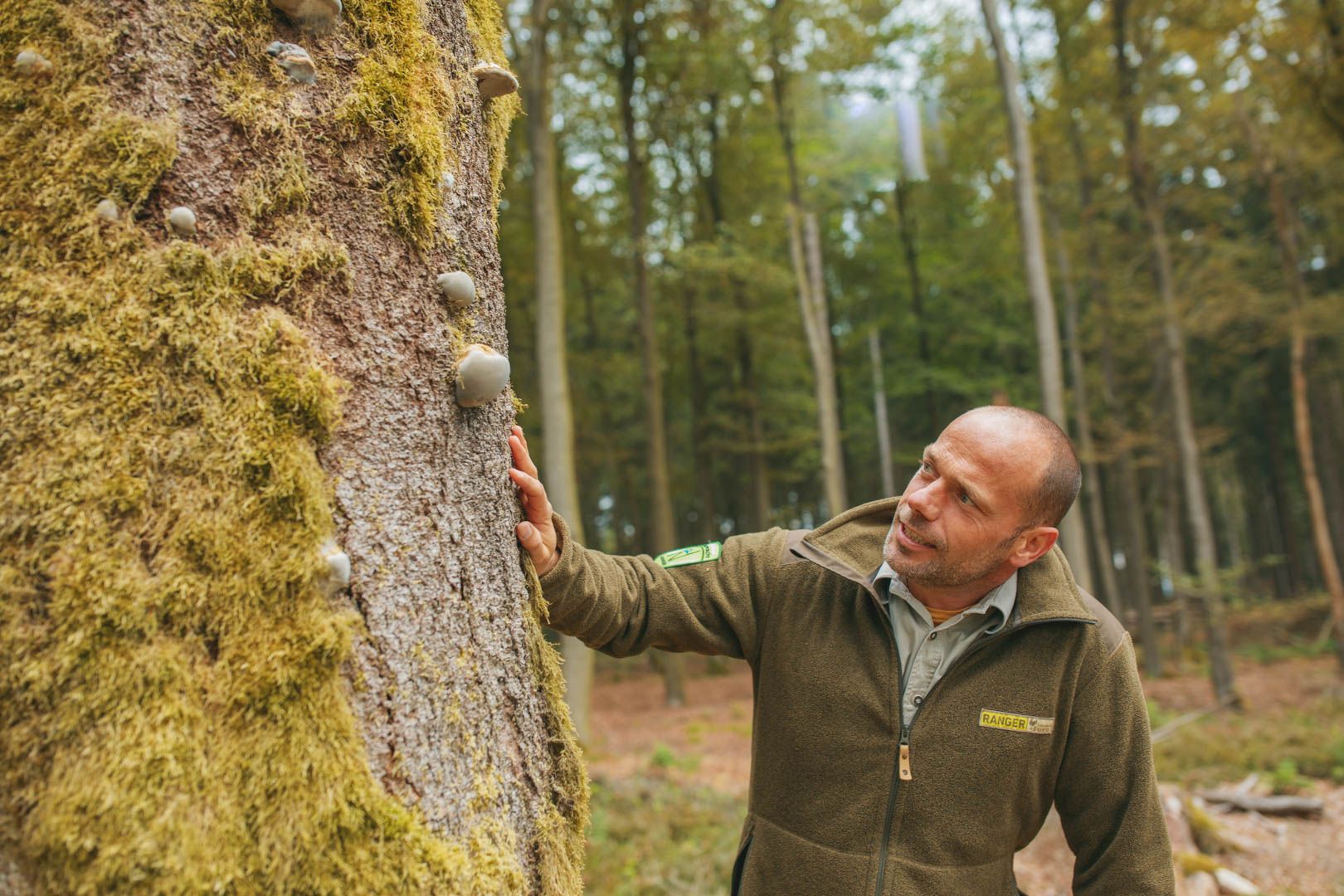
Tipps der Naturpark-Ranger
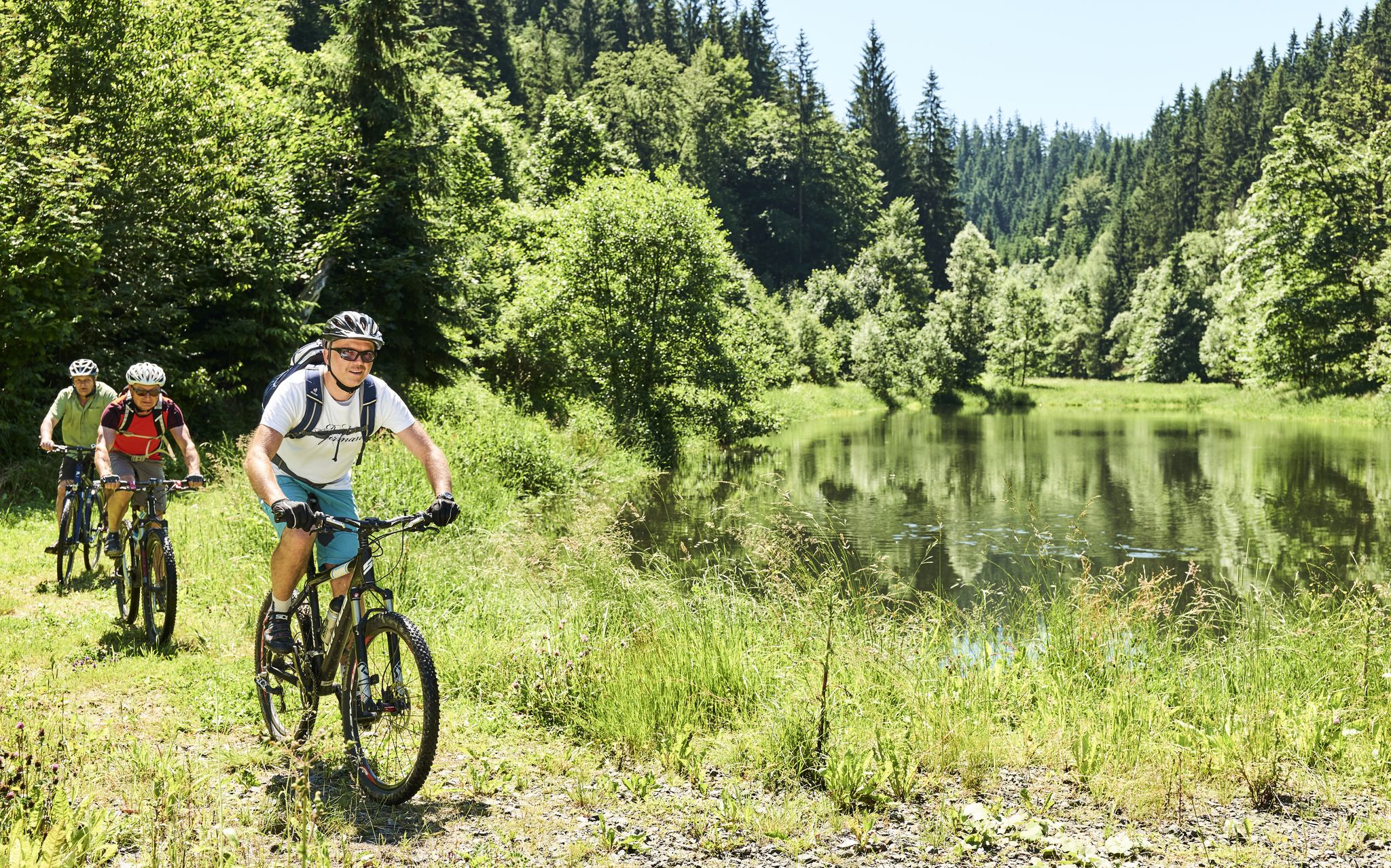
Mountainbiking im Frankenwald
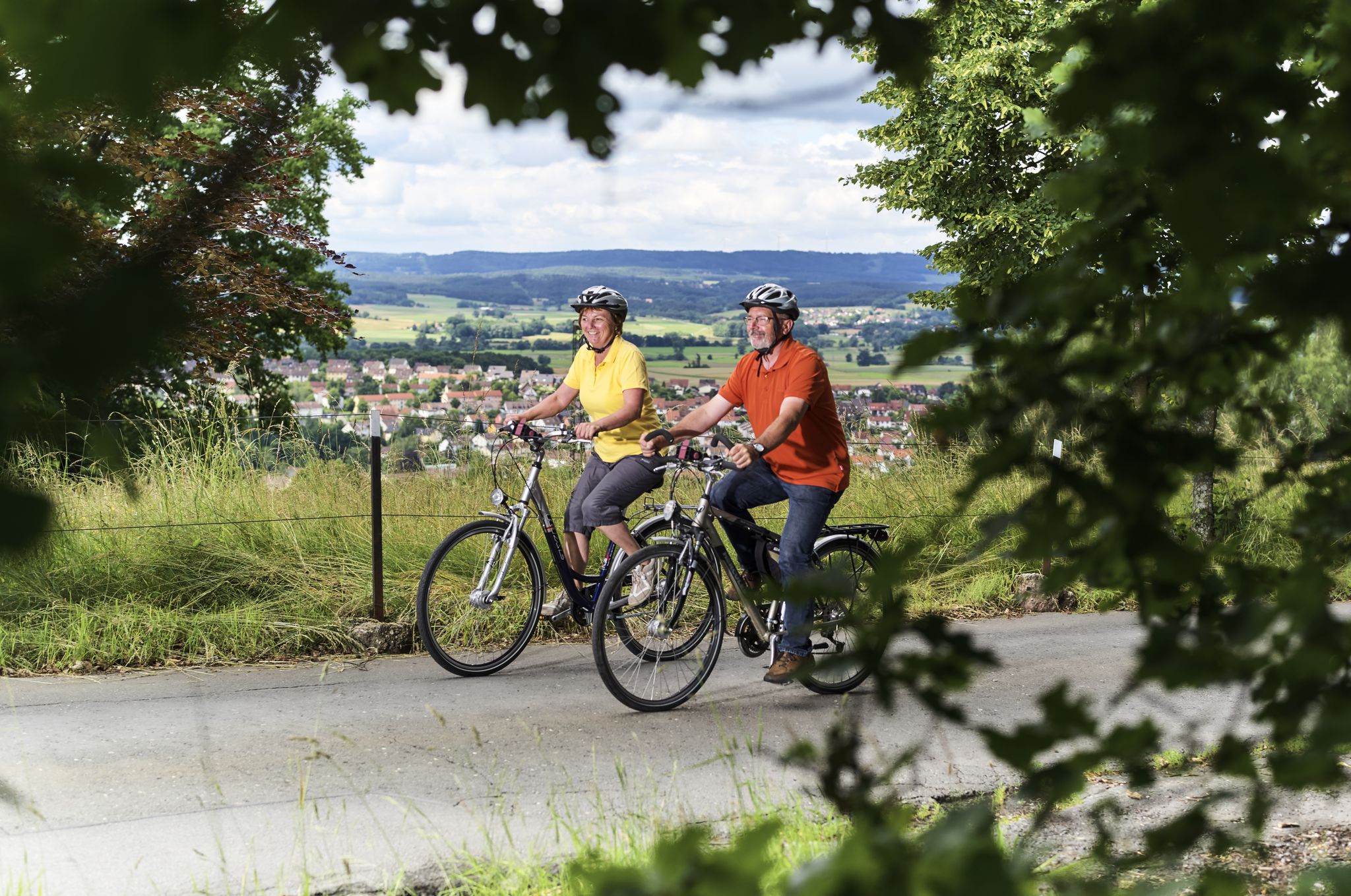
Unsere schönsten Radtouren im Frankenwald

Unsere FrankenwaldSteigla
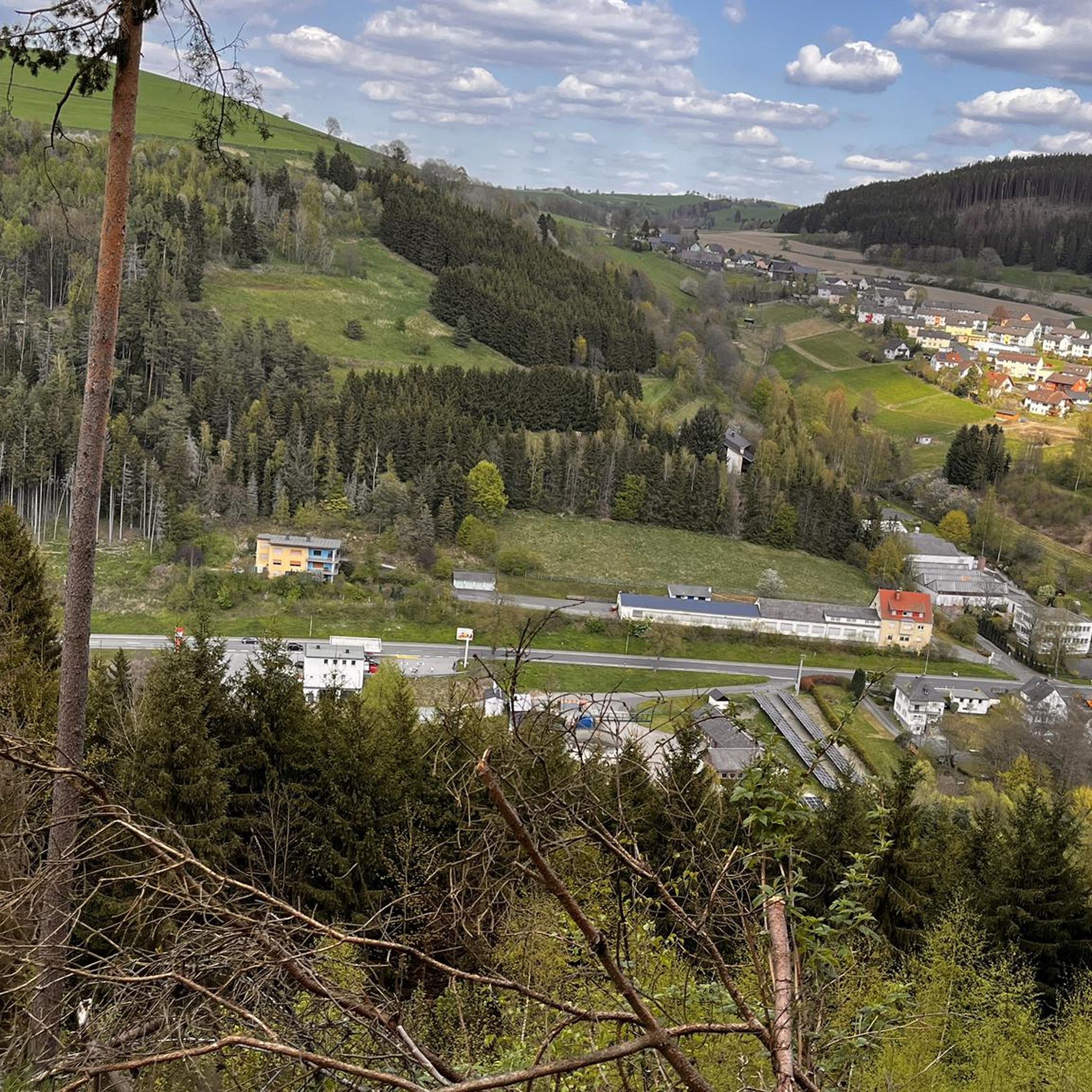
Hiking around Ludwigsstadt
Cycling around Ludwigsstadt
MTB Trails around Ludwigsstadt
Road Cycling Routes around Ludwigsstadt
Running Trails around Ludwigsstadt
Gravel biking around Ludwigsstadt
Other adventures around Ludwigsstadt


Tips from the Community

The first hall can also be viewed from the second opening and the first hall (back right). I don't dare go to the front because of my fear of heights. There's supposed to be a lake/waterfall at the bottom.
3
0
You don't have to crawl over the elevation. After that, things get spectacular. There are several large halls. Unfortunately, they're empty. Be careful, the first one drops at least 10 meters.
4
0
Unfortunately, there was water here today. Without rubber boots, no chance.
7
0
Back again today and walked all the way to the end. There are still rails at the end. Very interesting area.
4
0

After the German armaments factories in Peenemünde on Usedom were severely damaged by the British Operation Hydra, the Nazi government decided to relocate war-critical factories underground. The factories found space primarily in old mines, railway tunnels, or newly constructed galleries. The Rentschen quarry, which had been used for slate mining and closed in 1925, was also designated for the "underground relocation." It was codenamed "Rutte." The Chemnitz-based company Reinecker was supposed to produce armaments on a 3,000-square-meter site. But this never happened. Reinecker found a home in another nearby slate mine. In total, around two dozen underground relocations were occupied or at least planned around Probstzella.
18
0

In the Rentschenbruch near Probstzella, the underground relocation for armaments production was approved under object number 1074, codenamed "Rutte." The Rentschenbruch underground mine had been idle since 1925. A production area of 3,000 square meters was planned for the expansion into an underground armaments factory. A fish name was chosen as the codename, fitting for a mine. The "Rutte" is a critically endangered bony fish from the burbot family and is also called "Trusche" in southern Germany. The Rutte only occurs in freshwater; other names include "Ruppe" or "Aalrutte." But that's just a side note. Originally, the Reinecker company from Chemnitz was supposed to move into the Rentschenbruch slate mine near Probstzella. However, this never happened, so Reinecker was ultimately housed in a bomb-proof slate mine (codenamed Rotfeder) nearby. At times, the Rentschenbruch was also closed for storage purposes by the Wehrmacht. The Geilenberg staff was also interested in the underground cavities of this slate mine. Source: http://www.stollenhausen.de/u-verlagerung-rutte/mobile/
2
0

I think the Morasina is almost more beautiful than the Ferngrotten in Saalfeld. It's very spacious and if you're here it's a must.
1
0
Frequently Asked Questions
What kind of underground experiences can I expect around Ludwigsstadt?
The Ludwigsstadt region offers a unique blend of historical mining sites and natural geological formations. You can explore show mines that feature impressive mineral deposits resembling dripstone caves, as well as former slate quarries with underground elements and historical tunnels. These sites provide insights into both the area's rich mining history and surprising natural beauty.
Are there any show caves suitable for families?
Yes, the Morassina Show Cave and Mining Museum is particularly family-friendly. It features a 'Märchengrotte' (Fairy Tale Grotto) designed for children, alongside its impressive dripstone formations and historical exhibits. Guided tours are available and last about 60 minutes.
What historical insights can I gain from visiting the caves and mining sites?
The region is rich in mining history. At the Morassina Show Cave, you can learn about its past as an alum slate mine active since at least 1683. The nearby Schieferpark Lehesten, one of Europe's largest former open-cast slate mines, showcases the history of 'blue gold' (slate) mining dating back to the 13th century, including historical splitting huts and unique shaft systems. You can also see sites like the Rentschenbruch Slate Quarry, which has a history tied to WWII armaments production plans.
What unique geological features can be found in the caves near Ludwigsstadt?
The Morassina Show Cave is renowned for its natural mineral deposits that resemble dripstone caves. Water seeping through the rock has transported dissolved minerals, forming colorful dripstones over centuries. You can see blue-green hues from aluminum compounds and yellow-fawn colors from phosphorus iron compounds in areas like the 'Stahlblaue Grotte' and 'Fantasiegrotte'. The 'Rokokosaal' boasts imposing dripstones and long soda straws.
Are there any challenging or less accessible underground sites for experienced explorers?
Some sites, like the Old Slate Mine Entrance, can be challenging. Visitors have noted that good lamps and appropriate footwear are a must, as the tunnel can often be full of water, making rubber boots necessary for entry. The Lehesten Cave with Pond is also often underwater, limiting exploration.
What is the best time to visit the caves and mining sites around Ludwigsstadt?
Most show mines and historical sites, like Morassina, are accessible year-round, though it's always advisable to check their specific opening hours, especially during off-peak seasons. The underground environment maintains a consistent temperature, making them a good option regardless of external weather. For sites with outdoor components like the Schieferpark Lehesten, warmer, drier months might offer a more comfortable experience.
Are there hiking or cycling routes near these underground attractions?
Yes, the Ludwigsstadt region offers various outdoor activities. You can find numerous hiking trails, such as those listed in the Hiking around Ludwigsstadt guide, or explore mountain biking routes in the MTB Trails around Ludwigsstadt guide. These routes often pass by or are in close proximity to the historical mining landscapes and natural features of the area.
Are permits required to visit the caves or mining sites?
For organized show mines and visitor centers like the Morassina Show Cave or the Schieferpark Lehesten, you typically purchase an entrance ticket. No special permits are generally required for public access to these managed sites. For unmanaged or wilder cave entrances, caution is advised, and access might be restricted or require specialized equipment and knowledge.
What do visitors enjoy most about the underground sites near Ludwigsstadt?
Visitors frequently praise the unique combination of natural beauty and historical significance. The impressive dripstone formations and vibrant colors at Morassina are often highlighted, with some finding it even more beautiful than other well-known caves. The historical context and the scale of former mining operations, such as those at Schieferpark Lehesten, also leave a lasting impression.
Is there a site that combines industrial heritage with nature conservation?
The Schieferpark Lehesten is an excellent example. While primarily an industrial heritage site showcasing historical slate mining, it also encompasses disused quarries, tunnels, and heaps that have become vital habitats for numerous rare plant and animal species, including 170 Red List species. It functions as both a technical monument and a nature reserve.
Are there any caves or underground sites that are natural monuments?
Yes, Bergloch Nordhalben is designated as a natural monument. It is the largest of several 'mountain holes' in Nordhalben, believed to have been created in the Middle Ages, possibly for mining or as storage cellars. The Lehesten Cave with Pond is also listed as a natural monument.
Most popular routes around Ludwigsstadt
Most popular attractions around Ludwigsstadt

Get inspired with the komoot mobile app


Explore more
Extend your search for the best caves by checking out these guides of the top ones around Ludwigsstadt:
