Top 20 Lakes around Wilhelmsthal
Lakes around Wilhelmsthal provide opportunities for exploring both natural and man-made water features within the region. The area features reservoirs and former industrial sites that have transformed into scenic landscapes. These locations offer insights into regional history and provide settings for outdoor activities. The surrounding terrain includes forested areas and pathways suitable for various levels of exploration.
Best lakes around Wilhelmsthal
- The most popular lakes is Lehesten Slate Quarry Industrial Heritage Site, a man-made monument that showcases the history…
Last updated: August 6, 2026
Göpelschacht Shaft Complex, Lehesten
Highlight • Monument
The Göpel shaft system was …
Translated by Google •
Tip by

Lehesten Slate Quarry Industrial Heritage Site
Highlight • Monument
Translated by Google •
Tip by
Sign up now to discover places like this
Get recommendations on the best single tracks, peaks, & plenty of other exciting outdoor places.
Sign up for free
Ködel Reservoir Water Intake Tower
Highlight • Monument
Translated by Google •
Tip by

Ködel Reservoir
Highlight • Lake
Translated by Google •
Tip by

Ködeltalsperre — Southern End
Highlight • Lake
Translated by Google •
Tip by

Sign up for free to discover even more lakes around Wilhelmsthal.
Sign up for free
Already have an account?
Start today with a free account
Your next adventure awaits.
Login or Signup
Other adventures around Wilhelmsthal

Tips from the Community

This is the former Lehesten roofing slate opencast mine. Its dimensions alone are impressive; along with the nearby Oertelsbruch, it was one of the largest slate quarries on the continent (approximately 800 m long, 300 m wide, and up to 80 m deep). Source: Wikipedia
10
1

A beautiful region 🤩 If you like, you can also take a detour to the Alvater Tower.
20
2

Beautiful view of the Ködeltalsperre, the Frankenwaldfjord 😂
0
1

In the "Land of Blue Gold," as the slate is called here because of its distinctive color, the tradition of Thuringian-Franconian slate mining can still be experienced today. This extraordinary industrial complex, located at what was once one of Europe's largest open-cast slate mines, provides a hands-on experience of the history and processing of slate. The entire Staatsbruch Slate Park area is a nature reserve. 170 Red List species have now been confirmed to have settled in this partially inaccessible area.
23
1
The Göpel shaft system, unique in Europe, is the heart of the “Historic Lehesten Slate Mining” monument ensemble and the trademark of the slate park. The Göpel shaft system was built around 1850, five years after the open-cast mine opened. On the north-west edge of the now closed and flooded roofing slate open-cast mine, the Göpel shaft was used to lift mined slate rock and thus stabilize the production flow. The rock was transported to the adjacent double-slitting hut and processed.
24
1

Beautiful views around the dam.
3
1
A very beautiful and well-kept recreation area.
1
0

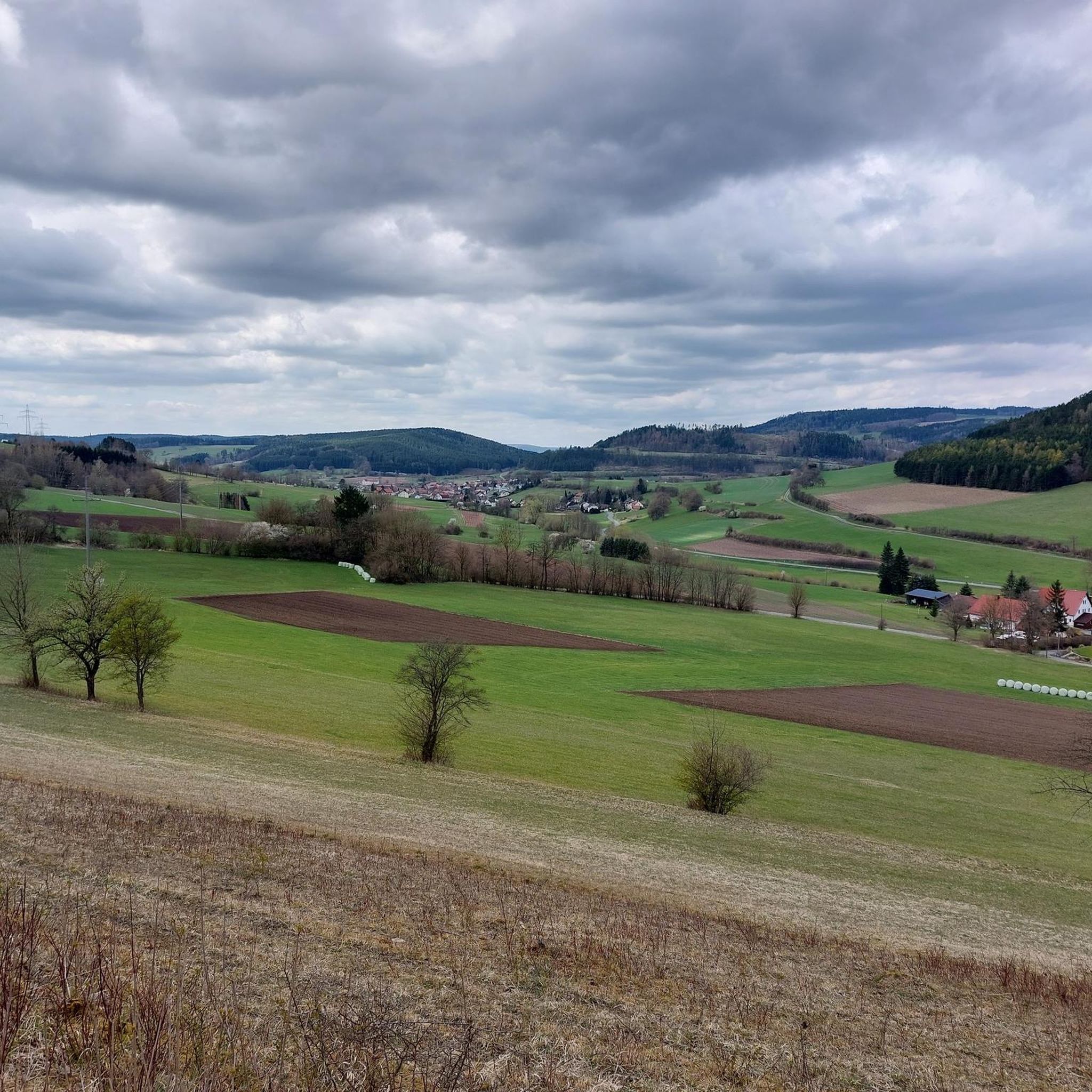
The Mauthaus drinking water dam - called "Ködeltalsperre" - is one of the largest of its kind in Bavaria. An 11.5 km long asphalt path leads around the "Frankenwaldfjord" and is ideal for hiking, cycling or inline skating. The Mauthaus drinking water dam is located in the valley of the Nurner Ködel, a tributary to the Rodach, approx. 20 kilometers northeast of Kronach. It was built from 1968 to 1972 to supply drinking water. As a secondary purpose, it serves flood protection, increasing low water levels and generating electricity from hydropower. It was put into operation in 1975 and was the first drinking water dam in Bavaria. The water body may not be used for water sports, which contributes significantly to drinking water quality.
3
0
Frequently Asked Questions
What types of lakes and water features can I explore around Wilhelmsthal?
The area around Wilhelmsthal features a mix of natural and man-made water features, primarily reservoirs and former industrial sites that have transformed into scenic landscapes. Notable examples include the large Ködel Reservoir, Bavaria's largest drinking water reservoir, and the unique Lehesten Slate Quarry Industrial Heritage Site, a former slate mine with clear water.
Are there family-friendly lakes or activities suitable for children around Wilhelmsthal?
Yes, several locations are family-friendly. The Ködel Reservoir offers good walkable paths and a tarred circular route suitable for inline skating, which families often enjoy. The Lehesten Slate Quarry Industrial Heritage Site is also considered family-friendly, offering insights into regional history within a nature reserve.
What historical or cultural sites are associated with the lakes in this region?
The region's lakes are closely tied to its industrial past. The Lehesten Slate Quarry Industrial Heritage Site is a significant man-made monument showcasing the history of slate mining, often called the 'Land of Blue Gold.' Additionally, the Göpelschacht Shaft Complex, Lehesten, part of the 'Historic Lehesten Slate Mining' monument ensemble, offers a unique glimpse into 19th-century mining operations.
Can I go hiking or cycling around the lakes near Wilhelmsthal?
Absolutely. The Ködel Reservoir features an 11.5 km long asphalt path that is ideal for hiking, cycling, and inline skating. For more extensive cycling options, you can explore various routes in the area, such as those found in the Cycling around Wilhelmsthal guide or the Road Cycling Routes around Wilhelmsthal guide.
Are there any viewpoints or scenic spots around the lakes?
Yes, there are several impressive viewpoints. The Ködel Reservoir Water Intake Tower offers panoramic views of the reservoir, often referred to as the 'Fjord of the Franconian Forest.' The Göpelschacht Shaft Complex, Lehesten also provides incredible views over the slate quarry, with its clear water.
Is swimming allowed in the lakes around Wilhelmsthal?
Swimming is generally not permitted in the main reservoirs, especially the Ködel Reservoir, as it serves as Bavaria's largest drinking water source. The water body may not be used for water sports to maintain drinking water quality. While the Göpelschacht Shaft Complex, Lehesten features clear water, swimming and diving are prohibited there as well.
What do visitors particularly enjoy about the lakes in this region?
Visitors appreciate the tranquil settings and the unique blend of natural beauty with industrial heritage. The clear waters of the Lehesten Slate Quarry Industrial Heritage Site and the impressive, calm atmosphere of the Ködel Reservoir are frequently highlighted. The well-maintained paths around the reservoirs are also popular for various outdoor activities.
Are there options for running or jogging near the lakes?
Yes, the circular routes around the reservoirs are suitable for running. The 11.5 km asphalt path around the Ködeltalsperre — Southern End is a popular choice. For more running trails in the broader area, you can consult the Running Trails around Wilhelmsthal guide.
What natural features can be observed at the Lehesten Slate Quarry?
The Lehesten Slate Quarry Industrial Heritage Site is not only a historical site but also a nature reserve. It's known for its clear water and diverse flora and fauna, with 170 Red List species confirmed to have settled in this partially inaccessible area. You can also observe trees growing under the water, adding to its unique natural appeal.
Is the Ködel Reservoir accessible for people with wheelchairs?
Yes, parts of the Ködel Reservoir are considered wheelchair accessible. The Ködel Reservoir Water Intake Tower and the general Ködel Reservoir area feature good walkable paths and a tarred circular route, making it accessible for visitors using wheelchairs.
Are there any cafes or restaurants near the lakes around Wilhelmsthal?
While the guide data doesn't specify cafes directly at the Wilhelmsthal lakes, the broader region, such as near Wiesthal, does have options like the restaurant at Wiesbüttsee. For specific amenities, it's advisable to check local listings or the komoot app for points of interest along your chosen route.
What is the best time of year to visit the lakes around Wilhelmsthal?
The lakes offer different experiences throughout the year. Spring and autumn provide pleasant temperatures for hiking and cycling, with beautiful foliage changes. Summer is ideal for enjoying the scenic views and outdoor activities, though swimming is generally restricted. In winter, if conditions allow, you might even hear the fascinating sound of ice breaking at the Ködel Reservoir.
Most popular routes around Wilhelmsthal
Most popular attractions around Wilhelmsthal

Get inspired with the komoot mobile app


Explore more
Still not found your perfect lake around Wilhelmsthal? Check out the guides of these regions to see even more beautiful places.
