Top 6 Caves around Buckenhofer Forst
Best caves around Buckenhofer Forst are situated within the broader Franconian Switzerland region, an area known for its natural karst caves. While major caves are not directly within Buckenhofer Forst, the surrounding landscape offers a variety of impressive underground formations. These natural features contribute to the region's appeal for outdoor exploration. The geology of the area supports diverse cave experiences.
Best caves around Buckenhofer Forst
- The most popular caves is Bat cellar on Bierweg, a cave that is a…
Last updated: June 27, 2026
Bat cellar on Bierweg
Highlight • Cave
Translated by Google •
Tip by

Jungferla Keller
Highlight • Cave
Translated by Google •
Tip by

Sign up now to discover places like this
Get recommendations on the best single tracks, peaks, & plenty of other exciting outdoor places.
Sign up for free
Felsenkeller Ice Cellar Neunkirchen am Brand
Highlight • Structure
Translated by Google •
Tip by

Neischl Cave
Highlight • Cave
Translated by Google •
Tip by

Brunngraben Cave
Highlight • Cave
Translated by Google •
Tip by

Sign up for free to discover even more caves around Buckenhofer Forst.
Sign up for free
Already have an account?
Start today with a free account
Your next adventure awaits.
Login or Signup
Tips from the Community

The "Jungferla Spring" originates in this 85-meter-long, multi-branched sandstone cellar. In the 1960s, the entrance to the sandstone cellar was bricked up and overgrown for safety reasons. It was thus no longer visible, but it wasn't entirely forgotten by the residents of Baiersdorf. In 2006, the water in the renovated Jungferla Fountain dried up shortly before its inauguration. This prompted the decision to search for the spring's source in the buried sandstone cellar. After extensive excavation, the former cellar entrance was found bricked up. On December 5, 2006, the cellar was entered again for the first time. Its condition was so good that the local history society, with the support of sponsors and local businesses, renovated and restored it, redesigning the entrance area. On May 25, 2008, the cellar was reopened to the public with the first "Jungferla Cellar Festival." Due to popular demand, a "cellar festival" is now held every year on Ascension Day. Sandstone or rock cellars have a long tradition in Franconia. They were used primarily for storing beer, wine, and agricultural products. Without additional cooling, the cellars maintain a constant temperature of around 8°C year-round. Because beer was stored in the cellars, a tavern was often built nearby, usually above or in front of them – which is why even today in Franconia people still go "to the cellar" rather than to a beer garden. The cellars consist of passages of varying lengths and sizes, hewn into hillsides. The cellar is closed off with a gate. {Source: Information panel on site]
0
0

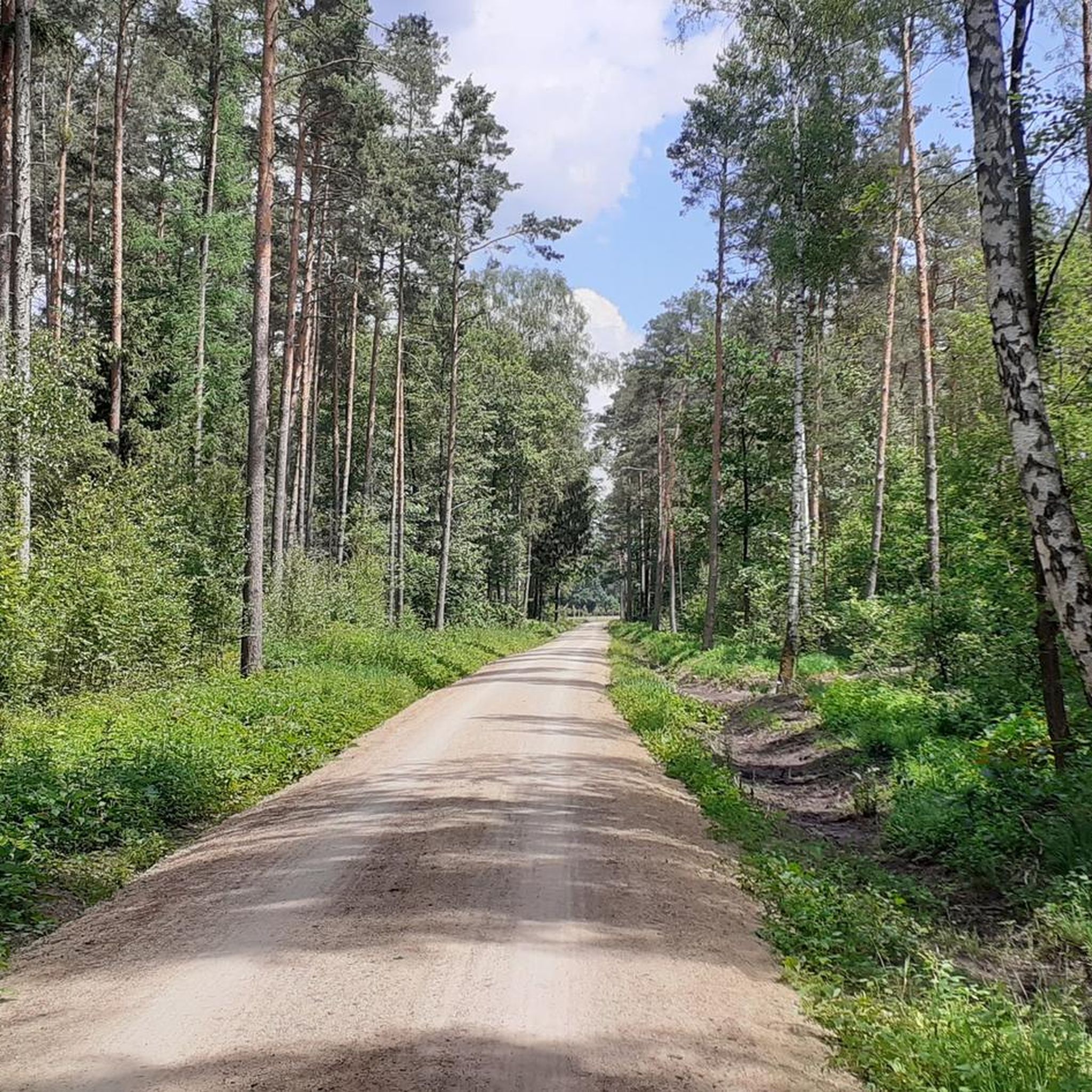
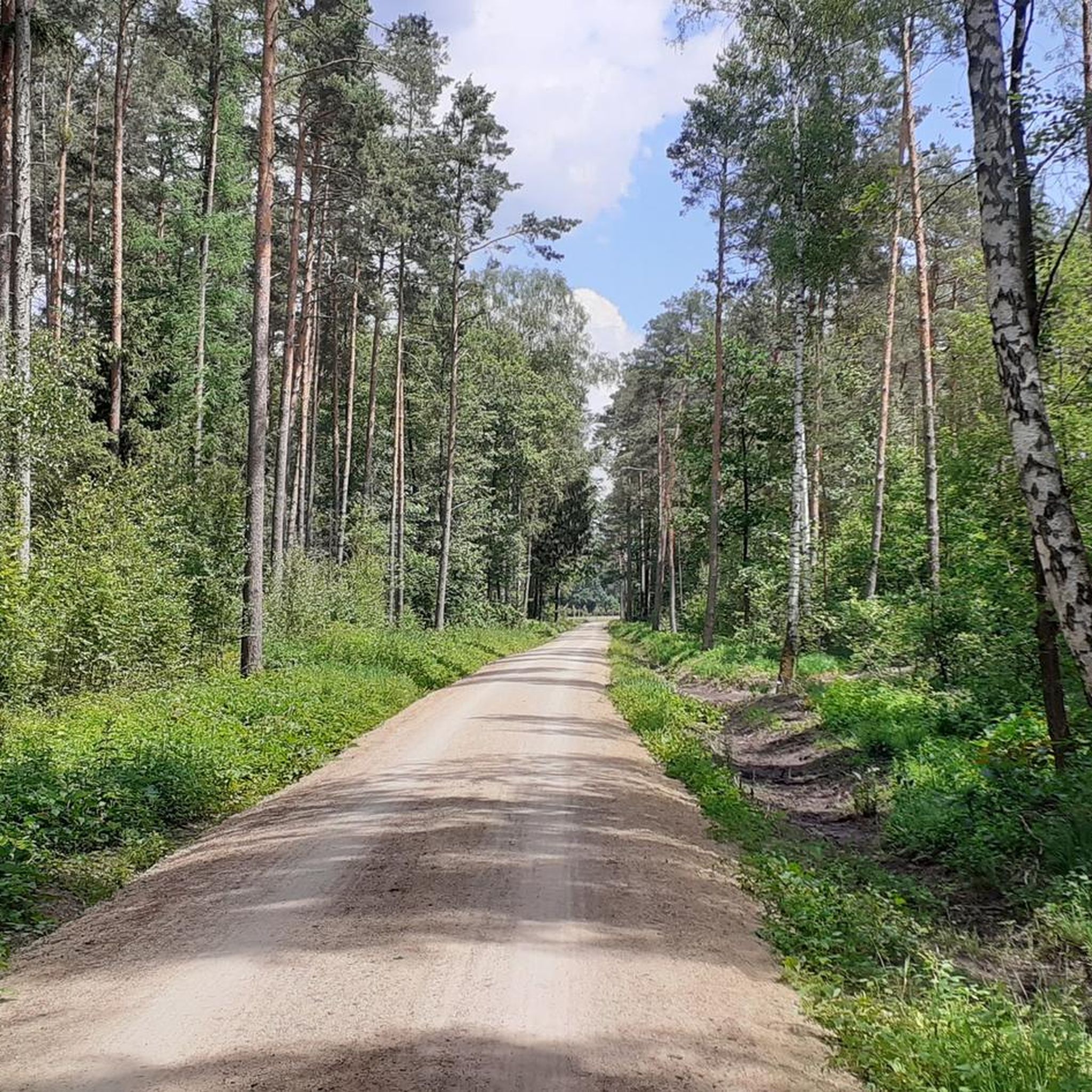
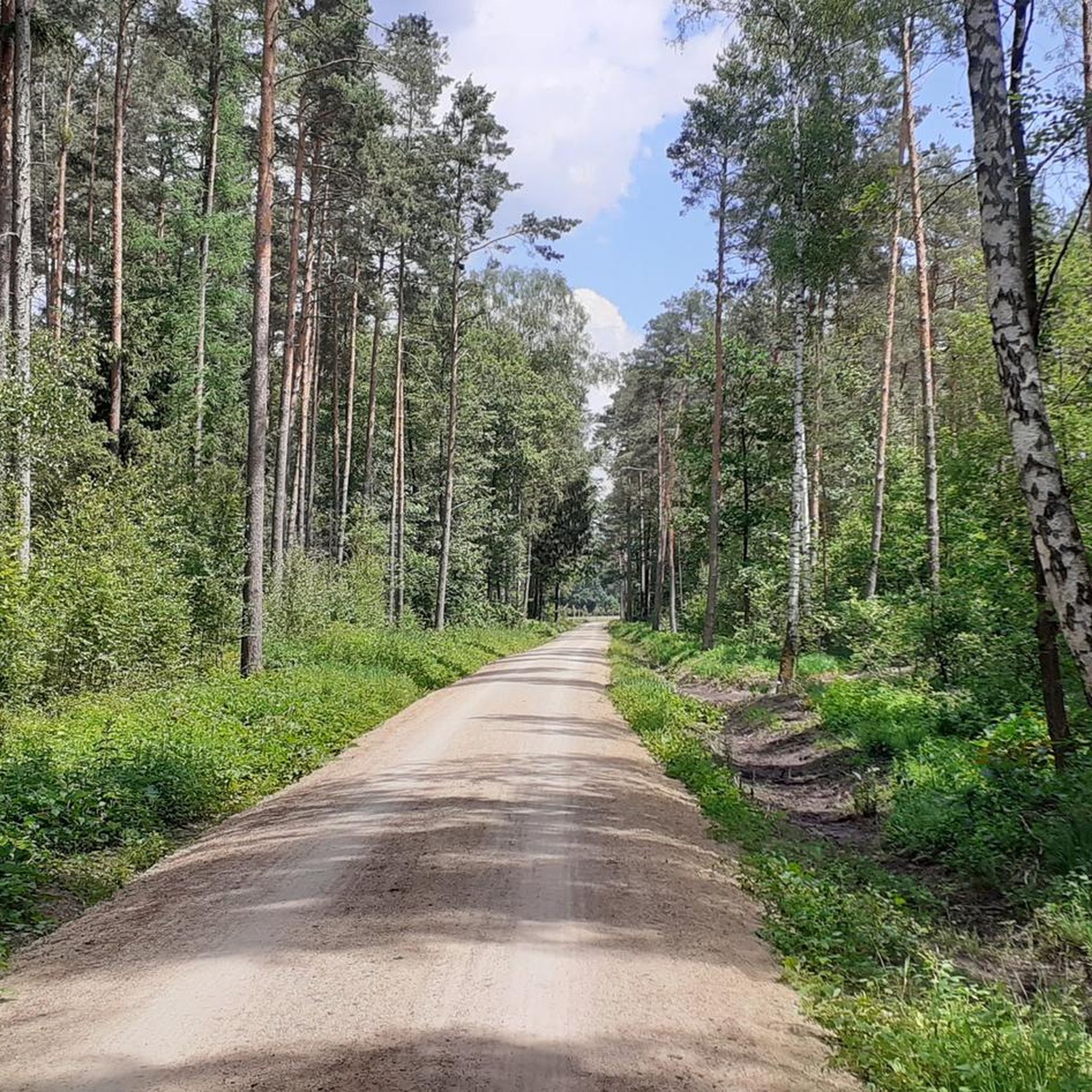
This path is actually called “Beer Path”.
0
0

Unfortunately always closed, but by chance we had a short opportunity to look inside
3
0

Unfortunately, it's almost NEVER open, even when it's opening time!
4
0

This is a very nice section of the Aurach Valley Cycle Path. Below the A3 bridge there is an old cellar that is closed with a grate and a sign indicating bats. The sacristan from Frauenraurach told me that the Nazis stored wine in the cellar and that the barrels were smashed by the Americans when the US army invaded. The population is said to have run to the cellar with all available scoops to collect the remains.
0
0


Replica of a dolomite stalactite cave in the Franconian Jura. The approximately 25 m long and up to 5 m high cave area shows hanging stalactites and standing sinter formations in a great variety of forms in an astonishing naturalness, which are not all real, but are deceptively reproduced. Open from April to mid-September, Sundays 2pm - 4pm.
5
0
Frequently Asked Questions
What types of caves can I explore around Buckenhofer Forst?
The region around Buckenhofer Forst, particularly Franconian Switzerland, is known for its diverse natural karst caves. You can find well-developed show caves with guided tours, natural formations, and even archaeological sites. Some caves are former ice cellars or serve as bat habitats, like the Bat cellar on Bierweg.
Which caves offer guided tours and developed access?
For a structured experience, consider visiting the Teufelshöhle (Devil's Cave) near Pottenstein, which is one of Germany's most beautiful show caves with rich stalactite formations and guided tours. Another excellent option is Sophienhöhle (Sophie's Cave) near Burg Rabenstein, known for its active dripstone formations and daily guided tours.
Are there any caves with historical or archaeological significance?
Yes, the Esperhöhle near Gößweinstein is a significant archaeological site where human skeletal fragments and artifacts from ancient periods have been found. The Jungferla Keller is also a natural monument with local legends associated with its history. Additionally, the Oswaldhöhle near Muggendorf has remnants of walls from the Thirty Years' War, indicating its historical use as a refuge.
Which caves are suitable for families with children?
The Teufelshöhle (Devil's Cave) near Pottenstein is highly recommended for families. It offers an immersive journey with music and light effects, making it entertaining and educational. Many of the freely accessible caves, such as Oswaldhöhle, are also suitable for families looking for a more natural exploration.
Are there any freely accessible caves in the region?
Yes, the Oswaldhöhle near Muggendorf is a spacious, approximately 65-meter-long walk-through cave that is freely accessible and crossed by official hiking trails. The Quackenschloss near Engelhardsberg is another easily reachable open rock grotto, valued for its picturesque location.
What is the best time of year to visit the caves around Buckenhofer Forst?
Most show caves are open from spring through autumn. Natural caves like Esperhöhle are closed from October to April to protect hibernating bats. For show caves like Teufelshöhle, the constant 9°C temperature makes them a good option even on hot summer days. Winter visits to natural caves like Oswaldhöhle can offer unique experiences with ice formations.
Are there any caves that are wheelchair accessible?
The König-Otto-Tropfsteinhöhle near Velburg is partly wheelchair accessible, offering a rich display of geological beauty to a wider audience.
What should I wear when exploring caves in the area?
Even in summer, caves maintain a cool temperature (around 9°C for show caves like Teufelshöhle), so it's advisable to wear warm clothing, such as a jacket or sweater. Comfortable, sturdy shoes with good grip are also recommended, especially for natural or less developed caves where paths might be uneven or damp.
Are there hiking trails that lead to or past these caves?
Many caves in the region are integrated into scenic hiking routes. For example, the Oswaldhöhle is part of the Frankenweg trail, and Esperhöhle is also accessible via hiking paths. You can find various hiking options in the area by exploring Hiking around Buckenhofer Forst.
What other outdoor activities can I do near the caves around Buckenhofer Forst?
Beyond cave exploration, the Buckenhofer Forst area offers a variety of outdoor activities. You can find numerous options for hiking, running, and road cycling. The Quackenschloss area is also known for sport climbing.
Are dogs allowed in or near the caves?
Policies vary depending on the cave. Show caves with guided tours typically do not allow dogs inside for safety and preservation reasons. For freely accessible natural caves, dogs are often permitted on trails leading to the caves, but it's always best to check local signage or specific cave regulations. Always keep dogs on a leash and clean up after them.
Where can I find unique geological formations in the caves?
The Teufelshöhle is famous for its ancient stalactite formations, including 'The Tree' and 'Giant Goliath,' and the intricate Barbarossa Dome. Sophienhöhle boasts a vast array of stalactites and stalagmites, including the massive 'Millionaire.' The König-Otto-Tropfsteinhöhle features impressive stalagnates, sinter basins, and unique formations like dogtooth spars and helictites in its Advent Hall.
Most popular routes around Buckenhofer Forst
Most popular attractions around Buckenhofer Forst

Get inspired with the komoot mobile app


Explore more
Extend your search for the best caves by checking out these guides of the top ones around Buckenhofer Forst:
