Top 11 Caves around Eckental
Best caves around Eckental are found within the broader Franconian Switzerland region, known for its diverse geological formations. This area features numerous karst caves, offering insights into the region's natural history. Many caves showcase impressive stalactites and stalagmites, formed over thousands of years. The landscape around Eckental provides a setting for exploring these subterranean natural attractions.
Best caves around Eckental
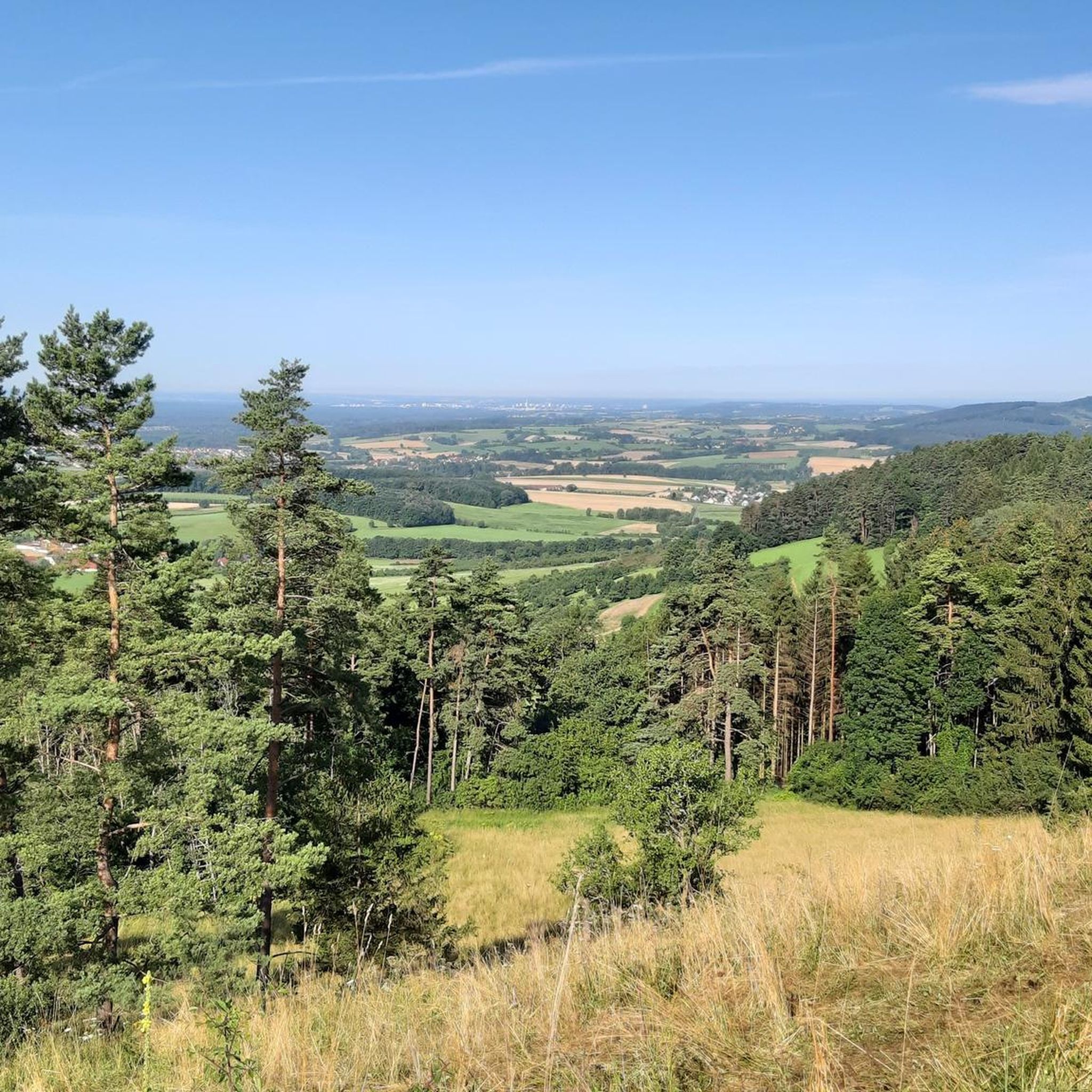
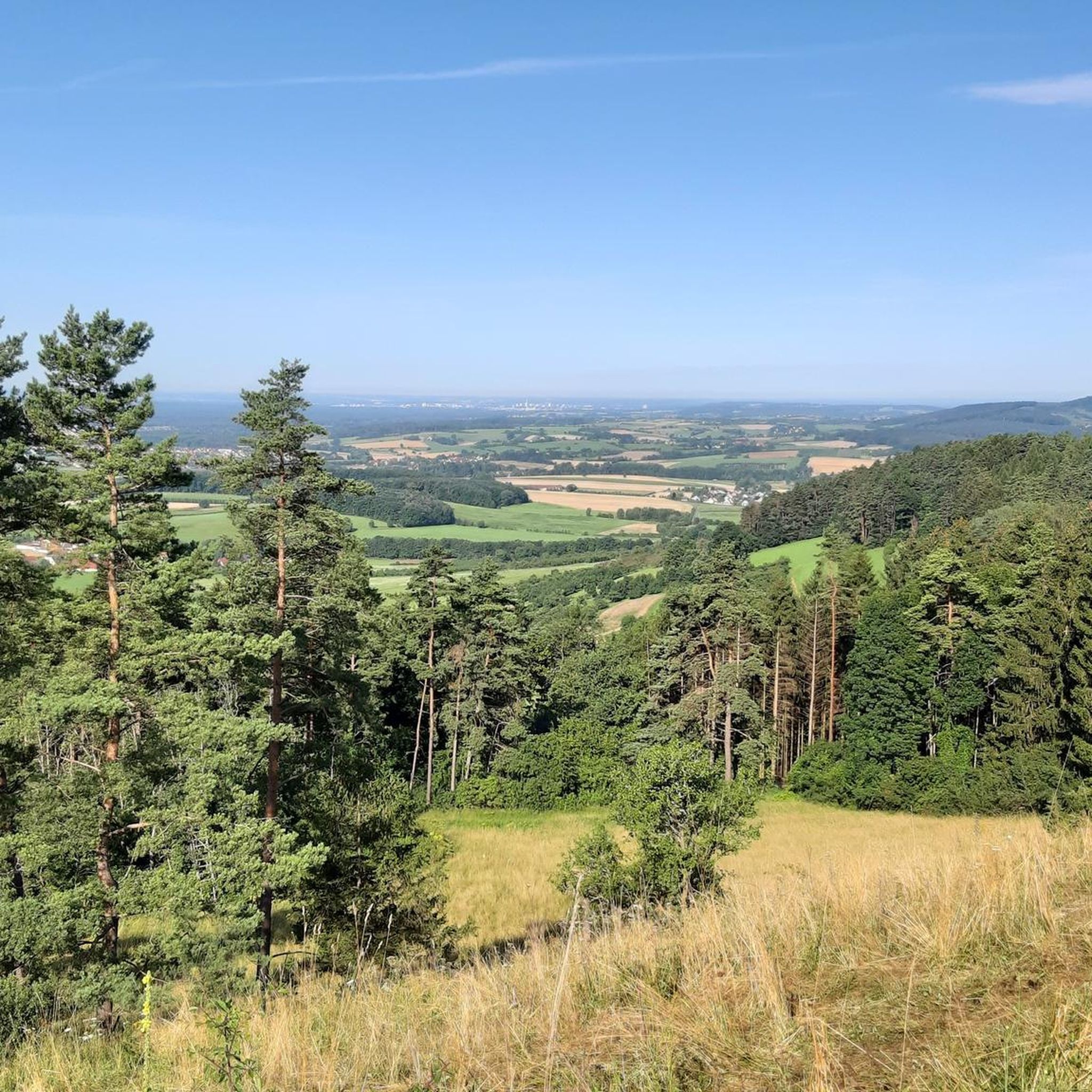
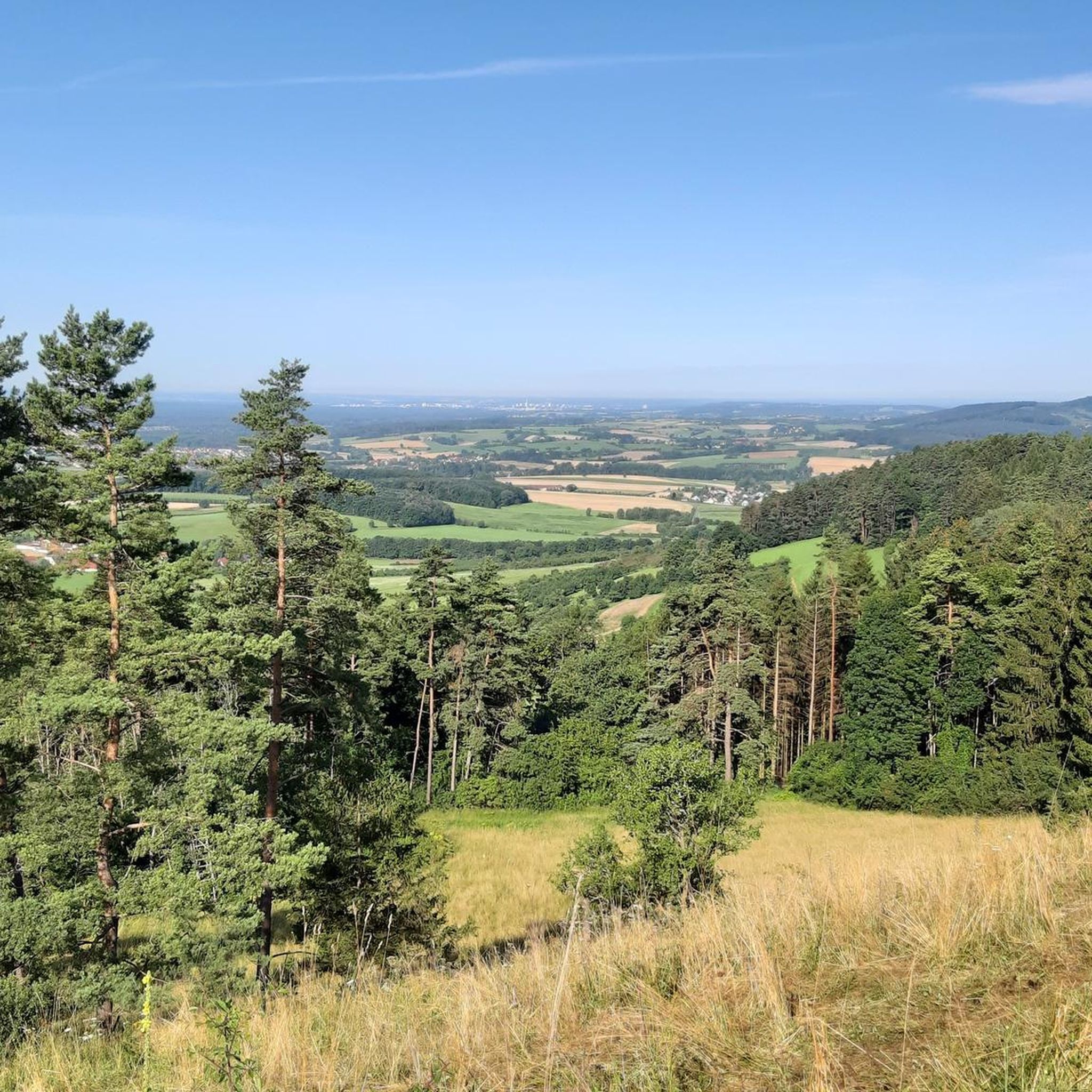
- The most popular caves is View from Glatzenstein, a viewpoint and cave. Below the lookout rock, a cave was…
Last updated: June 27, 2026
View from Glatzenstein
Highlight • Viewpoint
Translated by Google •
Tip by

Hohle Kirche Cave
Highlight • Cave
Translated by Google •
Tip by

Sign up now to discover places like this
Get recommendations on the best single tracks, peaks, & plenty of other exciting outdoor places.
Sign up for free
Strahlenfels castle site
Highlight • Historical Site
Translated by Google •
Tip by

Kuppenloch Cave
Highlight • Cave
Translated by Google •
Tip by

Felsenkeller Ice Cellar Neunkirchen am Brand
Highlight • Structure
Translated by Google •
Tip by

Sign up for free to discover even more caves around Eckental.
Sign up for free
Already have an account?
Start today with a free account
Your next adventure awaits.
Login or Signup
Tips from the Community

It's quite a climb, but the effort is worth it! The Hollow Church, an impressive dolomite rock formation with a passage and viewpoint, is definitely a highlight of the area!
4
0

On the west side of the Strahlenfels Castle Hill, a rocky spur branches off about 100 meters to the west, which was used to build a castle. The north side of the rocky spur drops about 15 meters vertically, and the west and south sides also drop steeply, partly interspersed with rocks, also 15 meters. Only the east side is connected to the slightly raised castle hill and had to be protected accordingly. There you can see a presumably natural ditch, which may have served as a neck ditch. Of the castle on the rocky spur, only a six-meter-long and two-meter-high wall remains (image 4), which is in danger of falling away, and two smaller wall remains on the east side, which are only visible from below, remain. There is also a round cistern with a diameter of about half a meter on the castle plateau. It is still about half a meter deep and filled with leaves. In 1589, there was still a residential building, opposite which was a brick floor, also a building, in which there was a cellar, a chapel and above it a grain store. The entrance to the castle was on the south side of the rocky outcrop (image 2) via a seven-step staircase hewn out of the rock (image 3), from which a narrow path led upwards. You can probably imagine the entrance being like that of Pottenstein Castle. Wildenfels Castle and Wolfsberg Castle also had similar entrances. There may have been an outer bailey on a 15-meter lower level of the terrain to the south, but nothing of it remains. At the foot of the rocky outcrop on the northwest side outside the castle complex there is a small cave, the Strahlenfels Castle Cave (Cave Register of the Franconian Alb, D 516), which was closed off from the outside with walls. It probably served as a storage room for the castle residents. Source: Wikipedia
3
0

Walk-in cave and also quite cool 🥶. Flashlight 🔦 would be good and helpful
2
0

Super nice view of the Trubachtal and great passage through the rock. Fun for smaller kids too. Well suited for a family hike.
6
0

Passage rock in an exposed location. At the other end, a fantastic view of the valley surprises you. Very beautiful!
4
0

the view after going through the passage cave is magnificent!
5
0

On the left side of the St 2243 road from Neunkirchen am Brand to Effeltrich (Forchheim district), hidden in a small group of trees, is the entrance to this former ice cellar. The group of trees is the natural monument 154 04 "Linde mit Arkazien am Felsenkeller" Fl. No. 782. Before the invention of refrigerators and cold stores, ice cellars were used to keep food fresh. They were either driven into sandstone rocks or built up with stones in holes in the ground and covered with a layer of earth. They usually consisted of an entrance area as an anteroom or (cold) lock and the actual cold room and therefore also had two doors. In winter, blocks of ice were extracted (sawed) from nearby ponds or lakes and taken to the ice cellar. The cooling effect could be used well into late summer with almost constant low temperatures. The ice cellars had a drainage system on the floor leading to the outside, in order to let the melt water and the condensation water forming on the walls and the ceiling run off to the outside.
0
0

Nice vantage point at the hollow church. There is also a bench to linger
12
1
Frequently Asked Questions
What types of caves can I explore near Eckental?
The region around Eckental, particularly Franconian Switzerland, offers a variety of subterranean experiences. You can find natural karst caves with impressive stalactites and stalagmites, historical sites with cave features like the Strahlenfels castle site, and even former ice cellars such as the Felsenkeller Ice Cellar Neunkirchen am Brand. Some caves, like the View from Glatzenstein, also have prehistoric significance.
Are there any family-friendly caves with easy access?
Yes, several caves in the broader region are well-suited for families and offer good accessibility. The König-Otto-Tropfsteinhöhle in Velburg is known for its accessibility, including for wheelchair users, and offers guided tours. While not directly in Eckental, the View from Glatzenstein is also considered family-friendly, offering a viewpoint and a cave below.
Which caves are known for their impressive geological formations?
The region boasts several caves with remarkable geological features. The Teufelshöhle (Devil's Cave) near Pottenstein is famous for its large halls and ancient stalactites, including the 'Emperor Barbarossa' formation. The König-Otto-Tropfsteinhöhle in Velburg features beautiful dripstone formations like stalactites, stalagmites, and stalagnates. The Binghöhle near Streitberg is a stalactite gallery cave with unique sinter plumes, pools, and eccentriques.
Can I find caves with historical significance near Eckental?
Absolutely. The View from Glatzenstein features a cave used in prehistoric times. The Strahlenfels castle site includes a small cave that served as a storage room for castle residents. The Sophienhöhle near Rabenstein has yielded prehistoric pottery finds, indicating ancient human use. Additionally, the Felsenkeller Ice Cellar Neunkirchen am Brand is a historical man-made cave used for food preservation before modern refrigeration.
What are some challenging cave experiences for more adventurous visitors?
For those seeking a more challenging experience, the Kuppenloch Cave is described as challenging, requiring a flashlight and offering a cool, walk-in experience with a water basin. The path to the Strahlenfels castle site, which includes a cave, is also noted as challenging and can be difficult to navigate due to overgrown paths.
Are there guided tours available for the caves?
Yes, several of the larger caves in the Franconian Switzerland region offer guided tours. The Teufelshöhle near Pottenstein and the König-Otto-Tropfsteinhöhle in Velburg both provide guided tours lasting around 45 minutes, with audio guides available in English at Teufelshöhle. The Binghöhle near Streitberg has also offered guided tours since 1906.
What outdoor activities can I combine with a cave visit near Eckental?
The area around Eckental is excellent for combining cave exploration with other outdoor activities. You can find numerous routes for cycling, running, and mountain biking. Many trails lead past natural attractions, including some of the caves or viewpoints like the Hohle Kirche Cave, which offers a view of the Trubachtal after a cave-like passage.
What should I wear when visiting caves in the Eckental region?
Caves generally maintain a cool and consistent temperature year-round, often significantly cooler than the outside air, even in summer. It's advisable to wear layers of clothing, including a jacket or sweater, and sturdy, closed-toe shoes with good grip, as surfaces can be damp or uneven. For unlit or more adventurous caves like Kuppenloch Cave, a flashlight is highly recommended.
What is the best time of year to visit the caves?
Many of the developed show caves, like Teufelshöhle and König-Otto-Tropfsteinhöhle, are open for much of the year, though it's always best to check their specific operating hours. The Esper Cave is particularly walkable during the summer months. Visiting in spring or autumn can offer pleasant temperatures for exploring the surrounding landscapes before or after your cave visit.
Are there any caves that offer scenic viewpoints?
Yes, several cave-related highlights also provide excellent views. The View from Glatzenstein offers a wonderful panorama over the Nuremberg area. The Hohle Kirche Cave leads to a vantage point with a beautiful view of the Trubachtal. Even the challenging Strahlenfels castle site, with its cave, offers distant views from its rocky outcrop.
What are some unique features of the caves in this region?
The caves near Eckental and in Franconian Switzerland are known for their unique characteristics. The Binghöhle is notable for following the path of a former river and its variety of formations like translucent sinter plumes and eccentriques. The Sophienhöhle stands out for its fantastic stalactites in various colors, including ochre, brown, and red. The Teufelshöhle features the impressive Barbarossa Dome with its filigree pagoda-shaped stalactite structure.
Most popular routes around Eckental
Most popular attractions around Eckental

Get inspired with the komoot mobile app


Explore more
Extend your search for the best caves by checking out these guides of the top ones around Eckental:
