Top 8 Caves around Forst Tennenlohe
Best caves around Forst Tennenlohe are found in the broader region, as Forst Tennenlohe itself is primarily a nature reserve and forest known for its sandy ecosystems and Przewalski's horses. While natural caves are not within its immediate boundaries, the surrounding areas offer diverse subterranean experiences. These include dedicated bat habitats and significant historical underground structures in nearby Nuremberg. The region provides opportunities to explore both wildlife protection sites and man-made historical formations.
Best caves around Forst Tennenlohe
- The most…
Last updated: June 27, 2026
Bat cellar on Bierweg
Highlight • Cave
Translated by Google •
Tip by

Casemates and Loch Water Conduit Nuremberg
Highlight • Historical Site
Translated by Google •
Tip by

Sign up now to discover places like this
Get recommendations on the best single tracks, peaks, & plenty of other exciting outdoor places.
Sign up for free
Hausbrauerei Altstadthof
Highlight • Pub
Translated by Google •
Tip by
Historic Art Bunker Nuremberg
Highlight • Historical Site
The …
Translated by Google •
Tip by

Jungferla Keller
Highlight • Cave
Translated by Google •
Tip by

Sign up for free to discover even more caves around Forst Tennenlohe.
Sign up for free
Already have an account?
Start today with a free account
Your next adventure awaits.
Login or Signup
Tips from the Community

The "Jungferla Spring" originates in this 85-meter-long, multi-branched sandstone cellar. In the 1960s, the entrance to the sandstone cellar was bricked up and overgrown for safety reasons. It was thus no longer visible, but it wasn't entirely forgotten by the residents of Baiersdorf. In 2006, the water in the renovated Jungferla Fountain dried up shortly before its inauguration. This prompted the decision to search for the spring's source in the buried sandstone cellar. After extensive excavation, the former cellar entrance was found bricked up. On December 5, 2006, the cellar was entered again for the first time. Its condition was so good that the local history society, with the support of sponsors and local businesses, renovated and restored it, redesigning the entrance area. On May 25, 2008, the cellar was reopened to the public with the first "Jungferla Cellar Festival." Due to popular demand, a "cellar festival" is now held every year on Ascension Day. Sandstone or rock cellars have a long tradition in Franconia. They were used primarily for storing beer, wine, and agricultural products. Without additional cooling, the cellars maintain a constant temperature of around 8°C year-round. Because beer was stored in the cellars, a tavern was often built nearby, usually above or in front of them – which is why even today in Franconia people still go "to the cellar" rather than to a beer garden. The cellars consist of passages of varying lengths and sizes, hewn into hillsides. The cellar is closed off with a gate. {Source: Information panel on site]
0
0

Nuremberg from below, totally worth seeing.
0
0
Beer is brewed here, and whiskey, gin and beer brandy are distilled. Everything is served in the in-house pub, and there is also hearty food. Everything is served by friendly staff. If you don't stop here, it's your own fault.
0
0
History to experience and touch
0
0

This path is actually called “Beer Path”.
0
0

The rock passages in Nuremberg are absolutely worth seeing. Since this is a guided tour, please find out more online or at the information point on the main market square
1
0
During the tour, you not only dive into the rock passages, but you can also visit the brewery
1
0

Guided tours daily Tour duration: approx. 60 minutes Maximum number of participants: 20 people Booked groups by arrangement (German, English, max. 20 people) Audio guides: English, French, Spanish, Italian Meeting point: Historical Art Bunker, Obere Schmiedgasse 52 Several tours on different topics start from here. https://www.unterwelten-nuernberg.de/kunstbunker/ OR for other tours https://www.unterwelten-nuernberg.de/
10
0
Frequently Asked Questions
What types of underground experiences can I find near Forst Tennenlohe?
While Forst Tennenlohe itself is a nature reserve without natural caves, the broader region offers diverse subterranean experiences. These include dedicated bat habitats, significant historical underground structures in nearby Nuremberg, and impressive natural cave systems further afield in Franconian Switzerland.
Where can I see bats near Forst Tennenlohe?
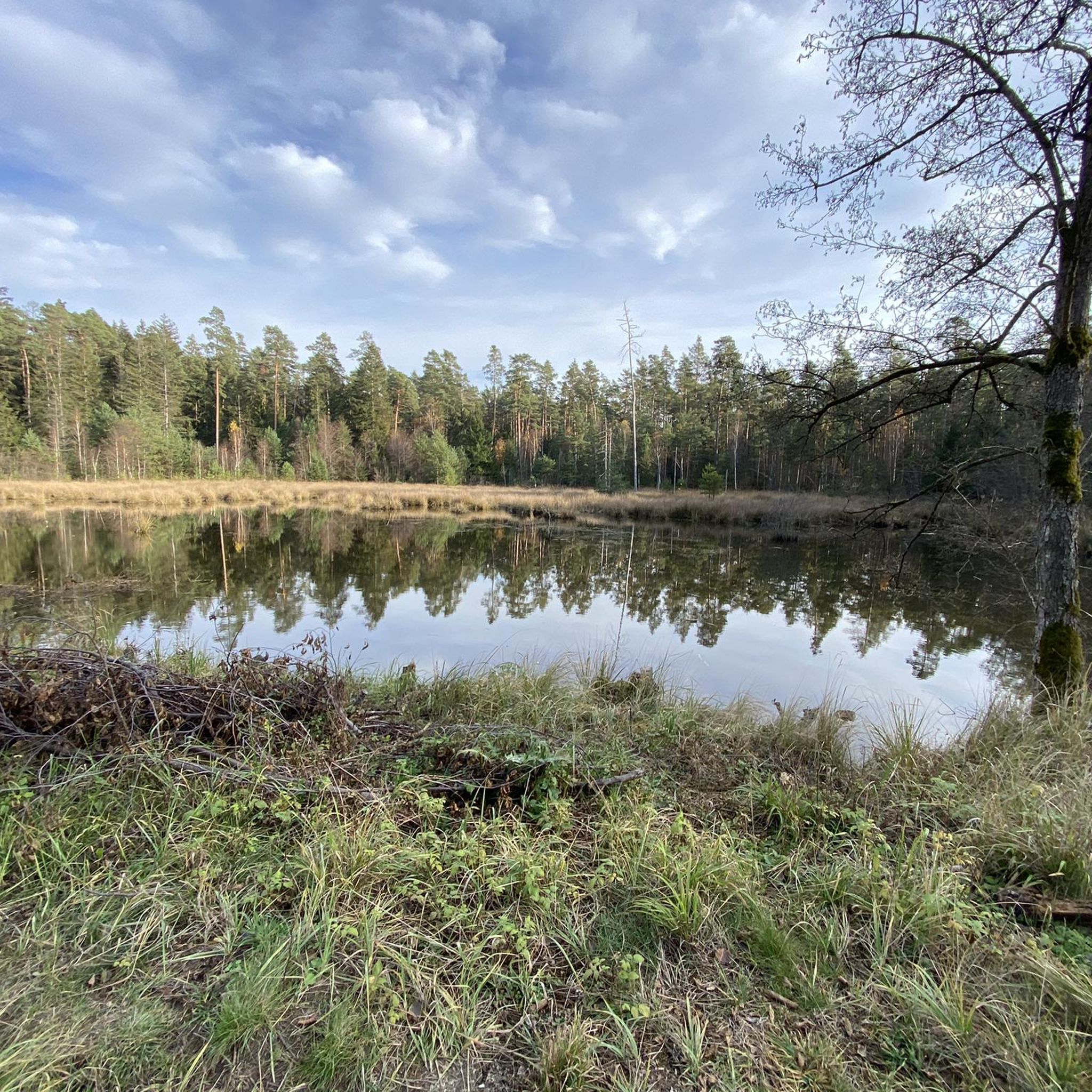
You can find a dedicated bat dwelling at the Bat cellar on Bierweg. This former wine cellar, located along the edge of the forest on Wiesengrund, is now a protected habitat for endangered bats, so access is blocked to ensure their safety.
Are there historical underground sites to explore in the area?
Yes, nearby Nuremberg offers significant historical underground complexes. You can explore the Historic Rock-Cut Cellars of Nuremberg, a complex system of medieval tunnels and cellars, or the Casemates and Loch Water Conduit Nuremberg, a network of high-vaulted passageways deep within the castle bastions used for defense and water management. Another notable site is the Historic Art Bunker Nuremberg, which protected invaluable art treasures during WWII.
Can I take guided tours of the historical underground sites in Nuremberg?
Yes, guided tours are available for several historical sites. For the Historic Rock-Cut Cellars of Nuremberg, tours often combine a city walk with exploration of the cellar labyrinth. The Casemates and Loch Water Conduit Nuremberg also offer tours to explore their defensive passages. The Historic Art Bunker Nuremberg provides daily guided tours, with audio guides available in multiple languages.
Where can I find natural show caves with stalactites and stalagmites?
For natural geological formations, you'll need to venture into Franconian Switzerland, located north of Nuremberg. This region is famous for its karst caves, including the impressive Devil's Cave (Teufelshöhle) near Pottenstein, which features extensive passages and ancient stalactites. Other significant natural caves in Franconian Switzerland include Sophien Cave, Bing Cave, and Oswald Cave.
Are the caves around Forst Tennenlohe suitable for families?
The historical underground sites in Nuremberg, such as the Historic Rock-Cut Cellars and the Historic Art Bunker, are generally suitable for families, offering educational and engaging tours. Natural show caves in Franconian Switzerland like Devil's Cave are also popular family destinations with well-maintained paths and guided tours.
What is the best time to visit the caves near Forst Tennenlohe?
The historical underground sites in Nuremberg are accessible year-round, making them a good option regardless of the season. Natural show caves in Franconian Switzerland are typically open during warmer months, though some may offer limited winter access. Always check specific opening hours before planning your visit.
What should I wear when exploring the underground sites?
Underground environments, even historical bunkers or show caves, tend to be cooler and damp regardless of the outside weather. It's advisable to wear comfortable walking shoes and bring a light jacket or sweater, even in summer.
Are there any pubs or cafes near the historical underground sites in Nuremberg?
Yes, the historical sites in Nuremberg are located within the city, offering numerous options for food and drink. The Hausbrauerei Altstadthof is a brewery located at a historic brewing site near the Imperial Castle, offering local beers and food, and also sells tickets for tours of the historic rock passages.
What outdoor activities can I combine with a visit to the caves around Forst Tennenlohe?
Forst Tennenlohe itself is excellent for outdoor activities. You can find numerous trails for running, mountain biking, and cycling. For example, explore routes like the 'Siebenstein Stone Cross loop' for running, the 'Winterleite Singletrail' for mountain biking, or the 'Bronze Sculpture of a Couple loop' for cycling. You can find more details on these activities in the Running Trails around Forst Tennenlohe, MTB Trails around Forst Tennenlohe, and Cycling around Forst Tennenlohe guides.
What do visitors enjoy most about the underground experiences in this region?
Visitors appreciate the unique blend of history and natural wonder. The historical sites in Nuremberg offer a fascinating glimpse into the city's past, from medieval beer storage to WWII art protection, often highlighted by engaging guided tours. The natural caves in Franconian Switzerland are admired for their impressive geological formations and the sheer beauty of stalactites and stalagmites.
Most popular routes around Forst Tennenlohe
Most popular attractions around Forst Tennenlohe

Get inspired with the komoot mobile app


Explore more
Extend your search for the best caves by checking out these guides of the top ones around Forst Tennenlohe:
