Top 5 Castles around Waltenhausen
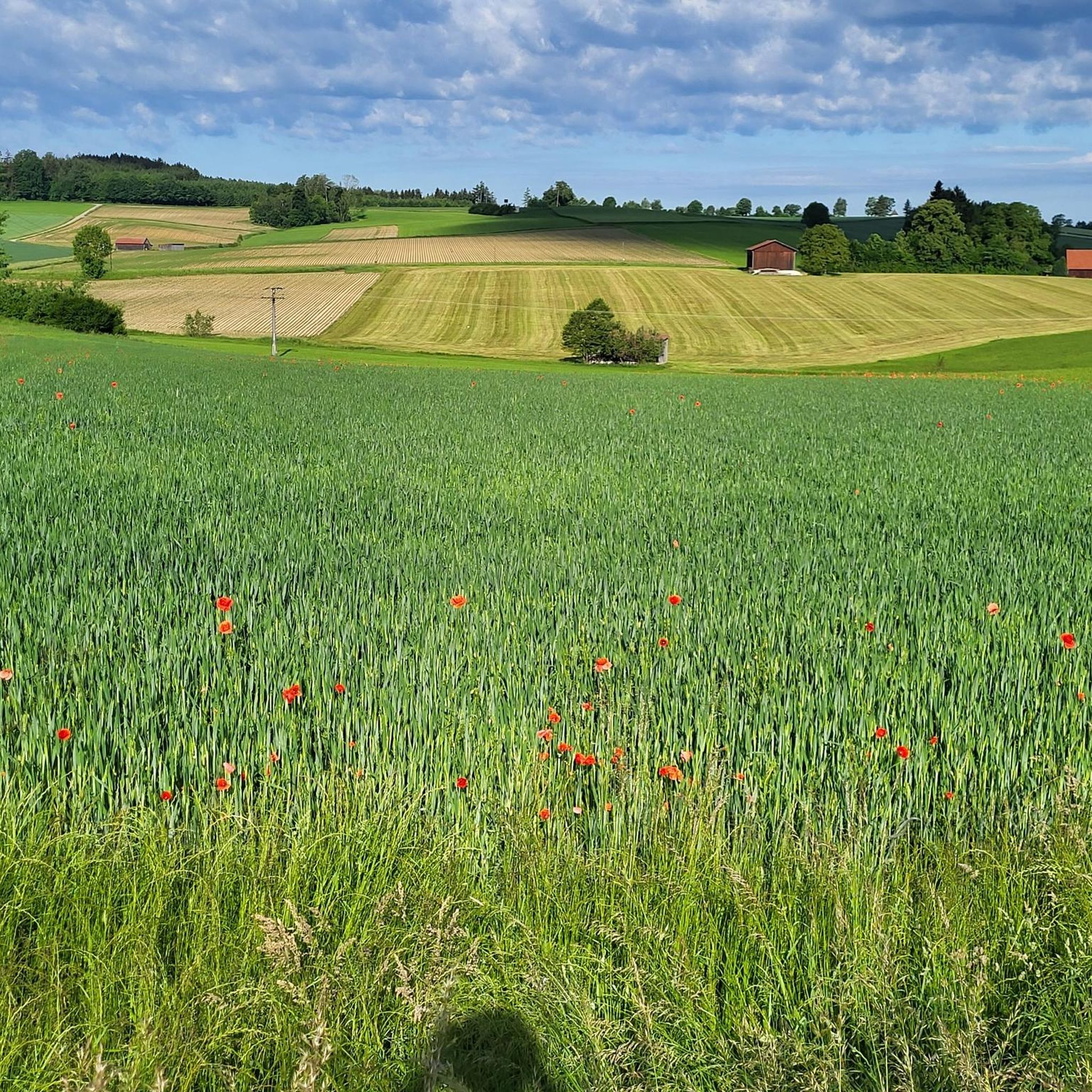
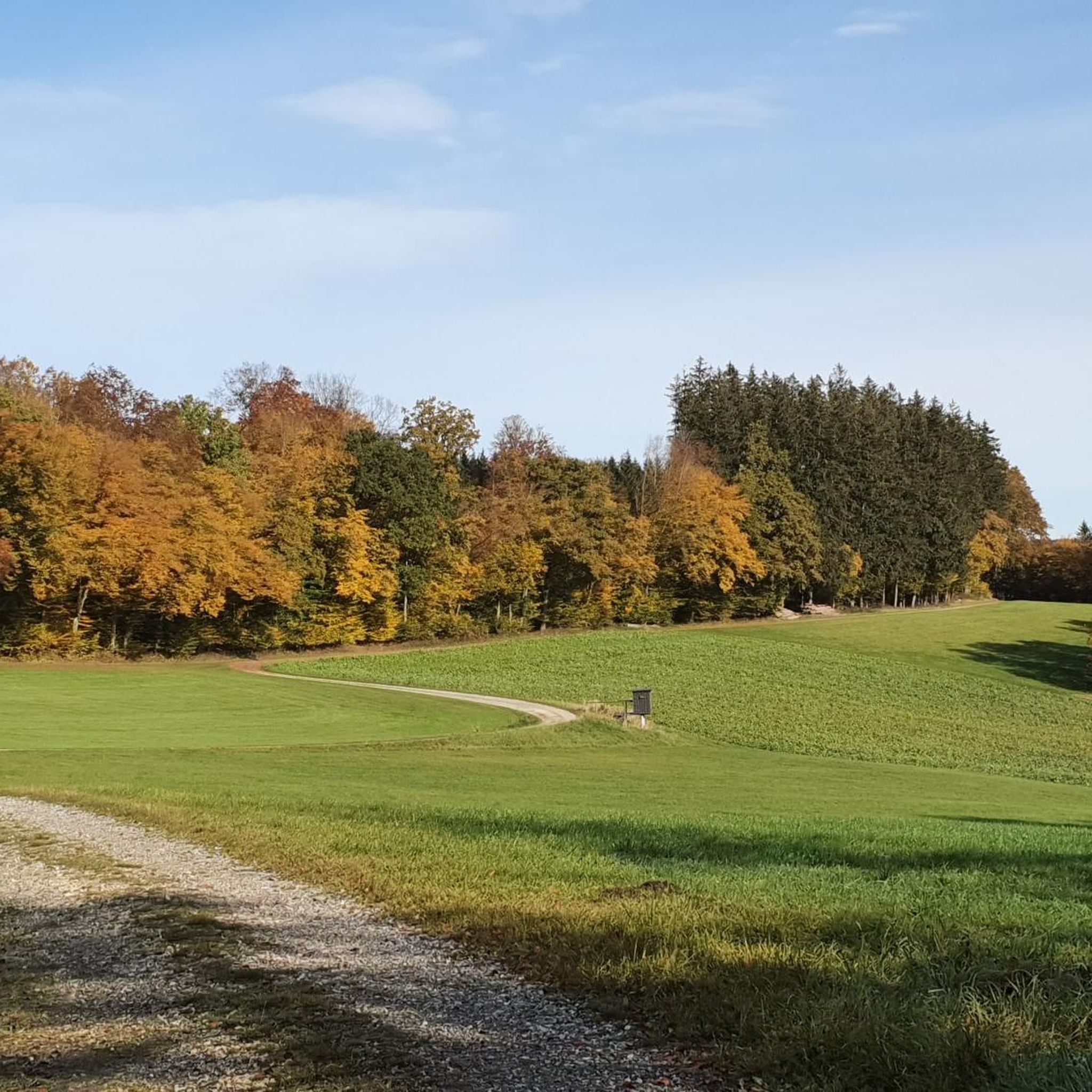
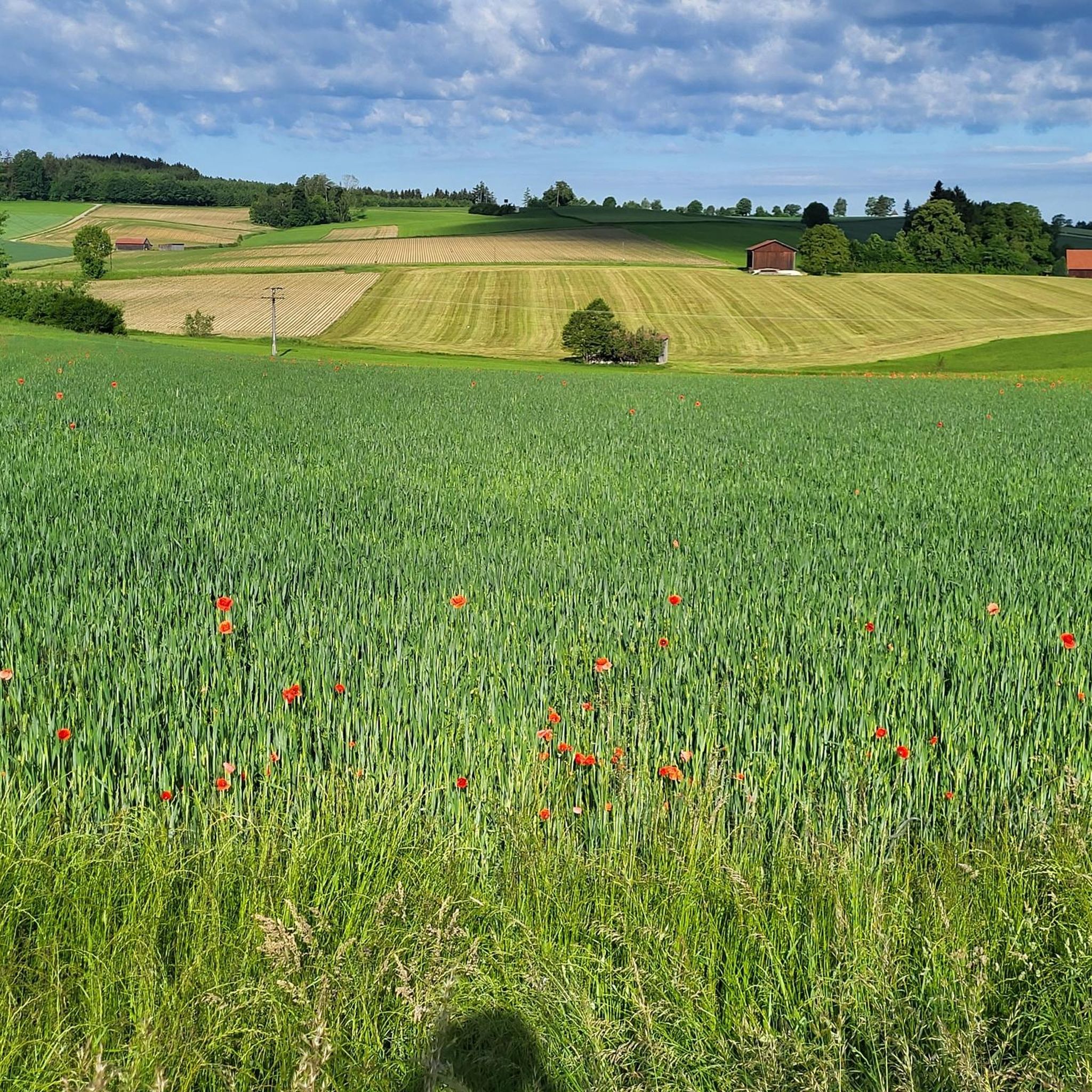
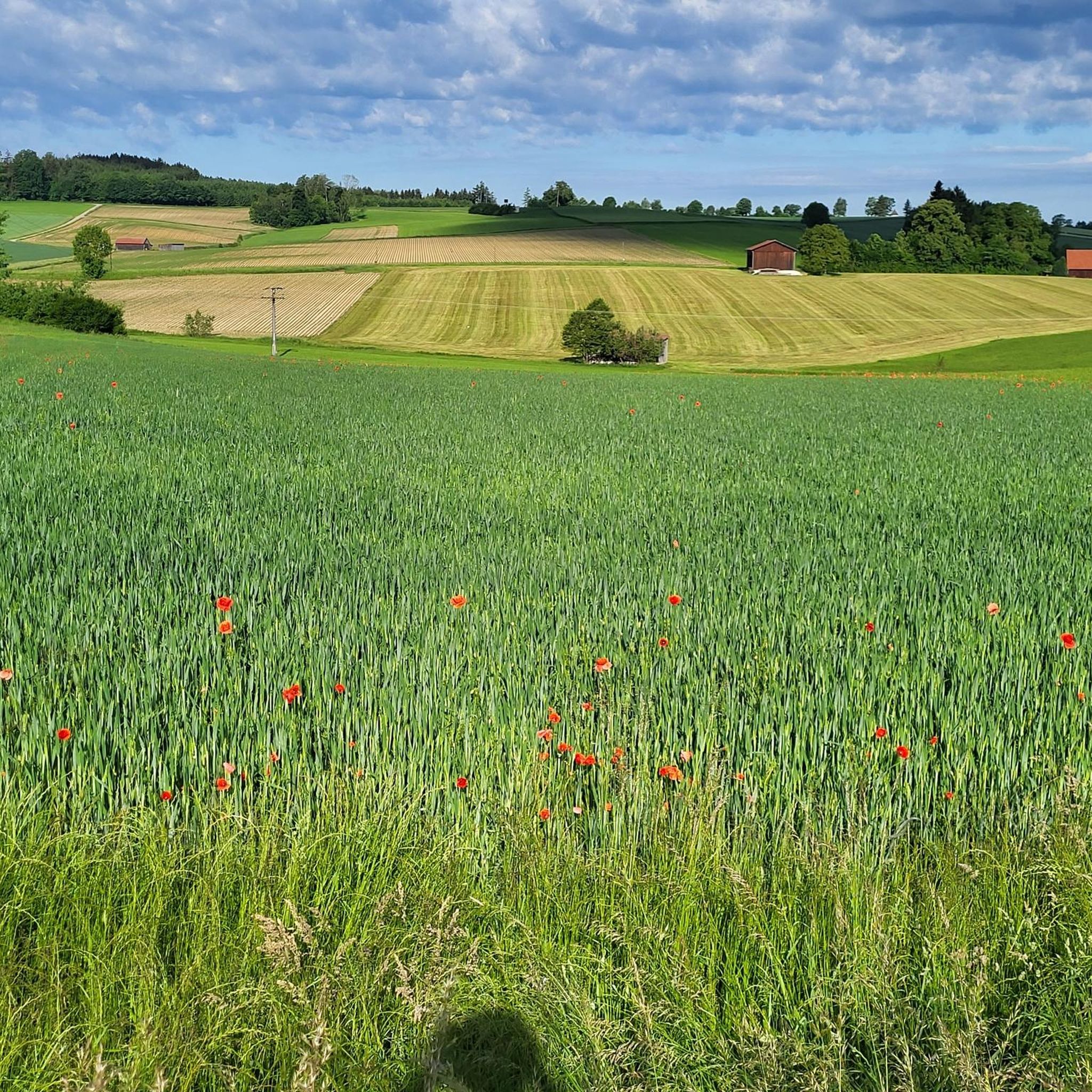
Best castles around Waltenhausen are located in the Günzburg district of Bavaria, Germany. This region, part of Swabia, features a landscape characterized by gentle hills and river valleys. While Waltenhausen is a small municipality, the surrounding area offers a collection of historical sites, including castles and former noble residences. The area provides opportunities to explore historical architecture within a rural setting.
Best castles around Waltenhausen
- The most popular castles is Fugger Castle, Kirchheim, a castle that is a built…
Last updated: June 27, 2026
Fugger Castle, Kirchheim
Highlight • Castle
Translated by Google •
Tip by

Hürben Water Castle
Highlight • Monument
Translated by Google •
Tip by

Sign up now to discover places like this
Get recommendations on the best single tracks, peaks, & plenty of other exciting outdoor places.
Sign up for free
St. Andreas Church, Babenhausen
Highlight • Religious Site
Is worth a quick visit.
In addition …
Translated by Google •
Tip by

Römer Tower (Altenschönegg Castle)
Highlight • Historical Site
Translated by Google •
Tip by

Castell Bedernau Castle
Highlight • Castle
Further information at de.wikipedia.org/wiki/Schloss_Bedernau
Translated by Google •
Tip by

Sign up for free to discover even more castles around Waltenhausen.
Sign up for free
Already have an account?
Start today with a free account
Your next adventure awaits.
Login or Signup

Tips from the Community

A moated castle on dry land? Until the 16th century, the Kammel River flowed directly past this spot. Surrounded by a pond and marshy terrain, Hürben Castle once stood like an island. To prevent the building from sinking into the soft ground, it was built on massive wooden piles in the 15th century. The walls, which widen towards the bottom, also stabilize the structure. That the construction has stood since 1474 is truly remarkable. Today, the castle houses the Swabia District's advisory center for folk music.
0
0

Just to watch the storks in their busy activity
1
0

Today, the Hürben Water Castle houses the Swabia District Folk Music Advisory Center. It also houses a gallery, open since 2018, showcasing artwork and exhibitions. The newly designed grounds at Hürben Water Castle were officially opened in 2019, with water from the new fountain system playing a key role.
1
0
Great church in Babenhausen in the middle of town
1
0

Not far from the Hürben moated castle is the Hürben Synagogue Square. The memorial commemorates the deportation and murder of 14 Krumbach Jews in 1942.
1
0

A reconstructed Roman tower very nice view
0
0

The Roman Catholic parish church[1] of St. Andreas is a baroque church in Babenhausen in Upper Swabia, Bavaria. The local parish appears for the first time in 1235. In 1315 Heinrich von Schönegg sold half of Babenhausen incl. Church ordinance to Konrad von Rottenstein In 1499, the Lords of Rechberg donated a perpetual Holy Mass on the altar of Our Lady. The choir and the tower substructure have been preserved from the late Gothic church of the 15th century. In 1538 Anton Fugger acquired the rule, which also included the right of patronage over the church in Babenhausen. The church was designated as the family's main church and burial place. In the 16th century a new nave was built and in 1562 the tower was raised by an octagon. After damage during the Thirty Years' War, repairs were carried out. From 1714 to 1717, Michael Stiller was commissioned to redesign the interior in the Baroque style. The sign was added in the middle of the 18th century. Source: https://de.wikipedia.org/wiki/St._Andreas_(Babenhausen)
1
0

The church in Babenhausen is an imposing building in the middle of town.
2
0
Frequently Asked Questions
What historical castles can I visit near Waltenhausen?
You can explore several historical sites. Fugger Castle, Kirchheim, built between 1578 and 1583, offers a glimpse into the Fugger family's legacy with its castle garden and famous cedar hall. Another notable site is Hürben Water Castle, a 15th-century moated castle built on massive wooden piles, which now houses the Swabia District's advisory center for folk music. Additionally, the Römer Tower (Altenschönegg Castle), a 30-meter-high keep, stands as a remnant of Altenschönegg Castle and serves as a lookout tower.
Are there any family-friendly castles or historical sites in the Waltenhausen area?
Yes, several sites are suitable for families. Fugger Castle, Kirchheim, with its accessible castle garden, is a great option. Hürben Water Castle also welcomes families to explore its unique architecture and learn about folk music. While not a castle, the historical St. Andreas Church, Babenhausen, is also listed as family-friendly and offers a glimpse into baroque architecture.
What kind of outdoor activities can I do near the castles around Waltenhausen?
The region around Waltenhausen offers various outdoor activities. You can find numerous running trails, including loops from Niederraunau and Waltenhausen. For cyclists, there are gravel biking routes like the Iller-Roth-Günz Railway Cycle Path loop. If you prefer mountain biking, explore the MTB trails, such as the Krumbach Forest Adventure Trail.
Can I visit the interior of the castles, or are they mostly ruins?
It varies by location. At Fugger Castle, Kirchheim, the castle garden and the world-famous cedar hall are open to visitors. Hürben Water Castle is well-maintained and houses a folk music center. The Römer Tower (Altenschönegg Castle) is a preserved keep that functions as a lookout tower, though its internal stairs can be dark and challenging. Castell Bedernau Castle is noted as being a bit run down.
Are there any castles near Waltenhausen that offer viewpoints or scenic vistas?
Yes, the Römer Tower (Altenschönegg Castle) is a 30-meter-high keep that was specifically made accessible to the public as a lookout tower, offering views of the surrounding area. Fugger Castle, Kirchheim is also categorized as a viewpoint, with its church tower rising above the Mindeltal.
What is the history behind Hürben Water Castle?
Hürben Water Castle is a remarkable 15th-century structure built on massive wooden piles to prevent it from sinking into the soft, marshy ground. Until the 16th century, the Kammel River flowed directly past this spot, making it an island-like fortress. Its unique construction has allowed it to stand since 1474, and today it serves as the Swabia District's advisory center for folk music.
What do visitors enjoy most about the castles and historical sites in this region?
Visitors appreciate the rich history and architectural beauty of the sites. For instance, Fugger Castle, Kirchheim is described as a 'beautiful facility' and 'worth seeing,' especially its cedar hall. The Römer Tower (Altenschönegg Castle) is noted as a 'very interesting excursion into the history of Schwaben.' The overall appeal lies in exploring these historical structures within a rural Bavarian setting.
Are there any castles that are now hotels or restaurants near Waltenhausen?
While not listed in the immediate highlights for Waltenhausen, the broader region around Günzburg includes Burtenbach Castle (Schloss Burtenbach). This charming Renaissance castle, built in the 16th century, has been converted into a hotel and restaurant, offering a historic setting and German cuisine.
What is the significance of the Fugger family in relation to the castles here?
The Fugger family, a prominent commercial family from Augsburg, played a significant role in the region's history. Fugger Castle, Kirchheim was built by a branch of this family between 1578 and 1583. Additionally, the St. Andreas Church in Babenhausen became the Fugger family's main church and burial place after Anton Fugger acquired the rule in 1538.
Is there public transport available to reach the castles around Waltenhausen?
Information on specific public transport routes directly to each castle is not readily available. It is generally recommended to check local bus schedules or consider driving, as many historical sites in rural Bavarian areas like Waltenhausen are best accessed by car.
Are there any challenging walks or hikes to reach these castles?
The Römer Tower (Altenschönegg Castle) involves walking up old, dark stairs inside the keep, which can be challenging. While not directly to a castle listed in the highlights, the broader region has sites like Neuburg Castle, which is high on a mountain with access noted as challenging for cyclists. For general hiking, you can explore various running and MTB trails in the area, some of which are rated moderate to difficult.
What is the best time of year to visit the castles near Waltenhausen?
The castles and historical sites in the Waltenhausen region can be visited year-round. However, spring and autumn offer pleasant temperatures for exploring the castle grounds and surrounding nature. Summer provides longer daylight hours, while winter can offer a unique, serene atmosphere, though some outdoor areas might be less accessible depending on snow conditions.
Most popular routes around Waltenhausen
Most popular attractions around Waltenhausen

Get inspired with the komoot mobile app


Explore more
Looking for the best castles somewhere else? Discover other guides around Waltenhausen:
