Top 18 Castles around Wemding
Best castles around Wemding, a town in Bavaria, Germany, primarily feature historical remnants and sites related to former castle structures. The area is characterized by its medieval origins, with fortifications like the Schlosshof and the Burg Wemding on the Ziegelberg. Visitors can explore the historical core of the town, which provides insight into its early administrative and defensive structures. The preserved town wall and historical buildings contribute to the medieval ambiance.
Best castles around Wemding
- The most popular castles is…
Last updated: June 27, 2026
Oettingen Historic Old Town
Highlight • Historical Site
Translated by Google •
Tip by

Princely Residence Palace Oettingen
Highlight • Castle
Showing Translation
Tip by

Sign up now to discover places like this
Get recommendations on the best single tracks, peaks, & plenty of other exciting outdoor places.
Sign up for free
Steinhart Castle Ruins
Highlight • Castle
Translated by Google •
Tip by

Residential Palace
Highlight • Castle
Translated by Google •
Tip by

St. Michael's Castle Church
Highlight • Religious Site
Translated by Google •
Tip by

Sign up for free to discover even more castles around Wemding.
Sign up for free
Already have an account?
Start today with a free account
Your next adventure awaits.
Login or Signup
Popular around Wemding
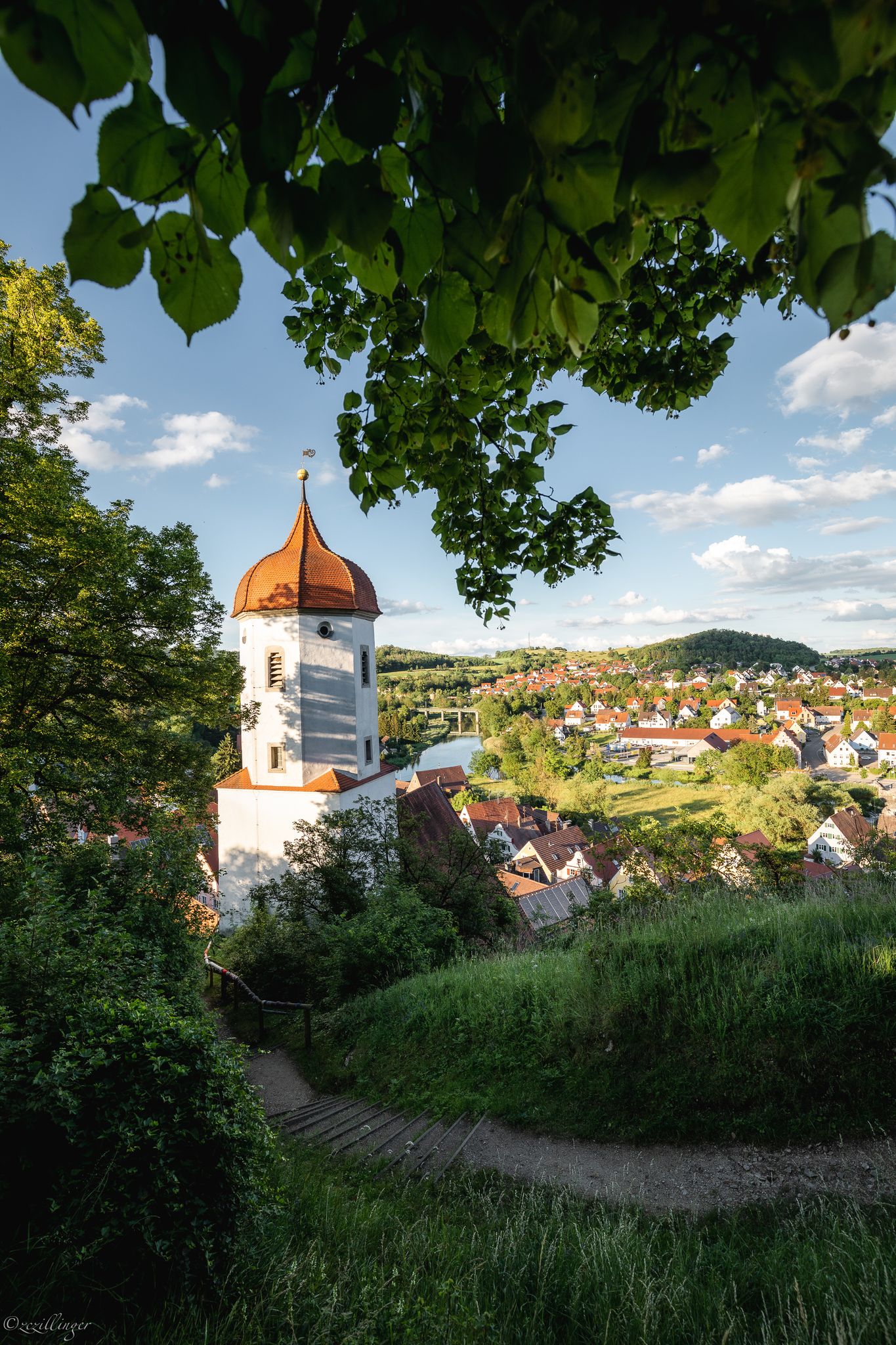
Augsburger Jakobsweg – Through Bavarian-Swabia
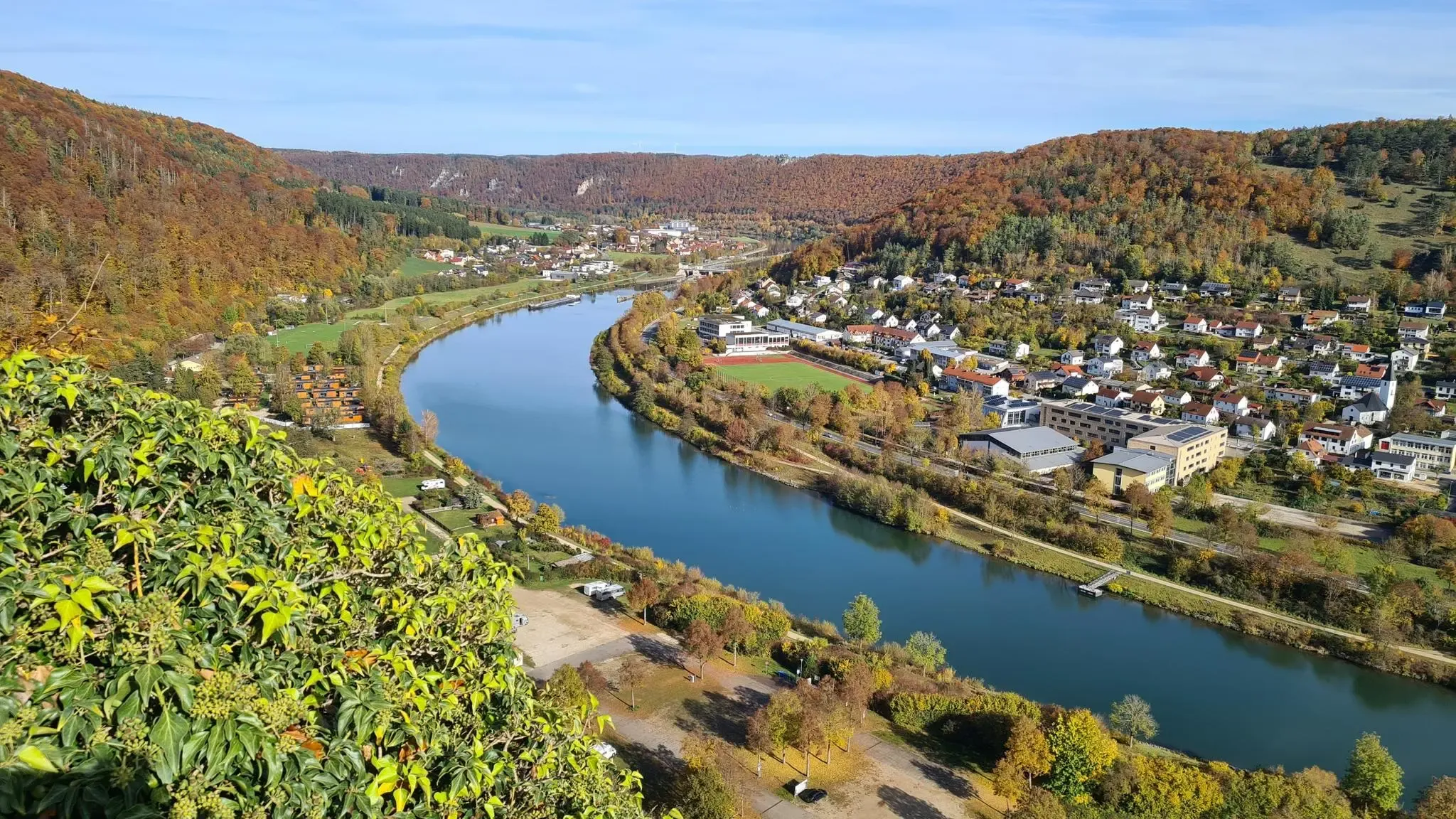
Golden trails – autumn hiking in Altmühltal
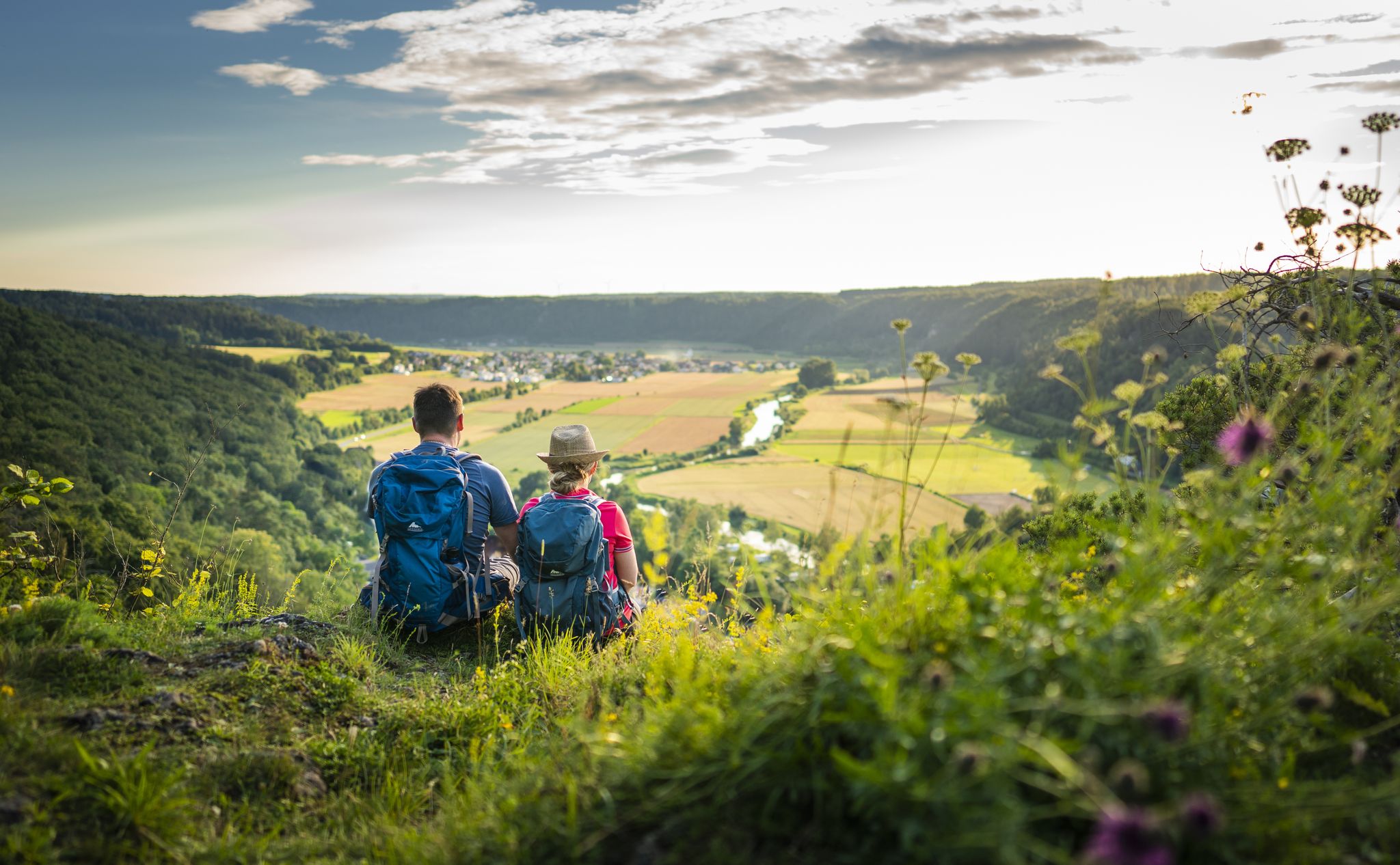
Sunny hiking loops – glorious autumn in the Altmühltal Nature Park

Hikes in the autumnal Altmühltal Nature Park
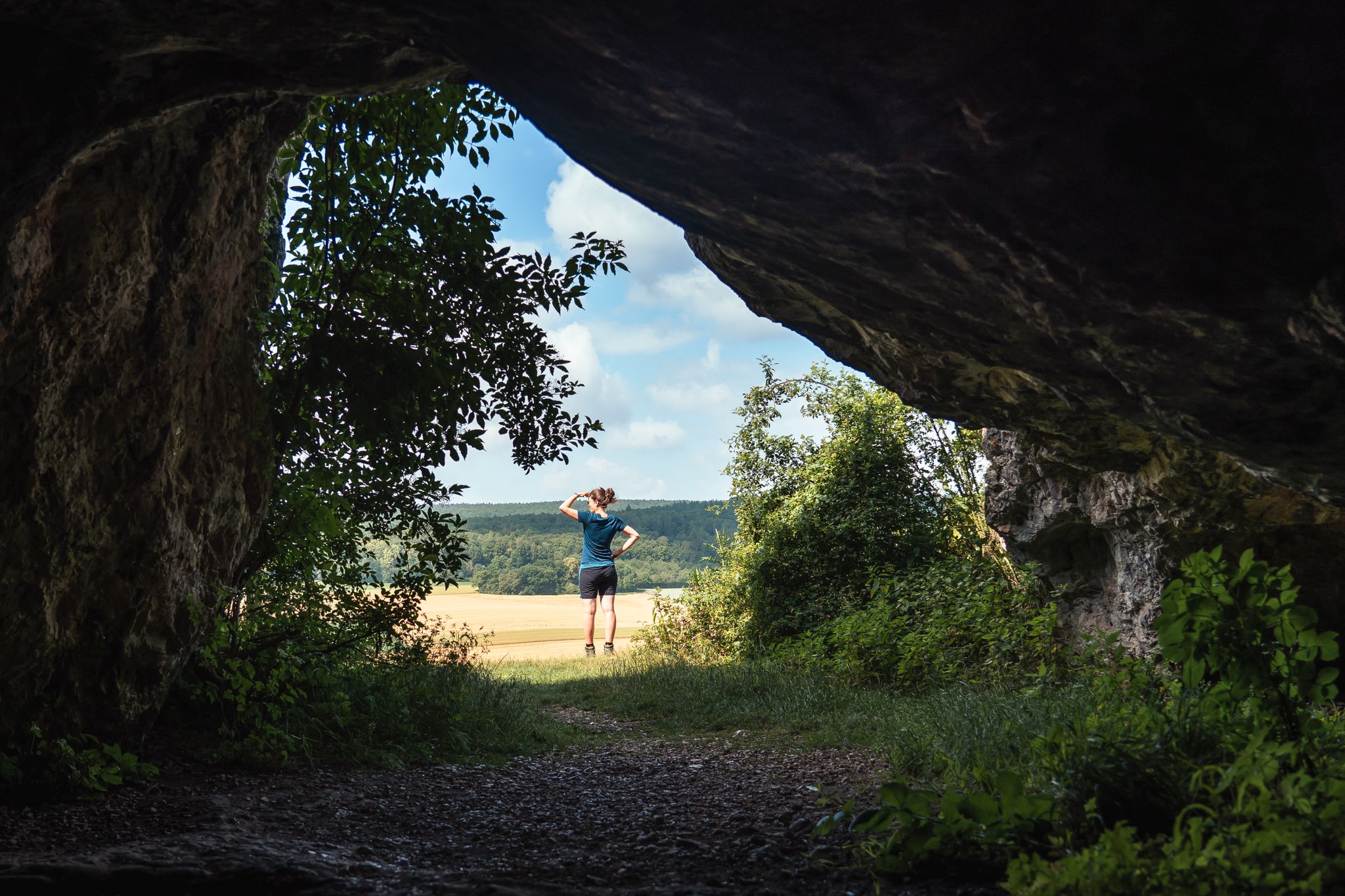
Historic and exciting – hiking in the DONAURIES holiday region
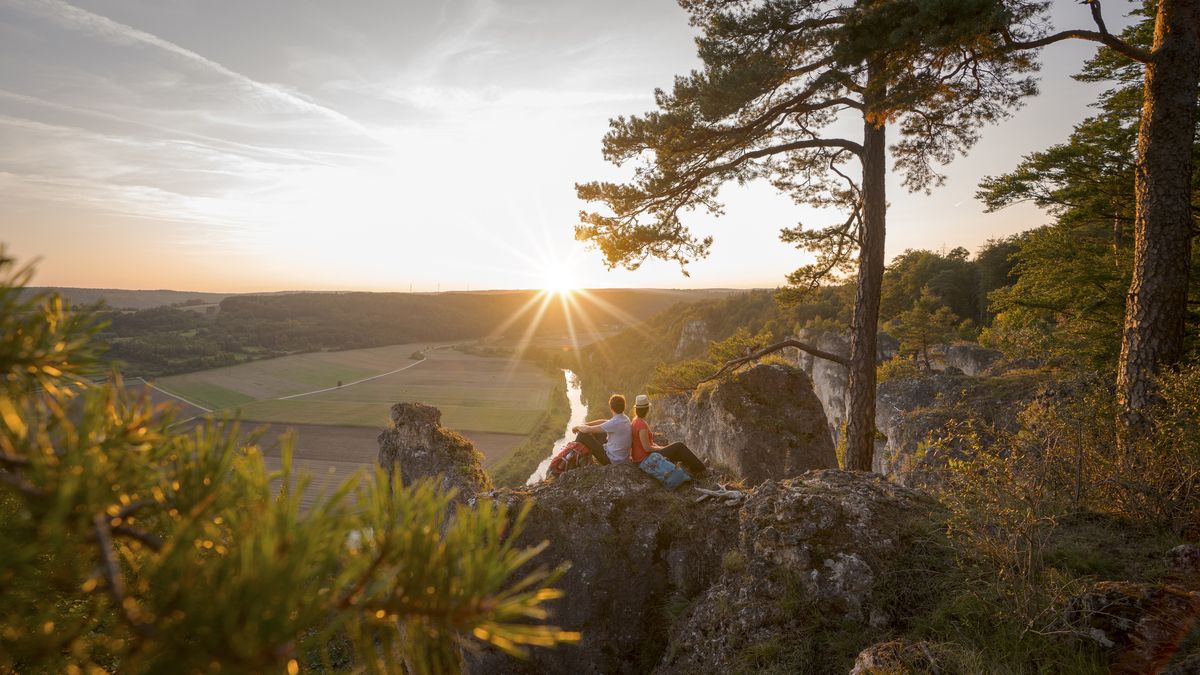
Wonderful nature and endless variety – Altmühltal Nature Park
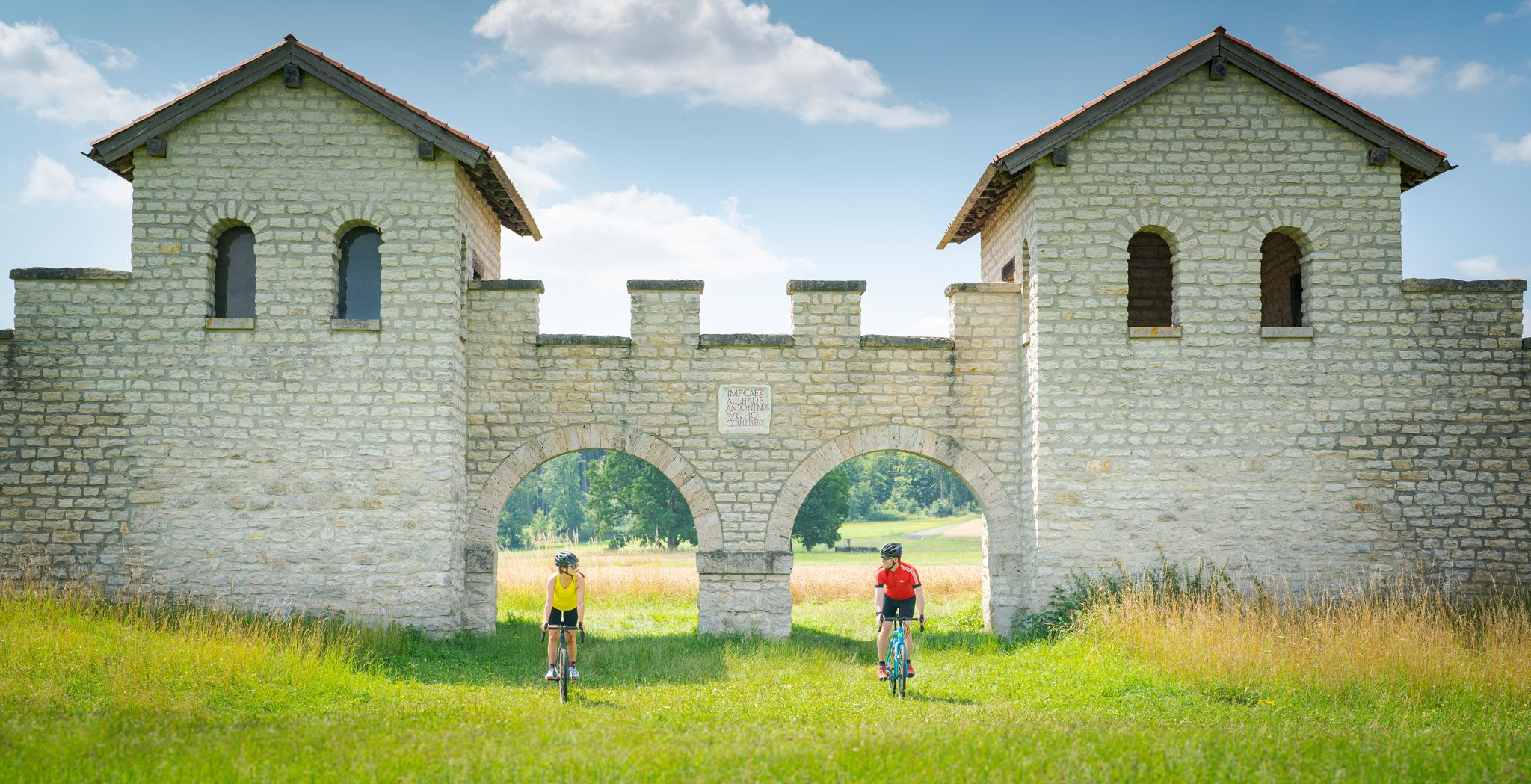
River valleys to plateaus – gravel cycling in Altmühltal Nature Park

The Franconian Trail – A Diverse Hiking Dream Across 24 Stages

Gut essen, gut wandern – Kulinarische Touren im Naturpark Altmühltal
Cycling around Wemding
Other adventures around Wemding


Tips from the Community

Very beautiful facility that invites you to hike, discover and linger. Your physical well-being is also taken care of, as there are many opportunities nearby for dining and lingering.
0
0

The church looks good.
0
0

There are different levels here. The family crypt is in the basement and can be visited during special tours. Otherwise, the church is part of the "normal" tour. Old memorial stones of nobles can also be seen here. The church can also be visited without a guide.
1
1

Small but nice city center. The Oettinger beer here is much better than its reputation
0
0

In Oettingen stands the baroque castle of the princely family of Oettingen-Spielberg. Oettingen has always been the seat of government for the counts and princes since the first documented mention of the Oettingen noble family in 1141. The residential palace was built a good 30 years after the Thirty Years' War, between 1679 and 1687.
0
0

In the 12th century, Marquard Spet de Steinenhart, who was named as a witness in a document in 1120, probably built the castle above the village of Steinhart and in 1130 a "Bertholdus Späth, nobilis de Steinhart" was mentioned. Further mentions of the Spete took place in 1167 with Heinrich Spet and Bertold Spet 1180-1183. From 1282 the Lords of Spet called themselves Spete von Steinhart (the "late von Steinhart"). In 1282 the Spetsche property was divided into two lines, with part coming to Faimingen an der Donau, today a part of the town of Lauingen "Old Castle" destroyed in the war for the Eichstätt fiefdom and not rebuilt. The Jewish cemetery has been located on the castle hill of the abandoned castle with a ring-shaped moat, the Burgstall Steinhart, also known as the Judenbuck, since the 18th century. After Herman Spet received permission to build a new fortress in Steinhart in 1328, the castle stable became strategically more favorable The new Steinhart Castle was built, today also called the "Old Castle". After 1339, the castle changed hands and came to the Counts of Öttingen, who sold the property to the von Gundelsheim family in 1359. After the castle was already in poor structural condition in 1532 , it changed hands and was probably destroyed in 1634 during the Thirty Years' War. The ruins have been privately owned since 1971. Significant remnants of the enclosing walls of the former rectangular castle complex with an outer bailey on a trapezoidal ground plan are still preserved, with hump ashlars with notched edges at the corners. https://de.wikipedia.org/wiki/Burg_Steinhart
9
0
In the 12th century, Marquard Spet de Steinenhart, who was named as a witness in a document in 1120, probably built the castle above the village of Steinhart and in 1130 a "Bertholdus Späth, nobilis de Steinhart" was mentioned. Further mentions of the Spete took place in 1167 with Heinrich Spet and Bertold Spet 1180-1183. From 1282 the lords of Spet called themselves Spete von Steinhart (the "late von Steinhart"). In 1282, the Spetsche property was divided into two lines, with part going to Faimingen an der Donau, now part of the municipality of Lauingen. The "old castle" was probably destroyed in the war over the Eichstätt fiefdom and not rebuilt. The Jewish cemetery has been located on the castle hill of the former castle with a ring-shaped moat, the Burgstall Steinhart, also known as the Judenbuck, since the 18th century. After Herman Spet received permission to build a new fortress in Steinhart in 1328, the new Steinhart Castle was strategically built over the Burgstall, today also known as the "Old Castle". After 1339 the castle changed hands and came to the Counts of Öttingen, who sold the property to the von Gundelsheim family in 1359. After the castle was already in poor structural condition in 1532, it changed hands and was probably destroyed in 1634 during the Thirty Years' War. The ruins have been privately owned since 1971. Significant remnants of the enclosing walls with hump ashlars with notched edges at the corners are still preserved from the former rectangular castle complex with an outer bailey on a trapezoidal floor plan. https://de.wikipedia.org/wiki/Burg_Steinhart
6
0
Steinhart Castle, also known as the Old Castle, is the ruin of a hilltop castle at 510 m above sea level. NN high hill above today's Steinhart district of the municipality of Hainsfarth in the district of Donau-Ries in Bavaria. Wikipedia
0
3
Frequently Asked Questions
What kind of historical sites related to castles can I explore directly in Wemding?
In Wemding itself, you can explore the Schlosshof (Castle Courtyard), which marks the original settlement area and was once an extensive castle complex. While the original buildings are largely gone or repurposed, the layout reflects its historical significance. You can also see remnants of the medieval fortified site known as Burg Wemding on the Ziegelberg, offering insight into early defensive structures. The preserved town wall with its wehr towers and moat also provides a strong impression of the town's medieval fortifications.
Which castle ruins near Wemding offer a glimpse into medieval fortifications?
For a look at medieval fortifications, visit Steinhart Castle Ruins. This 12th-century hilltop castle features significant remnants of its enclosing walls and hump ashlars, providing a clear picture of its former defensive structure.
Are there any grand palaces to visit in the vicinity of Wemding?
Yes, the Princely Residence Palace Oettingen is a notable baroque palace built between 1679 and 1687. You can experience themed and special tours through its residence rooms and the castle museum, offering a glimpse into the princely family's history.
Can I visit religious sites within castle grounds near Wemding?
Absolutely. St. Michael's Castle Church is a religious building located within castle grounds. It features an interesting construction with different levels and a family crypt, and can be visited as part of tours or sometimes independently.
What outdoor activities can I do near these castles?
The region around Wemding offers various outdoor activities. You can find numerous hiking trails, ranging from easy to difficult, and gravel biking routes. For detailed options, explore guides like Easy hikes around Wemding, Hiking around Wemding, and Gravel biking around Wemding.
Are there family-friendly castles or historical sites to visit?
Yes, both the Princely Residence Palace Oettingen and the Oettingen Residence Palace are categorized as family-friendly. The historical Oettingen Historic Old Town also offers a pleasant experience for families with its sights and stork nests.
What do visitors enjoy most about the castles and historical sites around Wemding?
Visitors particularly appreciate the historical depth and the well-preserved medieval ambiance. The Oettingen Historic Old Town is praised for its ancient charm and many stork nests. The Princely Residence Palace Oettingen is valued for its magnificent architecture and guided tours, while St. Michael's Castle Church is noted for its interesting construction and historical significance.
Are there any easy walks or hiking trails that incorporate castle views or historical ruins?
Yes, you can find easy walks that lead to or past historical sites. For example, the 'Skulpturenweg 2 (Sculpture Trail 2)' is an easy hike in the Altmühltal Nature Park. While not directly to a castle, many trails in the region offer views of the historical landscape. Check the Easy hikes around Wemding guide for more options.
What is the best time of year to visit the castles and historical sites around Wemding?
The Princely Residence Palace Oettingen is open from April to October. Generally, spring through autumn offers pleasant weather for exploring the outdoor ruins and historical towns. Winter visits might be possible for some indoor attractions, but outdoor exploration of ruins like Steinhart Castle Ruins might be less comfortable due to weather conditions.
Are there cafes or places to eat near the castles in Wemding and the surrounding area?
Yes, the Oettingen Historic Old Town, which is home to the Princely Residence Palace, offers a number of restaurants and cafés, making it a convenient stop for refreshments. Wemding itself also has amenities for visitors.
Can I bring my dog to the castle sites or on nearby trails?
While specific regulations for each castle vary, many outdoor historical sites and hiking trails in the region are dog-friendly. It's always advisable to keep dogs on a leash, especially in historical areas or nature reserves. For specific trails, you can often find details in the route descriptions within the Hiking around Wemding guides.
Are there any hidden gem castles or lesser-known historical sites worth exploring?
Beyond the main highlights, the historical context of Wemding itself, particularly the remnants of Burg Wemding on the Ziegelberg, offers a unique experience for those interested in archaeology and very early forms of medieval fortifications. It's a site for historical contemplation rather than a grand standing castle.
What are the best options for parking when visiting castles and historical sites?
Parking availability varies by location. For towns like Oettingen and Wemding, public parking lots are generally available within walking distance of the main historical sites. For more remote ruins like Steinhart Castle Ruins, you might find designated parking areas at the base of the hill or nearby villages.
Most popular routes around Wemding
Most popular attractions around Wemding

Get inspired with the komoot mobile app


Explore more
Looking for the best castles somewhere else? Discover other guides around Wemding:
