Top 16 Lakes around Mesekenhagen
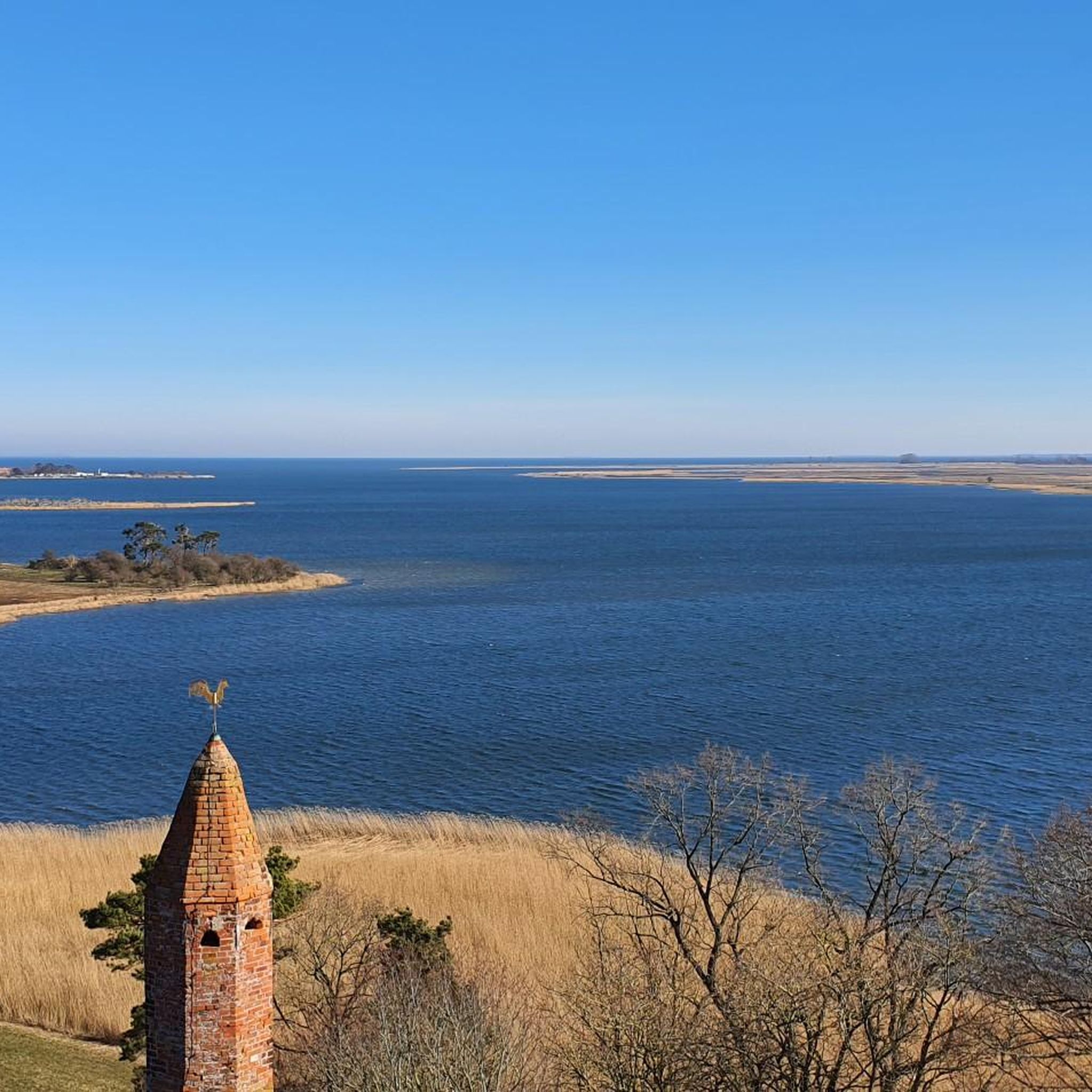
Best lakes around Mesekenhagen are found in the surrounding region of Mecklenburg-Vorpommern, known as the "Land of 1000 Lakes." Mesekenhagen is situated near the Greifswalder Bodden, a large coastal lagoon of the Baltic Sea. The area provides access to diverse aquatic environments, from brackish coastal waters to extensive freshwater lake districts. These natural features offer various opportunities for exploration and outdoor activities.
Best lakes around Mesekenhagen
- The most popular lakes highlight is Museum Harbour Greifswald, a historical site and…
Last updated: October 13, 2026
Museum Harbour Greifswald
Highlight • Historical Site
Translated by Google •
Tip by

Bridge to Koos Island
Highlight • Bridge
Translated by Google •
Tip by

Sign up now to discover places like this
Get recommendations on the best single tracks, peaks, & plenty of other exciting outdoor places.
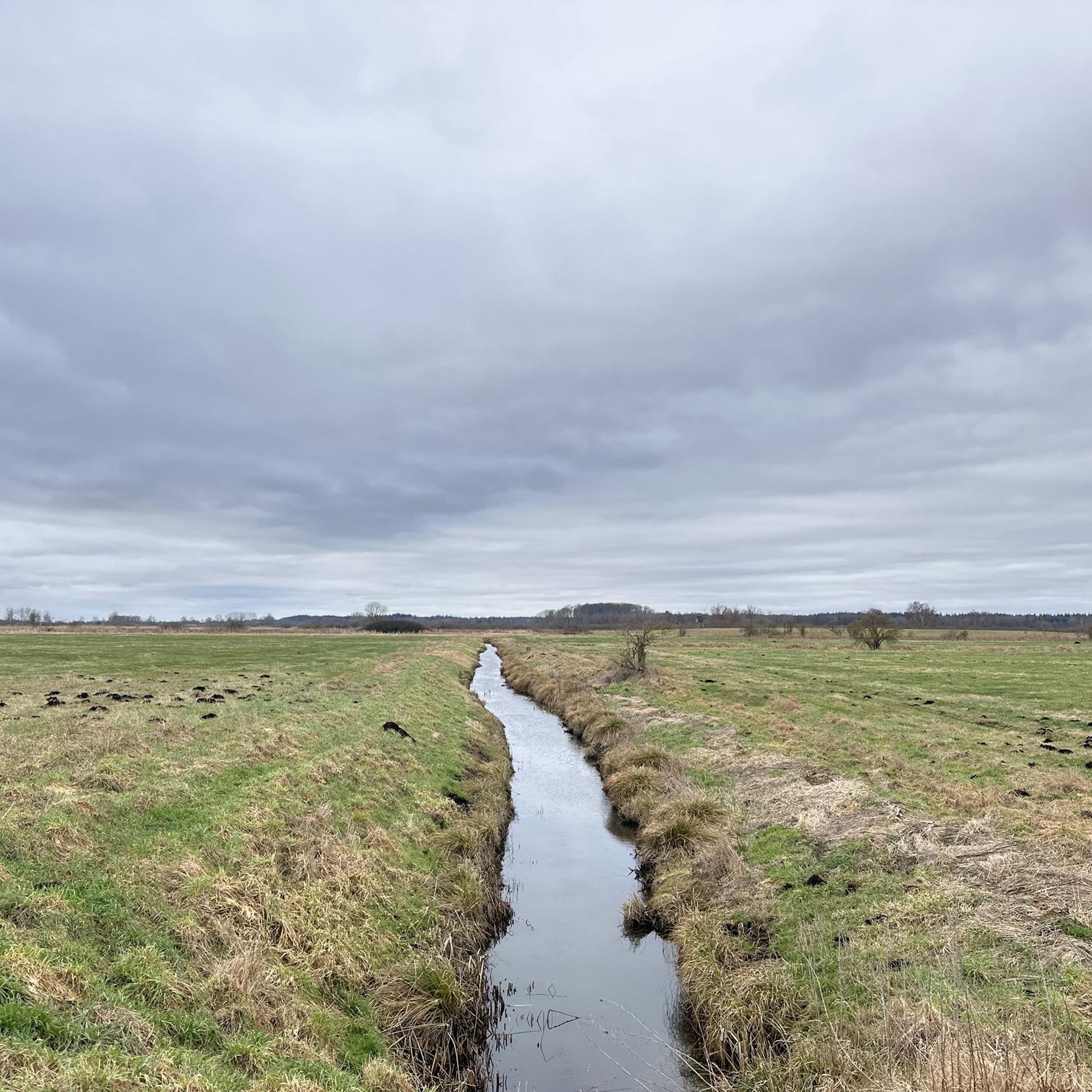
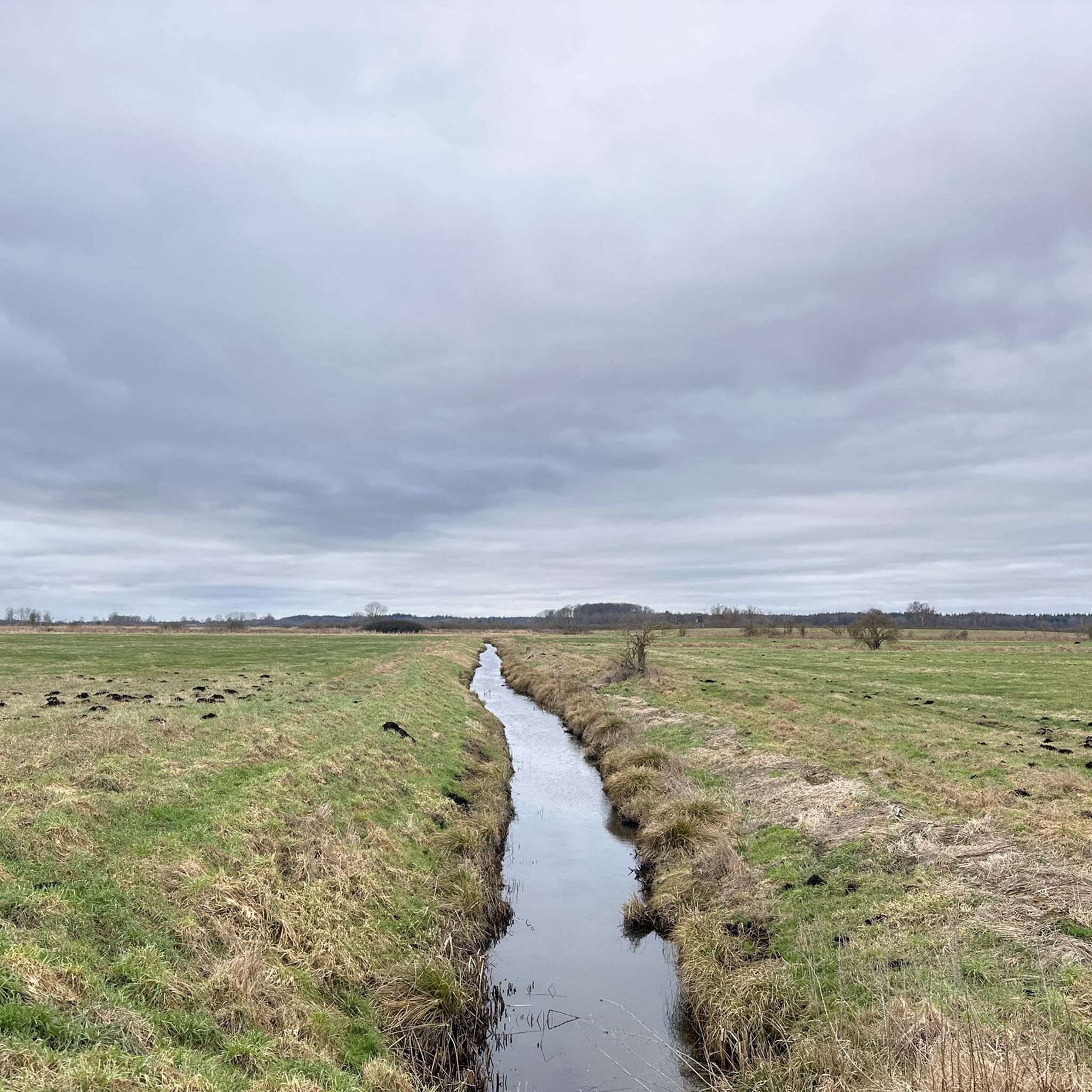
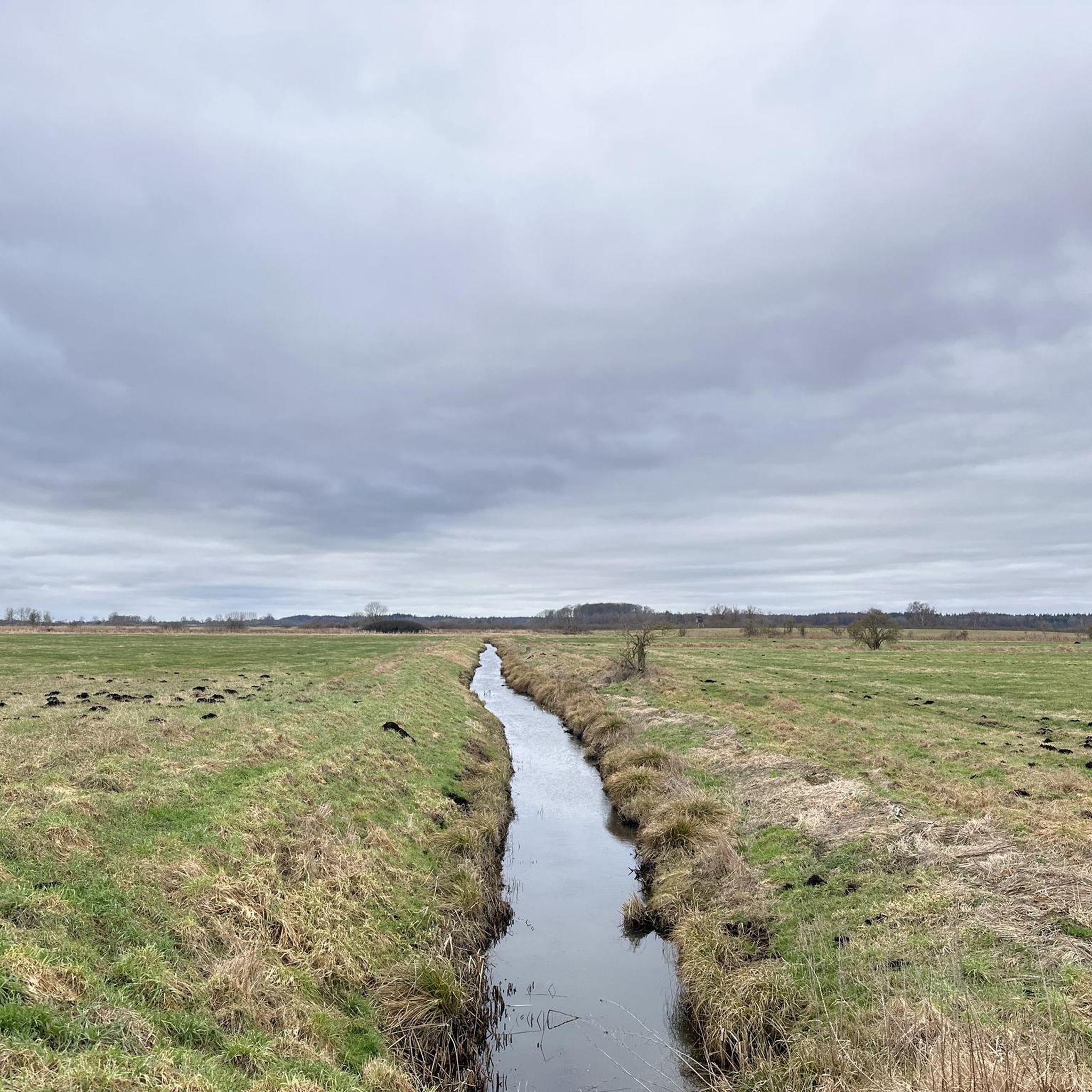
Mellnitz-Üselitzer Wiek Nature Restoration Area
Highlight • Lake
de.wikipedia.org/wiki/Mellnitz-%C3%9Cselitzer_Wiek
Translated by Google •
Tip by

Ludwigsburg Pier and Beach
Highlight • Beach
Translated by Google •
Tip by

Puddeminer Wiek Nature Reserve
Highlight (Segment) • Natural Monument
Translated by Google •
Tip by

Sign up for free to discover even more lakes around Mesekenhagen.
Already have an account?
Start today with a free account
Your next adventure awaits.

Tips from the Community

Environmental protection becomes "tangible" here, great that DEGES made this possible as compensation for the "new" Rügenbrücke. Definitely take binoculars with you...
0
0
Here, environmental protection becomes "tangible", great that DEGES made this possible as compensation for the "new" Rügen Bridge. Definitely take binoculars with you...
0
0

On the way to Koos Island, you also pass the new moor pavilion. Unfortunately, you are not allowed to enter the island. The path there is also well suited for bird watching.
1
0
There is a lot of bird activity at the bridge. Unfortunately, you cannot get to the island of Koos.
1
0

Beautiful view. Unfortunately, access to the island is closed.
0
0

Wonderful nature to relax and enjoy.
1
0

The ferry does not always stop there in Ludwigsburg as scheduled. In the low season only after calling and booking in advance with the shipping company on +49 160 95100208. The crew is very helpful with bicycles and the trip to Greifswald costs €15 including the bicycle.
0
1

Fantastic landscape right at the beginning of the island.
1
0
Frequently Asked Questions
What types of lakes can I explore near Mesekenhagen?
Near Mesekenhagen, you can explore two distinct types of aquatic environments. The Greifswalder Bodden is a large brackish coastal lagoon of the Baltic Sea, known for its unique ecosystem and birdlife. Further inland, you can access the vast freshwater Mecklenburg Lake District, Central Europe's largest continuous lake area, featuring over 1,000 interconnected lakes like Müritz and Lake Schwerin.
What natural features are prominent around the Greifswalder Bodden?
The Greifswalder Bodden is characterized by its heavily indented coastline, shallow brackish waters, and sandy beaches. It's a designated European bird sanctuary, providing crucial habitats for numerous species, including grey herons and migrating cranes. You can also find rich fish populations and serene spots for relaxation and birdwatching. Highlights like the View of the Greifswalder Bodden offer scenic vistas of this unique landscape.
Are there any nature reserves or protected areas near the lakes?
Yes, several protected areas are accessible. The Puddeminer Wiek Nature Reserve offers a quiet natural landscape with bike paths. The Mellnitz-Üselitzer Wiek Nature Restoration Area is a rewetting project that created a shallow sea bay, serving as an important resting and feeding ground for migratory and resting birds. Further afield, the Müritz National Park within the Mecklenburg Lake District protects extensive beech forests and numerous lakes.
What water sports can I enjoy on the lakes near Mesekenhagen?
The region offers diverse water sports opportunities. The calm, shallow waters of the Greifswalder Bodden are ideal for surfing, kayaking, and family-friendly bathing. In the Mecklenburg Lake District, particularly on lakes like Müritz, you can enjoy sailing, stand-up paddling, houseboat vacations, canoeing, and swimming. Many lakes have shallow entrances, making them perfect for children.
Are there opportunities for hiking or cycling around the lakes?
Absolutely. The natural landscapes around the lakes are ideal for hiking and cycling. The hiking trails around Mesekenhagen include easy routes like the 'Wader Bird Observation Area' loop. For cyclists, there are numerous trails, including those in the Müritz National Park. You can also find MTB trails and gravel biking routes that explore the coastal and inland areas.
Are there family-friendly activities or beaches at the lakes?
Yes, many areas are well-suited for families. The Greifswalder Bodden features calm, shallow waters and sandy beaches, perfect for children. The Ludwigsburg Pier and Beach is a family-friendly spot. Within the Mecklenburg Lake District, lakes like Müritz and Plauer See offer family-friendly bathing areas with excellent water quality, adventure playgrounds, and shallow zones, such as in Rechlin.
What historical or cultural sites can I visit near the lakes?
The Museum Harbour Greifswald is a significant historical site and port, functioning as a living museum that showcases traditional boat and shipbuilding. It's a vibrant spot where many sailing boats are moored. Further away, Lake Schwerin is known for the stunning Schwerin Castle directly on its shores, offering a rich cultural experience.
What do visitors enjoy most about the lakes near Mesekenhagen?
Visitors particularly appreciate the diverse natural beauty and tranquility. The Greifswalder Bodden is loved for its unique coastal lagoon experience, birdwatching opportunities, and calm waters. The Mecklenburg Lake District is praised for its extensive network of clean freshwater lakes, offering endless possibilities for water sports, hiking, and cycling amidst untouched nature. Many enjoy the quiet environment and beautiful bike paths found in areas like the Puddeminer Wiek Nature Reserve.
Can I go swimming in the lakes near Mesekenhagen?
Yes, swimming is a popular activity, especially during summer. The Greifswalder Bodden offers numerous sandy beaches and shallow, calm waters ideal for bathing. Many lakes within the Mecklenburg Lake District, such as Müritz and Plauer See, boast excellent water quality and designated bathing areas, often with shallow entrances suitable for children. You can also find small, lonely bays for swimming, as mentioned near the View of the Greifswalder Bodden.
What is the best time to visit the lakes around Mesekenhagen?
The best time to visit largely depends on your preferred activities. Summer (June to August) is ideal for swimming, water sports, and enjoying the beaches. Spring and autumn offer excellent conditions for hiking, cycling, and birdwatching, especially during migration seasons when numerous bird species, including cranes, can be observed around the Greifswalder Bodden and in nature reserves.
Are there any viewpoints offering scenic panoramas of the lakes?
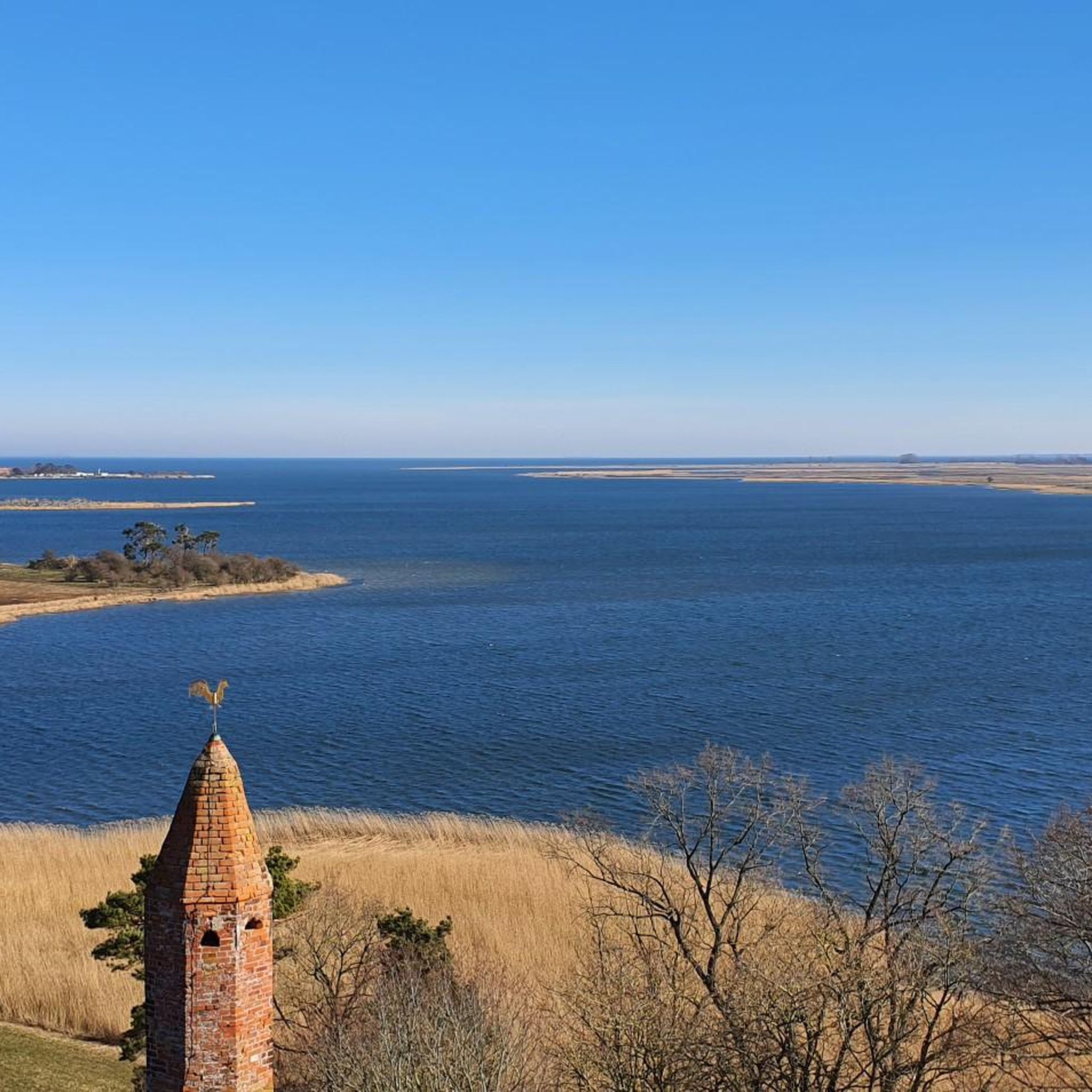
Yes, there are several excellent viewpoints. The View of the Greifswalder Bodden provides beautiful vistas of the Danish Wieck and the Bodden itself, often along bike paths. The Mellnitz-Üselitzer Wiek Nature Restoration Area also offers peaceful views of the rewetting project and its birdlife. Additionally, the Museum Harbour Greifswald offers picturesque views of the historic port and sailing boats.
Most popular routes around Mesekenhagen
Most popular attractions around Mesekenhagen

Get inspired with the komoot mobile app


Explore more
Still not found your perfect lake around Mesekenhagen? Check out the guides of these regions to see even more beautiful places.
